Engineered to deliver exceptional dimensional tolerances, optimized material interfaces, and high output productivity.
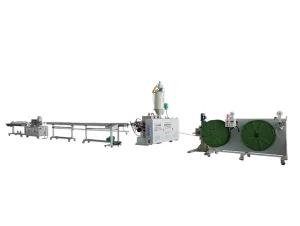
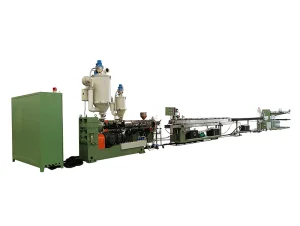
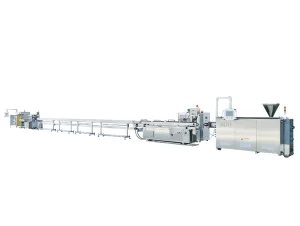
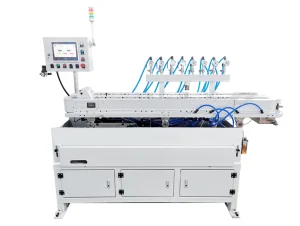
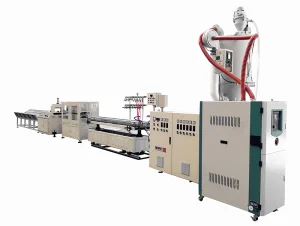
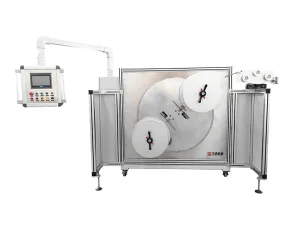
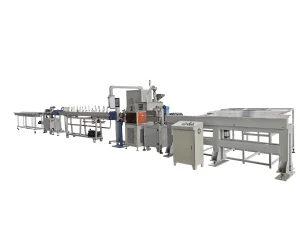
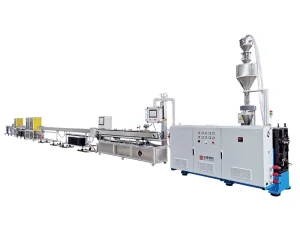
Founded in 2002, BAOD EXTRUSION (Jiangsu Baodie Automation Equipment Co., Ltd.) is dedicated to the core technology paradigms of designing, manufacturing, and marketing advanced thermoplastic extrusion machinery. Drawing on our rich heritage of over 25 years in structural engineering, Baod has established a comprehensive technology ecosystem originally backed by our parent enterprise, KINGSWEL GROUP, which initiated manufacturing in Shanghai in 1999.
We believe that high-performance extrusion systems are built on four pillars: Precision extrusion technology, High efficiency output systems, Advanced process automation, and Comprehensive safety engineering. From simple profiles to ultra-complex multi-layer automotive fluid delivery ducts, BAOD delivers optimized industrial equipment tailored to survive the demands of continuous 24/7 manufacturing plants.
A Comprehensive Technical Review of Thermoplastic Vulcanizate Extrusion, Radial Knitting Integration, and Adhesion Science.
Thermoplastic Vulcanizates (TPV) represent a unique material class combining the processing simplicity of polyolefins with the high-performance elastomeric characteristics of fully vulcanized EPDM rubber. In a TPV matrix, cured rubber particles are finely dispersed in a continuous thermoplastic polyolefin phase. Processing TPV requires highly specialized screw designs to prevent excessive shear heat while ensuring complete melting, dynamic degasification, and highly stable output pressure profiles.
Unlike single-material tubes, knitting reinforced hoses rely on mechanical interlock and thermal adhesion between the inner TPV core, the polyester or aramid knit structure, and the outer protective TPV cover layer. BAOD's custom die designs incorporate precision co-extrusion technology, utilizing localized adhesive layer co-injection. This prevents structural shifting during high-temperature automotive operations under cyclic pressures.
The knitting unit must run in exact alignment with the liner line speed. BAOD utilizes advanced servo-driven knitting systems that allow real-time control of the stitch pitch, angle, and tension. Whether applying a standard interlocking structure or custom bias angles, the system maintains high speeds without causing surface degradation on the un-vulcanized inner liner.
Industrial manufacturing demands are moving rapidly toward fully documented process parameter tracing and closed-loop self-correction systems. BAOD’s modern TPV Knitting Hose Line designs integrate non-contact optical measurement sensors, smart gravimetric feeding controls, and digital twin PLC interfaces.
By implementing a continuous feedback control loop, if the laser outer-diameter gauge detects a deviation of ±0.02 mm, the PLC automatically micro-adjusts the puller speed and melt pump output in fractions of a second. This minimizes startup scrap rates and guarantees high compliance standards requested by top-tier automotive and aeronautic suppliers globally.
| Specification Parameter | Standard TPV Hose Line | BAOD Precision High-Speed TPV Line | Key Operational Advantage |
|---|---|---|---|
| Extruder Screw L/D Ratio | 28:1 to 30:1 | 33:1 to 36:1 (High-Performance Barrier Screw) | Superior melt homogeneity and temperature control |
| Melt Output Consistency | ± 2.5% variation | ± 0.5% (integrated melt pump tech) | Eliminates wall thickness pulsing, saving raw material |
| Line Speed Capabilities | 8 to 15 meters / min | Up to 30+ meters / min (depending on knit pitch) | Doubles output throughput per square meter of facility |
| Knitting Tension Control | Manual mechanical tensioner | Dynamic closed-loop feedback servo spooling | Zero fiber breakage and consistent burst resistance |
Modern procurement directors face a complex array of challenges: volatile polymer pricing, fluctuating energy rates, shipping delays, and the urgent push to reduce carbon footprints. Because TPV is fully recyclable (unlike thermoset EPDM rubber), leading automotive and appliance brands are rapidly converting their fluid transfer architectures to TPV-based designs.
Sourcing a custom TPV knitting hose line requires selecting a manufacturer that understands both material engineering and mechanical control systems. A system that cannot manage high temperatures or maintains poor thermal isolation between co-extrusion heads will experience continuous delamination failures, leading to costly high-pressure hose bursts under hood.
With the rapid transition to Electric Vehicles (EVs), thermal management has become incredibly complex. E-motors and large lithium battery packs require miles of lightweight coolant tubes. High-performance knitted TPV hoses offer lightweight, flexible, and chemical-resistant pathways capable of managing glycol-water mixtures at elevated temperatures.
From manufacturing plant pneumatic links to construction fluid delivery systems, high pressure demands tough construction. The integration of high-tensile aramid yarn knitting inside a high-molecular-weight TPV matrix ensures maximum protection against external wear and internal pressure surges.
BAOD lines are engineered to support bio-based TPV variants and recycled compounds. Sourcing our extrusion lines ensures that your factory meets current and future REACH, RoHS, and EU waste reduction directives by allowing scrap recycling right back into the secondary layer feed system.
Detailed insights to assist manufacturing plant engineers, quality assurance managers, and global procurement teams.
TPV (Thermoplastic Vulcanizate) eliminates the need for expensive, energy-intensive vulcanization lines (like continuous microwave or molten salt baths) required by EPDM. TPV is processed using conventional thermoplastic extrusion lines, resulting in much lower energy consumption, smaller factory footprints, and the ability to fully recycle production scrap. Furthermore, TPV offers superior consistency in wall thickness and lower overall weight compared to EPDM.
We deploy special co-extrusion technology. By applying a microscopic, highly controlled compatibilizer or modified polymer tie-layer immediately before the knitting matrix or outer cover application, we form a reliable chemical weld. This process is fully managed by our high-precision multi-layer crosshead dies, designed by our internal engineering team.
Yes. Our extrusion platforms are highly modular. By switching the screw design (adjusting compression ratio and flight geometry) and tuning the temperature profiles on our Siemens PLC control panels, the same base machinery line can process PVC, TPV, or polyurethane (TPU) materials. This versatility maximizes capital equipment ROI.
Our custom precise traverse displacement auto-spool winding machines feature tension feedback sensors. As the hose moves from the final sizing tank to the winder, the tension is micro-adjusted to match the exact output speed. This prevents elongation or oval deformation of the hose while still warm.
Stay informed with updates regarding CHINAPLAS presentations, compliance developments, and extrusion engineering insights.
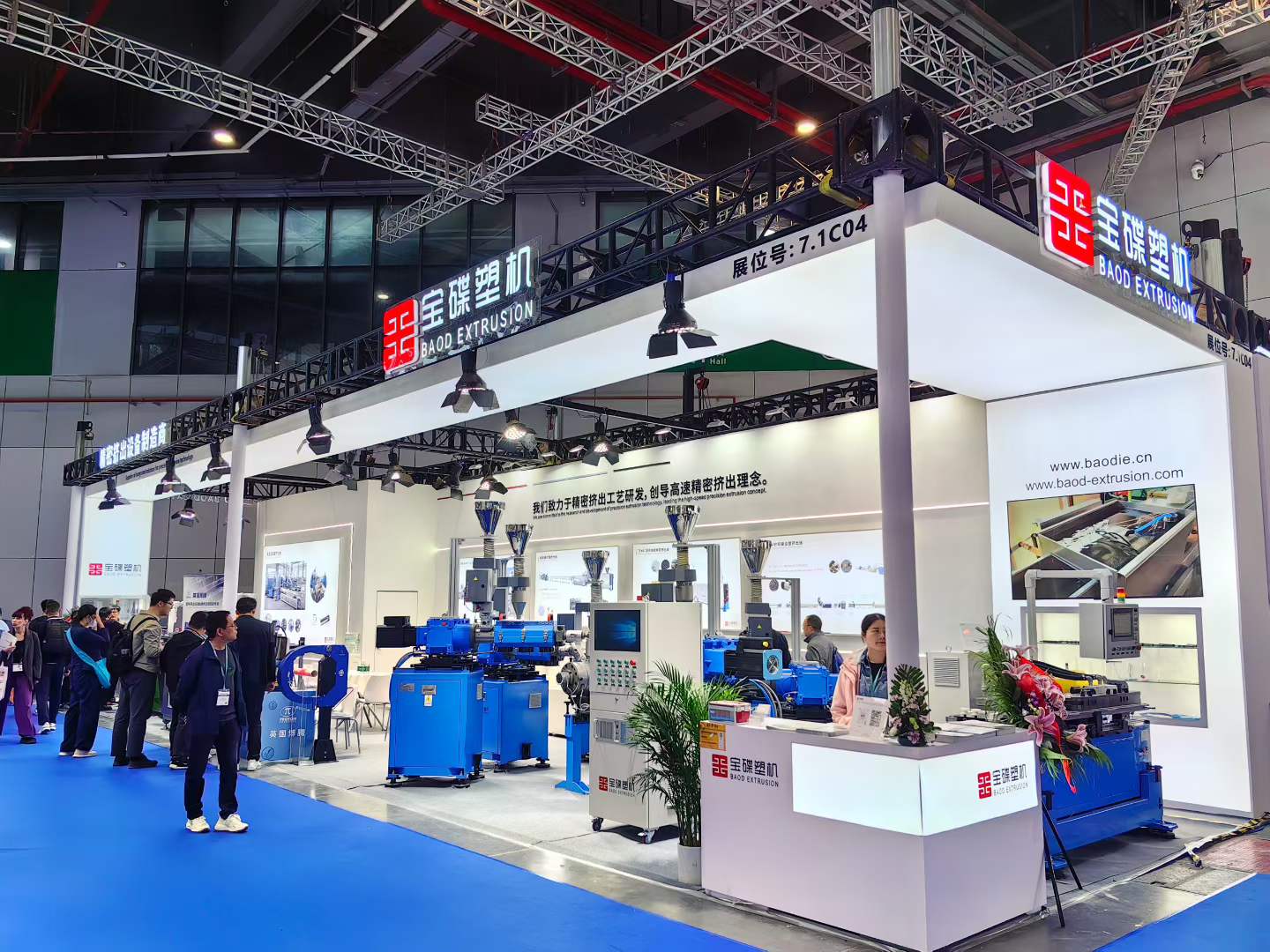
From April 21–24, CHINAPLAS 2026 was successfully held at the National Exhibition and Convention Center (Shanghai, Hongqiao). BAOD EXTRUSION showcased its latest R&D achievements at Booth 7.1C04, presenting “Smart Extrusion · High-Efficiency Innovation” solutions...
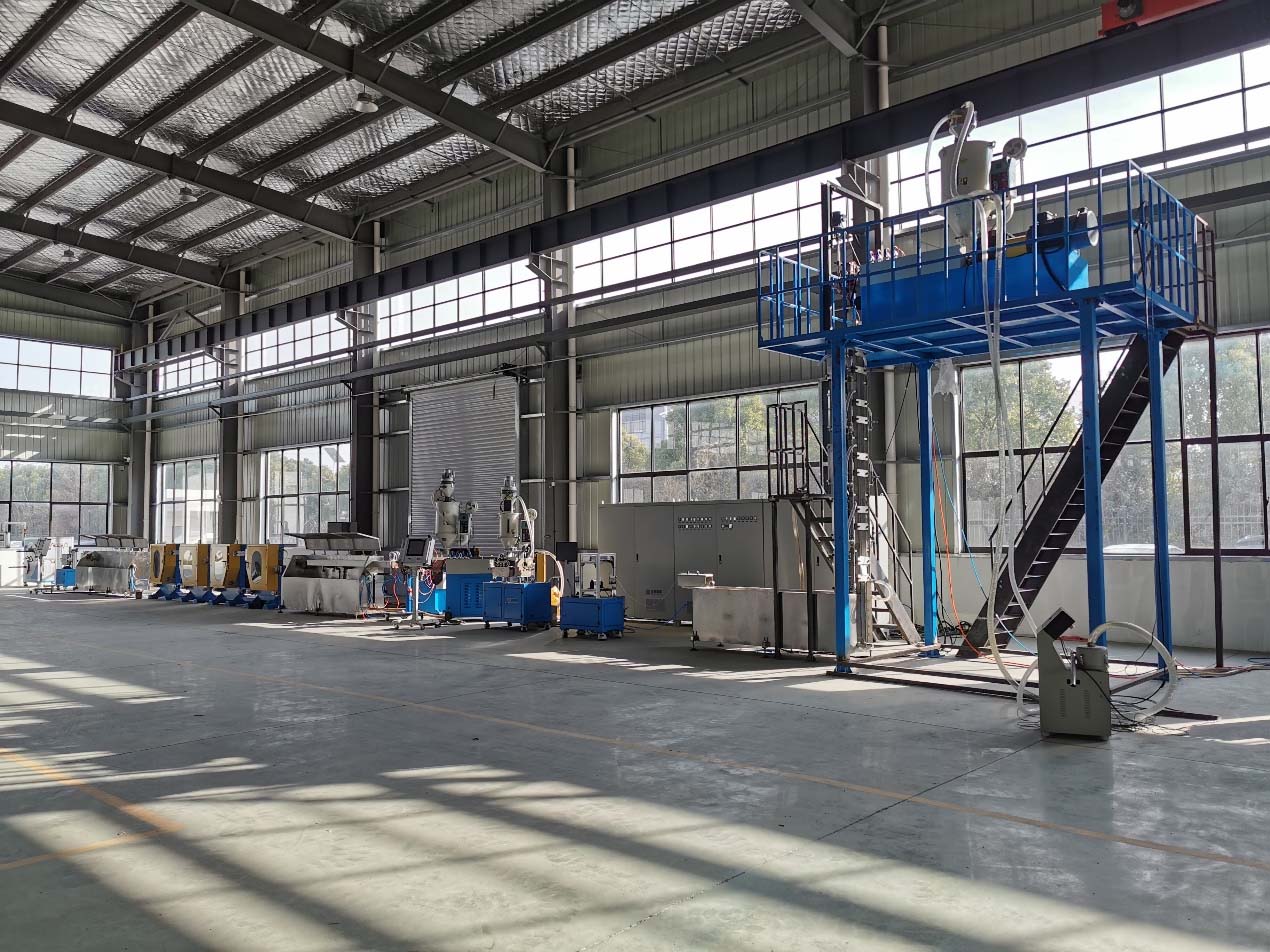
In the controlled environment of a modern industrial facility, a single, hair-thin plastic tube wound onto a reel might seem unremarkable. However, in mining, quarrying, and demolition, this tube—known as a detonating tube—demands flawless manufacturing integrity...
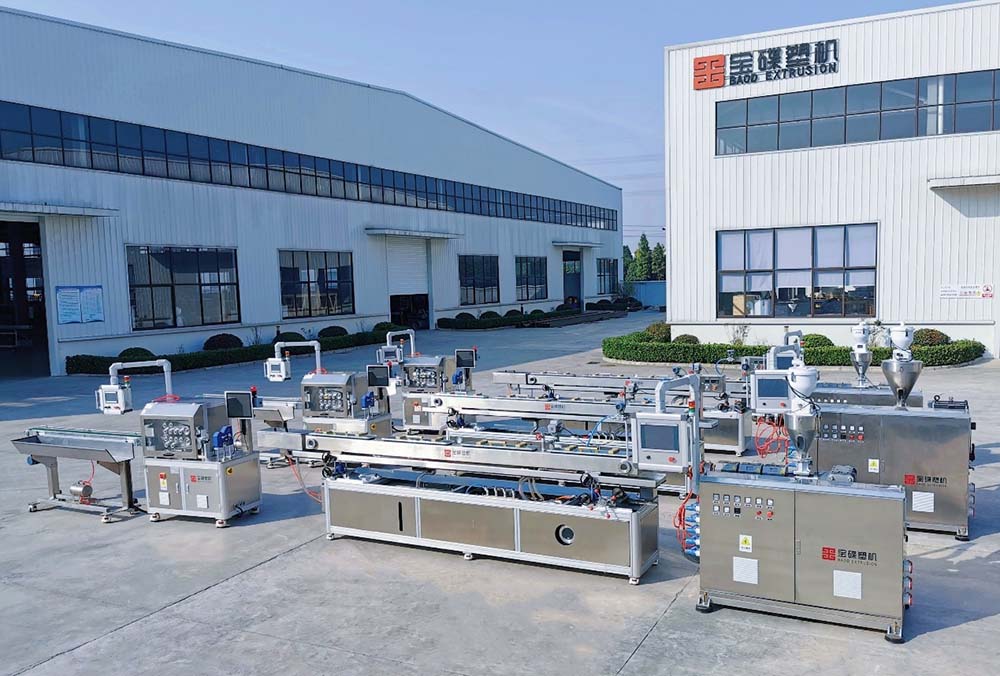
In the sterile environment of medical facilities, a multi-lumen tube is a critical conduit. BAOD compares high-precision Chinese extrusion engineering output with European standards, demonstrating how close-tolerance designs achieve international compliance levels...
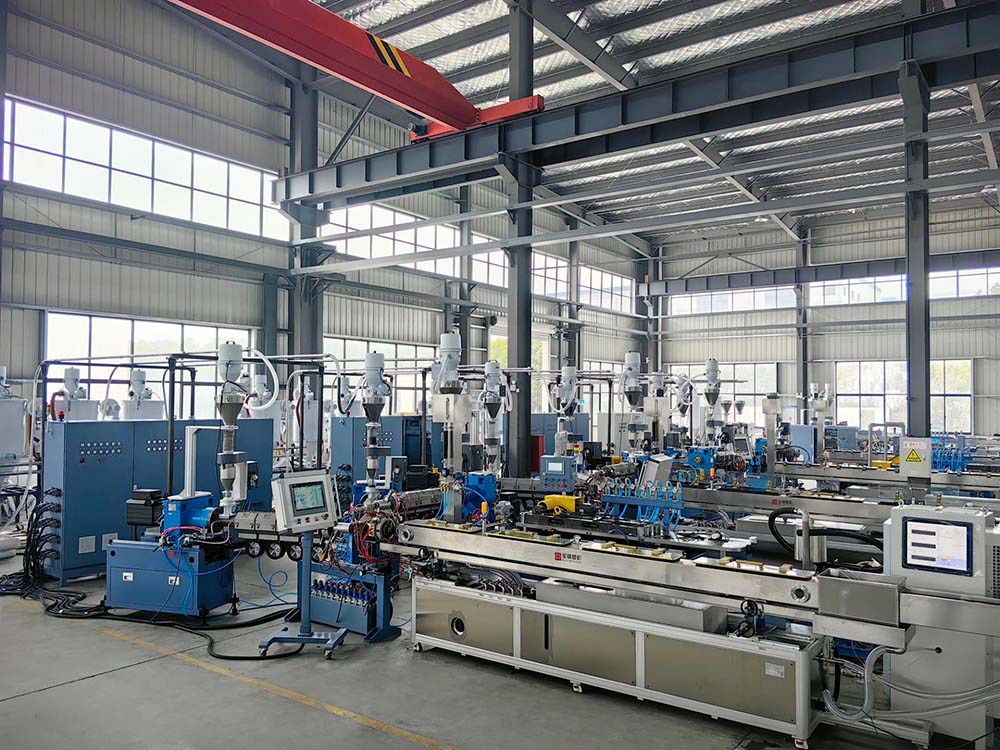
How do the world's most reputable vehicle manufacturers ensure the absolute integrity of every fuel line, brake hose, and cooling pipe? BAOD maintains strict international compliance and dynamic testing to satisfy top-tier auto networks...
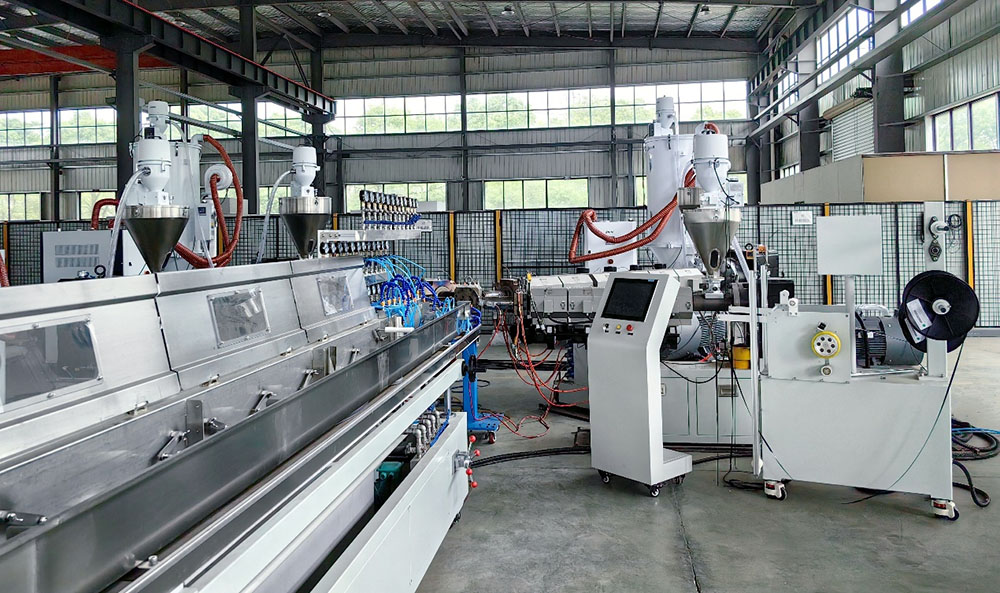
With electric vehicles driving the need for quiet cabin environments, high-precision sealing profiles are more critical than ever. This piece reviews the latest extrusion trends in TPV and PVC automotive sealing strip designs...
Complete your production line with high-speed downstream units, precise cutting machinery, and co-extrusion components.
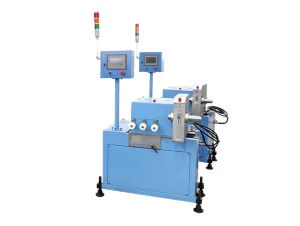
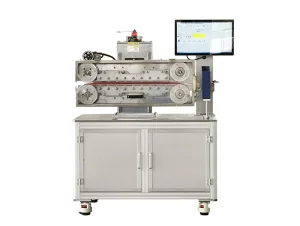
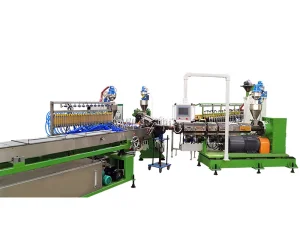
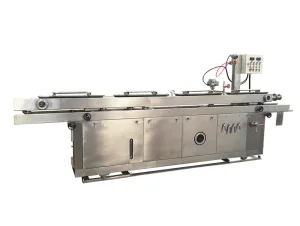
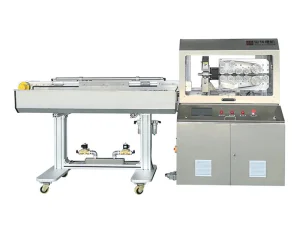
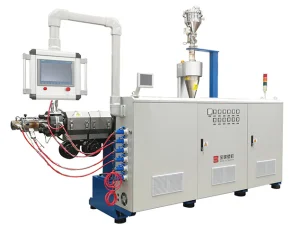
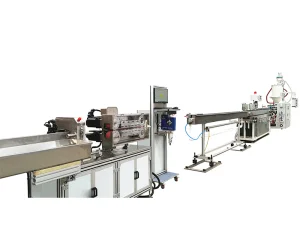
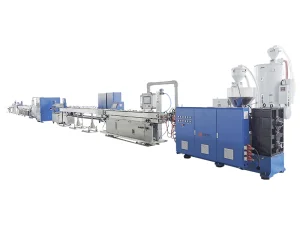
Integrating a new extrusion line into your factory requires verified expertise, robust engineering, and reliable support. BAOD EXTRUSION provides complete tooling customization, turnkey installation services, and remote diagnostics to ensure high performance throughout the life of your equipment.
Contact Sourcing Team Baodie