High-speed, high-accuracy processing systems engineered for advanced Thermoplastic Elastomer processing and specialized polymer profiles.
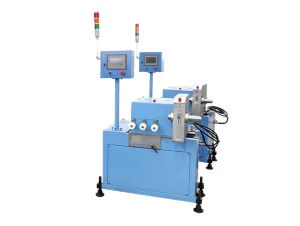
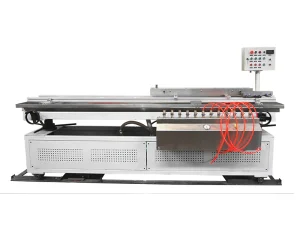
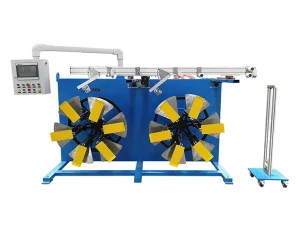
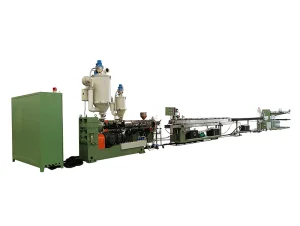
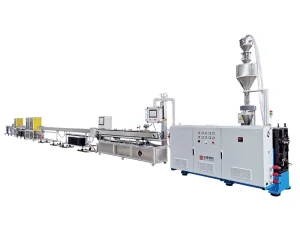
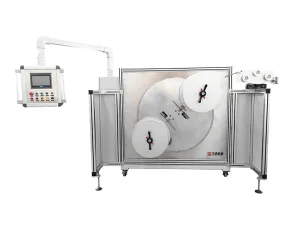
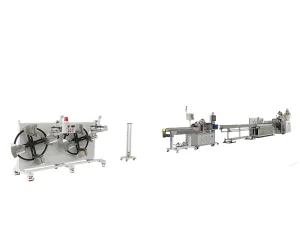
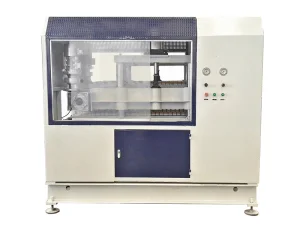
Thermoplastic Elastomers (TPE), sometimes referred to as thermoplastic rubbers, are a unique class of copolymeric materials or physical blends of polymers (typically a plastic and a rubber) that possess both thermoplastic and elastomeric properties. Unlike traditional thermoset rubbers (such as EPDM, NBR, or SBR) which require chemical vulcanization to achieve cross-linking, TPEs are cross-linked physically. This physical cross-linking is reversible upon heating, allowing TPE pellets to be melted, molded, extruded, and recycled repeatedly without significant loss of structural properties.
For global manufacturers, procurement departments, and product design engineers, selecting the optimal TPE formulation is a critical stage in the product development lifecycle. The properties of Custom Thermoplastic Elastomer Pellets can be engineered with precision to alter Shore hardness (ranging from ultra-soft gel-like materials at Shore 00 up to rigid plastic-like formulations at Shore 95A or Shore 60D), tensile strength, elongation at break, weatherability, UV resistance, thermal stability, chemical resistance, and biosecurity.
This technical flexibility positions TPE pellets as the material of choice for demanding industries including automotive engineering, medical device manufacturing, consumer electronics, construction, and flexible packaging. However, processing these complex elastomeric formulations requires high-performance extrusion equipment designed to manage shear-sensitive melts, control melt temperatures to within ±1°C, and prevent sizing instability.
Custom TPE pellets are manufactured by blending block copolymers or specific polymer matrices. The standard classifications include:
How Fortune 500 manufacturers map technical specifications to reliable OEM extrusion solutions.
Global enterprises demand precise material performance characteristics. Sourcing teams prioritize vendors capable of delivering custom TPE pellets featuring exact physical property values, including high-performance tensile strength, compression set behavior, weatherability, and processing consistency.
Ensuring compliance with global regulatory standards like FDA, USP Class VI, ISO 10993, RoHS, and REACH. Modern polymer supplies must guarantee chemical purity, lack of heavy metals, and traceability back to source components to eliminate cross-contamination risks.
With industrial assembly lines running just-in-time (JIT) programs, lead times and volume elasticity are crucial. Buyers require partners with advanced compounding machinery capable of processing rapid bulk runs of specialized TPE and TPV components without quality drift.
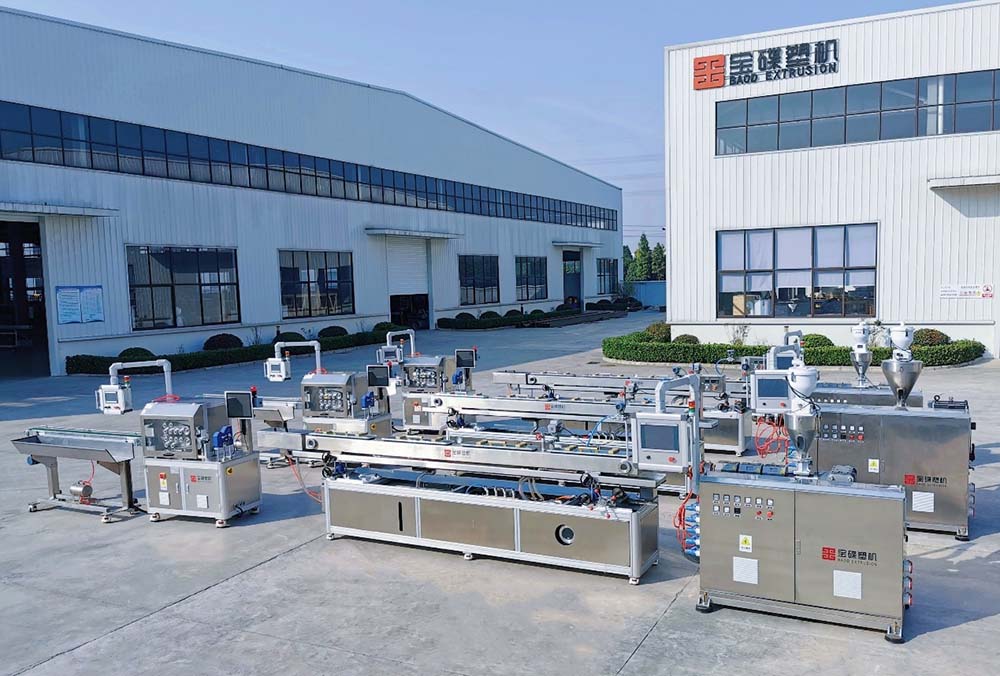
Jiangsu Baodie Automation Equipment Co., Ltd. (BAOD EXTRUSION), founded in 2002, epitomizes the integration of specialized technology and robust Chinese supply chains. Leveraging 25 years of design and manufacturing experience, BAOD has developed top-tier extrusion systems that enable international clients to process custom thermoplastic elastomer pellets with precision.
The Chinese industrial ecosystem provides unparalleled speed-to-market and manufacturing flexibility. Raw polymers, auxiliary components, and heavy engineering hardware are integrated within localized geographic hubs, lowering logistical overheads. This permits BAOD EXTRUSION to invest heavily in high-performance research and development, focusing on precision extrusion technology, safety systems, and process automation.
By establishing manufacturing operations in Shanghai (via the original parent company, Kingswel Group, in 1999) and later scaling in Jiangsu, BAOD has forged a synthesis of precision engineering and highly competitive manufacturing economics. This allows global enterprises to procure custom extrusion lines—capable of processing advanced materials like TPV, PA, TPU, and HDPE—at a fraction of the capital expenditure of traditional European machinery, without compromising on tolerances.
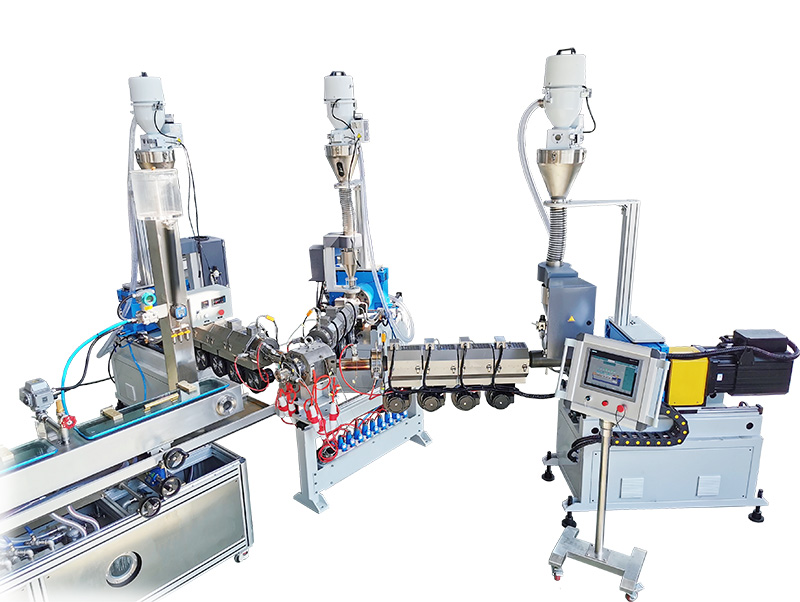
Analyzing the expansion of TPE/TPV processing from automotive sealing strips to advanced medical-grade multi-lumen tubing.
The automotive sector is shifting rapidly from traditional thermoset EPDM profiles to Thermoplastic Vulcanizate (TPV) materials. TPV weatherstripping offers lightweighting advantages, which are critical for electric vehicle (EV) range optimization. Extruding TPV profiles requires precision co-extrusion technology, combining soft sealing lips and rigid insertion bases. BAOD's specialized TPV, PVC Automobile Sealing Strip Extrusion Line utilizes high-automation feedback loops to maintain tight profile geometries and flawless surface finishes.
Medical devices like multi-lumen catheters, intravenous lines, and surgical tubing require materials that are biocompatible and chemical-resistant. Special-grade TPU and SEBS pellets are extruded to meet strict dimensional tolerances (frequently down to ±0.02mm). Processing these medical materials requires cleanroom-compatible extrusion machinery equipped with high-accuracy vacuum calibration systems, preventing any outer-diameter (OD) collapse and maintaining wall thickness consistency.
When deploying extrusion systems globally, localized installation, calibration, and maintenance are critical. Product teams must comply with international electrical frameworks (CE, UL, CSA) and industrial communication architectures (such as EtherCAT or OPC UA). BAOD EXTRUSION provides comprehensive on-site installation, personnel training, and remote diagnostic services, ensuring that machinery integrated in North American, European, or Southeast Asian factories is fully compliant with local safety and environmental regulations.
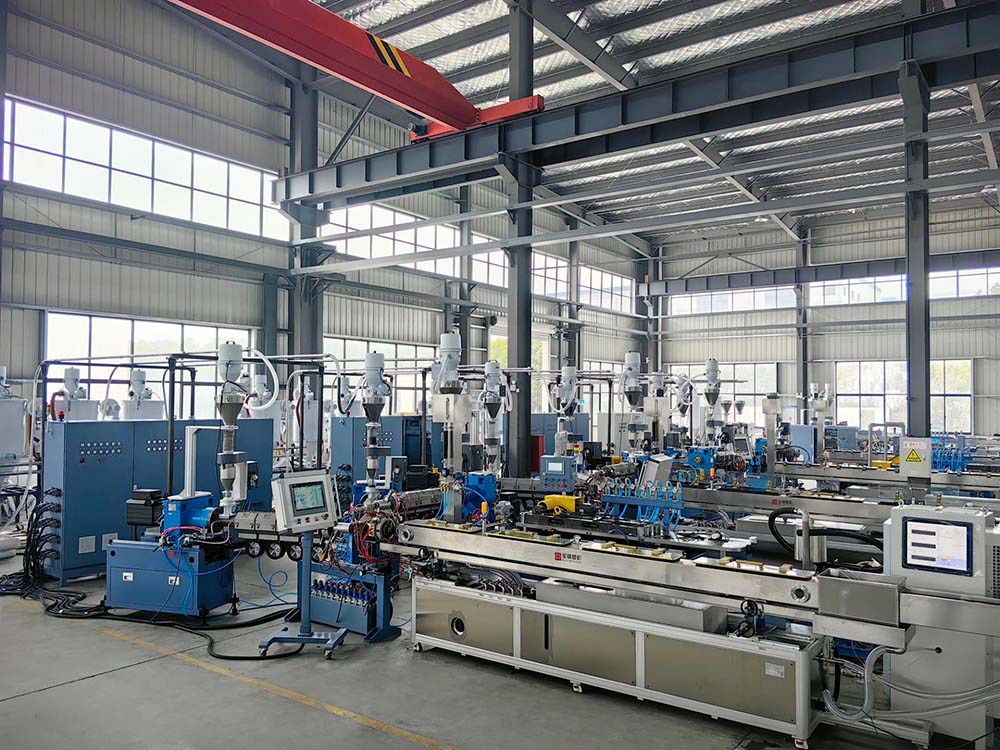
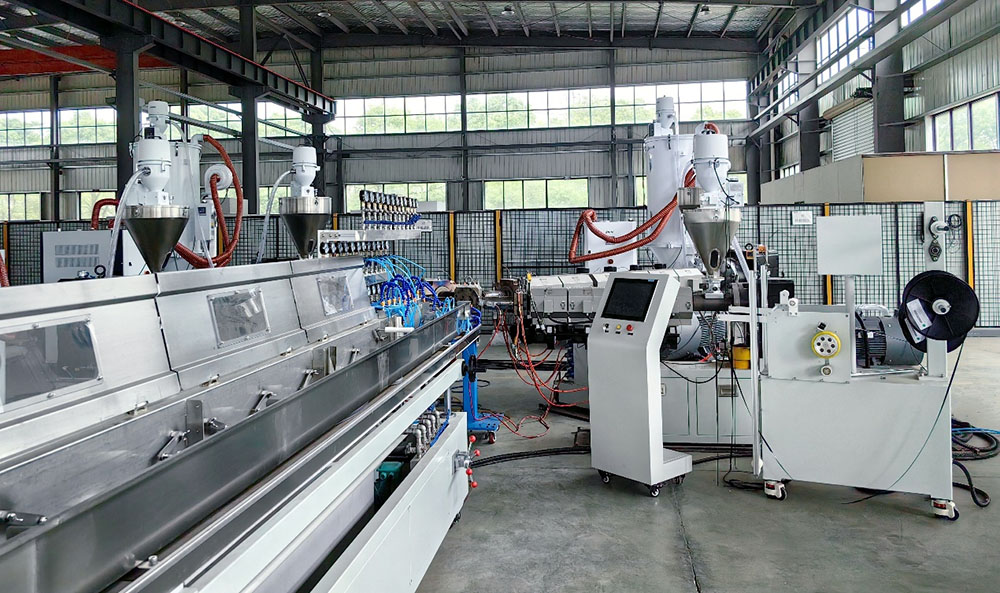
Furthermore, BAOD ensures compliance by collaborating directly with compounders. By testing and calibrating custom thermoplastic elastomer pellets in-house prior to shipment, we ensure that clients receive a turnkey system. The integration of high-precision gravimetric feeding systems, continuous melt pump technology, and advanced closed-loop pullers ensures that variables like shear stress, polymer melt pressure, and temperature are managed at optimal levels.
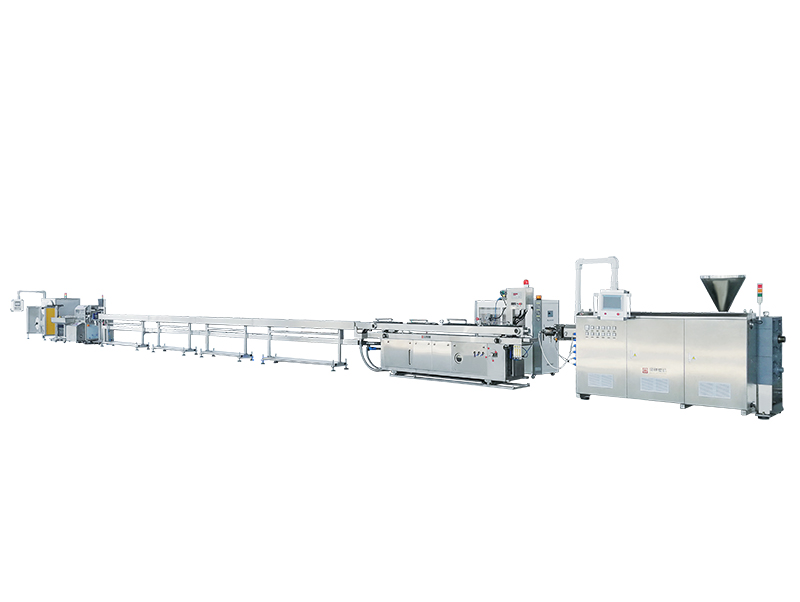
High-speed machinery solutions designed to process complex thermoplastic materials, engineered for performance and reliability.
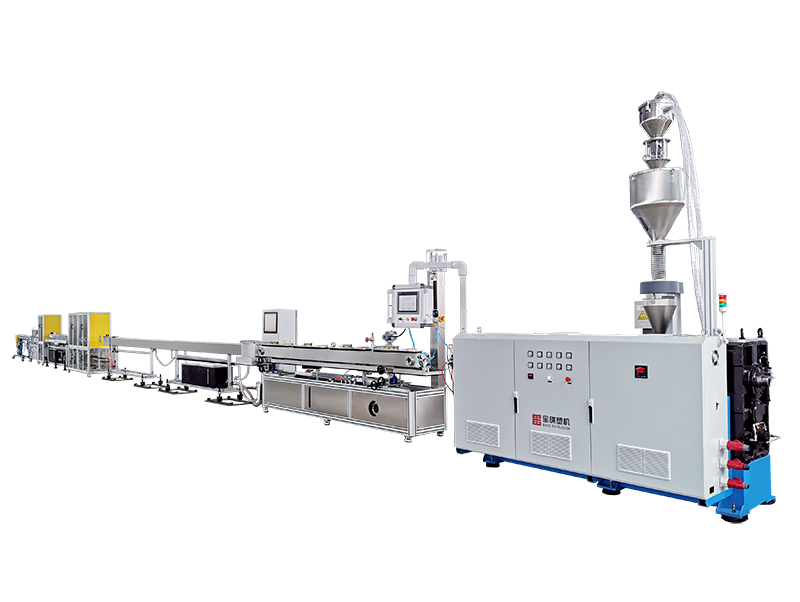
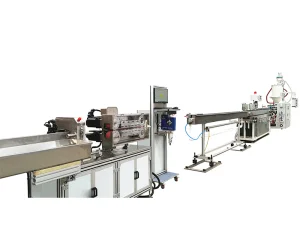
Designed for ultra-tight tolerance micro-tubing, medical catheters, and industrial capillaries using PU, PE, and TPE materials.
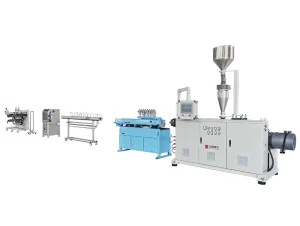
Engineered for multi-layer fuel lines and pneumatic systems requiring polyamide barrier properties and thermoplastic performance.
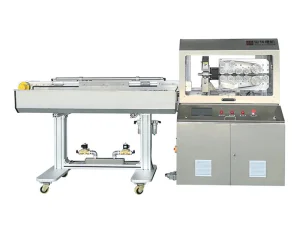
Cleanroom-optimized manufacturing system for precise control and high-output fabrication of medical-grade tubing.
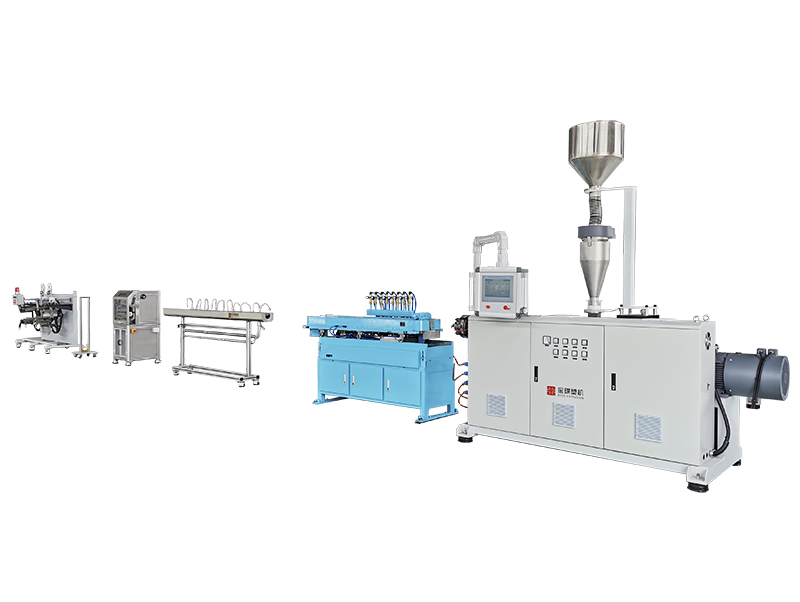
Delivers rapid forming of protective conduits, automotive wire harnesses, and corrugated tubes at high speeds.
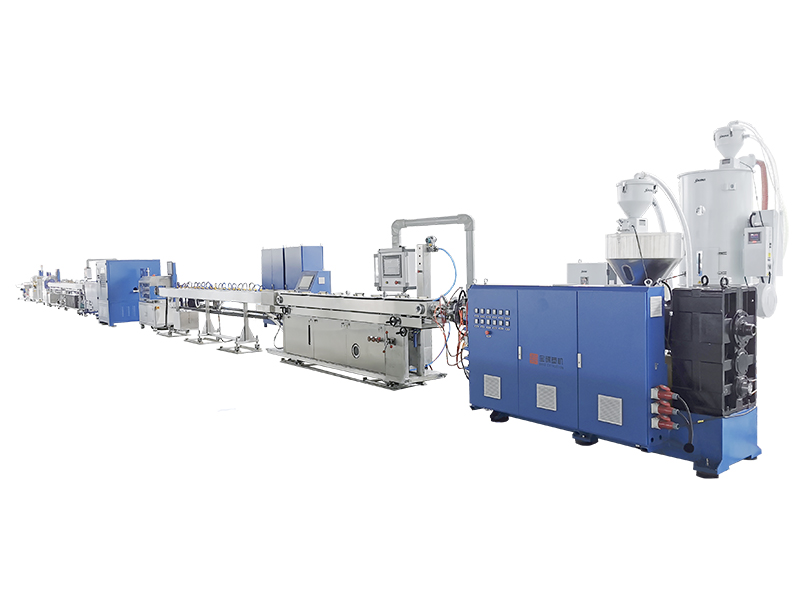
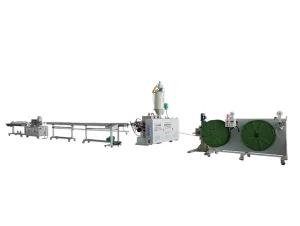
Processes dynamic reinforced composite hoses with structural yarn layers, integrating elastomer and fabric components.
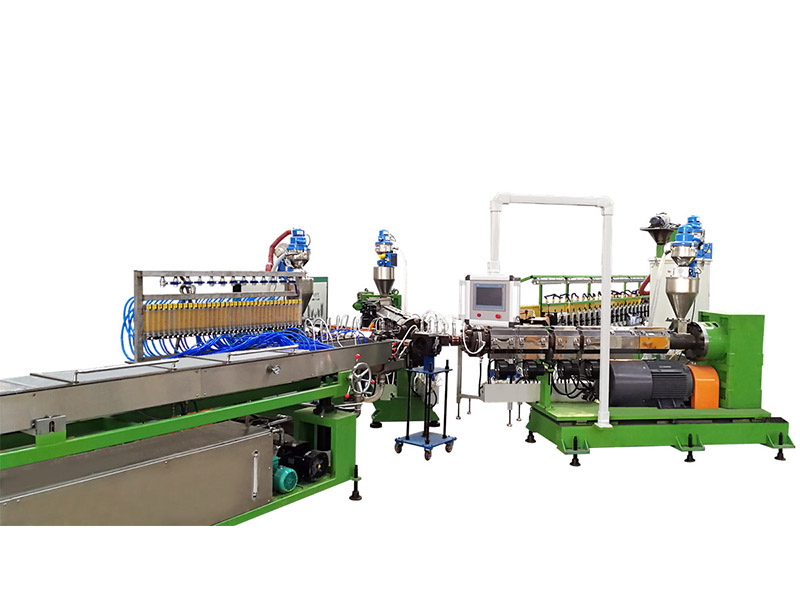
High-automation co-extrusion technology for dynamic glass run channels, door seals, and engine seals.
The latest news, technology showcases, and compliance strategies from BAOD Extrusion.
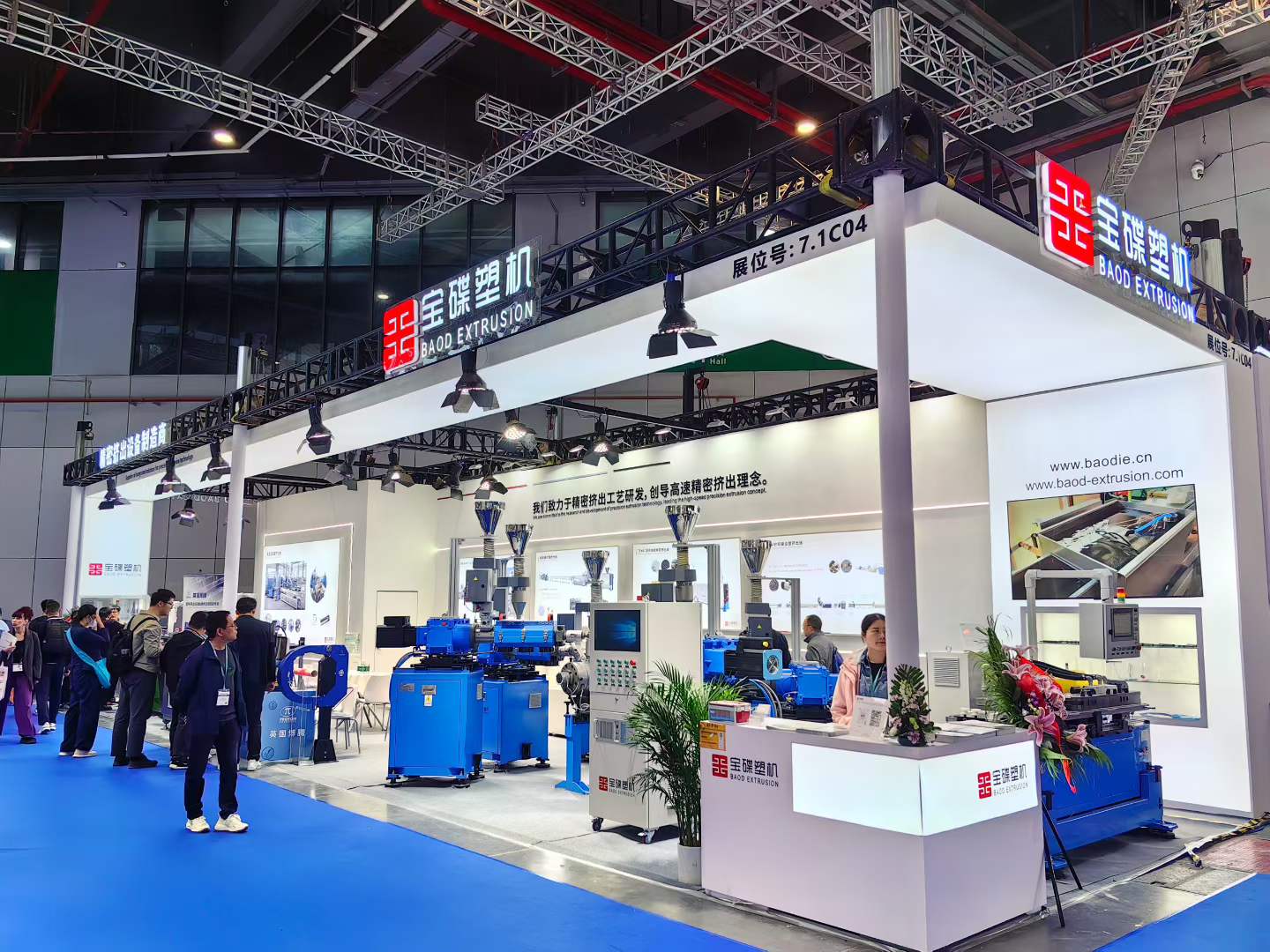
BAOD EXTRUSION presented its latest developments in "Smart Extrusion · High-Efficiency Innovation" at Booth 7.1C04 in Shanghai, detailing high-precision technologies for advanced polymer processing.
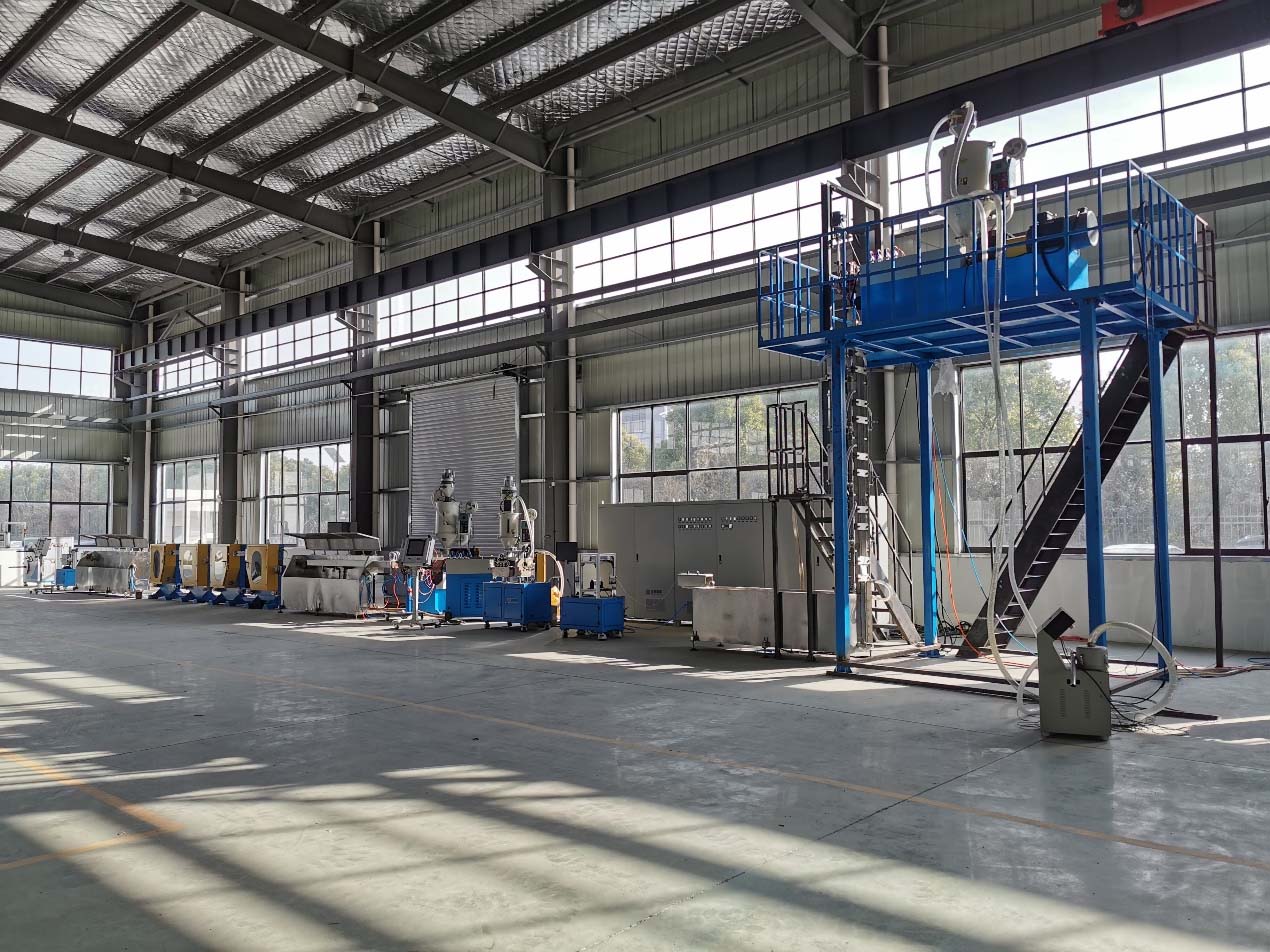
Explore the engineering mechanics behind producing micro-bore detonate tubing with stable structural wall thicknesses for high-risk excavation and industrial blasting operations.
A deep comparison of processing parameters, pricing, and manufacturing compliance when producing medical-grade multi-lumen tubing under Class 100,000 cleanroom requirements.
An analysis of compliance frameworks including IATF 16949 quality management and CE/UL certifications, ensuring safe deployment in modern smart factories.
Discover how continuous extrusion lines are integrating multi-component co-extrusion technology, inline tape application, and automatic fly knife cutting to minimize cycle time.
Expert responses to critical engineering and procurement questions about Custom Thermoplastic Elastomer Pellets and extrusion equipment compatibility.
TPE is a broad category encompassing various thermoplastic elastomers, typically based on styrenic block copolymers (TPS/SEBS). TPU (Thermoplastic Polyurethane) is a specific class within TPE, offering exceptional abrasion resistance, high tensile strength, and chemical resistance, though it is more shear-sensitive. TPV (Thermoplastic Vulcanizate) consists of vulcanized elastomer phases (typically EPDM rubber) dispersed within a continuous thermoplastic matrix (like polypropylene). TPV provides superior ozone and weathering performance, making it ideal for automotive glass seals.
Soft TPEs (especially those with Shore hardness below 50A) are highly prone to deformation and melt-sagging after leaving the die. BAOD Extrusion utilizes high-precision vacuum calibration tables, precise melt temperature control systems, and high-stability pullers (such as our TKC series crawler puller). This allows us to rapidly stabilize the outer diameter and wall thickness of extruded tubing, maintaining tight tolerances of up to ±0.02mm.
Extrusion lines processing medical-grade TPE must meet strict regulatory compliance standards. The processing machinery must feature corrosion-resistant, cleanroom-grade stainless steel surfaces. The electrical and control components must comply with CE and UL standards. The resulting medical tubing must undergo testing to verify compliance with USP Class VI, ISO 10993 (biocompatibility), and FDA food contact regulations.
While some standard polyolefin screws can process basic TPE grades, it is not recommended for precision applications. TPEs and TPUs require specialized screw profiles with lower shear characteristics, optimized compression ratios (typically 2.5:1 to 3.0:1), and barrier flights to prevent polymer degradation and shear heating. Using a custom screw designed specifically for TPE ensures melt homogeneity, preventing surface defects and extrusion pressure fluctuations.
Unlike thermoset rubbers that require vulcanization and cannot be reformed, TPE pellets can be melted and reprocessed multiple times. Scrap generated during the extrusion process can be reground and blended back with virgin resin at ratios of 10% to 20%, depending on performance requirements. This minimizes material waste and helps manufacturers meet modern environmental and sustainability targets.
High-speed machinery solutions designed to process complex thermoplastic materials, engineered for performance and reliability.
 Baodie