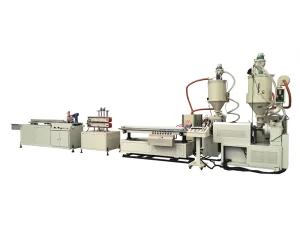
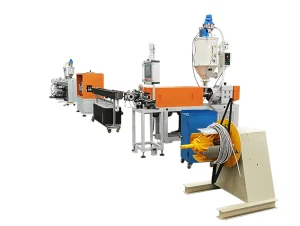
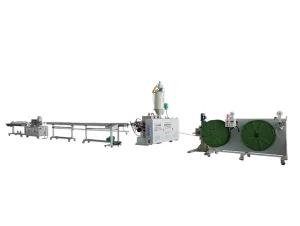
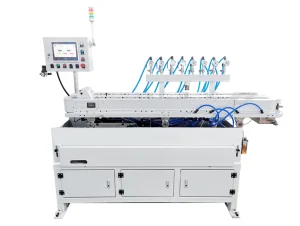
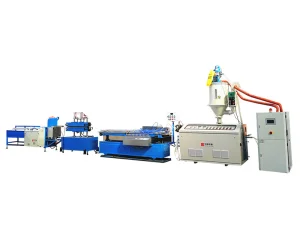
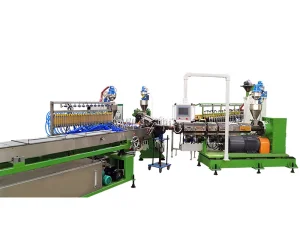
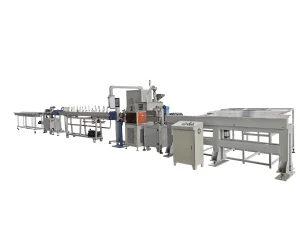
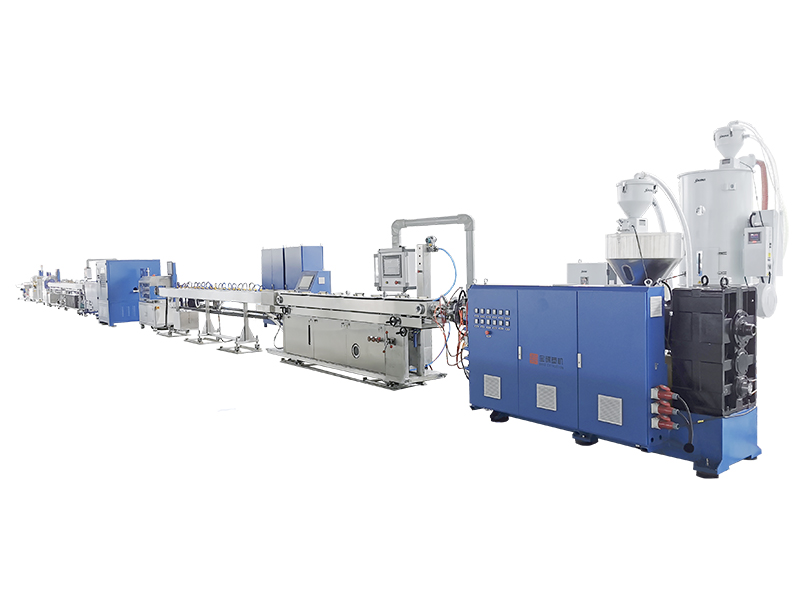
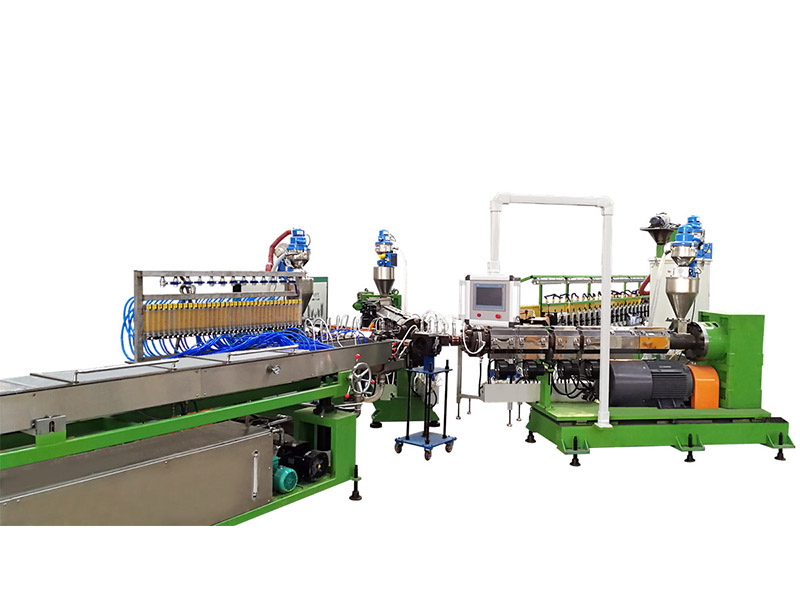
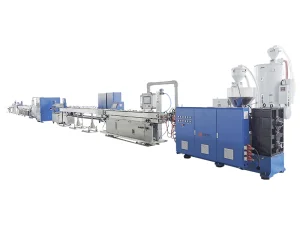
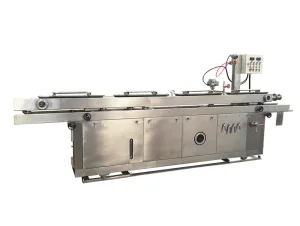
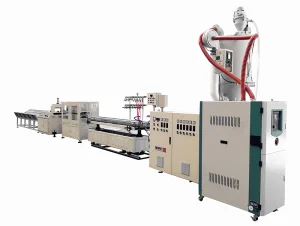
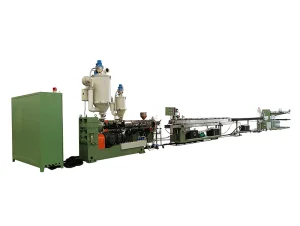
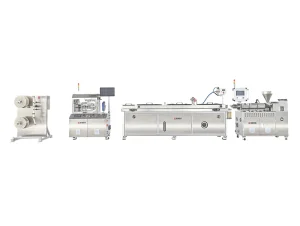
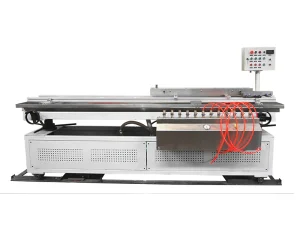
Explore our core technological output. Precision-engineered machinery configured to deliver stable manufacturing tolerances and high efficiency.
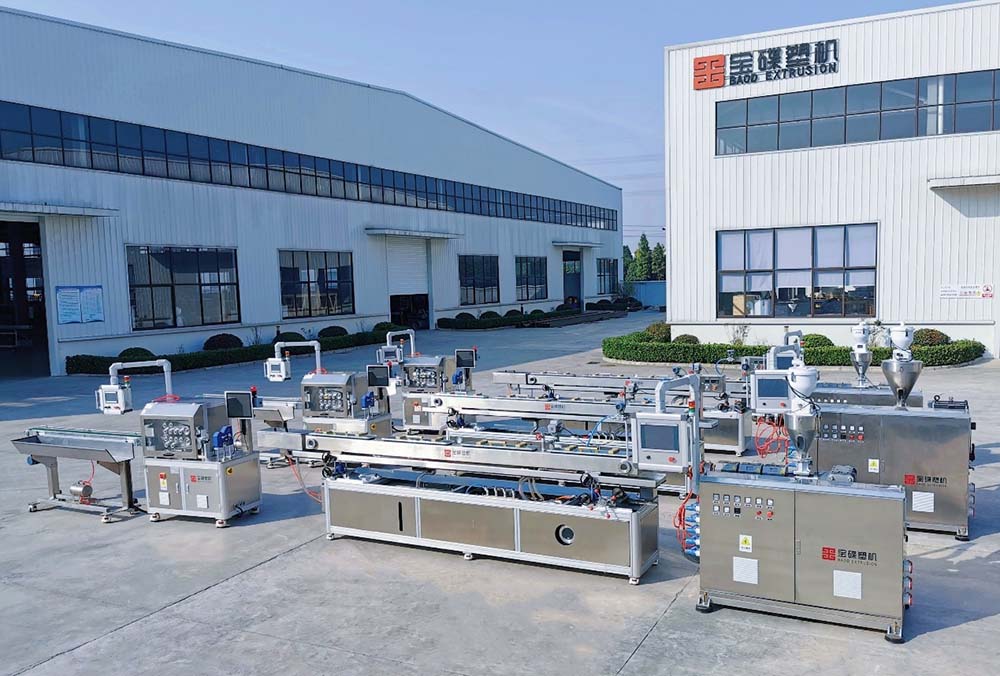
BAOD EXTRUSION (Jiangsu Baodie Automation Equipment Co., Ltd.), dedicated to designing, manufacturing, and sales of high-performance plastic extrusion equipment. Grounded in 18 years of experience designing and fabricating high-quality machinery in Taiwan, the original parent company (KINGSWEL GROUP) established the extrusion machines manufacturing base in Shanghai in 1999, which later expanded into our state-of-the-art facility in Jiangsu.
By integrating Taiwan’s sophisticated machinery fabrication standards with mainland China’s powerful supply chains, we bring international-grade extrusion engineering to the global market. Over two decades, BAOD has specialized in customized lines designed for processing complex polyolefins, including PP, PE, PVC, PA, and TPV.
Providing technical answers to high-throughput, high-durability polymer pipe manufacturing challenges.
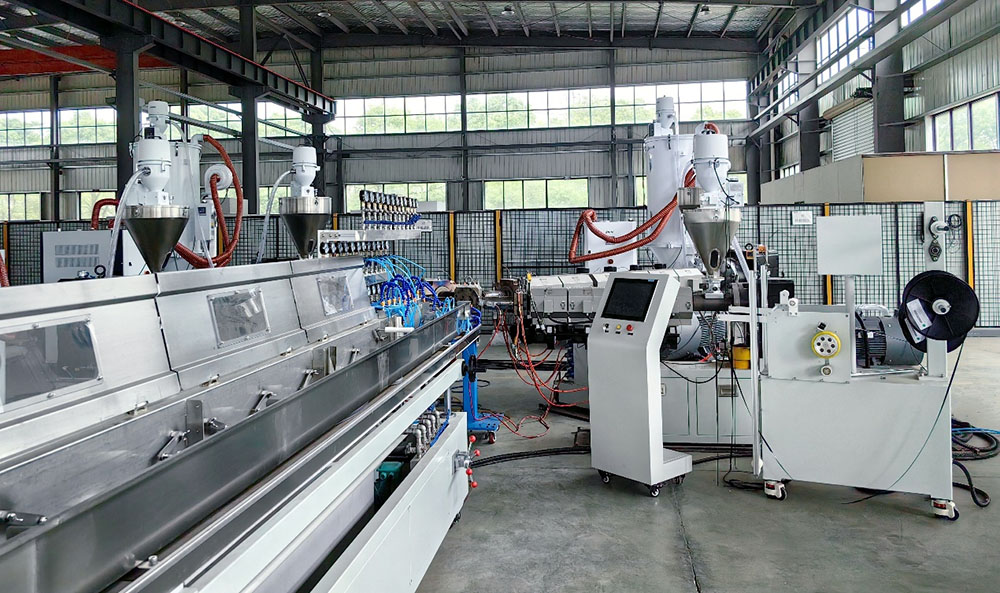
In modern industrial applications, Polypropylene (PP) is highly valued for its high thermal deflection temperature, chemical resistance, and structural strength. Producing PP tubes with strict dimensional tolerances requires specialized extrusion hardware to handle its semi-crystalline rheology. Extruder screw geometries must be tailored to ensure thorough plasticization and melt homogeneity, minimizing inner wall roughness and internal stress.
Information Gain Insight: The cooling behavior of PP differs from amorphous polymers like PVC. Because PP crystallizes during cooling, its volume shrinks by up to 2%. To prevent ovality and vacuum collapsing, our custom sizing lines utilize precise multi-chamber vacuum calibrators with adjustable water temperatures. This allows the polymer's crystalline structure to stabilize uniformly, maintaining precise outer diameters (OD) and wall thickness (WT).
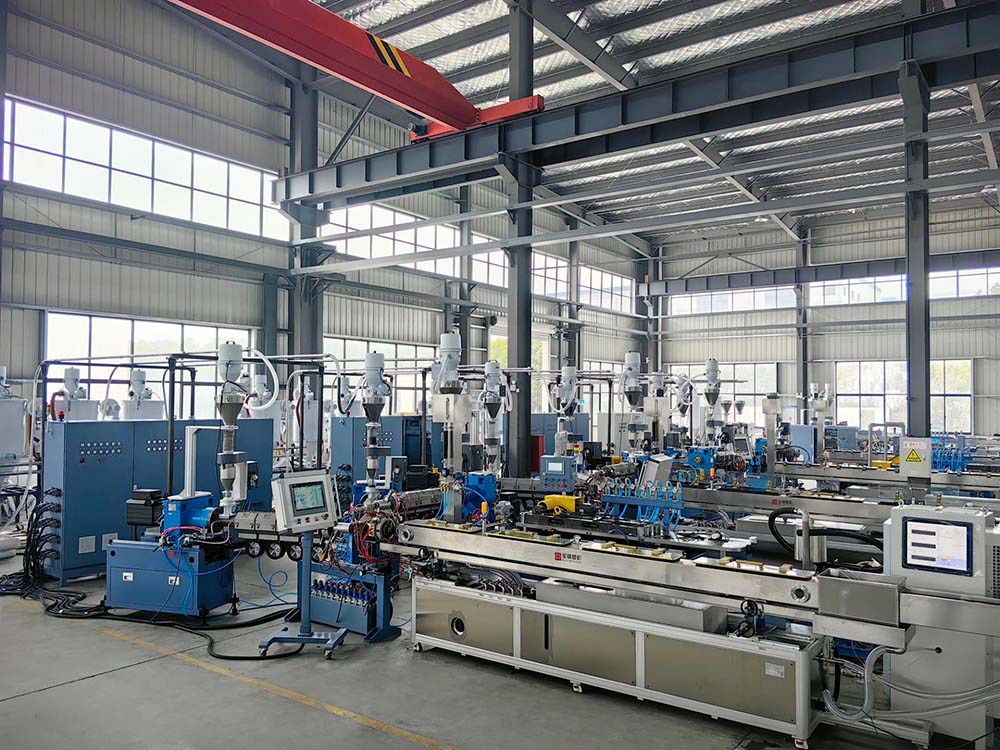
Whether you require single-lumen PP conduits or multi-layer automotive fluid lines, our systems are designed to minimize raw material waste while maintaining fast line speeds. We provide tailored configurations for key sectors:
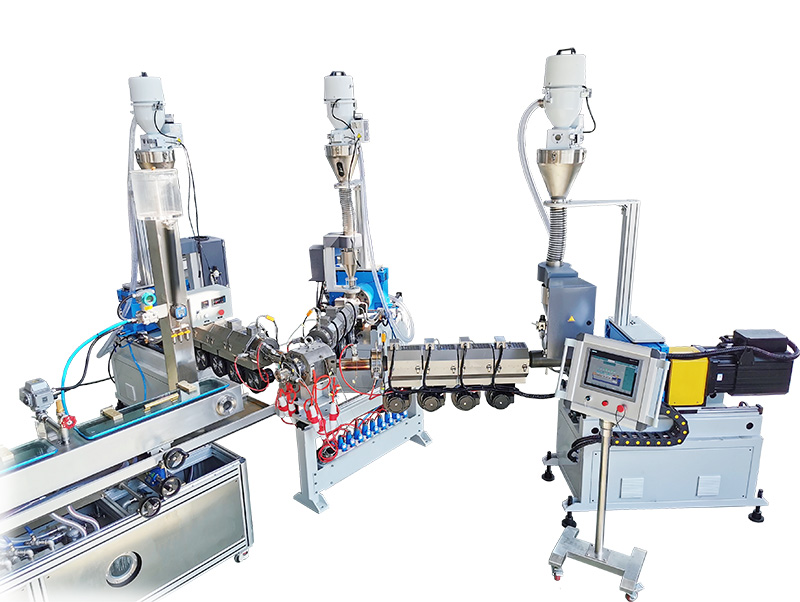
Automobile manufacturers use multi-layer PA-PP or PP-EPDM systems for lightweight fuel transport, evaporative emission control, and cooling loops. Our co-extrusion technology enables tight tie-layer bonding to prevent delamination under thermal cycles.
Utilizing cleanroom-compatible medical PP extruders, BAOD produces micro-diameter medical tubing. These systems feature closed-loop OD controls, non-contact diameter gauge feedback, and high-speed rotary cutters to achieve smooth, burr-free cuts.
For fiber optic deployment, HDPE or PP microducts with internal silicone ribs are standard. Our co-extrusion crossheads allow simultaneous extrusion of the outer protective shell and the low-friction inner silicone core.
Analysing international shifts, regional supply demands, and the critical importance of customized extrusion machinery.
The global demand for high-efficiency polymer extruders is rising, driven by infrastructure upgrades in North America, clean-energy expansions in Europe, and automotive manufacturing growth in the Asia-Pacific region. As environmental regulations become stricter, extrusion lines must adapt to handle post-consumer recycled (PCR) PP and bio-based plastics without compromising physical performance.
In response to these market changes, BAOD has developed modular extruder lines that allow manufacturers to switch between virgin resin formulations and PCR blends. By upgrading screw feed sections and employing custom-engineered barrier screws, we maintain stable melt output even when processing materials with varying bulk densities.
The comparison between Chinese and European machinery suppliers has evolved. Historically, European manufacturers dominated in control complexity, while Chinese suppliers focused on pricing. Today, leading Chinese OEMs like BAOD offer similar control precision (such as Siemens PLC systems, gravimetric dosing, and closed-loop thickness controls) at a competitive total cost of ownership (TCO).
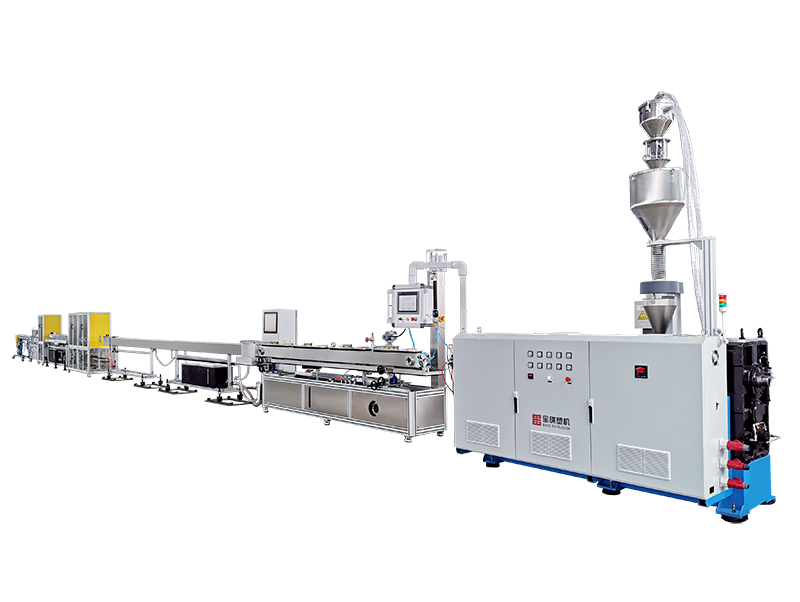
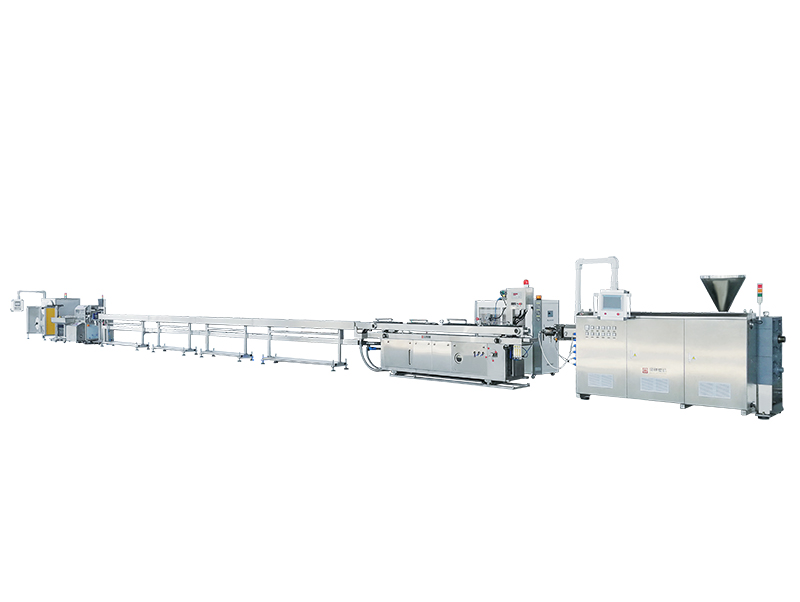
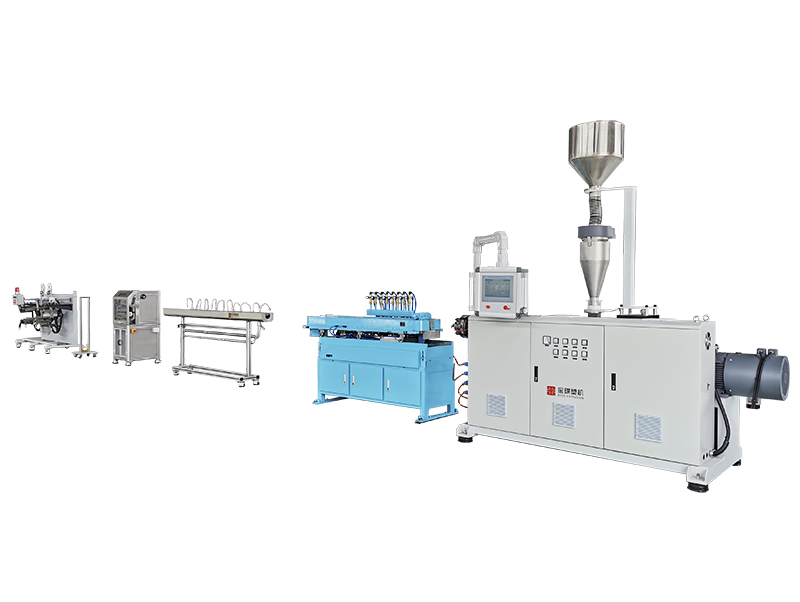
Explore our diverse machinery lines designed for precision small-diameter tubes, corrugated hoses, and multi-layer automotive profiles.
Operating industrial machinery globally requires compliance with safety and operational standards. BAOD design engineering teams verify that every custom PP tube extrusion line complies with European CE criteria, UL electrical code directives for North America, and EAC certifications for the Eurasian economic zone.
Our localization support strategy combines remote cloud diagnostics via integrated PLC ethernet links with regional engineering partners. If adjustments are required during commissioning, BAOD engineers can access the control PLC remotely to assist local maintenance technicians.
We source critical electronic and mechanical components from global brands to ensure availability of replacements worldwide:
This component standard reduces downtime during maintenance, as local distributors can typically supply spare parts without long international shipping delays.
A technical overview of advanced process automation, closed-loop feedback systems, and sustainability in extrusion.
The next phase of plastic extrusion focuses on closed-loop control systems. Standard systems require manual operator adjustments to correct dimensional drift during runtime. Future lines will feature automated controls linked to continuous monitoring devices.
R&D Spotlight: BAOD's upcoming machinery lines will integrate inline ultrasonic wall-thickness monitors directly with the vacuum calibration tank and haul-off speed controls. If a thickness variation is detected, the PLC automatically adjusts the puller speed and melt pump output in real-time, reducing material scrap during startup.
Our research and development program focuses on three main technological goals:
Stay updated with our technical exhibitions, product releases, and comparative manufacturing whitepapers.
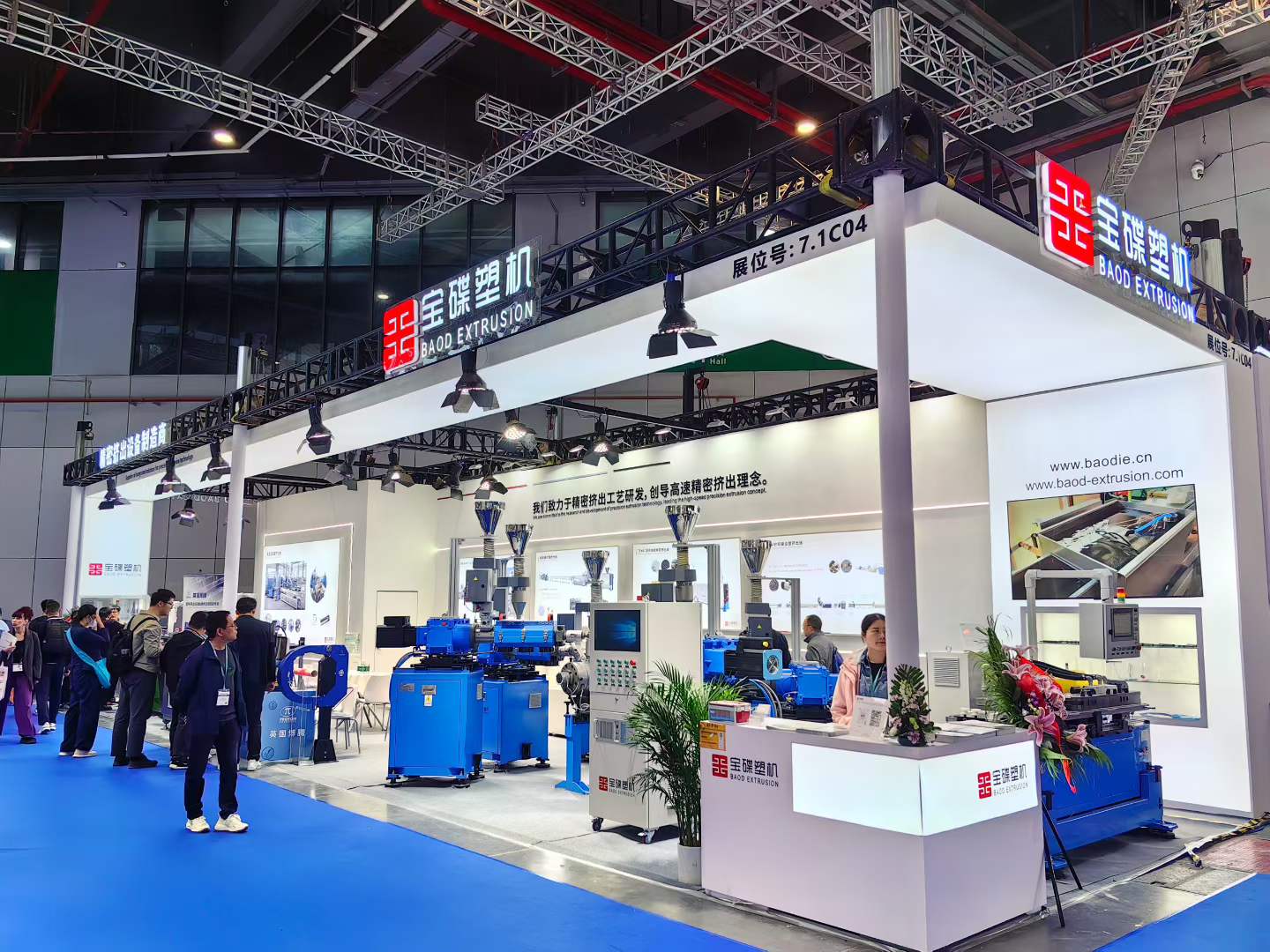
From April 21–24, CHINAPLAS 2026 was successfully held at the National Exhibition and Convention Center (Shanghai, Hongqiao). BAOD EXTRUSION showcased its latest R&D achievements at Booth 7.1C04, presenting "Smart Extrusion · High-Efficiency Innovation" solutions...
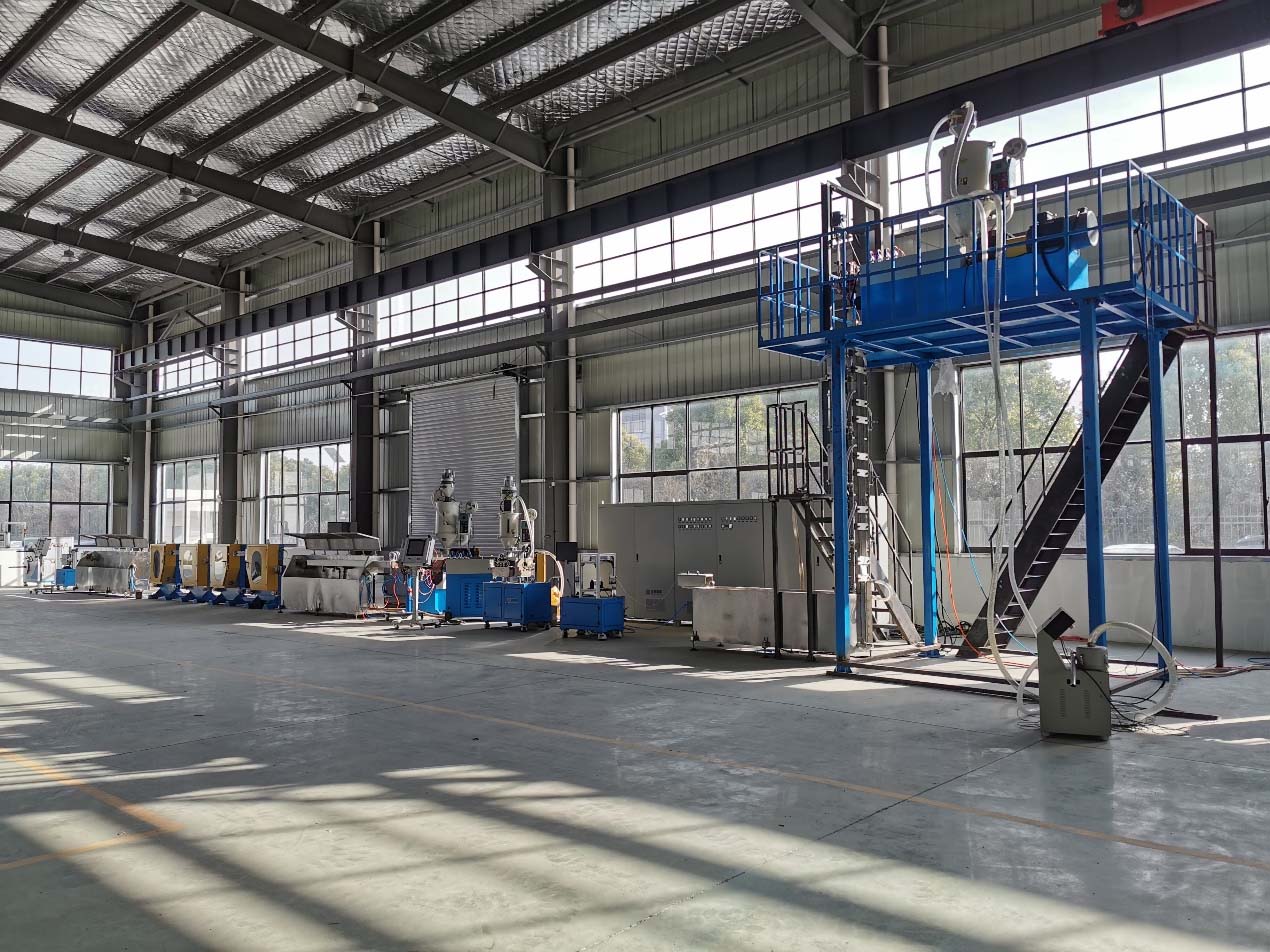
In the controlled environment of a modern industrial facility, a single, hair-thin plastic tube wound onto a reel might seem unremarkable to the untrained eye. However, in sectors ranging from mining and quarrying to large-scale infrastructure demolition, this tube—known...
In the sterile, quiet environment of a modern medical facility, a clinician prepares a complex catheter for a critical procedure. This thin, flexible tube is far more than a simple conduit; internally, it is divided into several microscopic channels, or lumens, each...
How do the world's most reputable vehicle manufacturers ensure the absolute integrity of every fuel line, brake hose, and cooling pipe buried deep within a vehicle’s chassis? Why has the shift toward electric and lightweight vehicles made the precision of these small...
As the twilight sun reflects off the sleek, aerodynamic curves of a modern electric vehicle parked in a bustling metropolitan street, few observers notice the quiet, critical components ensuring the cabin remains a sanctuary of silence and temperature control...
Common technical questions answered by our extrusion engineering division.
Maintaining dimensional stability requires precise temperature management across the heating zones and accurate control of the puller speed. Because PP is semi-crystalline and prone to shrinkage, we use vacuum calibration tanks with multi-stage cooling. This configuration helps control the cooling rate to stabilize the tube profile before it leaves the sizing sleeve, preventing ovality and dimensional drift.
For standard PP tube extrusion, we typically recommend a screw Length-to-Diameter (L/D) ratio between 30:1 and 33:1. This length ensures sufficient residence time for proper melting and homogenizing without causing material degradation. For co-extrusion lines or filled PP compounds, we customize the screw flight geometry to manage specific melt viscosities.
Yes. Our multi-layer co-extrusion lines are configured with specialized feedblocks and multi-manifold dies to produce complex multi-layer configurations. When extruding incompatible polymers like PA and PP together, the tooling is designed to co-extrude a thin adhesive tie-layer, securing the bond between materials and preventing separation under mechanical stress.
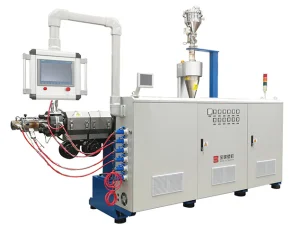
The SJ Series is a versatile extruder design engineered for stability and output consistency. It features a hardened alloy nitrided barrel, optimized cooling fans for temperature control, and a high-torque helical gear reducer. This makes the SJ series suitable for processing range of polymers, including PP, PE, and ABS, in medical and automotive applications.
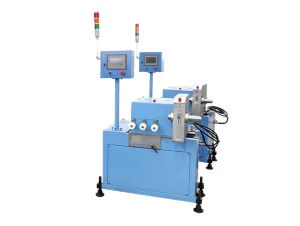
Explore auxiliary systems including calibrators, fly cutters, and specialized multi-layer lines that complete the production workflow.
 Baodie