 Baodie
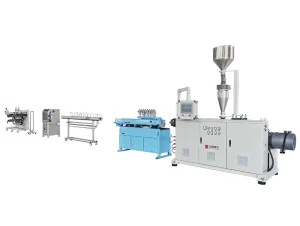
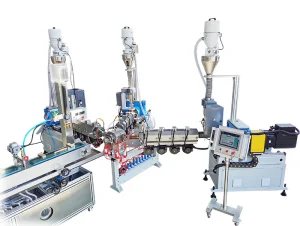
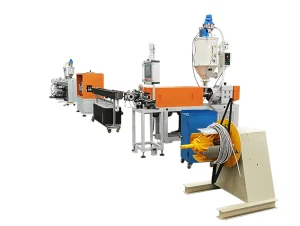
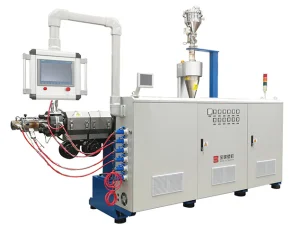
Executive Guide to Plastic Extrusion Diagnostics & System Troubleshooting
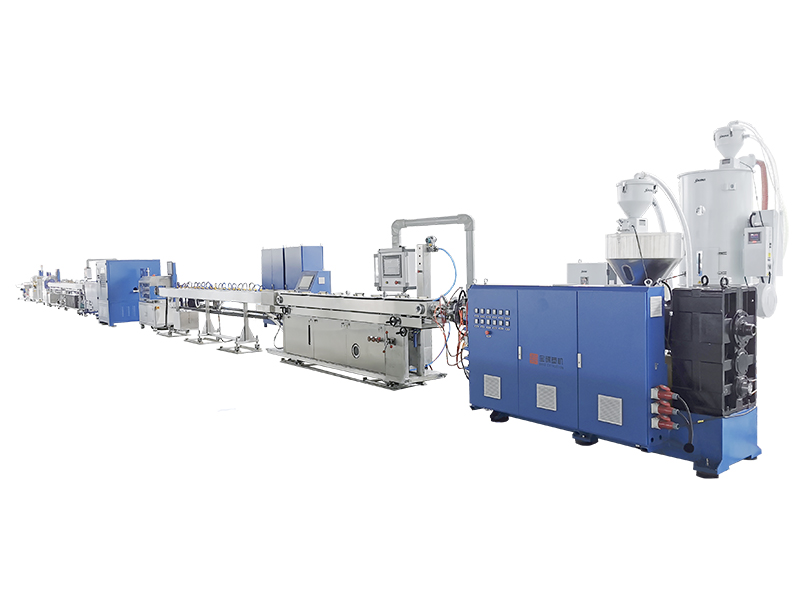
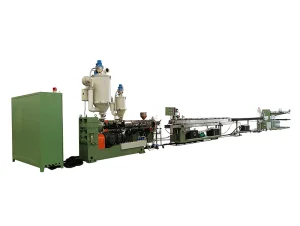
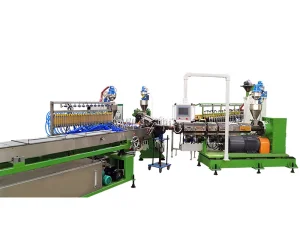
In high-precision manufacturing, the plastic extrusion process stands as a cornerstone of industrial material shaping. However, maintaining thermodynamic stability, rheological consistency, and dimensional alignment remains an active challenge. This guide offers deep diagnostic profiles on extrusion troubleshooting, dissecting engineering faults, mechanical corrections, and supply chain deployment configurations.
1. The Physics of Flow Instabilities: Root Causes of Core Extrusion Defects
During the extrusion of thermoplastic resins (such as Polyamide/Nylon, Thermoplastic Vulcanizates (TPV), Fluoropolymers, or High-Density Polyethylene), the molten polymer undergoes severe shear stress and temperature variations. When these conditions deviate from optimal thermodynamic thresholds, anomalies materialize in the finished profile. Below, we examine the primary structural defects encountered during custom plastic extrusion:
Mechanics: This surface defect occurs when the shear rate of the polymer melt exceeds its critical shear limit at the exit of the die. The outer skin of the extrudate ruptures as it transitions from the high-stress environment inside the die land to the zero-stress external atmosphere.
Troubleshooting Protocol: 1. Lower the line speed to reduce shear rate. 2. Increase the temperatures of the die lip zone to decrease melt viscosity at the exit boundary. 3. Modify the die land design, expanding the approach angle or utilizing processing aids (fluoropolymer-based additives) to enable slip boundaries at the die wall.
Mechanics: Surging represents cyclic variation in output and pressure, yielding inconsistent wall thickness and fluctuating profile geometries. It is typically rooted in unstable solid feeding, uneven screw wear, or mismatched feed-zone temperature profiles.
Troubleshooting Protocol: 1. Check the barrel cooling system in the feed throat to prevent premature melting (bridging). 2. Verify the structural integrity of the screw; wear on the flight tips allows polymer backflow. 3. Implement melt pumps or high-accuracy pressure transducers closed-loop tied to screw rpm controllers to stabilize volumetric output.
Mechanics: The gradual buildup of degradation products, low-molecular-weight fractions, and fillers at the exit lip of the die. Eventually, these deposits attach to the moving extrudate, causing cosmetic ruin and surface score marks.
Troubleshooting Protocol: 1. Ensure correct moisture removal (drying protocols) before raw polymer enters the hopper. 2. Adjust die geometry to include a step back or flare at the exit point. 3. Apply specialized coatings (such as chrome plating or nickel-fluoropolymer matrices) to minimize stickiness at the die exit.
2. Downstream Dynamic Alignment: Calibrators, Pullers, and Cutters
Troubleshooting is not restricted to the extruder itself; in fact, more than 50% of dimensional issues originate in the downstream cooling and tensioning systems. Precise calibration requires a holistic understanding of the interactions between vacuum pressure, cooling water flow, puller tension, and cutting impacts.
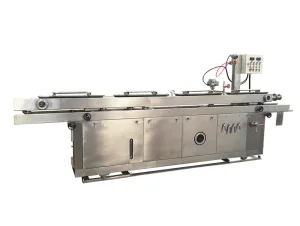
- Vacuum Sizing Tanks: Excessive vacuum pressure inside the sizing sleeve can increase friction, leading to chattering marks and cyclic wall variations. Conversely, insufficient vacuum leads to under-sized profiles and wall collapse. Fine-tuning is required using precision digital regulators.
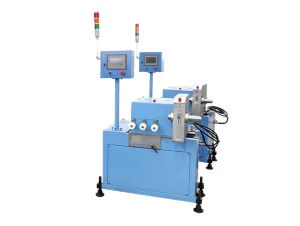
- Puller Sync (Tension Control): Slippage within the belt puller (such as the TKB Series) creates longitudinal compressive stress, manifesting as buckling or twisting. Correcting this involves matching the belt hardness (durometer) to the polymer profile and setting accurate pneumatic gripping pressures.
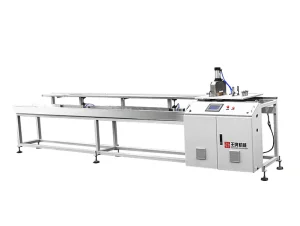
- Precision Cutting Mechanisms: Rotary fly-knives (FQ Series) and follow-up saw cutters (SC Series) must engage cleanly. A dull blade or incorrect timing introduces physical impact stresses that transmit upstream, disrupting the sizing calibration in the vacuum tank.