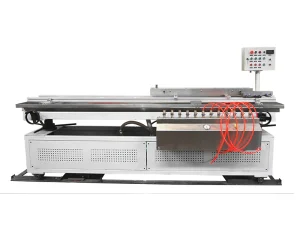
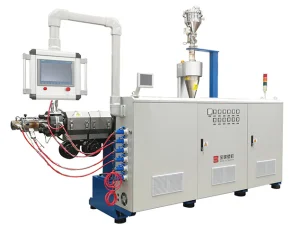
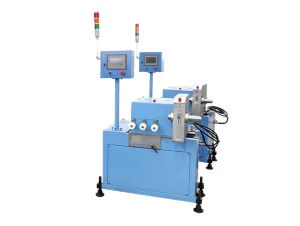
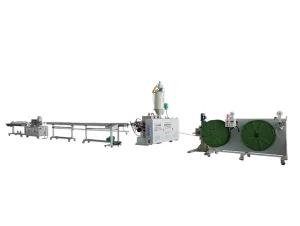
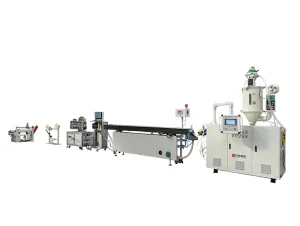
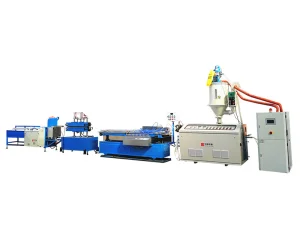
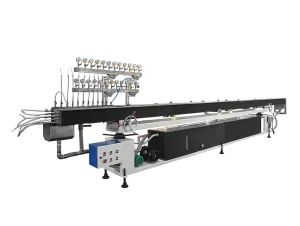
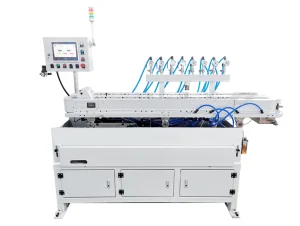
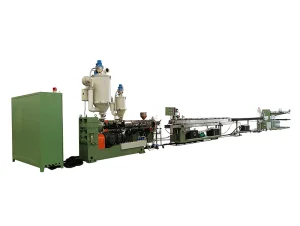
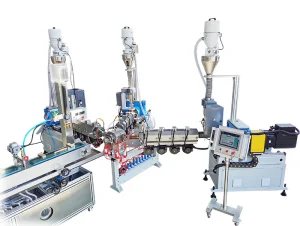
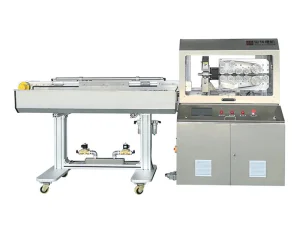
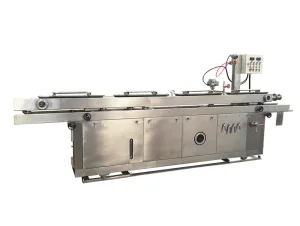
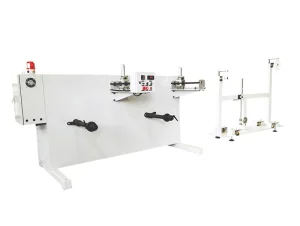
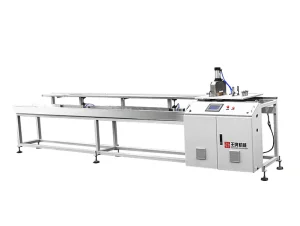
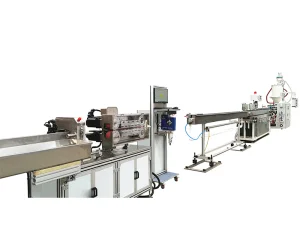
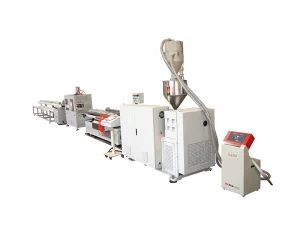
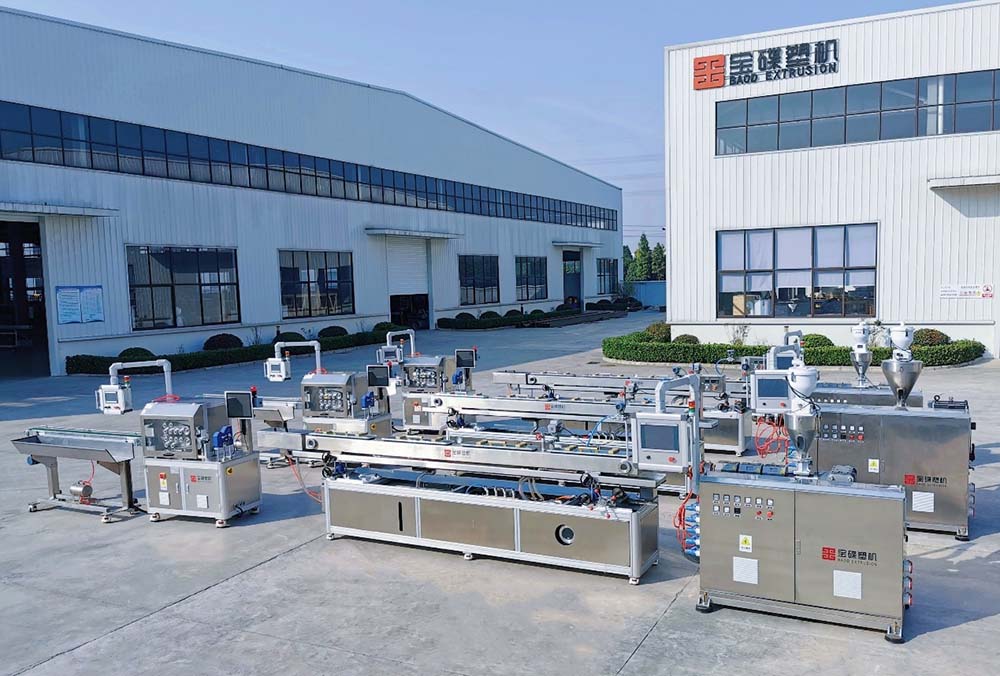
BAOD EXTRUSION (Jiangsu Baodie Automation Equipment Co., Ltd.) founded in 2002, is dedicated to the cutting-edge design, precise engineering, and global sales of premium plastic extrusion equipment. Leveraging over 25 years of design and manufacturing experience, our origins trace back to 18 years of high-quality machinery fabrication in Taiwan. In 1999, the original parent company (KINGSWEL GROUP) strategically invested in establishing a state-of-the-art extrusion manufacturing base in Shanghai, subsequently scaling operations to meet the rising demands of modern industries.
Our long-term developmental focus centers on precision melt mechanics, high-efficiency output parameters, complete automation process integration, and absolute safety protections for manufacturing equipment. This enables us to solve complex polymer melting challenges across automotive, medical, and high-performance industrial applications.
Of Plastic Extrusion Designing and Manufacturing Excellence
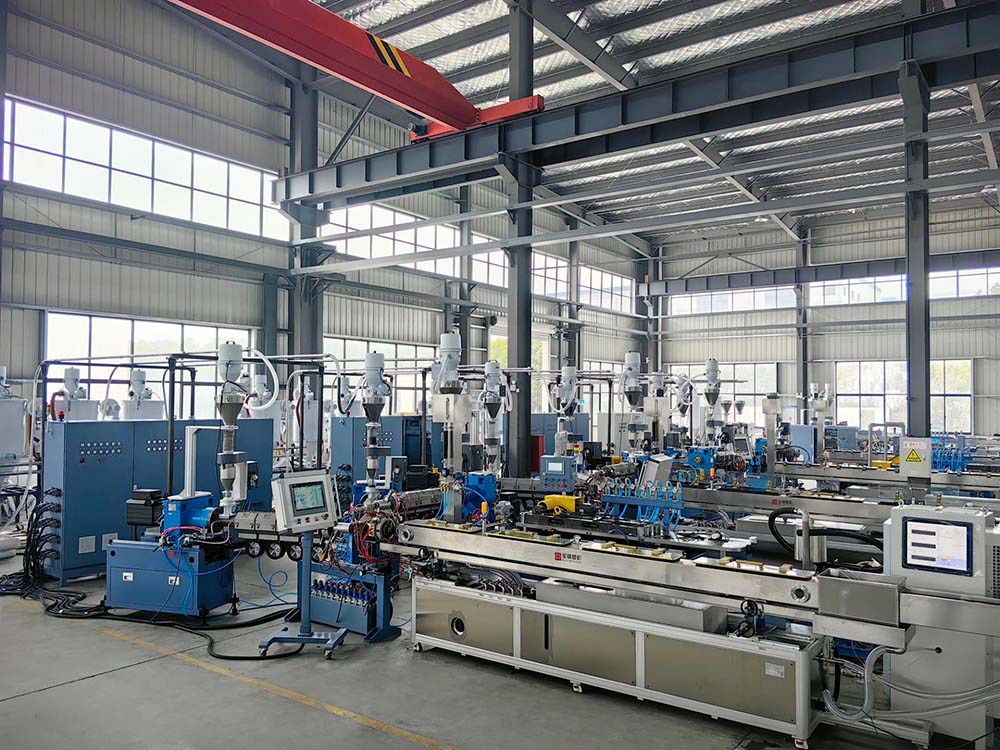
Modernized Production and Assembly Factory Area
Dedicated Mechanical Engineers and Technical Specialists
In modern thermoplastic processing, the performance of the extrusion line depends heavily on the geometry of the extrusion screw. As global industries shift from commodity resins to advanced polymers and bioplastics, standard single-screw configurations are no longer sufficient. Achieving optimal melt quality, heat stability, and dispersion requires precise mechanical engineering tailored to specific chemical profiles.
Modern barrier designs separate the solid bed of plastic from the molten pool early in the barrel. This prevents un-melted pellets from passing through the metering zone, reducing shear stress and thermal degradation in sensitive polymers.
Integrating distributive and dispersive mixing zones, such as Maddock, pineapple, or custom pin mixers, guarantees color uniformity and filler dispersion (e.g., carbon black, glass fibers) without overheating the melt stream.
Processing aggressive materials like Fluoropolymers (PVDF, FEP) or highly filled composites requires bimetallic screws. Alloys containing tungsten carbide or cobalt-nickel help prevent abrasive and corrosive wear, extending screw life.
Additionally, computer-aided engineering (CAE) and finite element analysis (FEA) are now central to the screw design process. Manufacturers can simulate shear rates, viscosity profiles, and pressure drops throughout the feeding, compression, and metering zones before machining begins. This digital precision eliminates costly trial-and-error, ensuring that custom extruders operate efficiently from day one.
Procurement teams in regions like North America and Europe are shifting away from off-the-shelf extrusion components. The demand for customized solutions is driven by the need to maximize uptime and energy efficiency while adapting to new regulatory standards.
Key global procurement trends include:
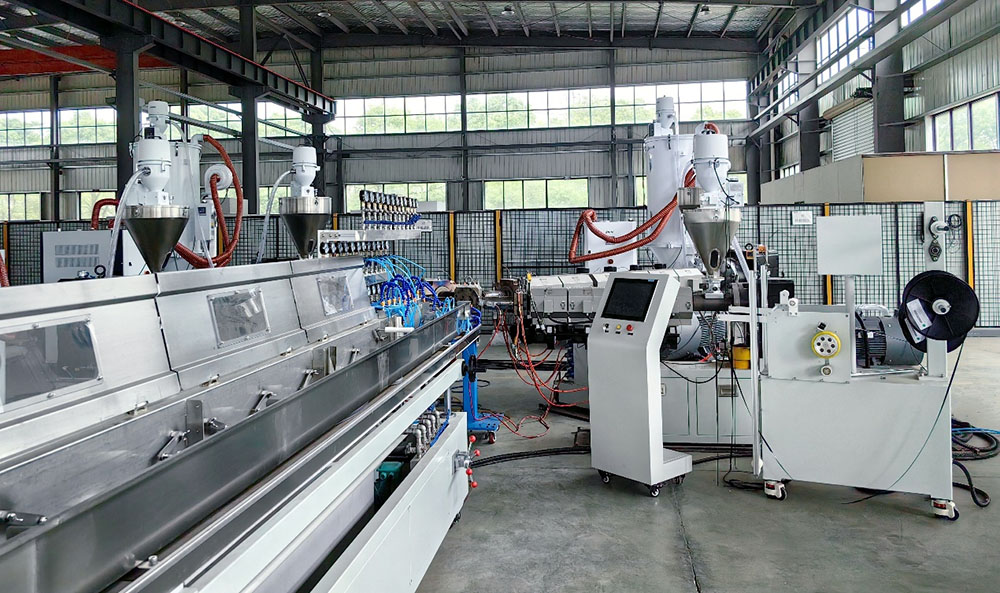
Operating from our 16,000m² facility, BAOD Extrusion combines Taiwanese engineering with mainland China's supply chain advantages. Our integration of Factory 4.0 practices delivers several key benefits:
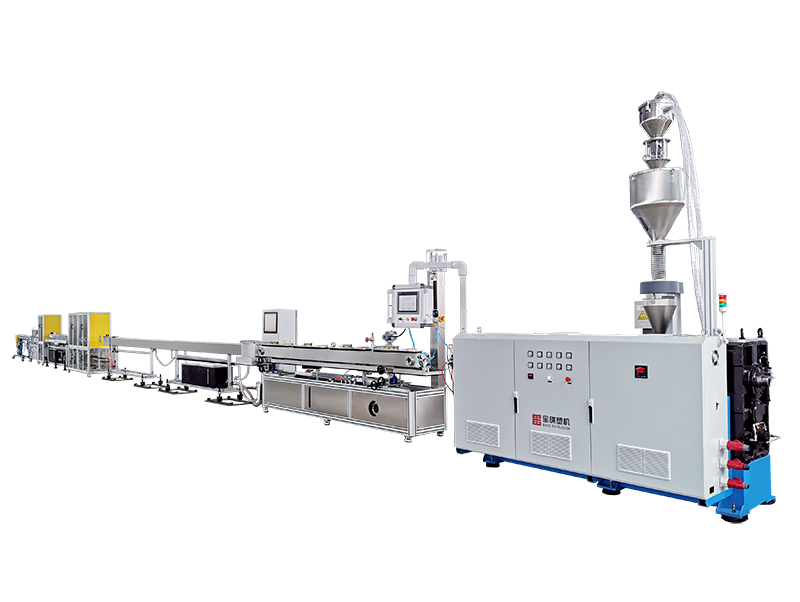
Specially designed for micro-bore applications, ensuring tight tolerances for medical, industrial, and automotive tubings.
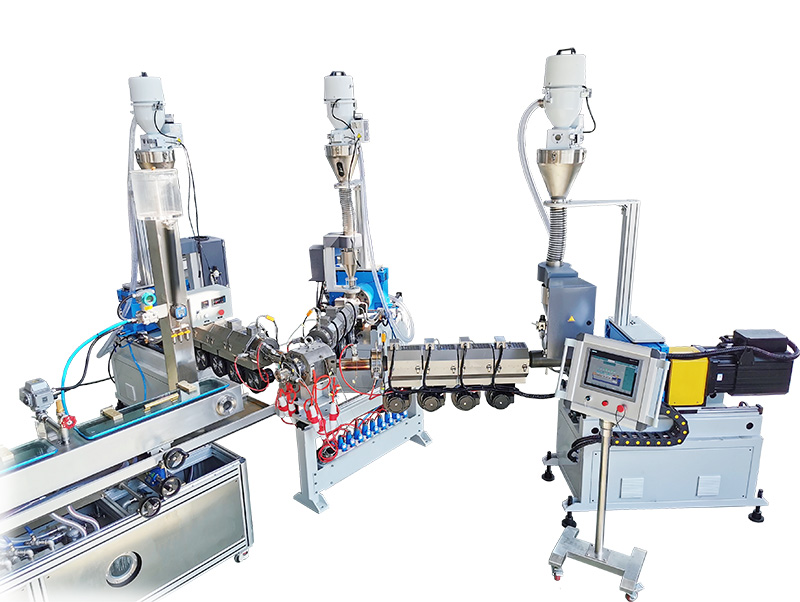
Advanced multi-layer co-extrusion technology for automotive fuel lines, cooling lines, and corrugated ducting systems.
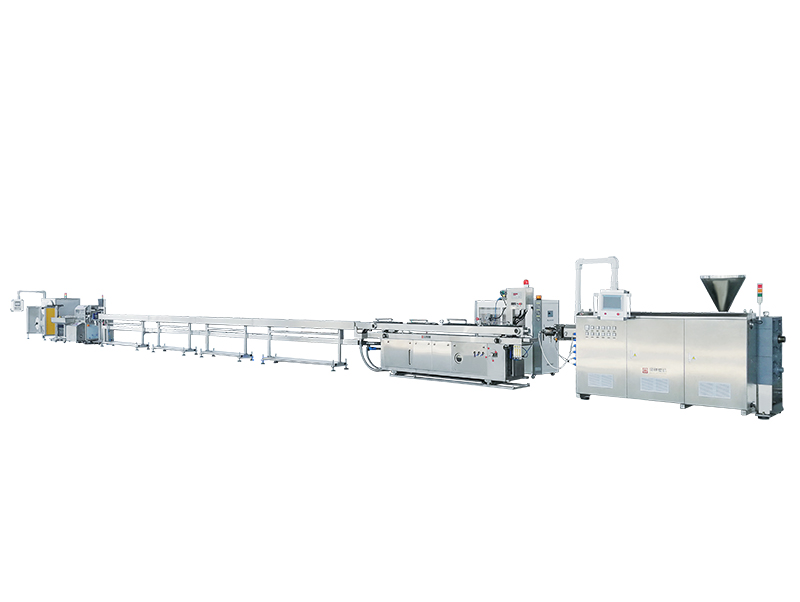
Ensuring sterile, highly consistent output for cleanroom surgical tubes, IV sets, and catheter lines.
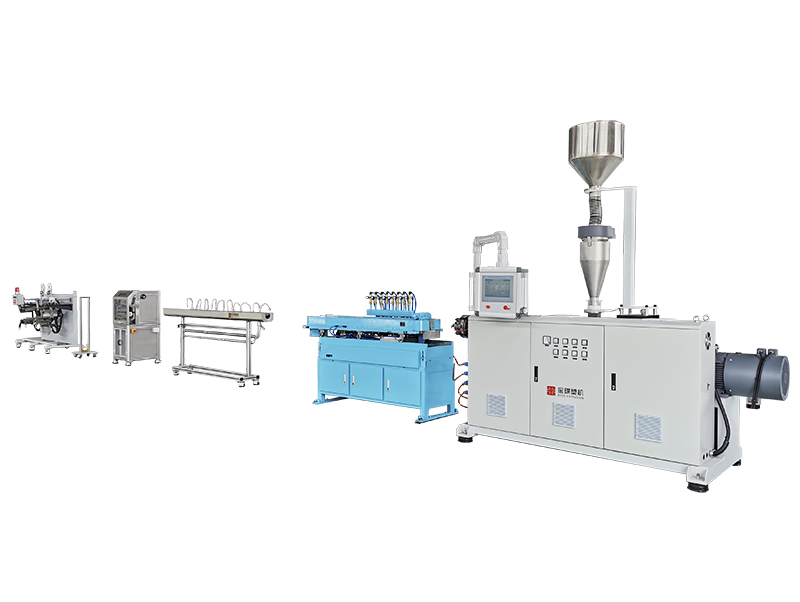
Engineered for high-output manufacturing of single-wall conduits used in electrical routing and automotive wiring.
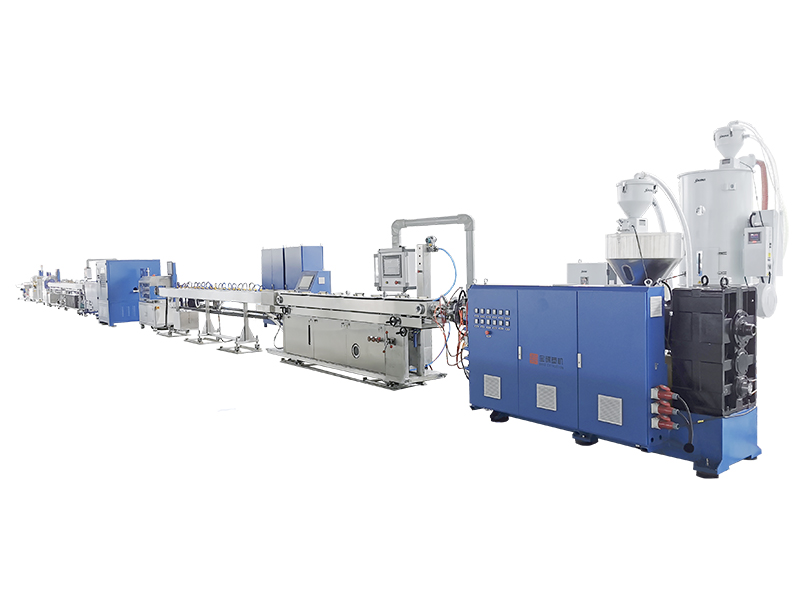
High-strength composite extrusion integrating reinforcement fibers with thermoplastic vulcanizates (TPV).
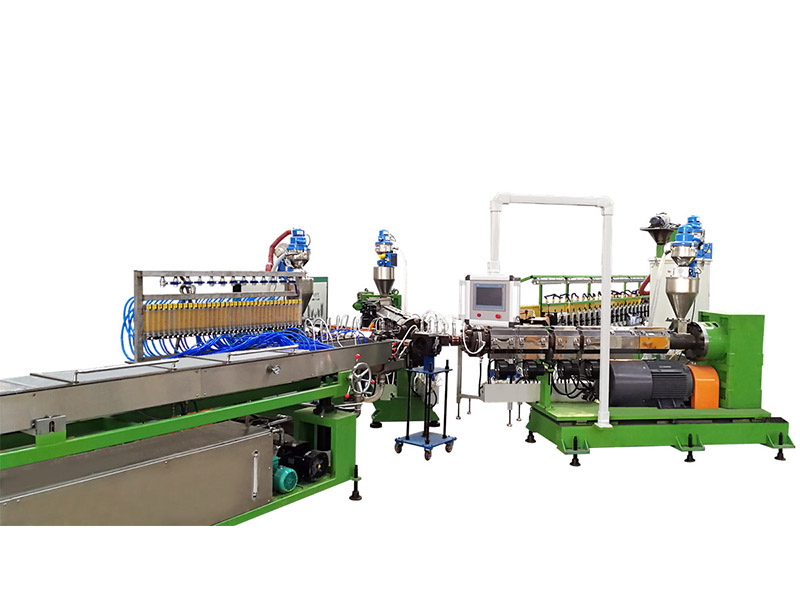
Delivers high-precision geometric sealing profiles with co-extrusion capabilities for dual-durometer components.
Different polymers require unique screw profiles to ensure quality and prevent material degradation. Below are three key application scenarios where custom screw engineering is critical:
Fluoropolymers are highly corrosive and sensitive to shear at high temperatures. Custom screws for these lines must use corrosion-resistant alloys, low-compression profiles, and moderate shear rates to prevent acid outgassing and maintain dimensional stability.
These pipes combine PA (Polyamide), PVDF, and tie layers to form barriers against fuel vapor permeation. Achieving consistent flow rates in co-extrusion dies requires precise matching of melt temperatures across all layers. This is managed through custom screw designs with barrier sections that minimize shear heating.
With its extremely high melt viscosity, UHMWPE is prone to fracturing under shear. Screws designed for this material require deep flights, large pitch lengths, and specific feeding zones to ensure stable pressure without overheating or degrading the polymer chains.
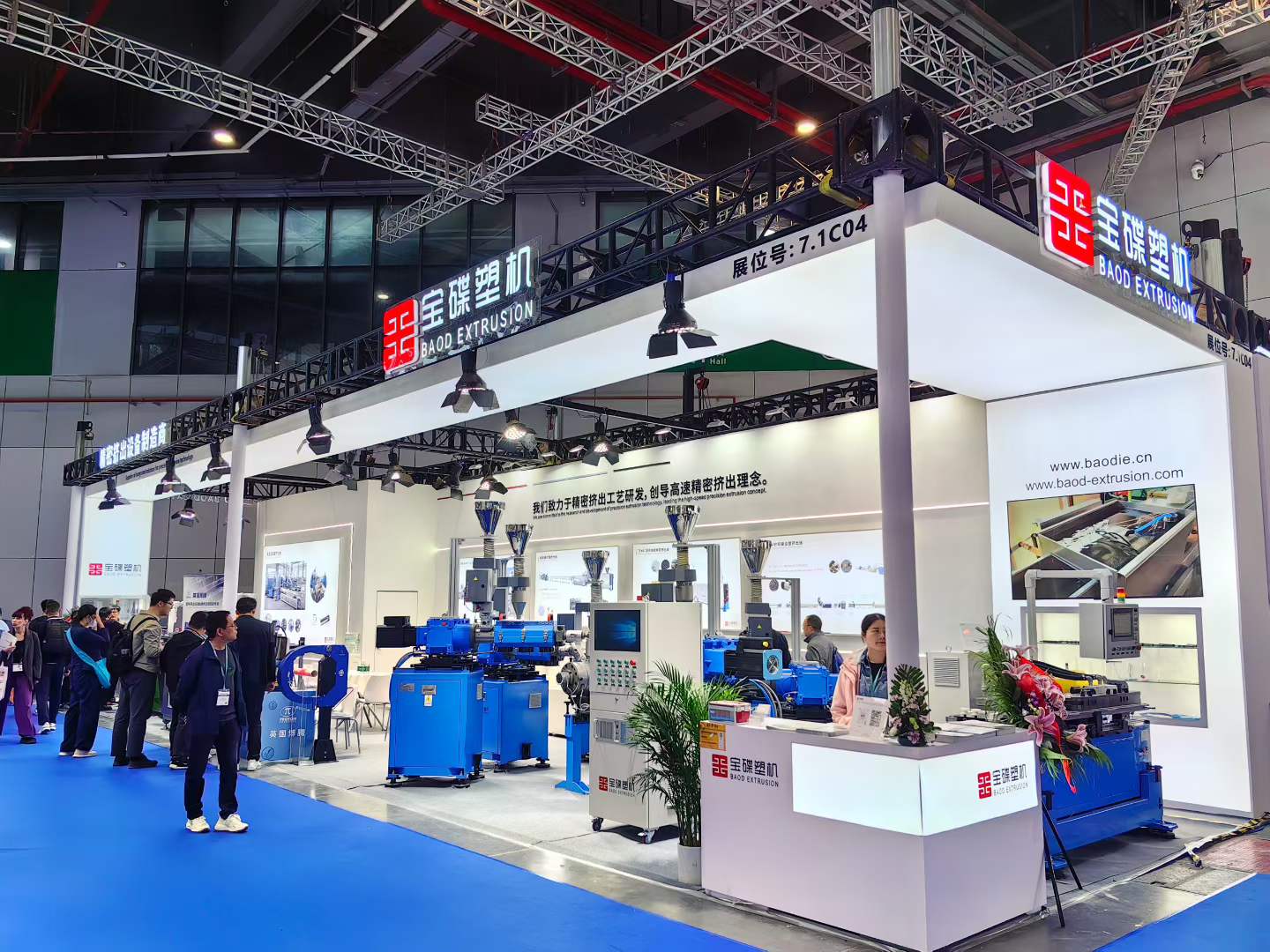
At the National Exhibition and Convention Center (Shanghai, Hongqiao), BAOD EXTRUSION showcased its latest R&D achievements, presenting "Smart Extrusion · High-Efficiency Innovation" solutions that generated significant interest from global buyers.
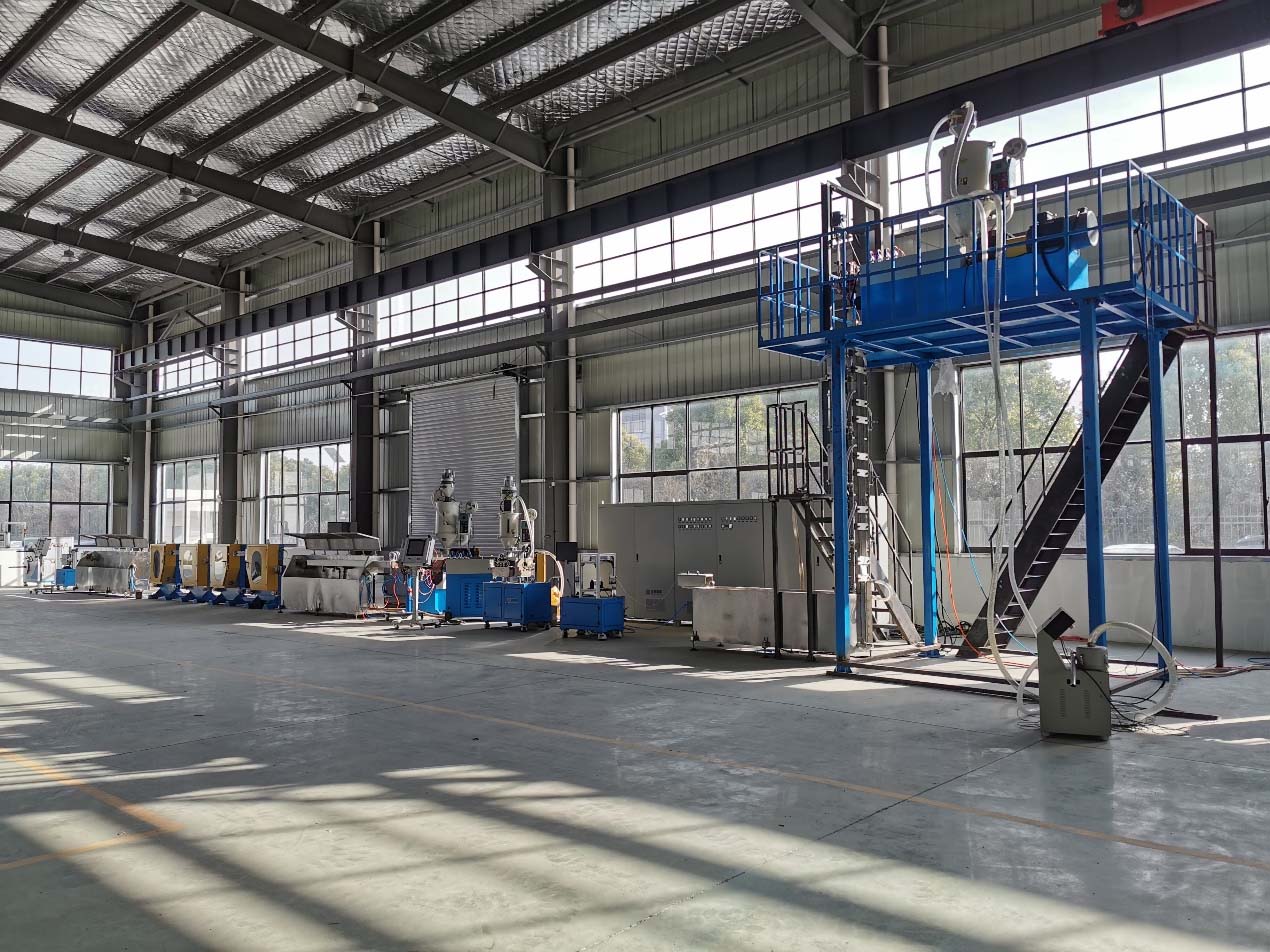
From mining to civil infrastructure demolition, safety and absolute compliance are paramount. BAOD Extrusion provides dedicated detonating tube line designs that maintain precise wall thickness and raw material integrity.
A comparison of technical approaches to micro-medical tube production. The article outlines how BAOD achieves precision alignment and tolerance control matching European standards through custom tooling and advanced cooling systems.
A look at the strict engineering specifications and quality control procedures BAOD employs to meet international automotive manufacturing compliance for critical fluid transfer tubes.
Automobile manufacturers are shifting toward lightweight TPV materials for sealing profiles. Discover how BAOD's automated extrusion lines improve production speeds and profile accuracy.
The Length-to-Diameter (L/D) ratio measures the distance from the rear feed pocket to the discharge end, divided by the screw's nominal diameter. High L/D ratios (e.g., 30:1 or 34:1) provide a longer residence time, allowing for better material mixing, thorough melting, and improved pressure stability. Conversely, lower L/D ratios (e.g., 24:1) are preferred for shear-sensitive or easily degraded polymers (like PVDF or FEP) to limit heat exposure and prevent thermal degradation.
Dispersive mixing breaks down solid agglomerates (such as pigments or fillers) using high-shear stress zones, like those found in Maddock mixers. Distributive mixing focuses on reorganizing the flow paths of the melt stream to improve thermal and spatial homogeneity, using multi-pin or pineapple mixers. A balanced screw design integrates both mixing types to ensure color uniformity without generating excessive heat that could degrade the polymer.
Fluorine plastics like FEP, PFA, and PVDF release highly corrosive hydrogen fluoride gas at processing temperatures. Standard nitrided steel screws corrode rapidly under these conditions, leading to pinholes and flight degradation. Bimetallic screws use corrosion-resistant nickel-based superalloys (such as Inconel or Hastelloy) and specialized coatings to protect against both chemical attack and abrasive wear from composite fillers.
BAOD utilizes advanced CNC thread milling machines along with coordinate measuring machines (CMM) to maintain flight profile tolerances within ±0.01 mm. The dynamic concentricity of both screw and barrel is verified through specialized measurement jigs prior to final assembly. This precision minimizes wear on the flight lands and prevents backflow, ensuring stable melt pressures.
 Baodie