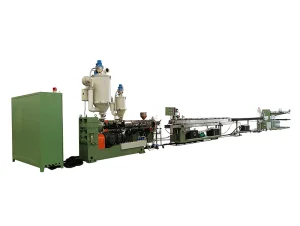
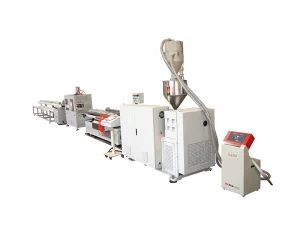
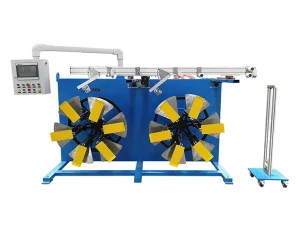
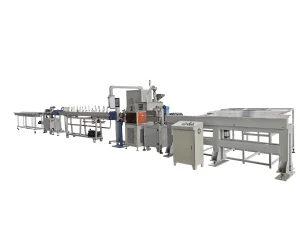
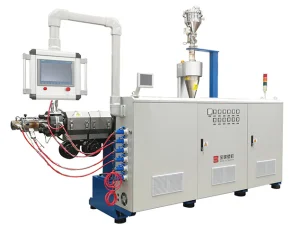
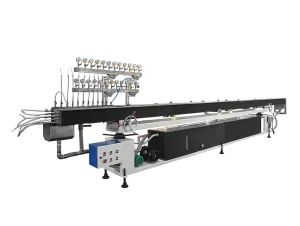
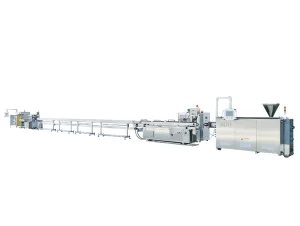
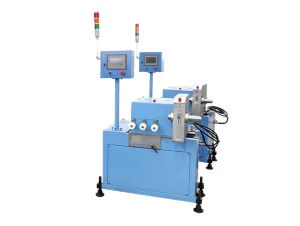
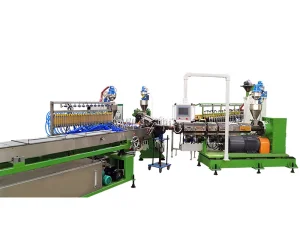
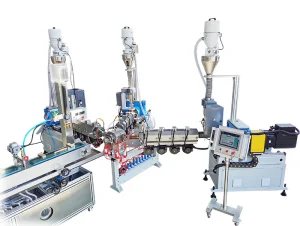
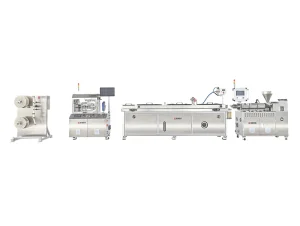
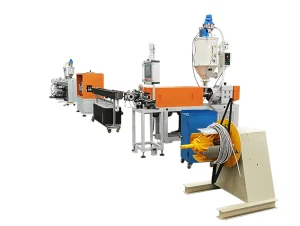
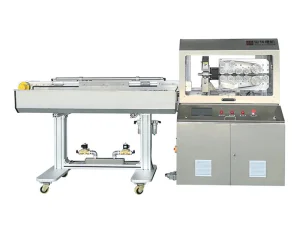
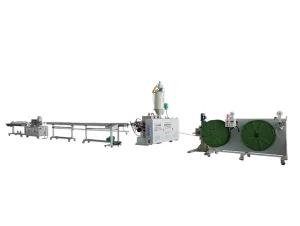
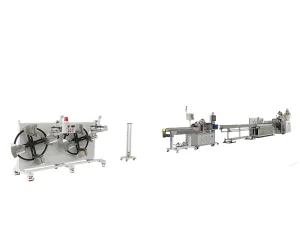
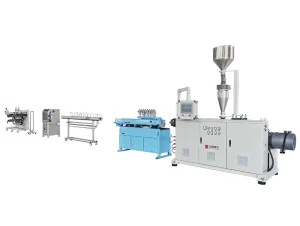
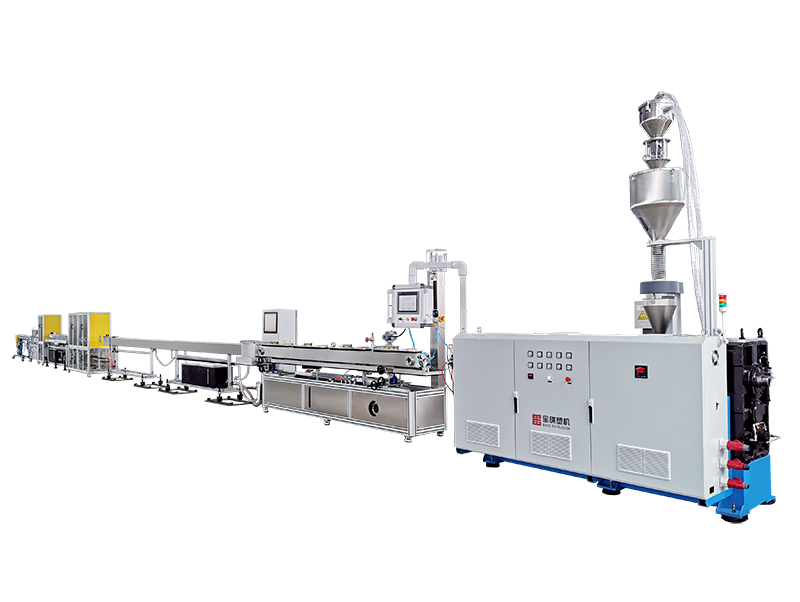
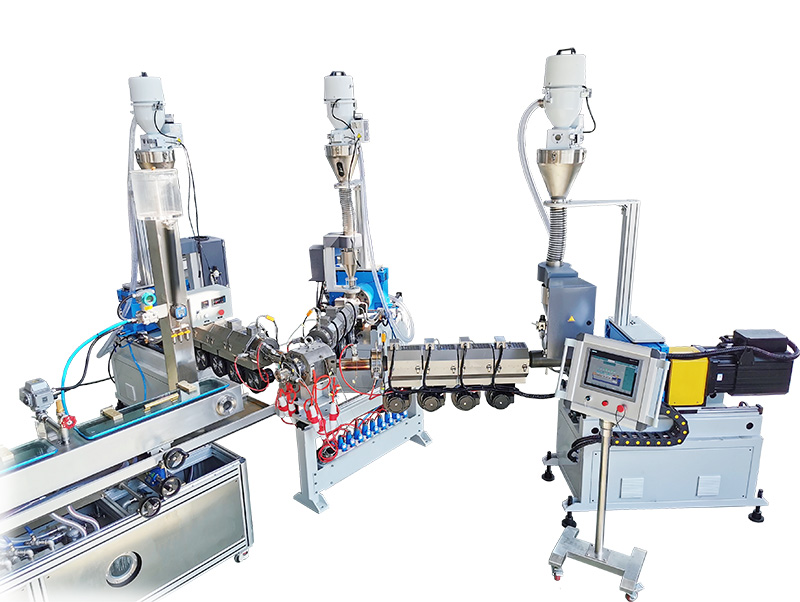
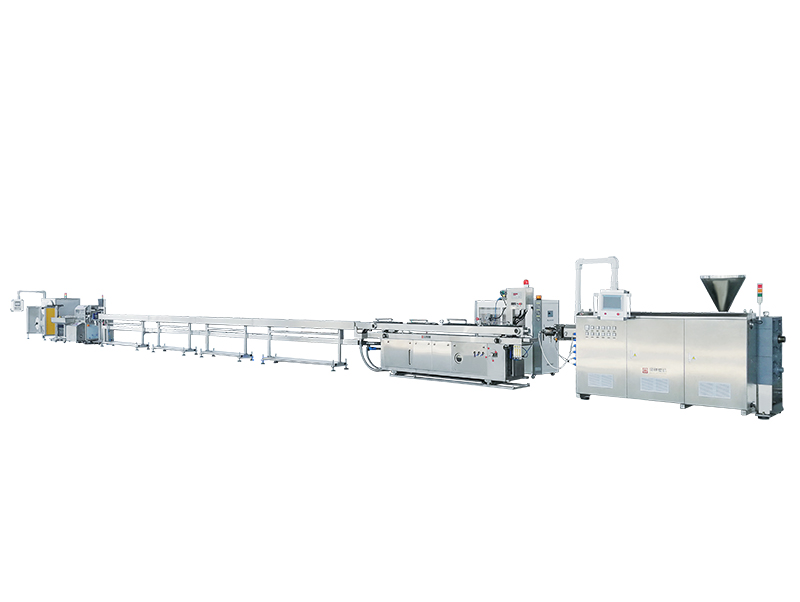
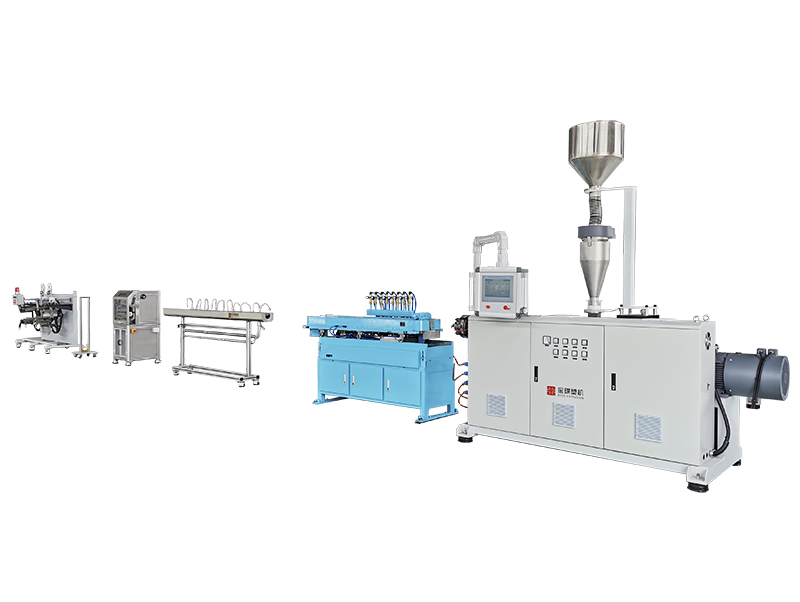
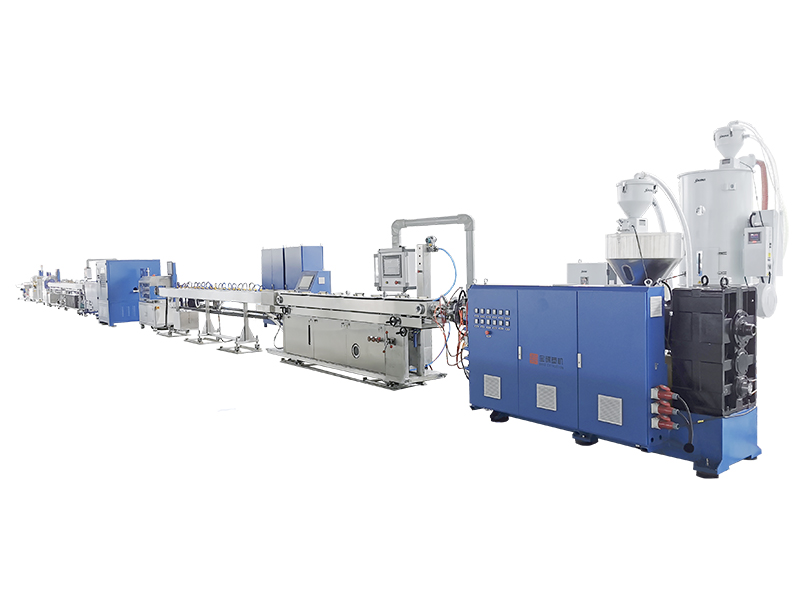
Explore our specialized production setups engineered for high-precision tolerances and robust high-output manufacturing.
Founded in 2002, BAOD EXTRUSION (Jiangsu Baodie Automation Equipment Co., Ltd.) is an industry-leading high-tech enterprise specializing in designing, manufacturing, and distribution of plastic extrusion equipment. Our engineering expertise traces back to our original parent company, KINGSWEL GROUP, which accumulated 18 years of high-end design experience in Taiwan before establishing our Shanghai manufacturing hub in 1999. Today, we stand as a premier global partner for smart, high-performance extrusion solutions.
We align our manufacturing standards with rigorous industrial expectations, focusing continuous R&D efforts on precision extrusion technology, automated process lines, process safety, and high-capacity system integration.
Deep diving into market dynamics, regulatory compliance, and mechanical specifications that define the modern manufacturing ecosystem.
Mono tube (single-layer) extrusion systems represent the backbone of global fluid handling, telecom conduit deployment, and precision medical tubing. Valued for their consistency and structural integrity, mono tubes manufactured from engineering plastics like HDPE, Nylon (PA), TPV, PVC, and specialty fluoropolymers meet the requirements of severe environmental exposures. Industries rely heavily on high-speed mono extrusion for mass-scale fiber protection (microducts), safety-critical automotive lines, and low-tolerance clinical devices.
Over the past two decades, Chinese manufacturing has transitioned from a focus on cost reduction to a paradigm of high-precision automation and supply chain consolidation. Leading manufacturers like BAOD EXTRUSION design systems with mechanical tolerances matching or exceeding European standards. Operating with fully integrated component clusters—from precision single screw extruders to gravimetric dosing, high-vacuum calibration systems, and laser measurement loops—allows Chinese factories to supply machinery with unprecedented lead times and competitive pricing structures.
The industry is progressing toward Industry 4.0 integration. The modern single-layer tube extrusion line is no longer just a mechanical process; it features automated PLC feedback loops connected to downstream measurement devices. Innovations like ultrasonic wall thickness measurement, closed-loop pressure feedback at the die, and continuous gravimetric throughput control minimize scrap rates, reduce energy consumption, and guarantee consistent high-speed operation.
Single-layer (mono) plastic tubing requires distinct mechanical profiles and machinery specifications depending on the target sector. A medical-grade catheter tubing extrusion line requires different vacuum control and cleaning protocols than an industrial-grade HDPE microduct co-extrusion system.
Operating with medical-grade PVC, Polyurethane (TPU), or PE, BAOD's medical lines produce clinical-grade tubing with internal dimensions monitored down to a single micron. These lines feature food/medical-safe stainless steel vacuum calibration units, cleanroom compatibility, and high-speed rotary fly cutters to prevent deformation.
Producing fuel lines, vacuum brake hoses, and weather stripping (using TPV or PVC) demands absolute repeatability. Thermal stability, chemical resistance, and cross-linking controls are managed through customized single screw extrusion geometries (L/D ratios of 25:1 to 30:1) to ensure structural strength across long operating spans.
HDPE silicone core microduct lines require optimized co-extrusion crossheads. The outer tough HDPE provides crush resistance, while the thin internal silicone layer minimizes friction for optical fiber blowing during installation, running at speeds up to 100 meters per minute.
Our customized single-screw and co-extrusion lines integrate sub-assemblies configured for operational longevity, process stability, and thermal efficiency.
Important evaluation standards that supply chain managers and technical engineers consider before finalizing extrusion machinery contracts.
Industrial equipment must bear CE (Europe), UL/CSA (North America), or equivalent certifications. Downstream medical and food safety systems must adhere strictly to FDA and GMP cleanroom requirements.
Procurement officers look for extrusion systems capable of processing multiple resins (e.g., HDPE, TPV, PA, PVC) by exchanging screws or dies rather than replacing entire process lines.
With volatile energy rates globally, modern extrusion setups integrate smart barrel heating elements, variable frequency motors, and efficient cooling systems to lower utility consumption.
Unexpected downtime in extrusion processes leads to substantial overhead losses. Global support programs, including remote diagnostic links via the PLC system, are critical parameters for modern manufacturers.
Review additional customized extrusion configurations and automation auxiliaries built by BAOD.
Technical explanations to common operational queries concerning single-layer pipe extrusion machinery.
Underlying machinery solutions engineered for high operational precision.
Read updates on our technology applications and recent performance breakthroughs from international events.
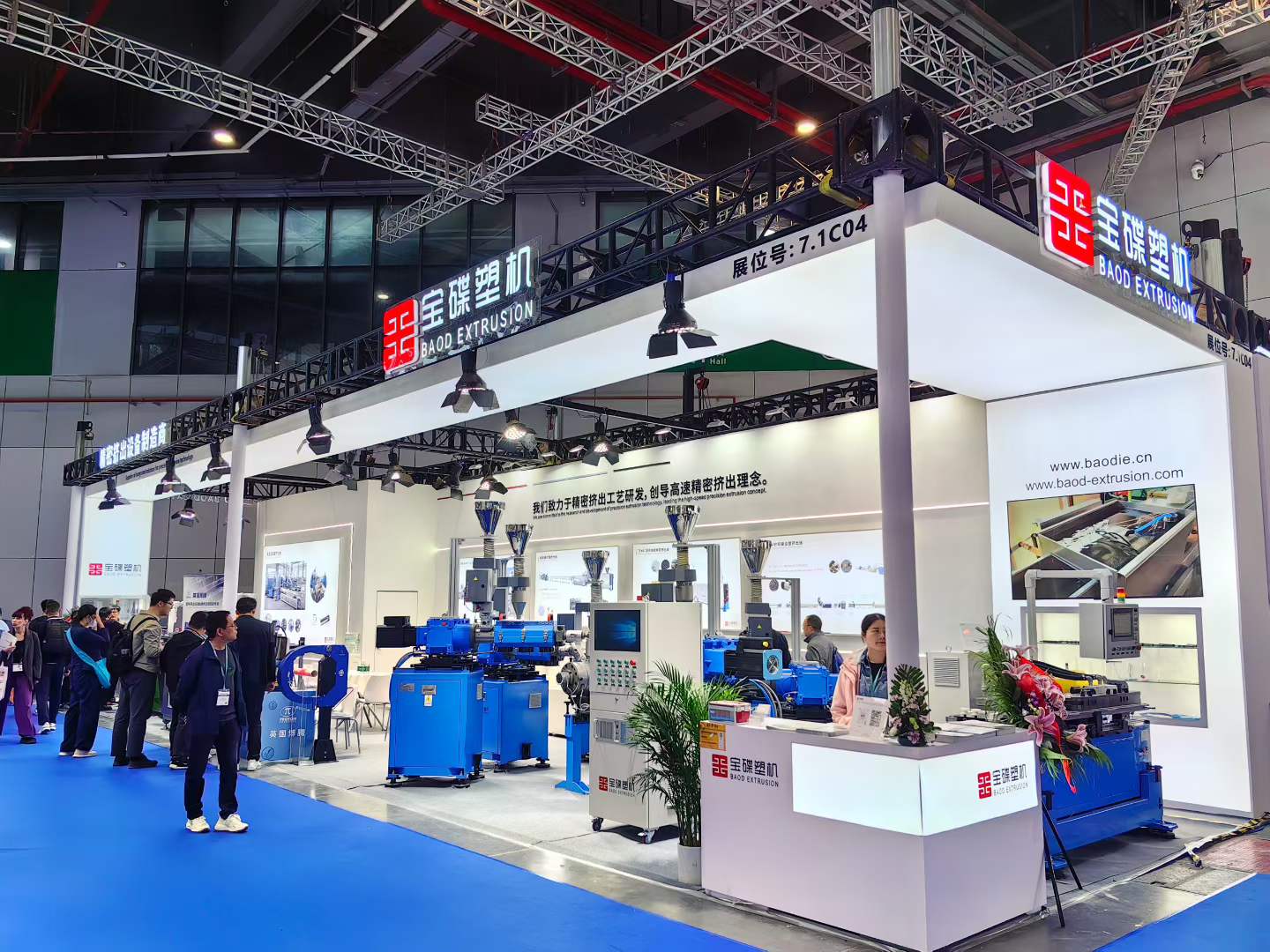
From April 21–24, CHINAPLAS 2026 was successfully held at the National Exhibition and Convention Center (Shanghai, Hongqiao). BAOD EXTRUSION showcased its latest R&D achievements at Booth 7.1C04, presenting "Smart Extrusion · High-Efficiency Innovation" solutions that...
Read More →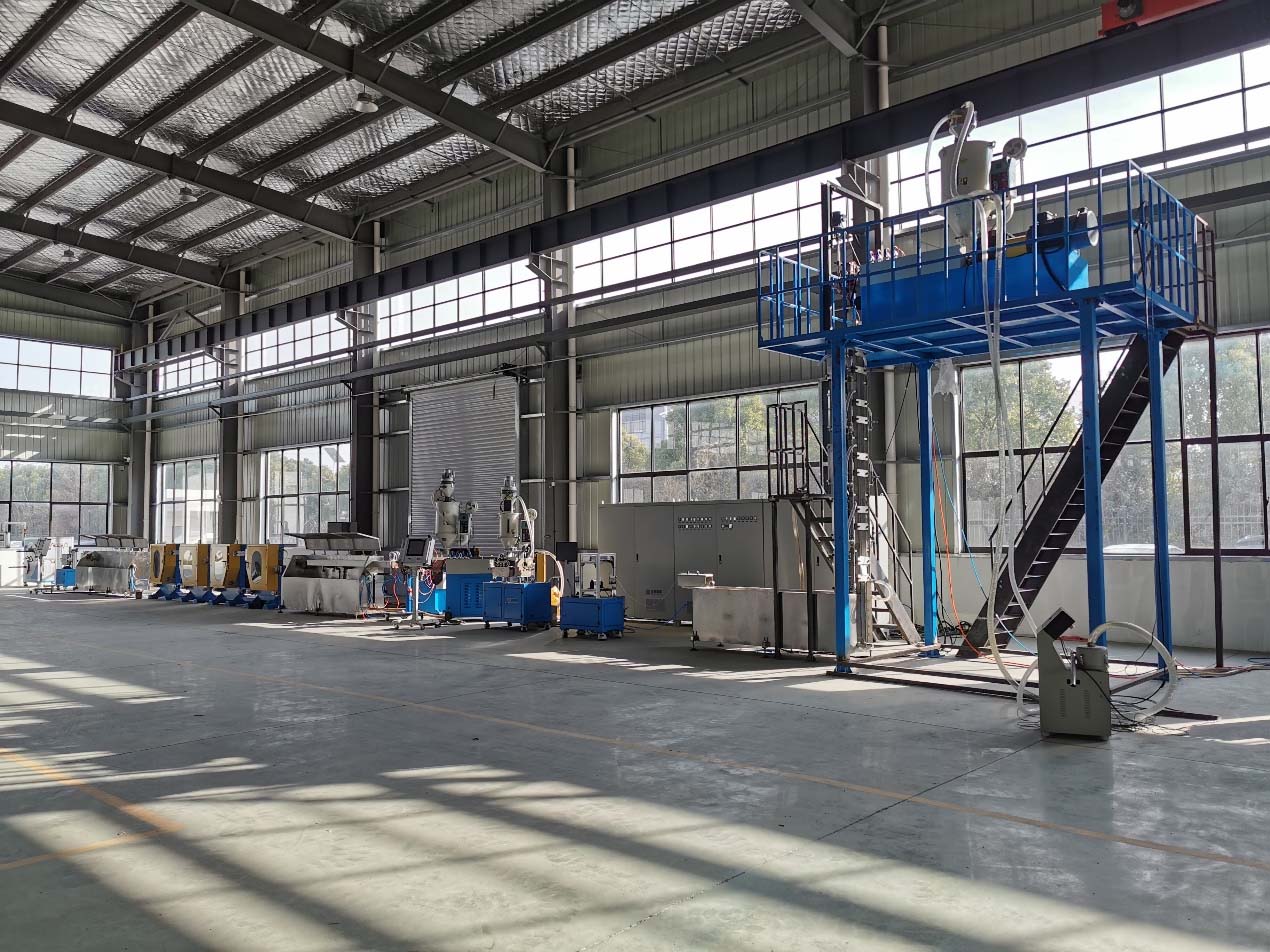
In the controlled environment of a modern industrial facility, a single, hair-thin plastic tube wound onto a reel might seem unremarkable to the untrained eye. However, in sectors ranging from mining and quarrying to large-scale infrastructure demolition, this tube—known...
Read More →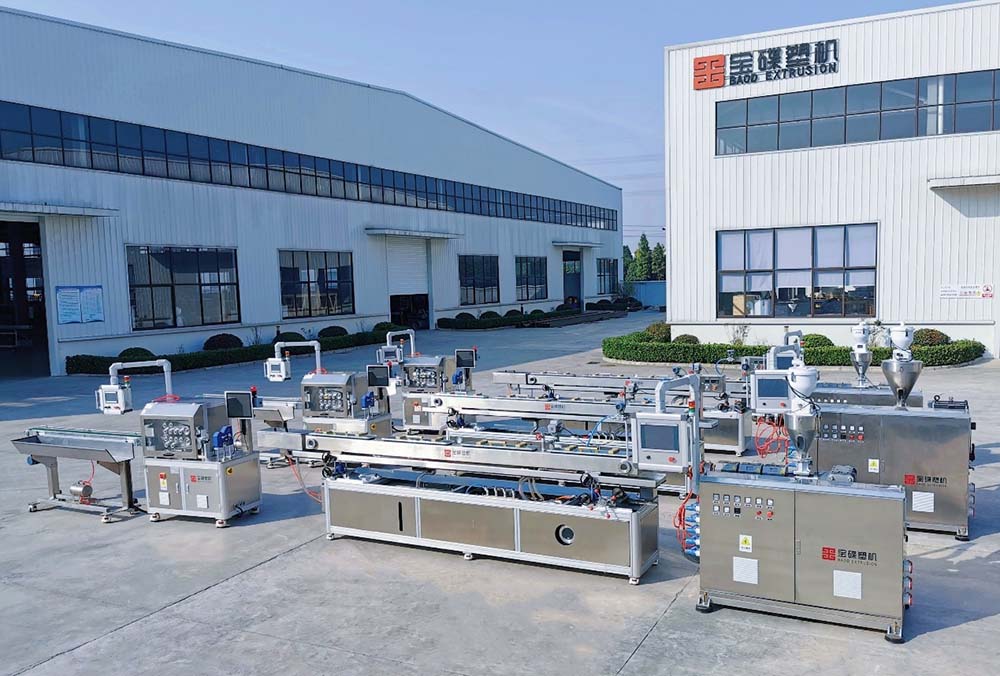
In the sterile, quiet environment of a modern medical facility, a clinician prepares a complex catheter for a critical procedure. This thin, flexible tube is far more than a simple conduit; internally, it is divided into several microscopic channels, or lumens, each desi...
Read More →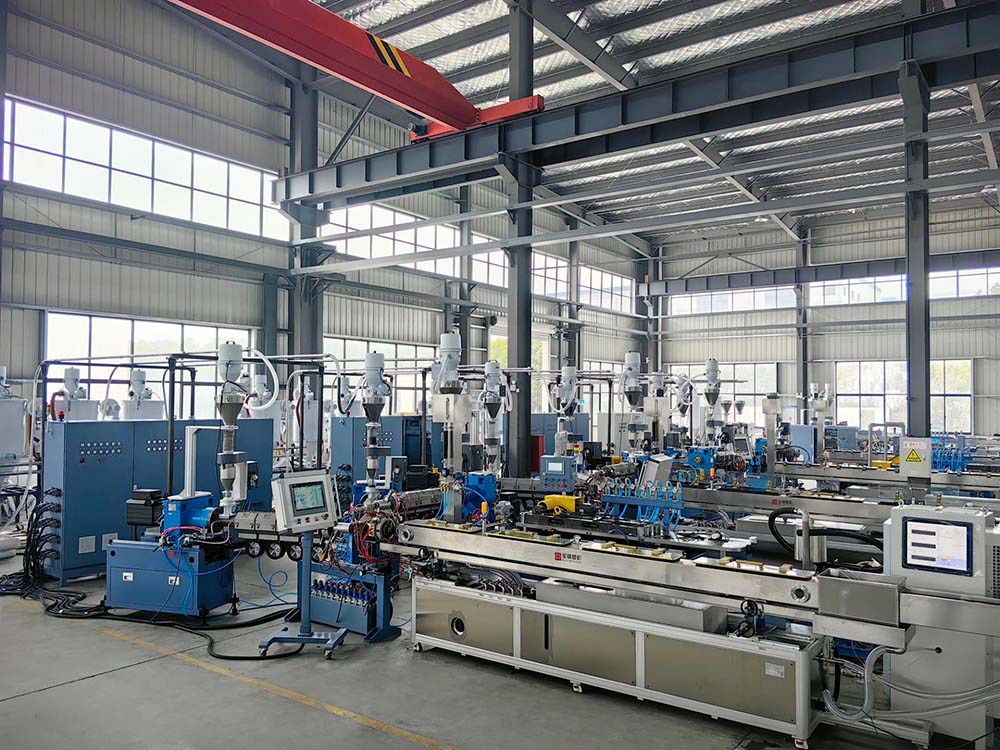
How do the world's most reputable vehicle manufacturers ensure the absolute integrity of every fuel line, brake hose, and cooling pipe buried deep within a vehicle’s chassis? Why has the shift toward electric and lightweight vehicles made the precision of these small-dia...
Read More →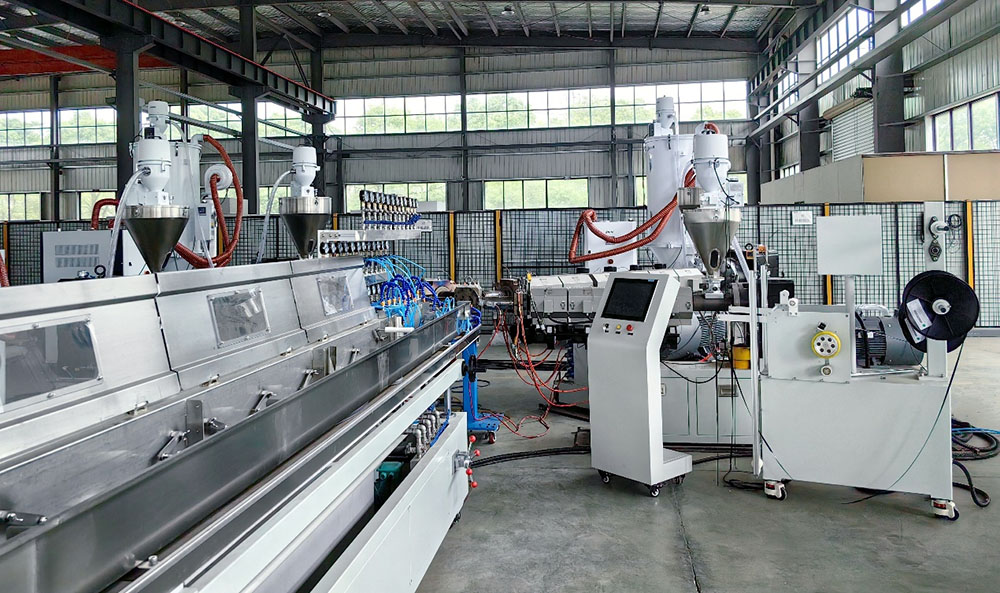
As the twilight sun reflects off the sleek, aerodynamic curves of a modern electric vehicle parked in a bustling metropolitan street, few observers notice the quiet, critical components ensuring the cabin remains a sanctuary of silence and temperature control. Behind the...
Read More → Baodie