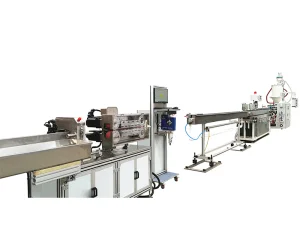
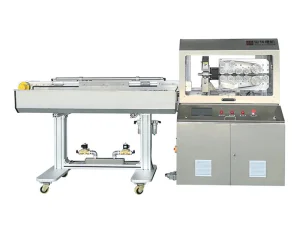
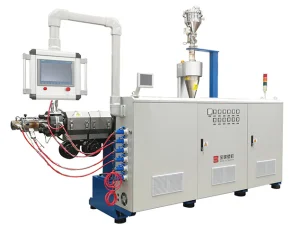
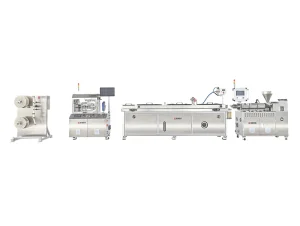
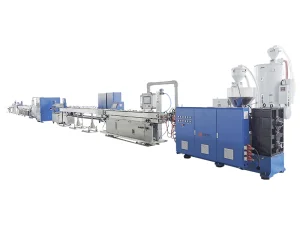
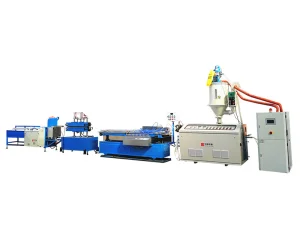
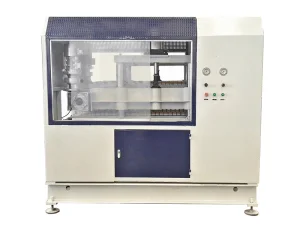
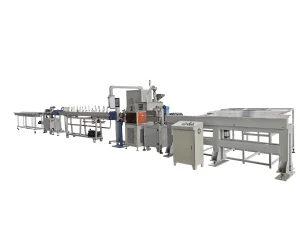
Explore our highly integrated equipment lineup, engineered specifically to satisfy strict global medical standards and precision profile demands.
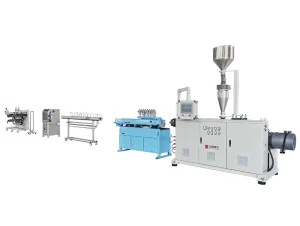
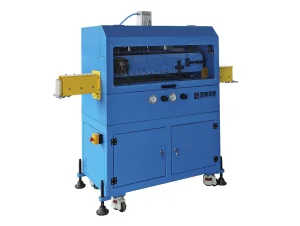
Founded in 2002, BAOD EXTRUSION is an engineering pioneer dedicated to the design, custom manufacturing, and international distribution of high-end plastic extrusion machinery. Leveraging over 25 years of engineering design experience inherited from its initial foundations in Taiwan and subsequent mainland expansion in Shanghai starting in 1999, the brand has solidified its reputation as a premier Tier-1 solution provider for precision extrusion systems globally.
Our long-term R&D initiatives focus heavily on core parameters that dictate catheter quality: melt pressure stabilization, ultra-precise mechanical configurations, advanced loop-feedback control, and robust operator safety mechanisms. Our custom setups are designed to handle highly demanding technical fluoropolymers, notably Fluorinated Ethylene Propylene (FEP), which is utilized in advanced catheter liners, heat shrink sleeves, and medical-grade sheath pipelines.
Medical-grade FEP tubes require tolerances down to ±0.02mm. Achieving this demands deep expertise in screw geometry, material compression ratios (typically 3:1 to 3.5:1), and high-resolution thermal management profiles.
Every line manufactured by BAOD conforms to CE and ISO 9001 regulations, featuring integration capabilities for real-time SCADA and MES systems to support full traceability in medical cleanroom environments.
A comprehensive overview of global demand, material parameters, and system requirements for fluoropolymer micro-extrusion.
In modern interventional medicine, Fluorinated Ethylene Propylene (FEP) has emerged as the definitive material choice for high-performance medical tubing applications. FEP is preferred for its extreme chemical inertness, exceptionally low coefficient of friction, high thermal resistance, and intrinsic biocompatibility. Today, FEP medical tubing forms the core of complex medical systems, including guide catheters, vascular introducers, pediatric delivery systems, and endoscopy sheaths.
The global demand for high-precision FEP extrusion lines is driven by the rapid growth of minimally invasive surgeries (MIS). Hospitals and outpatient clinics prefer catheter-based therapies because they minimize recovery time and reduce post-operative risks. However, extruding FEP is challenging due to its high melt temperature (300°C–380°C), narrow processing window, high melt viscosity, and risk of thermal degradation. Extruding FEP can release trace amounts of highly corrosive hydrofluoric acid, necessitating specialized system materials and configurations.
| Extrusion Parameter | FEP Medical Extrusion Standards | Standard PVC/PE Tube Lines | Critical Engineering Impact |
|---|---|---|---|
| Screw/Barrel Metallurgy | Hastelloy C-276 or Xaloy 309 Alloys | Nitrided Steel (38CrMoAlA) | Prevents corrosion from hydrofluoric acid at 360°C. |
| Draw-Down Ratio (DDR) | 1.5 to 5.0 (Optimized for micro-sizes) | 1.1 to 1.5 | Controls polymer orientation and prevents structural tearing. |
| Heating Elements | Ceramic heater bands (up to 450°C) | Cast Al heaters (up to 250°C) | Ensures homogeneous polymer melt flow. |
| Outer Diameter Tolerance | ±0.01mm to ±0.03mm | ±0.05mm to ±0.1mm | Crucial for guiding catheters and introducer sheaths. |
| Vacuum Sizing Tech | High-vacuum closed-loop water tank | Sizing plate with immersion cooling | Maintains concentricity and roundness of thin walls. |
A reliable FEP medical extrusion line follows a precise technical flow designed to maintain high dimensional accuracy and cleanroom hygiene:
Strictly controlled melt zones with ceramic heaters melt FEP granules evenly, avoiding degradation from local overheating.
A specialized high-pressure melt pump ensures pulse-free delivery to the die head, reducing variations in wall thickness.
A corrosion-resistant die head forms the tube, which is quickly cooled in a temperature-regulated vacuum water tank.
Dual-axis laser scanning measures outer and inner diameters in real time, feeding data back to adjust the puller speed.
Analyzing key shifts in medical polymer processing across major regional healthcare hubs.
Modern catheters are multi-functional, requiring the integration of electrical pathways, fluid delivery, inflation balloons, and guide wires into a single tube. FEP is increasingly co-extruded with polymers like Pebax, TPU, or Nylon to create composite, multi-lumen structures. BAOD’s multi-layer cross-head die technology allows manufacturers to apply an ultra-thin FEP inner layer for low friction, while utilizing a flexible, bondable polyether block amide (Pebax) outer jacket.
Due to the high raw material cost of fluoropolymers like FEP, PFA, and ETFE, medical manufacturers prioritize reducing waste. Industry 4.0 integrations are now standard. Our lines connect outer-diameter laser gauges to the puller speed and extruder RPM through a PLC feedback loop, minimizing scrap material during start-up and processing shifts.
Our custom FEP medical extrusion setups are tailored to meet localized cleanroom requirements:
BAOD EXTRUSION is actively researching several key advancements to meet future medical manufacturing demands:
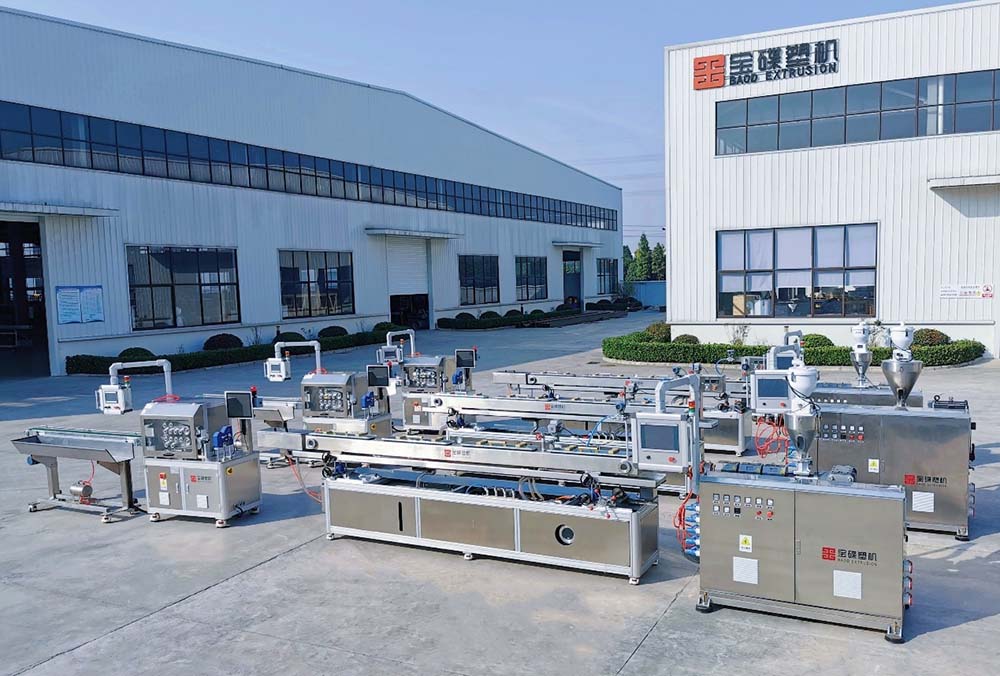
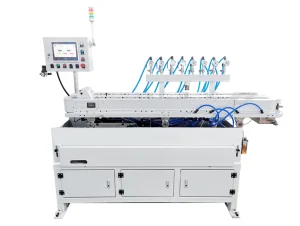
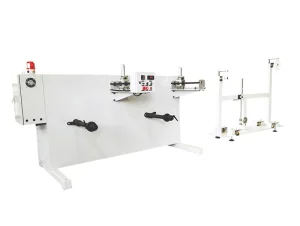
A selection of our custom-designed extrusion equipment built for precision plastic processing.
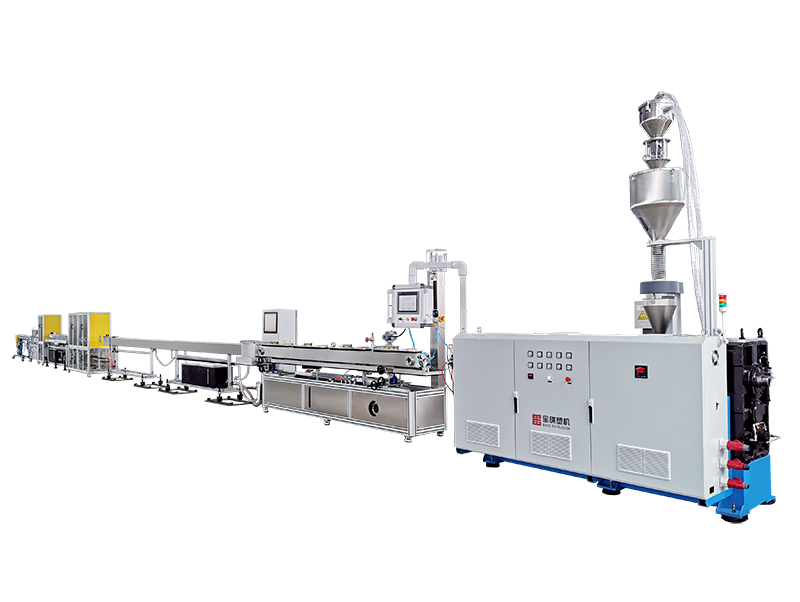
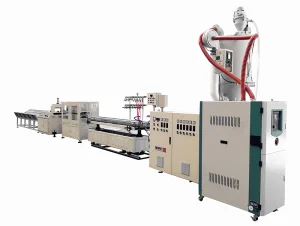
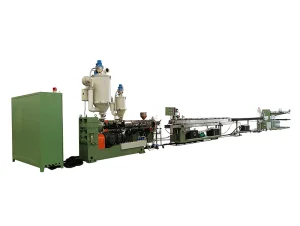
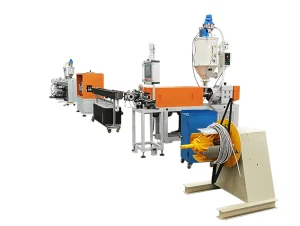
Optimized for precise tolerance controls in medical and industrial tube production.
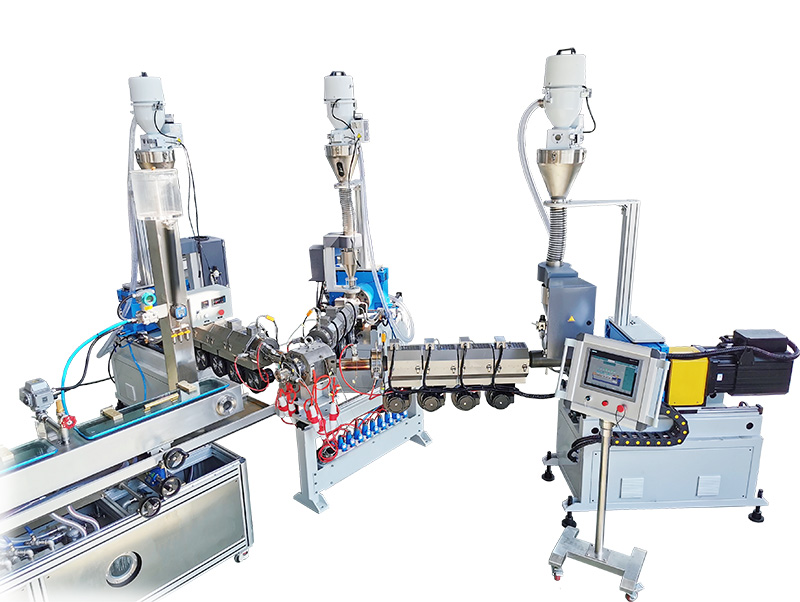
Engineered for automotive fluid management and complex structural tubing.
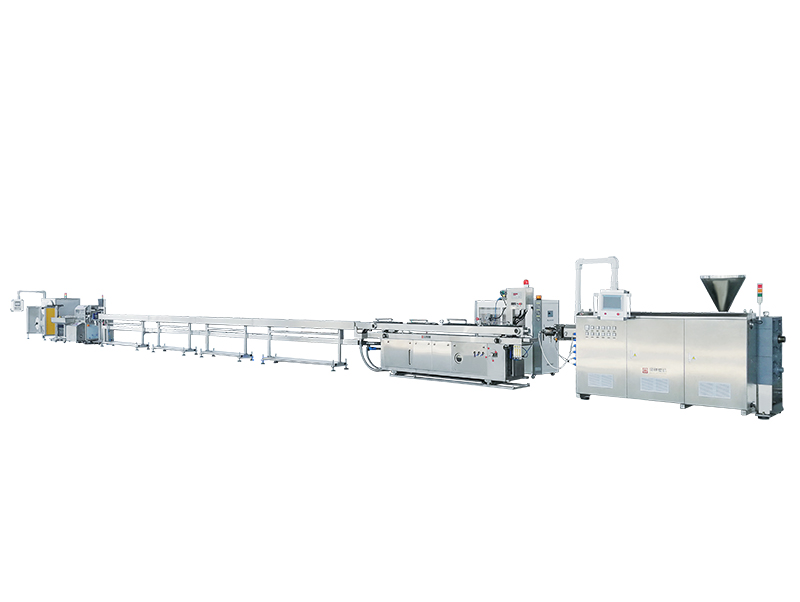
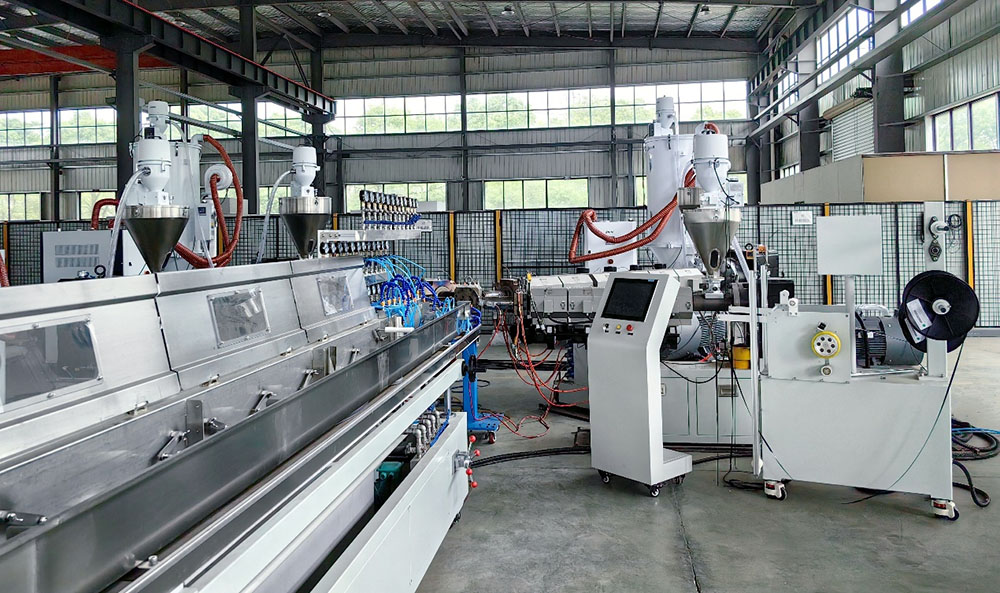
A high-efficiency, medical-grade extrusion line designed for cleanroom setup.
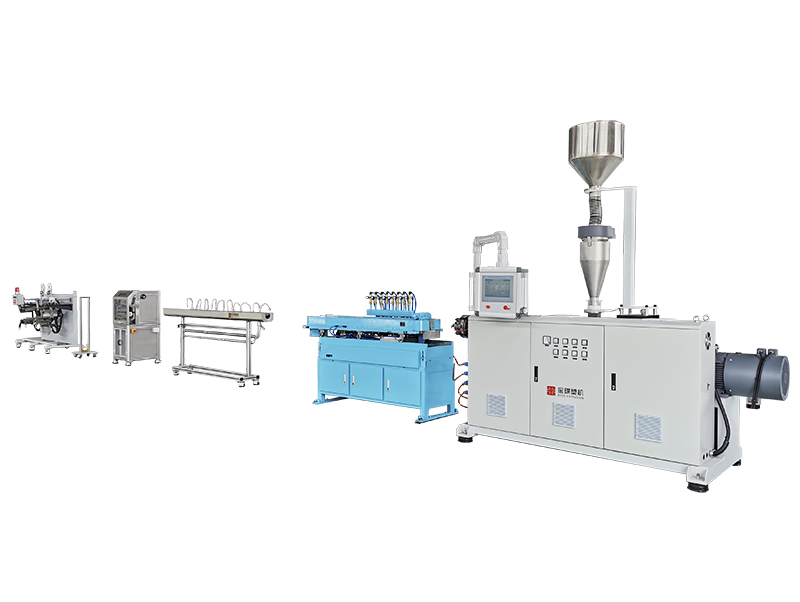
A high-speed corrugated tube forming system optimized for flexible conduit production.
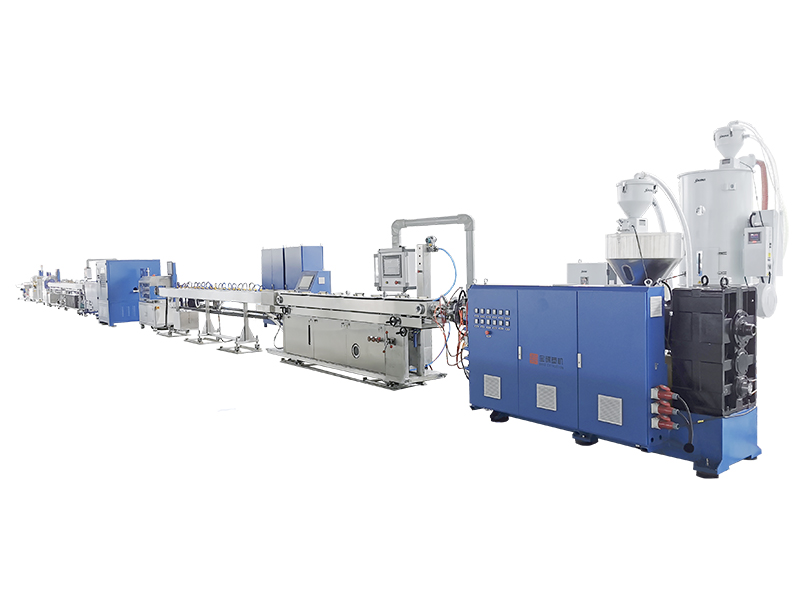
Reinforced composite hose line designed for high-pressure operations.

A dedicated co-extrusion profile line built for automotive weather sealing.
Insights from international exhibitions and our precision engineering R&D team.
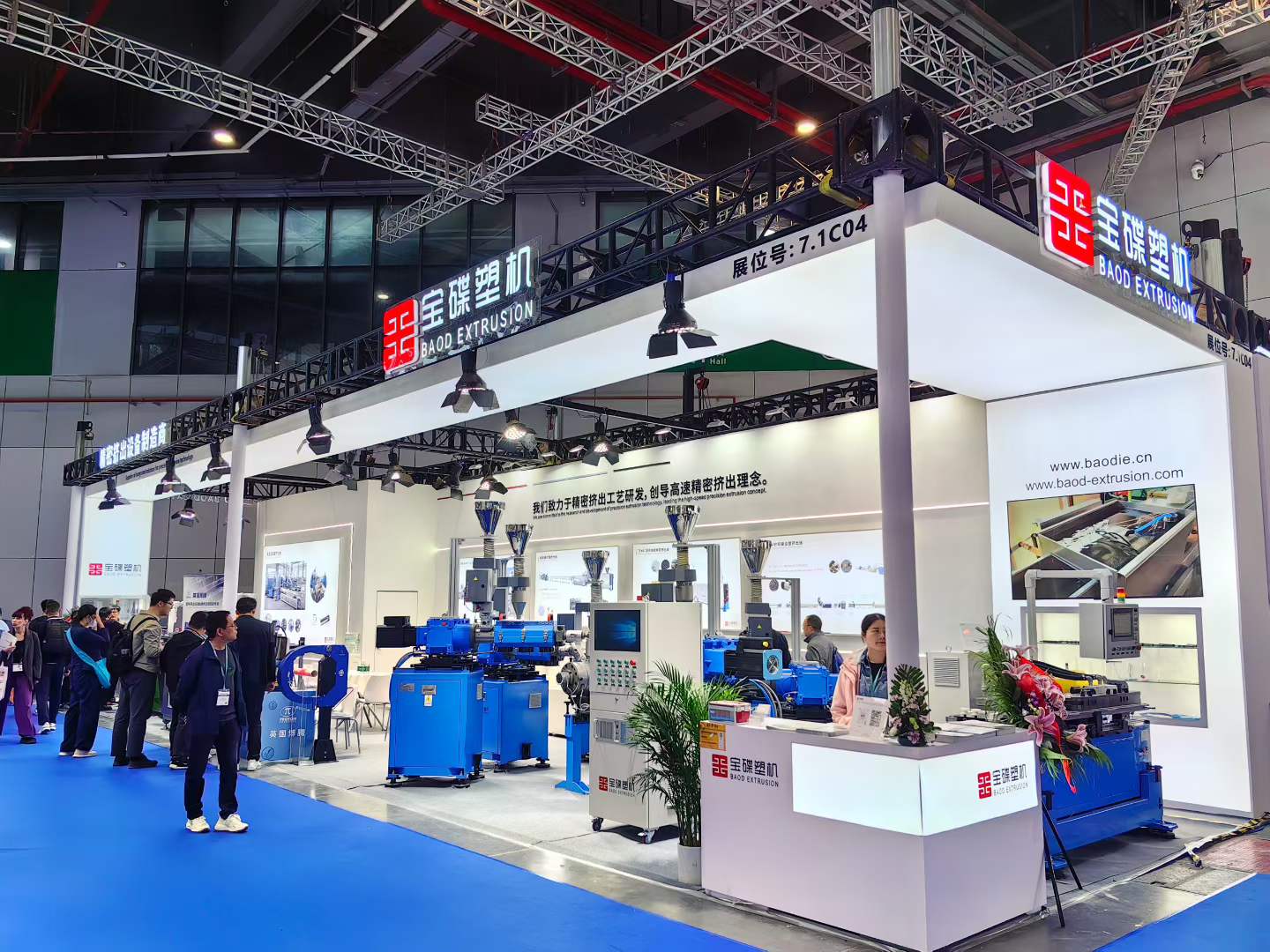
From April 21–24, CHINAPLAS 2026 was successfully held at the National Exhibition and Convention Center in Shanghai. BAOD EXTRUSION showcased its latest R&D achievements at Booth 7.1C04, presenting "Smart Extrusion & High-Efficiency Innovation" solutions tailored for next-generation medical catheter applications.
In modern industrial facilities, a thin plastic tube wound onto a reel might seem simple, but in sectors ranging from mining to infrastructure demolition, detonating tubes demand precise and robust engineering.
A clinician preparing a catheter for a critical procedure relies on a complex, multi-lumen tube divided into microscopic channels. Our systems are built to meet and exceed stringent European manufacturing standards for high-precision multi-lumen extrusion.
Ensuring the integrity of fuel lines and brake hoses is crucial for vehicle safety. We explain how BAOD maintains strict international manufacturing compliance for automotive tubing systems.
With the growth of the electric vehicle market, high-precision sealing strips are essential for reducing cabin noise. Discover the automated extrusion technologies driving these automotive trends for 2026.
Expert technical answers regarding materials, processing challenges, and equipment specifications.
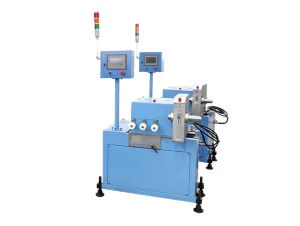
Explore our wider range of auxiliary machinery, custom extruders, and pullers designed for diverse industrial applications.
 Baodie