Explore our premium grade customized extrusion machinery designed to deliver absolute dimensional tolerance control and maximum output efficiency.
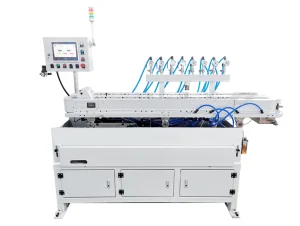
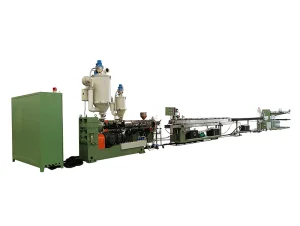
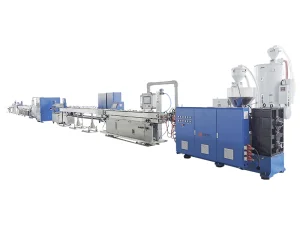
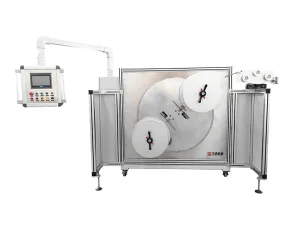
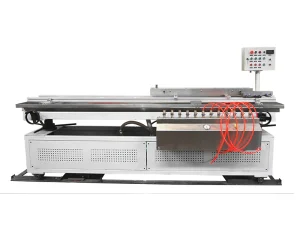
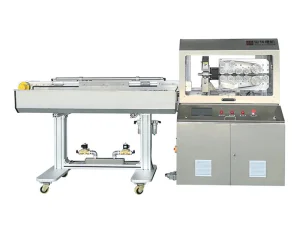
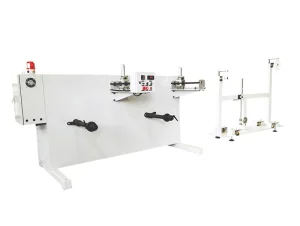
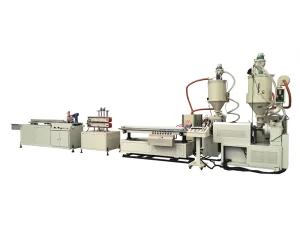
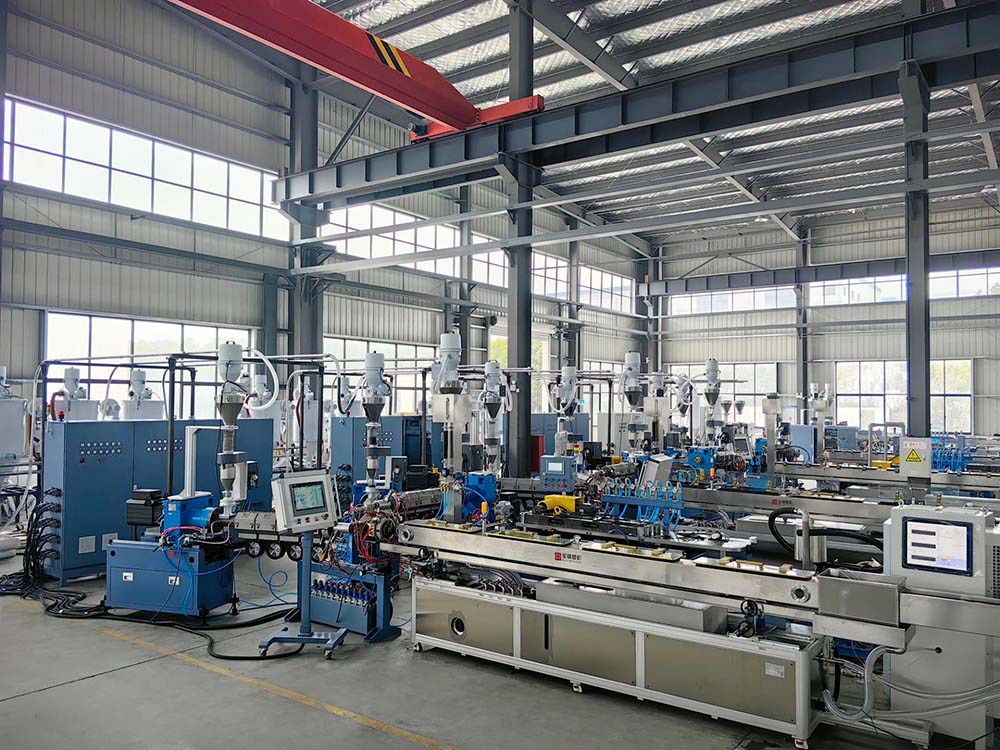
In the contemporary landscape of high-precision manufacturing, the plastic tube is far more than a simple conduit. From micro-lumen catheters utilized in cardiovascular surgeries to high-integrity multi-layer fuel lines routing through modern electric vehicles, the demand for highly specialized plastic extrusion technology has grown exponentially. At the core of this engineering discipline lies the custom extrusion line—an assembly of thermal, mechanical, and electronic systems that must operate in absolute harmony to transform polymer pellets into highly controlled geometries with tolerances measured in microns.
Globally, industrial markets are transitioning away from standard off-the-shelf polymer profiles towards engineered composite structures. These demand-driven applications require multi-layer co-extrusion capabilities, integrated braided reinforcers, and specialized post-processing steps (such as ultra-precise auto-winding and inline sizing control). Achieving these technical requirements necessitates close collaboration with an expert extrusion line manufacturer capable of aligning machine configurations with the specific viscoelastic behaviors of varying raw materials (such as TPU, TPV, PTFE, and UHMWPE).
"The threshold of competitiveness in modern extrusion manufacturing is defined by two metrics: raw dimensional tolerance control and uninterrupted processing efficiency. Standard machines no longer cut it. Customization is the new standard."
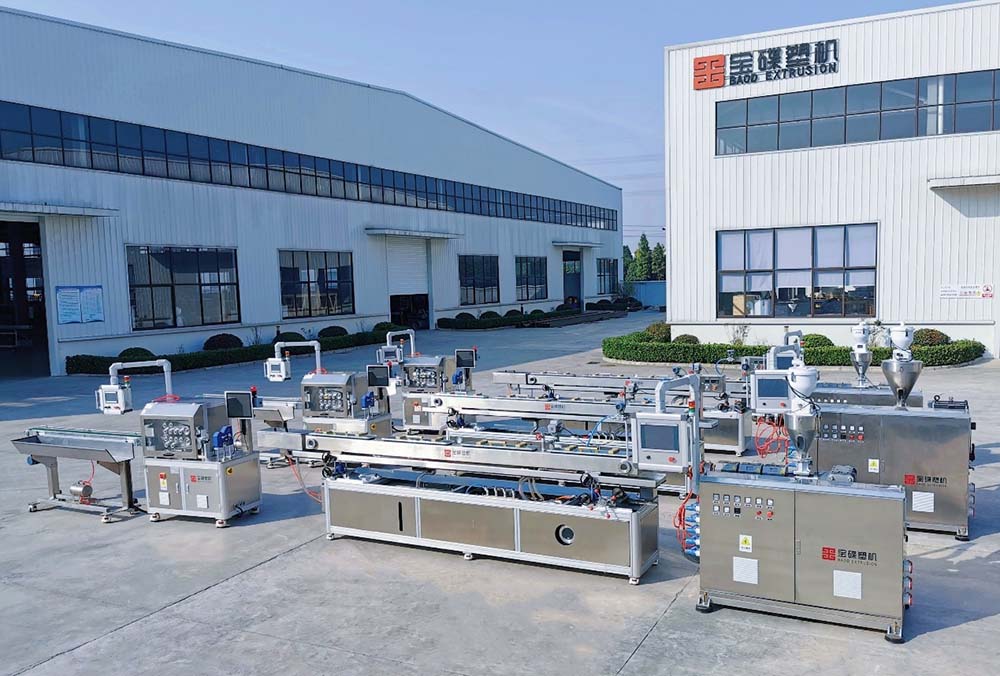
BAOD EXTRUSION (Jiangsu Baodie Automation Equipment Co., Ltd.), founded in 2002, is a premier global enterprise dedicated to the design, engineering, and manufacturing of precision plastic extrusion equipment. Our engineering foundations trace back to 18 years of pioneering research and development in high-quality machinery fabrication in Taiwan. Utilizing this robust technological baseline, our original parent company, KINGSWEL GROUP, established our dedicated mainland China extrusion manufacturing footprint in Shanghai in 1999.
With a continuous focus spanning over a quarter of a century, BAOD EXTRUSION has pushed the boundaries of efficiency, precision, and smart automation. We are committed to translating polymer material characteristics into optimized machinery configurations, helping clients in over 50 countries achieve superior production consistency.
How BAOD integrates state-of-the-art physics, material science, and mechanical design to redefine plastic extrusion.
Enables the structural combination of highly disparate polymers (e.g., PA, TPU, PVDF) within a single composite pipe profile to offer high chemical resistance and flexible mechanical characteristics.
Employs localized closed-loop water ring and spray chambers, keeping cooling and pressure parameters stable to prevent structural warping and cross-sectional deviations.
Precise traverse displacement winders synchronize directly with puller speeds, managing tension control to prevent deformation on soft materials like medical PVC or TPV strips.
Proprietary high-efficiency setups developed for specific industrial applications.
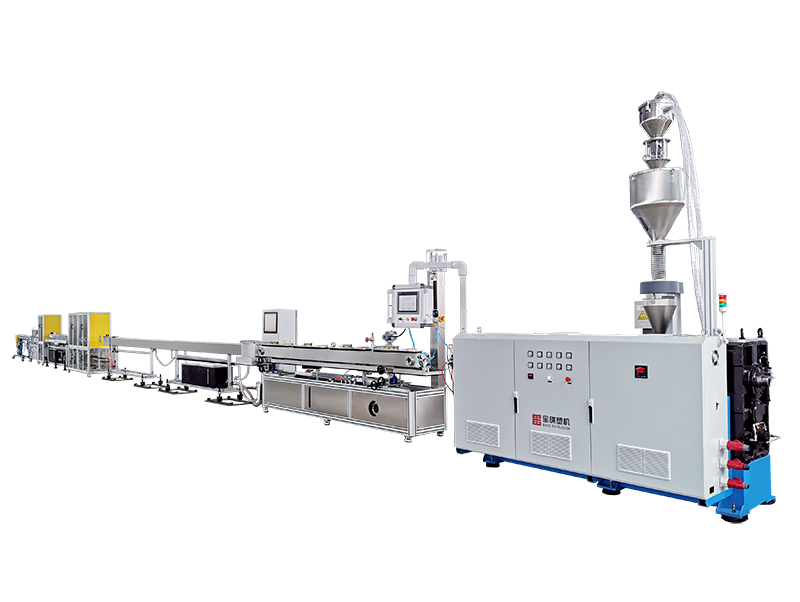
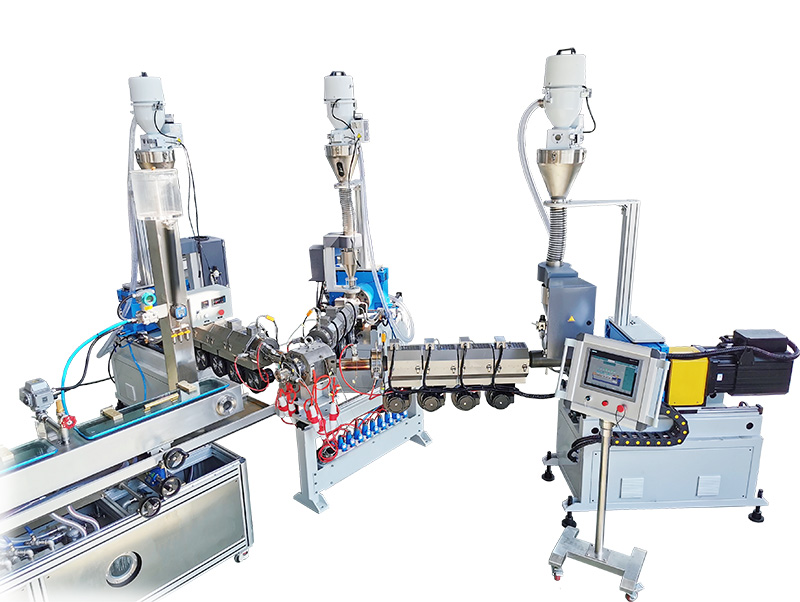
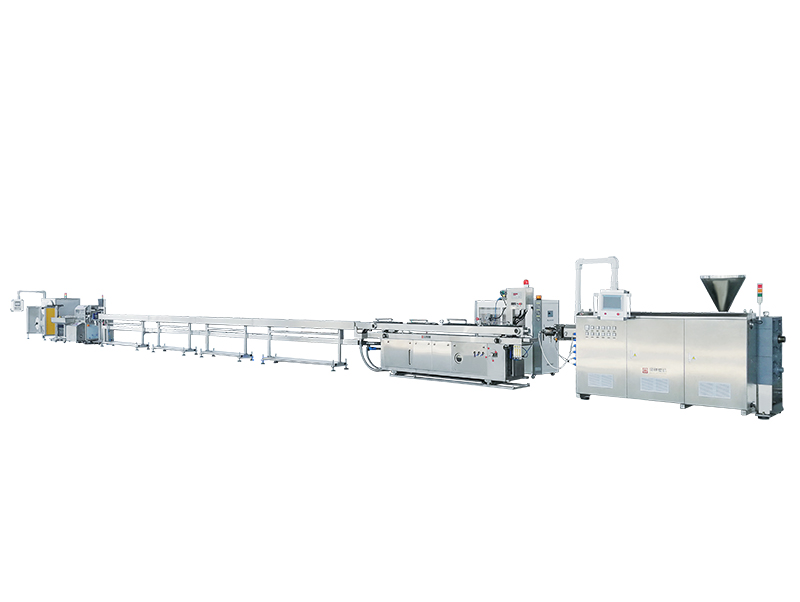
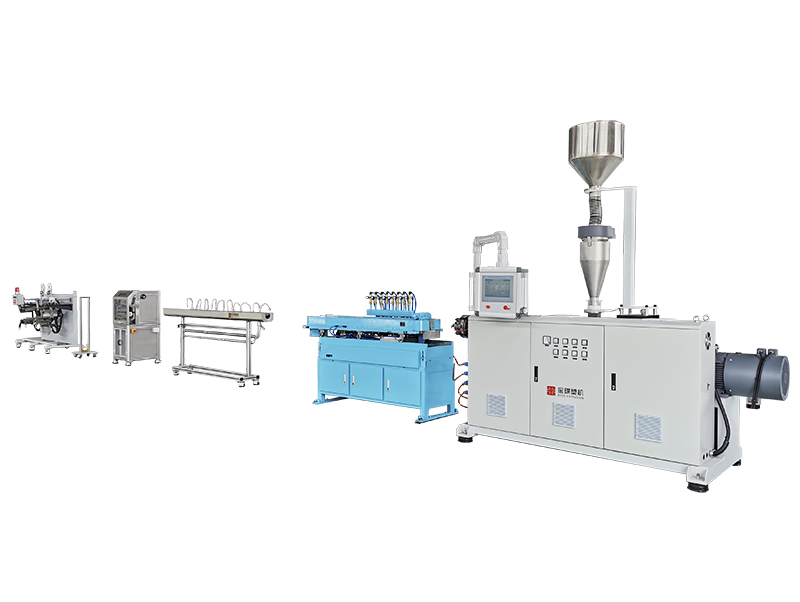
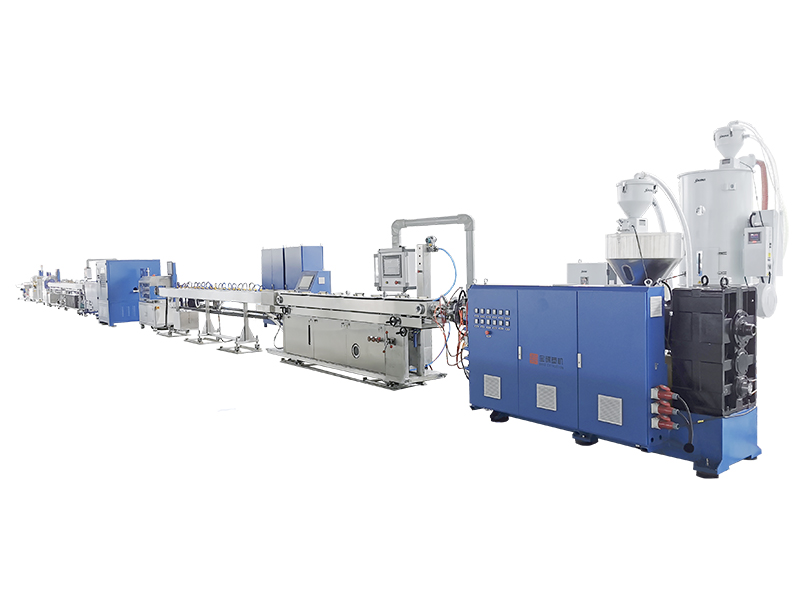
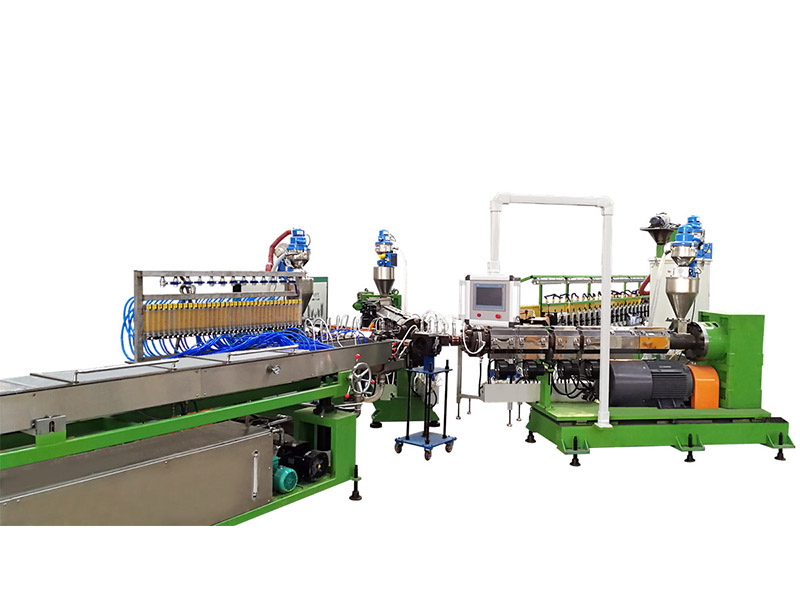
The operational environment of extruded polymer tubing varies drastically across localized global markets. Understanding these micro-climates of application is essential for implementing the proper engineering standards on the manufacturing floor:
Over the last decade, China has transitioned from a basic manufacturing hub to a global leader in high-end industrial machinery. The resilience of this supply chain lies in the deep localized integration of engineering ecosystems. In Jiangsu and Shanghai, BAOD Extrusion leverages immediate proximity to raw material suppliers, specialized heat-treatment hubs, precision CNC tooling factories, and electrical component networks (such as regional distribution for top-tier European brands). This localized density dramatically reduces manufacturing cycle times and logistics costs.
Furthermore, this supply chain integration enables rapid engineering customizations. Unlike Western OEMs that offer rigid, standardized production configurations, BAOD can adapt extruder L/D (length-to-diameter) ratios, die geometry, cooling tank configurations, and automation control schemes to fit the physical constraints of a customer's facility, all within competitive lead times.
The horizon of plastic extrusion is defined by digital integration and ecological responsibility. As we progress towards 2026, BAOD is actively implementing its developmental technical roadmap focused on three primary vectors:
Expert insights addressing key mechanical, material, and operational parameters of plastic extrusion systems.
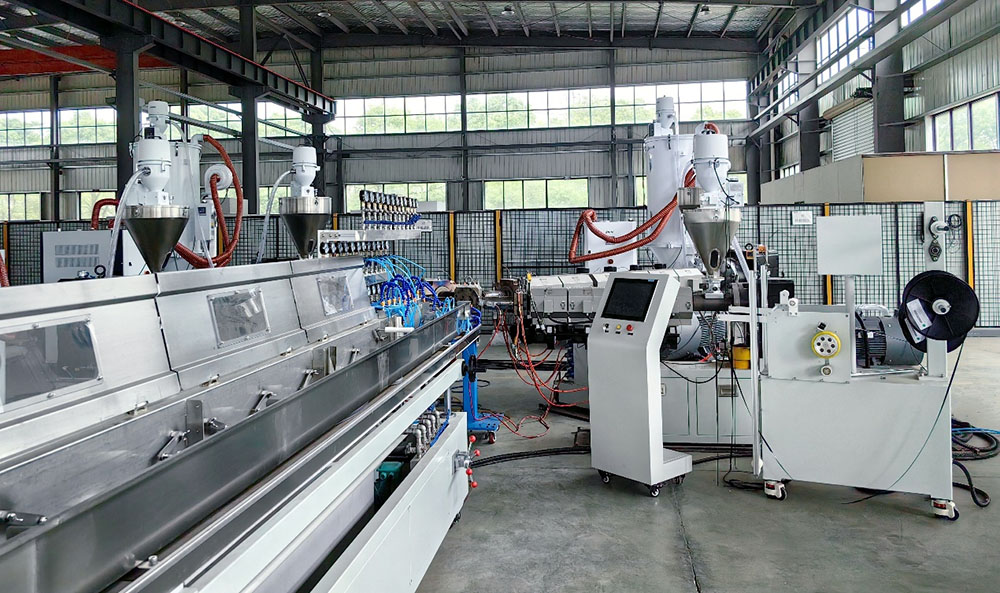
Dimensional stability is primarily determined by melt pressure stability, temperature regulation across the die zones, and precise control in the vacuum calibration tank. If the melt pressure fluctuates due to uneven feeding or low shear control, the outer diameter will vary. Utilizing a high-precision gear pump between the extruder and the die head, alongside stable water temperature and vacuum levels in the sizing tank, is critical to maintaining tight tolerances.
Managing varying viscosity profiles requires custom-designed flow channels inside the co-extrusion feedblock. The channel geometry must balance flow velocity and shear rate for each polymer layer. BAOD's engineering uses dynamic rheological simulation software to design dies where flow rates align at the convergence point, preventing layer intermixing and delamination.
TPV (Thermoplastic Vulcanizate) exhibits elastic mechanical properties and shear sensitivity. During knitting, integrating the reinforcing thread layer requires keeping the inner TPV core round and properly cooled before the yarn wrap. The second layer (outer TPV skin) must then be extruded over the jacket at a temperature high enough to bond with the core without melting it, requiring precise dual-extrusion layout synchronization.
Amorphous polymers like Polycarbonate (PC) and PMMA are highly sensitive to cooling speed variations, which can cause internal stresses and compromise optical clarity. Accurate vacuum calibration, combined with multi-zone heating inside the calibration tooling, helps maintain shape without introducing surface micro-fissures or stress-induced birefringence.
Our lines include mechanical torque-limiters on cutter drums, protective safety interlocks, and air-filtration ventilation systems around the extruder die head to remove chemical fumes, maintaining a safe workplace environment for operators.
Stay informed with technical perspectives, trade show announcements, and manufacturing compliance guidelines directly from the factory.
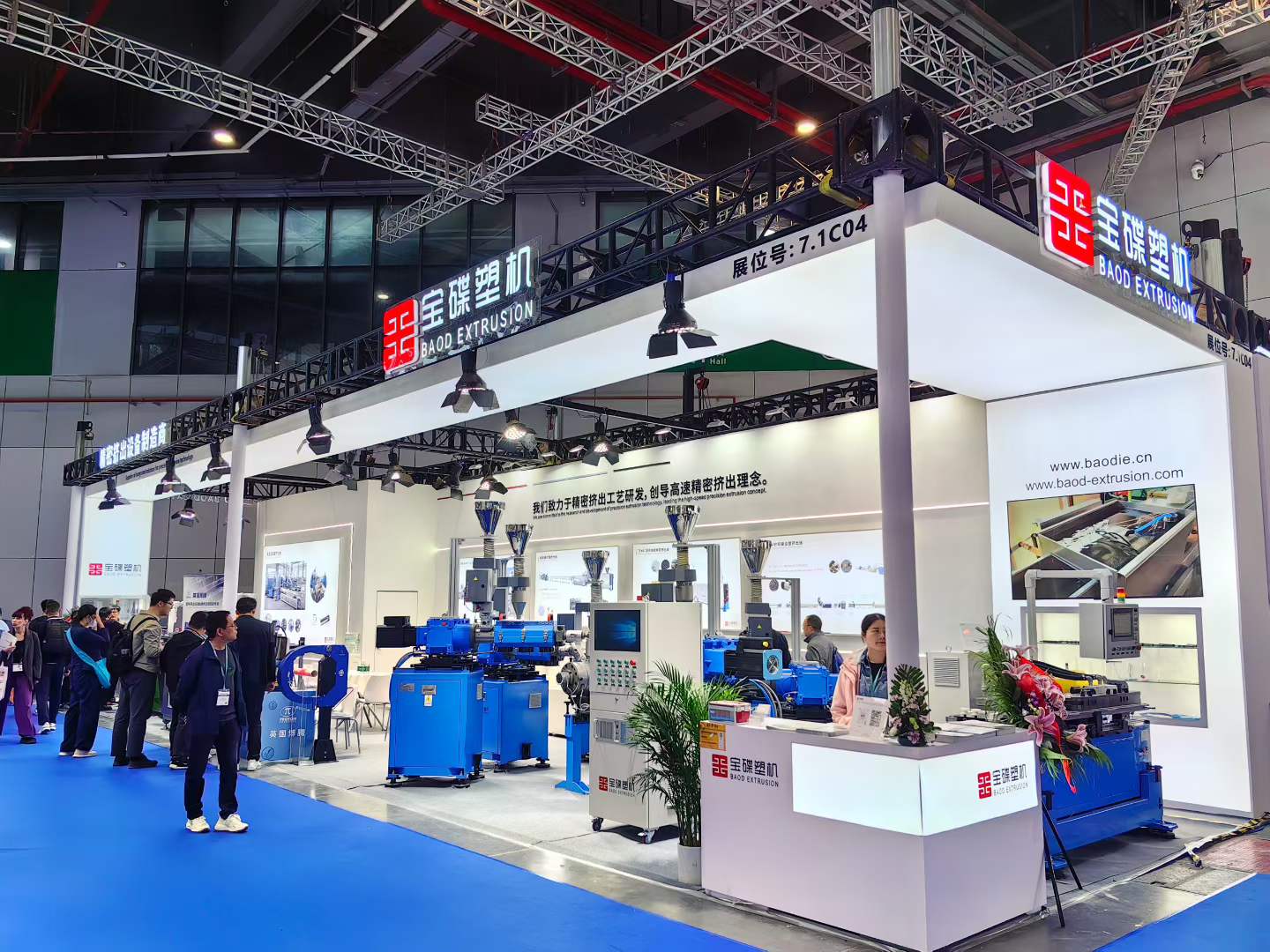
From April 21–24, CHINAPLAS 2026 was successfully held at the National Exhibition and Convention Center (Shanghai, Hongqiao). BAOD EXTRUSION showcased its latest R&D achievements at Booth 7.1C04, presenting "Smart Extrusion · High-Efficiency Innovation" solutions...
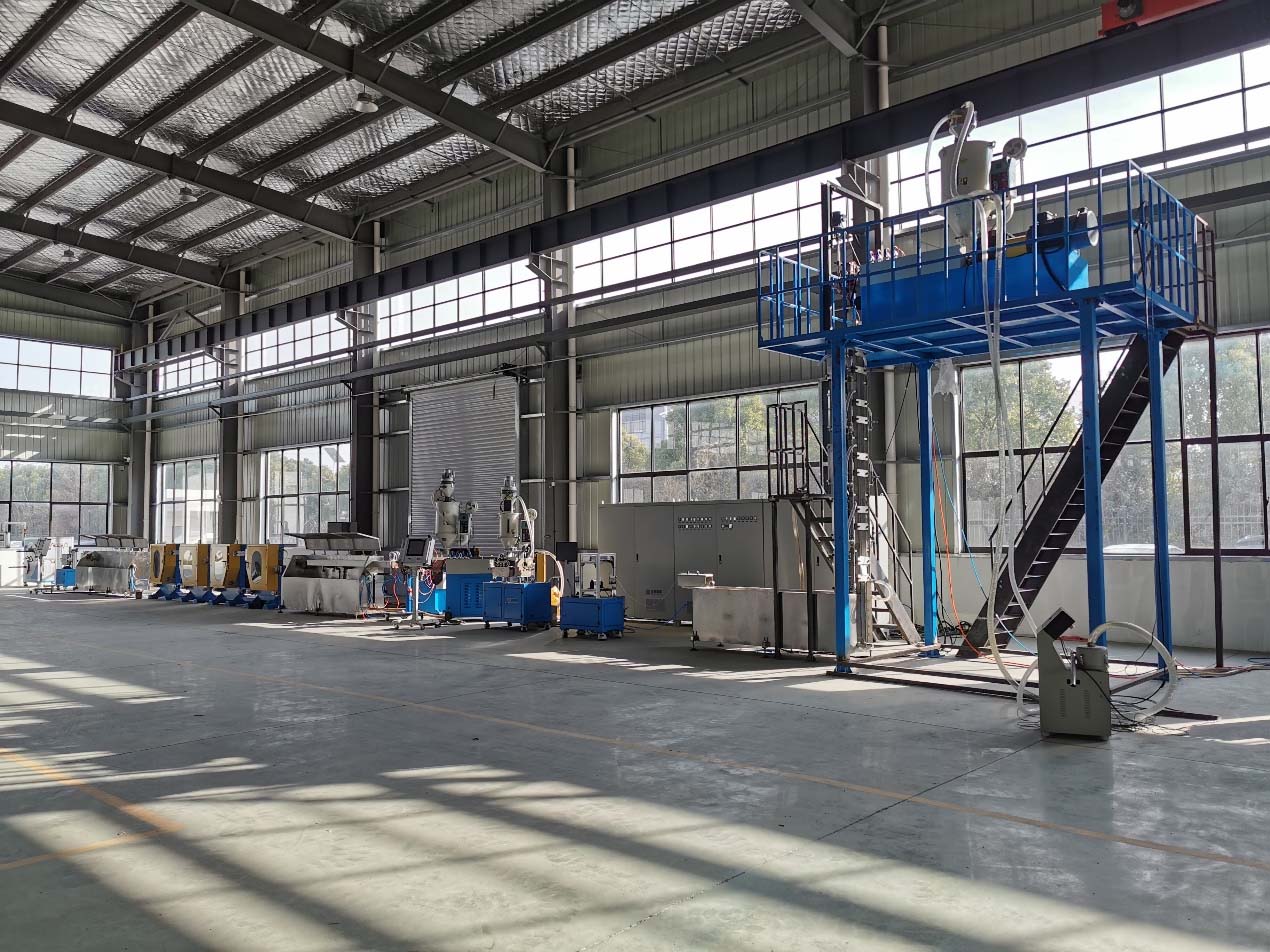
In the controlled environment of a modern industrial facility, a single, hair-thin plastic tube wound onto a reel might seem unremarkable. However, in sectors ranging from mining to infrastructure demolition, this tube—known as a detonating cord—demands absolute reliability...
In sterile medical environments, a clinician preparing a catheter relies on precise dimensions. Internally, these tubes are divided into microscopic channels (lumens), each requiring precise control. We break down how Chinese manufacturing matches up to European standards...
With the transition to electric vehicles, fluid management lines must meet tighter compliance metrics. Learn how BAOD extrusion lines implement dynamic testing and quality assurance layers to ensure strict regulatory compliance for global Tier-1 automotive suppliers...
Wind noise and water ingress prevention require precision automobile sealing strips. Modern TPV formulations pose unique extrusion challenges. Discover how our 2026 line configurations handle high line speeds while protecting physical characteristics...
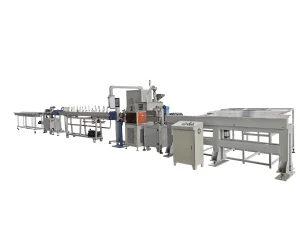
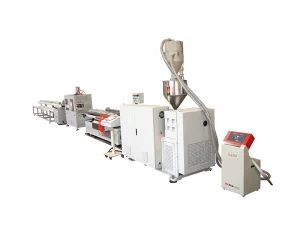
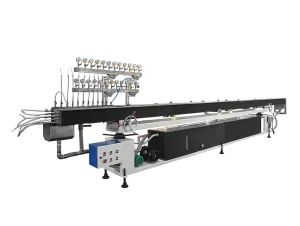
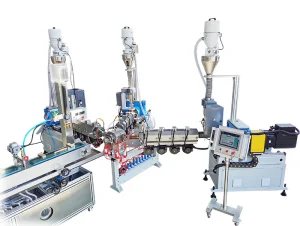
Complete auxiliary machinery, specialized calibrators, and high-performance composite lines designed to maximize system runtime.
 Baodie