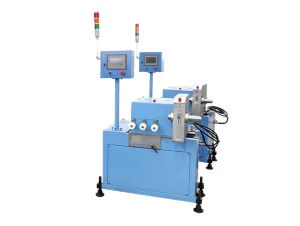
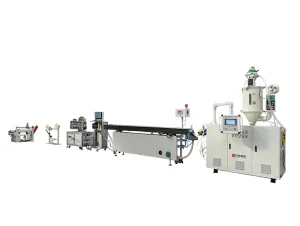
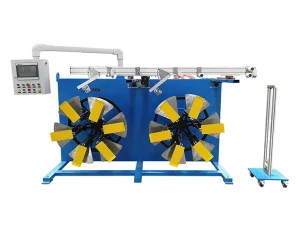
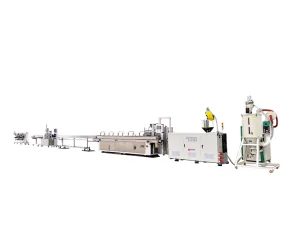
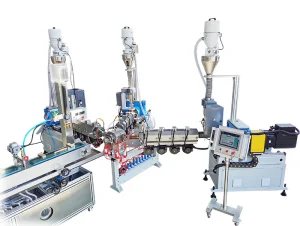
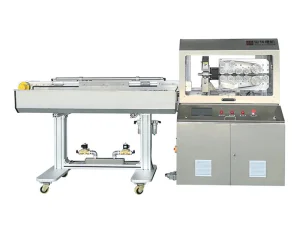
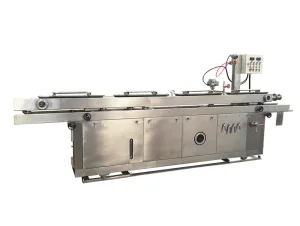
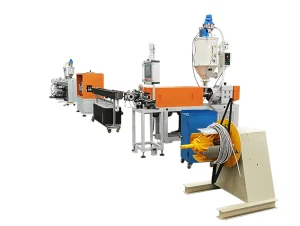
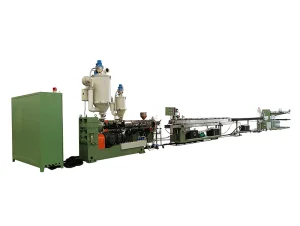
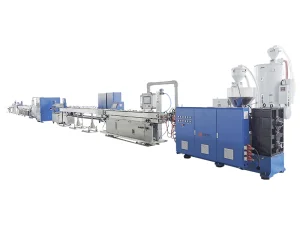
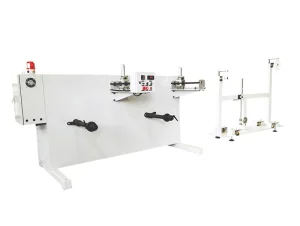
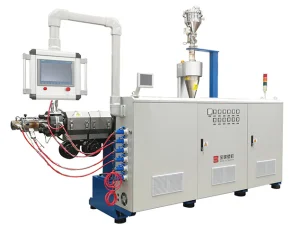
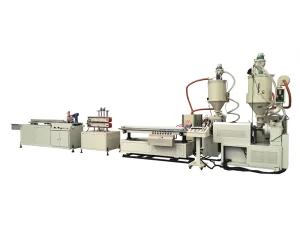
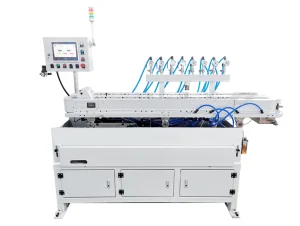
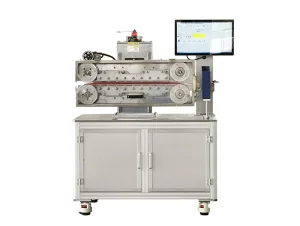
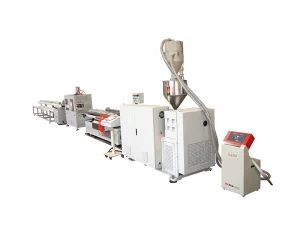
Explore our engineering capabilities across customized machinery, precision cutting, and auxiliary co-extrusion technology designed for global industrial deployment.
Years of Engineering Experience
Modernized Production Base
Extrusion Engineering Specialists
BAOD EXTRUSION (Jiangsu Baodie Automation Equipment Co., Ltd.), established in 2002, is a premier global innovator dedicated to the design, manufacturing, and distribution of high-end plastic extrusion machinery. Leveraging over 25 years of accumulated engineering intelligence originating from our design roots in Taiwan (established under the parent organization KINGSWEL GROUP in 1999 in Shanghai), BAOD has established itself at the forefront of the precision extrusion industry.
Our commitment to technical excellence and rigorous quality standards guides every machine that leaves our factory floor. Today, our engineering focus encompasses high-speed, automated production lines designed to support advanced polymer processing applications.
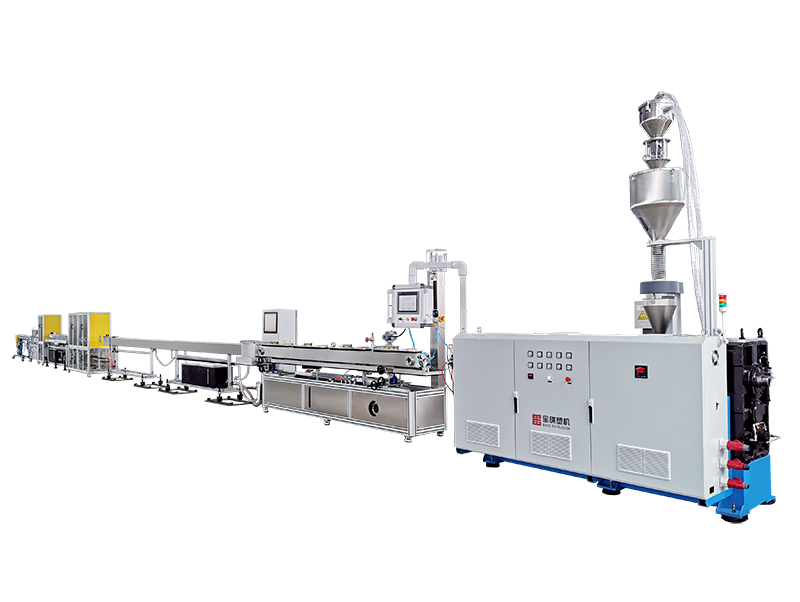
A comprehensive technical investigation into the role of high-density and ultra-high-molecular-weight polyethylene extrusion lines in accelerating automotive weight reduction, battery pack protection, and vehicle sustainability.
In the modern automotive industry, the pursuit of fuel efficiency, range optimization for electric vehicles (EVs), and lifecycle sustainability has prompted a structural migration from metal alloys to advanced engineering polymers. Polyethylene (PE), specifically High-Density Polyethylene (HDPE) and Ultra-High-Molecular-Weight Polyethylene (UHMWPE), plays an increasingly critical role. These polymers are prized for their exceptional impact resistance, low friction coefficient, excellent chemical resilience, and adaptability to complex profile geometries. A custom automobile PE profile extrusion line is not merely a manufacturing machine; it is a highly integrated, closed-loop processing system that guarantees sub-millimeter tolerances under extreme production conditions.
"The demand for precise PE profiles in electric vehicles has increased by 40% year-on-year. The transition from ICE to EV platforms requires specialized thermal barriers, cable channels, and underbody wear plates, all produced through high-throughput co-extrusion lines."
Globally, the market for automotive profiles is experiencing a transformation driven by localized supply chains and strict environmental regulations. In regions such as North America, the European Union, and East Asia, automobile OEMs (Original Equipment Manufacturers) demand extrusion machinery that complies with regional standards (e.g., CE certifications, UL compliance, and ISO 9001:2015). The focus has shifted from high-energy-consuming mass production systems to precision-controlled, energy-efficient extrusion lines that minimize material waste through continuous wall thickness monitoring and real-time gravimetric feedback loops.
As tier-1 suppliers seek to insulate themselves from logistics risks, localized manufacturing hubs have emerged. These facilities require automated, plug-and-play extrusion systems capable of handling varying polymer grades—ranging from virgin HDPE to Post-Consumer Recycled (PCR) blends—without sacrificing final product dimensions or mechanical properties.
In practice, automotive PE profiles are deployed across several key areas of the vehicle, each requiring tailored extrusion methodologies:
The technical roadmap for automotive extrusion lines centers on two primary goals: extreme precision and smart automation. BAOD Extrusion leads this transformation by integrating state-of-the-art technologies directly into our machinery:
By continuously monitoring the mass flow of raw polymer pellets into the extruder, the system dynamically adjusts the screw speed and puller velocity. This eliminates variations in profile weight and dimensions caused by raw material batch inconsistencies, ensuring uniform melt density.
Integrated downstream of the vacuum calibration tank, non-contact ultrasonic sensors measure wall thickness and profile dimensions at multiple points. Any deviation triggers an immediate correction command to the extrusion controls, reducing waste during start-up and long production runs.
Modern BAOD extrusion systems are equipped with OPC-UA protocols, allowing seamless connection to plant-wide MES (Manufacturing Execution Systems). Real-time tracking of motor torque, heater band efficiency, and vacuum pressure enables operators to address maintenance needs before component failure occurs.
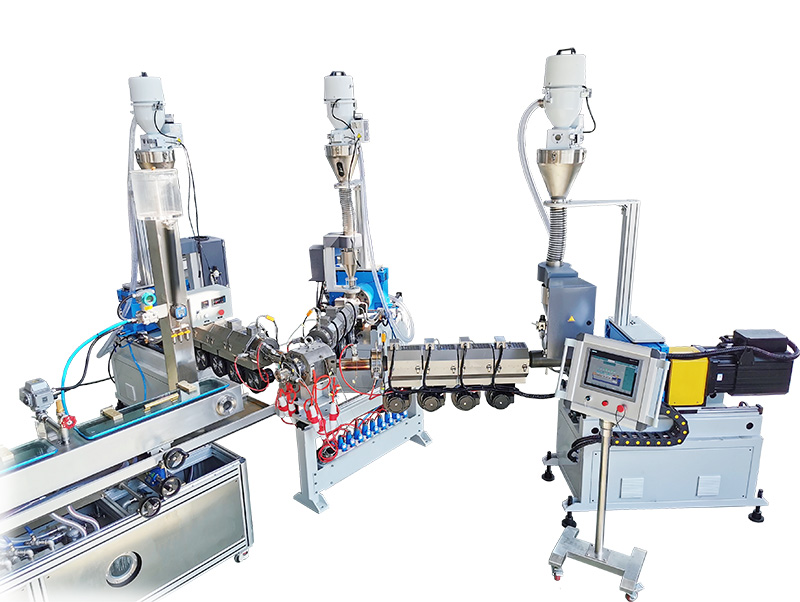
Engineering complex PA/PE smooth and corrugated configurations designed for high-pressure fuel lines and thermal cooling networks.
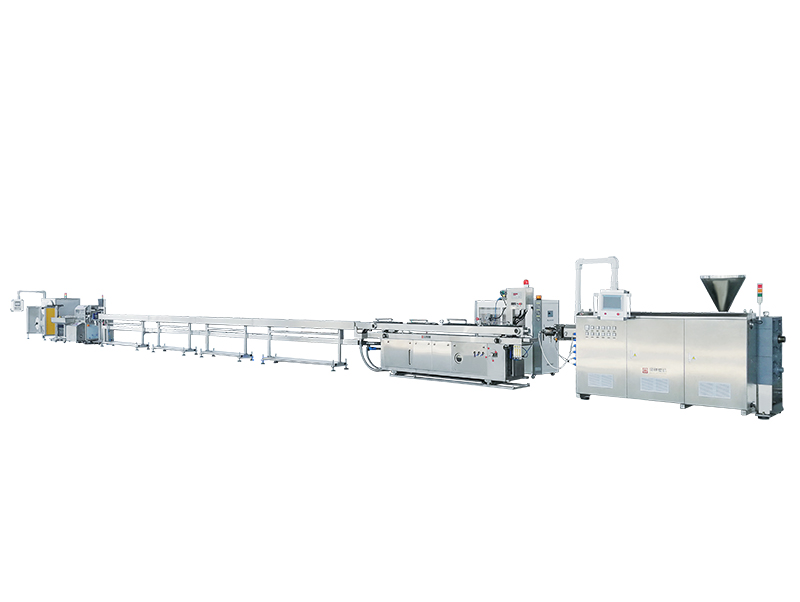
Precision calibration systems engineered to operate at high line speeds while maintaining tight structural tolerances.

Dedicated co-extrusion technology designed for composite profile systems, including TPV/PVC seals and structural inserts.
As the automotive sector moves towards a circular economy, extrusion equipment must handle complex, bio-based, and recycled polymers. Working with recycled polyethylene introduces challenges like volatile contaminants, moisture, and variable melt index parameters. BAOD addresses these challenges with custom-designed screw geometries, specialized degassing barrels, and advanced melt filtration systems. These features ensure that even when processing up to 100% recycled polymer matrices, the extruded profiles meet the mechanical, aesthetic, and dimensional standards required by automotive OEMs.
Review our core automotive and medical profile production configurations, highlighting high-speed output and multi-layer structural capabilities.
Designed for ultra-tight tolerances in micro-ducting and specialized fluid transfer tubing.
High-efficiency co-extrusion line engineered for multi-layered automotive fuel systems and vacuum lines.
Cleanroom-ready extrusion platform designed to deliver precise medical-grade tubing with high throughput.
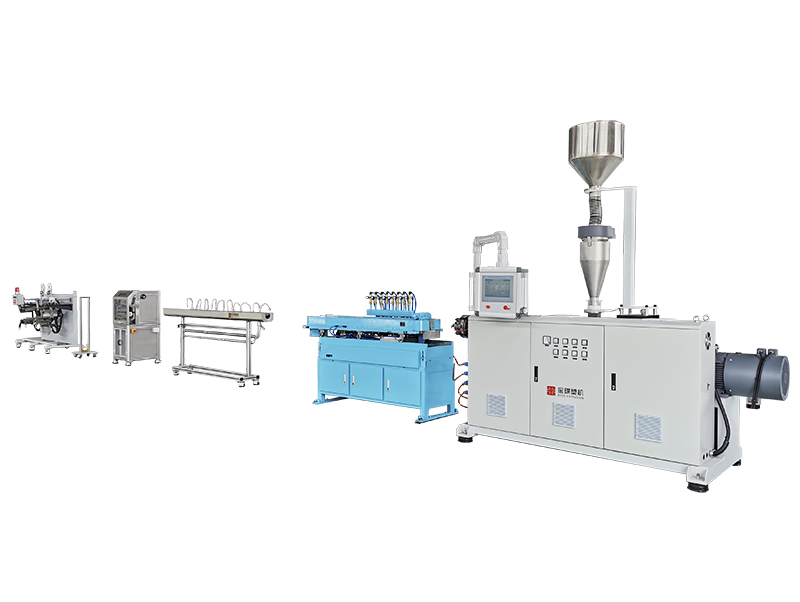
Engineered for high-output manufacturing of flexible wiring harnesses and protective conduit lines.
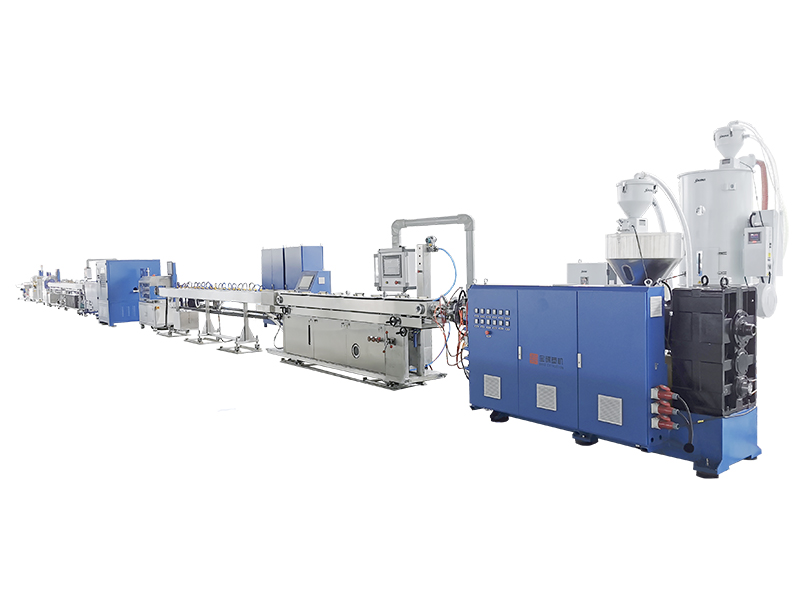
Combines precision core extrusion with reinforced knitting and outer layer protective jackets.
Specialized line for co-extruding multi-material weatherseals with metal insert integration.
Find answers to common questions about material handling, line design, and process optimization for automotive applications.
Polyethylene, especially HDPE and UHMWPE, has a high melt viscosity and a narrow processing temperature window. This requires a screw designed to prevent material degradation from shear heating while ensuring a homogeneous melt. Additionally, PE has a high thermal contraction rate, making precise calibration and cooling systems necessary to prevent warpage.
We combine gravimetric dosing feeders, high-torque screw drives, automated vacuum calibration tanks, and closed-loop puller systems. Integrating ultrasonic measuring devices downstream allows for real-time dimension tracking and automatic correction of process parameters.
Yes. Our custom-configured SJ Series Single Screw Extruders feature optimized degassing barrels and advanced screen changers. These components remove volatile gases and physical contaminants from post-consumer or post-industrial recycled materials, preserving the mechanical properties of the profile.
We supply multi-extruder configurations that allow co-extrusion of up to three materials simultaneously. This includes combining rigid PE with soft TPV/TPE sealing lips, or embedding metal wire inserts directly into the profile for structural stability.
Key protocols include monitoring heater band integrity, checking vacuum pump seal wear, calibrating gravimetric systems, and inspecting the extrusion die for build-up. BAOD's smart control systems track these parameters and alert operators before maintenance limits are reached.
Stay updated on our latest product launches, exhibition highlights, and technical articles covering global plastic extrusion advancements.
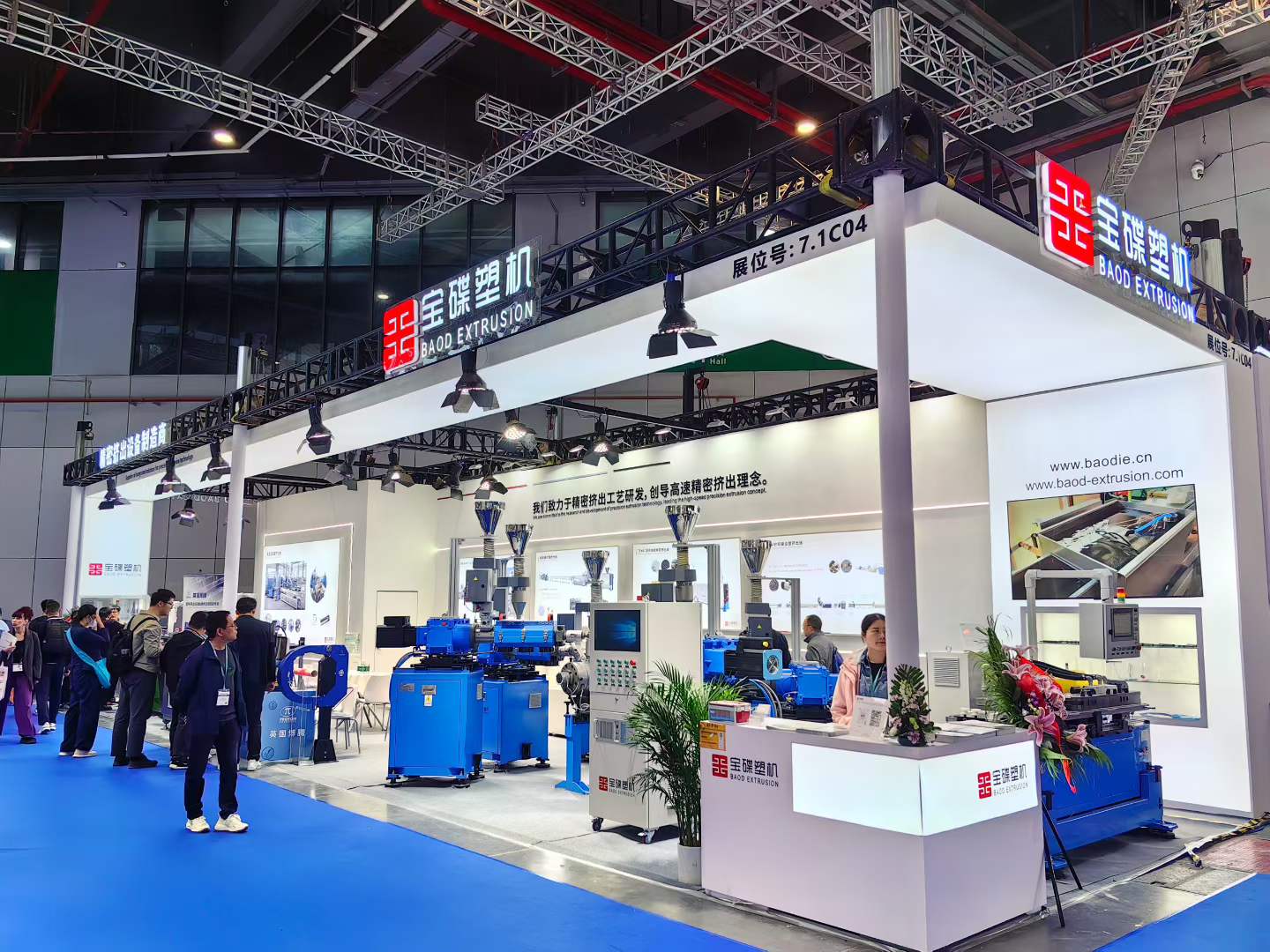
BAOD EXTRUSION showcased its latest R&D achievements at Booth 7.1C04, presenting "Smart Extrusion · High-Efficiency Innovation" solutions that address global requirements...
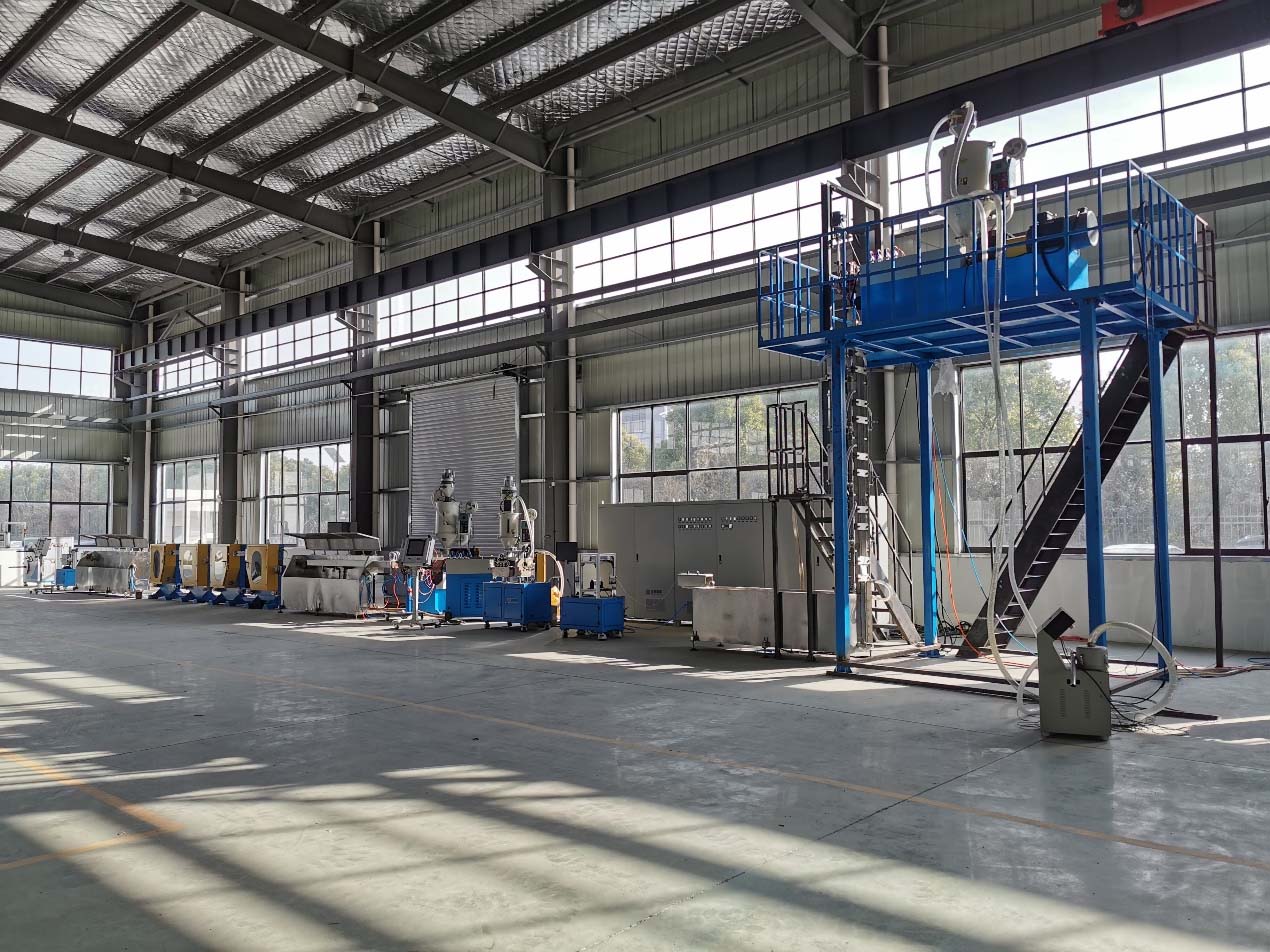
In modern industrial facilities, producing specialized tubes requires extreme precision. In sectors like mining and demolition, these tubes demand strict manufacturing controls...
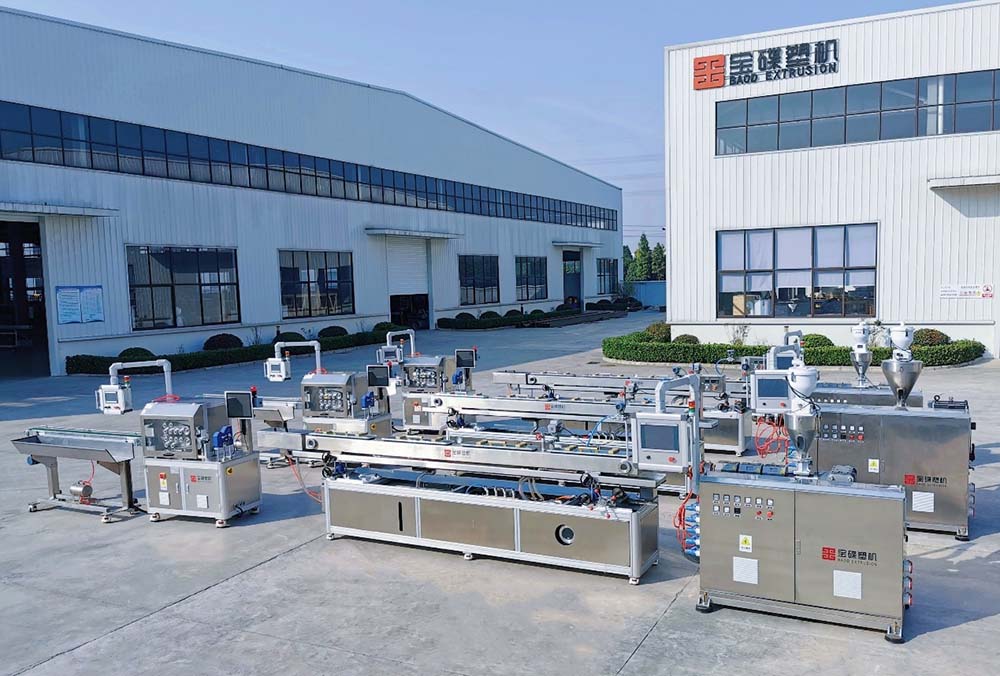
Comparing multi-lumen extrusion designs between domestic and European configurations reveals key differences in vacuum calibration, die geometries, and material handling systems...
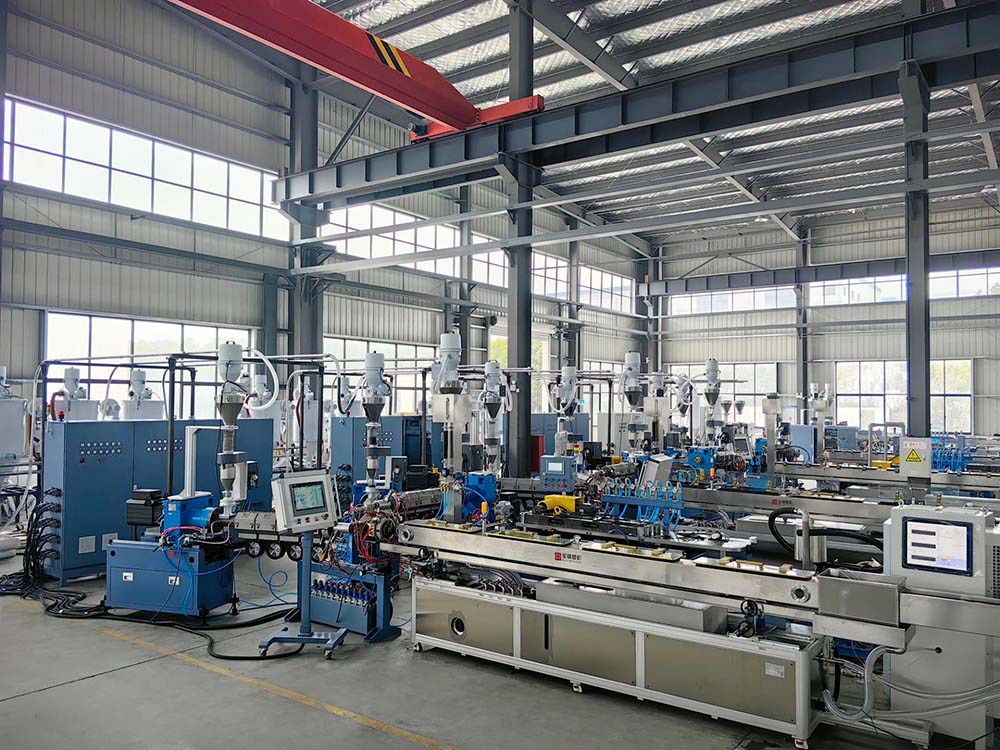
A closer look at how vehicle manufacturers ensure the structural integrity of fuel lines and coolant pipes through automated testing and calibration...
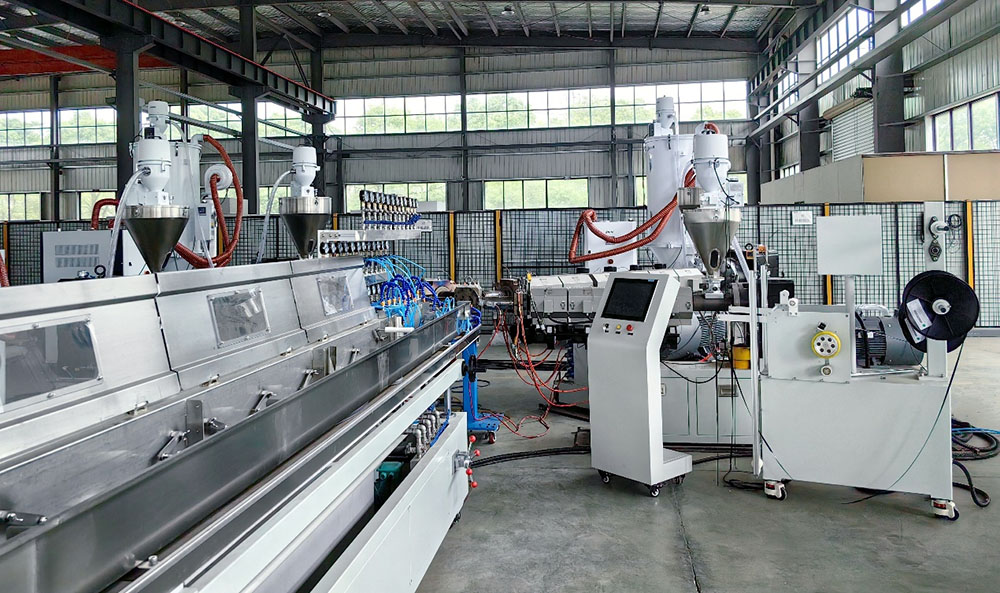
An analysis of current trends in automotive sealing strips, focusing on multi-material co-extrusion and the integration of automation components...
Explore auxiliary equipment, high-output extruders, and winding machinery that support our custom automobile PE profile extrusion systems.
 Baodie