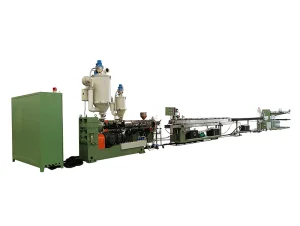
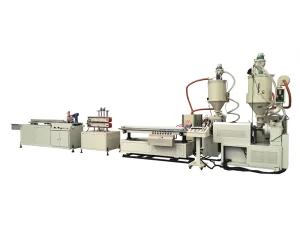
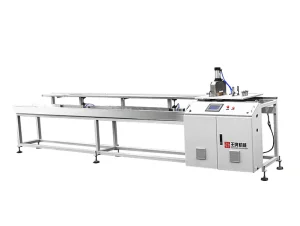
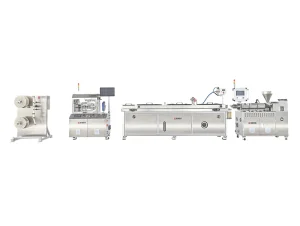
Explore our core custom manufacturing systems developed for high-end automotive, medical, industrial, and building materials processing lines.
Analyzing global demand, material transitions, and economic factors influencing thermoplastic polyurethane processing systems.
Thermoplastic Polyurethane (TPU) has witnessed an unprecedented surge in global adoption, transitioning from a specialty engineering plastic to a cornerstone material in industries demanding exceptional physical toughness, chemical resistance, and environmental sustainability. Unlike vulcanized rubbers, which require lengthy curing stages and generate non-recyclable waste, TPU can be melted down and reprocessed seamlessly. Furthermore, TPU outclasses standard PVC in low-temperature flexibility, plasticizer-free safety, and abrasion resistance. Consequently, the development of modern China TPU hose extrusion lines has shifted focus toward high-speed stability, micro-layer precision, and low-shear processing architectures.
Key Growth Drivers: The global market is rapidly shifting toward TPU for pneumatic tubing, automotive fuel lines, high-pressure lay-flat oil hoses, and biological catheters, forcing machinery manufacturers to engineer extruders that handle high-melt viscosity without causing thermal degradation.
From a manufacturing standpoint, setting up a robust, high-yield TPU hose production line requires deep integration of chemical dynamics and mechanical automation. The shear-sensitive nature of TPU means that traditional single-screw extruders designed for PE or PVC will overheat and degrade the polymer chains, resulting in microscopic voids, fish-eyes, and catastrophic pressure-test failures in the field. Consequently, advanced systems incorporate barriers and custom-designed screw profiles with L/D ratios ranging from 28:1 to 32:1, guaranteeing a homogeneous melt flow at lower processing temperatures.
| Property Matrix | TPU (Thermoplastic Polyurethane) | Plasticized PVC | Vulcanized Nitrile Rubber |
|---|---|---|---|
| Abrasion Resistance | Excellent (Loss < 25 mm³) | Moderate (Loss > 120 mm³) | Good (Loss ~ 80 mm³) |
| Low-Temp Flexibility | Keeps elastic down to -40°C | Brittle below -15°C | Good down to -30°C |
| Eco-Friendliness | 100% Recyclable, No Plasticizers | Contains Phthalates, Hard to recycle | Cross-linked, Non-recyclable |
| Extrusion Challenge | High shear sensitivity, hygroscopic | Easy thermal window, low shear concern | Complex curing line required |
Founded in 2002, BAOD EXTRUSION (Jiangsu Baodie Automation Equipment Co., Ltd.) is a globally recognized pioneer in designing, manufacturing, and servicing high-performance plastic extrusion machinery. The company's deep technical foundations trace back to 1999, when the parent company (KINGSWEL GROUP) leveraged 18 years of design and fabrication expertise from Taiwan to establish a world-class manufacturing center in Shanghai. In the decades since, BAOD has built a formidable reputation for delivering turnkey precision extrusion solutions globally.
Underpinned by rigorous quality standards and an unyielding commitment to innovation, BAOD maintains a strong focus on high-efficiency precision extrusion technology, advanced process automation, and fail-safe machine operator protection systems. Whether designing lines for multi-lumen medical tubing or heavy-duty industrial hoses, our machines achieve international performance compliance while offering robust reliability.
Design & Manufacturing Experience
State-of-the-Art Factory Area
High-Skilled Technical Personnel
Original manufacturing solutions optimized for automotive sealing, medical tubes, and multi-layer structural hoses.
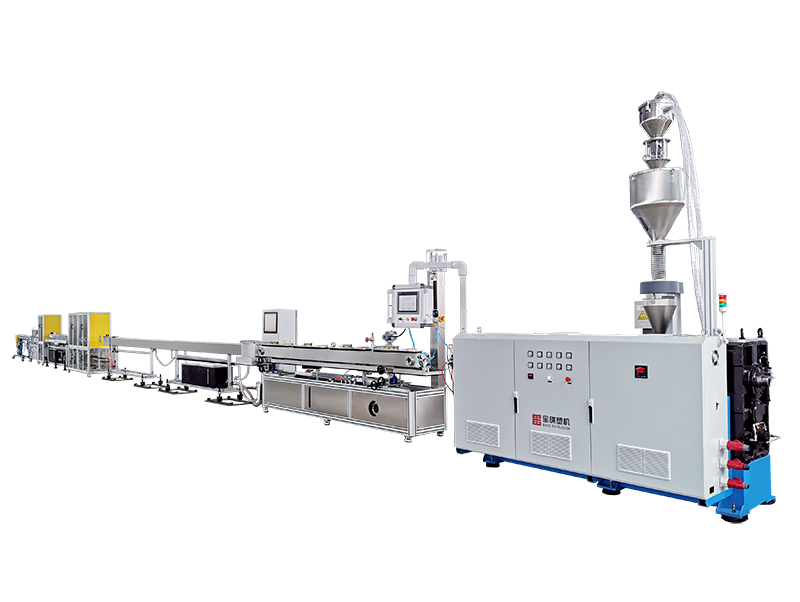
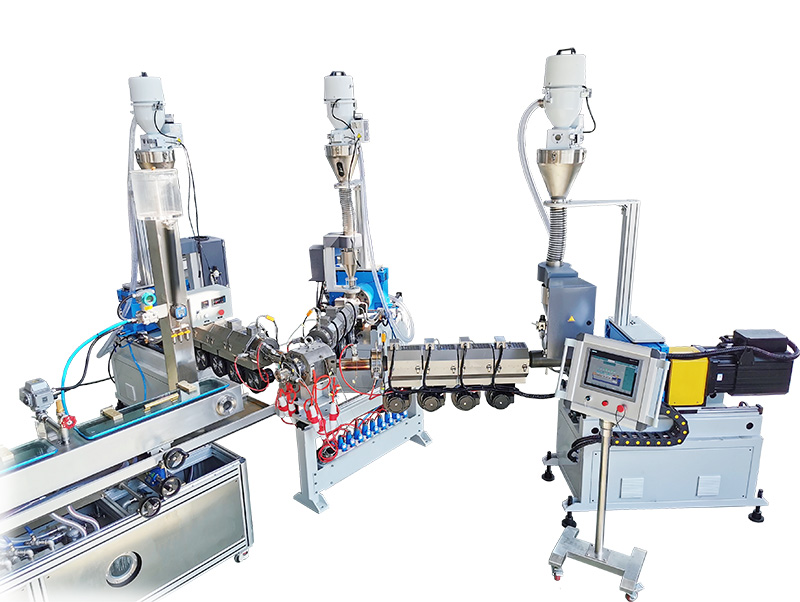
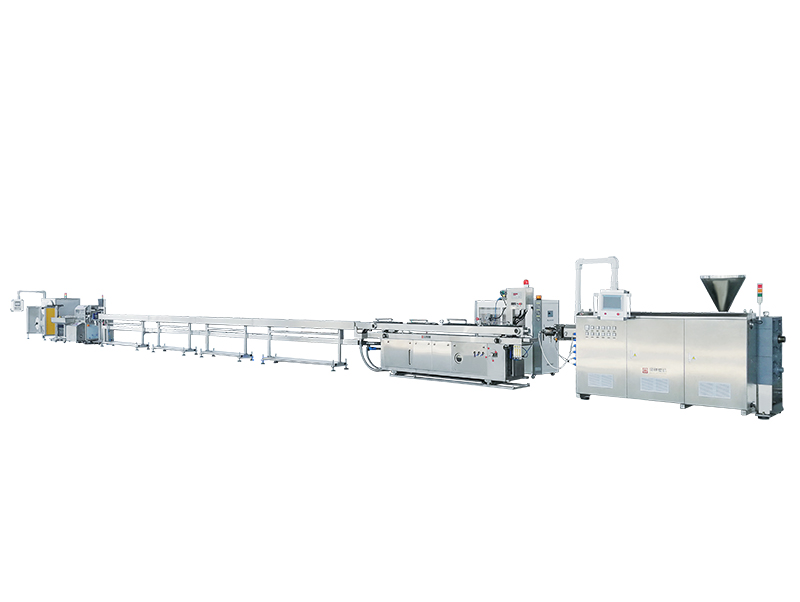
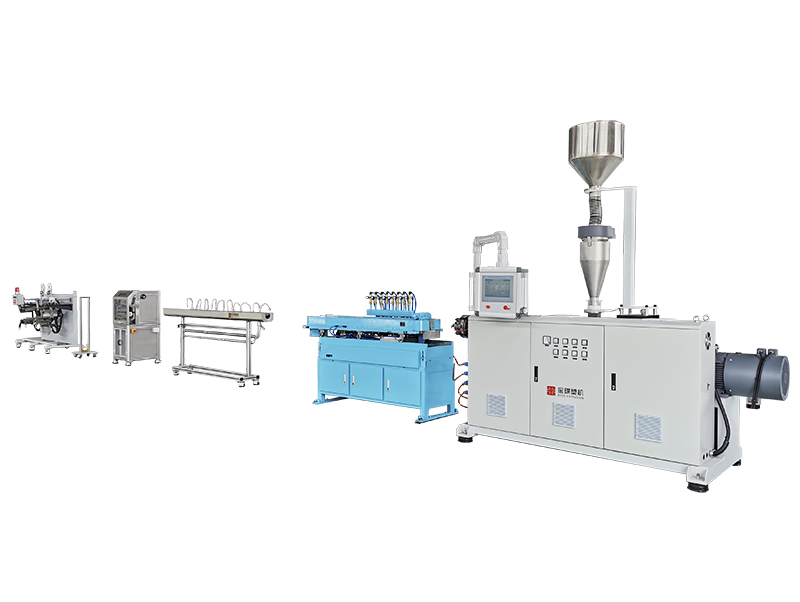
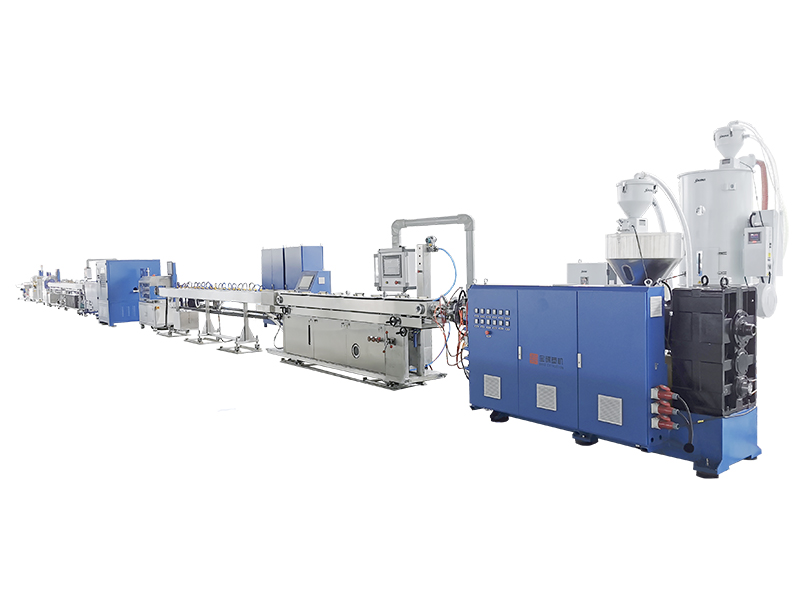

A closer look at the advanced mechanical engineering and thermodynamic control necessary to process premium TPU polymers.
TPU is highly hygroscopic; moisture absorption occurs rapidly when exposed to ambient air. Processing TPU with even trace amounts of moisture (above 0.02%) triggers hydrolytic degradation. This reaction breaks down polyurethane polymer chains, resulting in lower melt strength, bubbly surfaces, and fragile mechanical limits. To prevent this, BAOD integrates automated desiccant drying systems that reduce dew points to -40°C, feeding the hopper directly with dry, preheated resin. Maintaining a sealed, nitrogen-purged feed throat further eliminates moisture re-absorption during the critical entry phase.
Standard PVC screws present a high compression ratio that shears TPU excessively, raising temperature profiles out of controllable bounds. BAOD's custom-engineered extruders feature a specialized screw geometry:
To produce micro-tubing or high-pressure hoses with dimensional tolerances within ±0.03mm, downstream pressure fluctuations must be eliminated. By positioning a positive-displacement gear melt pump between the extruder and the crosshead die, the extrusion process becomes decoupled from fluctuating raw material bulk densities. The melt pump supplies a highly uniform volumetric flow rate, ensuring consistent pipe wall thickness even when operating at elevated linear speeds.
Once the molten TPU tube leaves the die, it enters a high-precision vacuum calibration tank. Because TPU remains sticky and highly deformable at high temperatures, BAOD utilizes specialized sizing sleeves coated with anti-adhesion materials and precise water-film lubrication. The water temperature within the tank is strictly monitored and modulated through dual-loop heat exchangers, maintaining a stable temperature to avoid internal thermal stresses that cause ovality or post-extrusion shrinkage.
How different global industrial hubs leverage customized TPU extrusions to meet demanding engineering specifications.
Under-the-hood conditions require materials that resist grease, oil, and ozone while absorbing engine vibrations. Modern automotive architectures utilize TPU air brake hoses, fuel vapor recovery lines, and protective cable conduits. By running TPU multi-layer co-extrusion lines, manufacturers insert barrier layers like EVOH or PA, meeting strict hydrocarbon emission rules in Europe and North America.
Medical grade polyurethane is highly biocompatible and softens in vivo, reducing vascular irritation. Multi-lumen tubes (containing up to 8 channels) are extruded with micron-level tolerances for central venous catheters and chemotherapy delivery. These extrusion systems operate in ISO Class 7 or Class 8 cleanrooms with integrated laser OD gauges for real-time dimension monitoring.
For slurry transport and shale oil extraction, standard hoses degrade in days. Large-diameter lay-flat TPU hoses reinforced with woven high-tenacity polyester are manufactured using complex co-extrusion crossheads. The inner and outer TPU layers are bonded directly through the woven textile matrix, creating a hose that handles pressures exceeding 100 bar.
Optimizing throughput and scrap reduction using modern control architectures and customized tooling designs.
Single-material hoses often fail to balance competing performance constraints like low gas permeability and high flexibility. BAOD's multi-layer co-extrusion technology integrates up to five individual material layers in a single, high-precision crosshead die. This allows manufacturers to sandwich a thin barrier layer (such as PVDF, PA, or EVOH) between a robust outer TPU jacket and a chemical-resistant inner TPU liner. This process requires precise rheology matching in the tool design, balancing pressure drops across separate melt channels to prevent layer interfacial instability.
Modern extrusion lines operate as interconnected smart ecosystems rather than isolated pieces of hardware. Our standard control setup utilizes high-speed Ethernet/IP or Profinet communication networks to link the main extruder, melt pump, vacuum sizing tank, laser puller, and precision coiling unit to a central Siemens or Beckhoff PLC system.
Insights, updates, and analysis straight from our manufacturing facility and recent industry exhibitions.
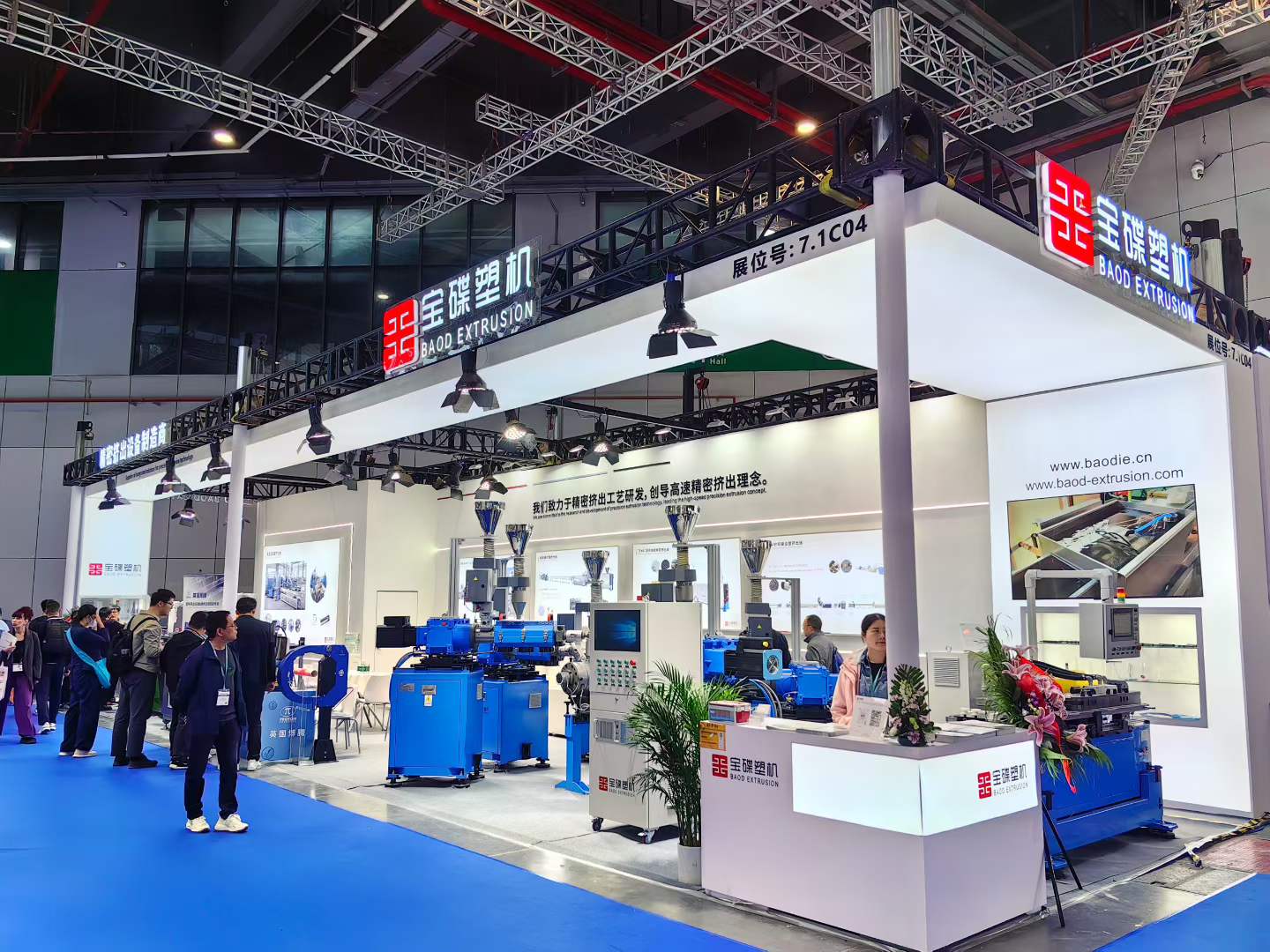
From April 21–24, CHINAPLAS 2026 was successfully held at the National Exhibition and Convention Center in Shanghai. BAOD EXTRUSION showcased its latest R&D achievements at Booth 7.1C04, presenting "Smart Extrusion · High-Efficiency Innovation" solutions that sparked interest from international partners.
Read More +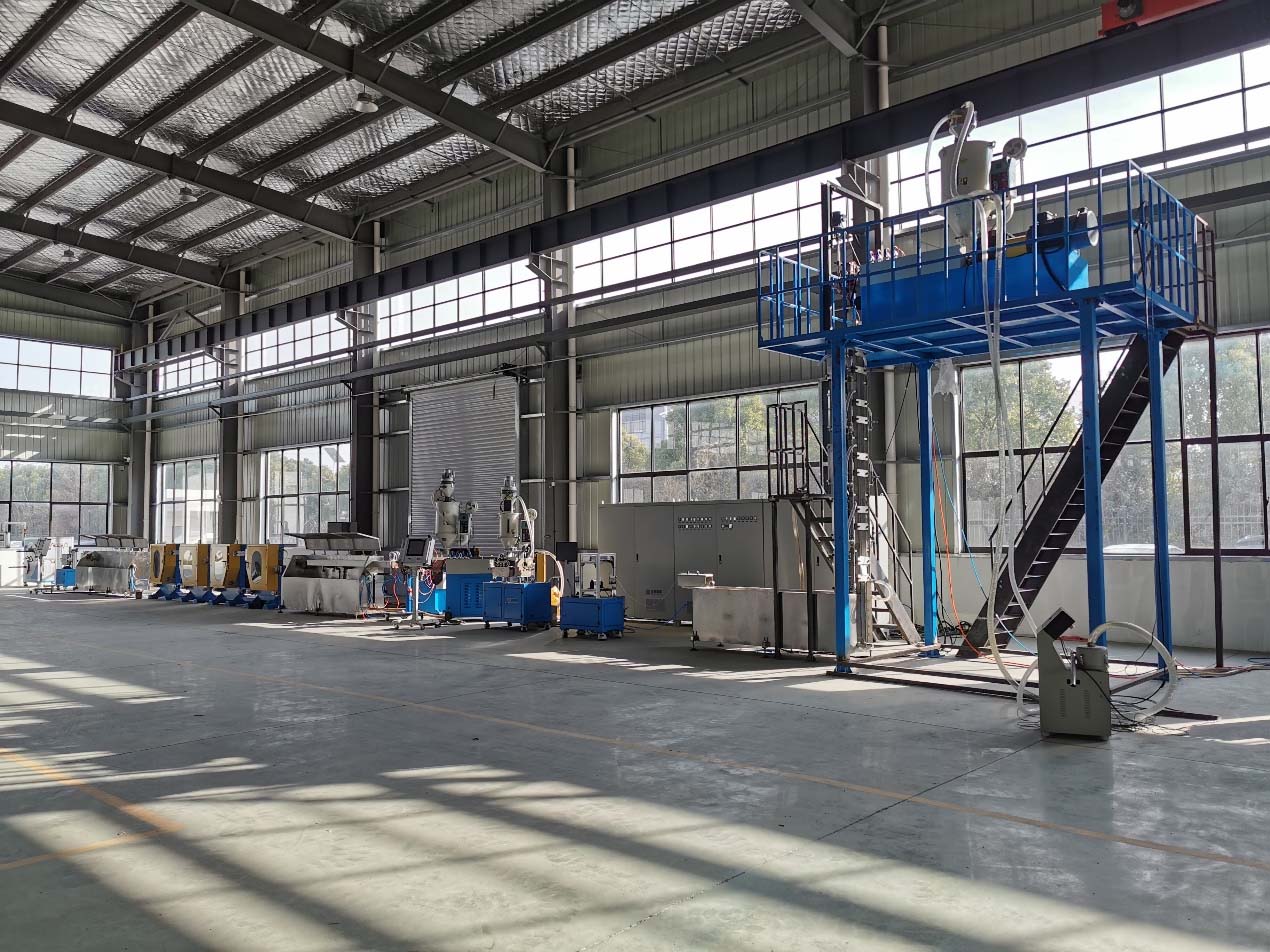
In the controlled environment of a modern industrial facility, a single, hair-thin plastic tube wound onto a reel might seem unremarkable. However, in sectors ranging from mining and quarrying to large-scale infrastructure demolition, this tube—known as a shock tube—demands flawless manufacturing consistency.
Read More +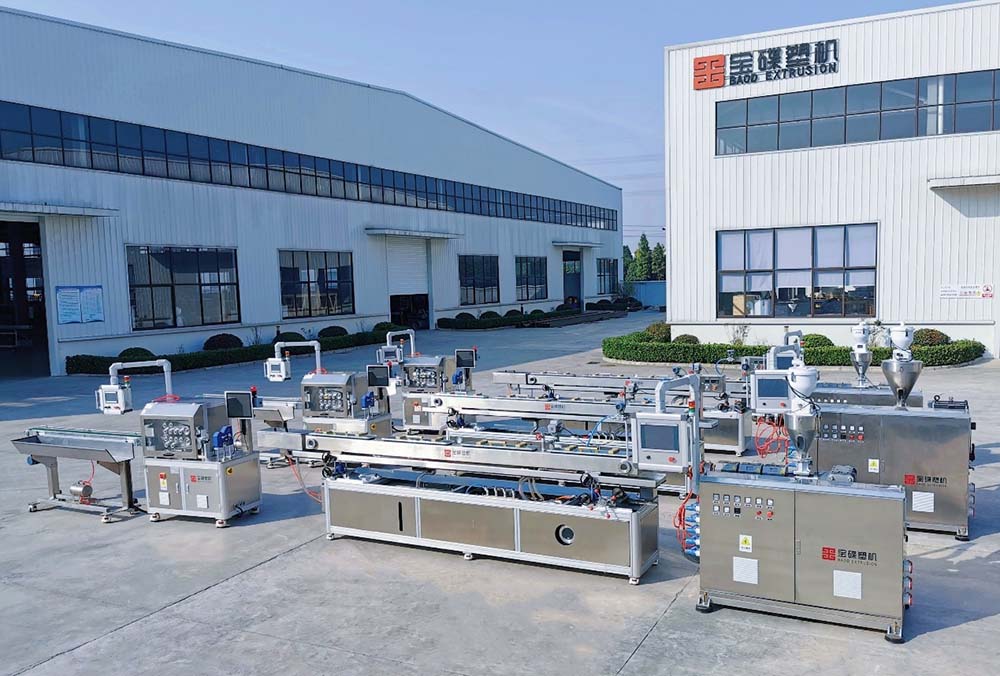
In the sterile, quiet environment of a modern medical facility, a clinician prepares a complex catheter for a critical procedure. This thin, flexible tube is far more than a simple conduit; internally, it is divided into several microscopic channels, or lumens, requiring tolerances down to the single-micron level.
Read More +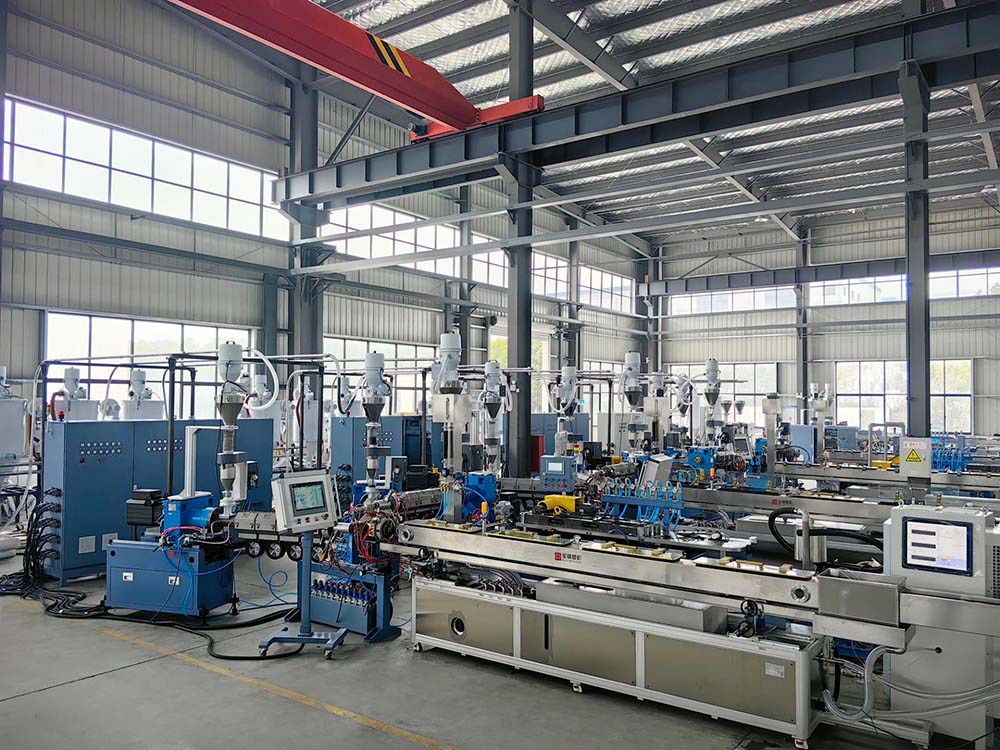
How do the world's most reputable vehicle manufacturers ensure the absolute integrity of every fuel line, brake hose, and cooling pipe buried deep within a vehicle’s chassis? Why has the shift toward electric and lightweight vehicles made the precision of these small-diameter tubes critical?
Read More +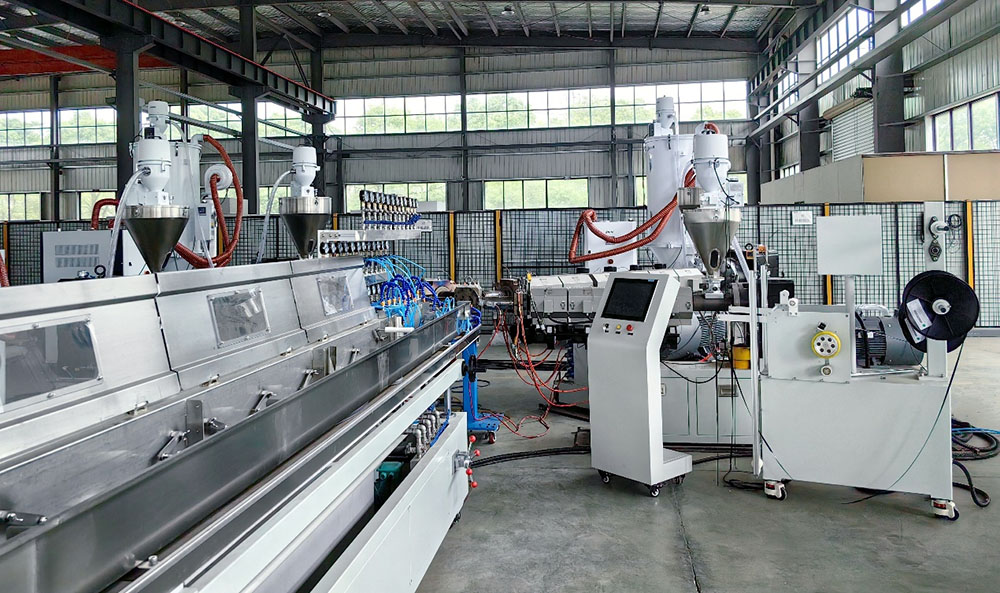
As the twilight sun reflects off the sleek, aerodynamic curves of a modern electric vehicle parked in a bustling metropolitan street, few observers notice the quiet, critical components ensuring the cabin remains a sanctuary of silence and temperature control. Behind these seals lie advanced automated systems.
Read More +Get answers to common technical queries about raw material processing, machine settings, and system configurations.
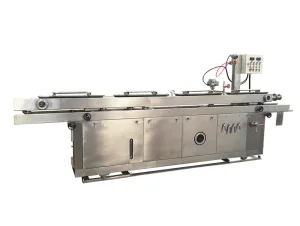
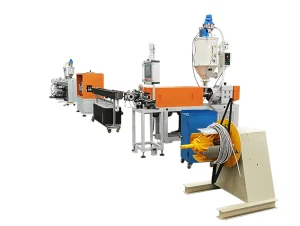
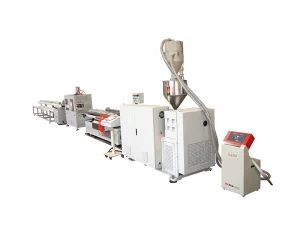
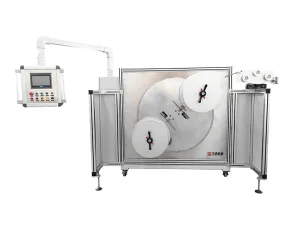
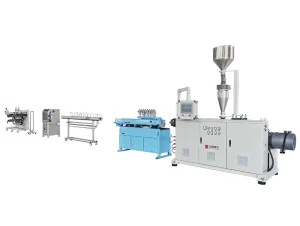
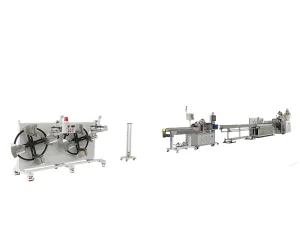
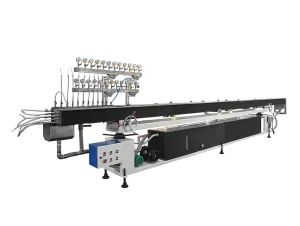
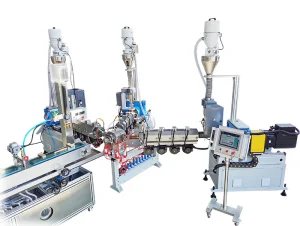
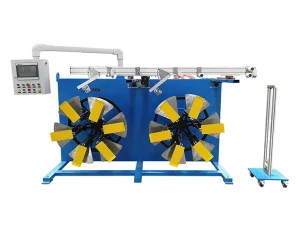
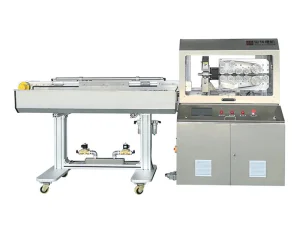
Review our specialized extrusion lines, calibration tanks, and automatic cutters designed to complete high-output manufacturing plants.
 Baodie