Direct downstream system solutions designed to transform raw TPE compound pellets into precision-calibrated components.
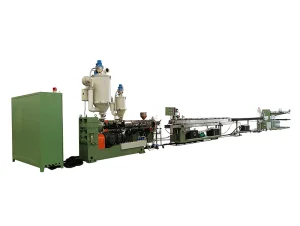
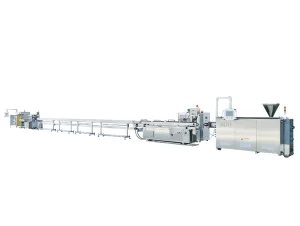
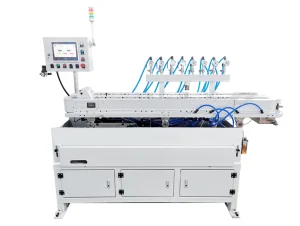
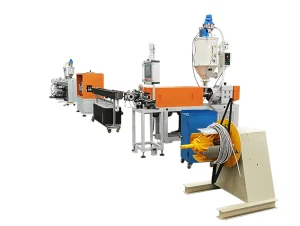
How downstream processing technology dictates the efficiency, structural stability, and economic viability of Thermoplastic Elastomers.
The global demand for Thermoplastic Elastomers (TPE) has grown exponentially as industries transition away from traditional vulcanized rubbers and rigid plastics. TPE granules, combined with cutting-edge precision extrusion technology, offer a unique combination of rubber-like elasticity, physical durability, and the processing efficiency of thermoplastics. This structural flexibility allows engineering factories to shorten production cycles while achieving complex geometries that were previously impossible to manufacture cost-effectively.
In the global market, China has consolidated its position as a powerhouse for both raw TPE chemical compounding and the machinery required to shape these advanced polymers. Leading China TPE granules manufacturers focus on formulating tailored compounds—ranging from Styrenic Block Copolymers (TPE-S / SEBS / SBS) to Thermoplastic Vulcanizates (TPV) and Thermoplastic Polyurethanes (TPU). However, the chemical formulation of TPE granules is only half the battle. Without specialized extrusion systems that feature advanced screw design and precise thermal controls, the physical integrity of the extruded profile can degrade rapidly due to shear stress and uneven melt temperatures.
Modern industrial challenges, such as the electrification of vehicles, high-purity medical tubing mandates, and environmental sustainability directives, demand a cohesive approach where material chemistry meets machinery engineering. BAOD Extrusion bridges this gap by designing high-precision extruders specifically optimized for the unique viscosity and temperature profiles of customized TPE/TPV raw materials.
BAOD EXTRUSION (Jiangsu Baodie Automation Equipment Co., Ltd.) founded in 2002, dedicated to designing, manufacturing and sales of plastic extrusion equipment. Based on 18 years experience of designing and fabricating high quality machines in Taiwan, the original parent company (KINGSWEL GROUP) invested in establishing extrusion machines manufacturing base in Shanghai in 1999.
With a 25-year track record of engineering innovation, our long-term research and development focuses on delivering:
Years of Extrusion Manufacturing Experience
Modernized Production Facility Area
Dedicated Engineering and Service Professionals
Understanding the key variables that define high-efficiency TPE and TPV extrusion systems.
TPE granules are highly sensitive to thermal degradation. Our customized screw profiles ensure that the heat generated by friction does not exceed the polymer's thermal threshold. Dual-channel cooling fans and ceramic heating bands maintain temperature stability within ±1°C.
Processing TPE granules efficiently requires specialized L/D (Length/Diameter) ratios, typically between 28:1 and 33:1. This allows for adequate mechanical dispersion and uniform blending of color masterbatches or dynamic cross-linking agents without degrading the elastomer phase.
Because TPE has a memory-retaining, low-modulus structure immediately after exiting the die plate, our calibration units utilize high-precision micro-vacuum cooling tanks. This prevents outer-diameter collapse and maintains dimensional tolerances under ±0.05 mm.
Advanced automotive profiles often require co-extruding hard substrates (PP or ABS) with soft sealing lips (TPE or TPV). BAOD's co-extrusion technology enables chemical and physical bonding between incompatible materials in a single, automated step.
Ensuring TPE-derived products meet stringent international standards for automotive, medical, and consumer electronics applications.
For international buyers source-inspecting TPE compounds or equipment in China, regulatory compliance is paramount. Standard industrial formulations must strictly adhere to the EU REACH (Registration, Evaluation, Authorisation and Restriction of Chemicals) regulations and RoHS directive to ensure that heavy metals, phthalates, and brominated flame retardants are absent.
Furthermore, when raw TPE granules are targeted for medical-grade applications—such as peristaltic pump tubing, anesthesia masks, or IV fluid delivery catheters—the extrusion process must occur inside certified ISO Class 7 or Class 8 cleanrooms. BAOD's specialized medical extrusion lines are built from medical-grade stainless steel surfaces and are structurally designed to prevent mechanical particle emission, aligning with ISO 13485 and FDA food-contact safety compliance standards.
To minimize downtime, BAOD has developed an internationalized localized support structure. Through online digital diagnostics integrated directly into our PLC systems (Industry 4.0 IoT gateways), our engineers in China can troubleshoot calibration variances and parameter fluctuations remotely in real-time, providing reliable assurance to factories worldwide.
Because TPE granules are hygroscopic, moisture absorption can lead to surface bubbling and structural voids. Our machinery designs include specialized hopper drying integrations with dew-point controls (-40°C air supply), guaranteeing the raw material enters the feed throat in a dry state.
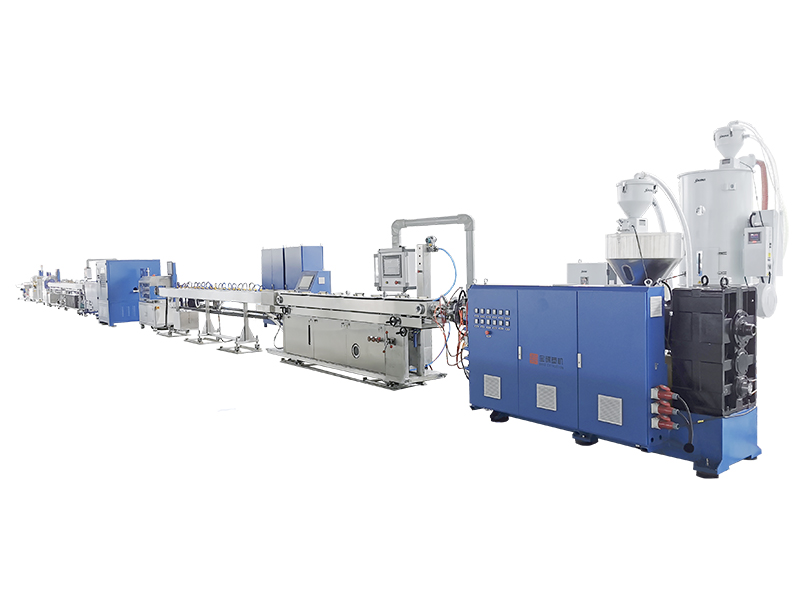
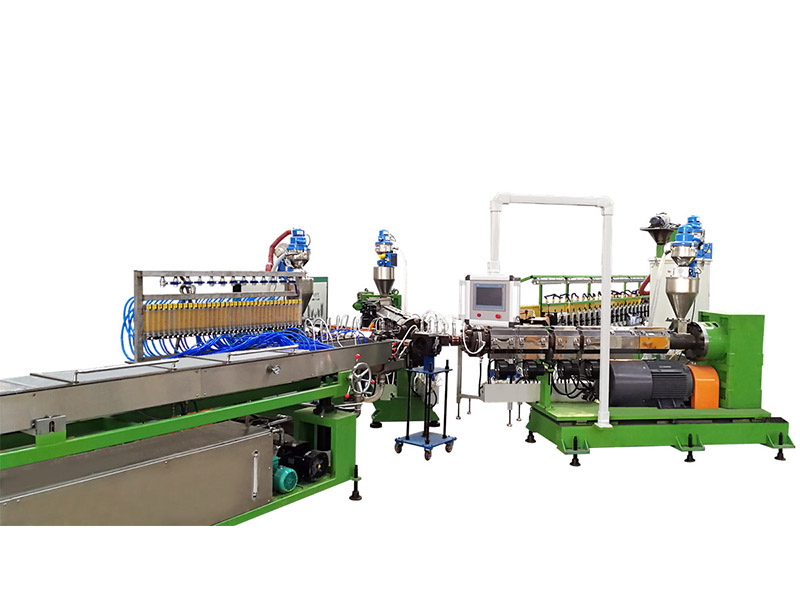
Tailored systems engineered to process different formulations of thermoplastic elastomers and high-performance resins.
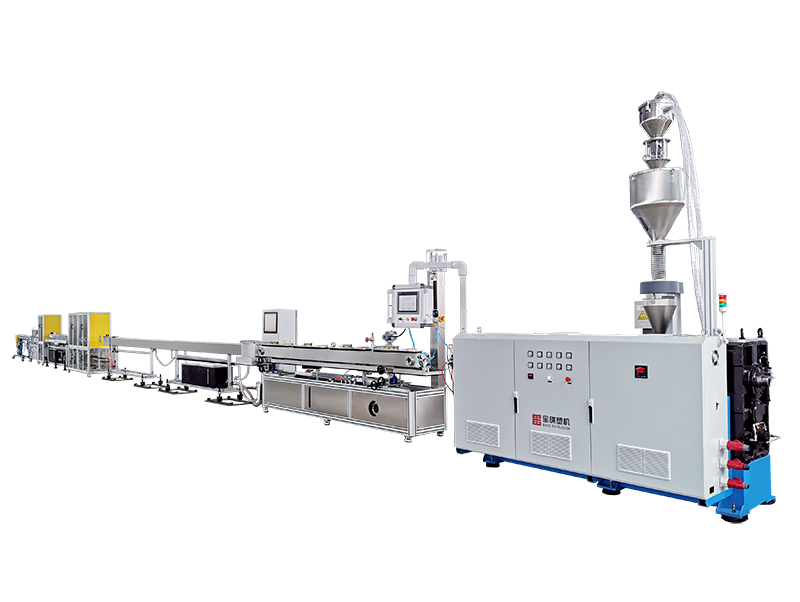
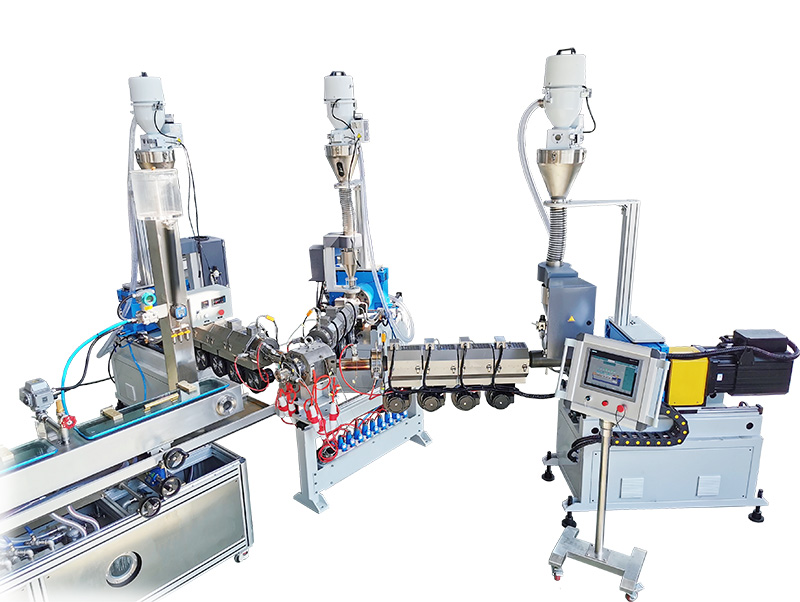
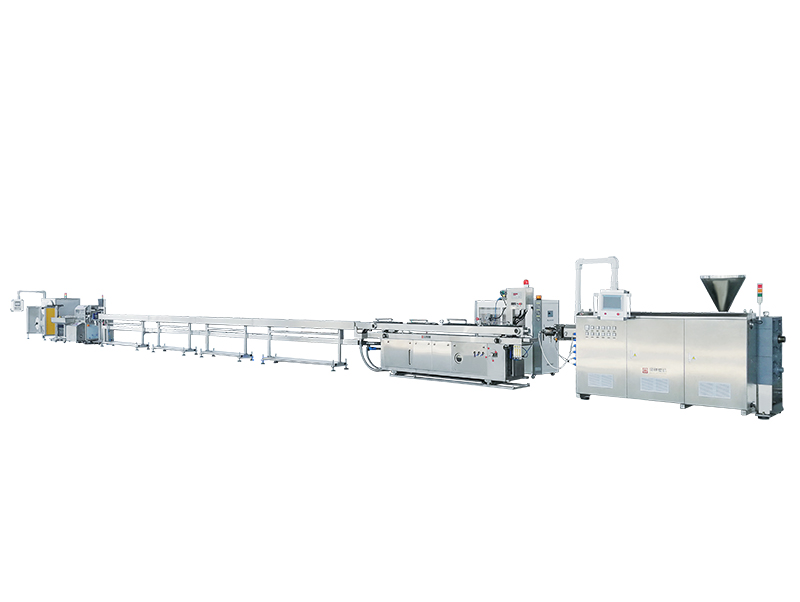
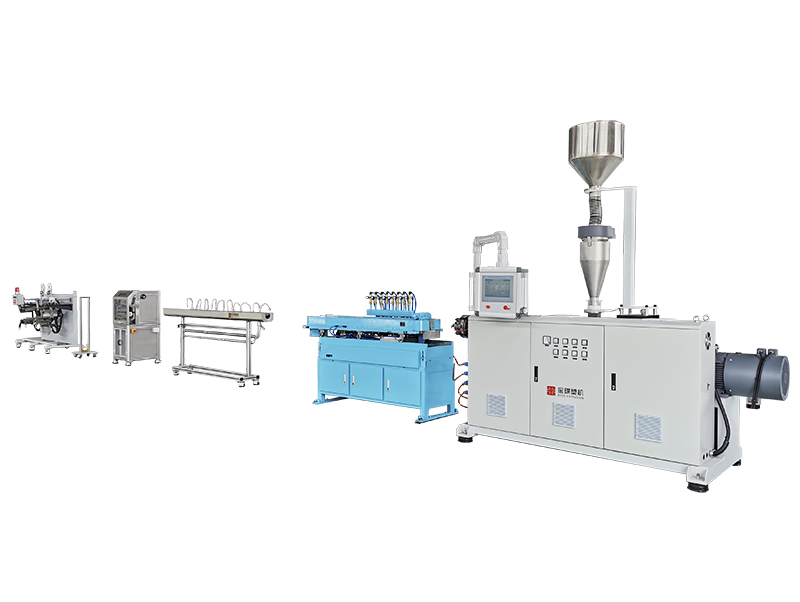
Direct answers from our senior engineering team to help you navigate material selection and processing configurations.
TPE (specifically TPE-S or SEBS/SBS compounds) contains physically cross-linked phases that melt completely under heat, making them easy to process and recycle. TPV (Thermoplastic Vulcanizate) consists of chemically vulcanized rubber particles dispersed within a thermoplastic matrix. TPV requires higher shear levels and specific compression profiles on the extruder screw to achieve a smooth finish and maintain mechanical compression set properties.
This is commonly caused by "melt fracture" or improper melt temperatures. TPE compounds have complex molecular weights that are highly shear-sensitive. If the extrusion die is too cold, or if the screw speed generates excessive shear stress, the polymer skin ruptures as it exits the die. Fine-tuning the die temperature profile, using correct L/D ratio screws, and applying low-friction coatings to the die channel can eliminate this issue.
Repurposing is possible but requires modifications. Standard PVC screws typically have deep channel depths and lower compression ratios designed to prevent PVC thermal decomposition. TPE granules require a slightly higher compression ratio and more mixing action. Furthermore, the downstream cooling length and calibration vacuum pressures must be adjusted, as TPE has different thermal shrinkage behavior compared to PVC.
Even though TPE is hydrophobic in its finished state, the raw granules (especially TPE-U / TPU or hydrophilic grades) readily absorb moisture from the surrounding environment. Processing wet granules creates steam micro-bubbles within the barrel, leading to structural porosity, mechanical weakness, and silver streaks on the extruded profile. We recommend drying the raw material to a moisture level below 0.05% before feed-in.
Sourcing teams must verify compliance certificates including REACH, RoHS, FDA, and USP Class VI (for medical components). On the equipment side, look for manufacturers who implement CE-marked electrical layouts, ISO 9001 quality management systems, and Siemens/Omron PLC platforms for cross-border maintenance compatibility.
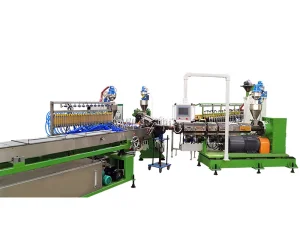
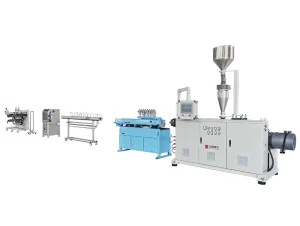
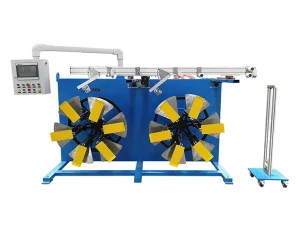
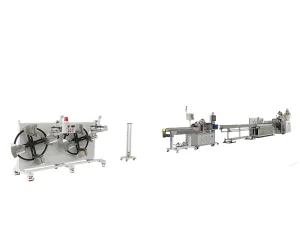
Complete your production line with auto-coilers, calibration tanks, high-speed cutters, and customized profile extruders.
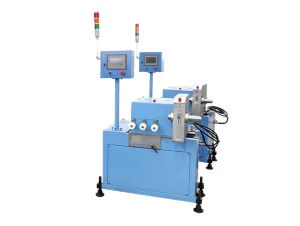
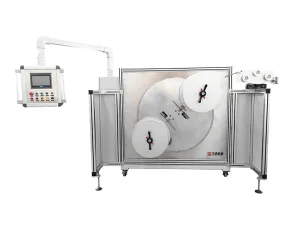
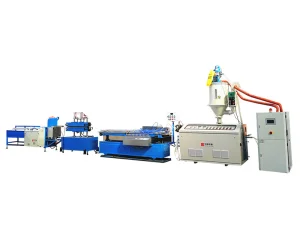
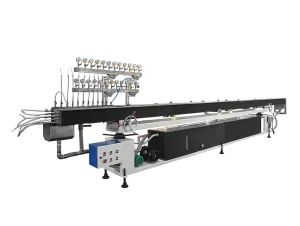
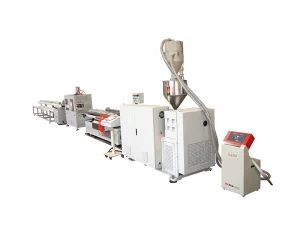
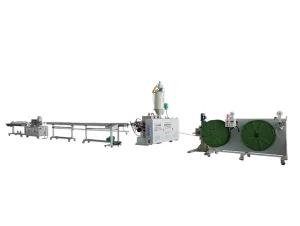
Stay informed about global exhibition milestones, technological breakthroughs, and engineering compliance updates.
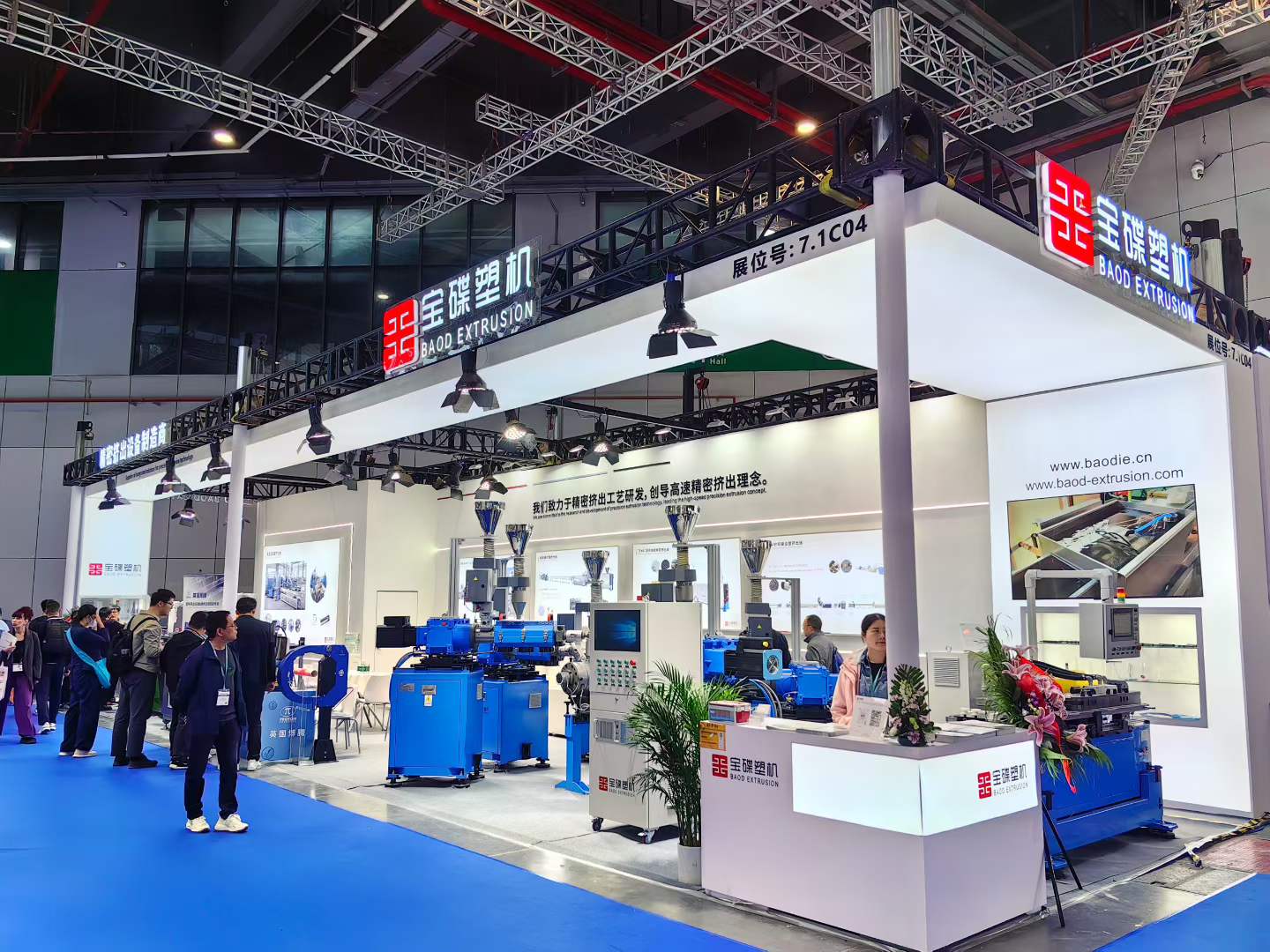
From April 21–24, CHINAPLAS 2026 was successfully held at the National Exhibition and Convention Center (Shanghai, Hongqiao). BAOD EXTRUSION showcased its latest R&D achievements at Booth 7.1C04, presenting “Smart Extrusion · High-Efficiency Innovation” solutions designed to lower energy consumption and increase throughput limits.
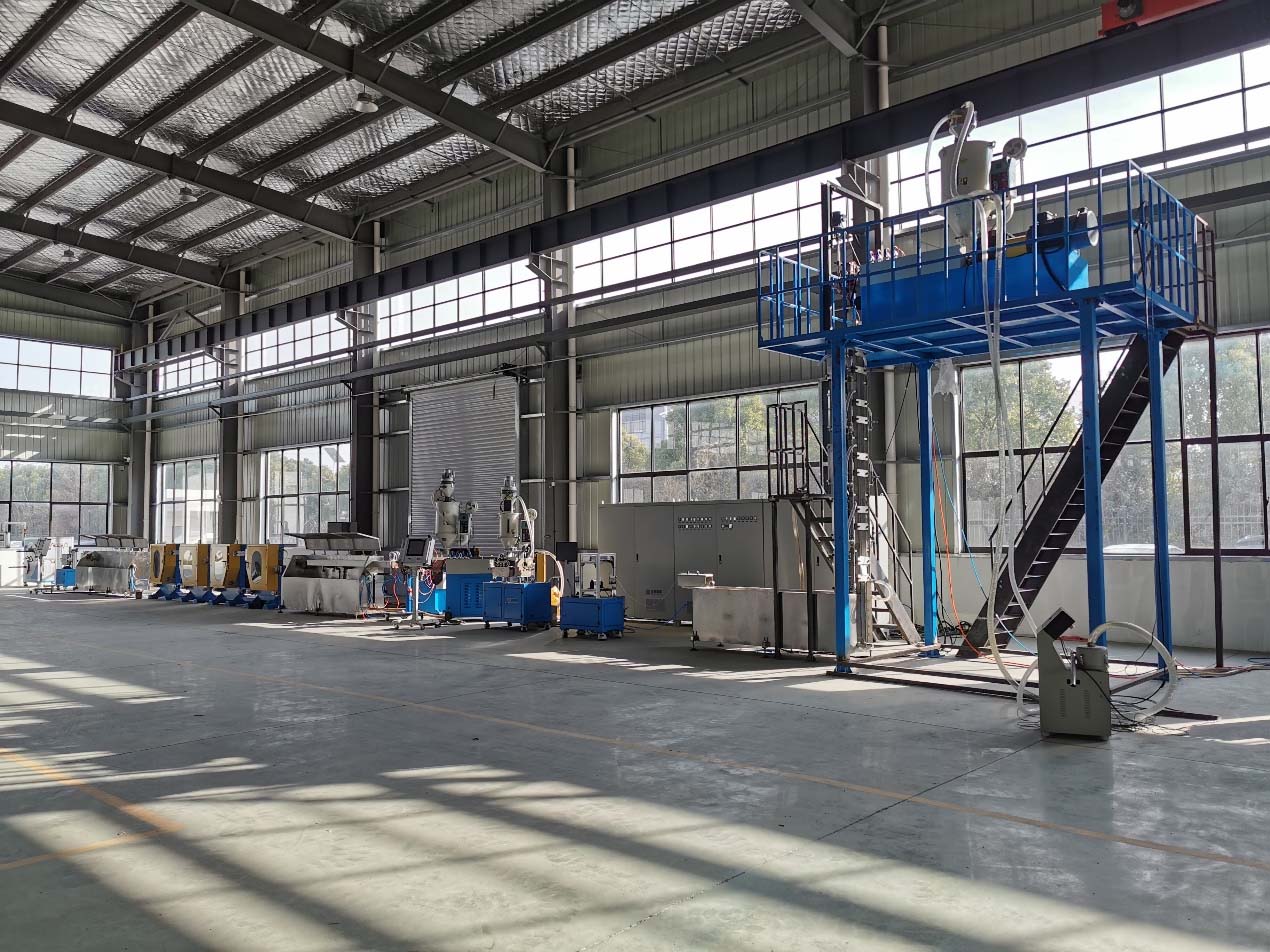
In the controlled environment of a modern industrial facility, a single, hair-thin plastic tube wound onto a reel might seem unremarkable. However, in sectors ranging from mining and quarrying to large-scale infrastructure demolition, this tube—known as a shock tube—demands flawless manufacturing accuracy.
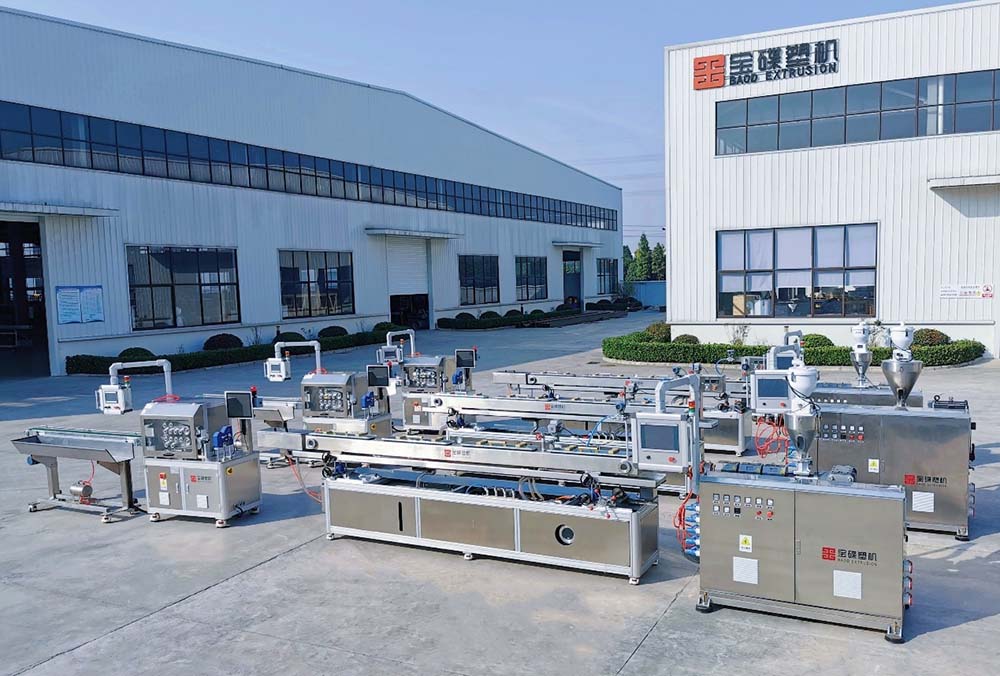
In the sterile, quiet environment of a modern medical facility, a clinician prepares a complex catheter for a critical procedure. This thin, flexible tube is far more than a simple conduit; internally, it is divided into several microscopic channels, or lumens, each designed to perform distinct critical functions.
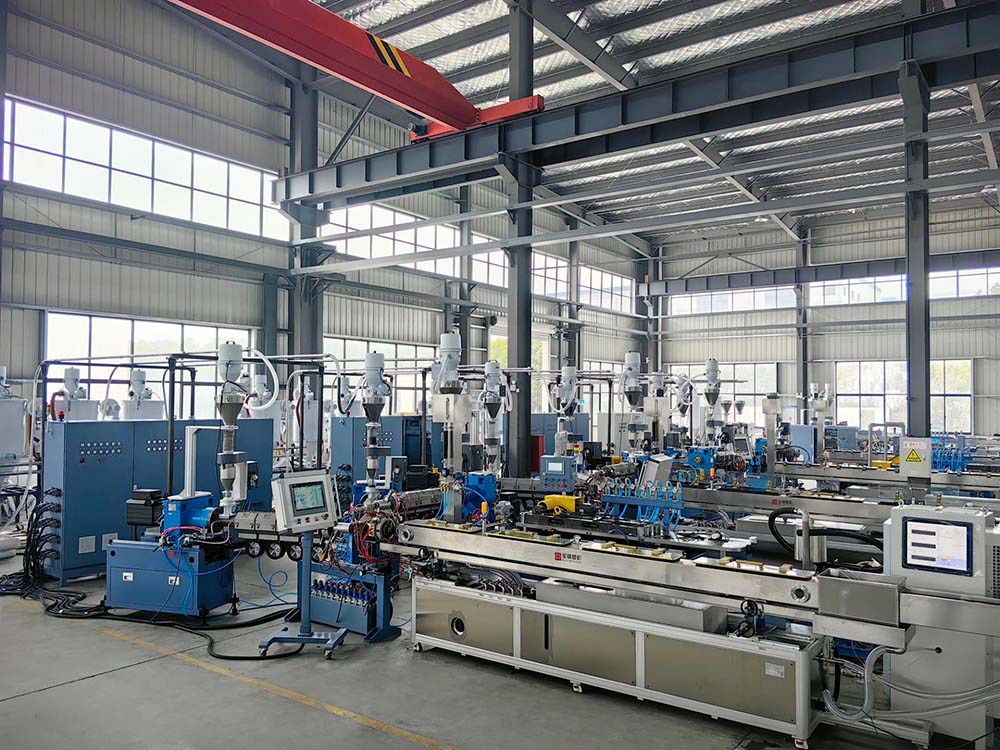
How do the world's most reputable vehicle manufacturers ensure the absolute integrity of every fuel line, brake hose, and cooling pipe buried deep within a vehicle's chassis? Why has the shift toward electric and lightweight vehicles made the precision of these small-diameter tubes more critical than ever?
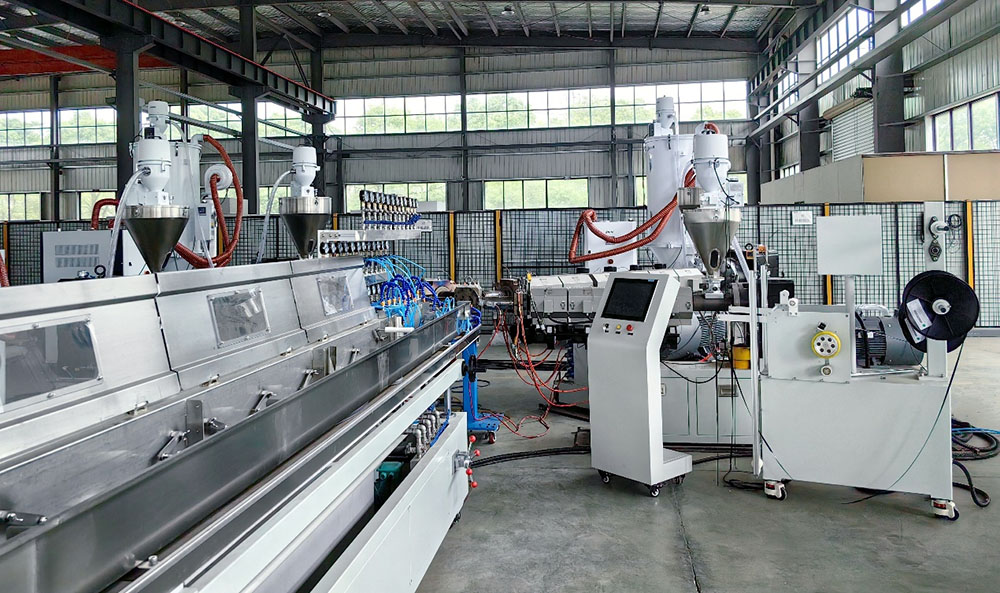
As the twilight sun reflects off the sleek, aerodynamic curves of a modern electric vehicle parked in a bustling metropolitan street, few observers notice the quiet, critical components ensuring the cabin remains a sanctuary of silence and temperature control. Behind these curves are multi-layer sealing strip systems.
 Baodie