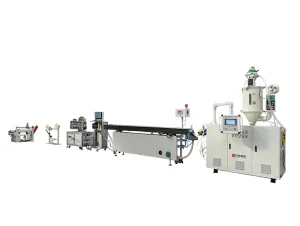
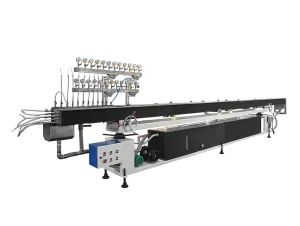
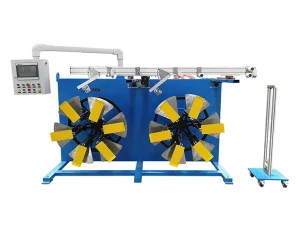
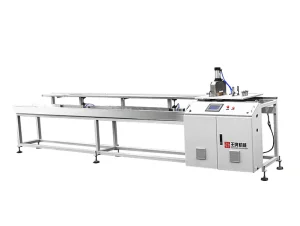
Executive Summary: As modern engineering demands high integrity profiles with specialized structural configurations, T-Shaped plastic extrusions serve as fundamental interlocking components across aerospace, automotive, construction, and electronics sectors. Achieving dimensional accuracy within ±0.05mm requires advanced calibration tooling, real-time closed-loop extrusion controls, and state-of-the-art die flow simulation.
T-Shaped plastic profiles (also called T-bars, T-molding, or T-tracks) are critical boundary components used to join surfaces, protect edges, or act as structural tracks. In North America and Europe, the demand for high-strength, weather-resistant structural components has driven double-durometer co-extrusion technology forward. Manufacturers no longer rely solely on basic PVC profiles; instead, they specify complex polymer blends such as TPV, ASA, and Polycarbonate to meet strict long-term durability metrics.
The global shift toward lightweight industrial parts has accelerated the adoption of structural thermoplastic profiles as metal replacements. By utilizing engineered plastics with high flexural modulus values, manufacturers cut component weights by up to 50% while retaining corrosion resistance and improving acoustic isolation properties.
Creating high-yield T-profile lines requires a deep understanding of polymer rheology, melt temperatures, and exit die swelling characteristics. Unlike simple round tubes, T-profiles feature unequal flow paths where the horizontal flange meets the vertical stem. This creates localized melt accumulation and internal cooling stress concentrations.
We model material flow inside the extrusion die head using advanced computational fluid dynamics (CFD). This balances flow rates across varying wall thicknesses and avoids edge tearing at the die exit.
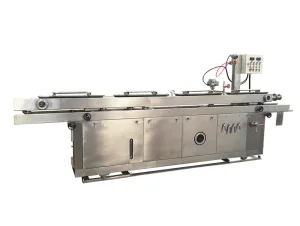
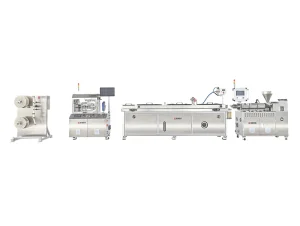
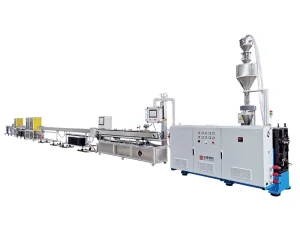
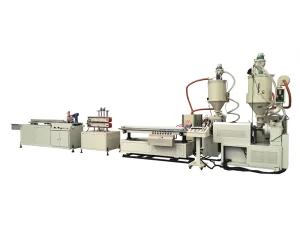
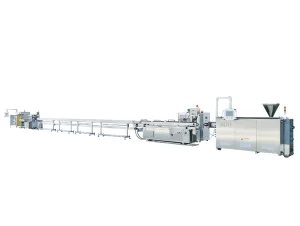
Using automated vacuum calibration tanks, we shape the extruded profile while it is in a molten state. The vacuum level is continually adjusted based on downstream laser dimension scans.
To eliminate stretch-induced dimensional variation, haul-off speeds are dynamically synchronized with the extruder screw RPM, keeping profile linear mass fluctuations under 0.2%.
T-shaped plastic profiles must perform reliably in various demanding operating environments:
| Material Type | Key Features | Typical Application | Dimensional Tolerance |
|---|---|---|---|
| Rigid PVC | Excellent flame retardancy, chemical resistance, rigid structure | Building construction profiles, floor transitions | ±0.05 mm |
| TPV / TPE | Rubber-like elastic recovery, superior weather aging resistance | Automotive weather stripping, industrial gaskets | ±0.08 mm |
| ASA (Acrylic Styrene Acrylonitrile) | Outstanding UV resistance, long-term gloss and color retention | Outdoor solar grids, exterior siding joint trims | ±0.10 mm |
| Fluoropolymers (FEP/PFA) | Extremely high temperature resistance, chemical inertness | Semiconductor tracks, chemical liquid transport joints | ±0.03 mm |
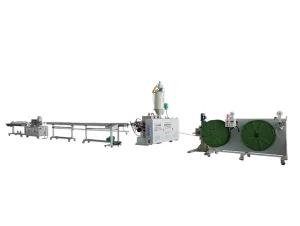
Partnering with a leading China-based extrusion manufacturer like BAOD EXTRUSION provides clear supply chain benefits. The Yangtze River Delta's robust manufacturing ecosystem offers immediate access to raw polymer suppliers, precision mold-makers, and testing laboratories. This concentrated hub shortens validation times from tool design to functional prototype to under three weeks.
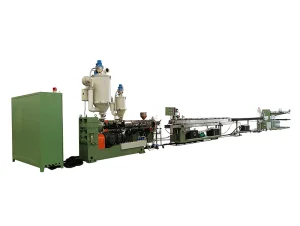
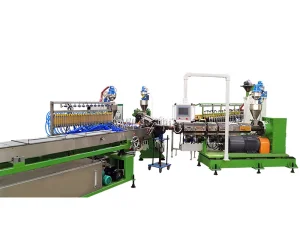
Chinese factories have significantly upgraded their operations with automated material handling systems, centralized gravimetric blenders, and IoT-enabled extrusion lines. These advancements ensure consistency over large runs and lower energy footprints, translates to direct cost advantages without sacrificing quality.
Exporting custom profiles worldwide requires meeting complex international standards. Our manufacturing lines run under strict ISO 9001:2015 quality frameworks. All raw formulations undergo chemical tests to meet EU RoHS, REACH, and California Proposition 65 requirements. For medical profiles, we operate ISO Class 7 and Class 8 cleanrooms to ensure compliance with FDA bio-compatibility directives.
We support our global clients with comprehensive technical documentation, including PPAP (Production Part Approval Process) Level 3 packages, material test reports, dimensional inspection layouts, and certificates of compliance.
The extrusion industry is shifting toward smart, circular manufacturing systems. Future production lines will integrate real-time optical sorting and AI-driven wall thickness adjustments. If a profile drifts from its dimensional center, the extruder instantly alters zone heating and downstream draw speeds.
Furthermore, bio-based and recycled engineering polymers (like PLA blends and PCR-ABS) are increasingly specified for structural profiles. Adapting traditional tooling to process these materials requires exact thermal profile control and wear-resistant screw geometries—capabilities we actively refine through ongoing research and development.
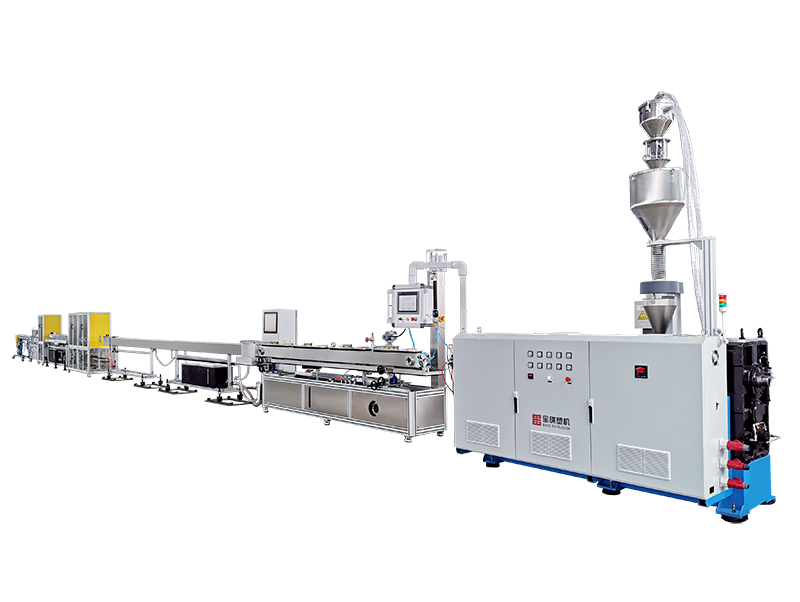
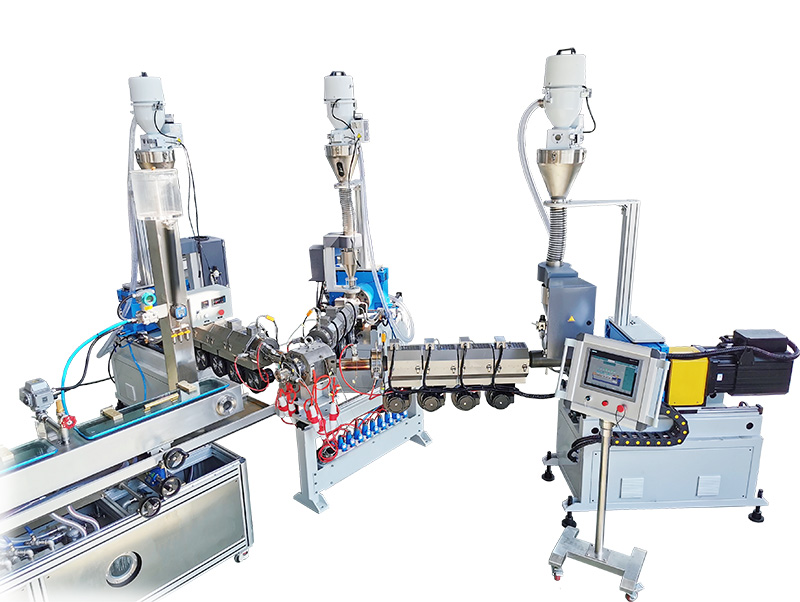
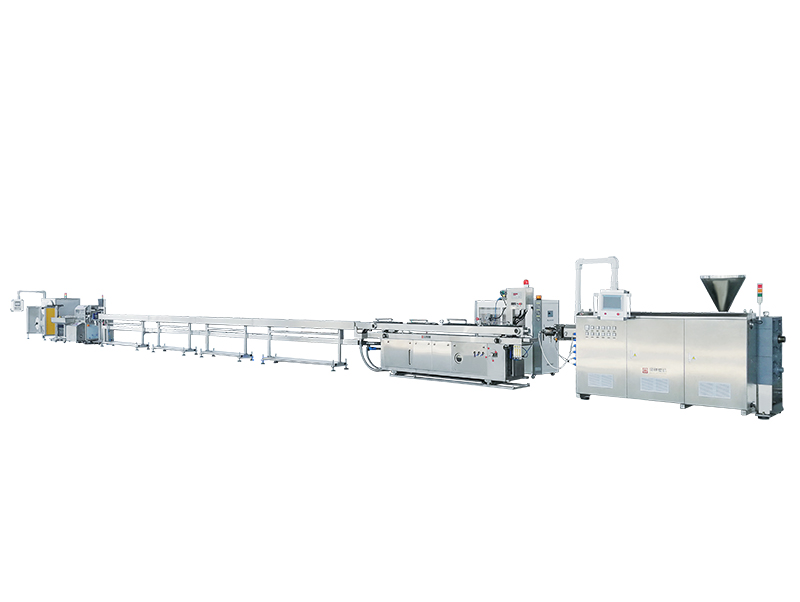
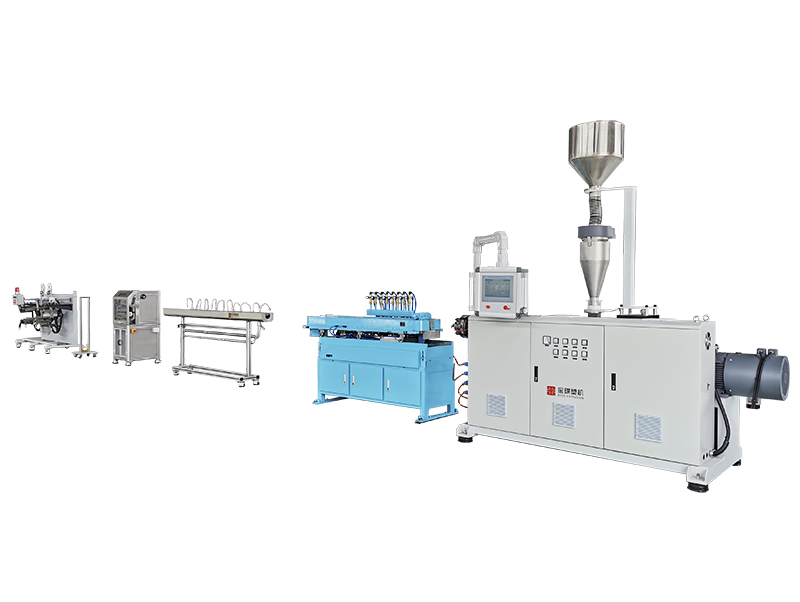
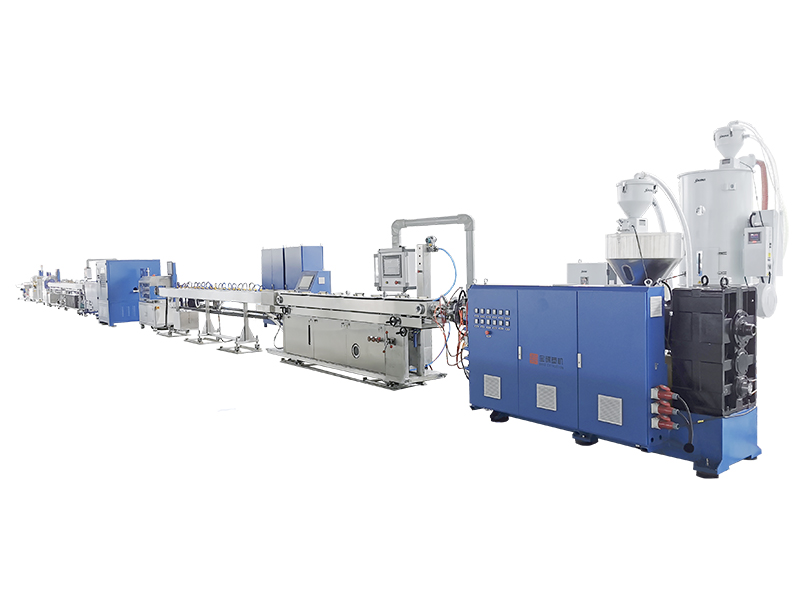
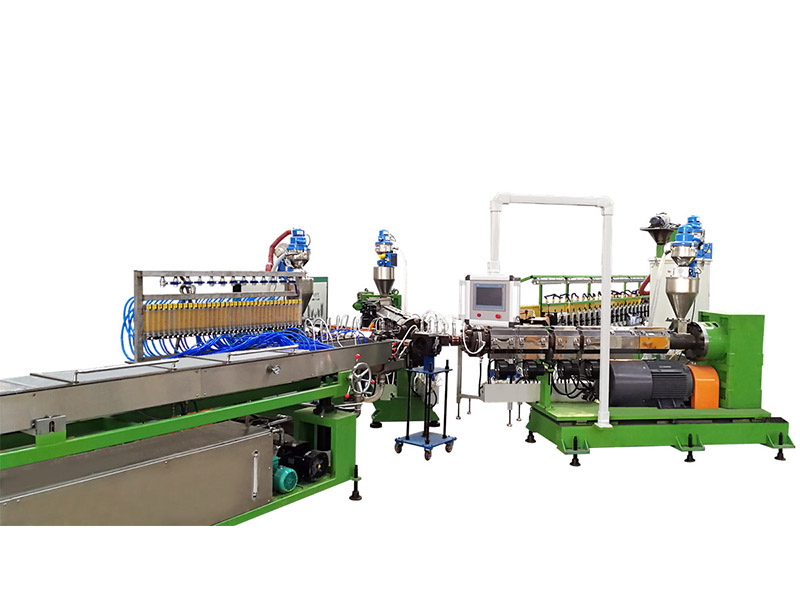
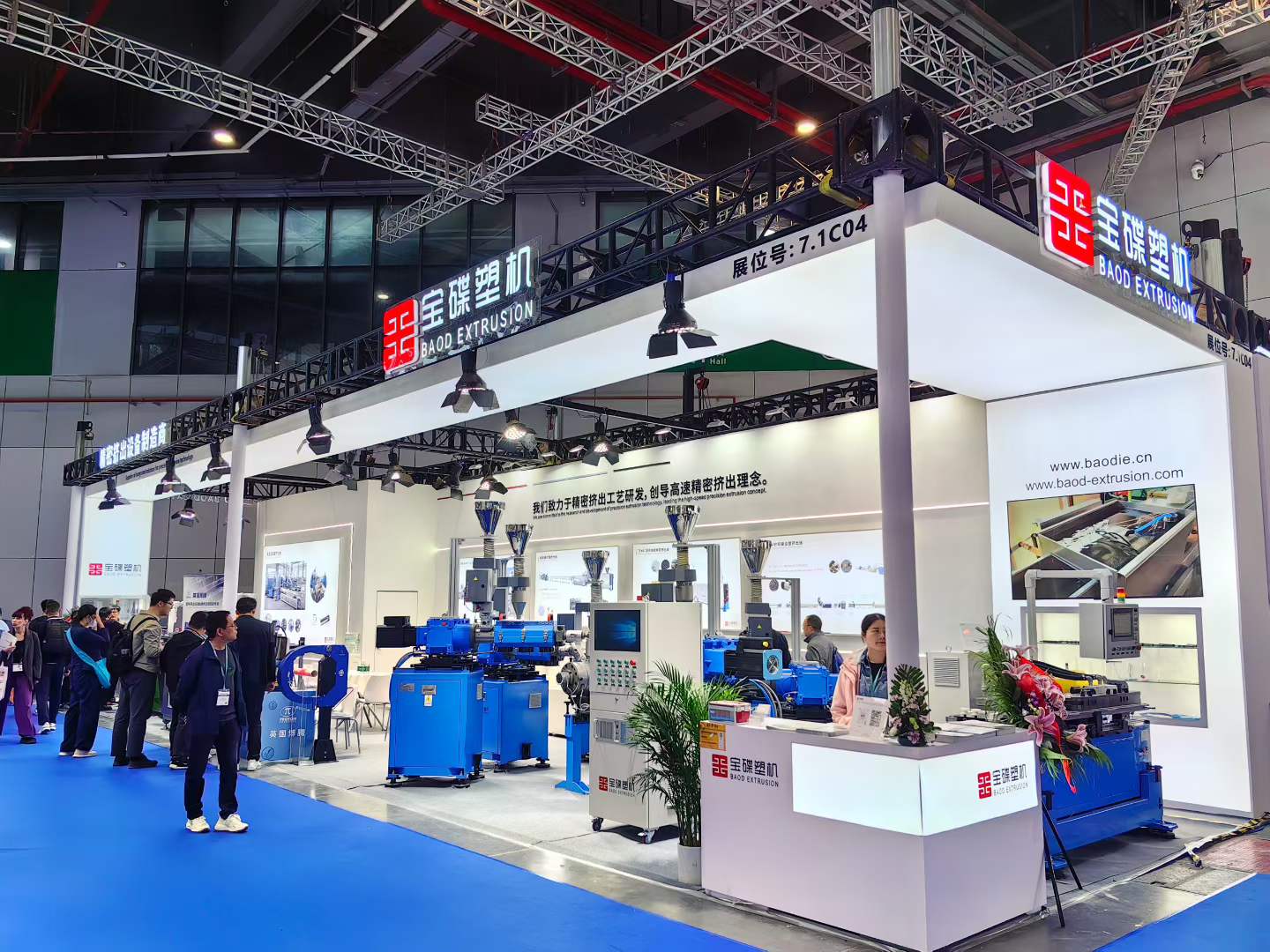
BAOD EXTRUSION showcased its latest R&D achievements at Booth 7.1C04, presenting “Smart Extrusion · High-Efficiency Innovation” solutions that address modern plastic manufacturing challenges.
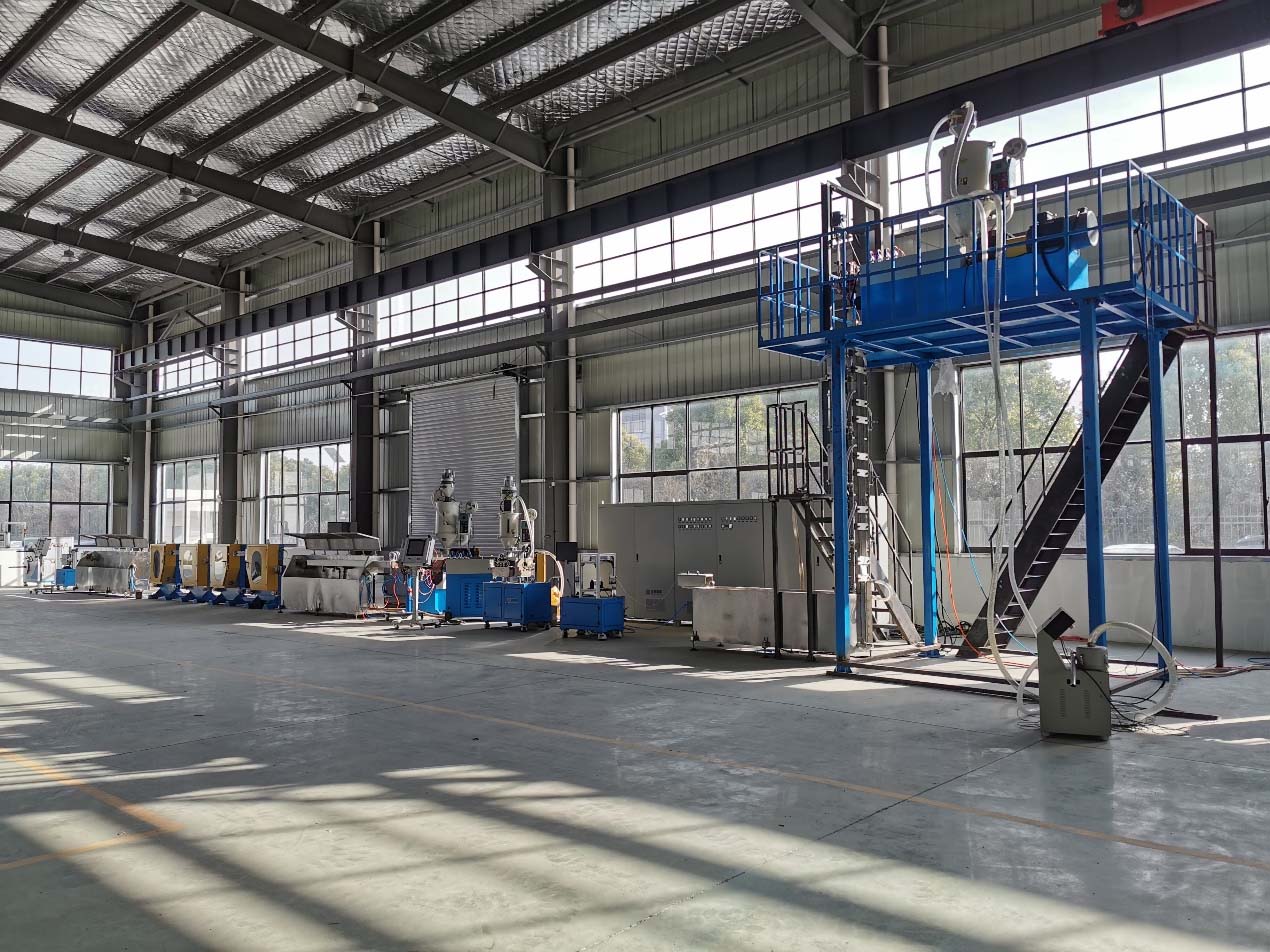
In sectors ranging from mining and quarrying to large-scale infrastructure demolition, precision detonating tube lines require strict safety and speed parameters.
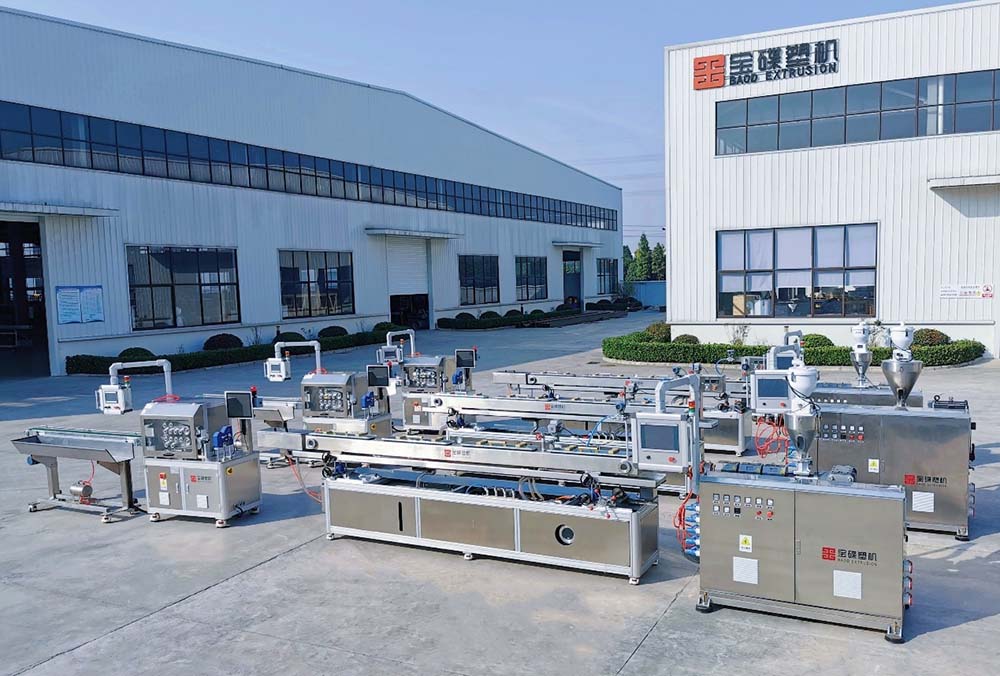
We compare Chinese and European manufacturing standards in medical tubing, focusing on tolerances and micro-lumens.
The standard lead time for tool design, CNC wire cutting, EDM machining, and initial sample production is 15 to 20 business days. We provide our customers with initial extrusion samples along with full 3D measurement scan reports for verification before starting volume production.
We design specialized crosshead dies that combine materials at the precise temperature window. This guarantees a strong structural bond between rigid bases and flexible wings. Downstream, our vacuum calibrators cool the profile evenly to prevent bending or twisting.
Yes, we process bio-based polymers (like PLA compounds) and post-consumer recycled plastics (PCR-PET, PCR-ABS, and recycled PVC). We adjust screw configurations and heating profiles to ensure these eco-friendly materials achieve the required structural performance.
 Baodie