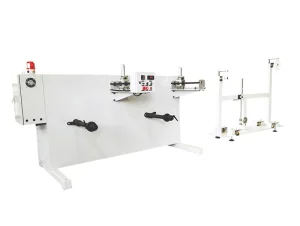
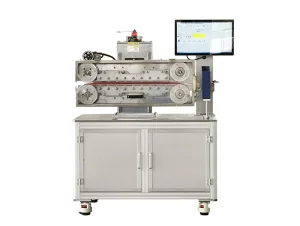
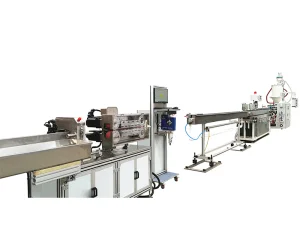
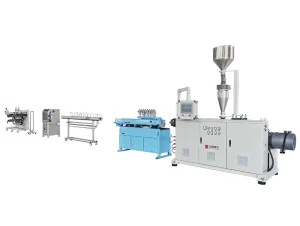
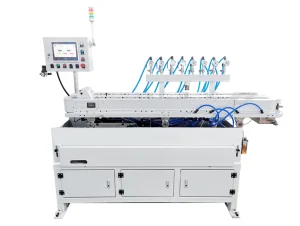
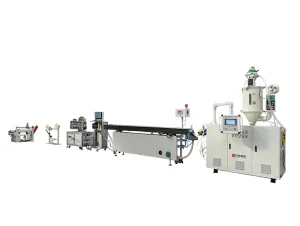
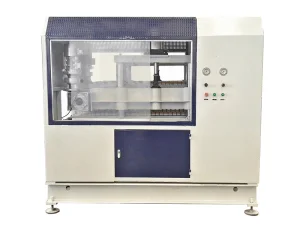
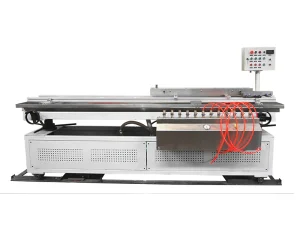
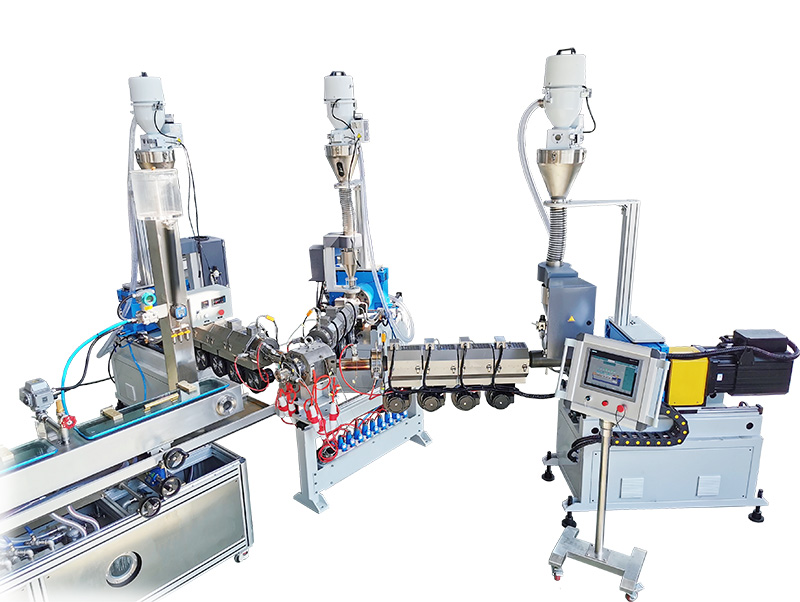
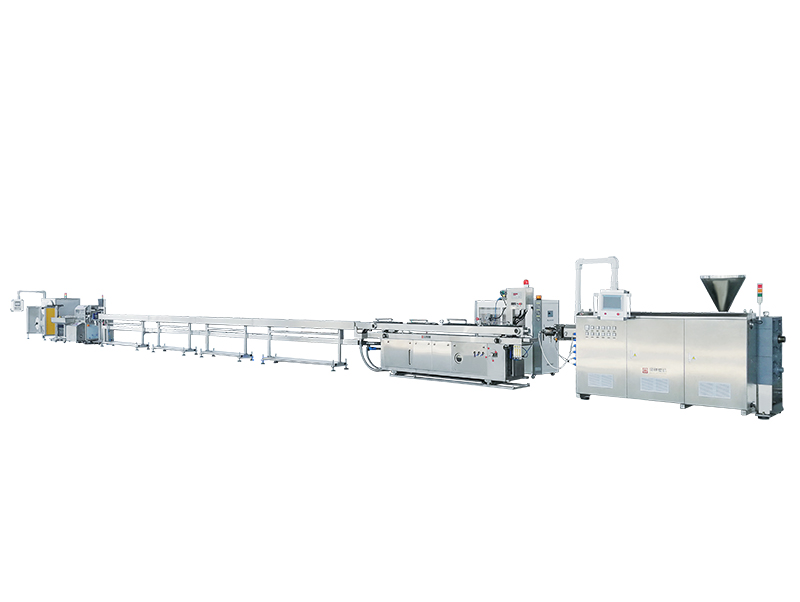
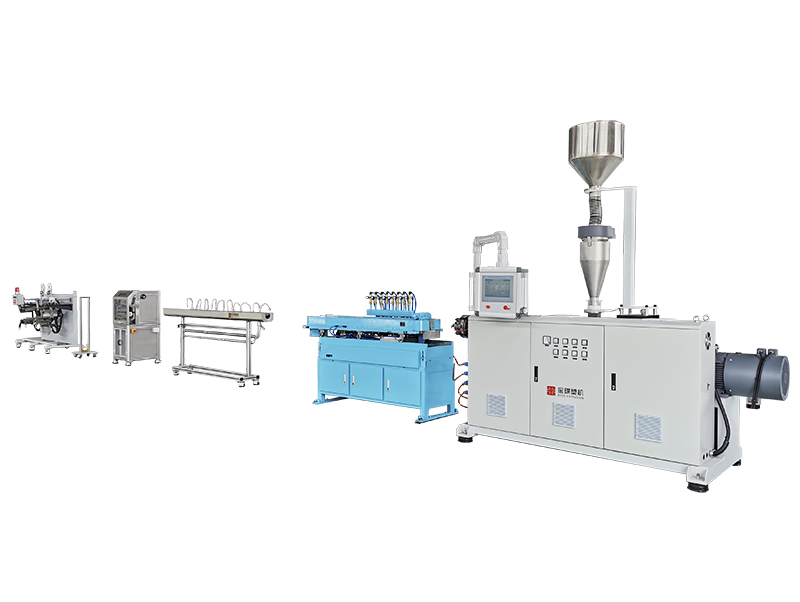
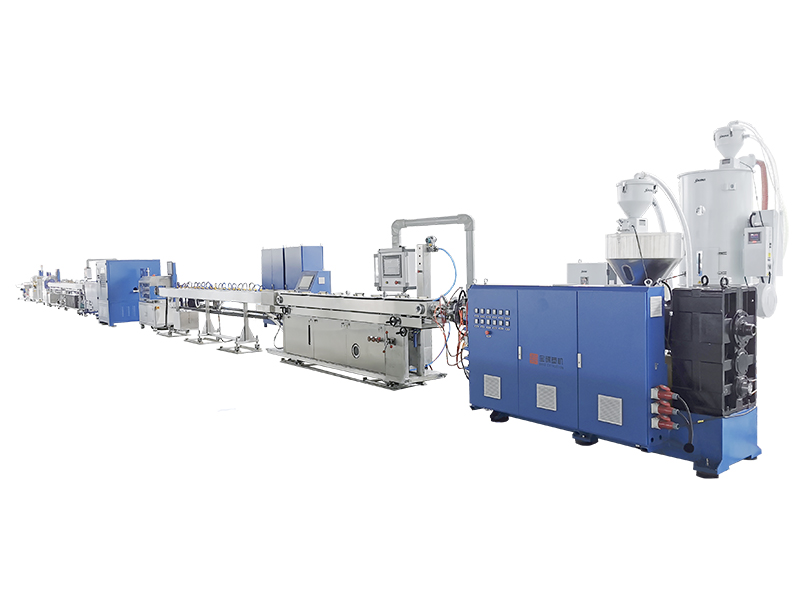
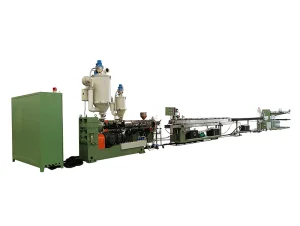
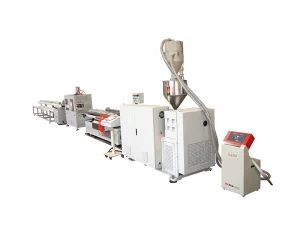
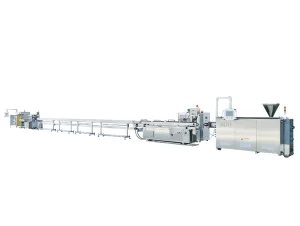
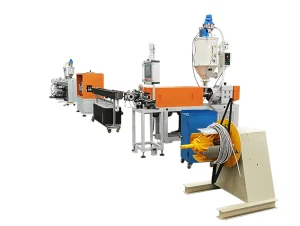
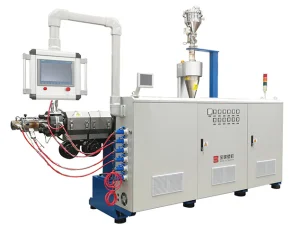
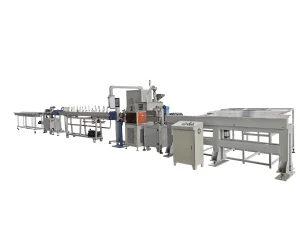
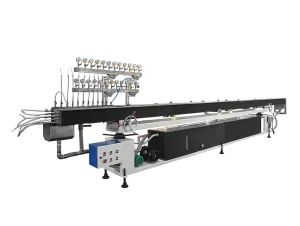
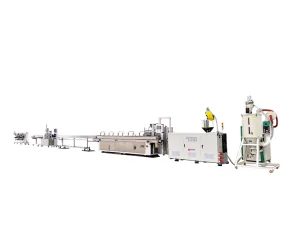
High-performance extrusion machinery engineered to process premium raw elastomers and compound materials including Santoprene, TPU, PVC, and polyolefins.
BAOD EXTRUSION (Jiangsu Baodie Automation Equipment Co., Ltd.), founded in 2002, is dedicated to the design, manufacture, and sales of high-performance plastic extrusion equipment. Leveraging over 25 years of design and manufacturing experience in precision plastic extrusion (rooted in the original parent company, KINGSWEL GROUP, established in Taiwan and expanded to Shanghai in 1999), BAOD has established itself as an industry leader in high-end automation.
Whether you require machinery to process proprietary Santoprene Pellets (Thermoplastic Vulcanizate/TPV) or desire tailored solutions for multi-layer automotive hoses, BAOD Extrusion provides turn-key manufacturing capacity engineered to lower lifecycle costs and enhance processing output.
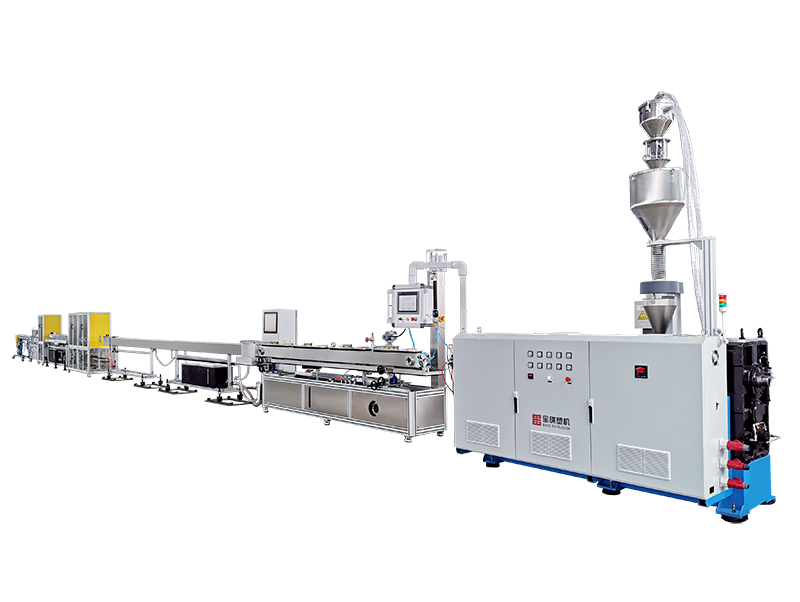
How China's manufacturing ecosystem and processing innovations are restructuring the global Thermoplastic Vulcanizate (TPV) market.
Historically, thermoset rubbers like EPDM dominated seal, gasket, and hose applications. However, the shift toward sustainability, light-weighting, and processing efficiency has positioned Thermoplastic Vulcanizates (TPVs), such as Santoprene pellets, as the premier technical choice.
By integrating fully cured EPDM particles dispersed dynamically in a polypropylene (PP) matrix, Santoprene compounds present the elastomeric performance of vulcanized rubber with the processing simplicity, high speed, and recyclability of thermoplastics. This structural paradigm requires sophisticated extrusion profiles capable of high shear rates and strict temperature containment to prevent polymer degradation.
China has emerged as a major hub for both the compounding of customized TPV pellets and the design of high-efficiency processing machinery. Domestic compounding plants utilize advanced twin-screw extruders to dynamically vulcanize rubber phases, delivering high-performance grades comparable to international standards.
As global automotive OEMs and consumer electronics companies localize their supply chains in East Asia, access to dependable manufacturers of TPV compounds and processing lines is critical. Localized equipment manufacturing ensures rapid component deployment, low capital expenditures, and custom-tuned engineering support.
Understanding the thermal and physical variables necessary to output high-tolerance automotive and industrial profiles.
| Property Parameter | Typical Value (Shore A to Shore D) | Processing Implication | Recommended Extrusion Setting |
|---|---|---|---|
| Hardness Range | 35A to 50D | Controls flexibility and structural integrity of profiles. | Customized screw compression zones to manage melt pressure. |
| Moisture Content | < 0.08% | Excess moisture causes blistering, surface roughing, and voiding. | Desiccant drying at 80°C for 2 to 3 hours prior to feeding. |
| Melting Point (PP Matrix) | 165°C - 175°C | Determines minimum temperature threshold for plastification. | Extruder barrel zone temperatures set between 180°C and 210°C. |
| Melt Flow Rate (MFR) | Variable based on formulation | Impacts die-swell, drawdown ratio, and shape retention at exit. | Precision vacuum calibration tables to control profile dimensions. |
| Swell Ratio | High elastic recovery | Causes cross-sectional expansion upon exiting the die head. | Die design tooling compensation factors between 1.15 to 1.30. |
Processing Santoprene Pellets requires a thorough configuration of the extruder screw. Standard single-screw extruders must feature an L/D ratio of at least 28:1 (ideally 30:1 or 32:1) to guarantee homogenous melt temperature distribution and complete dispersion of color concentrates. Highly shear-sensitive, TPV compounds benefit from barrier screw designs with barrier flights and shearing elements that eliminate un-melts without generating excess frictional heat, which can lead to PP matrix degradation.
Where high-precision Santoprene (TPV) extrusion lines are deployed to solve challenging product requirements.
Dynamic glass-run channels, sunroof seals, and door gaskets extruded using co-extrusion technology. This processes soft TPV (Santoprene) with rigid PP inserts, often utilizing flocking or low-friction slip coatings applied in-line for optimal acoustic isolation and UV resistance.
High-pressure fluid transmission hoses featuring a Santoprene inner tube, synthetic fiber braided reinforcement, and a protective outer TPV cover. Widely utilized in engine compartments due to superior temperature tolerances (-40°C to 135°C) and resistance to automotive fluids.
FDA-compliant medical grades of Santoprene pellets extruded into ultra-precise multi-lumen tubes. These require non-toxic, USP Class VI materials capable of maintaining dimensional integrity under repeated peristaltic pumping compression without material fatigue.
High-efficiency systems designed specifically for processing elastomeric compounds and complex profile co-extrusions.
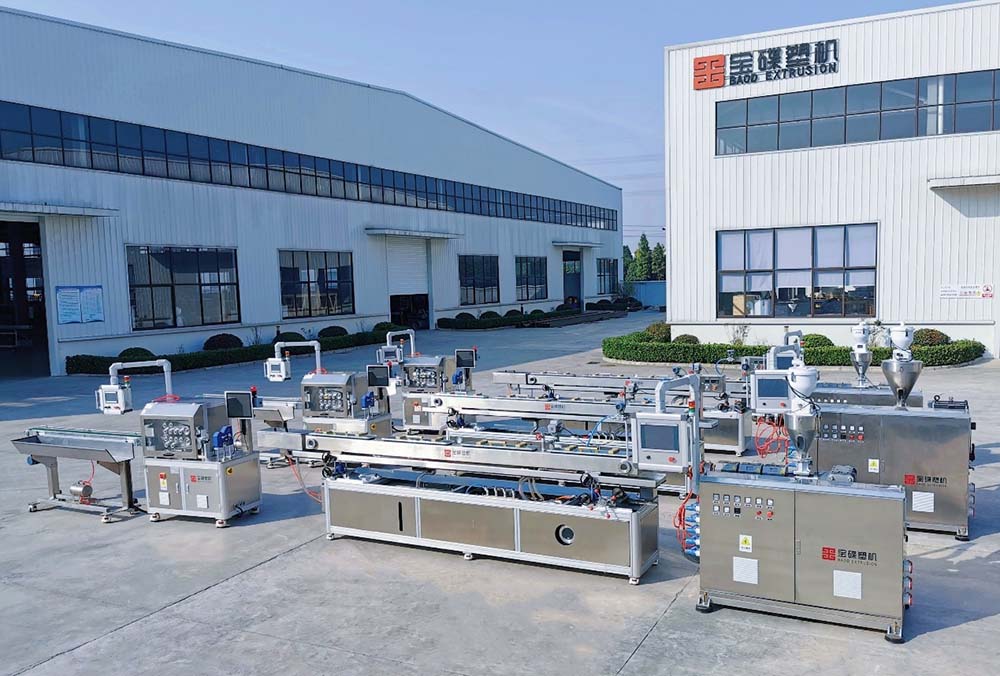
Processing premium Santoprene Pellets requires strict compliance with international manufacturing guidelines. High-performance industrial components must conform to structural regulations, and BAOD ensures that every delivered extrusion line meets these target standards:
✓ ISO 9001:2015 Certification: Outlining rigorous quality control systems throughout mechanical assembly, calibration, and commissioning.
✓ CE Mark Certification: Guaranteeing that electrical, thermal, and mechanical safety interfaces satisfy European directives.
✓ Automotive Specification Alignment: Processing lines are built to fulfill the process control standards mandated by major global automotive consortiums.
Additionally, BAOD offers extensive local support, covering material testing and mold adjustments to ensure that the physical characteristics of TPV pellets are fully realized in the finished product.
Pioneering advancements in thermoplastic elastomer processing for the next generation of industrial applications.
Technical briefings, trade show summaries, and comparative analysis of global manufacturing standards.
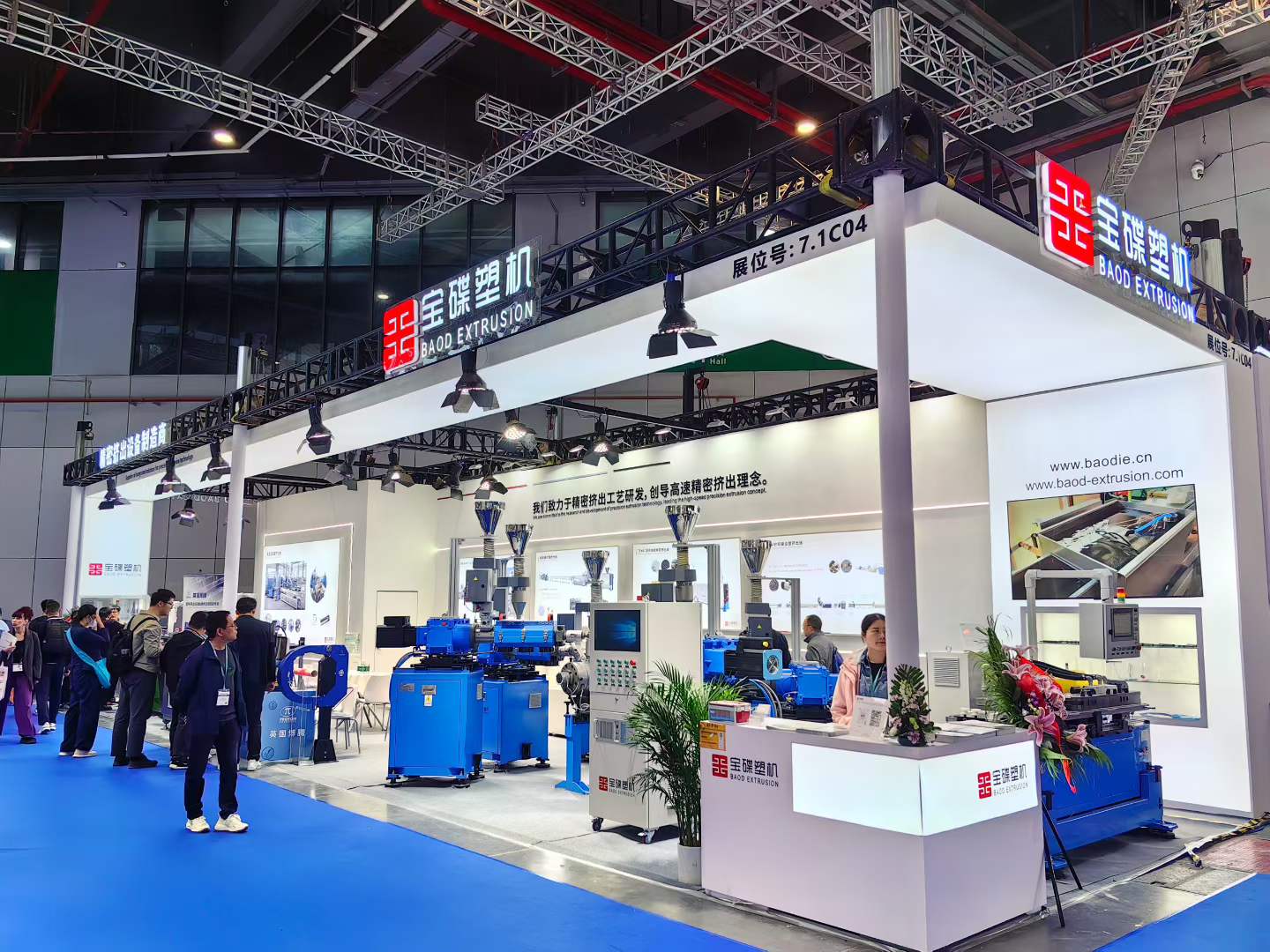
From April 21–24, CHINAPLAS 2026 was successfully held at the National Exhibition and Convention Center in Shanghai. BAOD EXTRUSION presented its "Smart Extrusion & High-Efficiency Innovation" solutions at Booth 7.1C04.
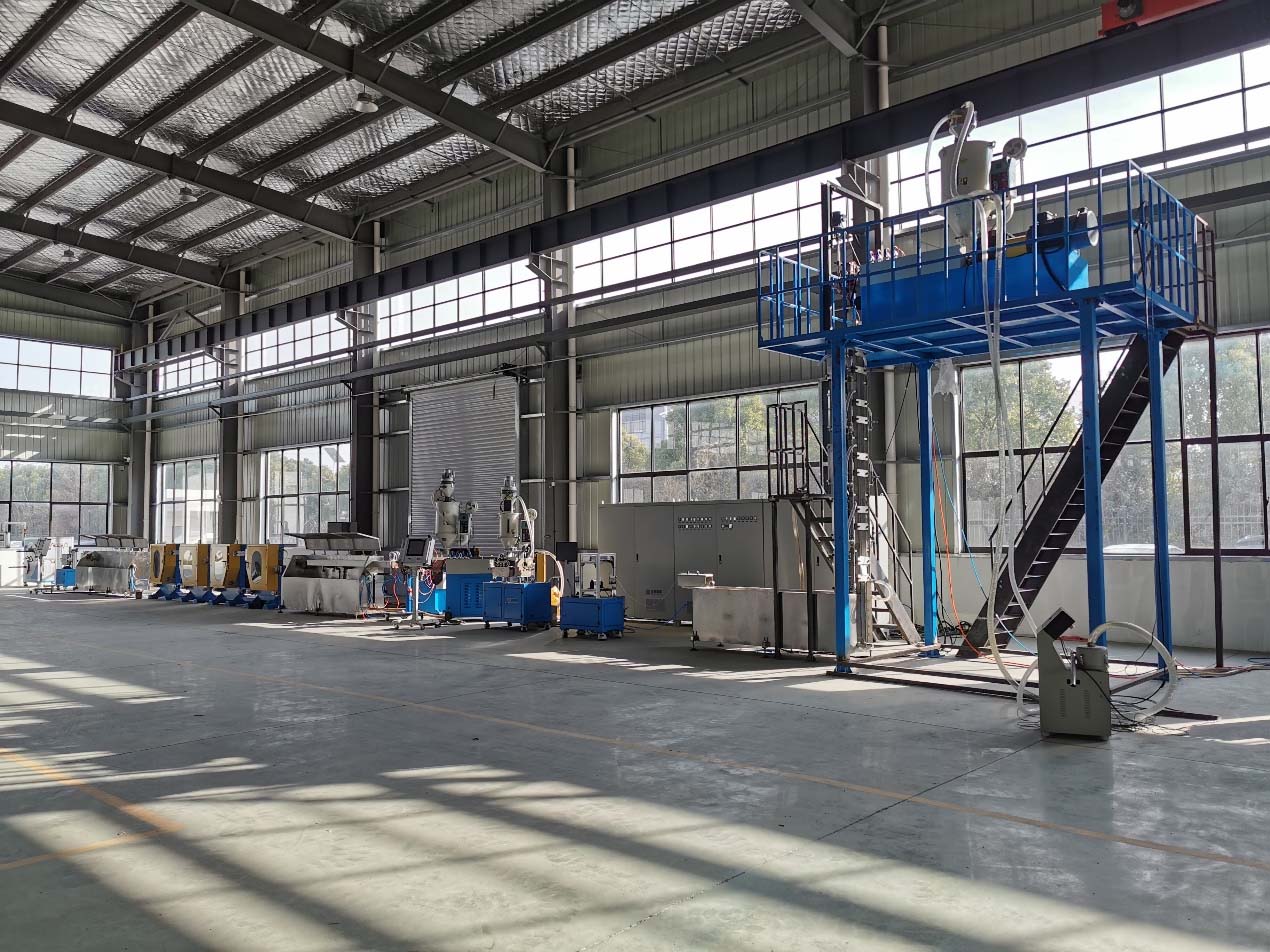
In the controlled environment of a modern industrial facility, a single, hair-thin plastic tube wound onto a reel might seem unremarkable. However, in sectors ranging from mining to infrastructure demolition, this tube—known as a detonator tube—requires maximum precision.
In the sterile environment of a modern medical facility, a clinician prepares a complex catheter. Internally, it is divided into several microscopic channels, or lumens, requiring extrusion equipment built to the absolute tightest specifications.
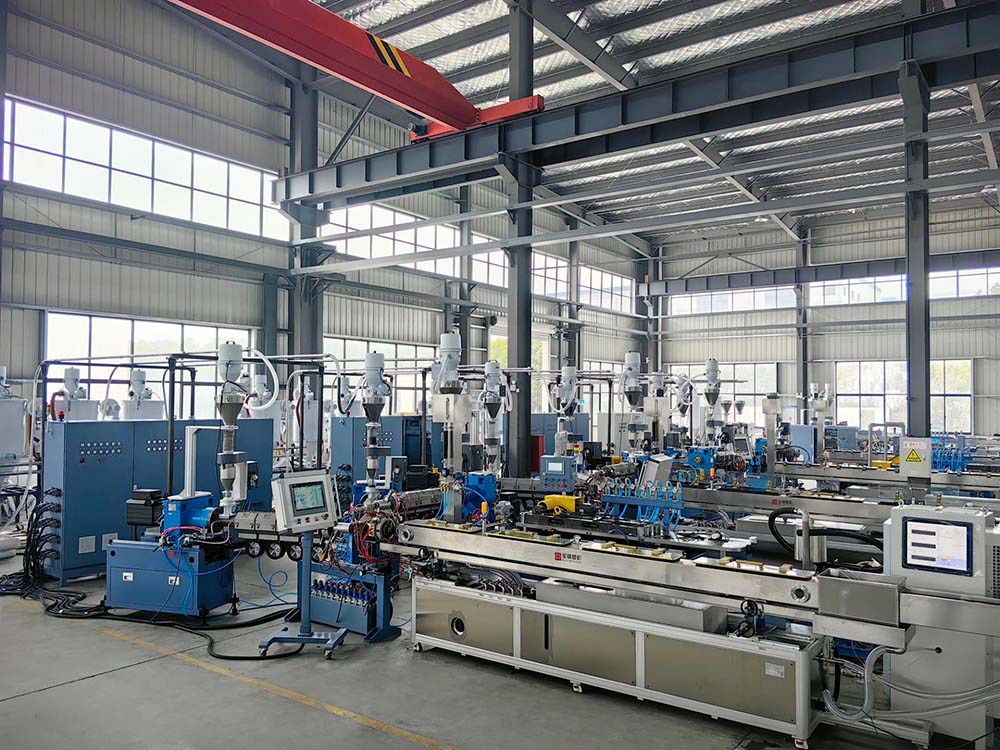
How do the world's most reputable vehicle manufacturers ensure the absolute integrity of every fuel line, brake hose, and cooling pipe? The shift toward electric vehicles has made the precision of small-diameter tubes critical.
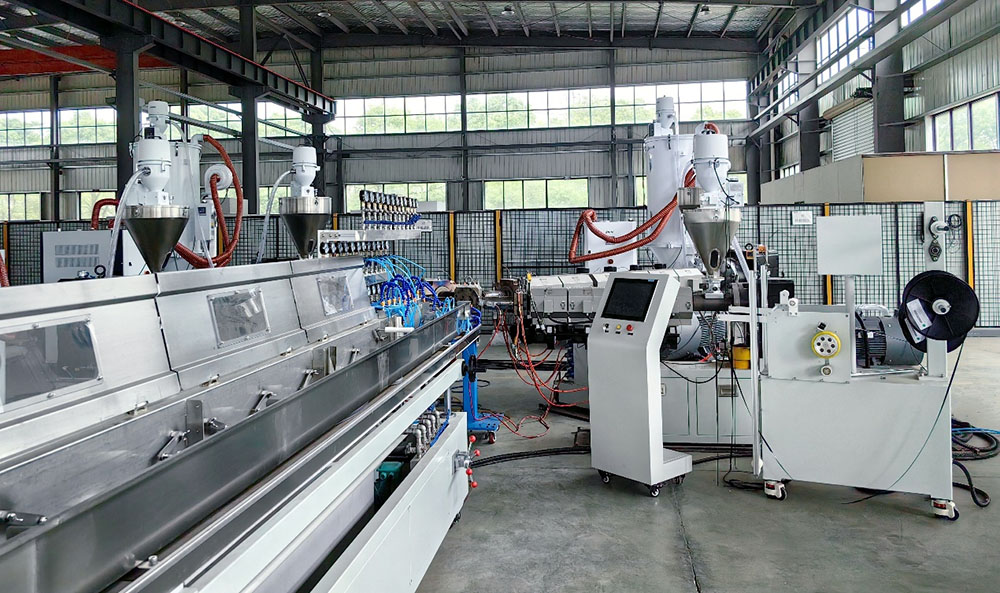
Behind the whisper-quiet ride of a modern electric vehicle is a set of customized seals. Explore how advanced dynamic vulcanizate seals are manufactured to optimize cabin acoustic properties and seal performance.
Answers to technical inquiries regarding material selection, screw configurations, and processing requirements.
Santoprene pellets are Thermoplastic Vulcanizates (TPVs) containing dynamically vulcanized EPDM rubber particles dispersed within a polypropylene (PP) thermoplastic matrix. Unlike standard thermoplastic elastomers, TPV compounds present rubber-like compression set, excellent sealing recovery, and fluid resistance, while retaining the processing benefits of standard thermoplastics.
TPV pellets are hygroscopic and can absorb moisture from the surrounding environment. To prevent surface degradation, structural voids, and processing instability, the pellets must be dried in a desiccant dryer at 80°C (176°F) for 2 to 3 hours, ensuring the moisture content is reduced to below 0.08% prior to entering the feed throat.
Yes, unlike thermoset rubbers, Santoprene TPV is fully recyclable. Clean industrial regrind scrap generated during extrusion or thermoforming can be blended back with virgin pellets at ratios of 10% to 20% without significantly degrading the mechanical properties of the finished product, provided the regrind is kept free of moisture and contaminants.
BAOD designs specialized single-screw extruders (such as our SJ series) featuring screw geometries with L/D ratios up to 32:1, combined with precise vacuum sizing tables and high-speed caterpillars. This ensures consistent output, handles shape retention, and supports co-extrusion with steel strands or glass fiber backings.
Explore our specialized tooling and processing lines, developed to support custom elastomer, fluoroplastic, and polyolefin applications globally.
 Baodie