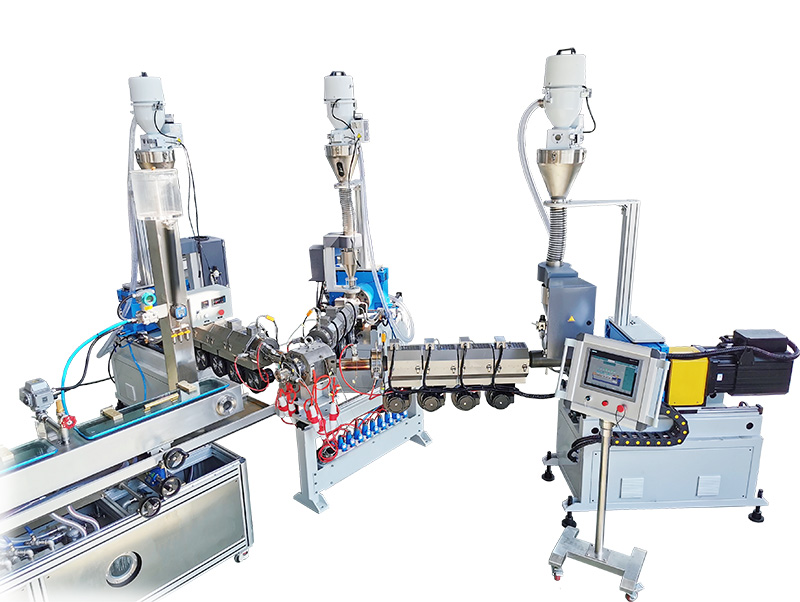
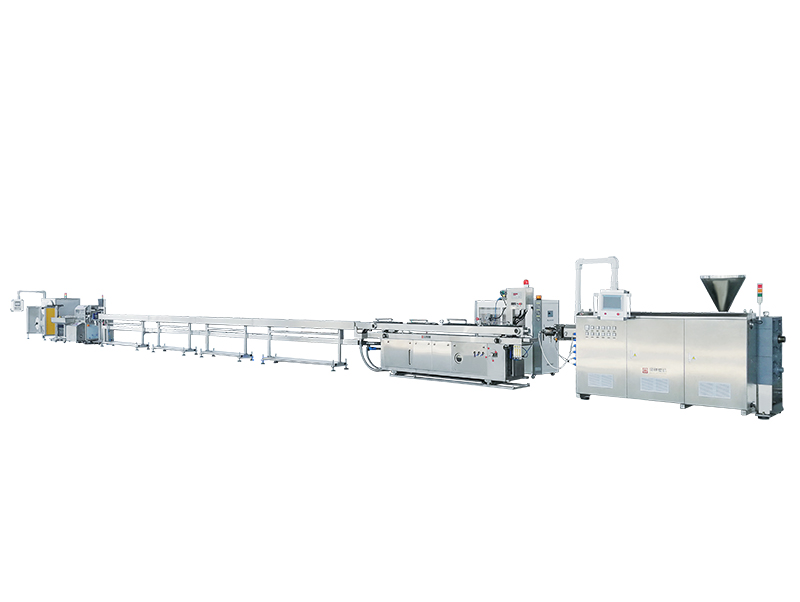
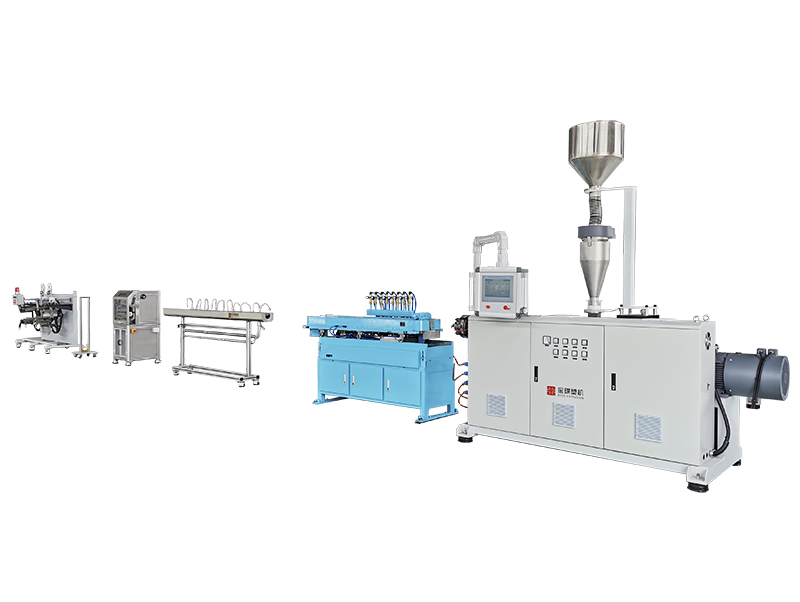
Explore our high-performance precision manufacturing machinery engineered for customized industrial applications
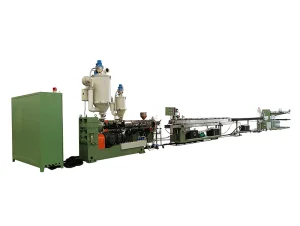
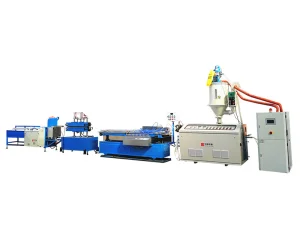
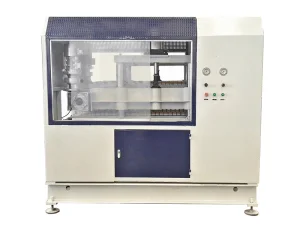
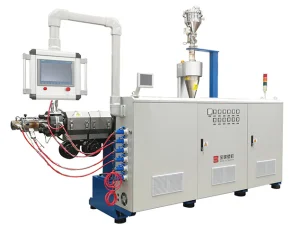
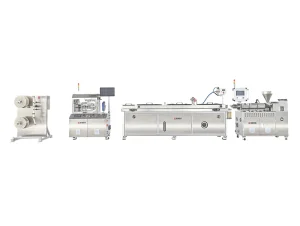
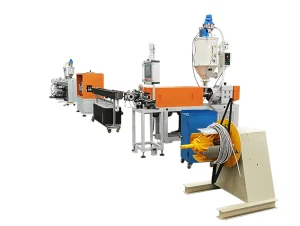
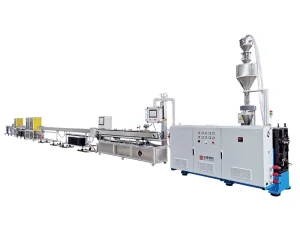
BAOD EXTRUSION (Jiangsu Baodie Automation Equipment Co., Ltd.), established in 2002, specializes in the design, engineering, and manufacturing of high-performance plastic extrusion equipment. Our technical foundation stems from 18 years of advanced extrusion system designing and fabrication in Taiwan under our original parent company, KINGSWEL GROUP, before building our modern mainland China manufacturing hub in Shanghai in 1999.
With a comprehensive focus on TPV, PVC, and Santoprene extrusion applications, we deliver complete automated solutions engineered to meet the strict structural and dimensional tolerances required by global automotive, medical, and fluid transport systems.
Years Experience
Production Facility
Skilled Professionals
An in-depth look at the material science, mechanical challenges, and systemic processing requirements of Thermoplastic Vulcanizates (TPVs).
Santoprene TPV consists of fully vulcanized EPDM rubber particles dispersed in a continuous polypropylene (PP) matrix. This distinct morphology requires precision extrusion screws designed to balance high shear energy with accurate melt temperature management to prevent degradation of the polyolefin matrix.
Proper extrusion of TPV profiles requires computational fluid dynamics (CFD) modeling of the die cavity. Controlling die swell (recovery of elastic deformation) is critical for Santoprene, as EPDM phase content introduces complex elastic memory compared to standard thermoplastics.
Stable heating and cooling zone configurations across the barrel prevent polymer cross-linking variations. BAOD lines utilize specialized multi-zone heating barrels and air-cooled cooling fans coupled with PID controllers to guarantee process consistency.
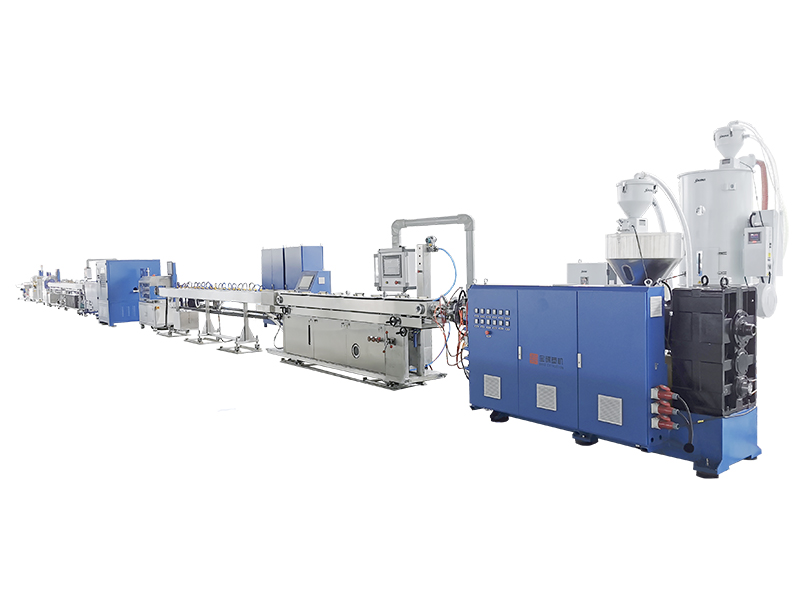
The Yangtze River Delta region (Jiangsu-Shanghai-Zhejiang) forms the global center of precision industrial machining. BAOD leverages this concentration of resources to design and build durable, cost-effective machinery.
By integrating high-performance Chinese steel fabrication, European electrical safety standards, and proprietary Taiwan design frameworks, BAOD offers cost-competitive capital systems with short lead times.
Our localized post-sale commissioning and online telemetry systems allow us to offer remote diagnosis, engineering changes, and spare parts supply to North American, European, and Southeast Asian manufacturers.
Ensuring cross-border machinery installations comply with international quality protocols, environmental guidelines, and safety standards.
For automotive sealing profiles and under-hood fluid lines, our extrusion systems support localized traceability. PLC controllers capture and log critical process parameters (extrusion pressure, line speed, melt temperature) to support IATF automotive quality audits.
In medical extrusion configurations (such as Santoprene pharmaceutical peristaltic pumps and surgical tubes), BAOD design frameworks include stainless-steel cooling tables and oil-free vacuum chambers to avoid contamination.
Our control panels utilize Siemens, Schneider, and ABB components. Electrics are wired to meet local regulations, simplifying installation in European (CE) and North American (UL/CSA) facilities.
The extrusion industry is transitioning away from traditional thermoset rubbers (like EPDM) toward fully recyclable thermoplastic elastomers (TPE/TPV). This shift is driven by automotive lightweighting requirements and sustainability mandates.
Multi-Material Co-Extrusion: Modern designs often require co-extruding hard TPV structural bases with soft Santoprene sealing lips and metal carrier inserts. BAOD provides complex cross-head dies that balance heat distribution across multiple material channels.
Energy Efficiency and Scrap Reduction: By incorporating closed-loop gravimetric dosing systems and electromagnetic induction heating barrels, our extrusion systems reduce start-up waste and lower power consumption compared to conventional heating bands.

How Santoprene (TPV) profiles and tubes function across demanding international industrial and medical markets.
Santoprene TPV is widely used for weatherstrips, glass run channels, and engine bay seals. Its high UV resistance, low compression set, and long service life make it a reliable replacement for EPDM rubber profiles.
In medical and chemical processing, Santoprene's high flex-fatigue resistance is well-suited for peristaltic pump applications. Extrusion lines must maintain precise inner and outer diameter tolerances to ensure uniform fluid displacement.
Used in high-rise window glazing and expansions joints, Santoprene profiles resist environmental weathering, ozone exposure, and temperature extremes. Precise extrusion ensures a reliable fit within structural aluminum profiles.
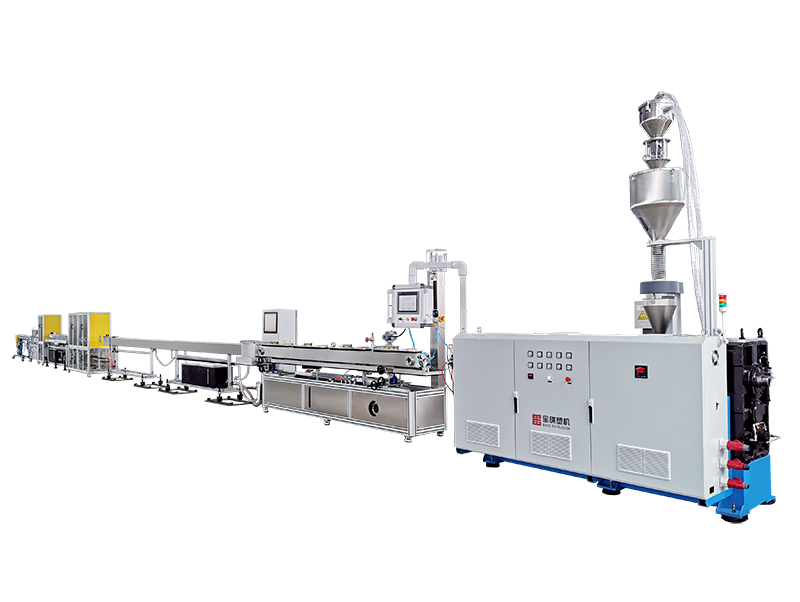
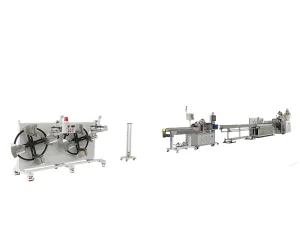
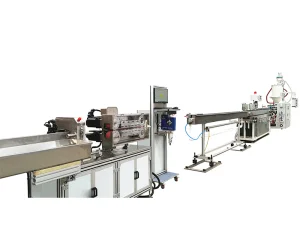
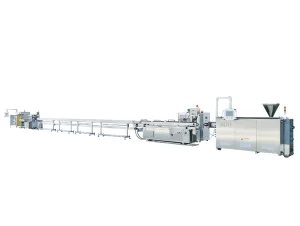
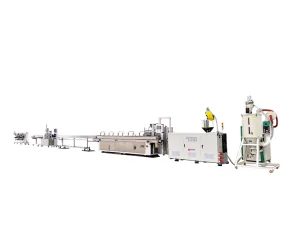
High-efficiency plastic extrusion lines designed and engineered for demanding production requirements
Technical guidance and processing recommendations from BAOD’s engineering team.
Although TPV is a thermoplastic elastomer, the EPDM rubber particles and hydrophilic additives can absorb ambient moisture. Extruding wet Santoprene causes surface defects, internal voids, and processing instability. We recommend desiccant drying at 80°C for 2-3 hours to reduce moisture content below 0.08% before feed-in.
Processing Santoprene requires a barrier screw design with a compression ratio between 2.5:1 and 3.0:1. The feed section must be deep enough to handle volumetric feeding without causing bridging, while the transition section must provide controlled shear to fully melt the PP matrix without overheating the vulcanized EPDM rubber phases.
Die swell is managed by optimizing land length (typically 10 to 15 times the profile wall thickness) and maintaining stable melt pressures. Proper draw-down ratios during puller adjustment help align the polymer chains without creating excessive internal stress that could cause warping during cooling.
Yes. Santoprene adheres well to polyolefin-based resins (like PP and PE). For co-extruding with metal inserts (common in automotive weatherstripping), the metal strip is pre-heated and passed through a specialized cross-head die where the molten TPV wraps around the metal substrate.
We utilize a multi-chamber vacuum calibration tank with water-spray ring cooling. Because Santoprene has a lower thermal conductivity than homopolymers, precise vacuum calibration followed by gradual temperature reduction prevents deformation and collapse of the inner bore.
Read about our technical milestones, trade show showcases, and engineering breakthroughs in automated extrusion systems.
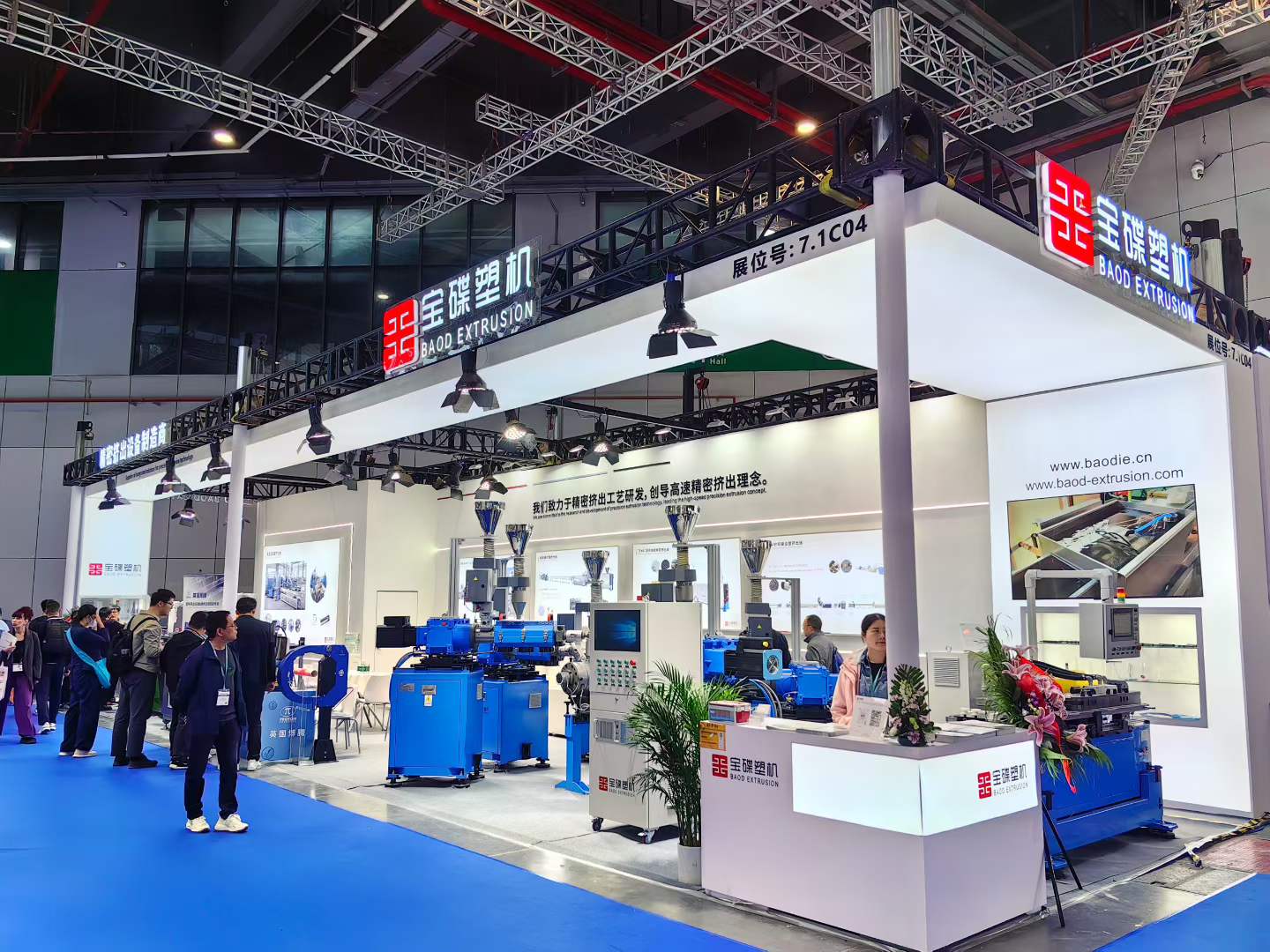
BAOD EXTRUSION presented its latest smart extrusion systems, focusing on automated co-extrusion control, energy reduction, and cleanroom design principles for medical manufacturers.
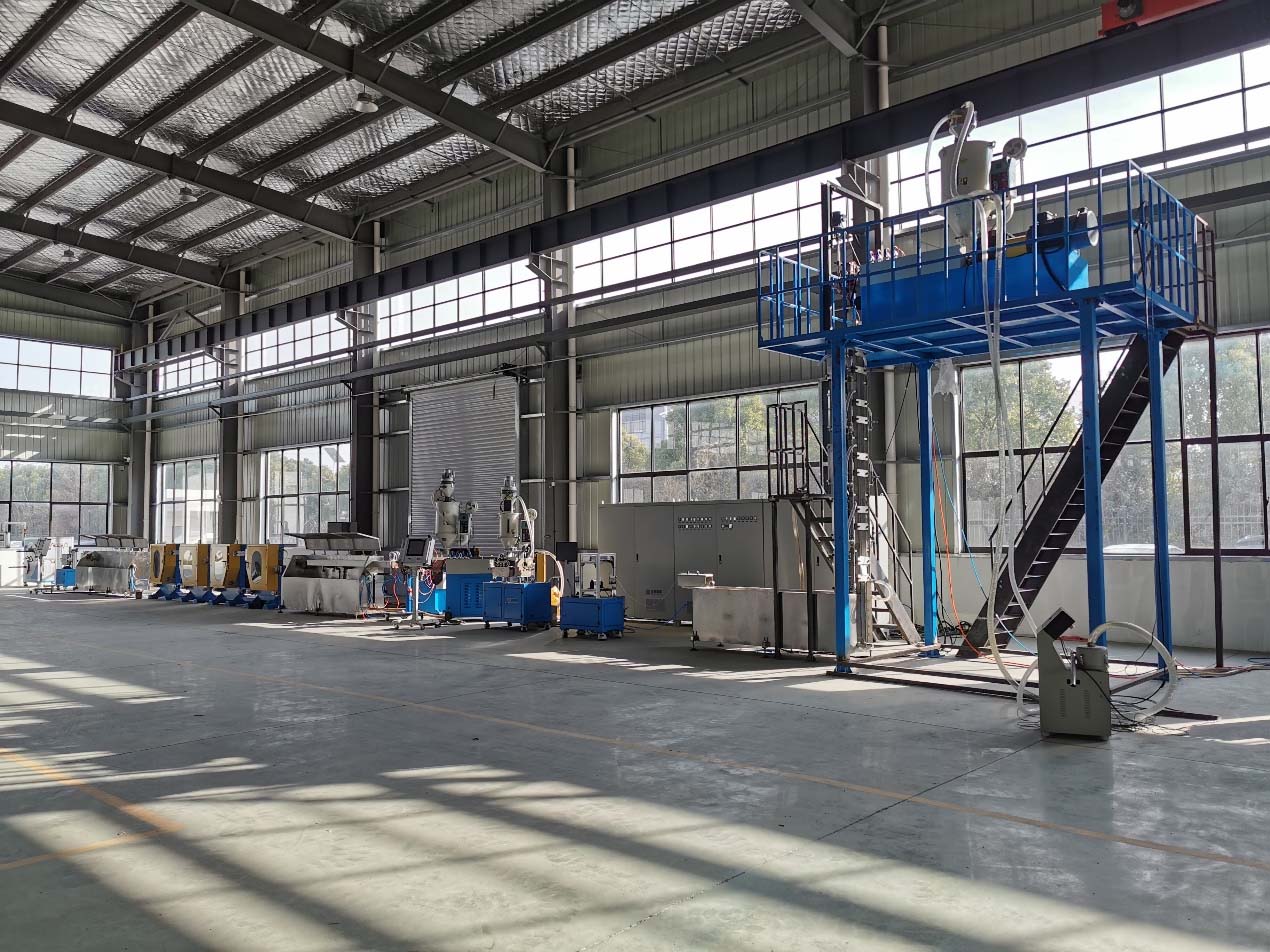
An analysis of our shock-resistant capillary extrusion technology, developed for civil infrastructure demolition and mining applications requiring high safety tolerances.
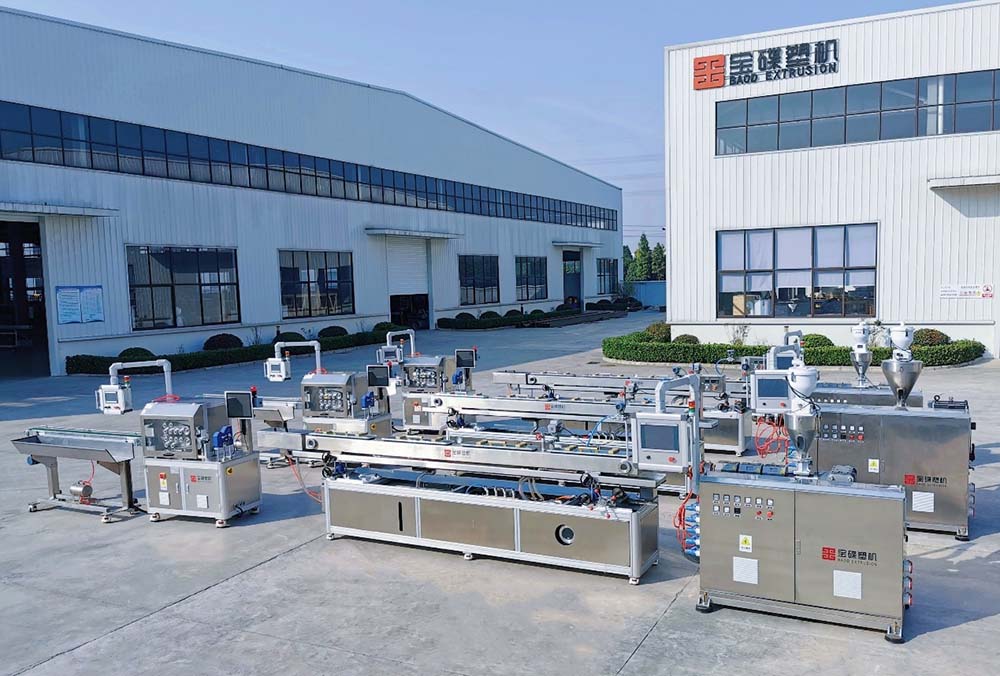
Comparing die tooling, vacuum sizing systems, and cost efficiencies between domestic Chinese builds and traditional European manufacturers.
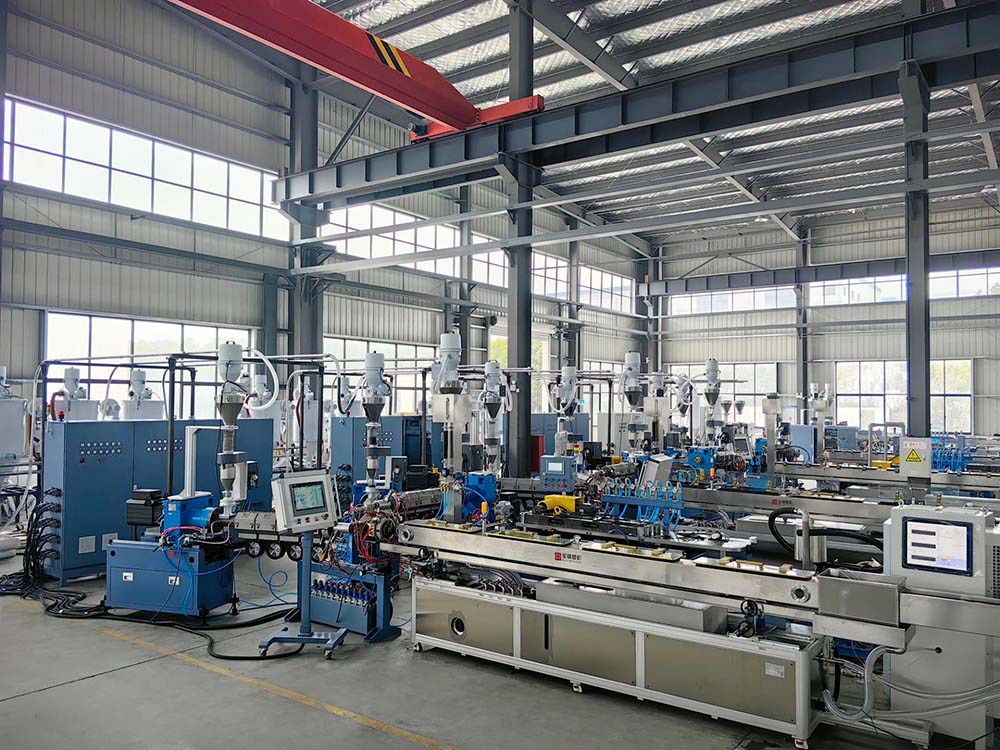
Exploring how our systems implement IATF 16949-aligned sensor monitoring and digital parameter logging for process validation.
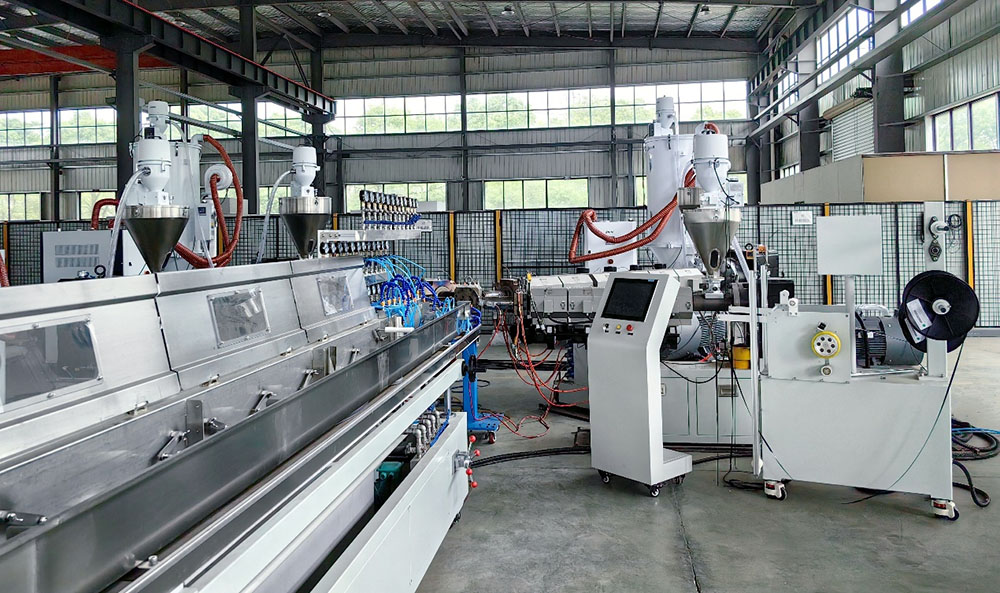
A look at the growing demand for EV weatherstripping, lightweight profiles, and the integration of online robotic cutting stations.
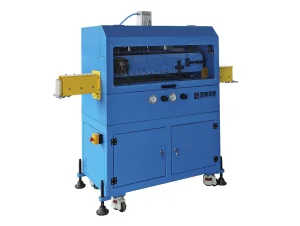
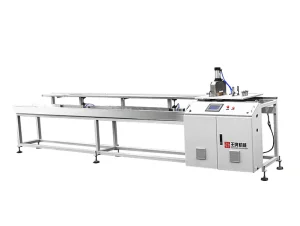
Explore auxiliary systems, specialized extruders, and profile-forming lines designed for complex industrial profiles.
 Baodie