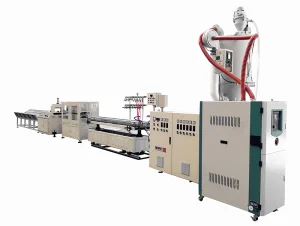
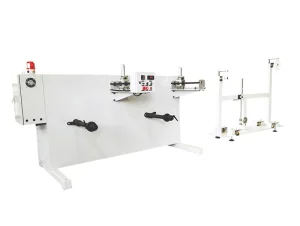
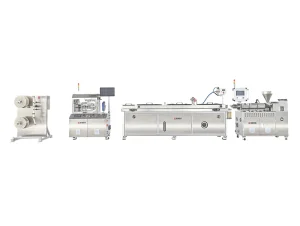
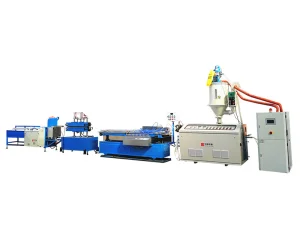
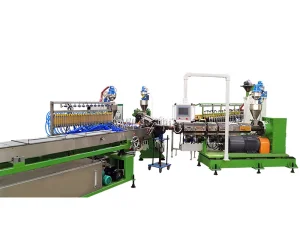
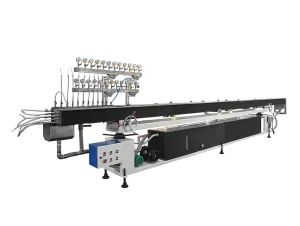
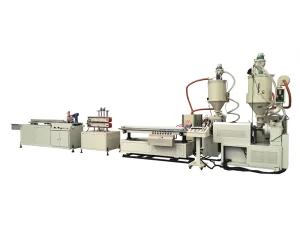
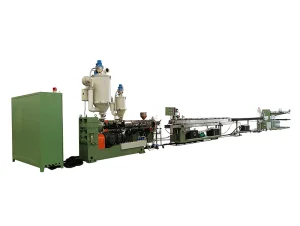
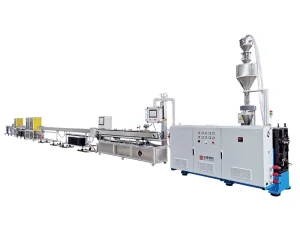
The global demand for high-performance PVC profile extrusion machines has grown exponentially, driven by breakthroughs in compound engineering, infrastructure updates, and a strict emphasis on structural energy efficiency. Globally, industrial operators require profiles that display elevated mechanical integrity, excellent thermal insulation, and exceptional resistance to UV exposure and chemical corrosion. In sectors such as green construction, precision medical fluid transport, and automotive sealing, PVC profiles serve as critical components where mechanical failure is not an option.
The manufacturing paradigms have evolved from legacy, low-speed systems to high-speed, multi-layer co-extrusion technology. Today's global market demands machinery capable of processing intricate geometrical profiles, such as co-extruded structures combining rigid PVC core matrices with soft PVC or TPV micro-layers. This provides a balance of rigidity and flexural compliance while minimizing raw material expenses. European and North American buyers are increasingly targeting customized configurations that support automated downstream cutting, inline quality inspections, and real-time melt pressure stabilization to achieve ultra-tight tolerances in continuous runs.
As environmental regulations become stricter, extrusion lines must be capable of processing recycled post-consumer PVC alongside virgin polymers without losing output rate or geometric consistency. Adapting screw geometries to handle varied bulk densities has become the new benchmark for modern extruder factories. BAOD EXTRUSION addresses these demands by developing bimetallic screw systems with specific L/D ratios, optimizing melt temperature stability even at higher screw RPMs.
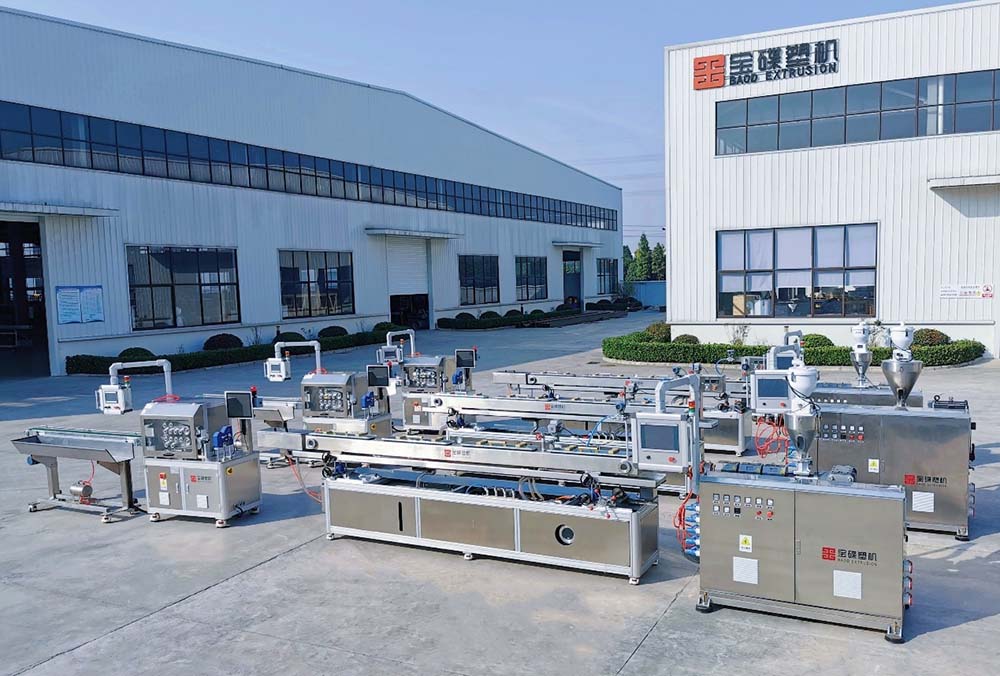
Founded on a long-standing history of mechanical refinement, BAOD EXTRUSION (Jiangsu Baodie Automation Equipment Co., Ltd.) represents the intersection of high-durability design and automated execution. Our manufacturing history dates back to 1999, when the parent company KINGSWEL GROUP established its production base in Shanghai, drawing on over 18 years of high-quality Taiwanese engineering experience. By 2002, the company set up its dedicated automation base in Jiangsu, continuing its long-term focus on researching and developing premium plastics extrusion machinery.
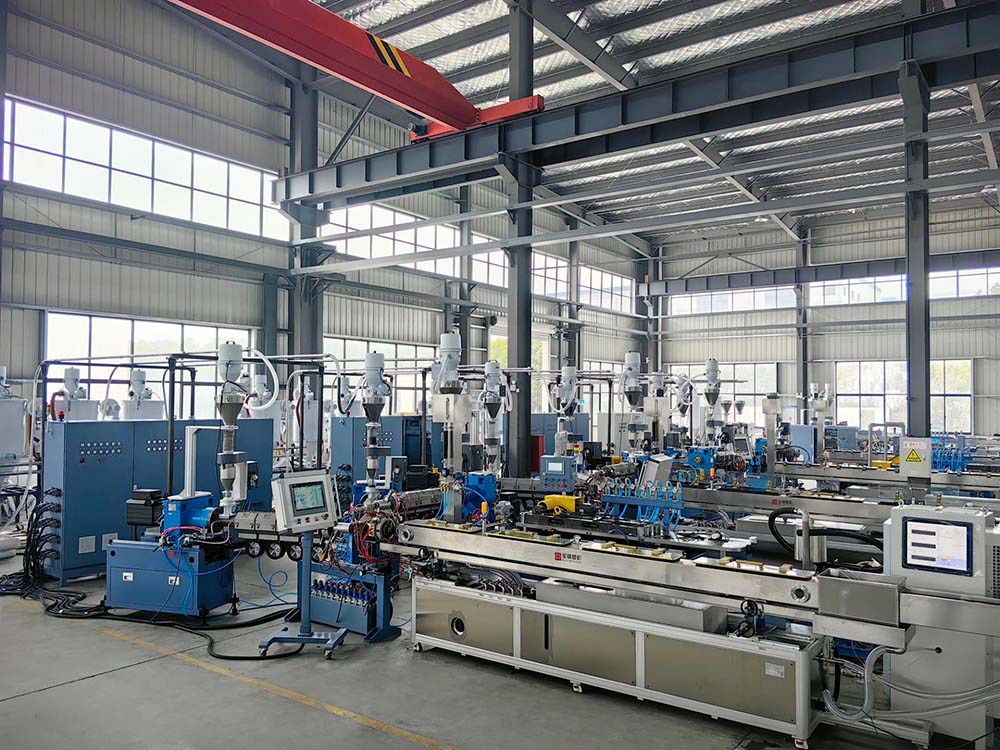
Our engineering vision centers around four core areas: precision extrusion technology, high-efficiency system configurations, process automation, and fail-safe machine protection mechanisms. BAOD’s 16,000 square meter facility in Jiangsu utilizes CNC processing centers, specialized screw milling machines, and rigorous final testing bays to ensure that every machine conforms to international safety and performance criteria before delivery.
China's prominence in the global plastic extrusion machinery market is built on robust supply chain ecosystems, vertical manufacturing integration, and rapid technology adoption. Unlike single-line assembly shops, top Chinese factories like BAOD benefit from a dense network of local raw material suppliers, thermal treatment specialists, and precision control system engineers. This concentration allows us to reduce delivery times while offering customized machine modifications that typically require months of development elsewhere.
This efficiency is reflected in key design areas:
By integrating international control components (such as Siemens PLC micro-controllers, ABB frequency inverters, and Omron temperature control modules) with high-efficiency domestic mechanical frames, Chinese factories deliver robust machinery with a highly competitive price-to-performance ratio. This hybrid design approach provides reliable local support and global parts availability at a lower initial investment.
Advanced CAD/CAM modeling combined with on-site casting and machining allows BAOD to customize screw profiles and profile extrusion dies to match specific polymer blends. This fast design cycle reduces the time required from initial customer drawing to final Factory Acceptance Test (FAT).
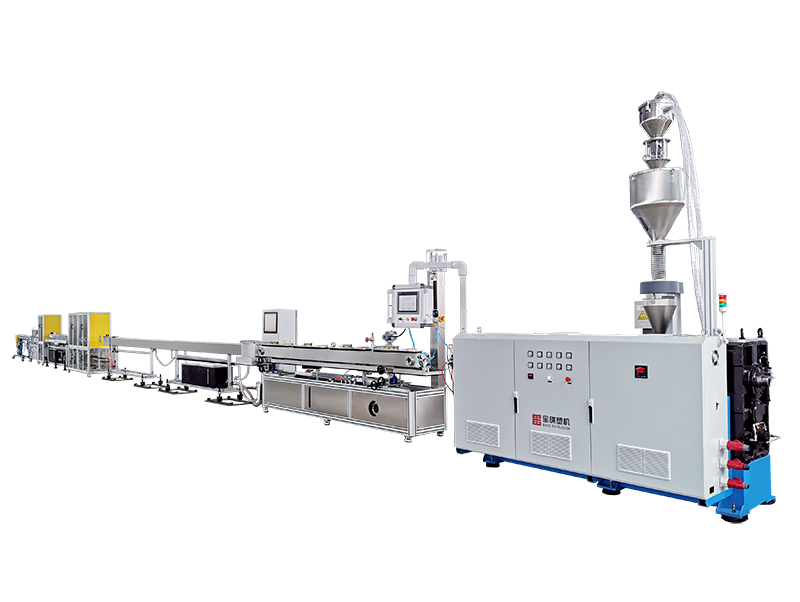
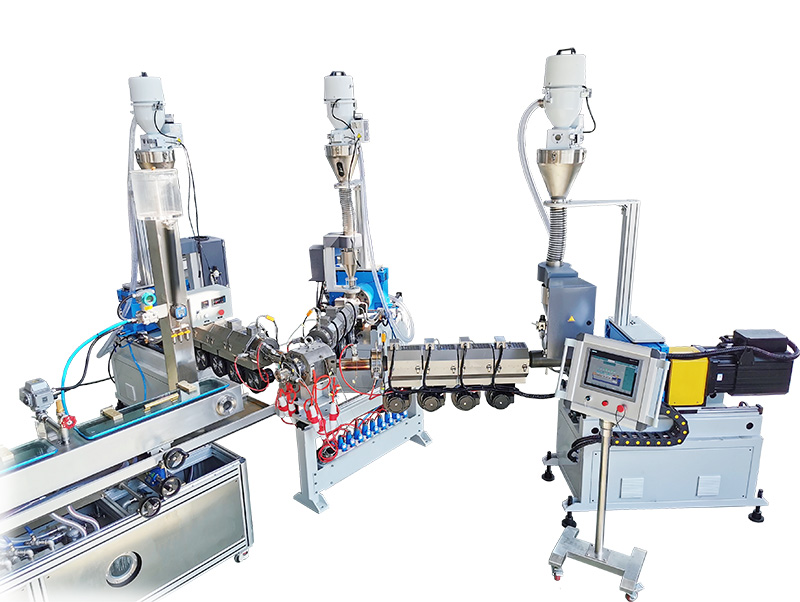
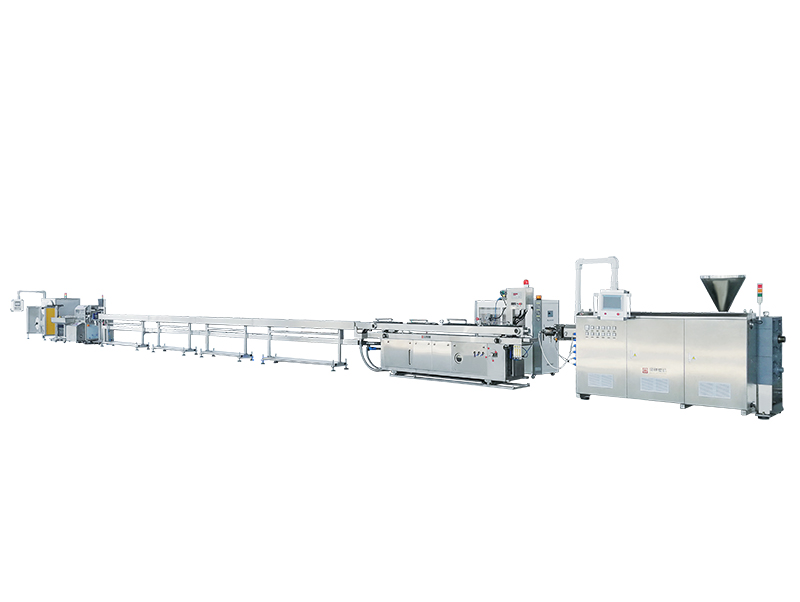
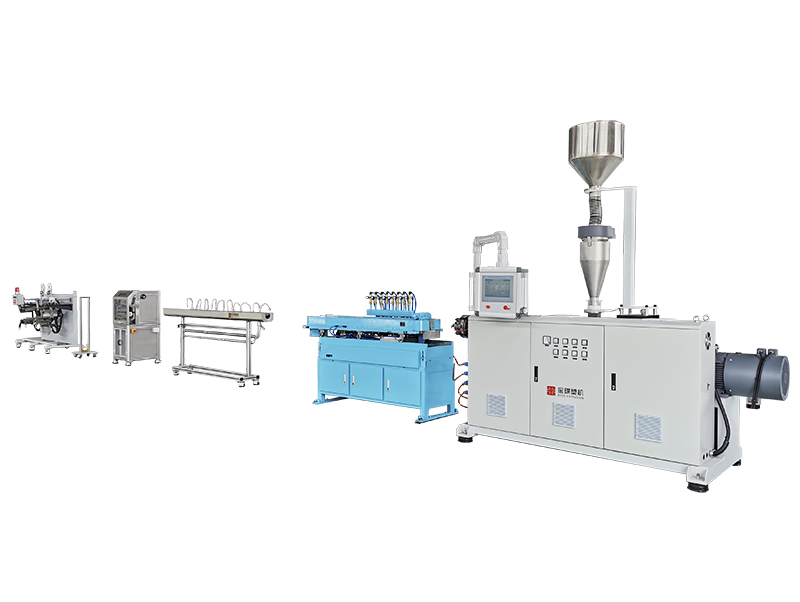
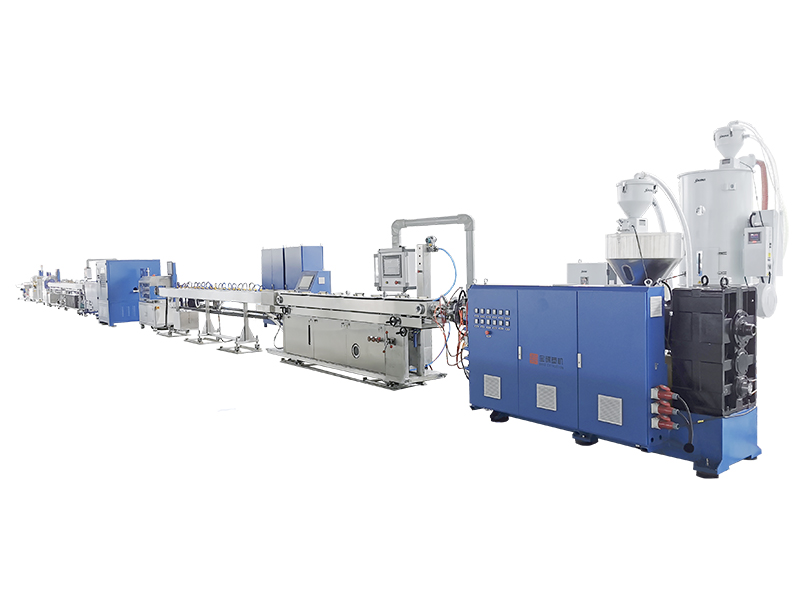
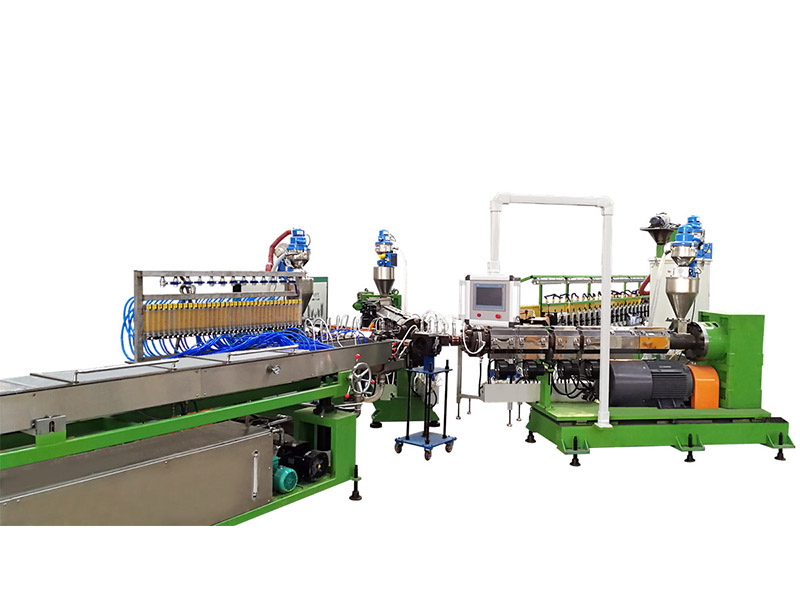
The operating environment of a PVC profile extruder heavily dictates its design parameters. Different regions and industries impose distinct operational requirements on extruder systems:
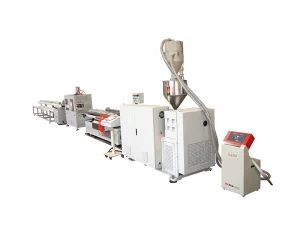
In automotive manufacturing, sealing profiles must integrate multiple materials to provide sound insulation, weather protection, and structural support. This typically requires co-extruding a rigid PVC or PP carrier with a soft TPV or EPDM sealing lip. The extrusion line must operate at high precision to maintain profile geometry, ensuring seamless fit within the vehicle body.
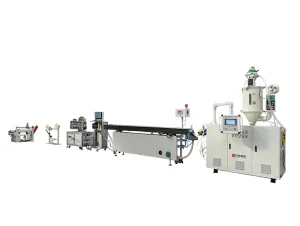
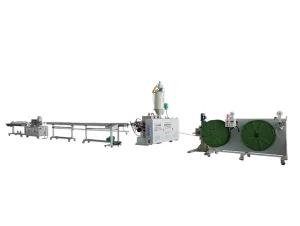
Medical-grade PVC tubes require cleanroom-compatible setups. Production lines like the High Speed PVC Medical Tube Extrusion Line must prevent any potential oil or dust contamination. They utilize stainless steel water baths, precise air pressure control for internal tube sizing, and specialized puller units to prevent deforming the soft medical tubing.
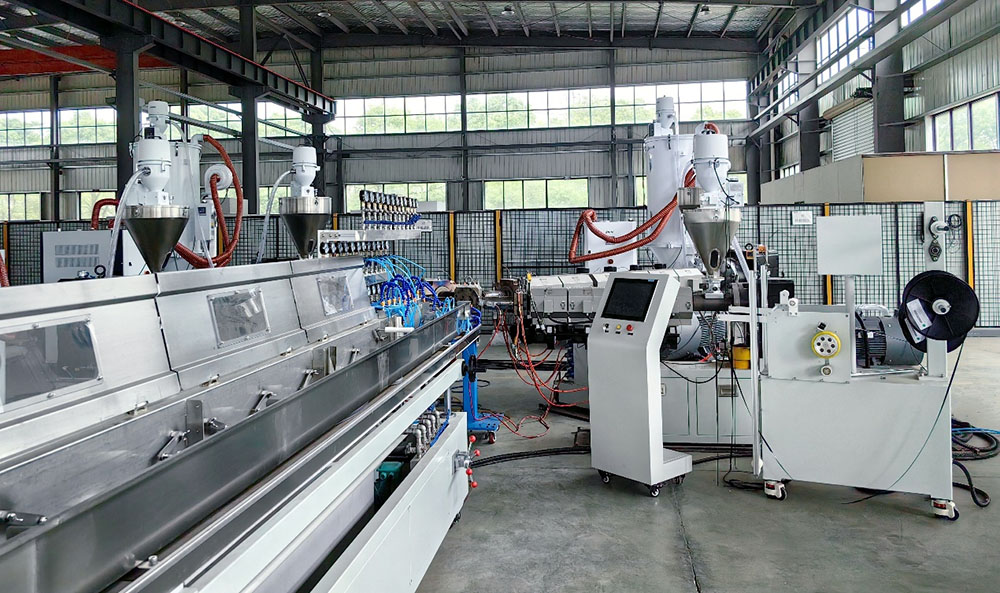
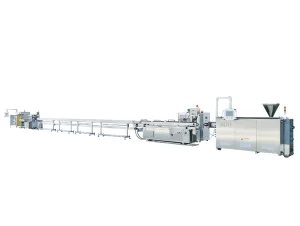
For telecommunications and civil infrastructure projects, PVC micro-ducts require high abrasion resistance and low friction internal surfaces. These systems must operate continuously at high output rates, utilizing large cooling troughs and heavy-duty caterpillars to haul off the rigid profiles without warping.
Architectural profiles, such as window frame components, are exposed to varying climates. Modern lines integrate ASA or PMMA cap-stock co-extrusion to add a protective, UV-resistant outer layer over the structural PVC base, ensuring long-term color and material integrity in outdoor installations.
The plastic extrusion machinery sector is transitioning towards digital integration and adaptive control systems. As raw material prices and energy costs fluctuate, machinery must utilize real-time processing feedback to minimize waste and optimize energy use. Key developments shaping the industry include:
Advanced gravimetric feeding systems continuously measure polymer throughput and adjust screw speeds to maintain consistent wall thickness and unit weight. This real-time control compensates for variations in material density or viscosity, keeping the process within set parameters.
Traditional ceramic band heaters are increasingly being replaced by electromagnetic induction heating systems. These systems heat the barrel directly, reducing heat loss, decreasing warm-up times, and lowering overall electricity consumption by up to 30%.
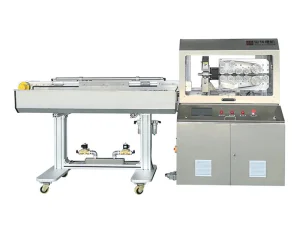
Furthermore, modern downstream equipment now features closed-loop digital links. When an inline laser gauge detects a minor variance in profile outer dimensions, it automatically adjusts the puller speed or calibration vacuum level to restore compliance, reducing scrap rates during long production runs.
Procuring an industrial-grade PVC profile extrusion line involves assessing several operational factors beyond the initial machinery cost. To secure reliable, long-term performance, procurement teams should evaluate the following key parameters:
Operational safety is critical in high-pressure extrusion setups. BAOD integrates safety interlocks, over-pressure sensors, and emergency stop features across all machinery lines. Our systems are built to meet rigorous industrial standards, ensuring safe operation under continuous production demands.
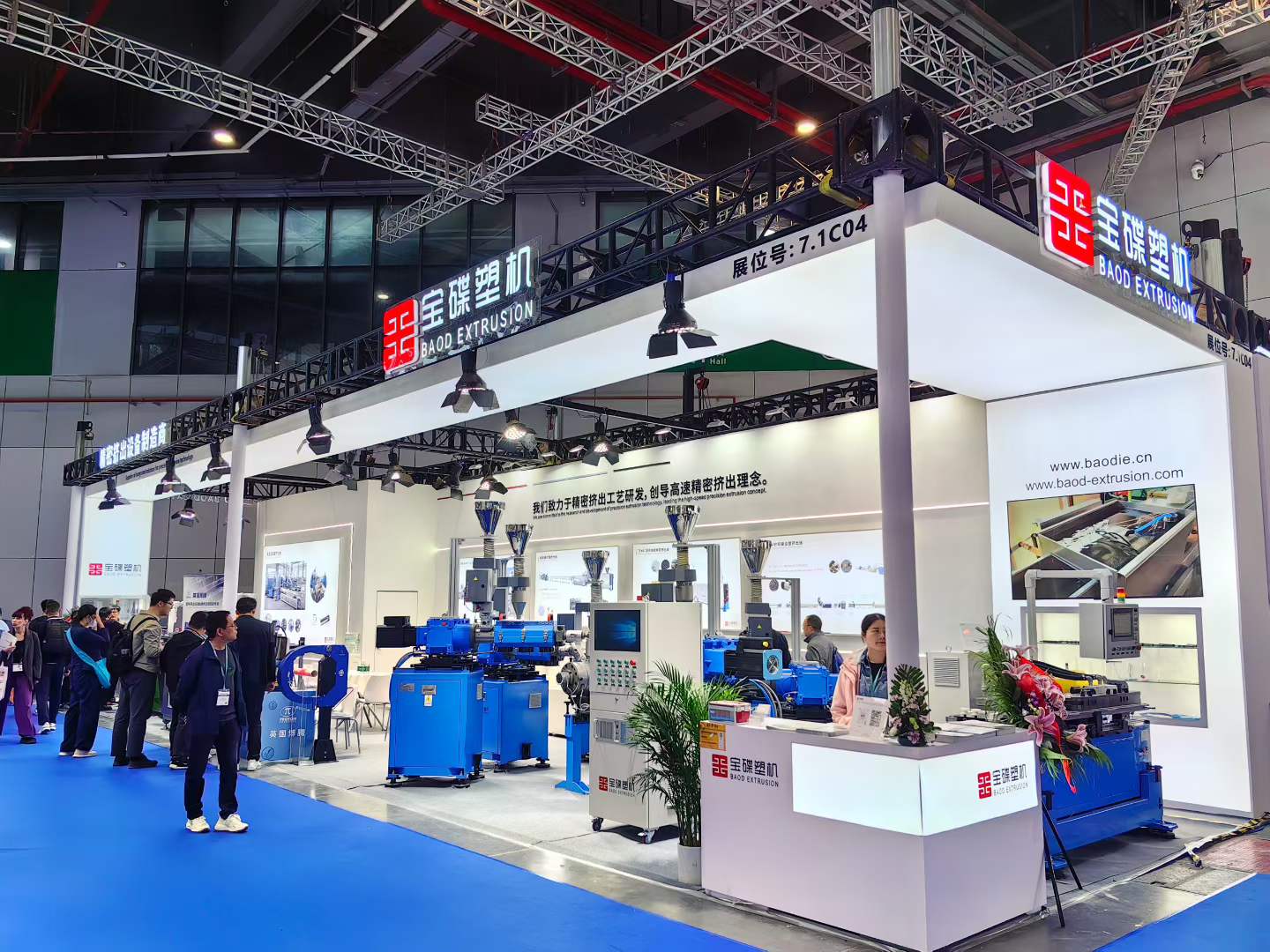
BAOD EXTRUSION presented its latest R&D achievements at Booth 7.1C04, showcasing "Smart Extrusion · High-Efficiency Innovation" designed to optimize energy efficiency and precision.
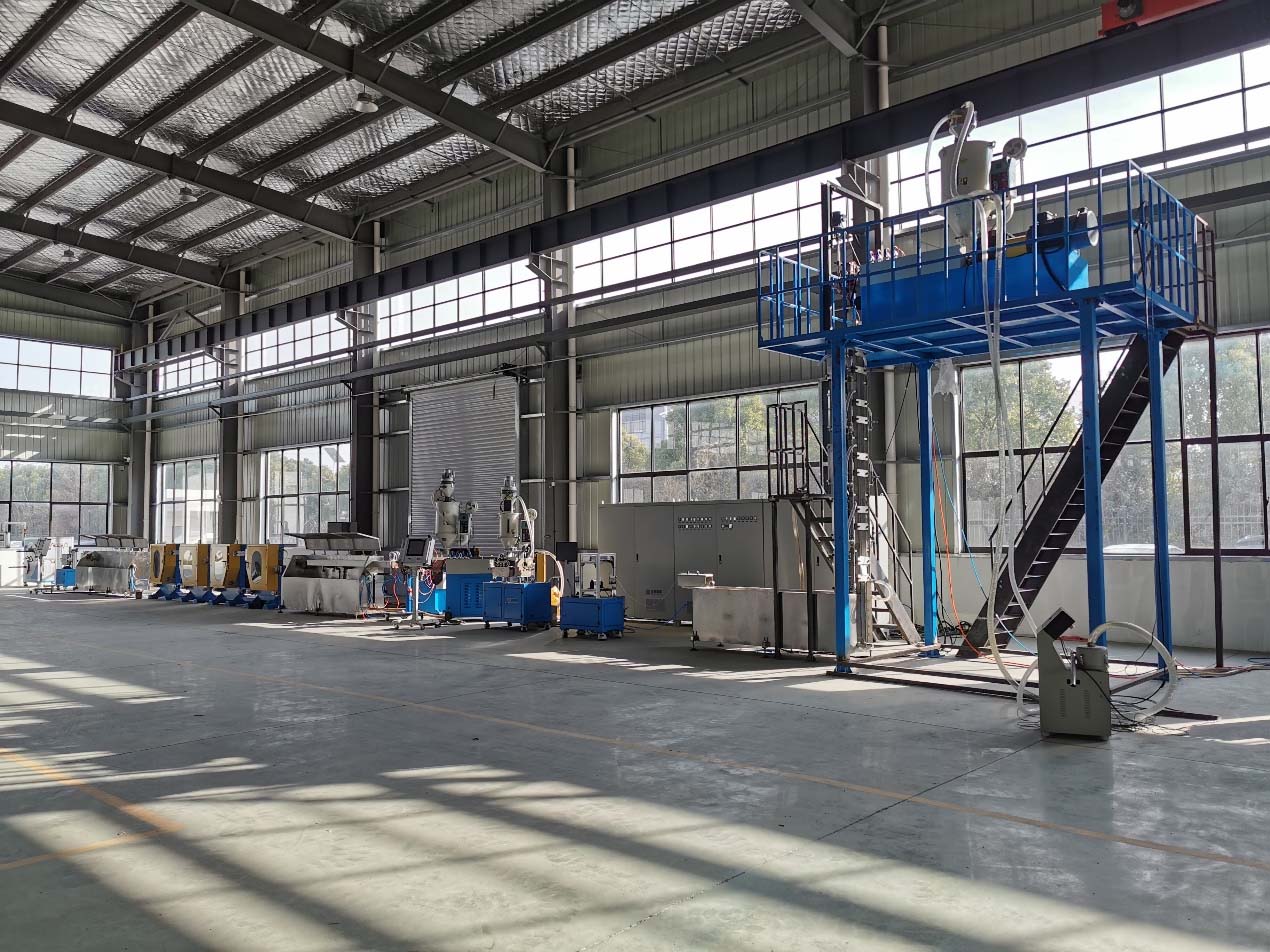
Our micro-extrusion systems deliver critical components with tight tolerance control, serving infrastructure demolition, mining, and quarrying operations globally.
An in-depth look at how BAOD achieves cleanroom-compliant, multi-bore catheter extrusion lines that meet strict global medical manufacturing standards.
Learn about our rigorous quality control processes for manufacturing automotive fuel lines, brake lines, and coolant hoses to global standards.
Reviewing key design trends for 2026, including co-extrusion configurations for multi-material sealing strips in new energy vehicles.
 Baodie