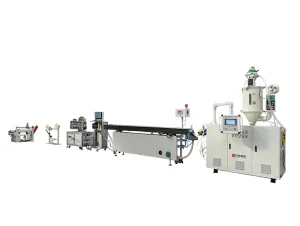
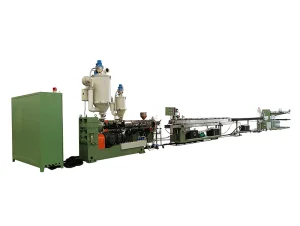
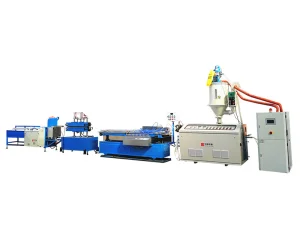
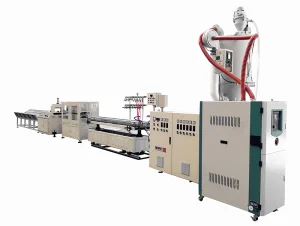
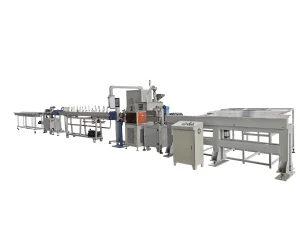
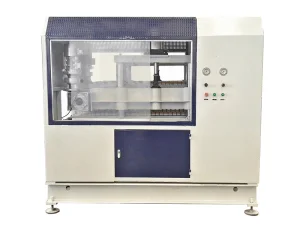
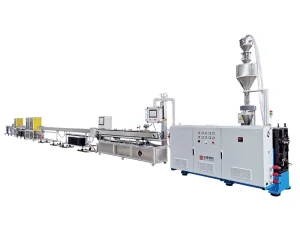
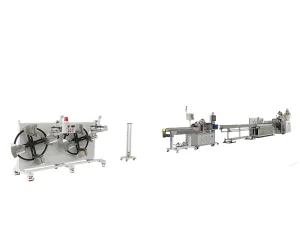
In modern manufacturing, profile plastic extrusions have transitioned from simple geometric shapes into highly engineered, multi-material composite systems. As global industries demand tighter tolerances, lower structural weight, and integrated smart functionalities, the machinery responsible for executing these profiles has undergone a major technological paradigm shift. Custom profile plastic extrusions are critical components in automotive sealing, medical diagnostics, aerospace ducting, clean energy delivery, and high-performance building infrastructure.
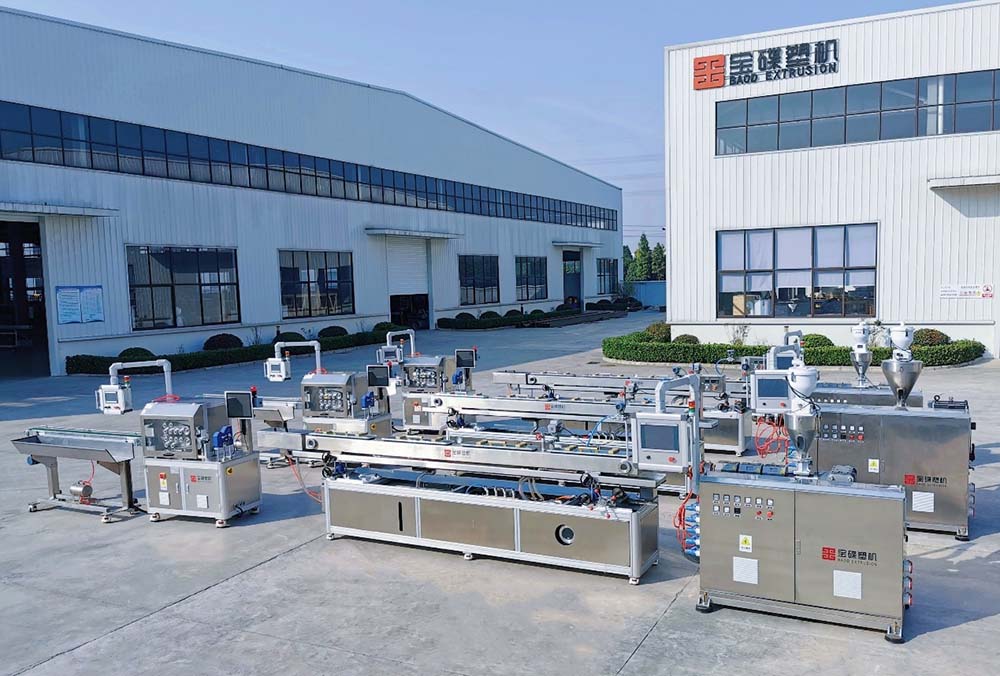
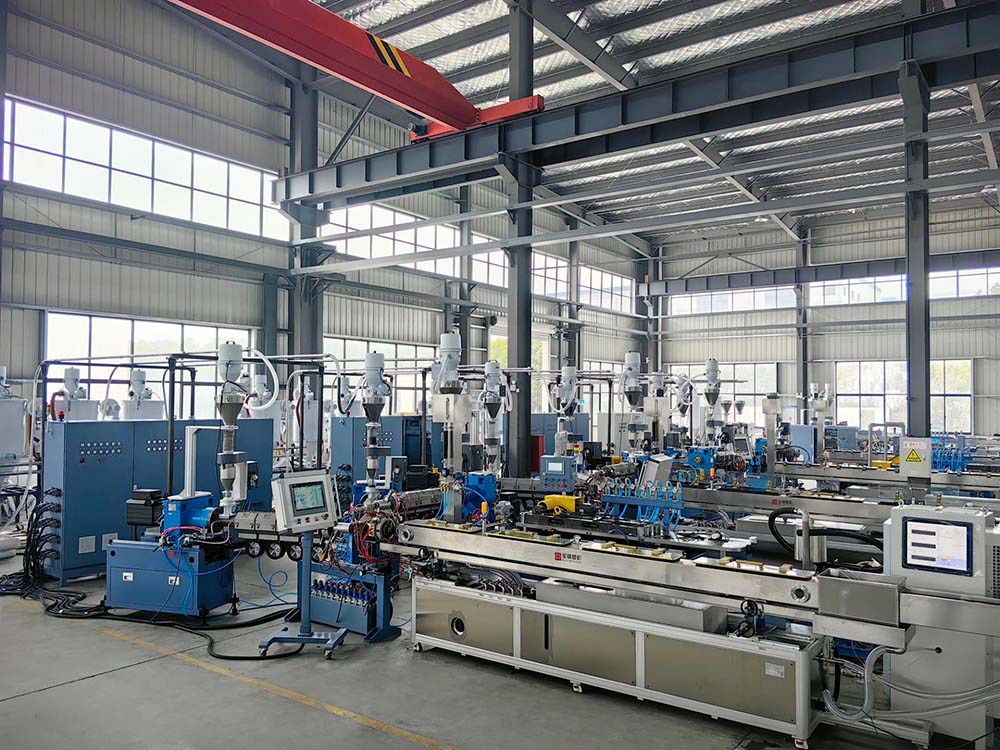
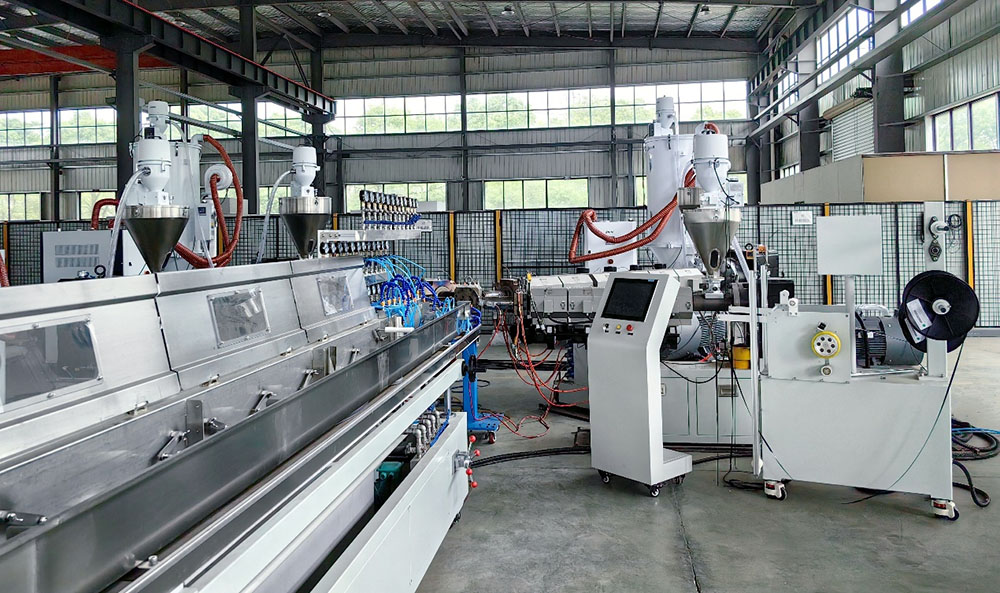
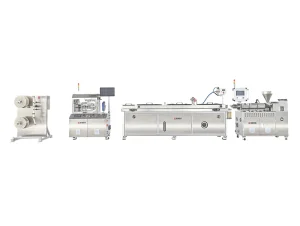
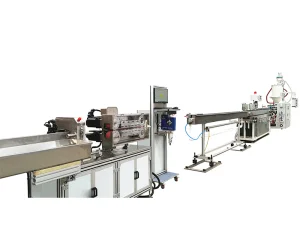
To meet these demanding parameters, extrusion line manufacturers must integrate advanced melt rheology controls, high-speed automated calibration systems, and robust mechanical engineering. At BAOD EXTRUSION (Jiangsu Baodie Automation Equipment Co., Ltd.), we specialize in designing custom co-extrusion machinery, precision small-diameter medical tube lines, and automated auxiliary systems. Our focus remains on optimizing melt stability, reducing dimensional variances, and offering global OEMs the production reliability required for consistent high-volume output.
Information Gain Insight: The stability of an extrusion profile is determined in the calibration stage. While traditional systems rely on manual water-bath adjustments, modern manufacturing requires automated micro-vacuum calibration. By precisely managing pressure gradients and temperature curves, manufacturers can produce complex profiles with dimensional tolerances within ±0.03mm.
Procurement directors and systems engineers across Europe, North America, and Southeast Asia are shifting away from low-cost, unintegrated machinery. Today's procurement strategies prioritize total cost of ownership (TCO), long-term operational stability, and adherence to international safety standards. The core parameters dictating modern system choices include:
Founded in 2002, BAOD EXTRUSION is dedicated to the design, manufacturing, and sales of high-performance plastic extrusion equipment. Building upon 18 years of high-quality machine design and fabrication in Taiwan, our parent company (KINGSWEL GROUP) established our main Shanghai manufacturing base in 1999. Today, we stand as a premier manufacturer of precision engineering systems in Jiangsu, China.
Our long-term R&D efforts focus on high-efficiency output, close-tolerance precision profile technology, process automation, and robust safety protection systems.
Learn More About BAOD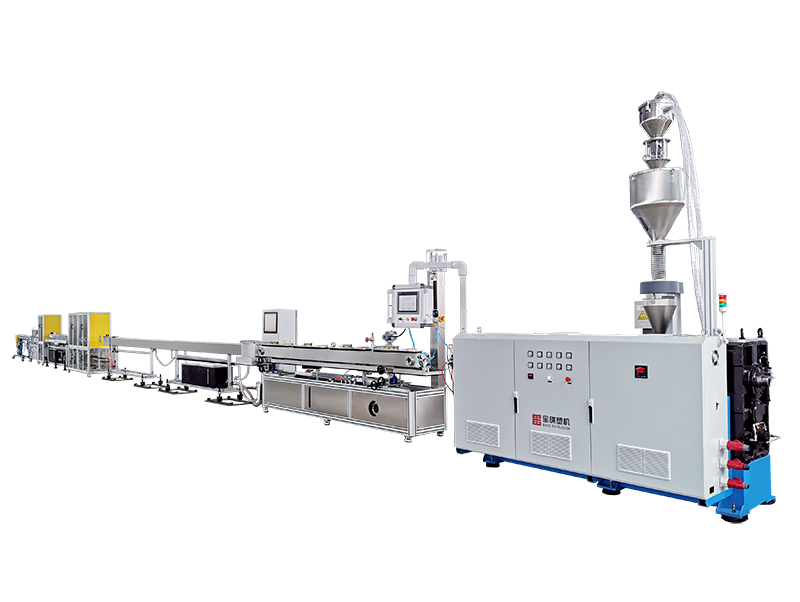
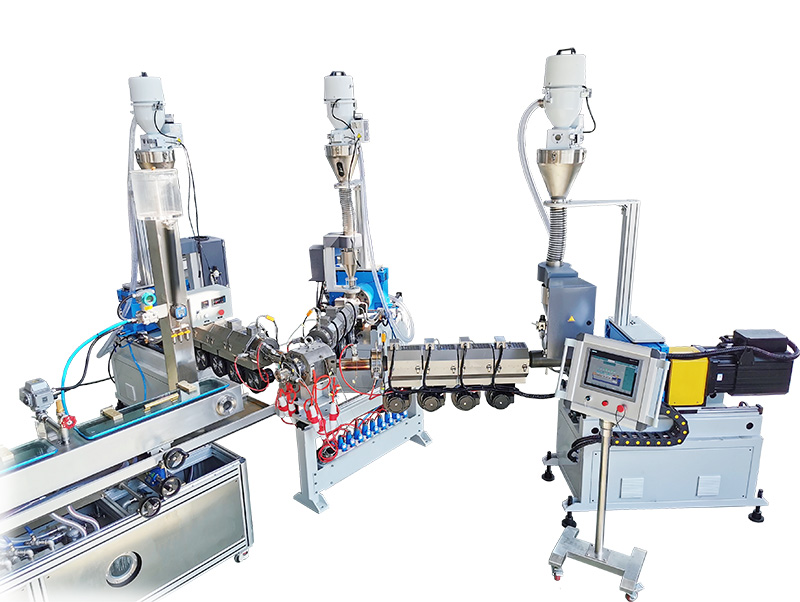
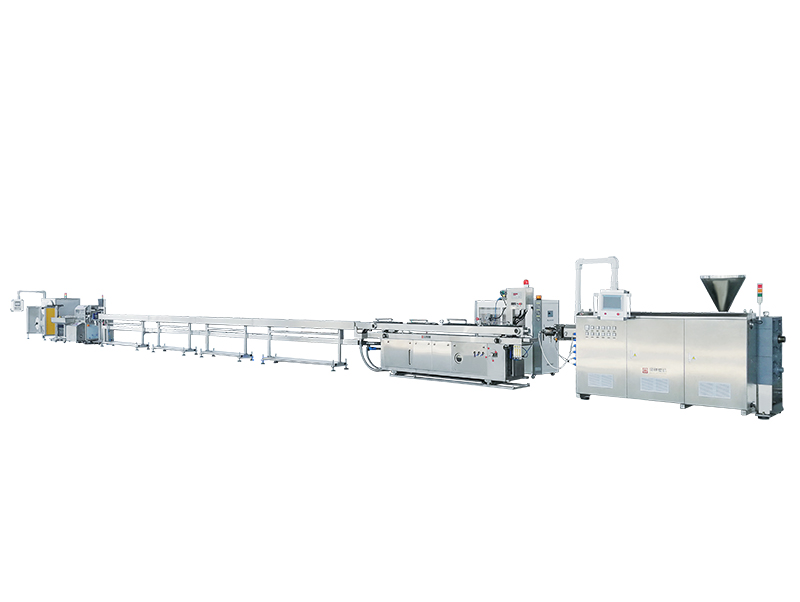
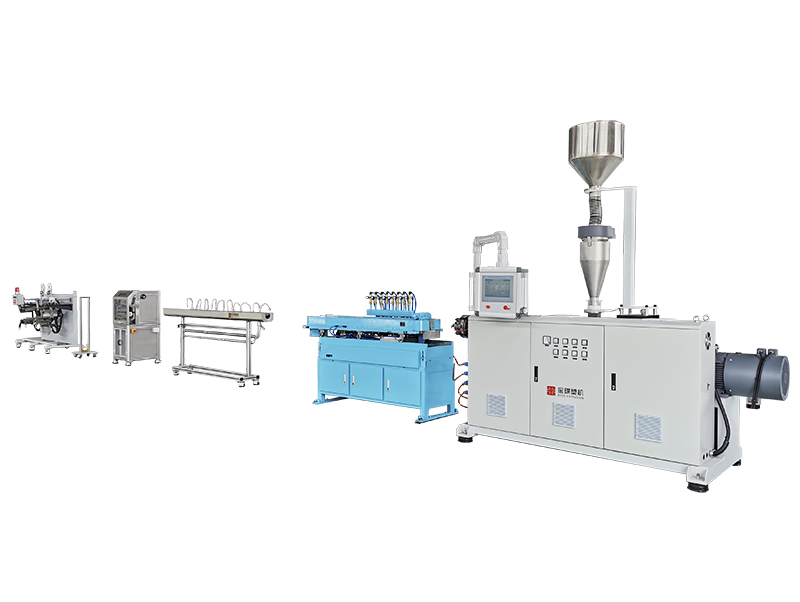
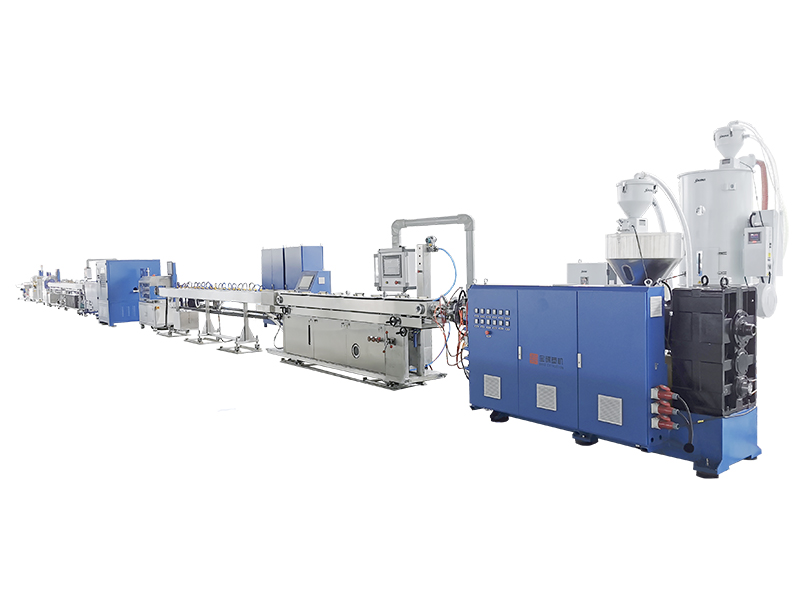
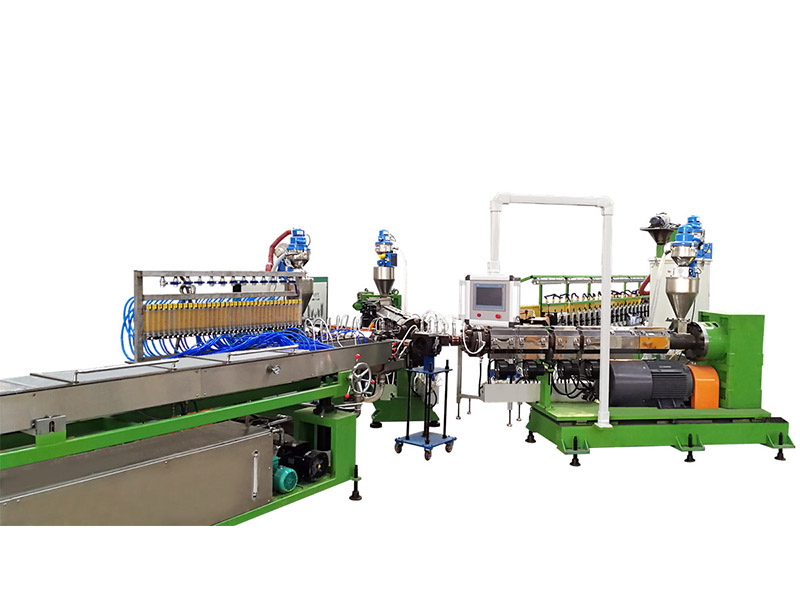
Manufacturing high-performance profiles requires precise control over polymer rheology during the melt phase. Amorphous and semi-crystalline polymers behave differently under shear stress, thermal shifts, and backpressure. For example, processing high-temperature Fluorine Plastics (like FEP, ETFE, or PVDF) requires specialized corrosion-resistant barrel alloys and precise temperature controls to prevent material degradation.
To ensure stable output, our custom systems employ specialized screw designs, gear pumps, and closed-loop pressure feedback control loops. The table below highlights how specific engineering adaptations address processing challenges for various polymers:
| Polymer Type | Primary Application | Extrusion Challenge | BAOD Engineering Solution |
|---|---|---|---|
| Fluorine Plastics (FEP/PVDF) | Chemical & Medical Fluid Tubing | Corrosion, high melt temperature, narrow processing window | Hastelloy/Nickel-alloy screws, specialized ceramic heating elements, air-cooled barrels |
| PA / Nylon | Automotive Fuel & Brake Lines | High hygroscopicity, low melt strength | High L/D ratio screws, precise vacuum degassing, high-efficiency vacuum calibration tanks |
| TPV / Elastomers | Automotive Sealing Strips | High elastic recovery, surface finish issues | Co-extrusion crossheads, controlled shear mixing screws, optimized cooling water temperatures |
| HDPE & Silicone | Micro Ducts (Telecommunications) | Frictionless inner-wall requirements | Dual-layer co-extrusion with inline silicone co-injection for smooth inner linings |
The future of plastic extrusion lines lies in digitization and closed-loop process automation. Standard manual systems are being replaced by automated, PLC-controlled lines that actively monitor, analyze, and adjust extrusion parameters in real time.
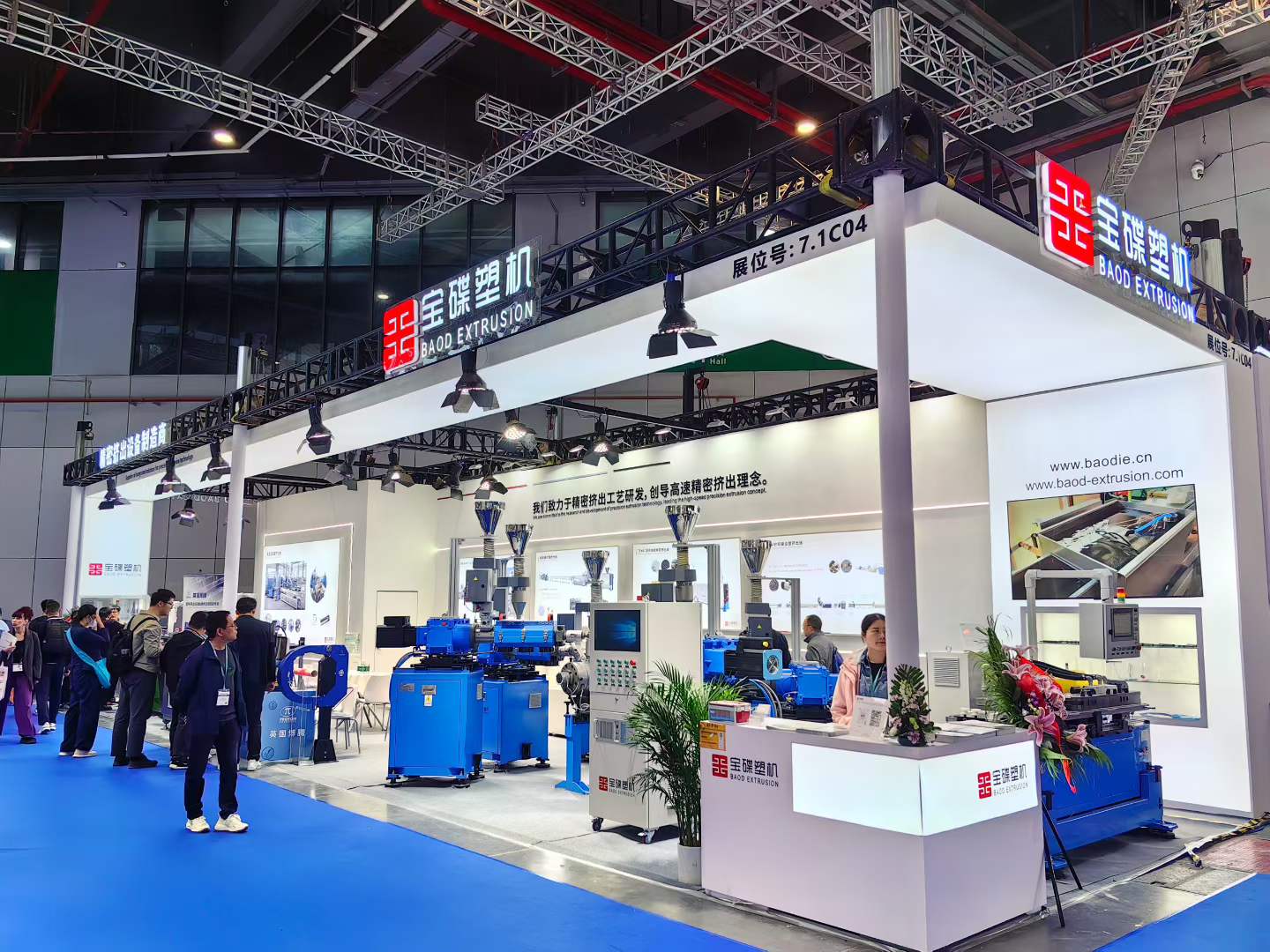
BAOD EXTRUSION showcased its latest R&D achievements at Booth 7.1C04, presenting “Smart Extrusion · High-Efficiency Innovation” solutions designed for modern industrial manufacturing.
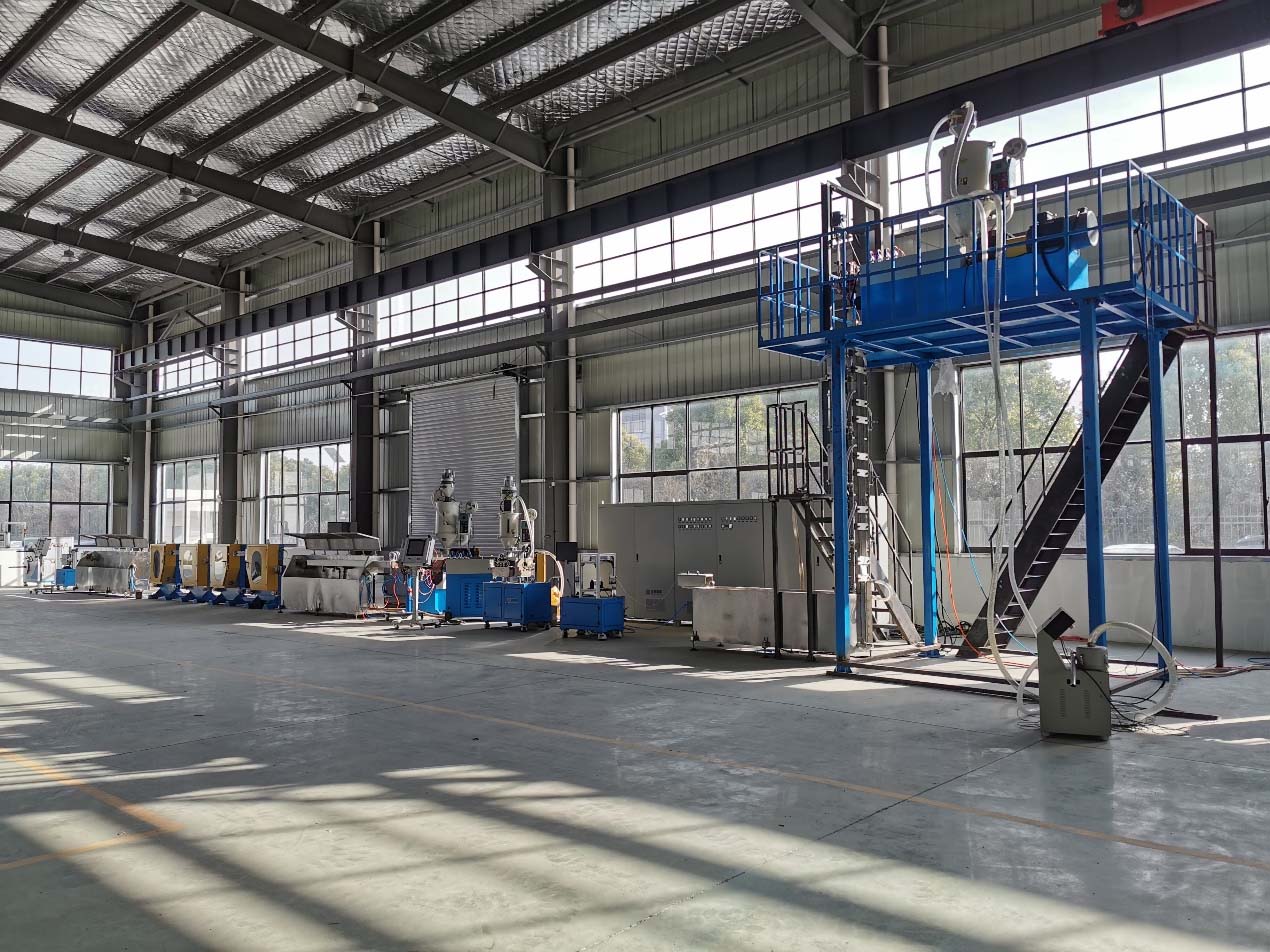
In sectors ranging from mining to infrastructure demolition, the precision of shock-tube and detonating-tube extrusion lines is critical for field safety and structural performance.
How Chinese precision engineering matches strict European medical standards for multi-lumen micro-tubing, ensuring high stability and cleanroom compatibility.
An in-depth look at regulatory quality systems and international manufacturing compliance protocols for critical automotive fuel and cooling lines.
Exploring automotive sealing innovations for 2026, focusing on lightweight, co-extruded structural parts designed for electric vehicles (EVs).
Manufacturing extrusion machinery requires strict adherence to international engineering standards. Global procurement teams evaluate equipment based on robust design, material certificates, and safety features. Every extrusion system designed by BAOD EXTRUSION undergoes a detailed quality control checklist:
Information Gain Insight: Real-time torque monitoring of the main motor acts as an early indicator of melt anomalies. Sudden shifts in torque indicate variations in raw material viscosity or zone temperatures. High-end systems track torque trends to adjust temperature profiles before dimensional deviations occur in the product.
Acquiring high-speed extrusion machinery is the first step; maintaining continuous uptime is what determines profitability. A reliable manufacturer must support the equipment throughout its lifecycle.
Our post-sales program starts with Factory Acceptance Testing (FAT) in China, where systems are run with the client's material compounds to verify production speed, output rate, and dimensional stability. This is followed by Site Acceptance Testing (SAT) at the buyer's facility, including calibration, system integration, and operator training. Our global field engineers, backed by diagnostic support systems, ensure your production lines operate with minimal downtime.
 Baodie