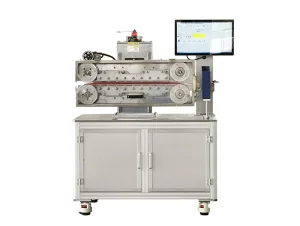
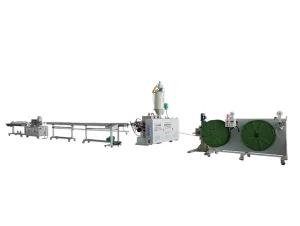
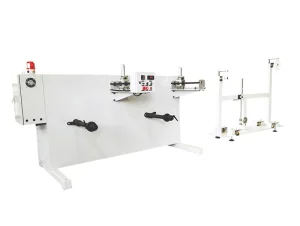
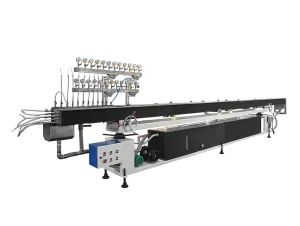
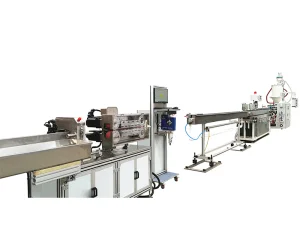
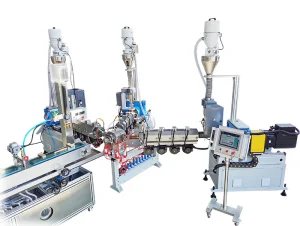
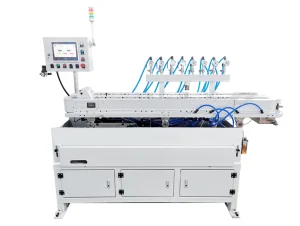
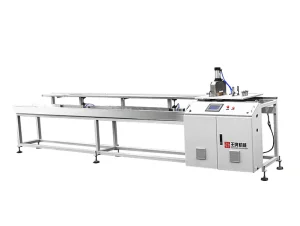
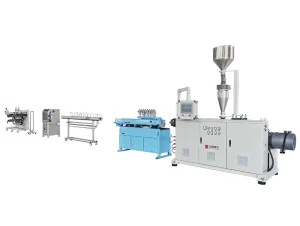
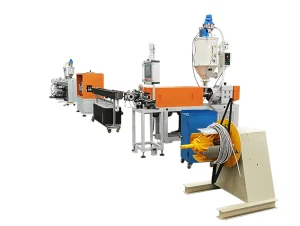
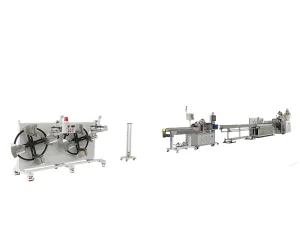
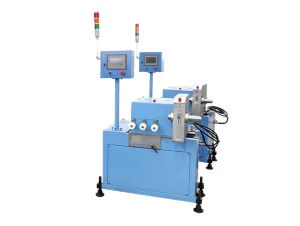
Explore our foundational range of precision-engineered extrusion lines, cutters, pullers, and custom auxiliary equipment.
Established in 2002, BAOD EXTRUSION (Jiangsu Baodie Automation Equipment Co., Ltd.) is a globally recognized leader in the engineering, design, and manufacturing of premium plastic extrusion machinery. Leveraging 18 years of technical foundation in high-precision Taiwanese extrusion machinery through our original parent organization, the KINGSWEL GROUP (established in Shanghai in 1999), we deliver unparalleled structural engineering and custom automation to extrusion operations worldwide.
Unveiling the technological pillars that make BAOD Extrusion the preferred partner for demanding global enterprises.
Operating in the heart of Jiangsu's manufacturing hub, we command direct access to high-grade metallurgical resources, specialized heat-treatment facilities, and premium component partners. By integrating top-tier domestic supply networks with leading international electrical systems (such as Siemens PLCs, ABB motors, and Omron temperature controllers), we ensure exceptionally fast production timelines, extensive customization flexibility, and competitive pricing.
Understanding the operational differences across regions, our machinery is fully built to satisfy CE, UL, and CSA regulatory standards. We provide end-to-end global service deployment, including commissioning, remote digital maintenance access, and rapid shipping protocols for wearing parts. Our local engineer networks across Europe, Southeast Asia, and the Americas offer direct assistance to minimize unplanned downtime.
To address rising labor costs and the demand for waste reduction, our systems feature integrated closed-loop controllers. Gravimetric dosing feeders, continuous ultrasonic outer-diameter scanners, and automated tension-regulated pullers constantly feed real-time measurements back to the main control unit, allowing the system to make micro-adjustments during high-speed runs.
In-depth insights into why manufacturers are upgrading to precision profile and multi-layer tube extrusion technology.
Modern automotive, medical, and telecom operations demand plastic tubes with highly specialized physical and chemical properties. A single polymer can rarely meet all performance criteria simultaneously. For example, automotive fuel lines require inner chemical resistance, barrier protection to prevent fuel vapor leakage, and exterior impact resistance. By using multi-layer co-extrusion technologies (typically 3, 5, or 7 layers), manufacturers can combine materials like polyamide (PA), polyvinylidene fluoride (PVDF), and ethylene vinyl alcohol (EVOH). Designing and optimizing the flow channels in multi-layer dies to ensure uniform layer thickness remains a key technological barrier.
Medical catheters and multi-lumen tubes (often utilizing TPU, Pebax, or medical-grade PVC) require dimensional tolerances within ±0.01mm to ±0.03mm. This level of precision demands exceptional stability across the entire manufacturing line: minimal motor speed vibration, highly accurate vacuum calibration, ultra-sensitive melt pressure control, and non-contact puller systems. Achieving this requires cleanroom-compatible setups with automated data logging to comply with international medical equipment standards.
The global expansion of 5G networks and FTTH (Fiber to the Home) infrastructures has significantly increased the demand for HDPE silicone core tubes and microduct bundles. These specialized tubes feature a low-friction silicone inner layer that allows optical fibers to be blown through them over long distances. High-speed, stable extrusion lines with automated winding systems are essential for producing these lines in high volumes without compromising internal structural geometry.
With tightening carbon emission regulations worldwide, modern extrusion plants are prioritizing energy efficiency. Advanced heating bands, insulated barrels, and high-efficiency direct-drive motors help minimize power usage. Furthermore, machinery must be capable of processing bio-based plastics (like PLA) and recycled post-consumer resins (PCR) without causing thermal degradation or screw wear.
Providing custom extrusion setups designed for diverse industrial applications.
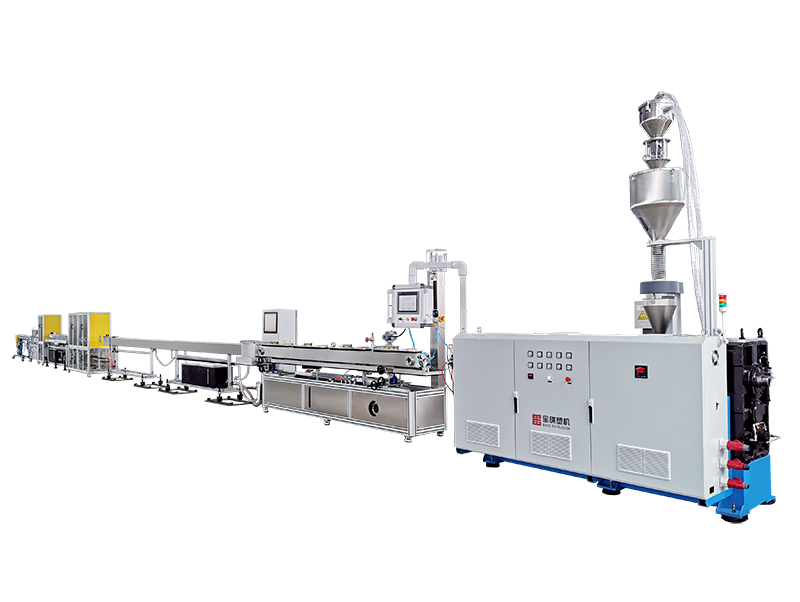
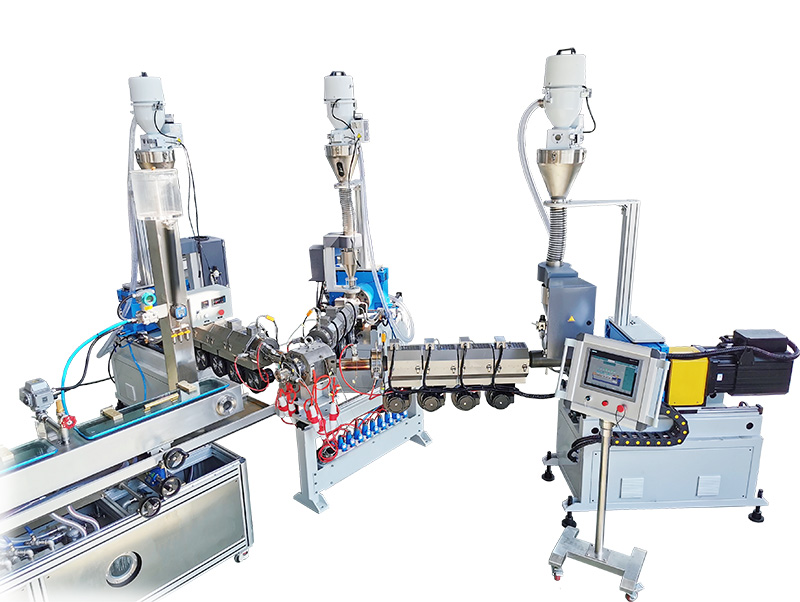
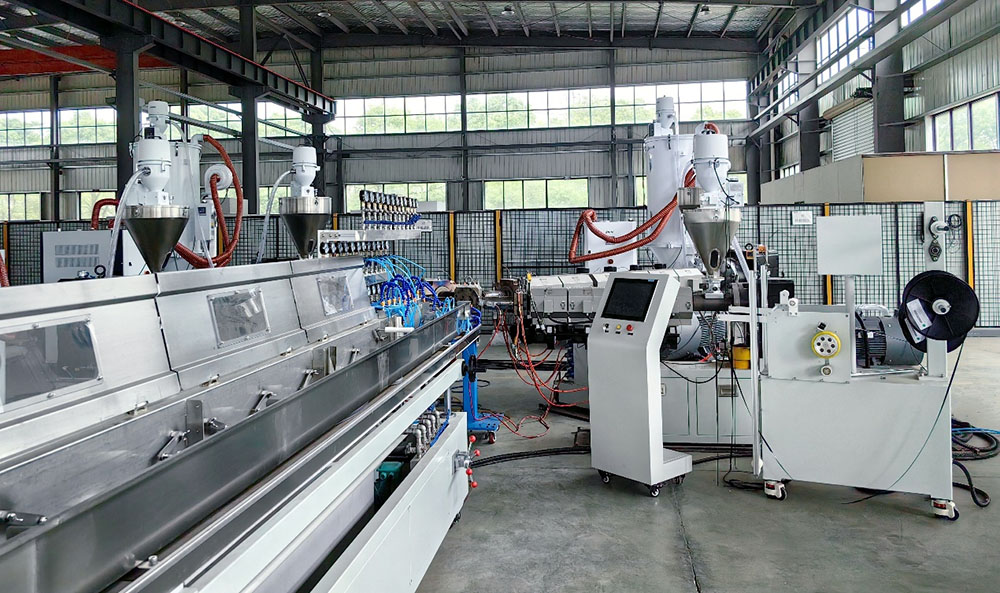
Designed for producing high-precision, small-bore tubes for medical dosing, industrial instrumentation, and laboratory equipment. Supports polymers including PE, PP, PU, and fluoropolymers with precise vacuum control.
Engaged in the production of automotive fuel pipes, brake systems, and industrial lines. Engineered to extrusion-coat multiple functional layers while maintaining structural integrity in smooth or corrugated configurations.
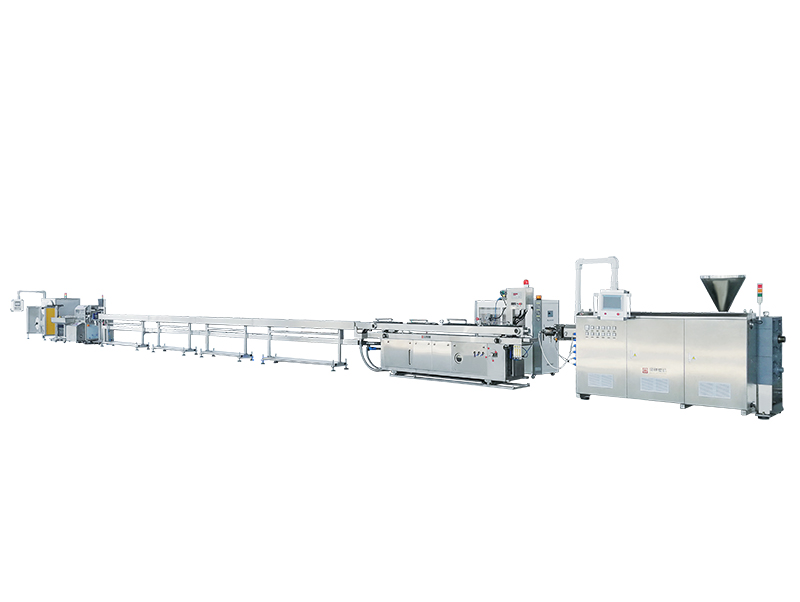
Tailored for high-yield, cleanroom-ready medical tube manufacturing. Features specialized non-toxic PVC screws, precise vacuum water tanks, and integrated cutters that prevent deformation of thin-walled tubes.
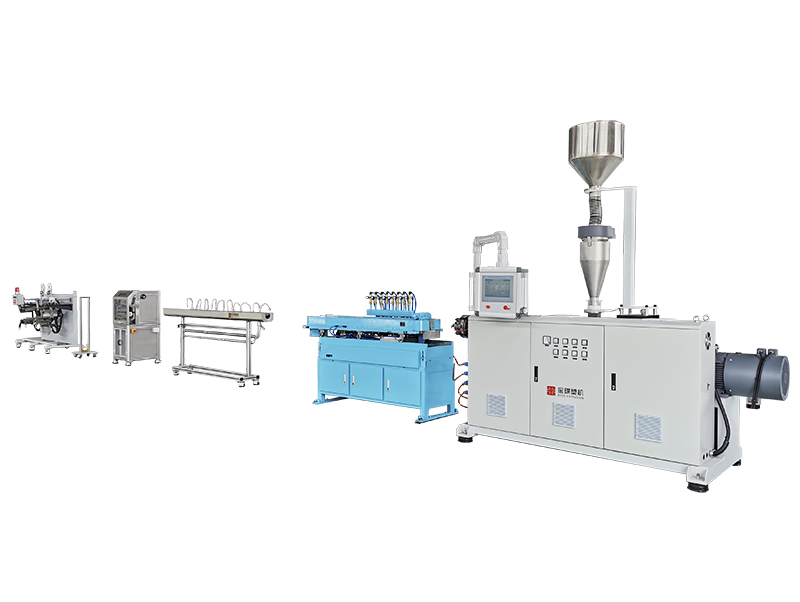
A high-speed forming line for protective wiring harnesses in the automotive, electronics, and aerospace sectors. Compatible with various engineering resins and optimized for rapid mold changes.
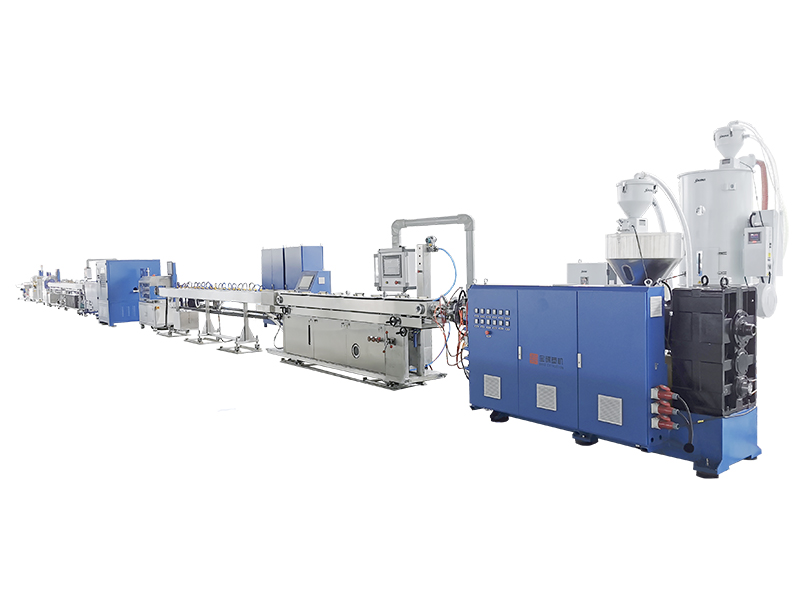
Integrates precision extrusion with continuous fiber knitting for high-pressure applications. Widely used for automotive radiator hoses, hot water systems, and industrial fluid delivery.

Customized system designed to co-extrude multi-material automotive weatherstripping. Features integrated wire insertion, metal reinforcement carriers, flocking, and punching stations.
Stay informed on the latest technologies, show recaps, and technical deep-dives from BAOD EXTRUSION.
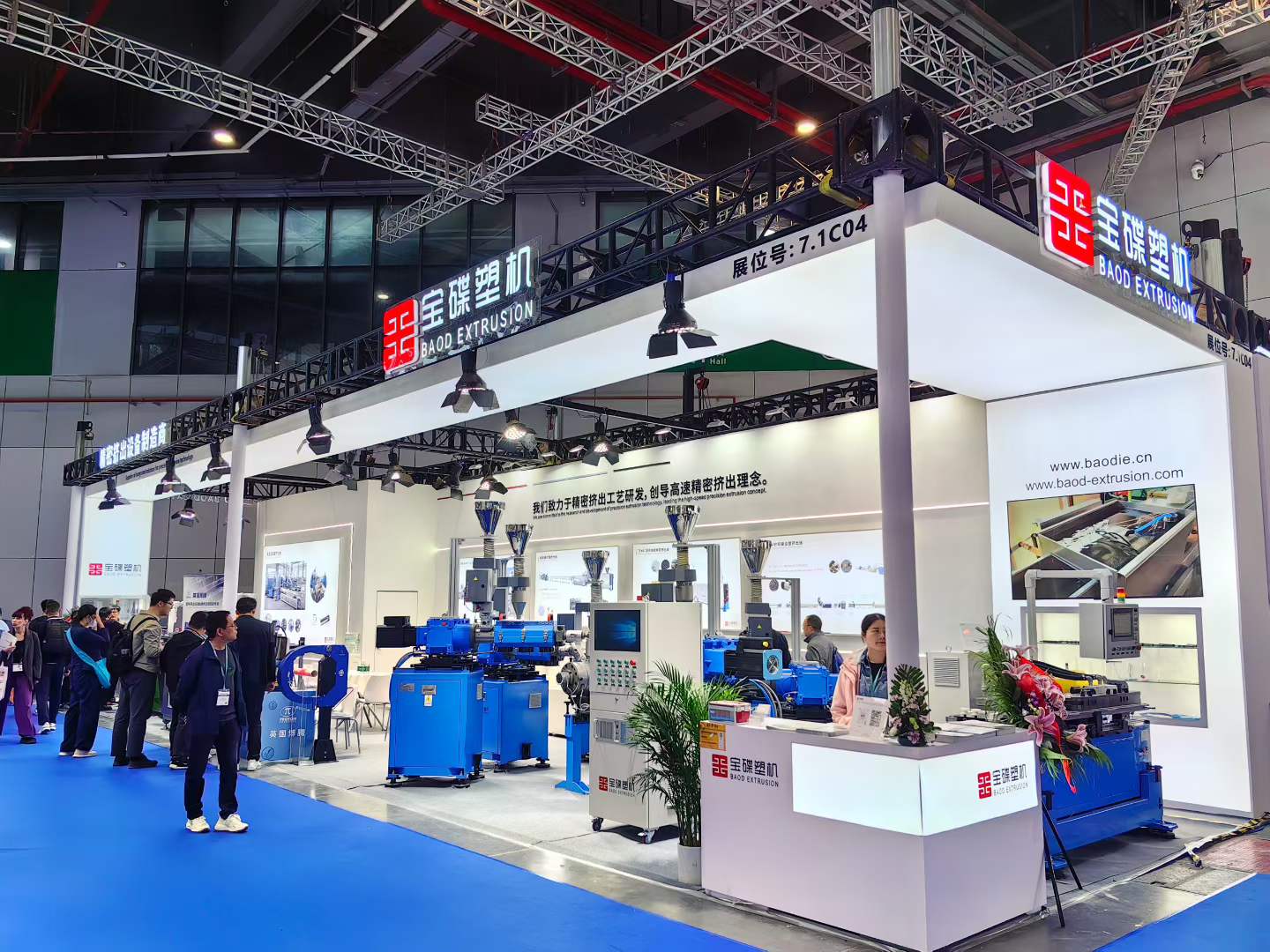
From April 21–24, CHINAPLAS 2026 was successfully held at the National Exhibition and Convention Center (Shanghai, Hongqiao). BAOD EXTRUSION showcased its latest R&D achievements at Booth 7.1C04, presenting “Smart Extrusion & High-Efficiency Innovation” solutions...
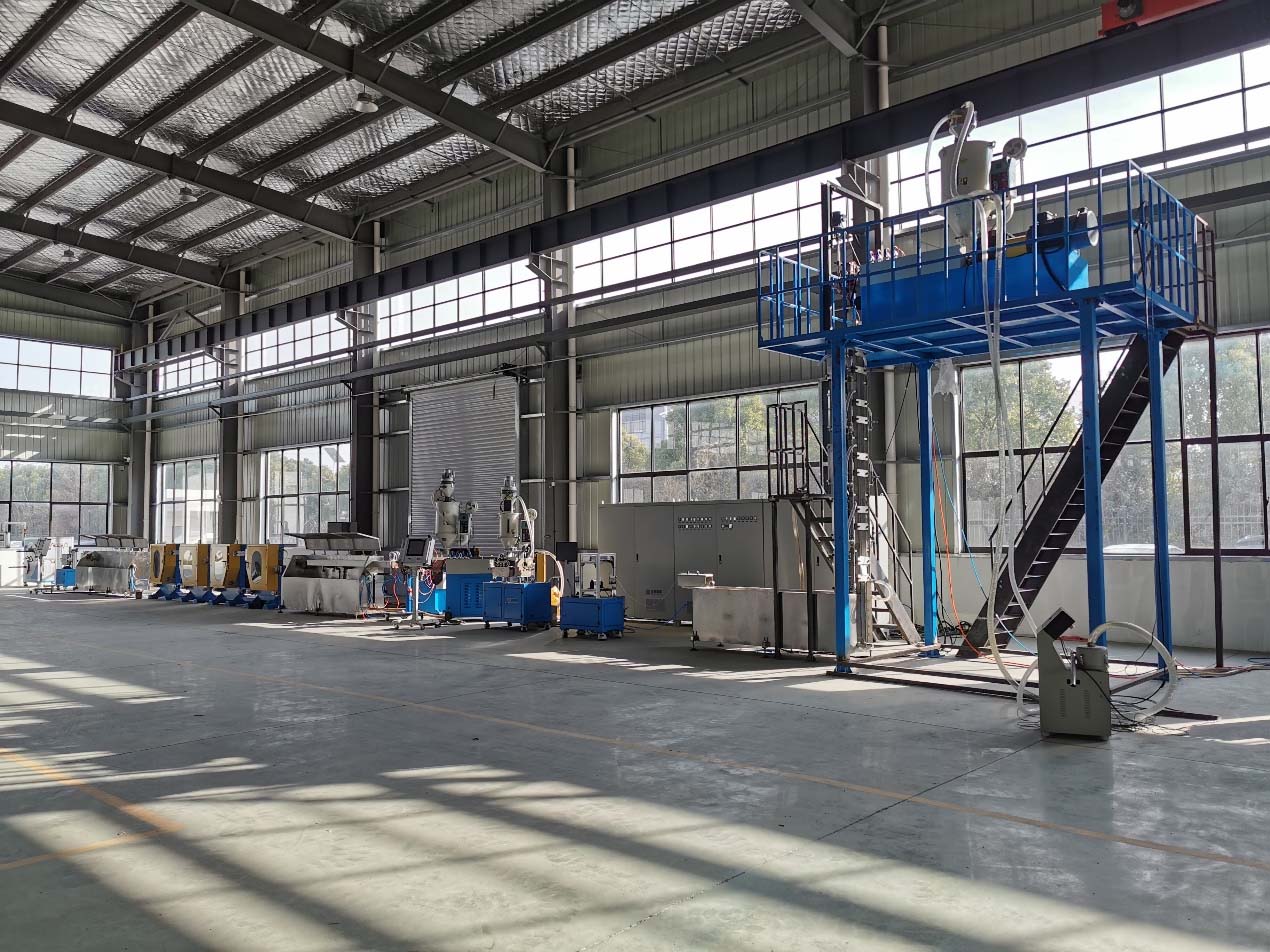
In the controlled environment of a modern industrial facility, a single, hair-thin plastic tube wound onto a reel might seem unremarkable to the untrained eye. However, in sectors ranging from mining and quarrying to large-scale infrastructure demolition, this tube—known...
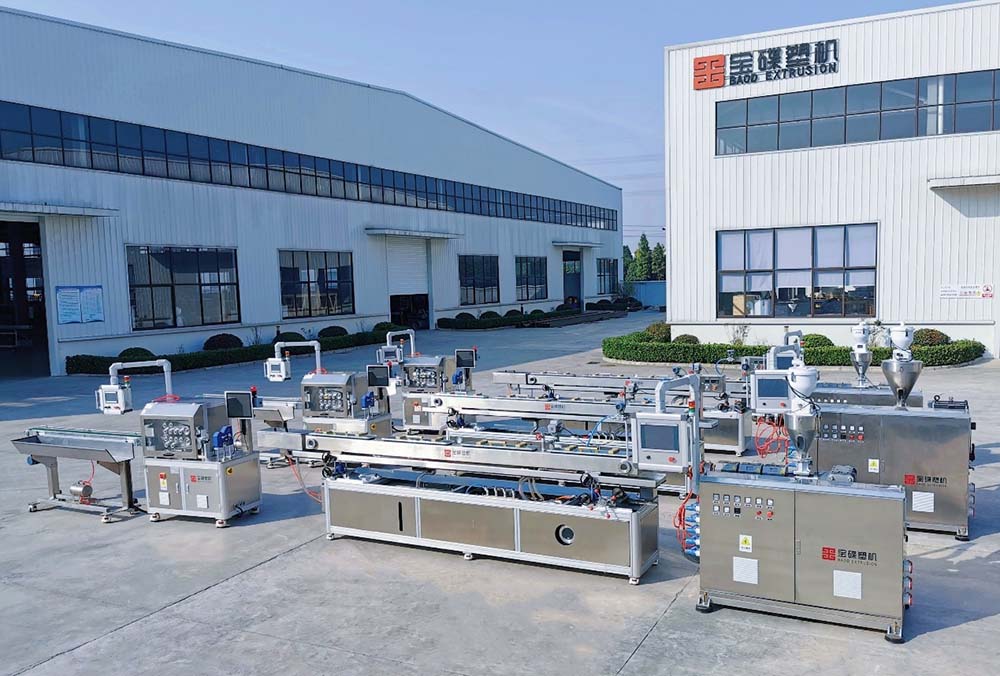
In the sterile, quiet environment of a modern medical facility, a clinician prepares a complex catheter for a critical procedure. This thin, flexible tube is far more than a simple conduit; internally, it is divided into several microscopic channels, or lumens, each desi...
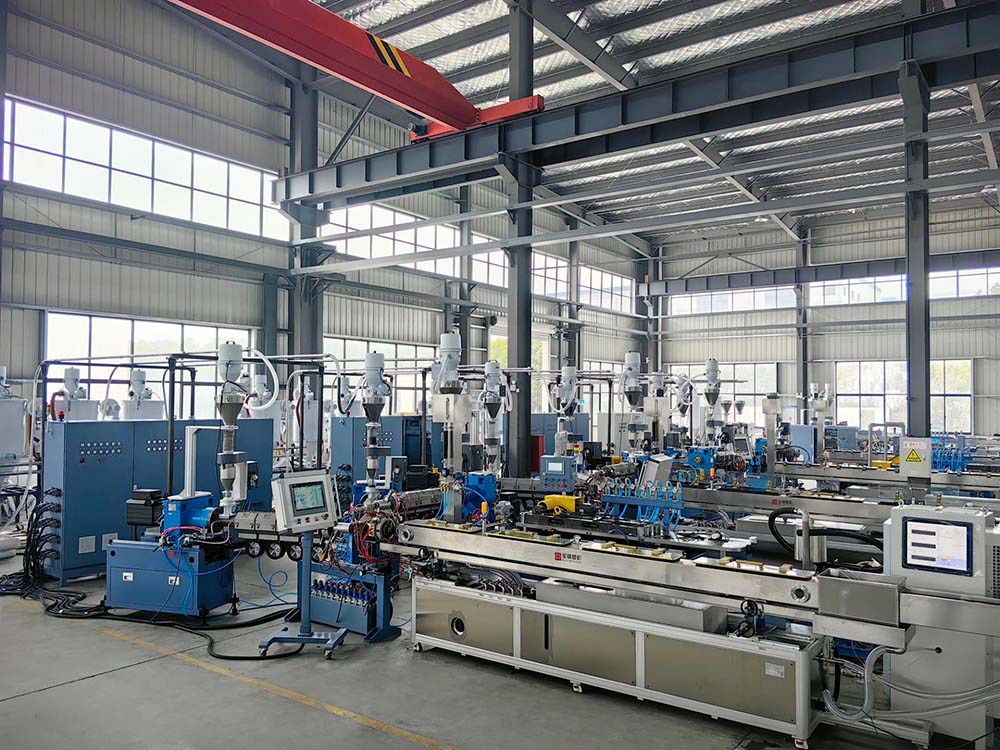
How do the world's most reputable vehicle manufacturers ensure the absolute integrity of every fuel line, brake hose, and cooling pipe buried deep within a vehicle’s chassis? Why has the shift toward electric and lightweight vehicles made the precision of these small-dia...
As the twilight sun reflects off the sleek, aerodynamic curves of a modern electric vehicle parked in a bustling metropolitan street, few observers notice the quiet, critical components ensuring the cabin remains a sanctuary of silence and temperature control. Behind the...
Get answers to critical technical questions regarding polymer processing, tolerances, and hardware configuration.
Explore our specialized industrial solutions, including heavy-duty corrugated forming equipment, coiling units, and wire coating lines.
 Baodie