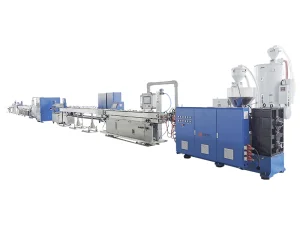
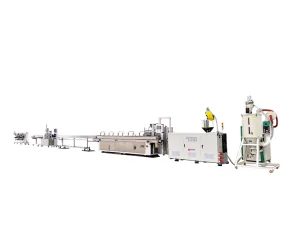
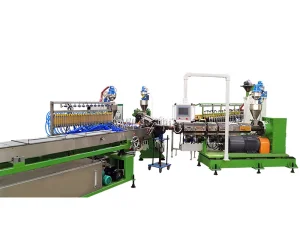
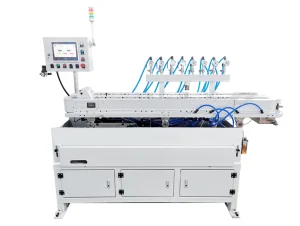
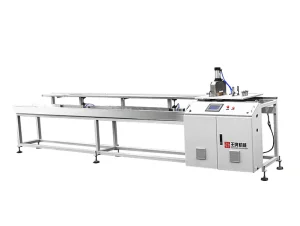
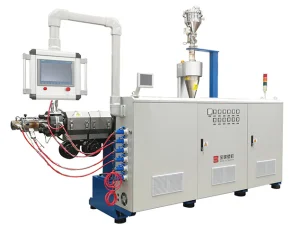
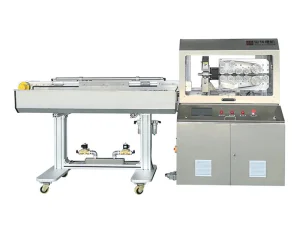
Initially established as a strategic investment under the KINGSWEL GROUP in Shanghai in 1999, our core development path has transitioned towards delivering automated, high-precision extrusion machinery. Our plant integrates state-of-the-art tooling machinery with advanced PLC automation solutions to build systems capable of running round-the-clock with minimal human intervention.
We believe that true precision extrusion lies in controlling the microscopic variations of polymer melt pressure, optimizing heat distribution within the barrel, and streamlining the downstream calibration process. From specialized medical-grade catheters to robust multi-layer automotive fluid channels, our equipment represents the nexus of precision and durability.
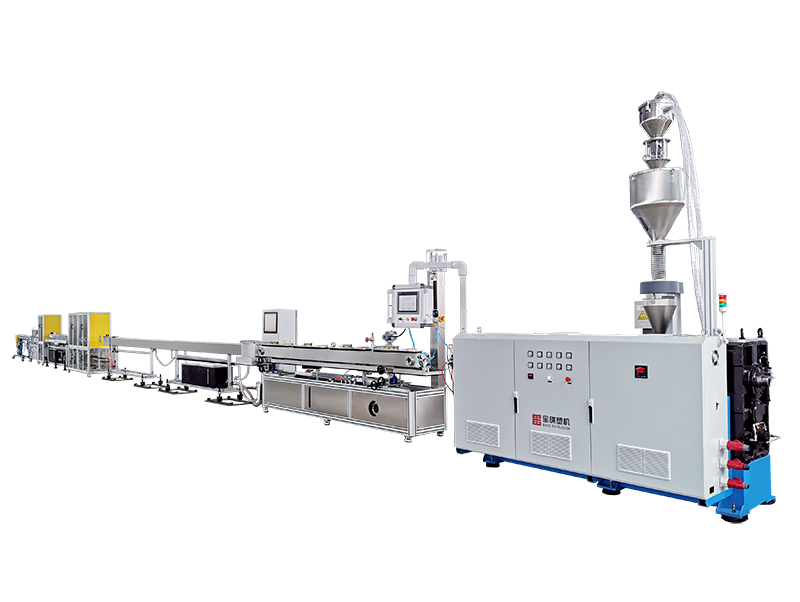
Polypropylene (PP) is a semi-crystalline thermoplastic polymer widely known for its balanced properties of chemical resistance, mechanical toughness, and high melting point. However, processing PP through single-screw or twin-screw extrusion systems demands a profound understanding of its shear-rate dependencies, molecular weight distribution, and cooling-rate morphology. When looking for a reliable China Polypropylene Extrusion Machine Factory, global buyers must assess the supplier's engineering capacity regarding thermal homogenization, screw geometry customization, and downstream calibration accuracy.
A high-performance PP extrusion line requires a custom screw configuration. Polypropylene possesses a high shear sensitivity; as the shear rate increases, its viscosity drops drastically. Our engineering team designs barrier screws with an L/D (Length-to-Diameter) ratio of 30:1 to 33:1. This ensures adequate residence time for complete plasticization without risk of thermal degradation. We utilize high-grade alloy steel (38CrMoAlA) treated with gas nitriding to achieve a hardness depth of 0.5–0.7mm, preventing wear from filled PP compounds (such as talc or glass fiber-reinforced variations).
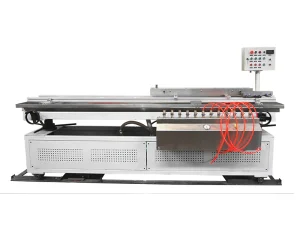
Because PP exhibits a high shrinkage rate (typically between 1.5% to 2.5%), rapid and uniform cooling is necessary to freeze the crystalline structure. Without precise calibration, the pipe or profile will ovalize or develop internal stresses. Our Vacuum Calibration Tables use closed-loop water ring pumps coupled with high-flow spray nozzles. By balancing the vacuum negative pressure with the water spray rate, the outer skin of the extrudate solidifies instantly to maintain strict dimensional compliance while the core cools more gradually to prevent void formation.
| Extruder Specifications | Standard Value Range | Engineering Significance |
|---|---|---|
| L/D Ratio (Screw) | 30:1 to 33:1 | Guarantees complete melting, color dispersion, and thermal stability. |
| Nitriding Hardness | HV ≥ 900 | Mitigates abrasive wear from compounds (talc, GF, calcium carbonate). |
| Vacuum Level | -0.02 to -0.09 MPa | Shapes outer dimensions; crucial to counteracting PP's high shrinkage. |
| Temperature Zones | 5 to 7 (Closed-Loop PID) | Maintains consistent melt viscosity before entering the die head. |
High-speed corrugated PP tubing lines produce engine harness protective sleeves and HVAC drain paths, providing high chemical resistance and thermal integrity under the hood.
Ultra-clean PP micro-tubing systems support fluid lines, diagnostic kits, and medical packaging, meeting strict FDA compliance and cleanroom tolerances.
Our microduct lines produce high-density protective PP/PE conduits for optical fibers, featuring internal silicone linings for low-friction cable blowing.
Beyond standard industrial piping, the development of specialty PP grades has expanded these applications. For example, Polypropylene Random Copolymer (PP-R) is the standard for modern residential hot/cold water plumbing due to its hydrostatic strength over long service lifespans. Meanwhile, flame-retardant PP-H (Homopolymer) profiles find use in chemical plant extraction systems. BAOD Extrusion configures co-extrusion crossheads to combine these materials, creating multi-layer pipes with structural durability, barrier properties, and cost-effective center layers.
Integration of real-time ultrasonic scanning systems immediately downstream of the sizing sleeve. The system detects wall variations and automatically adjusts the centering mechanism of the extrusion die head to prevent material waste.
Transitioning from standard cast-aluminum band heaters to ceramic and electromagnetic induction systems. This reduces heat losses to the environment, lowering extruder startup times by 40% and power consumption by up to 30%.
Utilizing sensor suites that monitor vibration patterns in the reduction gearbox, motor current fluctuations, and melt temperature variations. Our software predicts mechanical degradation and schedules maintenance before a component fails during production.
The Yangtze River Delta region of China is a global hub for plastic machinery manufacturing. Jiangsu Baodie Automation Equipment Co., Ltd. leverages this cluster to maintain reliable component sourcing, short fabrication timelines, and robust logistics infrastructure.
By keeping critical processes in-house—including screw design, control cabinet assembly, and final testing—we protect the integrity of our intellectual property and maintain quality control. We source electrics, drives, and gearboxes from world-class suppliers like Siemens, ABB, Omron, and Schneider, ensuring our global customers have access to replacement parts locally.
Our 16,000 square meter factory layout is optimized for modular manufacturing. Standard components are kept in stock, reducing lead times to 45–60 days for standard lines, even under challenging supply chain conditions. Before shipment, every machine runs for 48 hours under production load, giving buyers transparent testing data prior to delivery.
Exporting industrial machinery from China to markets in North America, Europe, or the Middle East requires strict compliance with local safety standards. BAOD Extrusion systems are engineered to meet CE directives, UL configurations, and local occupational safety laws (such as OSHA and CSA guidelines).
To support overseas customers, we offer digital remote diagnostics. By integrating secure VPN access keys into the Siemens PLC panels, our engineering center in Jiangsu can monitor machine performance, adjust PID curves, and resolve programming issues remotely. When on-site assistance is required, our field engineers travel globally to handle setup, die head adjustments, and operator training.
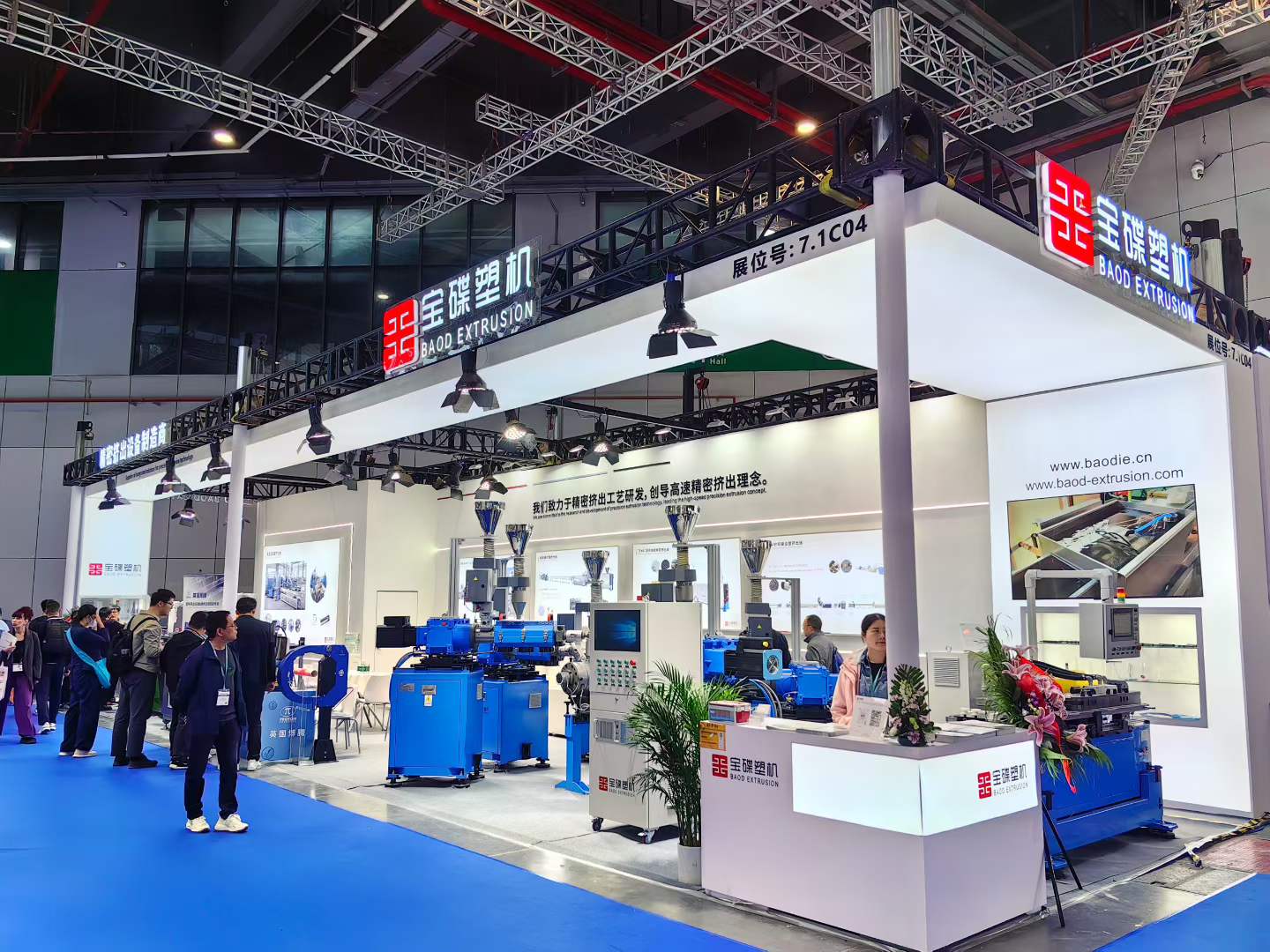
BAOD EXTRUSION showcased its latest R&D achievements at Booth 7.1C04, presenting “Smart Extrusion · High-Efficiency Innovation” solutions...
Read More +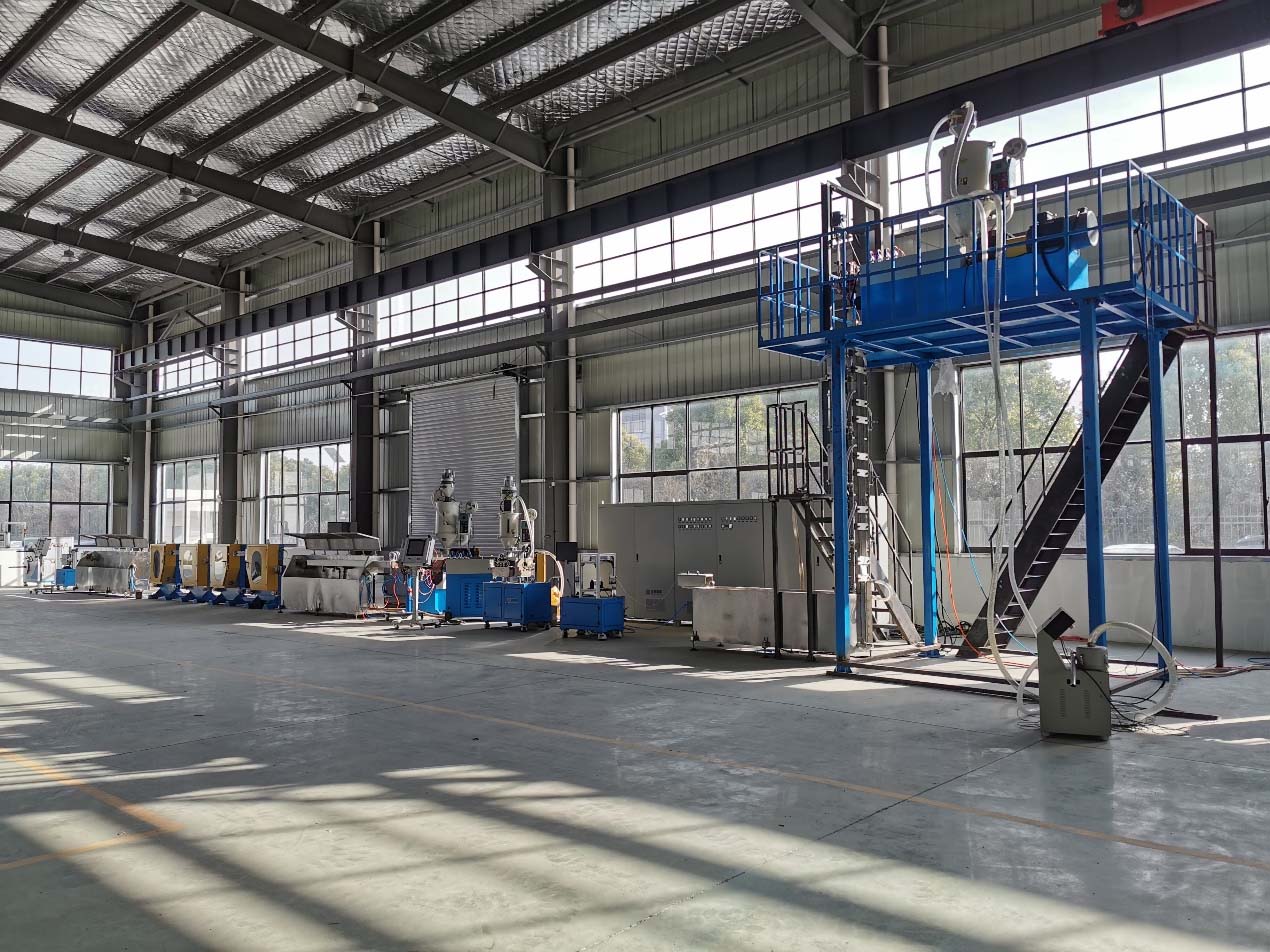
In sectors ranging from mining to infrastructure, this tube—known as a detonating tube—requires strict manufacturing tolerances...
Read More +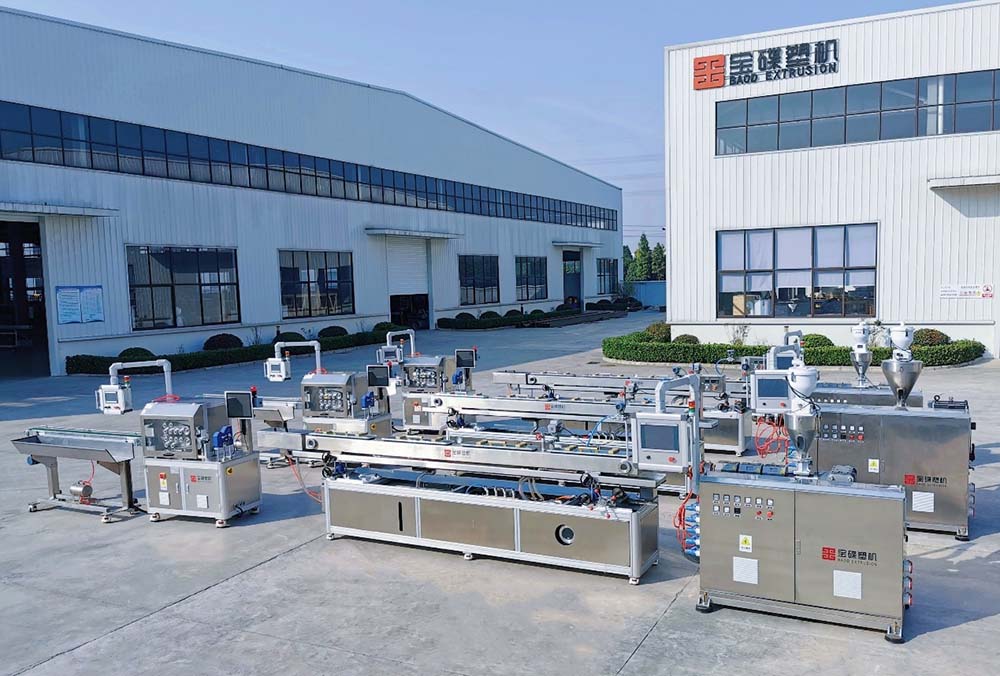
In medical facilities, multi-lumen tubes must meet exacting tolerances. We examine how Chinese manufacturers stand up to European quality benchmarks...
Read More +
 Baodie