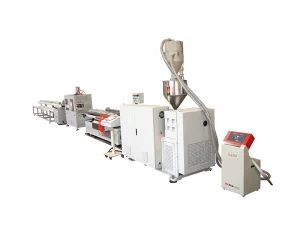
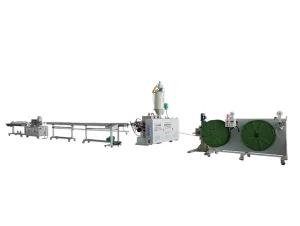
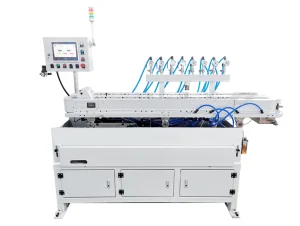
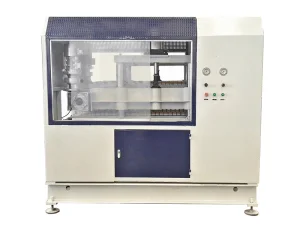
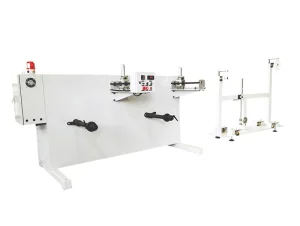
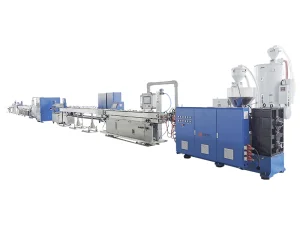
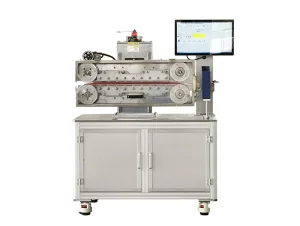
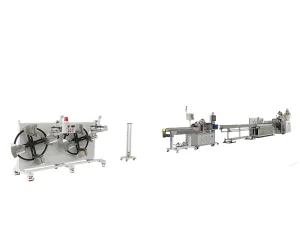
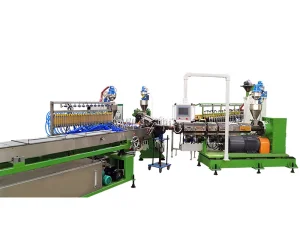
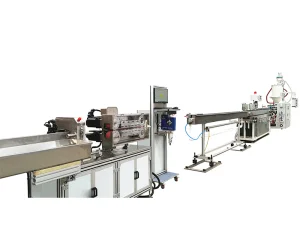
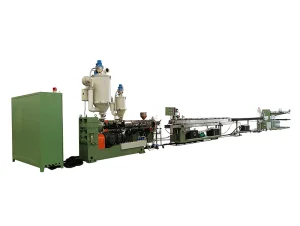
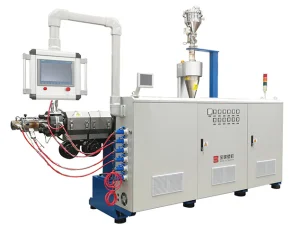
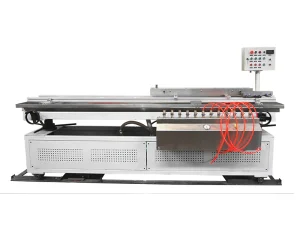
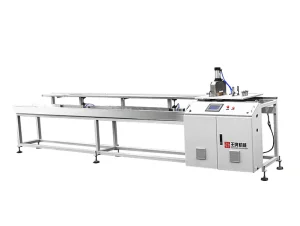
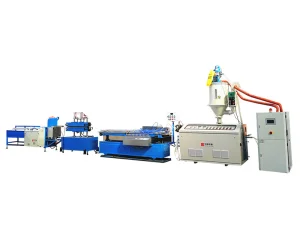
Explore our high-performance systems deployed globally in medical device production and industrial manufacturing environments
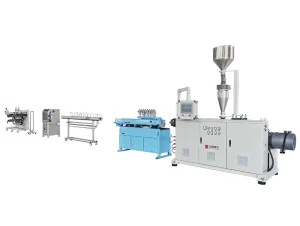
A Technical Whitepaper on Advanced Extrusion System Design, Material Performance, and Cleanroom Validation Protocols
Executive Summary: As medical technology shifts toward minimally invasive surgeries, the demand for high-precision, multi-lumen, and multi-layer micro-catheters has skyrocketed. Producing these components requires unmatched dimensional stability and strict compliance. This whitepaper analyzes the manufacturing landscape of medical extrusion lines in China, emphasizing the engineering breakthroughs of Jiangsu Baodie Automation Equipment Co., Ltd. (BAOD EXTRUSION) in achieving CE, FDA-ready, and cleanroom-compatible processes.
Medical tubing is not standard commercial plastic. Catheters, IV lines, tracheal tubes, and multi-lumen endoscopic conduits demand structural integrity, biocompatibility, and extremely tight tolerances (down to ±0.02 mm or less). High-speed extrusion processes must prevent micro-voids, material degradation, and dimensional deviations. Under strict Google E-E-A-T and regulatory parameters, modern medical device manufacturers look for suppliers that can show deep expertise in polymer rheology, thermal profiling, and closed-loop process monitoring.
Key polymers used in medical tubing include PVC, thermoplastic polyurethanes (TPU), PEBAX, FEP, and PEEK. These materials respond differently to shear force and thermal changes inside the extruder barrel. A high-quality medical extrusion line must offer customized screw designs to control shear rates, preventing polymer chains from shearing or degrading while ensuring homogeneous melting. This level of control keeps the final medical device safe and functionally reliable.
BAOD EXTRUSION (Jiangsu Baodie Automation Equipment Co., Ltd.), established in 2002, focuses on designing, manufacturing, and selling high-performance plastic extrusion systems. Backed by 18 years of design and manufacturing experience in Taiwan, the original parent company (KINGSWEL GROUP) set up its main mainland manufacturing facility in Shanghai in 1999, which later expanded into Jiangsu.
With a 25-year design pedigree, BAOD EXTRUSION focuses on four main engineering areas: precision extrusion technology, high-efficiency output, advanced system automation, and comprehensive machine safety. The company provides complete cleanroom-ready solutions for medical equipment manufacturers worldwide, helping them run stable, high-output production lines that meet strict international regulations.
Highly engineered systems manufactured by BAOD Extrusion for medical and high-performance industrial uses
Designed for producing high-precision capillary tubes with ultra-thin walls. Built with dynamic melt-pressure control to keep dimensions stable during continuous production.
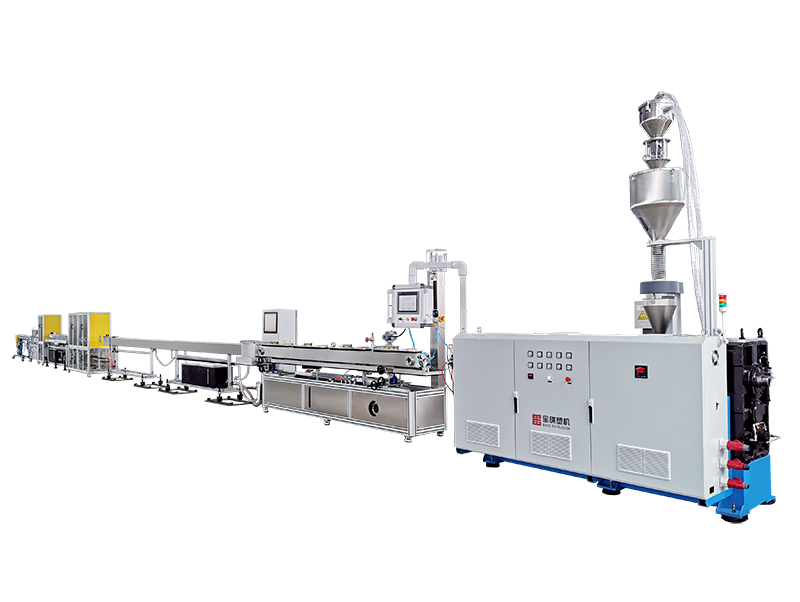
Optimized for multi-layer co-extrusion, creating composite structures with excellent barrier performance. Highly suitable for automotive fuel systems and industrial tubing.
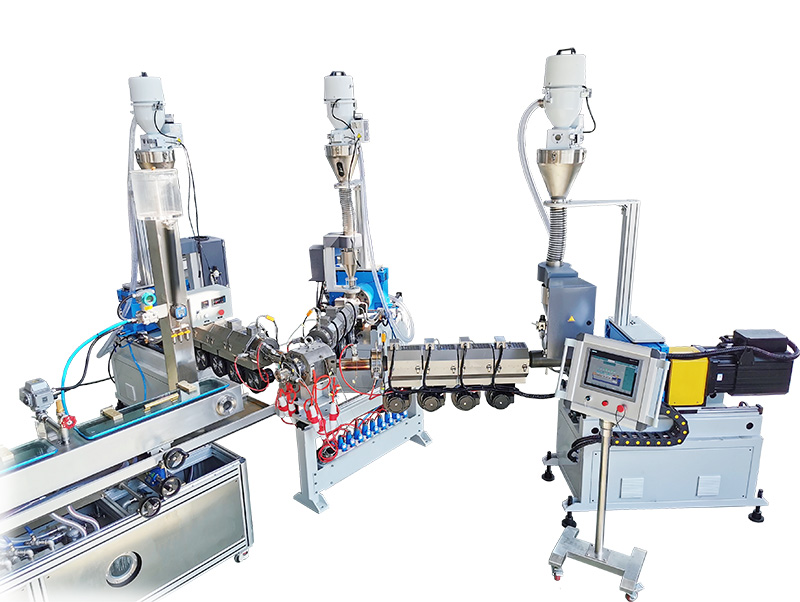
Our flagship medical setup, featuring stainless steel calibration tables, closed-loop PLC controls, and cleanroom-compatible lubricants. Reaches stable line speeds of up to 100m/min.
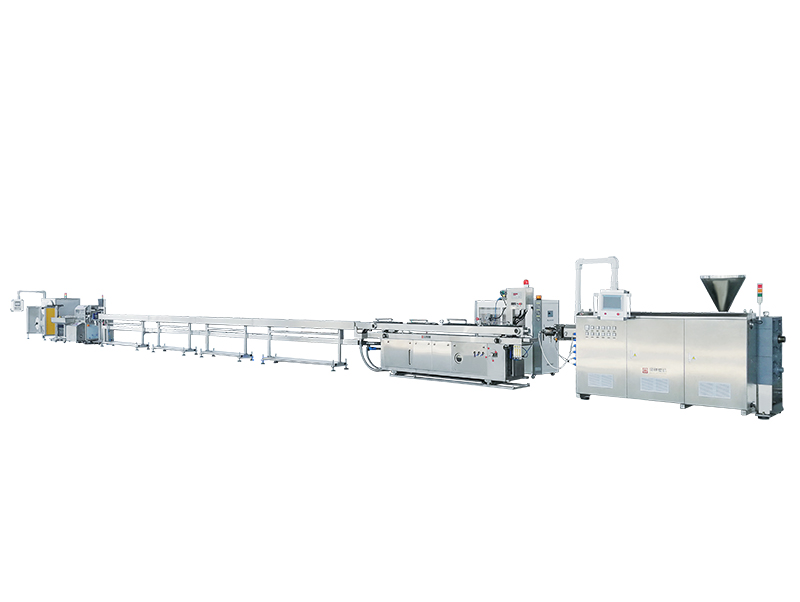
Equipped with a high-efficiency forming system and precision mold blocks. Ensures fast, reliable output of flexible corrugated tubes for various wire protection needs.
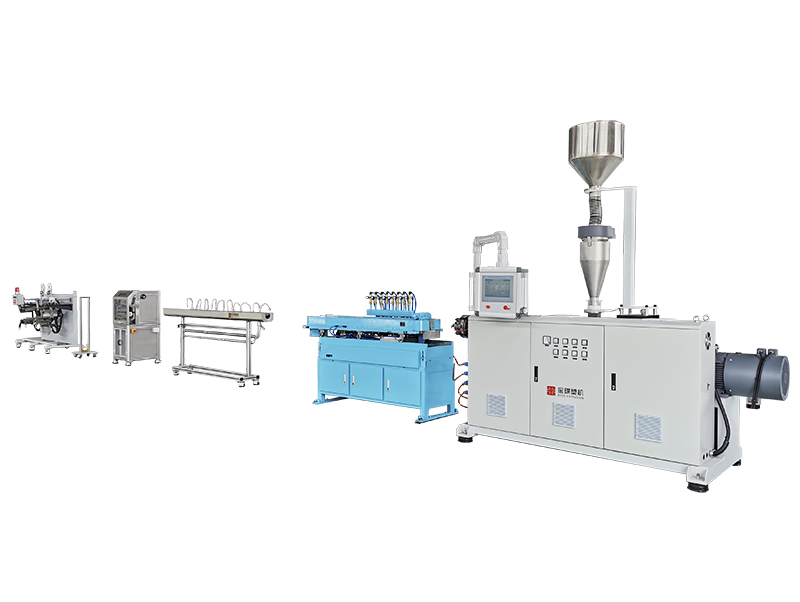
Integrates extrusion with inline reinforcement knitting, creating durable hoses that can handle high dynamic pressures. Excellent for demanding industrial and automotive applications.
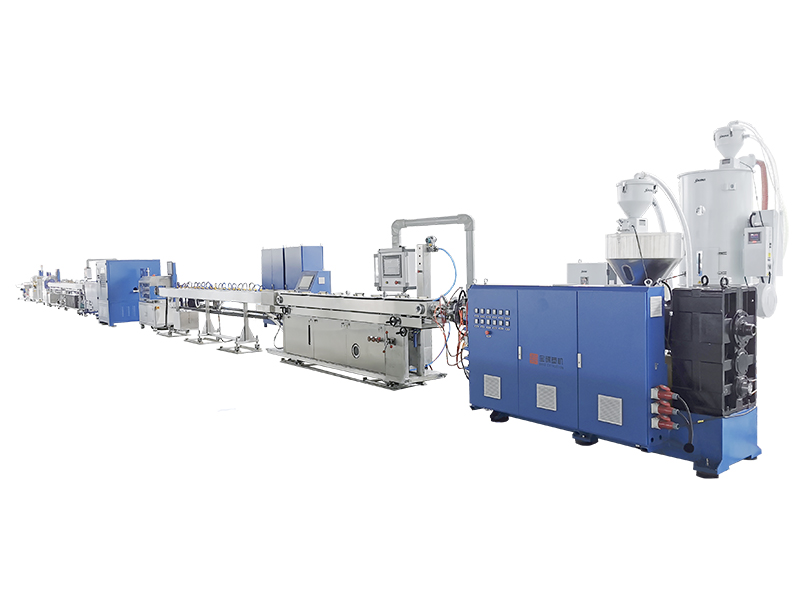
A multi-extruder co-extrusion system engineered to produce automotive sealing profiles. Integrates steel wire insertion and online flocking for high-speed, quality output.

Sourcing medical tube extrusion lines from China offers significant advantages for global buyers, combining solid engineering capabilities with a complete industrial ecosystem. Over the past twenty years, China's industrial manufacturing sector has grown from simple assembly work to advanced, high-precision system development. Leading factories like BAOD EXTRUSION provide equipment that matches the performance of high-end European systems, but at a more competitive total cost of ownership (TCO).
This efficiency comes from three main areas:
Furthermore, this localization structure helps domestic factories keep a large inventory of spare parts and replacement components, minimizing lead times. Instead of waiting months for custom tooling or replacement screws from Europe, global operators can get certified parts from China within weeks, reducing downtime and keeping production schedules on track.
For international buyers in North America, Europe, and Latin America, purchasing machinery from an overseas factory requires careful planning. Successful deployment depends on finding a supplier that can tailor systems to meet specific local requirements.
Industrial Customization Protocol: "Every extrusion line shipped overseas must match local voltage setups (e.g., 480V/60Hz in the US vs. 400V/50Hz in Europe), comply with local safety standards like CE or UL, and integrate seamlessly with existing downstream systems."
A reliable supplier must offer a clear customization pathway:
Stay updated with our technical breakthroughs, trade show summaries, and comparative engineering analyses
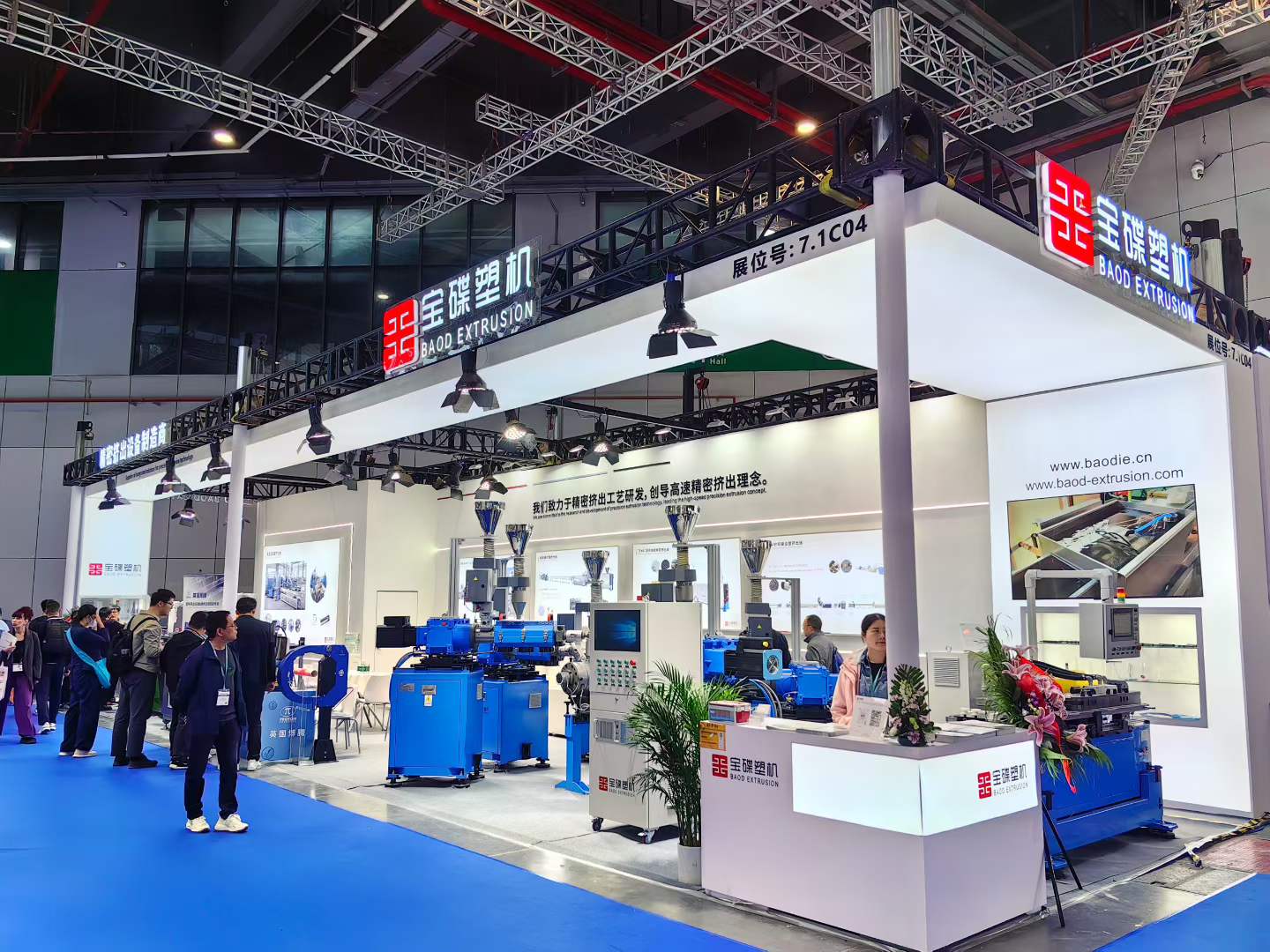
At CHINAPLAS 2026 in Shanghai, BAOD EXTRUSION presented its latest smart automation developments at Booth 7.1C04. The showcase focused on energy-saving, automated extrusion lines that help manufacturers cut material waste and lower energy use.
Read Technical Paper →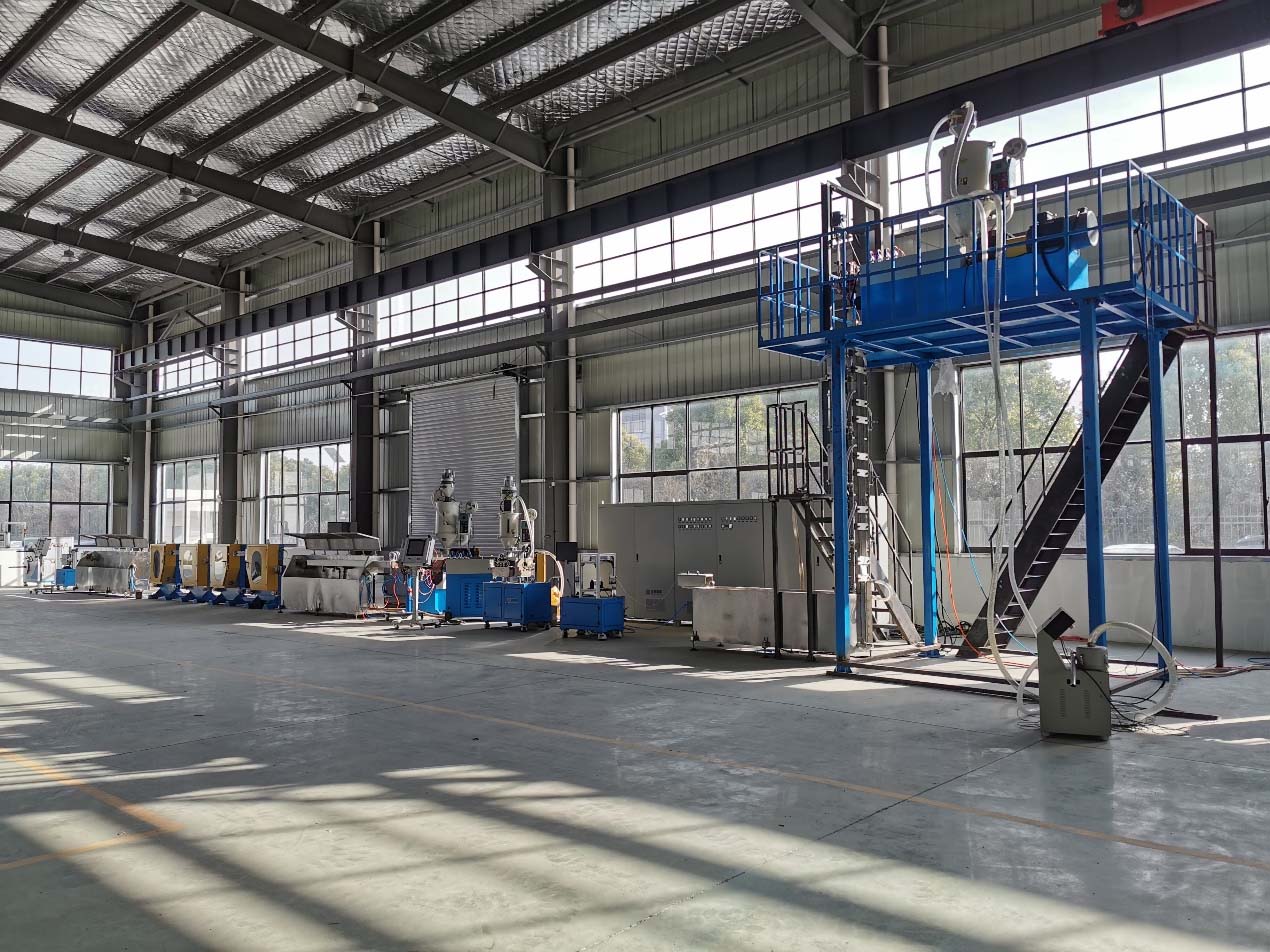
This technical update covers the design and safety requirements for manufacturing specialized detonating tubes. Key features include precise wall thickness control and stable winding processes for mining and demolition uses.
Read Technical Paper →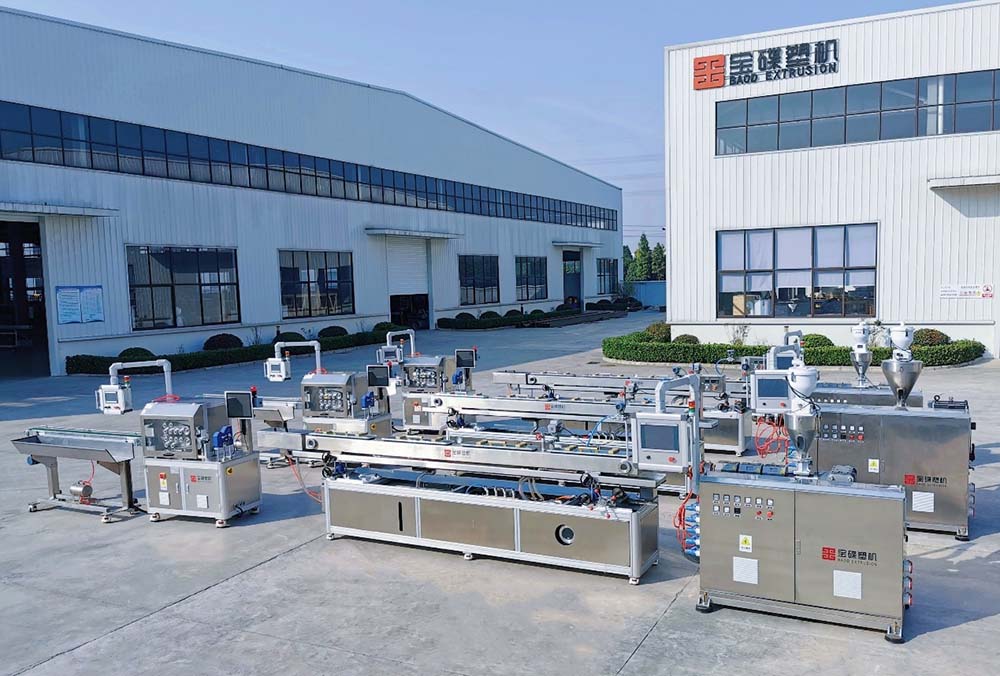
An in-depth engineering comparison highlighting how Chinese extrusion machinery has narrowed the gap with European systems. Focuses on cost efficiency, tooling precision, and advanced PLC control integration.
Read Technical Paper →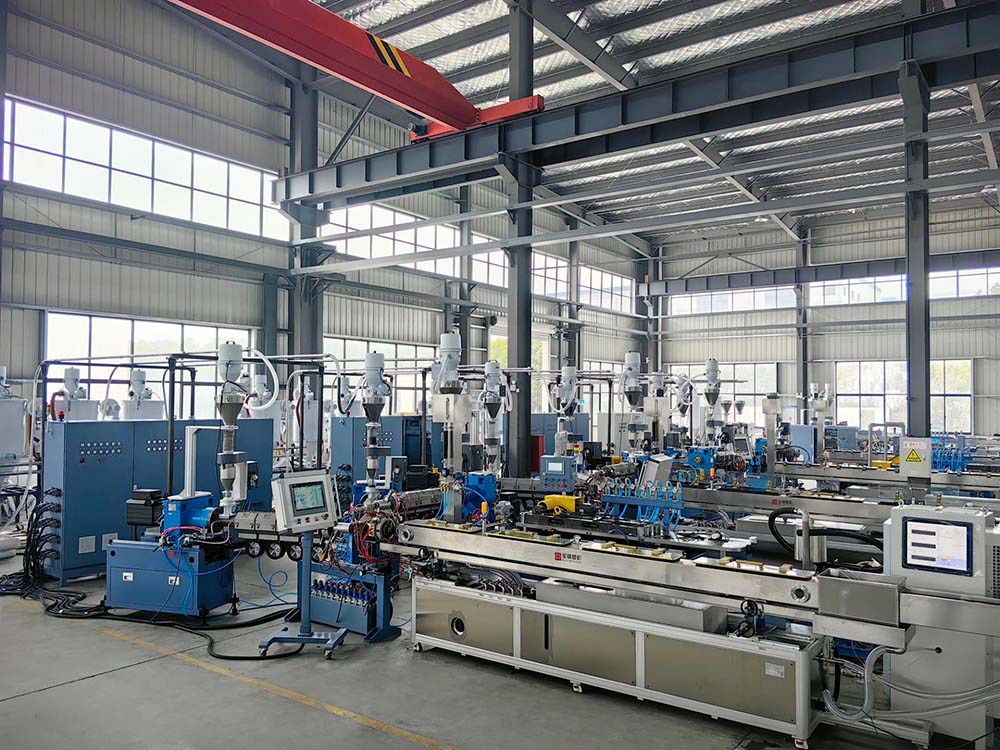
Learn how BAOD EXTRUSION helps automotive suppliers meet quality audits. Focuses on producing multi-layer nylon and composite hoses that comply with global automotive performance requirements.
Read Technical Paper →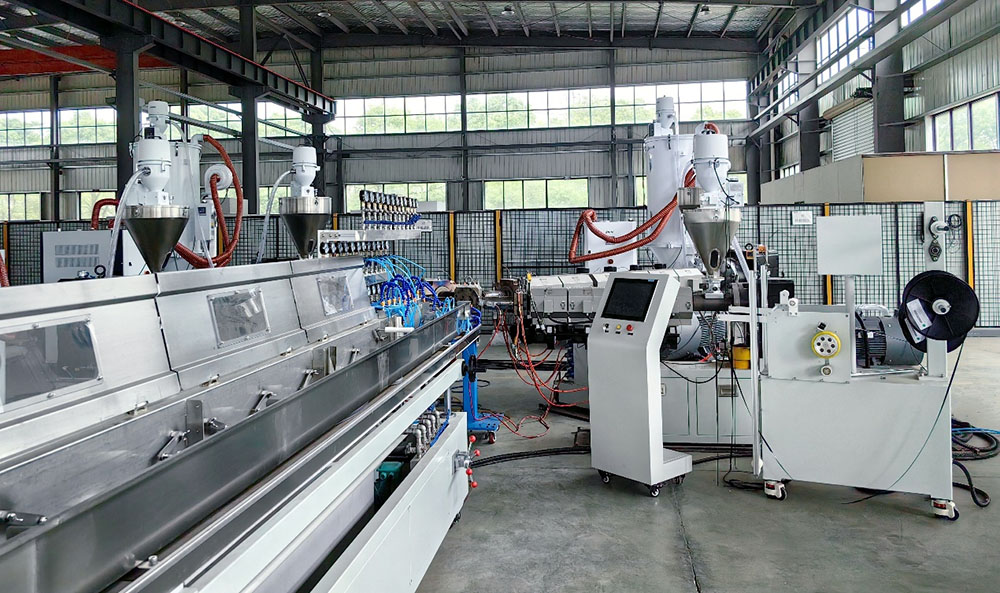
An analysis of TPV/PVC co-extrusion technology for electric vehicles. Highlights the integration of inline metal insert systems and automated cutting to increase throughput and reduce scrap.
Read Technical Paper →The medical tubing market is evolving rapidly, driven by technological updates and shifting regulatory landscapes. Three major trends are shaping the future of medical extrusion development:
1. Multi-Lumen and Micro-Extrusion Tech: Modern medical devices require smaller, more complex tubing. Extruding catheters with 3, 5, or more distinct inner channels (lumens) demands precise air-pressure controls and custom-designed extrusion dies to prevent internal walls from collapsing during cooling.
2. Smart Monitoring and Closed-Loop Control: Relying on manual sampling is no longer sufficient. Modern lines integrate laser micrometers and ultrasonic sensors downstream. These systems continuously measure the tube's outer diameter (OD), inner diameter (ID), and wall thickness, automatically adjusting the puller speed or extruder screw RPM in real time to keep dimensions within spec.
3. Cleanroom Automation and Hygiene Standards: To prevent contamination, downstream equipment is becoming highly automated. Servo-driven cutters and winding systems reduce the need for manual handling, keeping production clean and efficient.
Deploying extrusion equipment in different regions requires meeting local standards and validation protocols. In the medical sector, compliance is crucial:
Technical and commercial answers for global buyers sourcing medical tube extrusion lines
Complete your production setup with our reliable auxiliary machinery and custom extrusion configurations
 Baodie