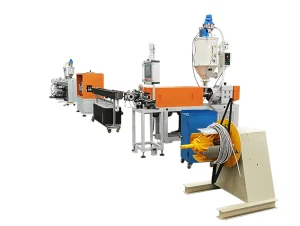
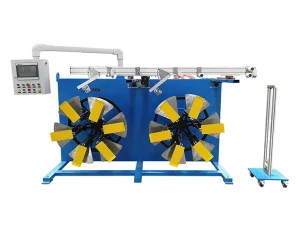
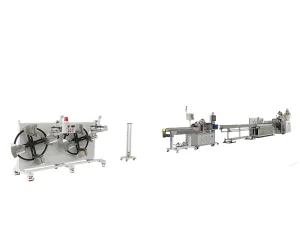
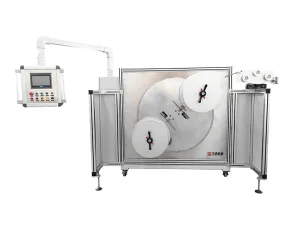
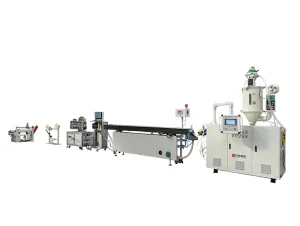
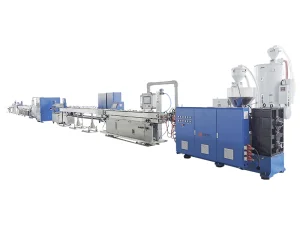
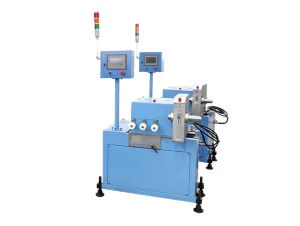
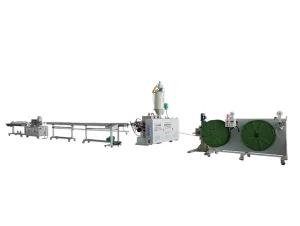
Founded in 2002, BAOD EXTRUSION has stood at the absolute forefront of research, development, and high-precision plastic extrusion equipment fabrication. Rooted in 18 years of high-performance manufacturing experience originating in Taiwan via the parent organization (KINGSWEL GROUP), the company expanded its high-precision manufacturing infrastructure to Shanghai in 1999, followed by major advancements in Jiangsu.
Over the past quarter-century, BAOD has targeted the high-stakes sectors of precision plastic extrusion. By bridging the gap between sophisticated automation systems and advanced mechanical architectures, we provide global enterprises with unmatched reliability and technological advantages. Our dedication is reflected in our four core development pillars:
Jiangsu's industrial cluster houses world-class metallurgical and electrical control suppliers. This local availability speeds up custom line designs and decreases shipping times for raw cast iron parts, specialized screws, and advanced automation components.
By leveraging advanced domestic engineering and scale, BAOD delivers machinery with the same performance metrics as European equivalents, but with significantly lower initial capital expenditure and competitive maintenance costs.
Chinese industrial systems focus heavily on speed and adaptation. BAOD modifies screw geometries and die heads based on direct customer feedback within weeks, rather than the lengthy design phases typical of Western manufacturers.
In modern optical network deployment, the performance of the sub-duct dictates the speed and efficiency of the fiber blowing process. Standard high-density polyethylene (HDPE) ducts are no longer sufficient for dense urban or high-speed telecommunication structures. The contemporary industry standard relies on silicone core co-extruded micro ducts.
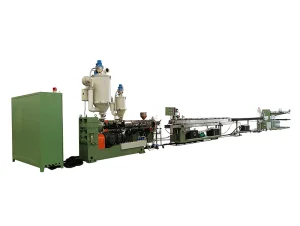
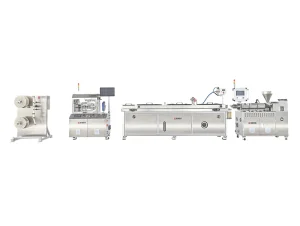
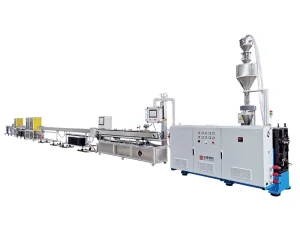
During the extrusion process, a primary extruder outputs the outer structural HDPE layer, while a secondary co-extruder pushes an ultra-low friction silicone compound onto the inner wall. This permanent, solid lubricant layer does not wear down or wash out over time. Reducing the coefficient of friction (CoF) to values below 0.10 is critical. This low friction level allows installers to blow fiber cables over 2,000 meters in a single run, reducing the need for intermediate handholes and lowering overall construction costs.
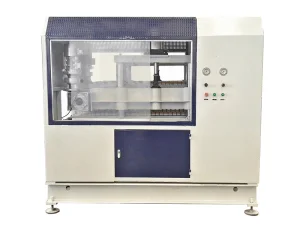
Micro ducts (commonly in dimensions like 7/5mm, 10/8mm, 12/10mm, and 14/10mm) require strict dimensional tolerances. A variation of even 0.1mm in internal diameter (ID) can create turbulence and blockages during the high-pressure fiber blowing process. BAOD's extrusion line uses closed-loop vacuum calibration tables with dual-chamber designs to ensure roundness and consistent diameter control at production speeds up to 100 meters per minute.
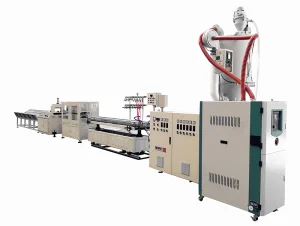
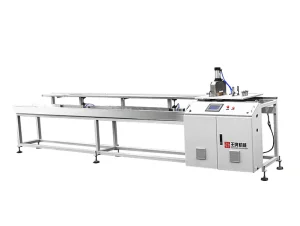
Using a Siemens PLC-based control system with a human-machine interface (HMI), the extrusion line syncs the gravimetric feeding system, extruder screw speed, melt pump pressure, caterpillar puller, and dual-spool tension-controlled winder. This level of synchronization prevents stretching and wall-thickness variations during speed adjustments, reducing waste during start-ups.
| Parameter Description | Specification Target Range | Engineering Impact |
|---|---|---|
| Material Compatibility | HDPE Virgin / Recycled + Solid Silicone Compound | Reduces raw material costs and ensures low internal friction. |
| Micro Duct Outer Diameter (OD) Range | Ø 5.0 mm – Ø 16.0 mm | Supports 5G and fiber-to-the-home (FTTH) network requirements. |
| Extrusion Output Speed | Up to 80 – 120 m/min (depending on duct size) | Improves production capacity for large industrial orders. |
| Wall Thickness Deviation | ≤ ± 0.05 mm | Ensures reliable, high-pressure fiber blowing performance. |
| Tension Controlled Coiling | Automatic dual spool winder with displacement traverse | Prevents duct deformation and ensures clean winding. |
5G networks require a high density of base stations, which increases the demand for fiber backhaul lines. Micro ducts allow telecom operators to blow new fiber cables through existing pipes, minimizing the need for new civil excavation.
In crowded cities, traditional deep excavation is disruptive. Micro-trenching cuts narrow slots into roads or sidewalks. Standard micro duct bundles can be laid directly in these trenches, offering a faster and cleaner routing option.
Connecting data centers across large distances requires thick, protective micro duct assemblies. Silicone-core ducts ensure that high-fiber-count cables can be blown over long distances with minimal splicing.
Acquiring high-speed plastic extrusion systems from China requires checking the alignment of technical, quality, and electrical safety standards between the manufacturing facility and your local region.
CE, UL, and CSA Compliance
Coefficient of Friction (CoF)
Average Custom Engineering Lead Time
The silicone inner layer is co-extruded with the outer HDPE wall to create a permanent, low-friction lining. Unlike liquid lubricants, this solid layer does not dry out, wash away, or degrade. It reduces friction during fiber installation, allowing cables to be blown further and faster.
The production speed depends on the dimensions and wall thickness of the micro duct. For standard sizes like 10/8mm or 7/5.5mm, our extrusion lines run reliably at speeds between 80 and 120 meters per minute.
Yes, our extrusion tooling can produce micro ducts with single or multiple co-extruded identification stripes. This helps technicians identify different channels within bundled micro ducts during installation.
We offer remote video-commissioning support, detailed layout documentation, and on-site engineering dispatch. Our technicians travel internationally to install equipment, run test batches, and train local operators.
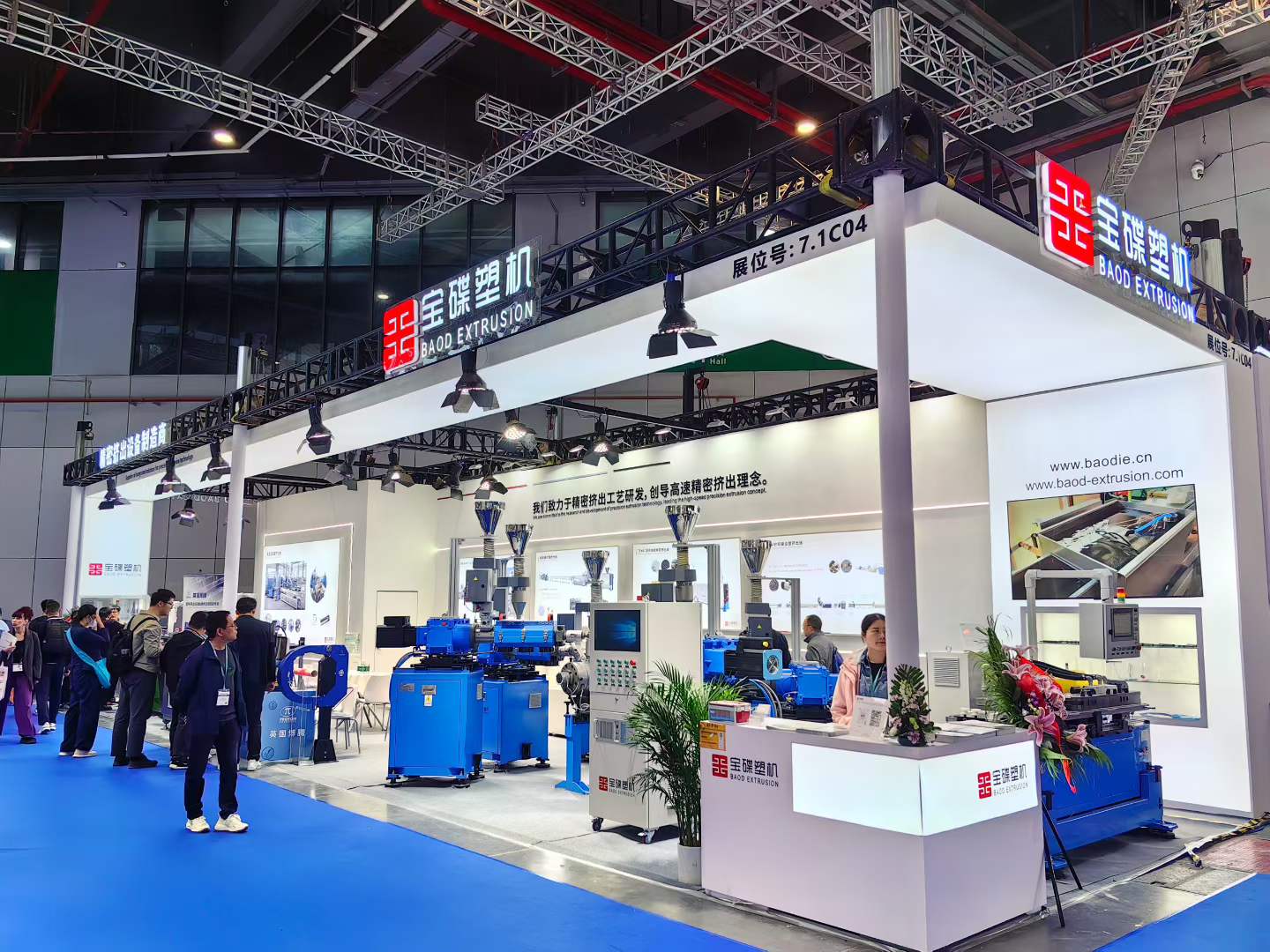
From April 21–24, CHINAPLAS 2026 was successfully held at the National Exhibition and Convention Center in Shanghai. BAOD showcased its latest R&D achievements, presenting smart extrusion and high-efficiency systems for the next generation of plastic infrastructure.
Read More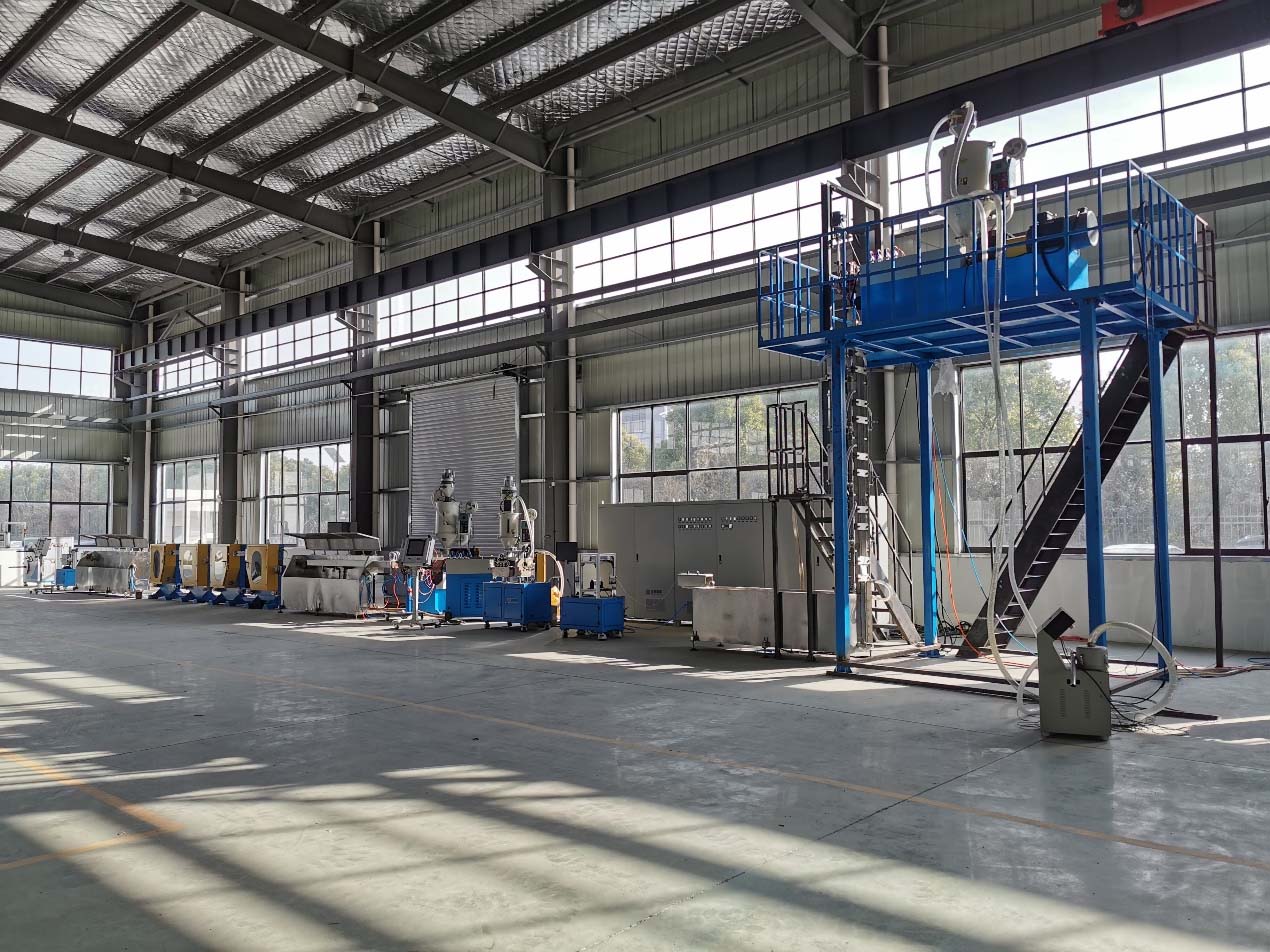
In the controlled environment of a modern industrial facility, a single, hair-thin plastic tube wound onto a reel might seem unremarkable to the untrained eye. However, in sectors ranging from mining to large-scale infrastructure demolition, this tube—known as a detonating tube—plays a critical role.
Read More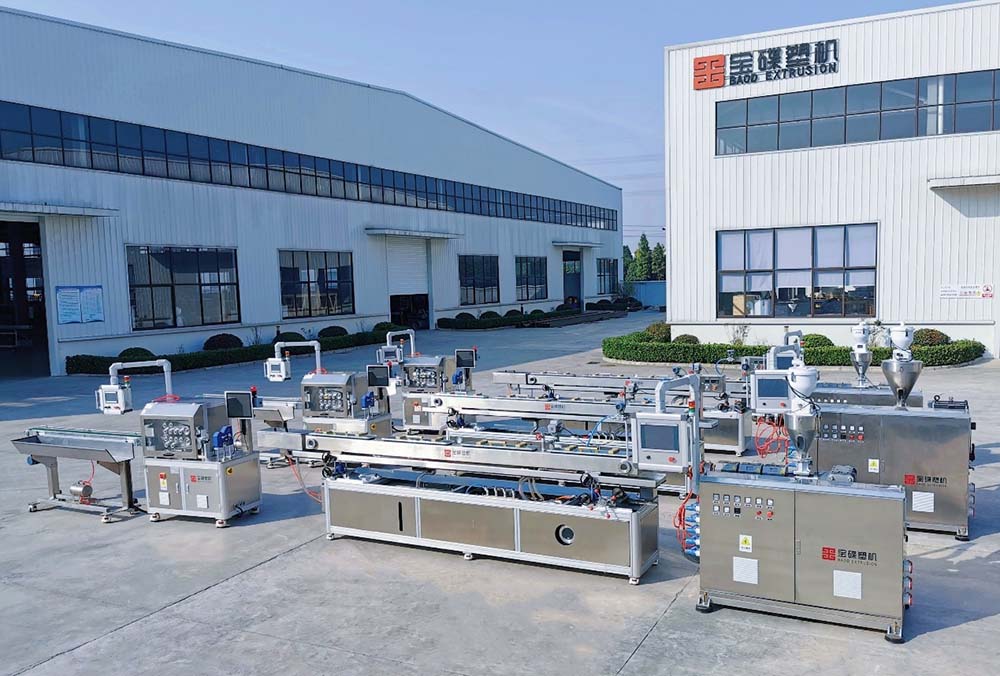
In the sterile, quiet environment of a modern medical facility, a clinician prepares a complex catheter for a critical procedure. This thin, flexible tube is far more than a simple conduit; internally, it is divided into several microscopic channels, or lumens, each designed to perform a distinct task simultaneously.
Read More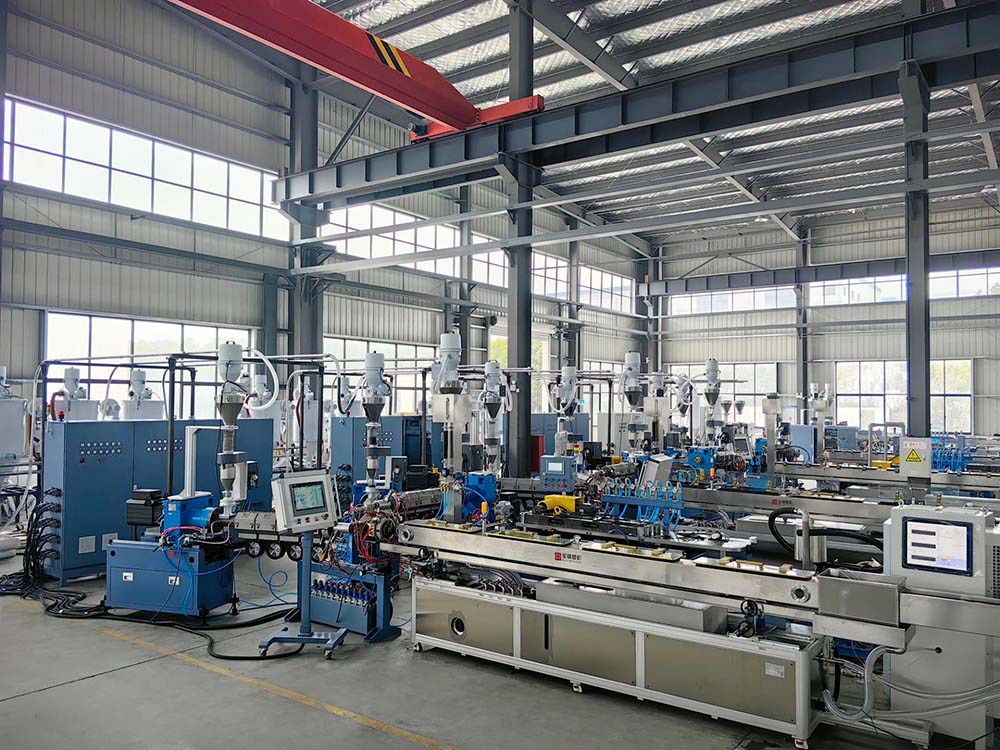
How do the world's most reputable vehicle manufacturers ensure the absolute integrity of every fuel line, brake hose, and cooling pipe buried deep within a vehicle’s chassis? Why has the shift toward electric and lightweight vehicles made the precision of these small-diameter tubes more critical than ever?
Read More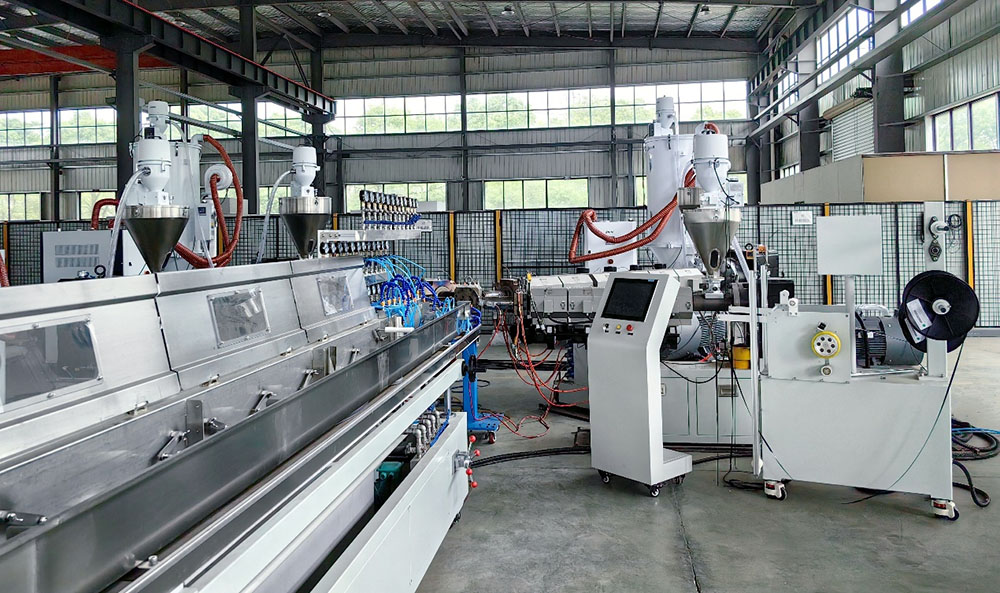
As the twilight sun reflects off the sleek, aerodynamic curves of a modern electric vehicle parked in a bustling metropolitan street, few observers notice the quiet, critical components ensuring the cabin remains a sanctuary of silence and temperature control. Behind these seals lie complex extrusion processes.
Read More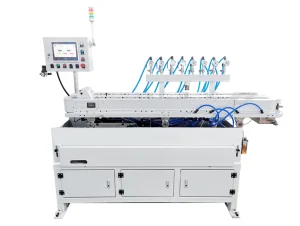
 Baodie