Discover BAOD Extrusion's state-of-the-art machinery engineered with optimized compression ratio profiles for diverse polymer processing.
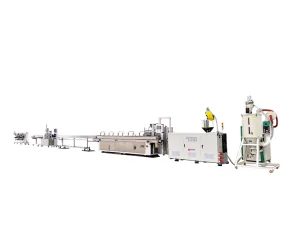
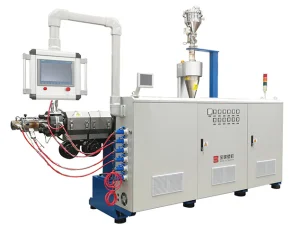
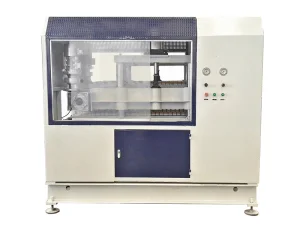
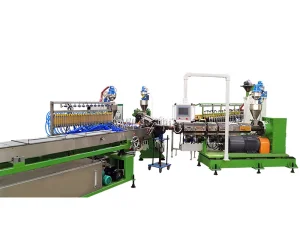
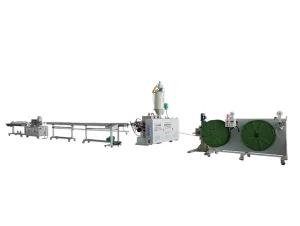
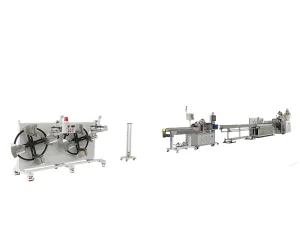
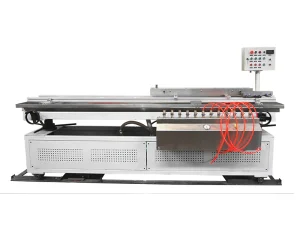
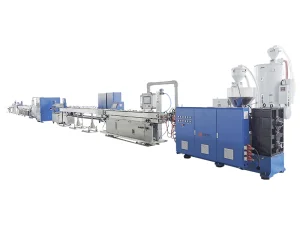
A comprehensive analysis of fluid dynamics, volumetric change, and shear heat generation in single-screw polymer processing.
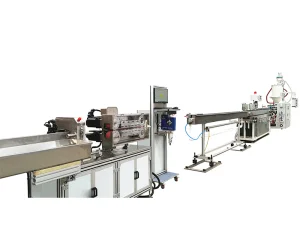
In plastic extrusion processing, the Extrusion Screw Compression Ratio (CR) is one of the most fundamental parameters governing polymer melt quality, mechanical energy dissipation, gas evacuation, and melt homogeneity. Mathematically, for standard constant-pitch single screws (such as the Custom SJ Series Single Screw Extruder), the Geometric Compression Ratio ($CR$) is defined as the ratio of the channel depth in the feed section ($h_f$) to the channel depth in the metering section ($h_m$):
Geometric Compression Ratio Formula: CR = h_feed / h_metering = (D - d_feed) / (D - d_metering)
Where D is the outer barrel diameter, d_feed is the screw root diameter in the feed zone, and d_metering is the screw root diameter in the metering zone. Volumetric compression ratios also factor in flight thickness variations along the screw axis.
As polymer resin moves down the screw channel from the feed hopper toward the die assembly, it transitions from loose solid pellets with significant interstitial air space into a continuous, fully compacted, devolatilized viscous fluid. The compression ratio physically compresses the polymer bed, driving out entrapped air backward through the hopper and establishing uniform hydrostatic pressure required to overcome die resistance.
Different thermoplastic materials exhibit drastically different melt viscosity profiles, thermal stability thresholds, and crystalline structures. Consequently, matching the correct compression ratio is critical to prevent polymer degradation or incomplete plasticization:
Target Polymers: Rigid PVC, Heat-Sensitive Elastomers, Flame-Retardant Compounds.
Prevents excessive shear heating and thermal degradation. Requires gradual energy input, wider flight channels, and precise barrel heating zones.
Target Polymers: LDPE, HDPE, PP, TPV, TPU Profiles.
The industry benchmark for general polyolefins. Provides balanced viscous shear heating, smooth melting transition, and stable throughput rates.
Target Polymers: PA (Nylon 6/66/12), PET, High-Crystalline Polymers.
Provides rapid energy transfer and high mechanical shear needed to melt sharp crystalline phase boundaries, ensuring absolute melt clarity and density.
Engineering parameters developed through 25 years of empirical R&D at Jiangsu Baodie Automation Equipment Co., Ltd.
| Polymer Resin Category | Typical Compression Ratio (CR) | L/D Ratio Range | Screw Geometry Type | Target Industrial Products |
|---|---|---|---|---|
| Polyurethane (PU) | 2.4:1 – 2.8:1 | 25:1 – 28:1 | Barrier + Pin Mixing Section | Precision Medical Tubing, Automotive Pneumatic Lines |
| Polyamide (PA6 / PA12) | 3.0:1 – 3.6:1 | 28:1 – 32:1 | Rapid Transition / Maddock Mixer | Automotive Fuel/Brake Lines, Corrugated Conduit |
| TPV / PVC Elastomers | 1.8:1 – 2.4:1 | 22:1 – 26:1 | Deep-Flighted Low-Shear Screw | Automotive Weather Stripping, Window Seals |
| HDPE / PP Micro-Duct | 2.8:1 – 3.2:1 | 30:1 – 34:1 | Grooved Feed Barrel + Barrier Screw | Silicone Core Fiber Optic Ducting, Gas Pipes |
| UHMWPE Profiles | 1.2:1 – 1.6:1 | 16:1 – 20:1 | Ultra-Low Friction Ram/Special Screw | High-Wear Industrial Guides, Conveyor Components |
Achieving precise screw compression ratios requires exceptional mechanical precision during machining. Jiangsu Baodie Automation Equipment Co., Ltd. (BAOD EXTRUSION) leverages state-of-the-art multi-axis CNC screw milling machines and advanced surface metallurgy to craft high-durability extrusion screws.
Standard carbon steel screws degrade rapidly under continuous shear stress, corrosive additive friction, and high processing temperatures. BAOD EXTRUSION utilizes premium Grade 38CrMoAlA alloy steel treated with ion nitriding, achieving surface hardness exceeding HV950-1000 with a nitrided depth of 0.5–0.8mm. For highly abrasive applications—such as glass-fiber filled PA tube extrusion or fluoropolymer processing—bimetallic nickel-based alloy coatings (Stellite or Colmonoy) are centrifugally cast onto screw flights, extending wear life by up to 300–500% compared to conventional screws.
Tungsten carbide and nickel alloy laser cladding on flight crests resists aggressive filler abrasion and acidic gas corrosion.
Integrates dispersive and distributive mixing zones to eliminate thermal stratification and guarantee uniform masterbatch dispersion.
Precision CNC grinding ensures ultra-tight flight clearance against barrel walls, eliminating melt backflow and pressure fluctuation.
Global OEM manufacturers in automotive, medical, and telecom sectors demand extrusion machinery capable of tight output tolerance, minimal melt pulsation, and reduced energy consumption per kilogram of output (kWh/kg).
By optimizing the screw compression ratio for specific polymer rheology, BAOD EXTRUSION machines lower melt temperature variations to under ±1°C. This exceptional stability is critical for producing ultra-precise components like Multi-Lumen Medical Catheters and Automotive Multi-Layer Fuel Lines.
A quarter-century legacy of precision engineering, Taiwanese R&D roots, and continuous technological innovation in plastic extrusion.
BAOD EXTRUSION (Jiangsu Baodie Automation Equipment Co., Ltd.), founded in 2002, is dedicated to the R&D, design, manufacturing, and global distribution of high-end plastic extrusion equipment. Built upon 18 years of prior engineering experience from its original parent enterprise (KINGSWEL GROUP) in Taiwan, the group established its state-of-the-art extrusion manufacturing hub in Shanghai in 1999 before expanding into its current 16,000m² facility in Jiangsu.
With over 25 years of accumulated plastic extrusion engineering expertise, BAOD EXTRUSION maintains a rigorous focus on:
Stay informed with the latest advancements in extrusion technology, Chinaplas highlights, and technical engineering papers.
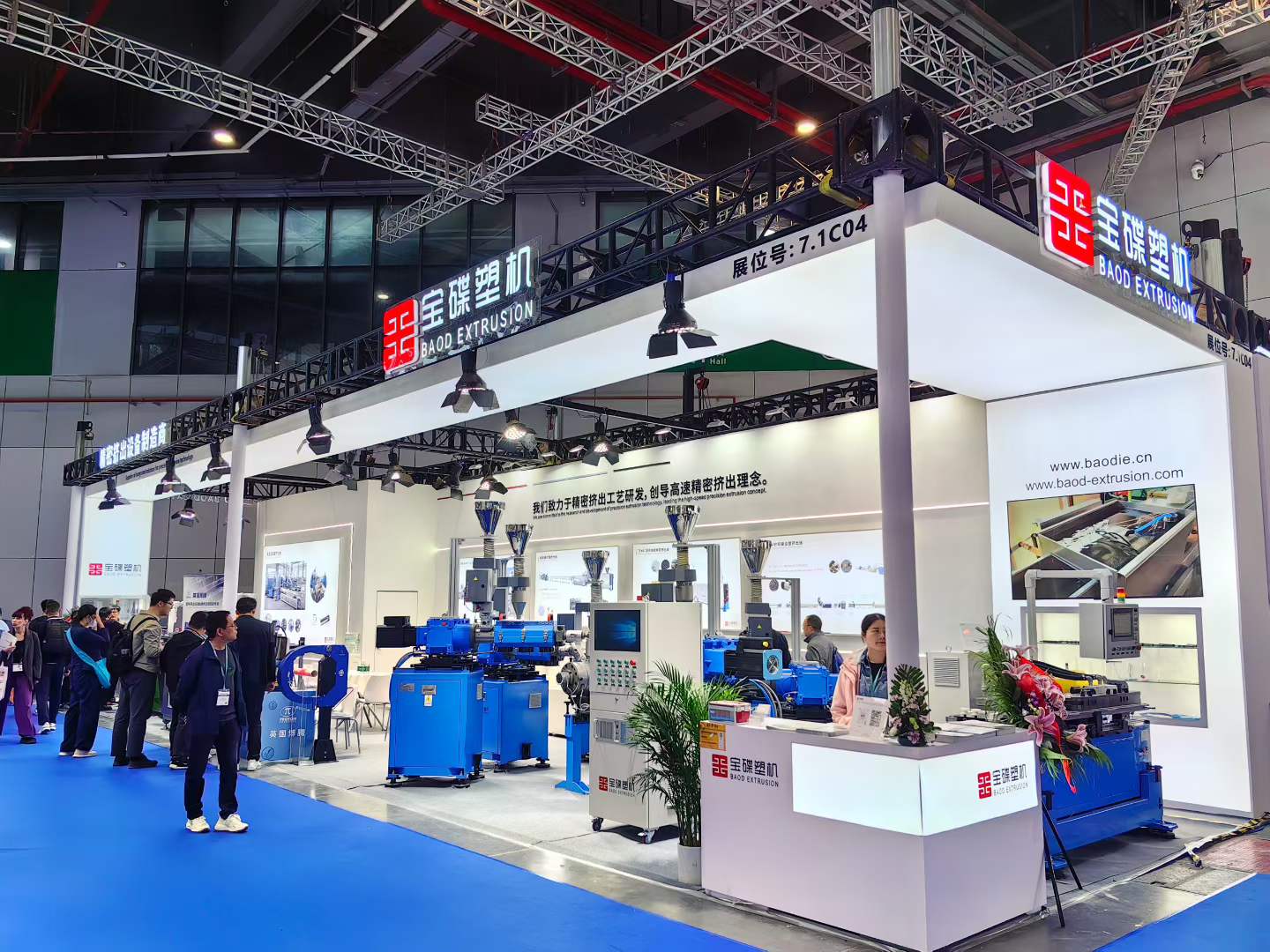
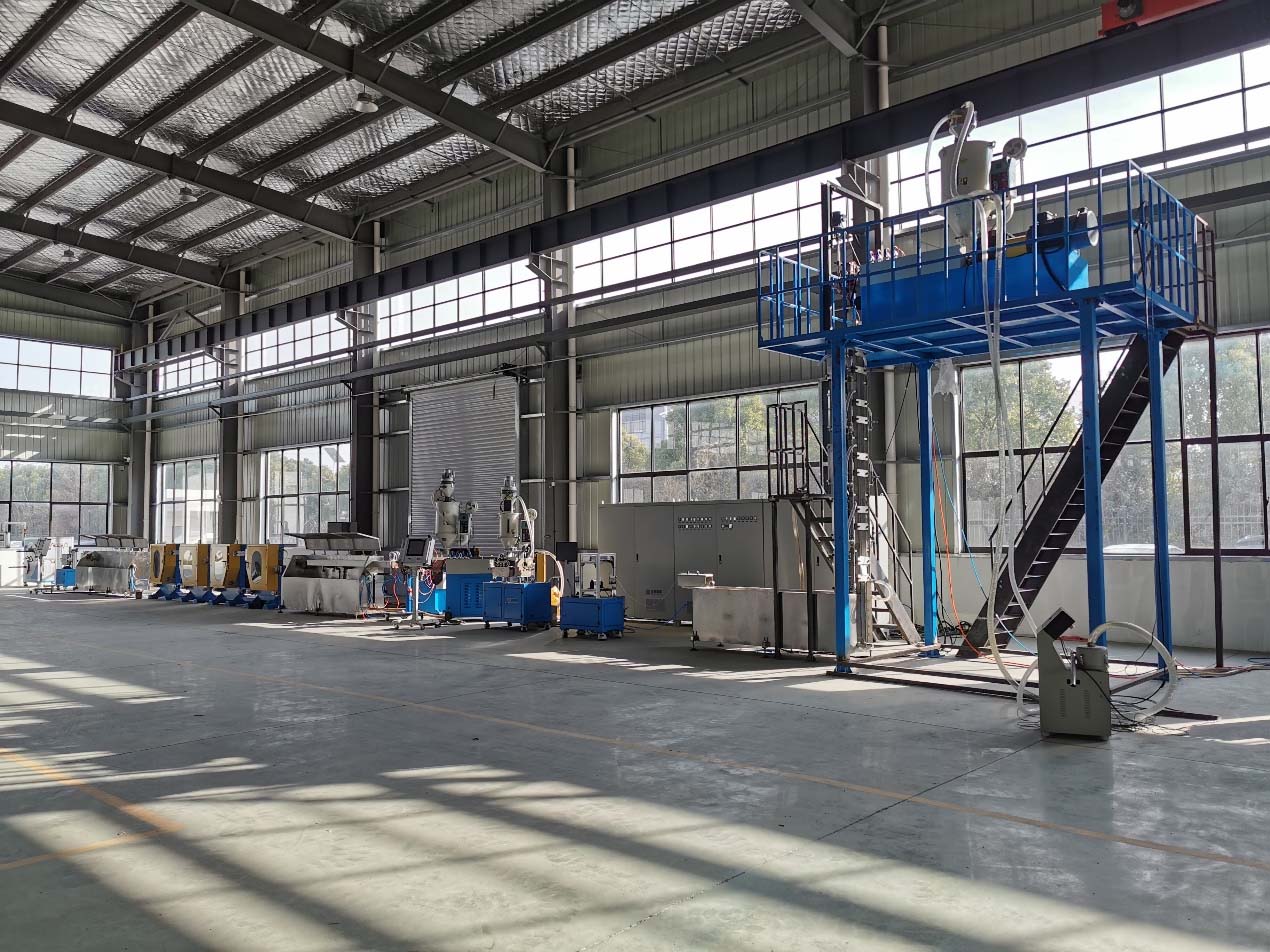
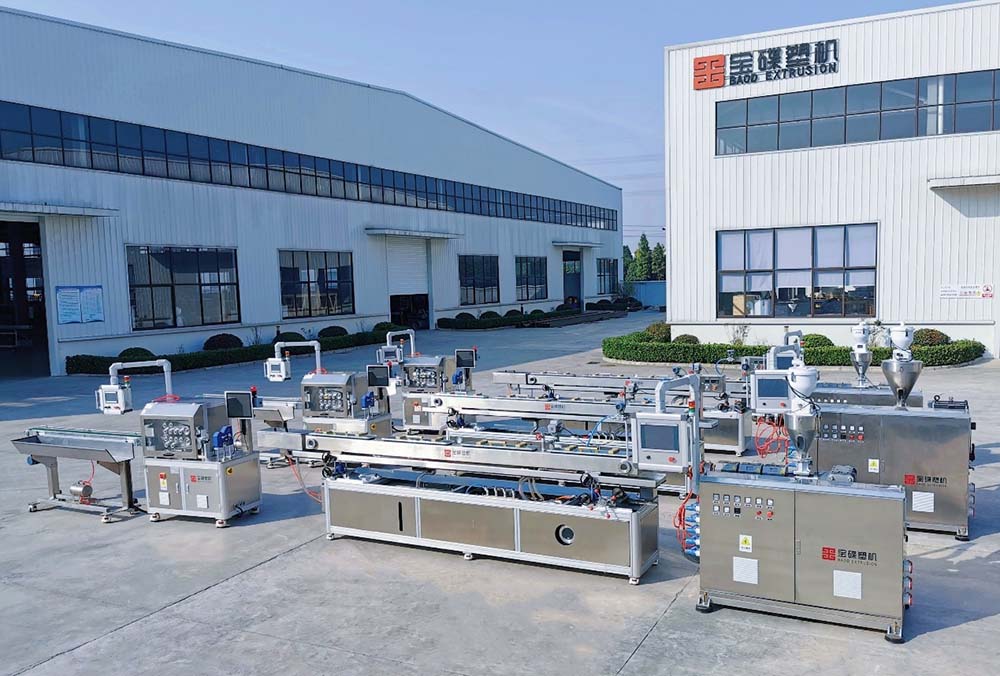
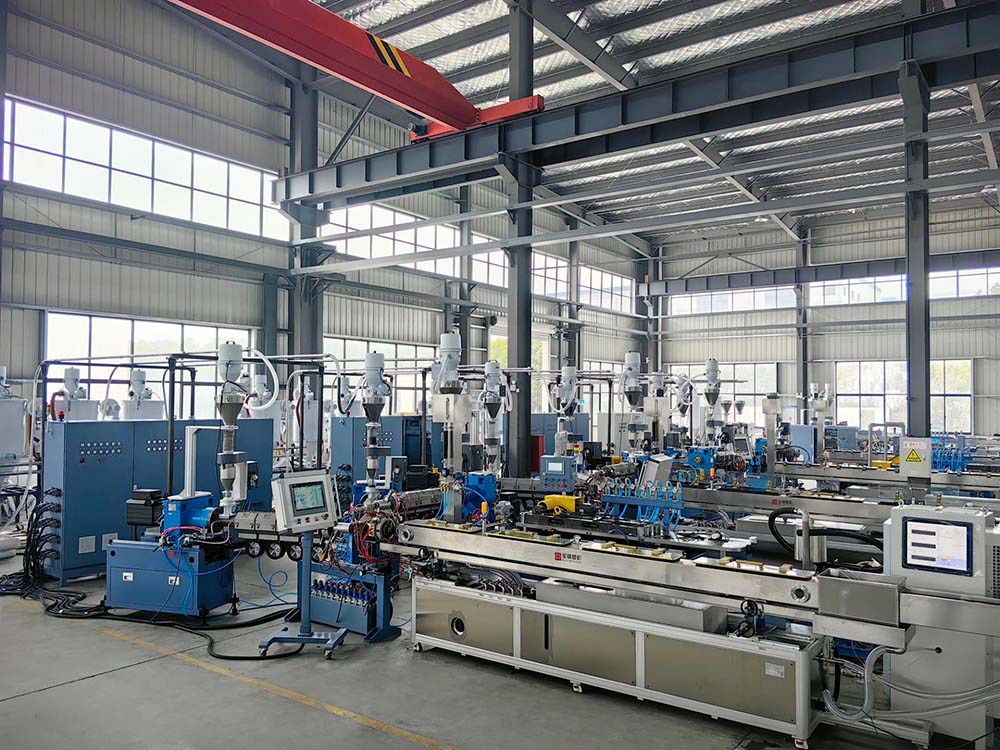
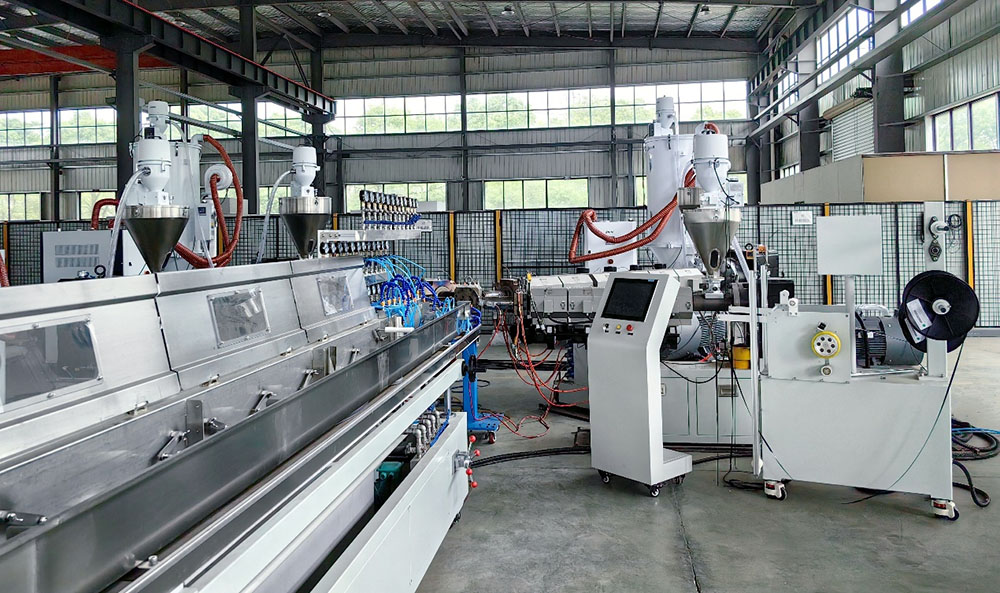
Explore our complete range of custom profile extrusion lines, multi-layer tube equipment, and auxiliary downstream systems.
Expert answers to common engineering, procurement, and polymer processing queries regarding screw compression ratios.
 Baodie