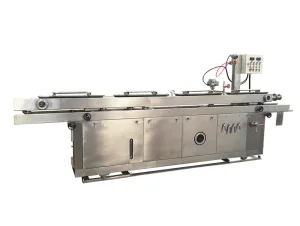
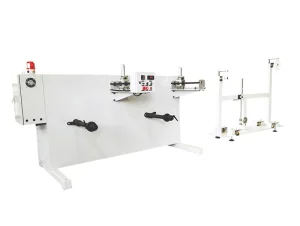
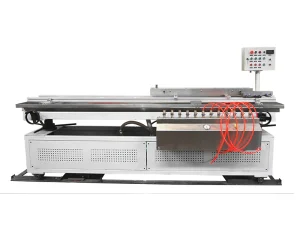
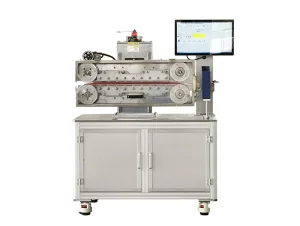
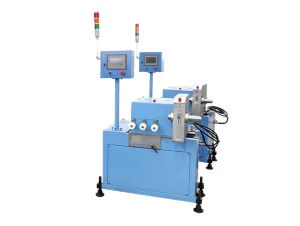
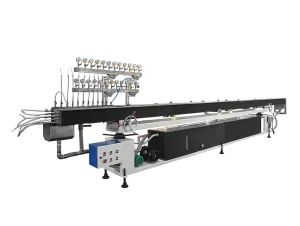
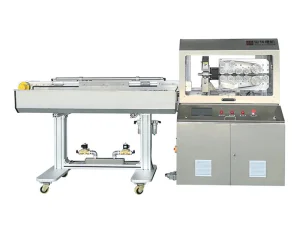
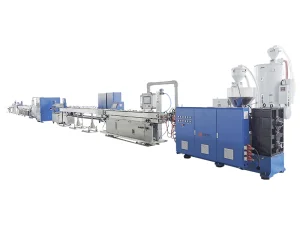
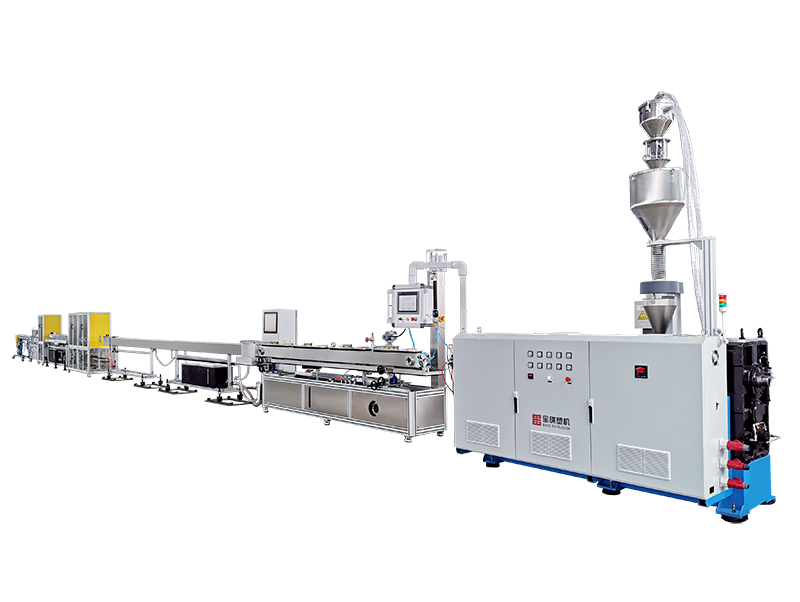
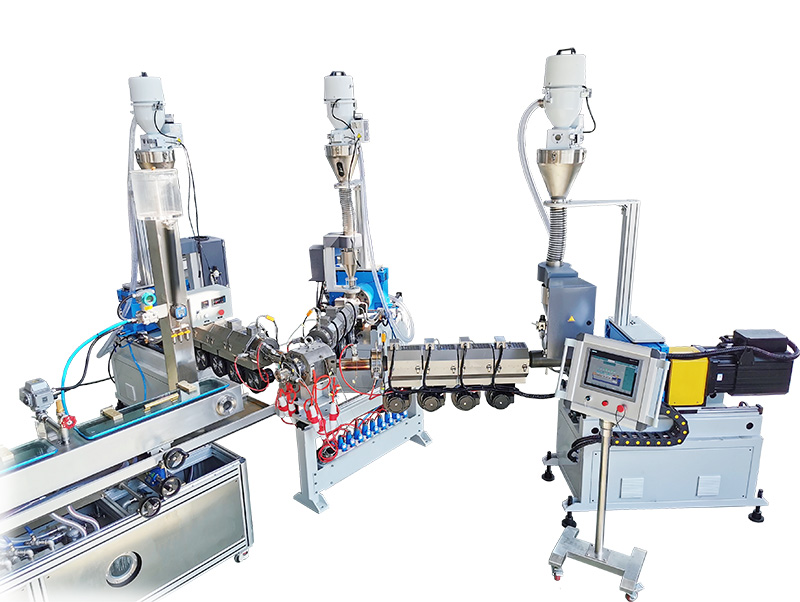
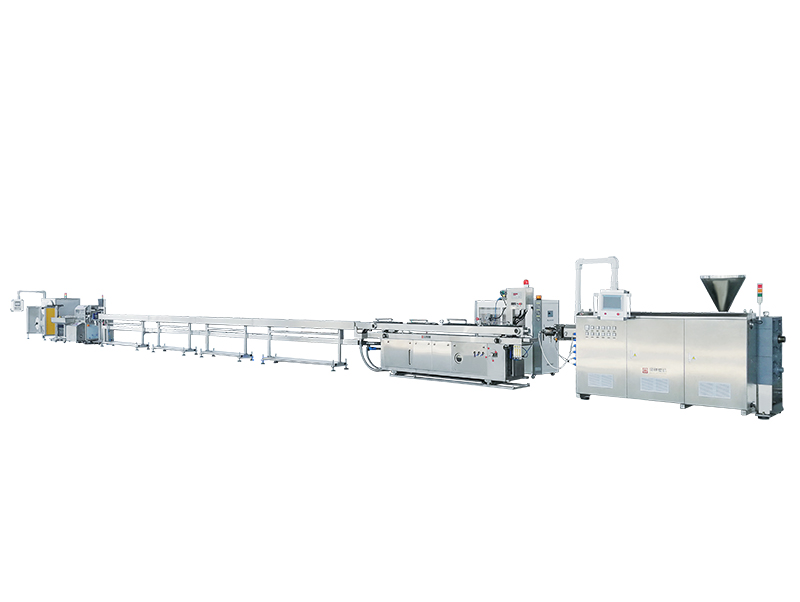
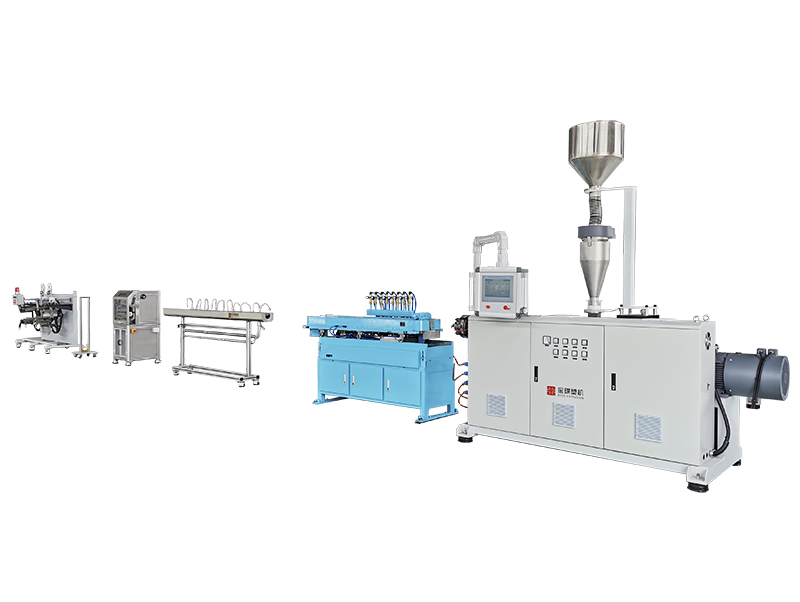
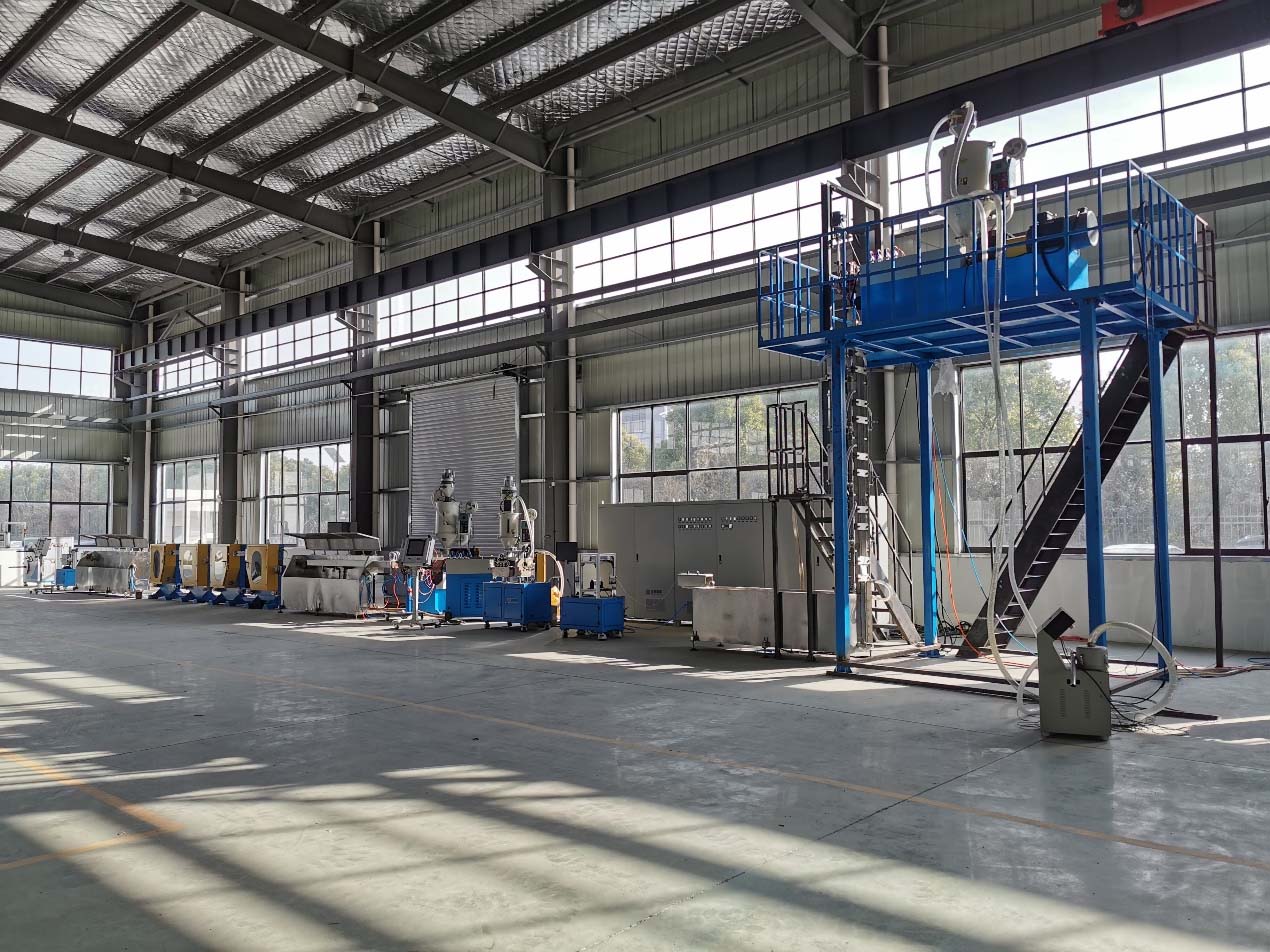
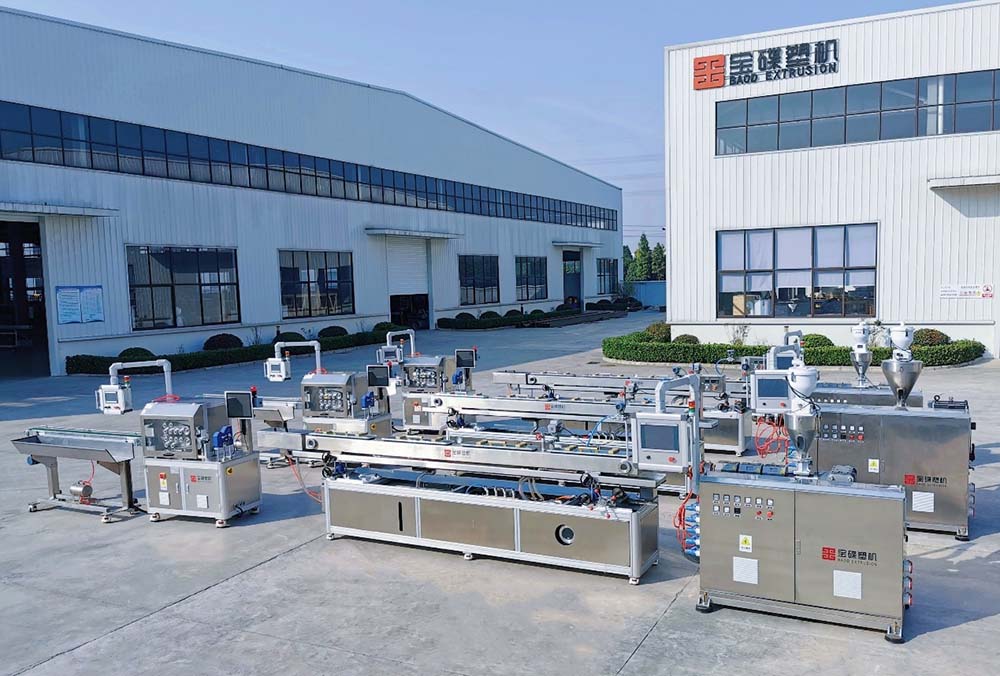
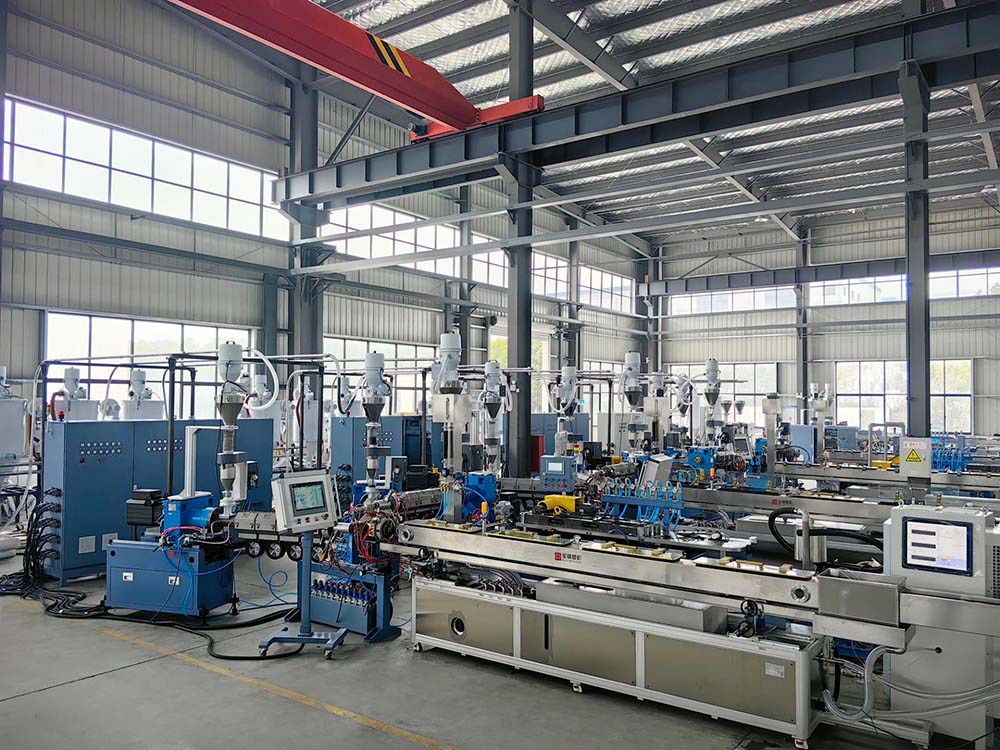
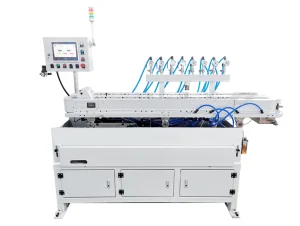
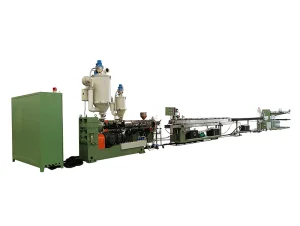
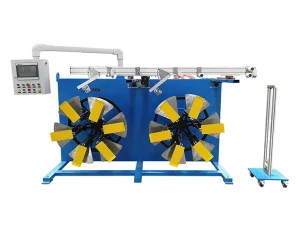
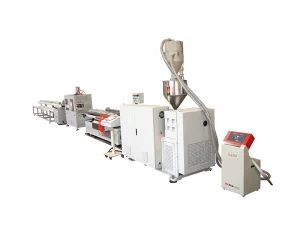
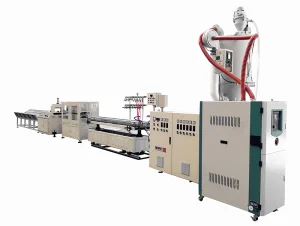
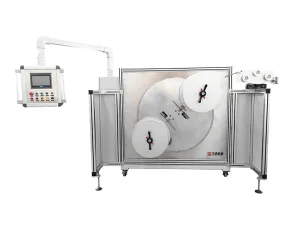
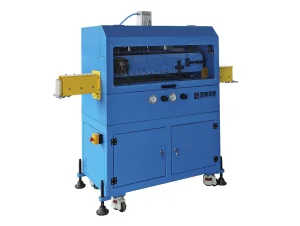
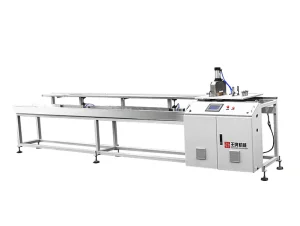
Founded in 2002, BAOD EXTRUSION (Jiangsu Baodie Automation Equipment Co., Ltd.) has dedicated over two decades to the design, manufacturing, and global distribution of high-performance plastic extrusion downstream systems. Building upon 18 years of pioneering engineering legacy inherited from our original Taiwan-based parent group, the KINGSWEL GROUP, we established a state-of-the-art manufacturing core in Shanghai in 1999, subsequently expanding to our modern facilities in Jiangsu.
Long-term Focus on Research & Development
We target four core technological pillars in extrusion design:
Precision Extrusion Control: Eliminating dimensional drift via ultra-stable vacuum regulation.
High-Efficiency Downstream Automation: Enhancing linear production speed while lowering raw material waste.
Intelligent System Integration: Full line communication via Siemens PLC protocols and Industry 4.0 IoT interfaces.
Uncompromised Operational Safety: Upgraded CE-compliant protection schemes across pullers, cutters, and winders.
25+
Years of Extrusion Innovation
16,000 m²
Modern Manufacturing Footprint
100+
Highly Skilled Engineers & Staff
Our Core Solutions
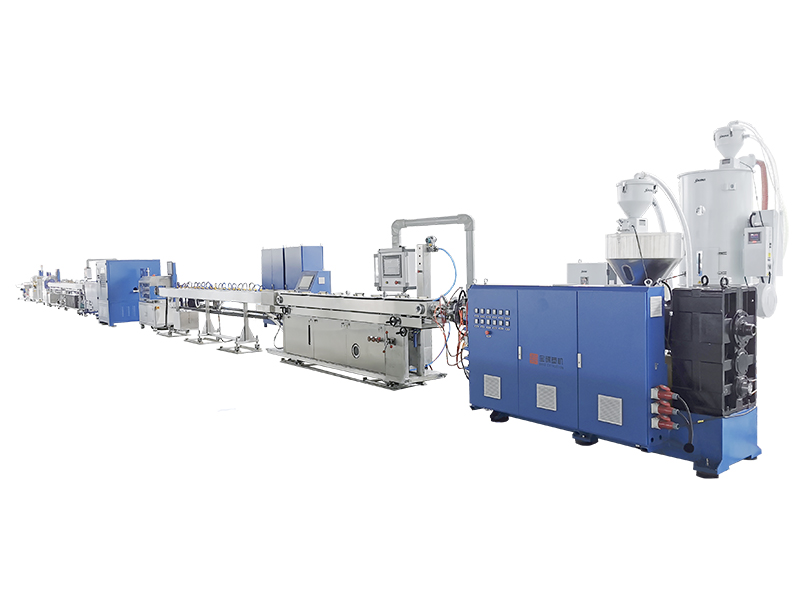
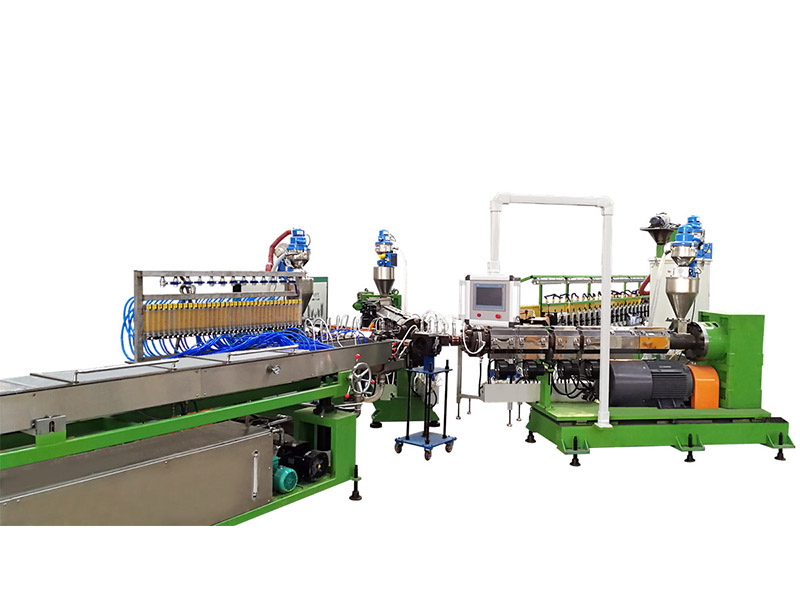
High-Efficiency Extrusion Lines by BAOD
Precision Small Diameter Tube/Pipe Extrusion Line
Multi-Layer PA Smooth / Corrugated Hose/ Tube Extrusion Line
High Speed PVC Medical Tube Extrusion Line
PA/PE/PP/PVC High Speed Single Wall Corrugated Pipe Extrusion Line
TPV Knitting Compostie Hose Extrusion Line
TPV,PVC Automobile Sealing Strip Extrusion Line
1. The Global Landscape of Downstream Extrusion Automation
In modern plastics processing, the extruder itself determines the melt quality, but the **downstream equipment** determines the final product's dimensional accuracy, physical characteristics, and overall profitability. As industries shift from commodity profiles to high-precision engineering materials (like TPV, PA12, Fluoropolymers, and UHMWPE), downstream mechanical stability is the defining factor for international compliance.
Historically, extrusion operations suffered from lag in speed synchronization between pullers and extruders, resulting in wall-thickness variation. Modern downstream components utilize closed-loop digital feedback networks, linking laser OD gauges directly with puller drives and vacuum calibration valves. This ensures that even under variable high-speed extrusion conditions, tolerances are held to under ±0.02 mm.
2. Key Technology Roadmaps in Precision Downstream Processing
Jiangsu Baodie's R&D efforts are focused on bridging the gap between high-speed material output and downstream handling precision:
Auto-Vacuum Calibration & Sizing: Vacuum stability is critical to avoid cross-sectional distortion in microducts and multi-lumen catheters. BAOD's technology maintains vacuum pressure via electronic closed-loop regulators, compensating for water-level fluctuations instantly.
High-Speed Servo Pulling: Using dual-axis synchronous belt pullers driven by high-response servo motors, preventing slippage or deformation on delicate profiles like medical tubes or soft TPV sealing strips.
Non-Contact and High-Speed Rotary Cutting: Standard saw cutters introduce chips and burrs. Modern medical and automotive tubes utilize clean rotary fly-cutters or follow-up circular saws which perform clean-cut actions at millisecond intervals, avoiding the need for secondary deburring.
Tension-Controlled Auto Coiling: Microducts and hoses must be wound without internal tension buildup to avoid elongation. Dual-shaft traversing winders adjust winding torque dynamically as the coil diameter grows.
Information Gain: Downstream Speed Synchronization
By applying real-time EtherCAT fieldbus protocols, the delay between the haul-off puller speed adjustments and the extruder screw rpm is reduced to less than 1.5ms. This prevents the "draw-down ratio" anomalies that cause micro-fractures in structural automotive tubing.
3. Industry Trends & Macro Solutions for High-Spec Sectors
A. Automotive Hose & Sealing Systems
The rise of Electric Vehicles (EVs) demands lightweight materials and multi-layer cooling lines. Thermal management systems rely on TPV (Thermoplastic Vulcanizates) for flexibility and heat resistance. The downstream extrusion line must calibrate, knit reinforcing fabric, and extrude secondary layers in a seamless continuous process.
B. Medical-Grade Micro-Bore Extrusion
For multi-lumen catheters used in minimally invasive surgeries, zero contamination and strict concentricity are non-negotiable. Downstream equipment must be operated in cleanrooms, requiring stainless steel contact surfaces, oil-free vacuum pumps, and high-speed rotary cutters that operate without emitting particulates.
C. Telecommunications Micro-Duct Systems
The rollout of global 5G fiber networks relies heavily on HDPE silicone core tubes. Co-extruded with an inner lubricious silicone layer, these microducts must survive high blow-in pressures. BAOD's high-speed corrugated forming and auto-traverse winding lines ensure these ducts are fabricated with uniform wall thickness and spooled in lengths up to several kilometers without tangles.
Technical FAQ
Addressing Downstream Engineering Challenges
How does BAOD maintain vacuum stability in its sizing tanks?
Our precision auto vacuum sizing tanks integrate electronic pressure transducers with modulating valves. This system constantly reads the internal pressure and regulates water bypass and vacuum pumps automatically. Unlike manual mechanical valves, our electronic closed-loop system maintains pressure within a ±0.5 kPa variance, ensuring high-tolerance tubular dimensions.
What cutting technology is recommended for high-speed flexible tubes?
For flexible tubes (such as TPU, TPV, or soft PVC), we recommend our **FQ Series Rotary Fly Knife Cutter**. It cuts without stopping the linear motion of the tube, using a high-response servo motor that synchronizes with the haul-off puller. This eliminates the deformation that occurs during compression cuts.
Why is tension control critical in dual-shaft winders?
When winding elastic hoses or microducts, excessive winding tension can cause elongation and irreversible necking. BAOD's auto winding coilers employ magnetic powder clutches or servo-driven tension feedback rollers to dynamically reduce winding torque as the coil grows in weight and diameter, maintaining a constant spooling tension.
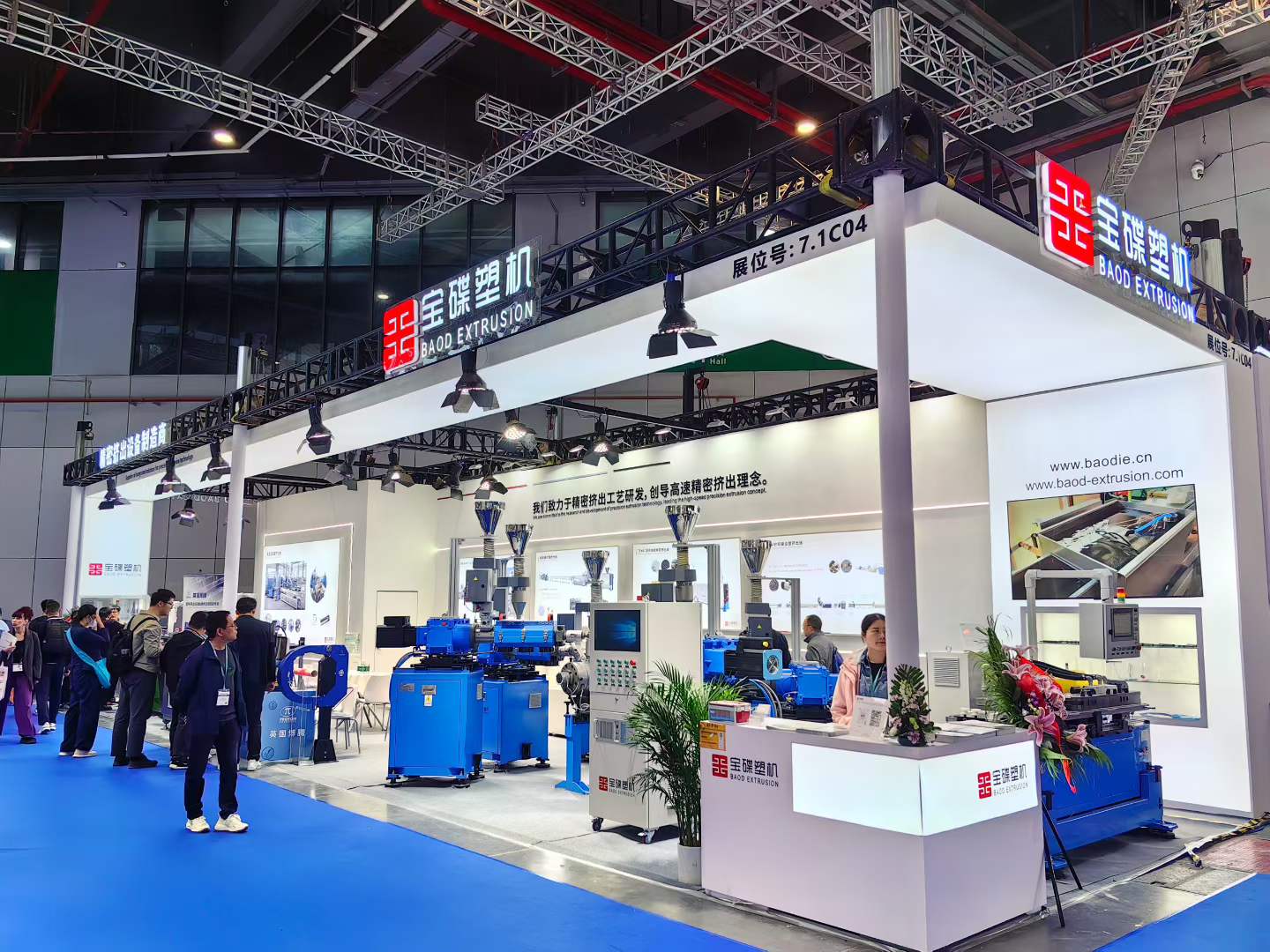
From April 21–24, CHINAPLAS 2026 was successfully held at the National Exhibition and Convention Center (Shanghai, Hongqiao). BAOD EXTRUSION showcased its latest R&D achievements at Booth 7.1C04, presenting “Smart Extrusion · High-Efficiency Innovation” solutions that attracted massive international attention.
Innovation and Reliability: BAOD EXTRUSION as Top 10 Customized Detonating Tube Extrusion Line Solution Provider
In the controlled environment of a modern industrial facility, a single, hair-thin plastic tube wound onto a reel might seem unremarkable to the untrained eye. However, in sectors ranging from mining and quarrying to large-scale infrastructure demolition, this tube—known as a detonating tube—demands flawless manufacturing compliance.
High Precision Multi-Lumen Tube Extrusion Line In China vs European Manufacturing Standards
In the sterile, quiet environment of a modern medical facility, a clinician prepares a complex catheter for a critical procedure. This thin, flexible tube is far more than a simple conduit; internally, it is divided into several microscopic channels, or lumens, each designed to perform a distinct role.
How China Leading OEM Automotive Tube Extrusion Line Supplier BAOD Maintains International Manufacturing Compliance
How do the world's most reputable vehicle manufacturers ensure the absolute integrity of every fuel line, brake hose, and cooling pipe buried deep within a vehicle’s chassis? We look deep into how the shift toward electric and lightweight vehicles makes downline precision critical.
 Baodie