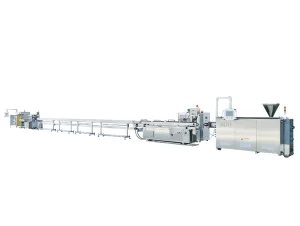
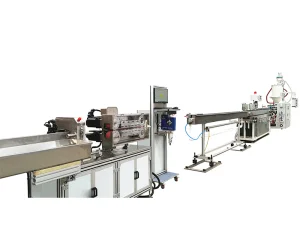
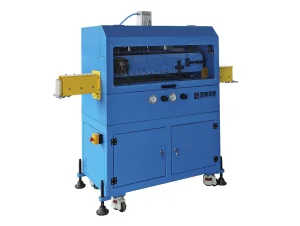
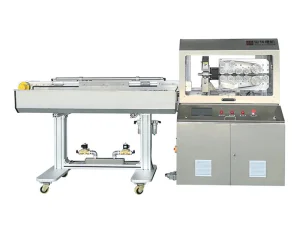
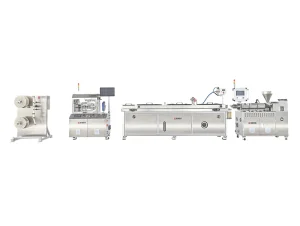
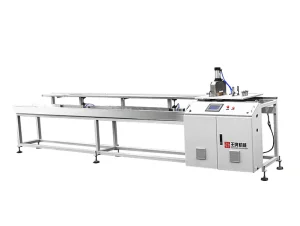
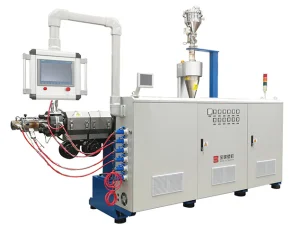
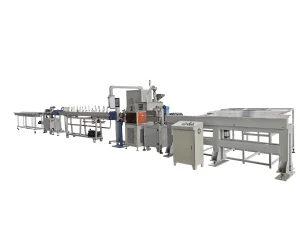
Explore our state-of-the-art engineering solutions, customized for medical-grade performance and industrial automation.
The manufacturing of medical-grade catheter tubing, specifically Central Venous Catheters (CVC), is one of the most critical processes in high-end medical plastics processing. These micro-bore, multi-lumen tubes require unmatched accuracy, dimensional stability, and cleanroom compatibility to ensure patient safety during prolonged vascular access. As a device inserted directly into the central circulation system, a CVC must possess precise geometrical tolerances, reliable radio-opaque stripe visibility, and biocompatible material consistency.
Global demand for high-end catheter systems has forced manufacturers to move away from legacy single-layer tubing towards complex, multi-lumen co-extruded solutions. These designs typically feature polyurethane (TPU) or Pebax configurations with embedded barium sulfate (BaSO4) stripes for radiographic visibility. Maintaining concentricity, preventing lumen collapse during draw-down, and ensuring consistent wall thickness are challenges that can only be overcome using dedicated precision medical extrusion machinery designed to strict quality guidelines.
Unlike standard tube lines, a Central Venous Catheter extrusion line operates at sub-micron precision. A fluctuations of even 0.01mm in wall thickness can lead to catastrophical catheter failure under high infusion pressures. Therefore, integration of closed-loop gravimetric systems, high-frequency ultrasonic wall-thickness monitors, and micro-vacuum calibration chambers is essential to comply with international regulatory audits.
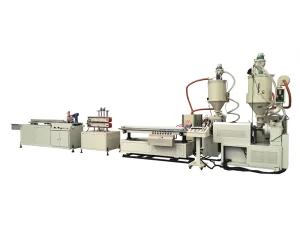
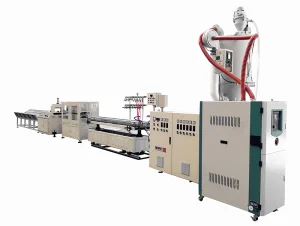
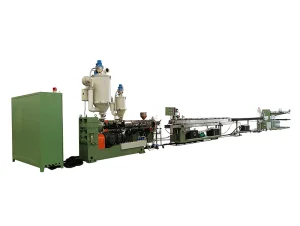
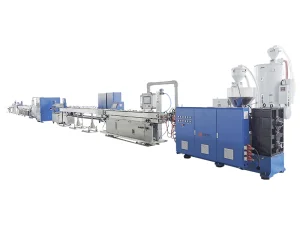
Achieving predictable clinical results starts with precision design at every stage of the extrusion line. Below is a breakdown of our high-accuracy technology components designed to maintain structural integrity.
Equipped with a barrier-type low-shear screw engineered specifically for heat-sensitive TPU. Gentle melting prevents material degradation and discoloration, maintaining pristine biological properties.
High-precision split-flow channel design. Guarantees uniform melt distribution across complex geometries, such as double-lumen and triple-lumen configurations, without creating weld lines.
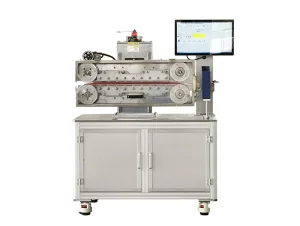
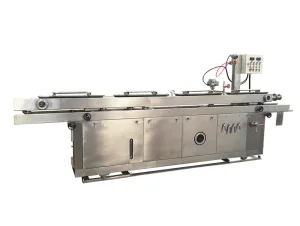
Maintains sizing chamber vacuum levels within ±0.05 kPa. Minimizes geometric ovality and prevents micro-channel collapse during high-speed production runs.
| Extrusion Line Parameter | Industry Standard Requirement | BAOD Medical System Capability |
|---|---|---|
| Outer Diameter (OD) Tolerance | ± 0.05 mm | ± 0.015 - 0.02 mm (Closed-loop controlled) |
| Wall Thickness Concentricity | > 85% | > 92% (Continuous monitor tracking) |
| Cleanroom Integration Grade | Class 100,000 (ISO 8) | Class 10,000 (ISO 7) Compatible configuration |
| Melt Temp Variation Tolerances | ± 1.0 °C | ± 0.2 °C (Using specialized thermal management) |
China's medical machinery industry has matured from a cost-driven base into a global leader in high-precision, highly automated engineering systems. By centering manufacturing operations in Jiangsu, Jiangsu Baodie Automation Equipment Co., Ltd. (BAOD EXTRUSION) leverages a robust localized supply chain ecosystem. We source premium-grade structural materials, specialized drive systems, and high-tolerance CNC-machined components locally, reducing lead times and operational friction.
This localized supply chain integration allows us to execute rapid component sourcing and design iterations that would typically take months elsewhere. By combining this speed with European-level design tolerances, we deliver high-performance CVC extrusion systems at a fraction of the CAPEX of traditional suppliers, making precision manufacturing accessible globally without compromising on quality.
As medical manufacturing trends toward smart factory operations and total traceability, the technological roadmap for extrusion machinery is undergoing a massive shift.
Developing AI modules to autonomously monitor and adjust haul-off speed, melt pressure, and vacuum levels in real-time, targeting zero-scrap production starts.
Predictive analysis of screw wear and heater band performance based on real-time mechanical drag and energy draw statistics.
Automated output of processing parameter data packets, facilitating compliance with medical device traceability audits.
Navigating different regulatory frameworks is a significant challenge for medical device manufacturers worldwide. Jiangsu Baodie provides full validation documentation templates, including Installation Qualification (IQ), Operational Qualification (OQ), and Performance Qualification (PQ) models. These documents simplify the compliance process for facilities auditing under standard CE, ISO 13485, and FDA regulations.
Our localized support structure features a network of regional partners and remote diagnostics interfaces. Should performance metrics deviate, our software engineers can diagnose control parameters via secure cloud networks, minimizing downtime. Furthermore, we maintain a complete inventory of critical spare parts in our regional warehouses to support prompt physical maintenance when needed.
IQ (Installation Qualification): Verification that all hardware components, vacuum piping, and electrical circuits are configured to design specs.
OQ (Operational Qualification): Testing boundary operating conditions, control loops, alarms, and emergency limits to ensure safe baseline operations.
PQ (Performance Qualification): Validating dimensional output consistency and mechanical integrity during continuous, high-volume production trials.
BAOD EXTRUSION (Jiangsu Baodie Automation Equipment Co., Ltd.), founded in 2002, is dedicated to the design, manufacturing, and sales of high-performance plastic extrusion equipment. Leveraging over 25 years of experience in designing and fabricating high-quality machinery originally established in Taiwan, our parent group (KINGSWEL GROUP) invested in expanding our primary manufacturing base to mainland China in 1999 to support growing global markets.
We focus on continuous research and development in high-efficiency, high-automation, and safety-protected extrusion technology. Our systems are engineered to help global manufacturers optimize productivity, improve material yield, and meet strict international standards.
Find answers to common technical, design, and compliance questions regarding multi-lumen CVC production lines.
A diverse selection of high-precision extrusion configurations built for industrial performance, automotive assemblies, and clinical applications.
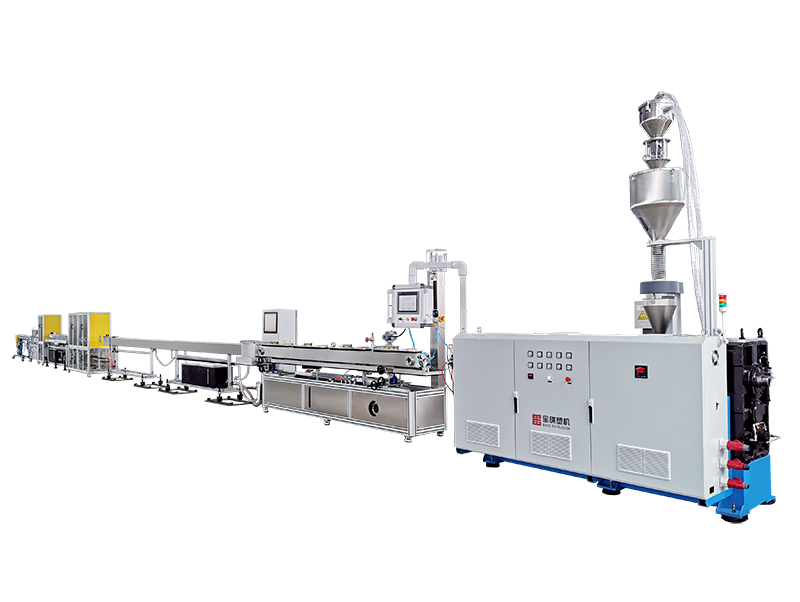
Designed for high-accuracy small diameter tubes with optimized melt flow control.
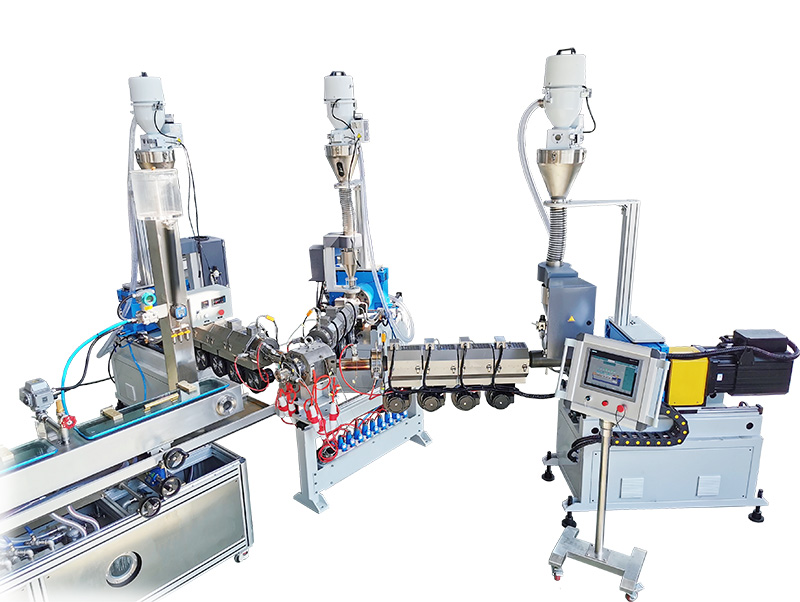
High speed multi-layer co-extrusion for automotive fuel and vapor lines.
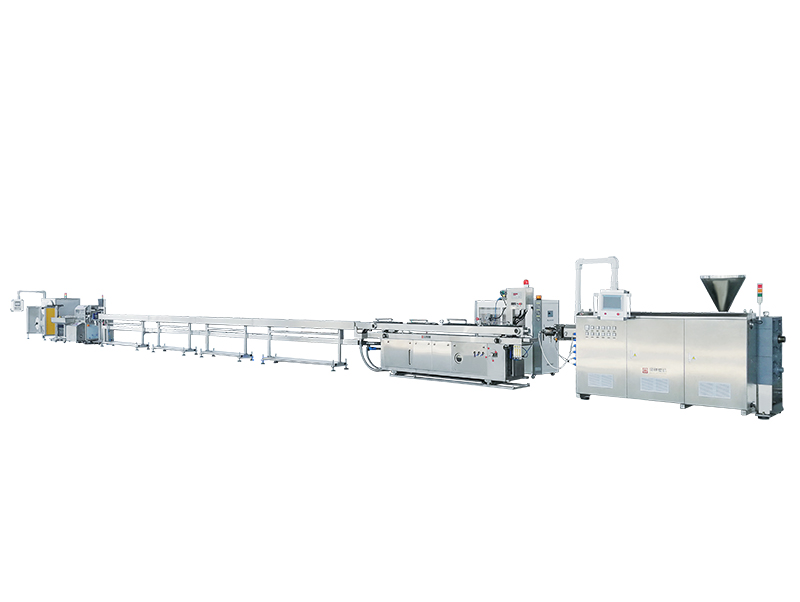
High-efficiency, medical-grade PVC tubing extrusion at high line speeds.
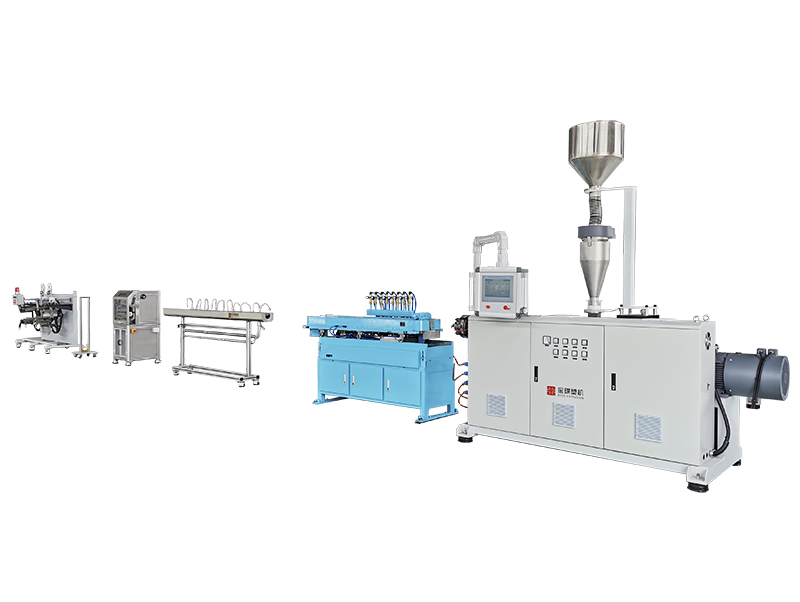
Automated high-speed single-wall corrugator for wire harnesses and conduits.
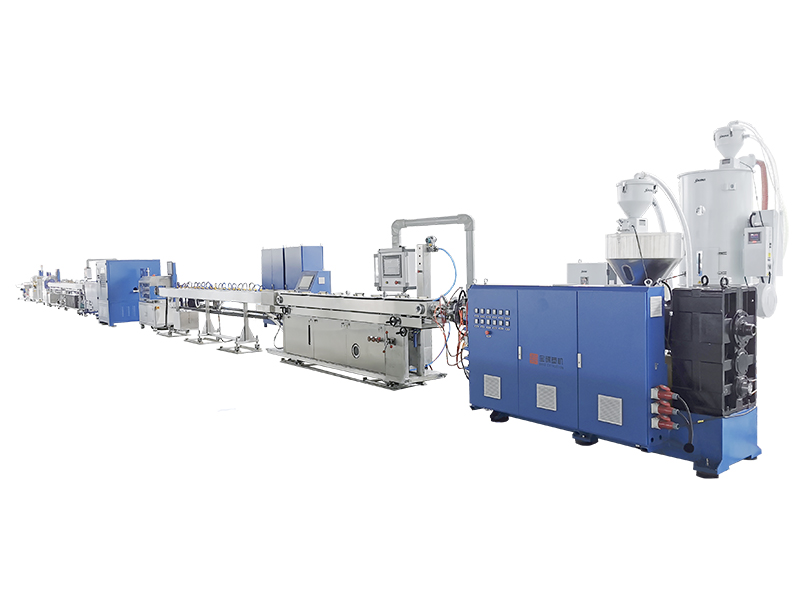
Engineered for reinforced automotive hoses requiring thermal stability.
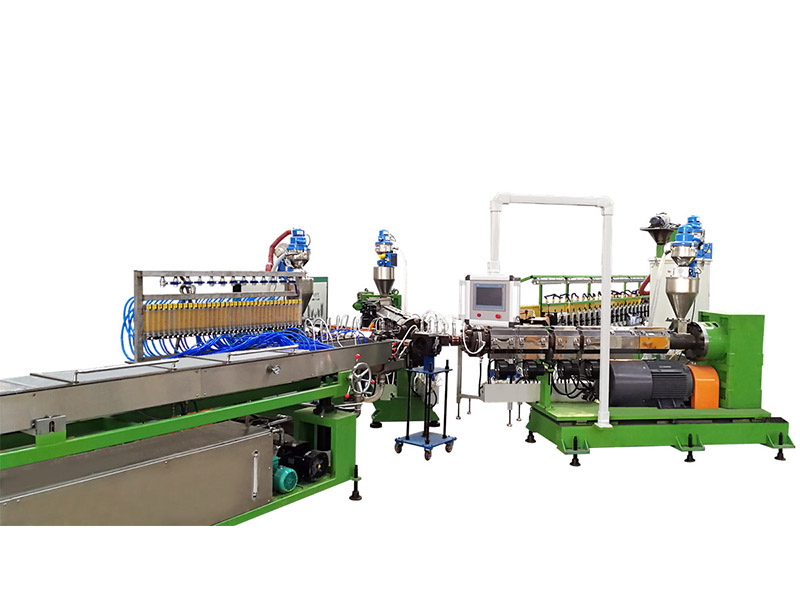
Optimized profile line for structural vehicle seal strips and weatherproofing.
Stay informed on plastic extrusion developments, regulatory compliance shifts, and upcoming industry events.
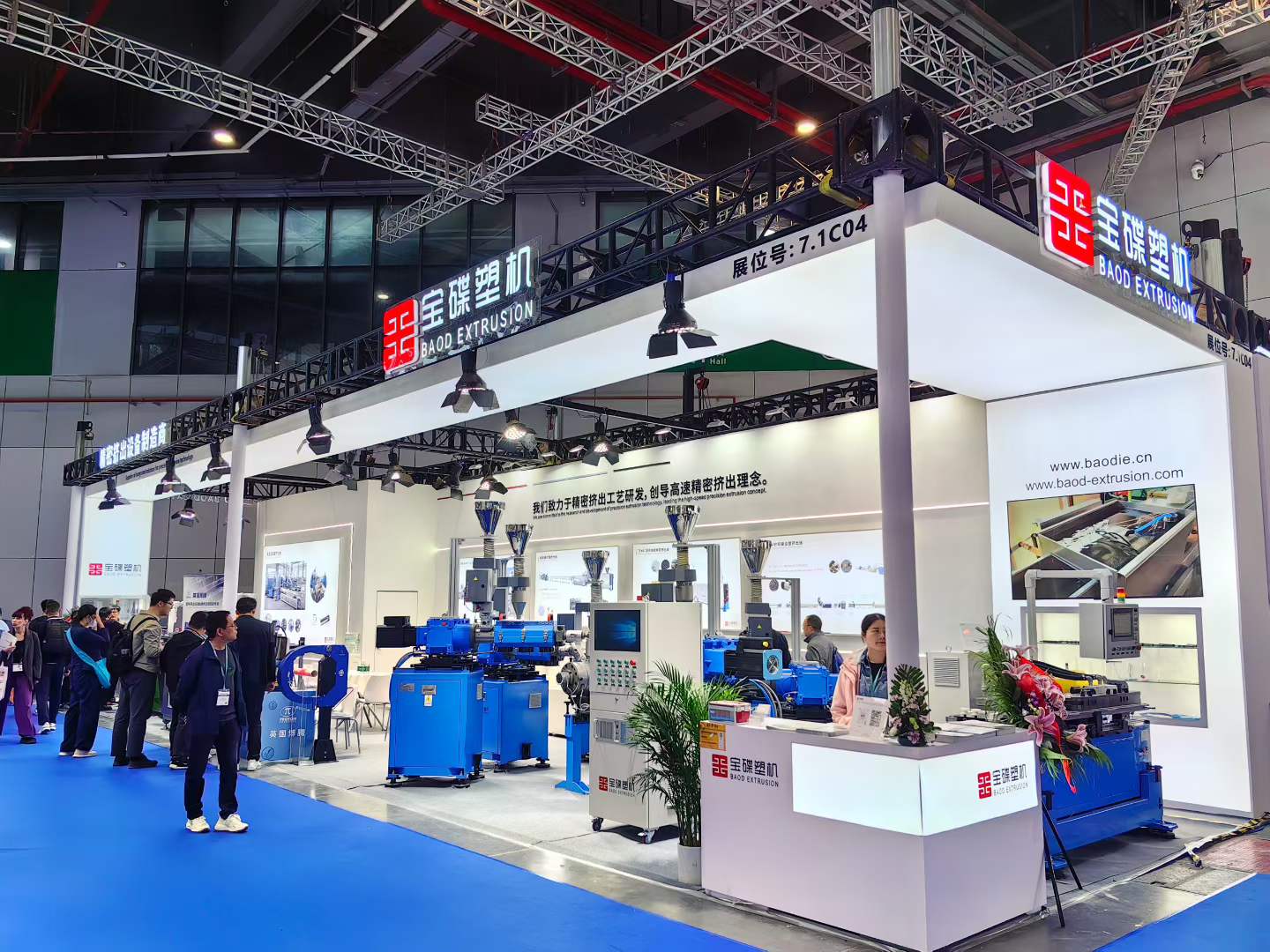
BAOD EXTRUSION presented "Smart Extrusion & High-Efficiency Innovation" solutions at Booth 7.1C04, showcasing recent R&D developments in precision tooling and automation.
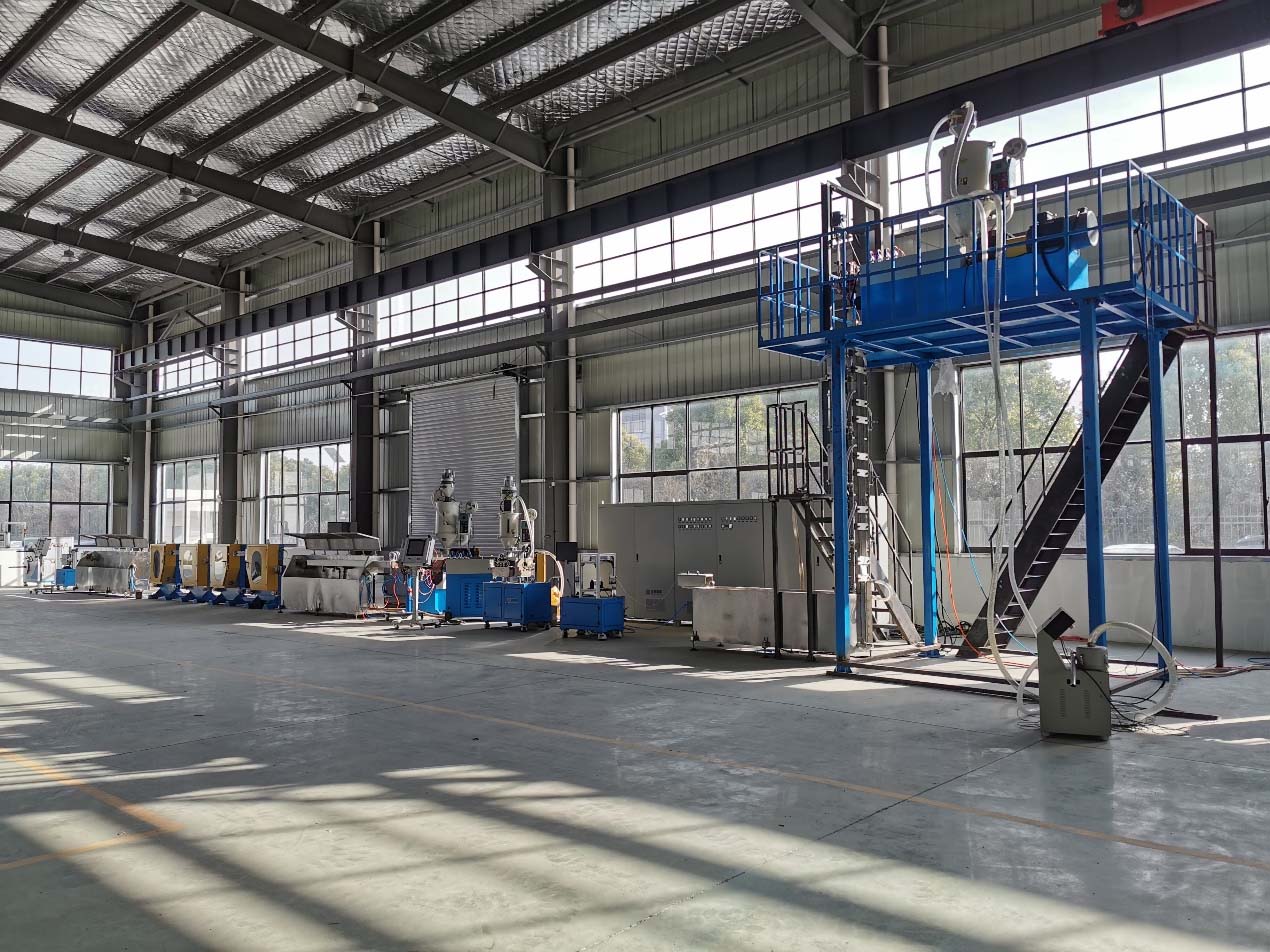
A look at the strict engineering tolerances required to produce detonating tubes for mining, demolition, and infrastructure projects.
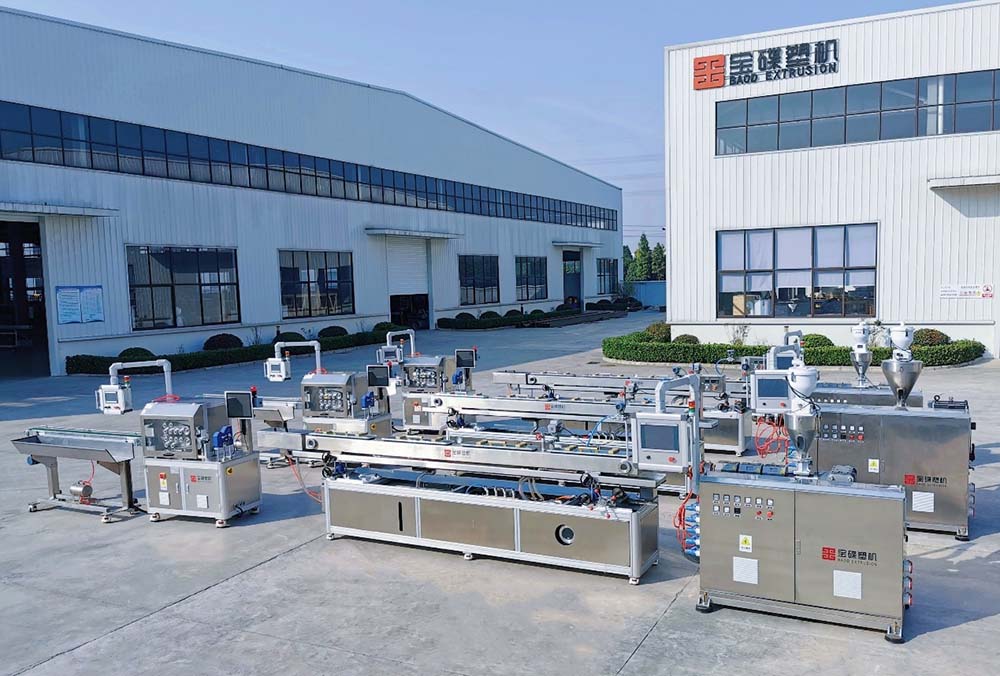
An objective analysis comparing Chinese-built multi-lumen extrusion lines with European counterparts on cost, precision, and ease of validation.
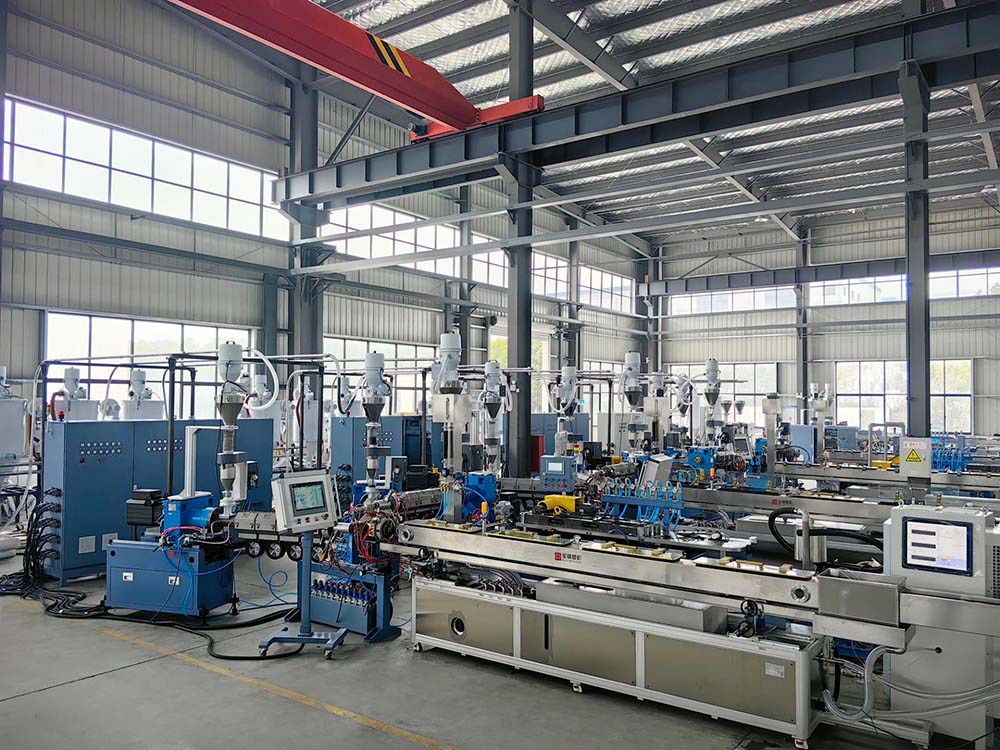
Reviewing our quality management protocols for producing automotive fuel, brake, and coolant lines that meet demanding global standards.
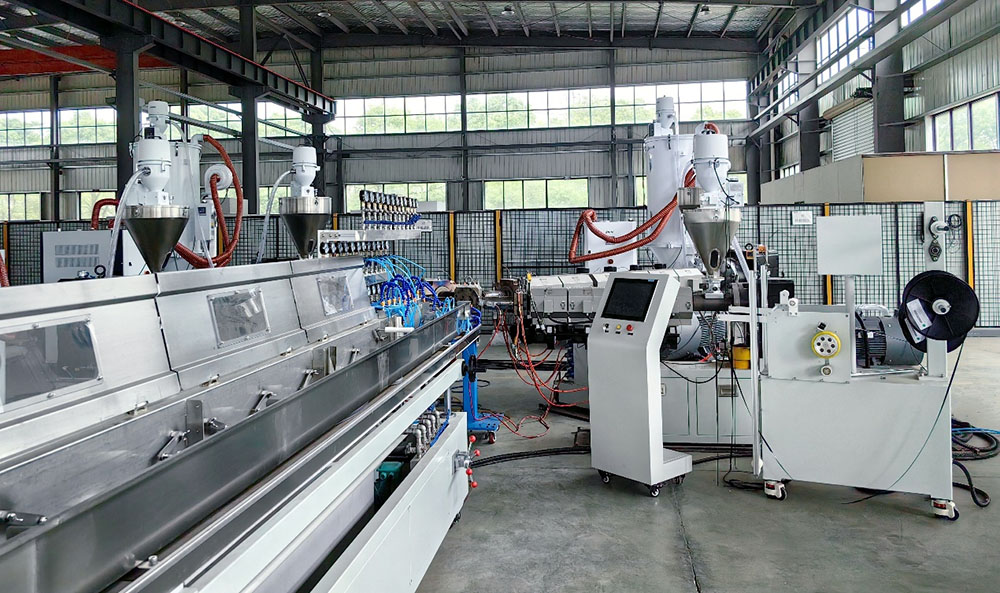
How the shift toward electric and lightweight vehicles is driving demand for high-automation sealing strip extrusion systems.
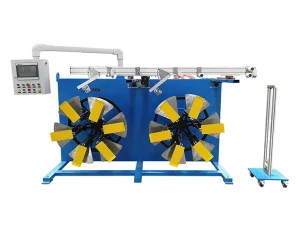
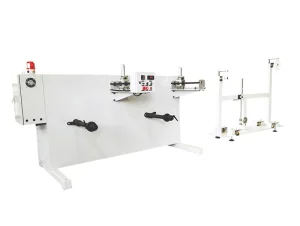
Integrate auxiliary equipment and specialized medical profile lines into your factory layout for automated, end-to-end production.
 Baodie