As electric vehicles (EVs) migrate toward ultra-fast charging capabilities and high-voltage architectures (800V+), thermal management within the battery pack has emerged as a safety-critical engineering challenge. Maintaining Lithium-ion battery packs within their optimal operational window (15°C to 35°C) is imperative to prevent degradation, preserve capacity, and mitigate thermal runaway hazards.
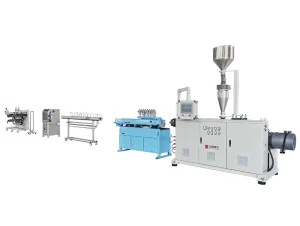
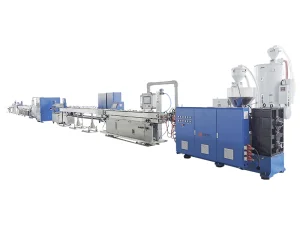
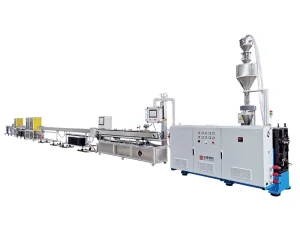
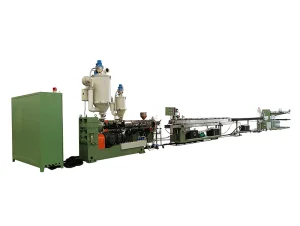
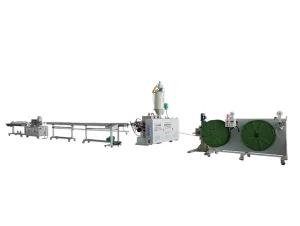
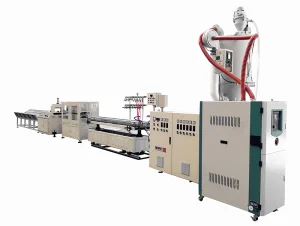
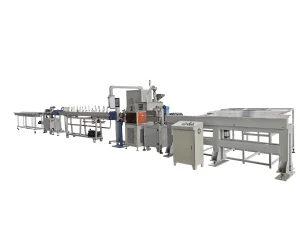
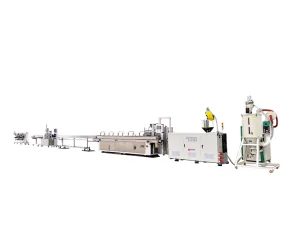
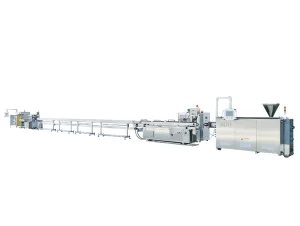
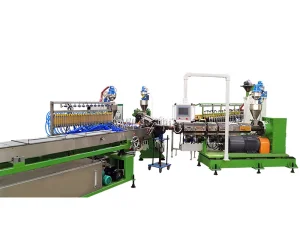
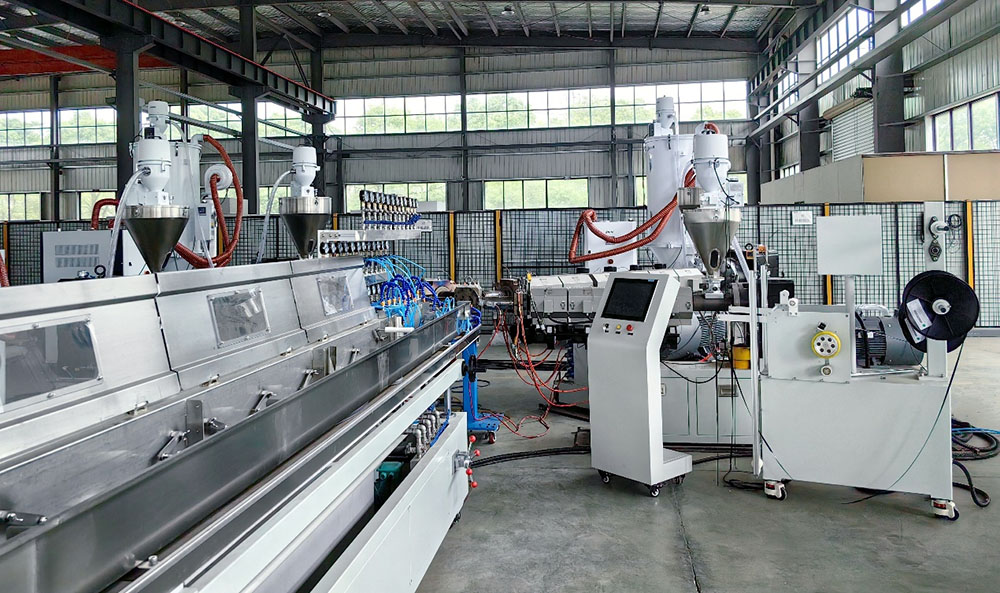
Traditionally, rubber materials like EPDM dominated cooling hose applications. However, thermoplastic vulcanizates (TPVs) have rapidly gained traction due to their lightweight properties, excellent resistance to glycols/coolants, and complete recyclability. By implementing a two-layer co-extrusion structure, automotive engineers can optimize the tube’s characteristics—utilizing a highly chemical-resistant inner lining and a mechanically robust, ozone-resistant outer shell. The China 2-Layer TPV Tube Extrusion Line is engineered specifically to yield these complex composites with micrometric precision.
"Precision co-extrusion technology enables the optimal distribution of material properties across the tube profile, minimizing weight while ensuring maximum long-term reliability under severe heat and chemical loads."
Thermoplastic Vulcanizates combine the processing ease of thermoplastics with the elastomeric performance of cured rubber. When configured in a 2-layer design, the tube offers several functional benefits over single-layer and EPDM alternatives:
The manufacturing of automotive-grade 2-layer TPV tubing demands exceptional process stability. BAOD’s extrusion line is built around high-torque, energy-efficient single screw extruders equipped with custom screw profiles to avoid material degradation.
State-of-the-art spiral distribution channels ensure smooth polymer flow merging and uniform layer distribution.
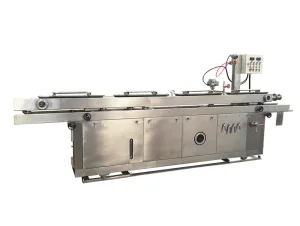
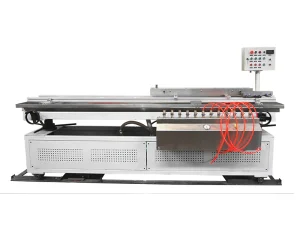
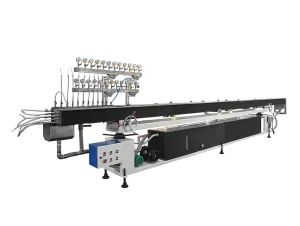
Equipped with closed-loop water temperature control and ultra-stable vacuum regulation to guarantee dimensional tolerances within ±0.05 mm.
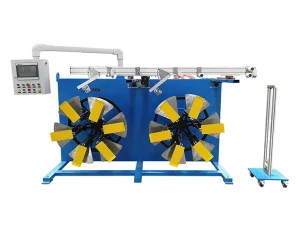
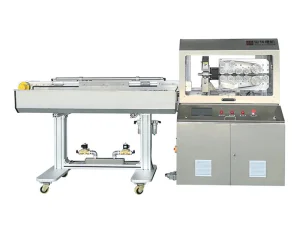
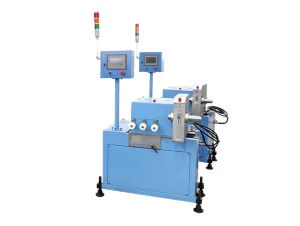
Servo-driven caterpillar pullers synchronized with high-speed rotary fly cutters ensure distortion-free, clean cuts.
The optimal design of a 2-layer battery cooling tube utilizes specialized polymers. The inner layer is typically composed of a TPV grade modified for high coolant compatibility, ensuring it does not leach plasticizers or interact with deionized water-glycol mixtures. The outer layer is designed to resist environmental stresses, including engine compartment heat, oil splashes, ozone degradation, and mechanical abrasion.
| Parameters | Inner Layer (TPV/Polyolefin based) | Outer Layer (TPV modified) |
|---|---|---|
| Main Property Focus | Coolant & Glycol Resistance, Low Ion Migration | Ozone Resistance, Mechanical Toughness |
| Typical Thickness Ratio | 30% - 40% of wall thickness | 60% - 70% of wall thickness |
| Hardness Range (Shore A) | 60A - 75A | 70A - 85A |
| Maximum Temp Limit | 125°C Continuous | 135°C Intermittent |
Automotive manufacturing demands strict adherence to rigorous quality standards. Extruded tubes must comply with standards such as SAE J2260 and VDA 6.3. Real-time monitoring systems are deployed throughout BAOD's extrusion line, incorporating multi-axis laser diameter gauges and ultrasonic wall thickness measurement units. This allows the system to adjust line speeds and screw RPMs on the fly, preventing structural defects.
The future of battery cooling lies in multi-material integration. BAOD is driving R&D efforts to incorporate functional barriers, such as EVOH or PA, into 3-layer and 5-layer co-extrusion setups. This will allow systems to transition towards alternative refrigerants (CO2 or eco-friendly chemical fluids) with virtually zero permeation. Furthermore, artificial intelligence integration via Edge computing is set to automate line calibration, cutting down setup times by up to 40%.
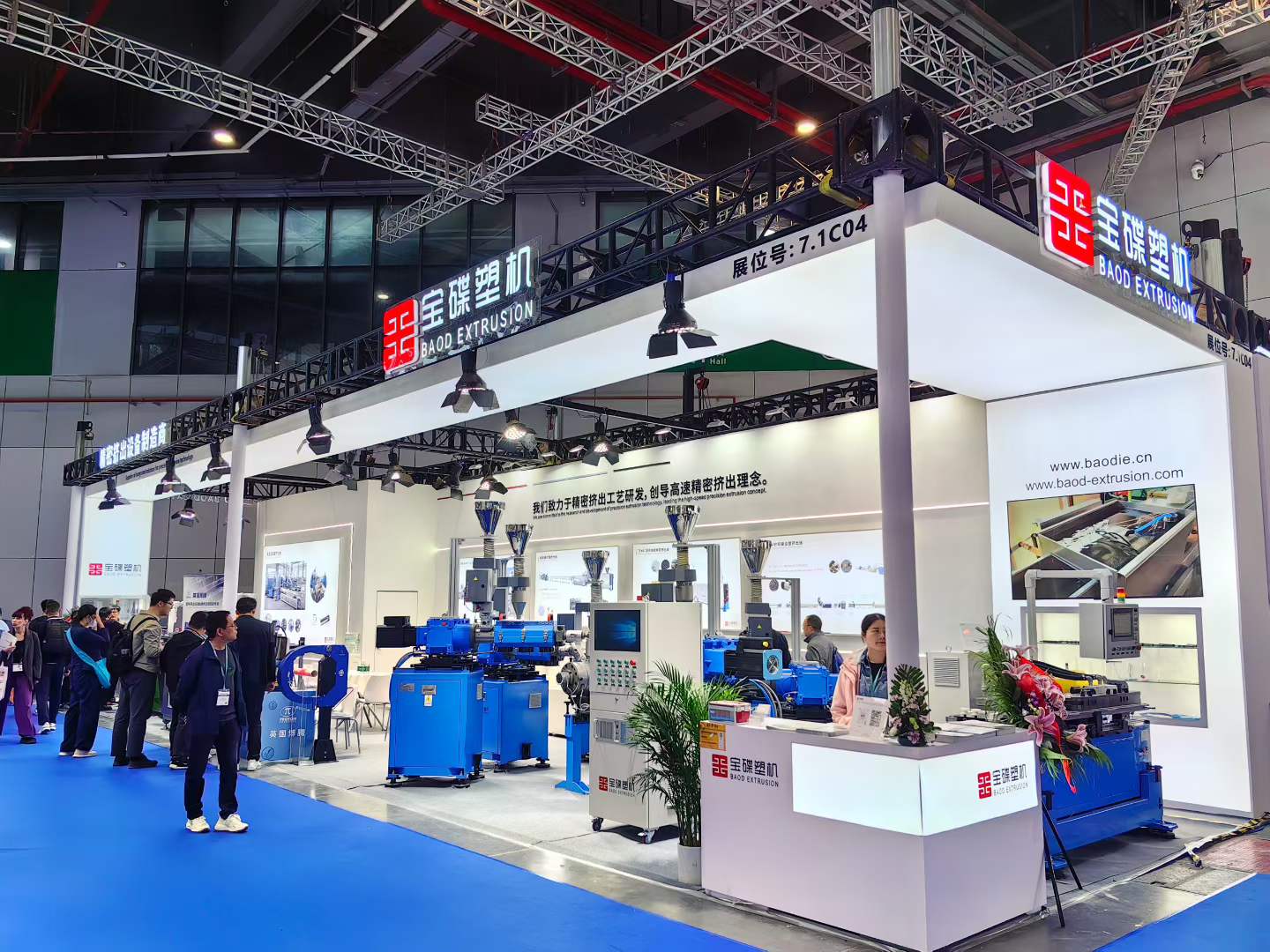
At Booth 7.1C04, BAOD EXTRUSION presented "Smart Extrusion & High-Efficiency Innovation" solutions highlighting upcoming automation milestones.
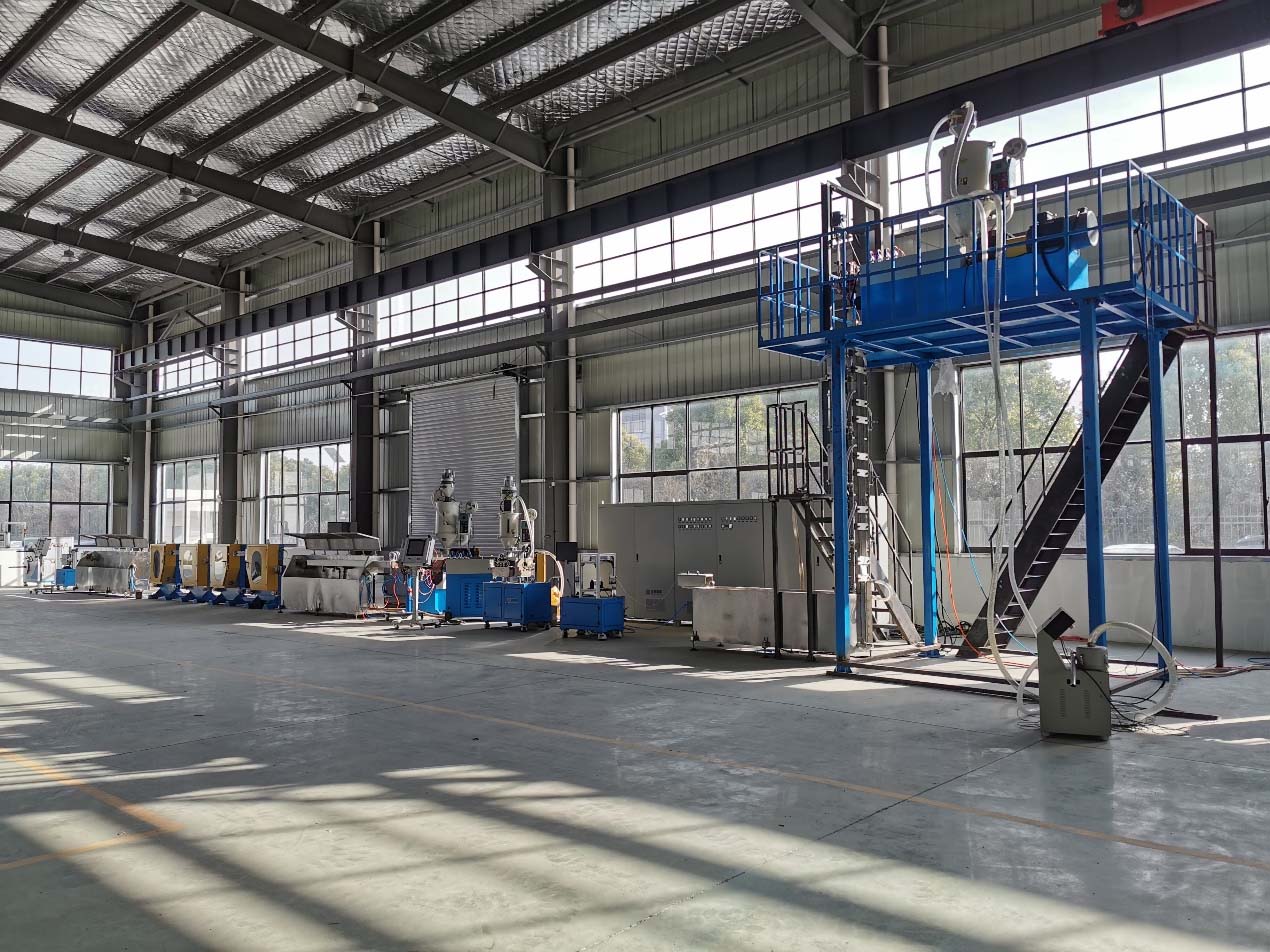
Exploring the precision engineering required for specialized shock tube production, designed for critical civil infrastructure demolition.
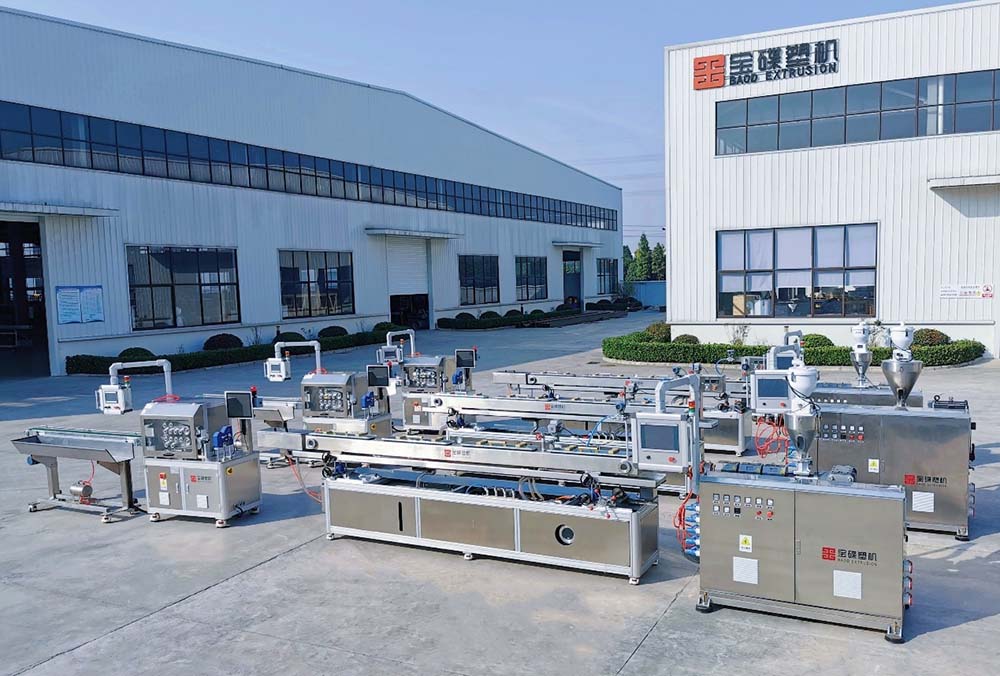
An in-depth study of micro-extrusion lines for medical applications, comparing Chinese fabrication standards with European regulations.
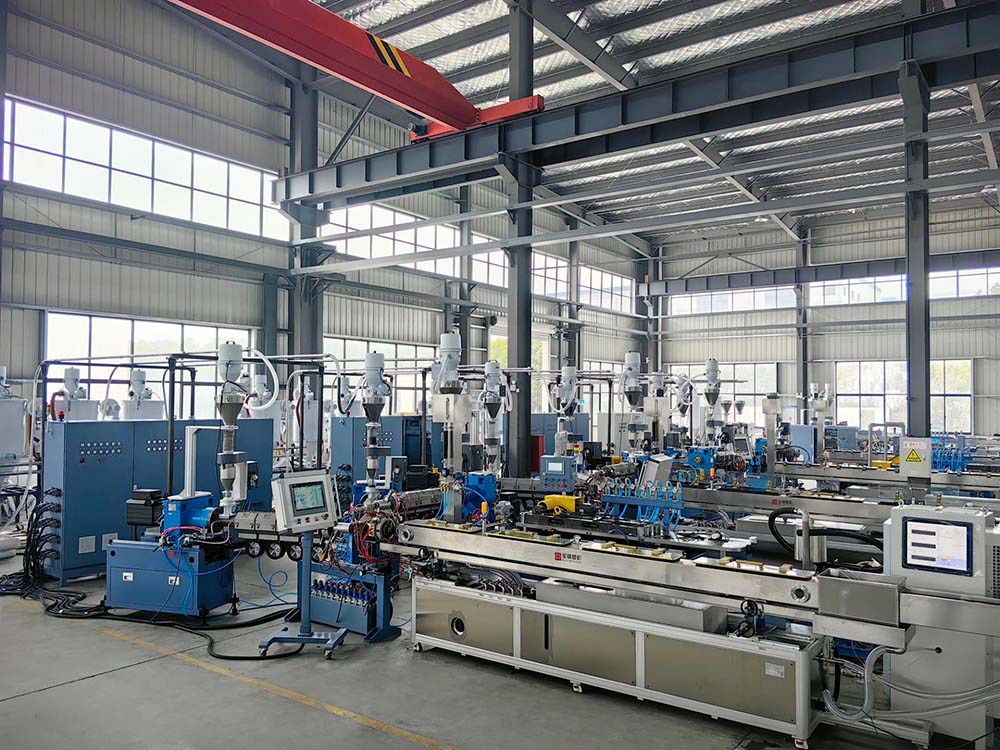
Understanding automotive quality compliance pathways and raw material trace systems for fluid handling component production.
Discovering lightweight and sound-insulating profiles design that fits modern aerodynamic electric vehicle body designs.
 Baodie