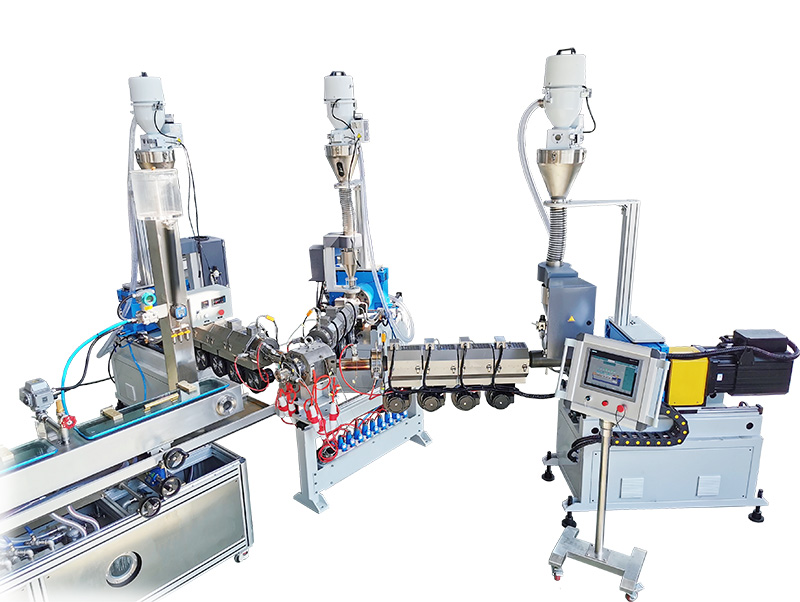
Analyzing Rwanda's industrial trajectory under the Vision 2050 framework, focusing on how high-precision extrusion line units empower regional production pipelines.
Rwanda is positioning itself as a central hub for industrial excellence in Central and East Africa. Propelled by the development of the Kigali Special Economic Zone (KSEZ) and national strategies promoting local value-addition, the country's manufacturing sector is transitioning toward high-technology production pipelines. Key among these are structural plastic and rubber applications, which serve municipal water transmission, agricultural drip irrigation systems, electrical power distribution conduit grids, and advanced telecom microduct systems.
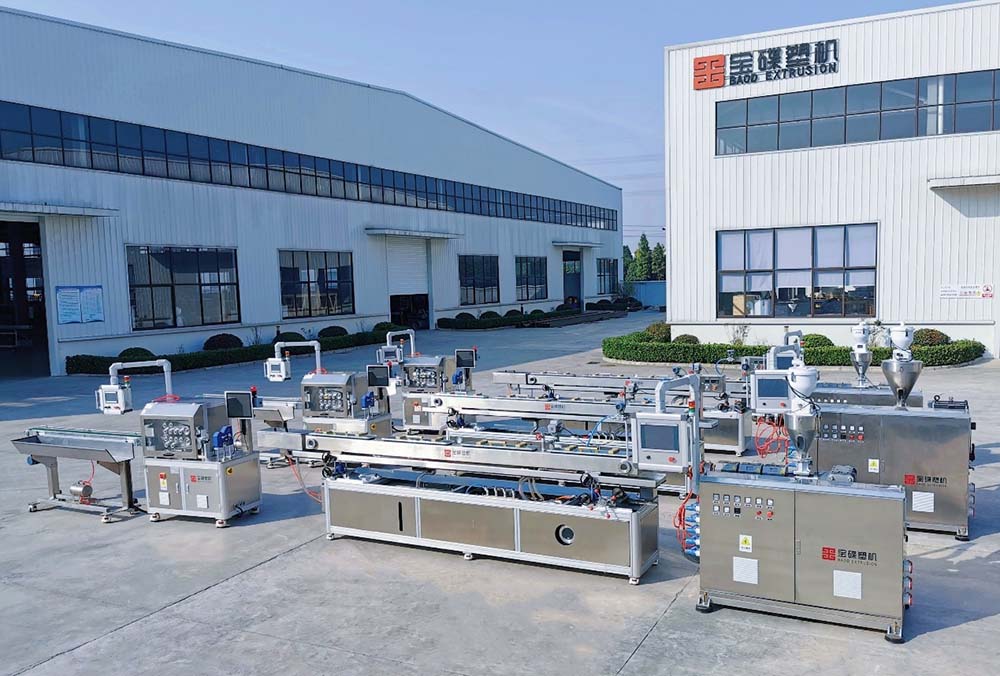
Establishing advanced plastic manufacturing operations in Kigali, Gisenyi, or Bugesera requires robust extrusion hardware capable of maintaining high consistency under varying operational dynamics. Extrusion line configurations—incorporating raw material drying, precise gravimetric feeding, highly stable single or twin-screw extrusion, vacuum sizing, cooling, pulling, and precise cutting/coiling—must be tailored to the region's specific power profiles, logistical access, and raw polymer supplies. BAOD Extrusion provides customized machinery that meets these demands, ensuring long-term operational resilience and material efficiency.
Successful procurement of extrusion lines relies heavily on hardware versatility. To optimize resource utilization and maintain high margins, operators in Sub-Saharan Africa require systems compatible with virgin, blended, and post-consumer recycled (PCR) materials.
High-efficiency components designed to optimize processing stability, cooling efficiency, and high-speed downstream sizing.
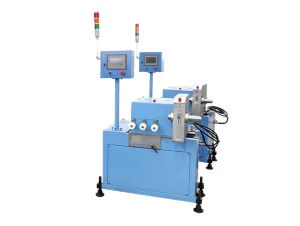
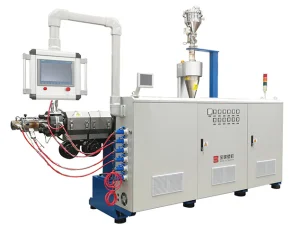
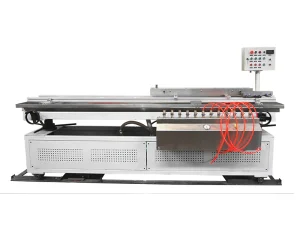
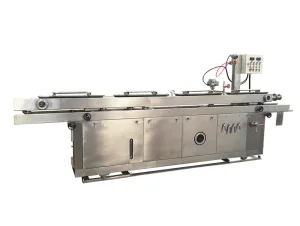
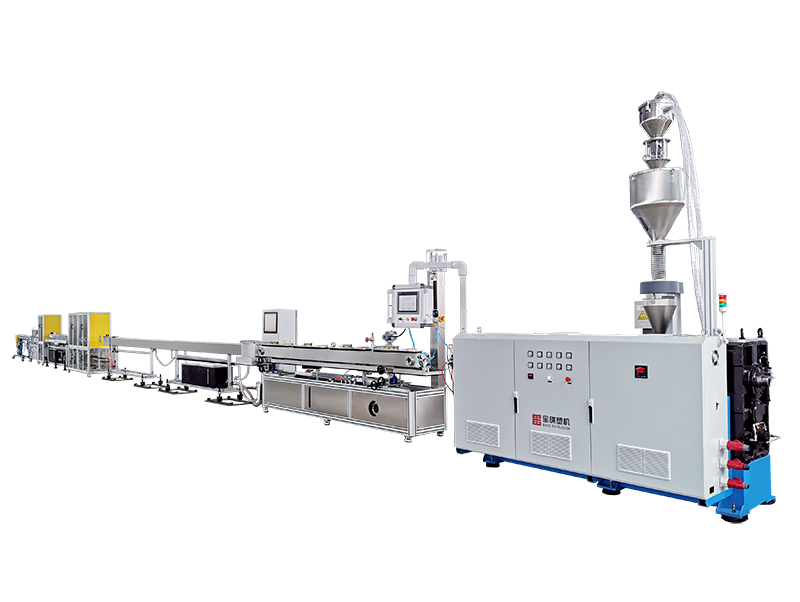
BAOD EXTRUSION (Jiangsu Baodie Automation Equipment Co., Ltd.), founded in 2002, is dedicated to the design, manufacturing, and sales of plastic extrusion equipment. Based on 18 years of experience designing and fabricating high-quality machinery in Taiwan, the original parent company (KINGSWEL GROUP) invested in establishing our primary manufacturing base in Shanghai in 1999, followed by expanded operations in Jiangsu to serve global markets.
A comprehensive whitepaper on technical specifications, localized utility adaptation, and manufacturing metrics in Rwanda and greater East Africa.
Extruding structural tubes, flexible hoses, and complex microducts requires precise thermal and mechanical control. When processing raw polymers like High-Density Polyethylene (HDPE), Polypropylene (PP), and Polyvinyl Chloride (PVC) in East African climates, ambient humidity and temperature fluctuations must be accounted for. BAOD's SJ Series single-screw extruders utilize specialized L/D (Length/Diameter) ratios of 30:1 and 33:1, coupled with advanced barrel cooling systems to ensure homogeneous melt temperatures without degradation.
In addition, raw materials sourced internationally or from regional petrochemical distributors (such as via the Northern Corridor from Mombasa port) are dried in integrated desiccant hopper dryers. This step prevents water vapor bubbles in the melt, ensuring the extruded pipes can withstand high burst pressures—a critical requirement for municipal utility applications in Kigali.
Rwanda is a pioneer in environmental preservation and plastic waste management. The national policy bans certain single-use plastics, creating high demand for durable, multi-use products and closed-loop recycling processes. Manufacturers are adjusting their production lines to accommodate post-consumer recycled (PCR) pellets alongside virgin materials.
BAOD's multi-layer PA smooth and corrugated hose extrusion lines allow for multi-layer co-extrusion. This capability enables manufacturers to use virgin material for the interior and exterior contact layers, while utilizing recycled structural polymers for the core layer. This strategy reduces raw material costs by up to 40% without compromising mechanical integrity, aligning with Rwanda's green manufacturing initiatives.
| Machine Module / Component | Target Specification | Application Use Case |
|---|---|---|
| SJ Series Single Screw Extruder | L/D Ratio 30:1 - 33:1, Nitrogenized Screw | High-density HDPE structural water supply pipes |
| Vacuum Calibration Sizing Tank | Dual-chamber, SUS304 Grade Stainless Steel | Precision agricultural drip irrigation tubes |
| Servo Belt Puller (TKB/QYP) | Delta/Siemens Closed-Loop Control System | Automotive sealing strips and medical hoses |
| Precision Rotary Fly Knife Cutter | High-speed multi-cut blade, PLC synced | Medical-grade multi-lumen micro-tubing |
A primary challenge for manufacturing plants in rural or expanding industrial zones in Sub-Saharan Africa is power quality. Voltage sags and transient surges can damage sensitive PLC boards and interrupt steady-state extrusion. BAOD addresses these challenges by integrating high-grade components into all control units:
Integrated processing plants built to meet high-performance industrial requirements.
Designed for automotive fluid routing, fuel systems, and heavy-duty wiring harness insulation tubes.
Optimized for cleanroom medical catheters, intravenous lines, and multi-lumen precision tubing.
Provides high output rates for protective cable management systems and flexible drainage piping.
Reinforced high-pressure hoses utilizing integrated knitting modules for long-term burst resistance.
High-accuracy co-extrusion technology for dynamic vehicle door seals and structural window profiles.
Suitable for precision telecom microduct production and small-diameter pneumatic piping.
Advancements in automation and control systems supporting local manufacturing development.
In modern extrusion setups, manual configuration is being replaced by integrated data acquisition systems. BAOD is developing smart extrusion controls featuring PLC systems compatible with OPC UA communication protocols. This allows plant managers to monitor parameters like melt temperature, motor torque, vacuum pressure levels, and wall thickness configurations in real time, from anywhere in the world.
For operations located in Central and Eastern Africa, remote telemetry allows BAOD's engineering staff to diagnose system anomalies, perform software updates, and adjust PID controller settings directly from our central headquarters, minimizing downtime and optimizing performance.
To reduce material waste, modern extrusion lines rely on closed-loop feedback systems. By measuring the outer diameter and wall thickness of extruded tubing using laser or ultrasonic scanners post-cooling, the system can automatically adjust the puller speed or extruder screw RPM to correct deviations, maintaining tight manufacturing tolerances.
Individual modules designed to complete, optimize, and automate extrusion lines.
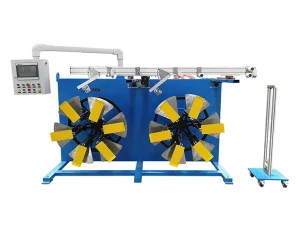
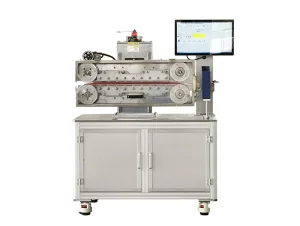
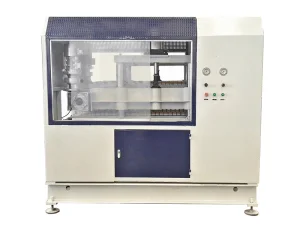
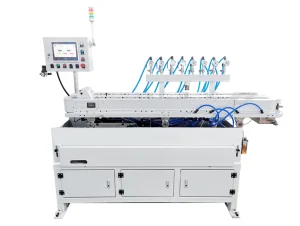
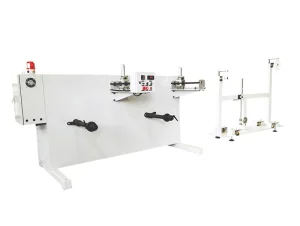
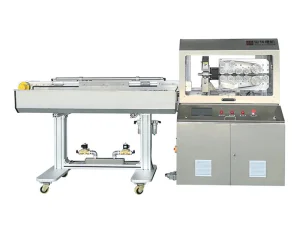
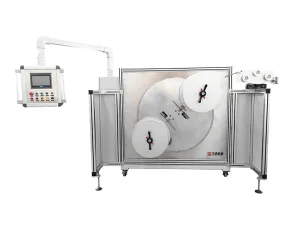
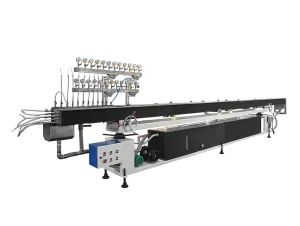
Insights into our trade show showcases, customized solutions, and international quality comparisons.
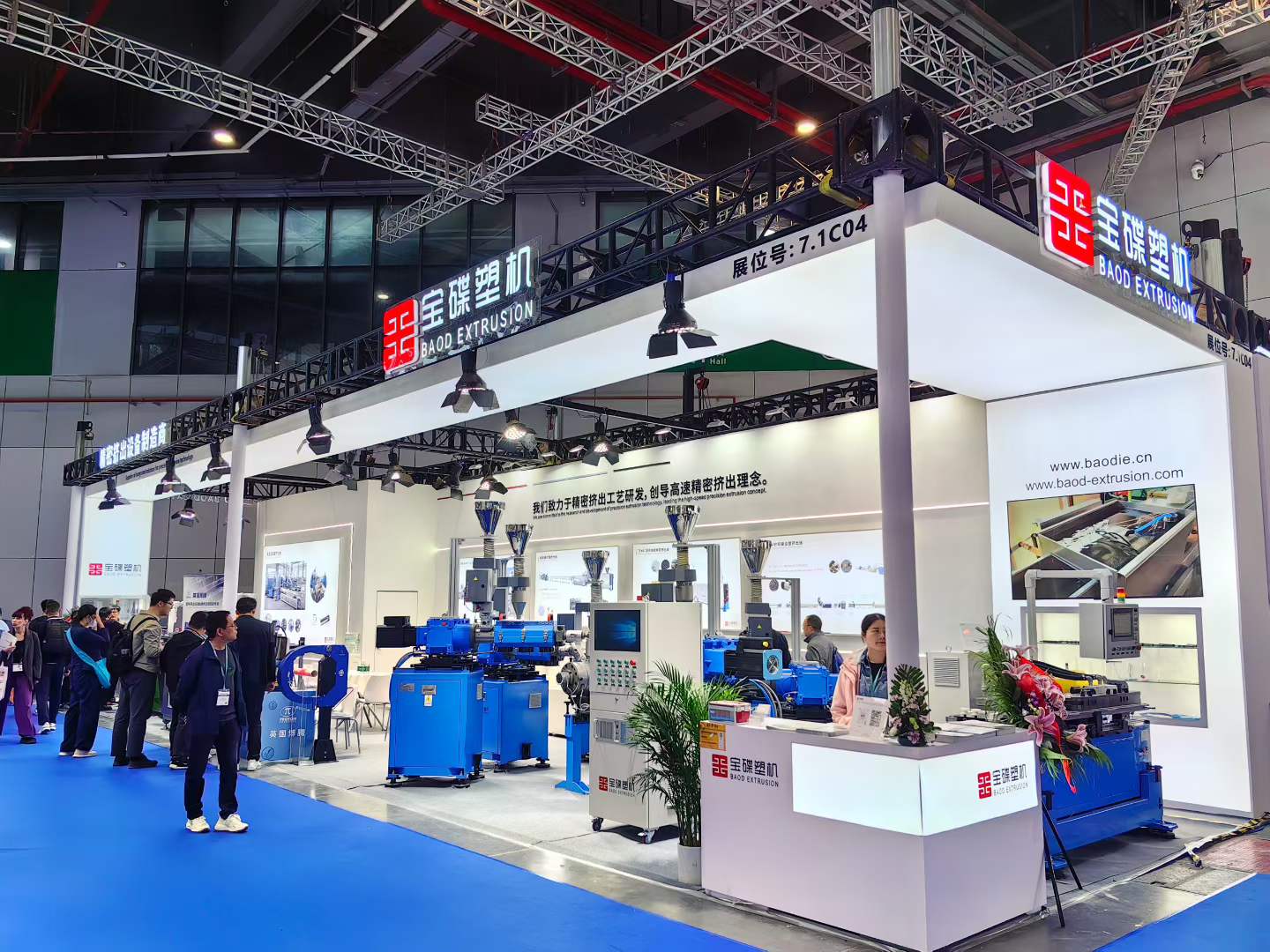
At CHINAPLAS, BAOD EXTRUSION presented its latest R&D achievements at Booth 7.1C04, showcasing "Smart Extrusion & High-Efficiency Innovation" designed to meet global processing demands.
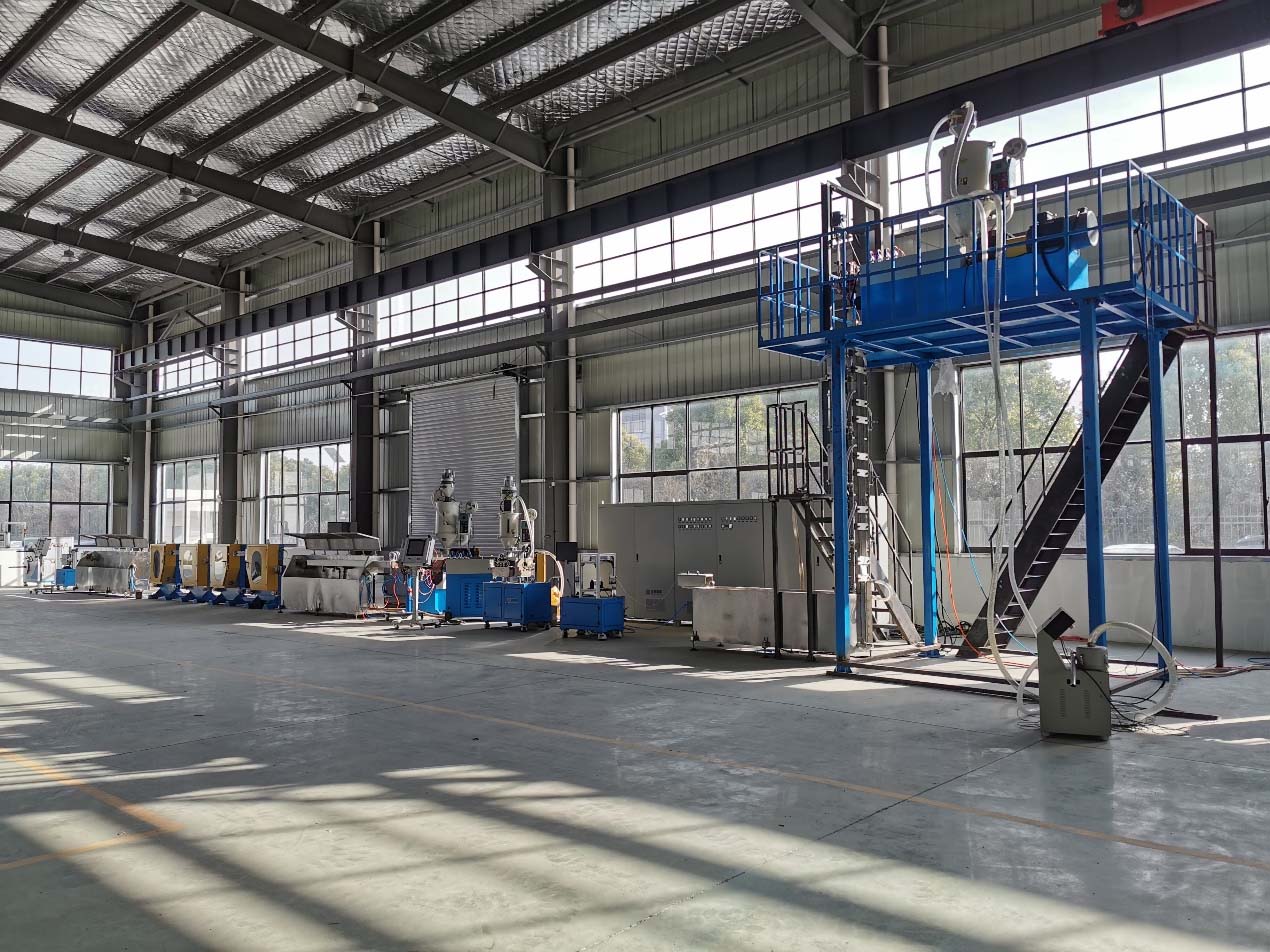
In sectors like mining and infrastructure demolition, precision detonating tubes are critical. BAOD stands out as a customized solutions provider, engineering lines that maintain strict dimensional tolerances.
Comparing precision limits and structural components of high-precision medical catheters and multi-lumen tubing systems designed for demanding medical environments.
Frequently asked questions regarding delivery, custom configuration, installation, and technical support in Central and East Africa.
Contact BAOD's engineering team today for technical details, customized quotes, and support in planning your factory layout.
Send Inquiry Now Baodie