Japan's manufacturing sector is globally renowned for its philosophy of Monozukuri—the art, science, and state of mind of making things with perfection. Within this framework, component sourcing is subject to some of the most stringent quality control parameters on earth. In applications ranging from automotive components to medical-grade catheters, the tolerance limits for profile extrusions have shifted from traditional millimeter benchmarks to micrometer accuracy.
For industries targeting the Japanese market, a standard extrusion line is no longer sufficient. Precision profile extrusion lines must integrate closed-loop feedback mechanisms, high-stability vacuum calibration systems, and state-of-the-art puller-cutter configurations to meet JIS (Japanese Industrial Standards). This level of process stability ensures zero-defect operations, directly addressing the strict supply-chain compliance expected by Japanese Tier-1 automotive and electronics manufacturers.
As Japan accelerates its transition toward electric vehicles (EVs) and smart medical devices, the requirement for multi-layer, co-extruded profiles and multi-lumen tubing has grown exponentially. Processors require machines that run continuously while maintaining thermal stability within ±0.5°C across the entire barrel assembly.
1. Strict Tolerance Control: Target profiles demand cross-sectional tolerances down to ±0.03mm.
2. Material Versatility: Direct extrusion capabilities for engineering plastics like TPV, fluoroplastics (FEP/PFA), PMMA, and UHMWPE.
3. Automation & Data Integration: Compatibility with Factory 4.0 data exchange interfaces to support automated quality tracking.
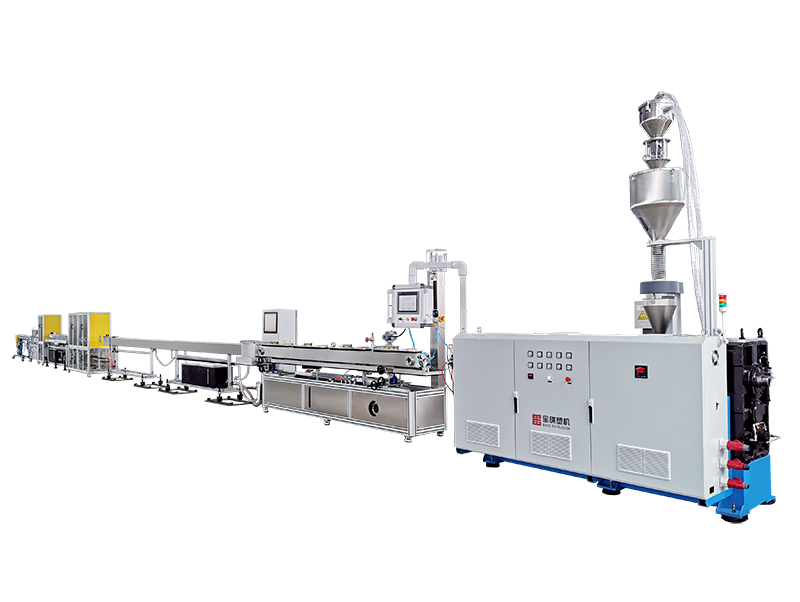
BAOD EXTRUSION (Jiangsu Baodie Automation Equipment Co., Ltd.) was established in 2002. Since our inception, we have dedicated ourselves to the design, engineering, and manufacturing of premium-grade plastic extrusion machinery.
Drawing on 18 years of technical expertise in high-precision machine design from our original parent group (KINGSWEL GROUP) in Taiwan, the group invested in establishing a world-class manufacturing center in Shanghai in 1999. Today, we utilize our extensive engineering foundation to supply industries worldwide with high-yield extrusion lines capable of running the most complex profiles with minimal material waste.
The global extrusion market is transitioning from bulk high-volume production to specialized, high-accuracy custom runs. In Japan, this change is driven by several key factors:
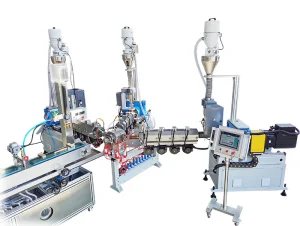
The transition toward electric powertrains has increased the demand for multi-material, co-extruded sealing profiles and fluid transport lines. Thermal management systems in EVs require multi-layer PA (polyamide) smooth and corrugated tubes to manage weight and chemically aggressive cooling fluids. BAOD's co-extrusion technology enables manufacturers to fuse TPV (thermoplastic vulcanizates) and PVC with metallic or textile reinforcements in a single pass.
The expansion of medical technologies in Japan has led to a demand for microscopic, multi-lumen catheters. Producing tubes with diameters under 2.0 mm and wall thicknesses under 0.1 mm requires stable melt pressures. Our dedicated medical-grade lines incorporate precision vacuum calibration and closed-loop control systems to meet these dimensional requirements.
Japanese manufacturing facilities increasingly rely on automated data capture. Industrial automation lines must integrate with MES (Manufacturing Execution Systems). BAOD's extrusion controllers support communication protocols such as OPC-UA and Modbus, allowing real-time monitoring of melt pressure, screw RPM, haul-off speeds, and cutter frequencies.
Sustainability directives require manufacturers to incorporate recycled compounds or bio-based engineering plastics. Processing these materials requires customized screw designs to manage processing window variances. Our extrusion systems feature tailored screw profiles that prevent degradation and maintain consistent dimensional stability.
By combining advanced design principles with Chinese manufacturing supply chains, BAOD provides equipment that balances performance and cost-efficiency. Our "Factory 4.0" approach centers on precision machining, component standardization, and testing before delivery.
For Japanese clients, sourcing from BAOD means acquiring European-standard precision and component configurations (including Siemens PLC touchscreens, Omron temperature controllers, ABB frequency inverters, and Japanese-designed precision gearboxes) without the typical European lead times or cost structures.
Our supply chain structure ensures we can source specialized parts, conduct factory acceptance tests (FAT), and ship to Japanese ports (such as Tokyo, Yokohama, Osaka, and Kobe) within accelerated timeframes. This ensures business continuity for factories expanding production lines.
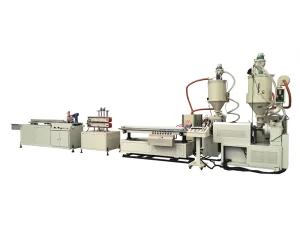
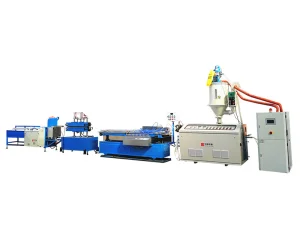
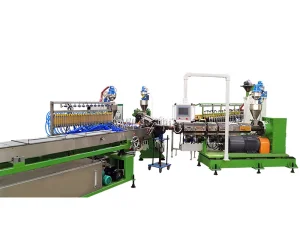
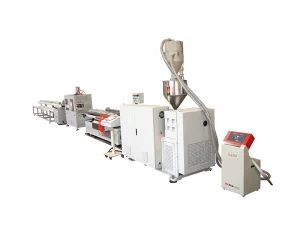
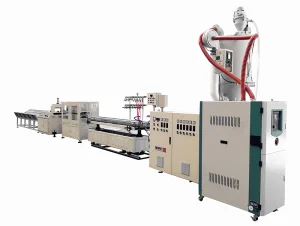
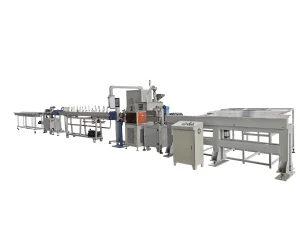
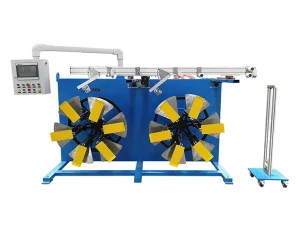
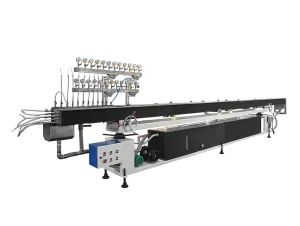
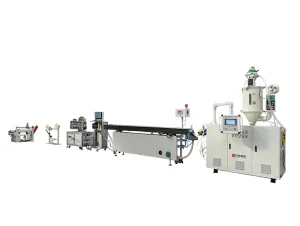
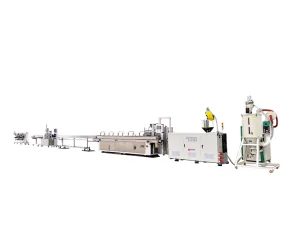
A precision profile extrusion line is a system of synchronized subsystems. Each component must function reliably to maintain consistent output.
Using nitrided alloy steel screws with custom L/D ratios to ensure uniform polymer melt index and consistent material flow.
Stainless-steel vacuum cooling tanks featuring dual-chamber vacuum sealing, providing dimensional stability during the forming phase.
Precision caterpillar pullers driven by digital servo motors, maintaining steady pulling forces to prevent profile deformation.
Rotary fly knife systems and saw cutters synchronized with haul-off speeds via PLC, delivering clean, burr-free cuts.
Japanese automotive suppliers use our co-extrusion technology to manufacture multi-density weatherstrips. Fusing a rigid base with a micro-foamed bulb section requires precise control of temperature, chemical blowing agents, and physical dimensions. Our systems maintain uniform profile structures across long production runs.
For PC, PMMA, and PS optical profiles used in Japanese LED fixtures, our extrusion lines prevent material yellowing and optical distortion. Custom screw designs ensure clean, clear profiles that meet architectural lighting standards.
The production of fluoropolymer (PFA, FEP, PTFE) tubing for corrosive chemical transport requires machines designed to handle highly corrosive melts. BAOD's chemical-grade extrusion lines feature corrosion-resistant barrels, screws, and dies to ensure long service life.
Catheter production requires clean-room compatible setups with precise outer and inner diameter control. Our medical-grade tubing systems utilize laser diameter gauges to adjust vacuum levels and puller speeds in real time, minimizing dimensional variance.
We integrate closed-loop feedback systems using laser gauges that measure cross-sectional dimensions in real time. The measurement data is processed by the PLC, which automatically adjusts the puller speed and vacuum level to correct variances.
Yes, our machines can be built with safety systems including dual-channel emergency stop circuits, interlocked safety guards, high-voltage isolators, and Japanese-compliant electrical layouts. We source electrical components from brands like Omron, Fuji, and Mitsubishi to ensure local compatibility.
We design specialized co-extrusion die heads with pre-heating crossheads for metallic or fiber reinforcement inserts. This ensures optimal bonding and structural stability between different materials in a single production pass.
We provide pre-commissioning via Factory Acceptance Tests (FAT) with client materials in our facility. For installation, we offer on-site engineering support or remote assistance via integrated PLC diagnostics.
Standard systems are delivered in 60 to 90 days. We export in sea-freight packaging directly to Japanese ports, handling customs documentation to streamline delivery to your plant.
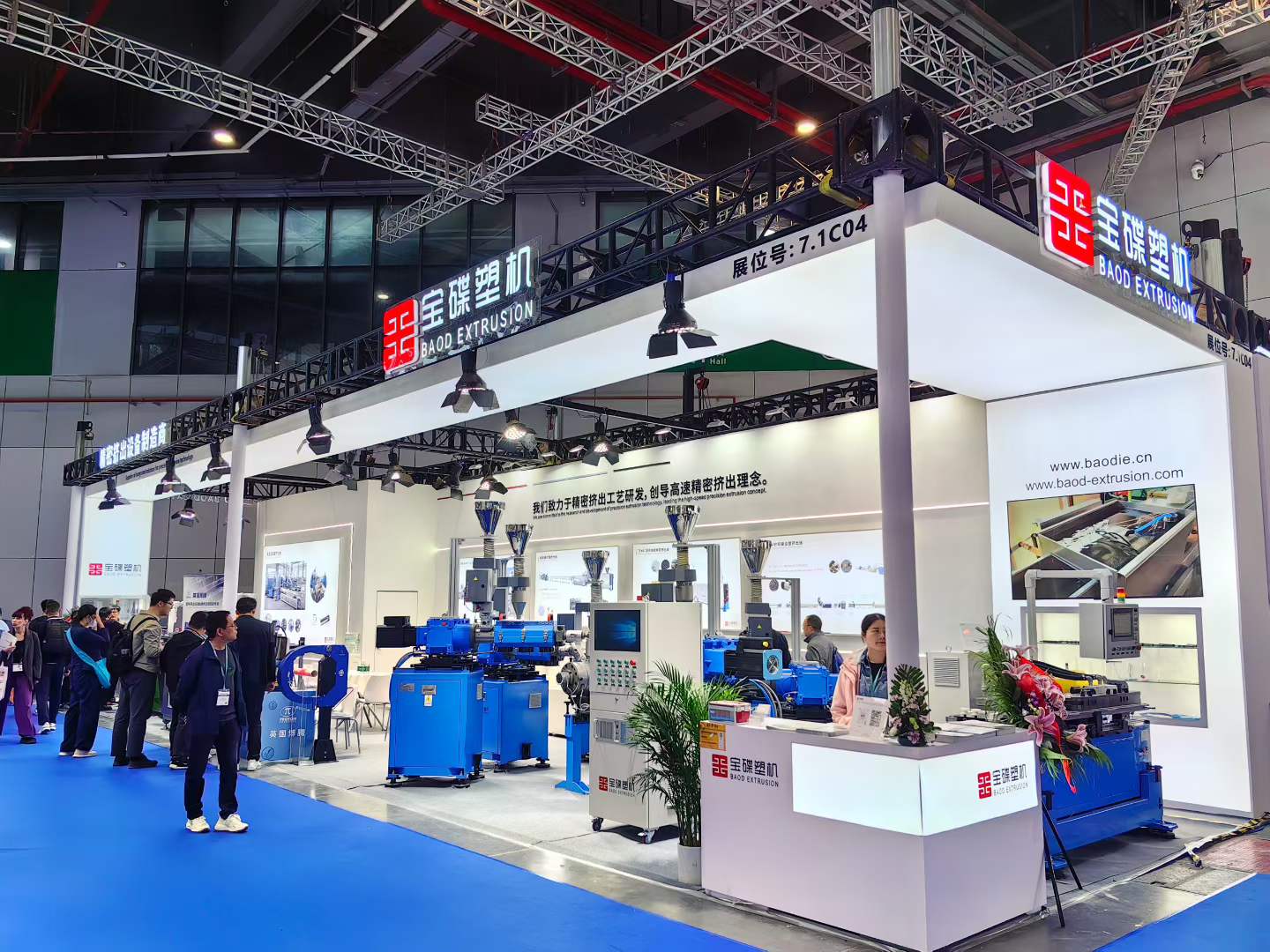
At CHINAPLAS 2026, BAOD EXTRUSION presented its latest developments in high-efficiency, automated extrusion solutions, demonstrating how integrated controls can reduce energy consumption and improve material yields.
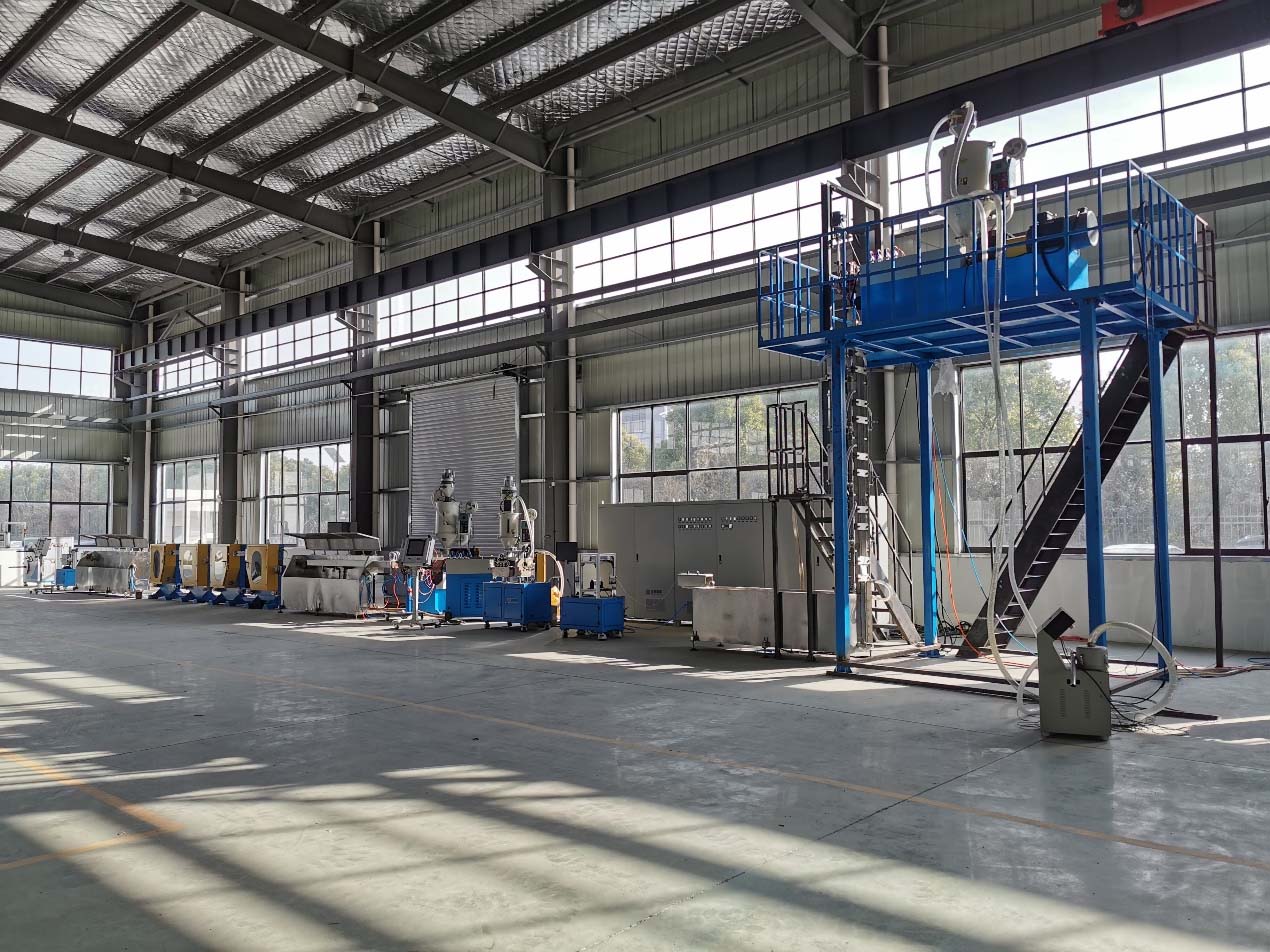
We engineer specialized extrusion lines for industrial profiles, detailing the calibration protocols required to manufacture high-strength tubing for demanding civil engineering applications.
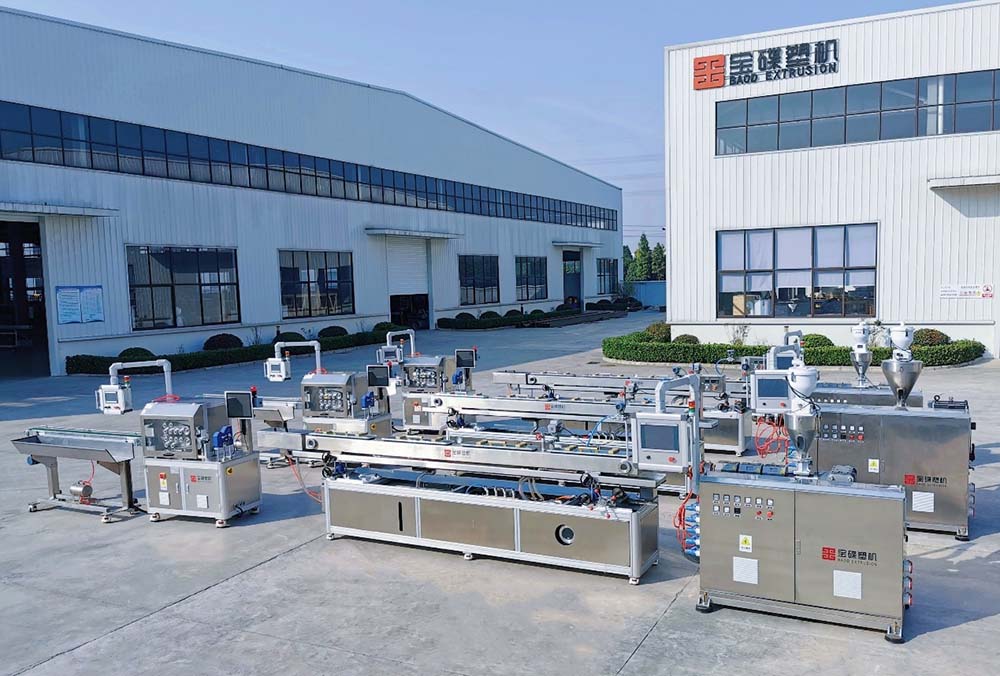
A comparative analysis of medical tube extrusion systems, highlighting how BAOD meets international medical standards through advanced temperature control and precise vacuum systems.
Get in touch with our engineering team to discuss customized designs, technical parameters, and factory installation support tailored for the Japanese market.
Send Inquiry Now Baodie