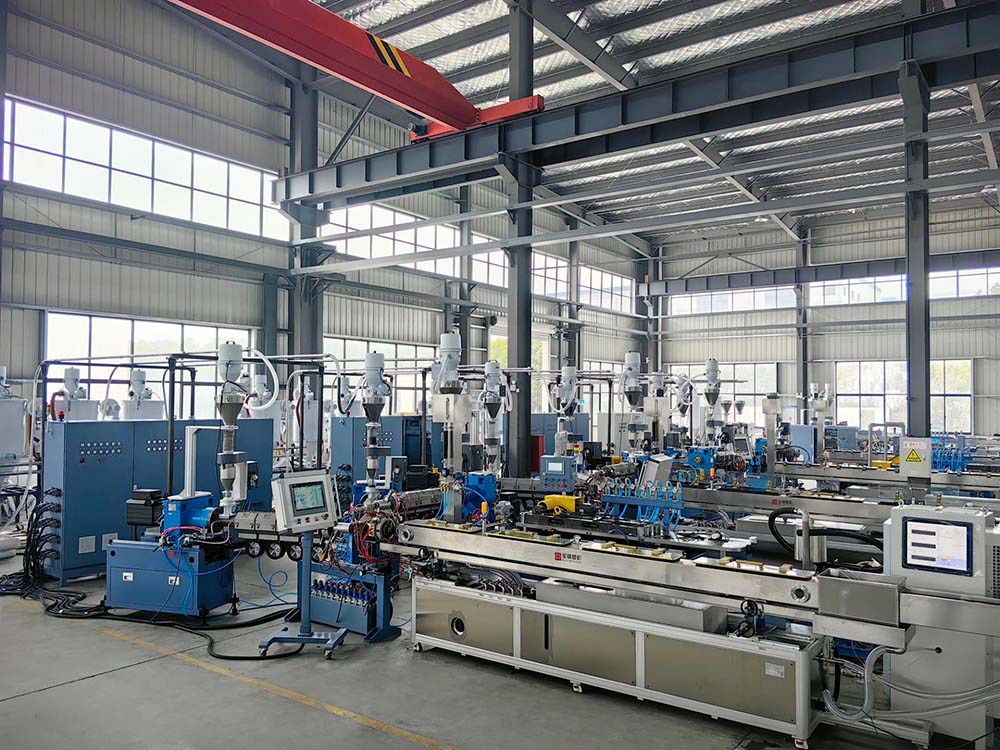
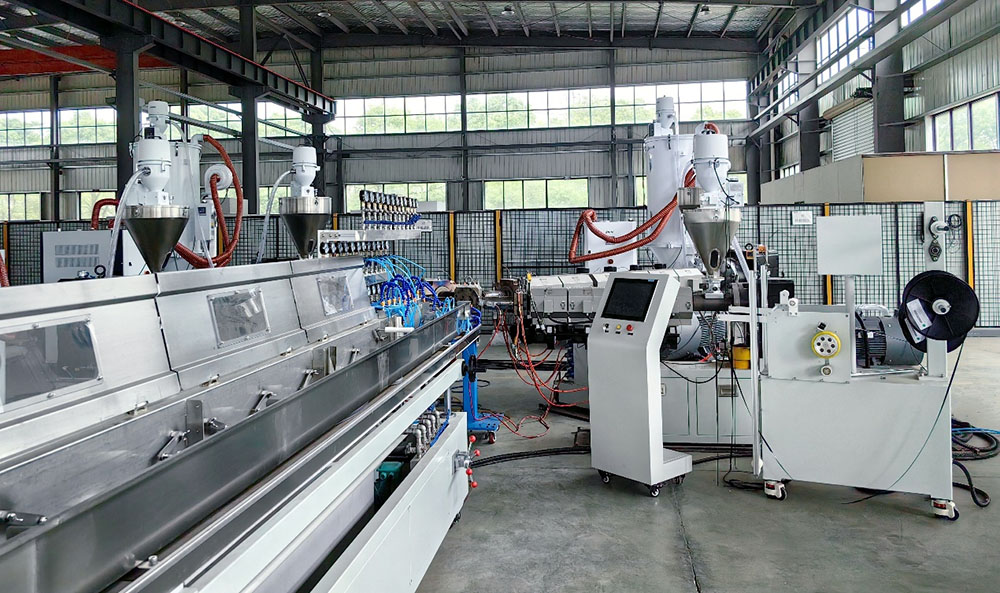
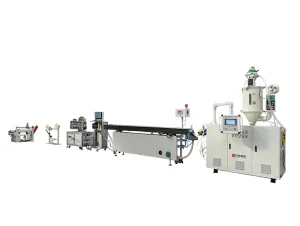
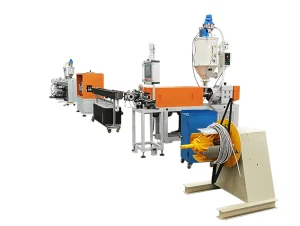
BAOD EXTRUSION dedicated to designing, manufacturing, and sales of high-performance plastic extrusion equipment. Based on 18 years of design and fabrication expertise of high-quality machinery in Taiwan, our original parent company (KINGSWEL GROUP) invested in establishing our primary extrusion manufacturing base in Shanghai in 1999.
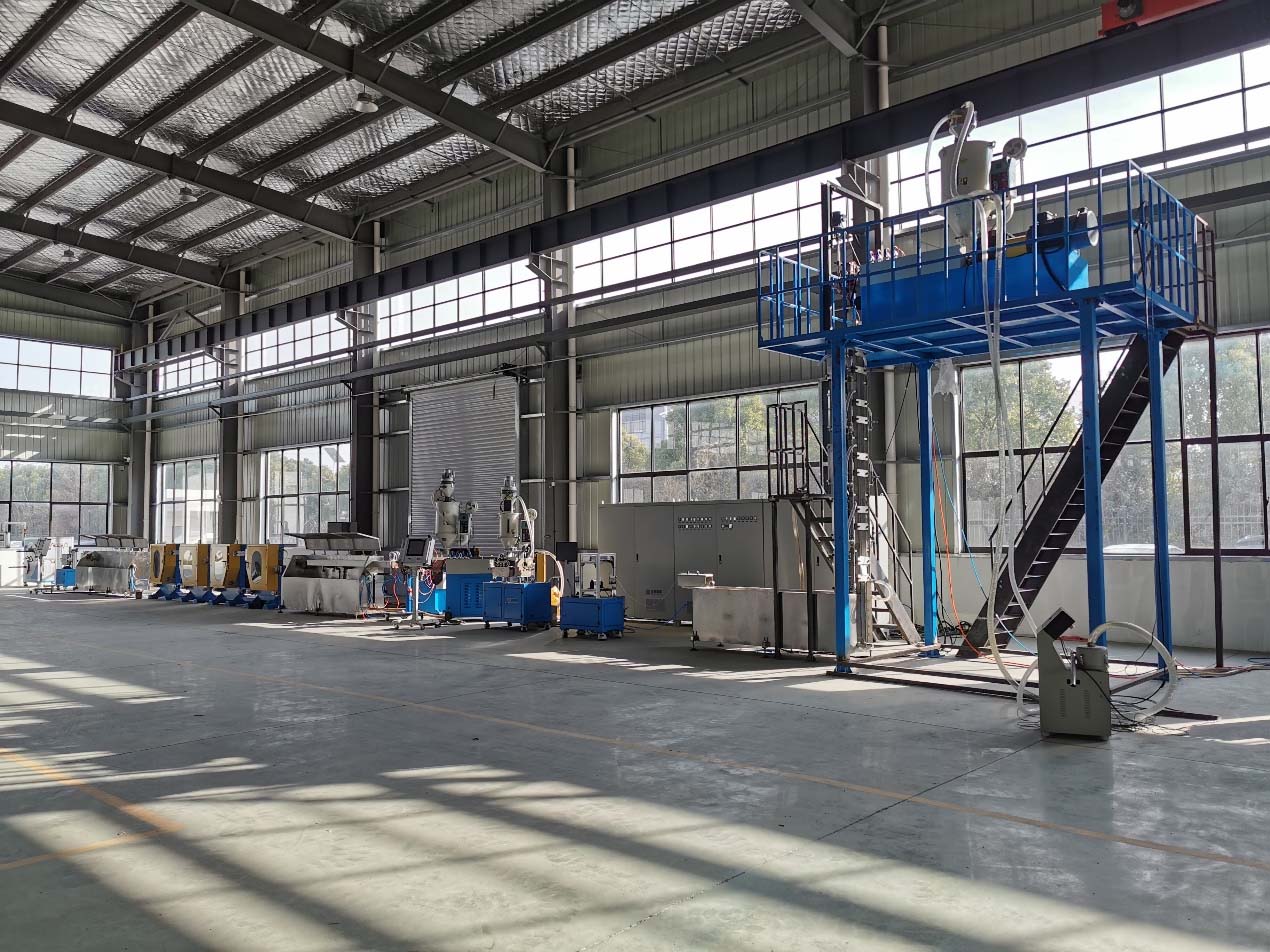
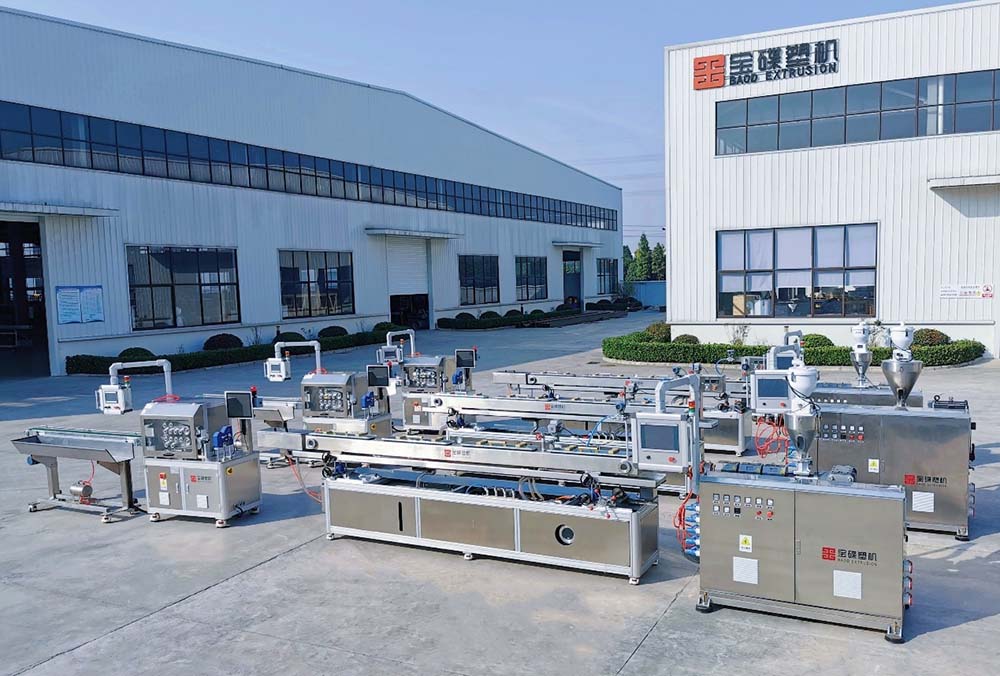
Today, our Jiangsu-based facility integrates cutting-edge German and Taiwanese automated technologies to deliver superior manufacturing lines. Over the decades, we have focused extensively on bridging the gap between precision polymer extrusion and automated industrial execution.
An authoritative engineering breakdown of materials science, multi-layer composite adhesion, and automation control in TPV knitting hose production lines.
1. Understanding the Materials Science: Why TPV is the Future
Thermoplastic Vulcanizates (TPVs) are high-performance compounds consisting of a highly vulcanized elastomeric phase (typically EPDM rubber) dispersed intimately within a rigid thermoplastic matrix (most commonly Polypropylene, PP). This micro-phase morphology grants TPVs the unique combination of mechanical elasticity, low compression set, and ozone resistance typical of thermoset rubbers, paired with the rapid processing speeds, recyclability, and ease of thermal joining characteristic of thermoplastics.
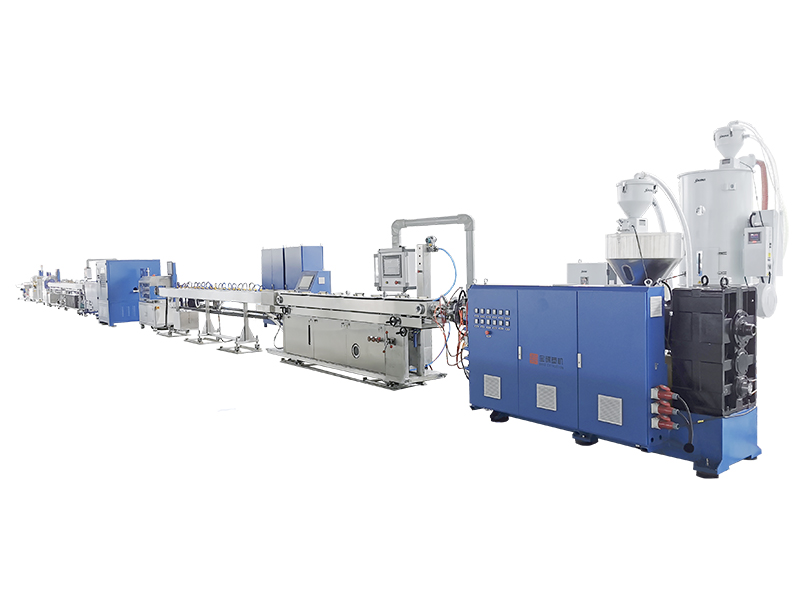
In high-pressure fluid systems, particularly those exposed to dynamic vibration and chemical contact, single-component TPV tubes often fail under bursting forces. Incorporating a high-tensile reinforcement layer—typically a knitted polyester or aramid fiber grid—allows TPV composite hoses to withstand pressures upward of 50-80 Bar while retaining flexibility. BAOD Extrusion's TPV knitting tube line is built to handle the complex thermal bonding required between the TPV inner liner, the textile reinforcing layer, and the TPV outer protective sleeve.
"The primary technical barrier in TPV composite hose manufacturing is maintaining inter-layer adhesion. Because the knitted fabric layer forms a mechanical barrier between the inner and outer TPV strata, specialized co-extrusion technology and dynamic crosshead dies must be implemented to ensure chemical and mechanical locking."
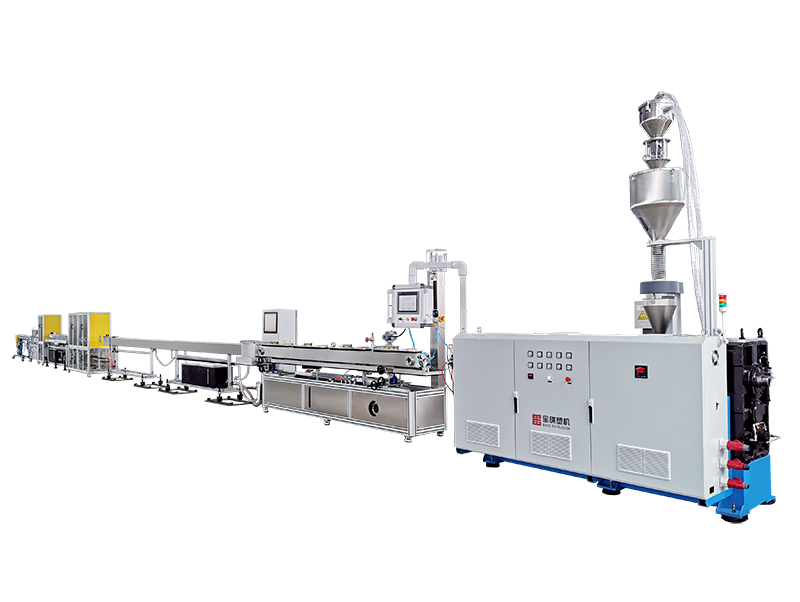
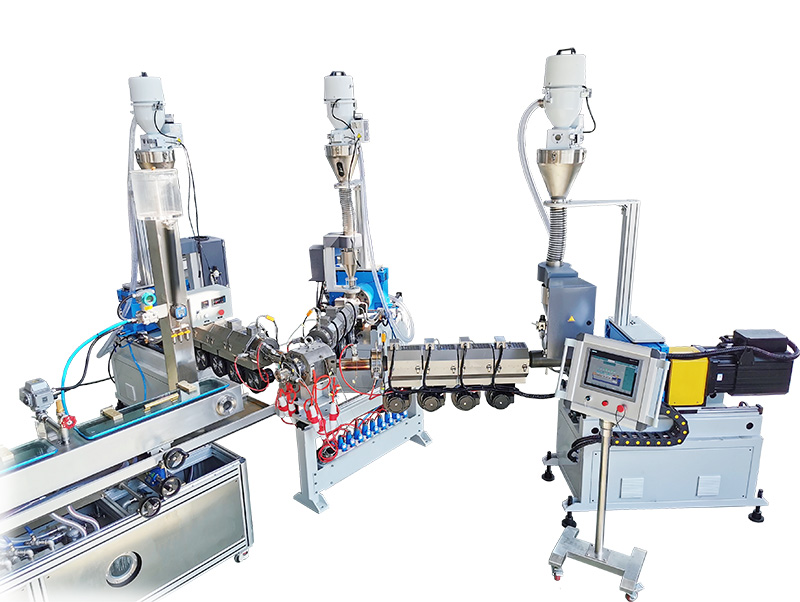
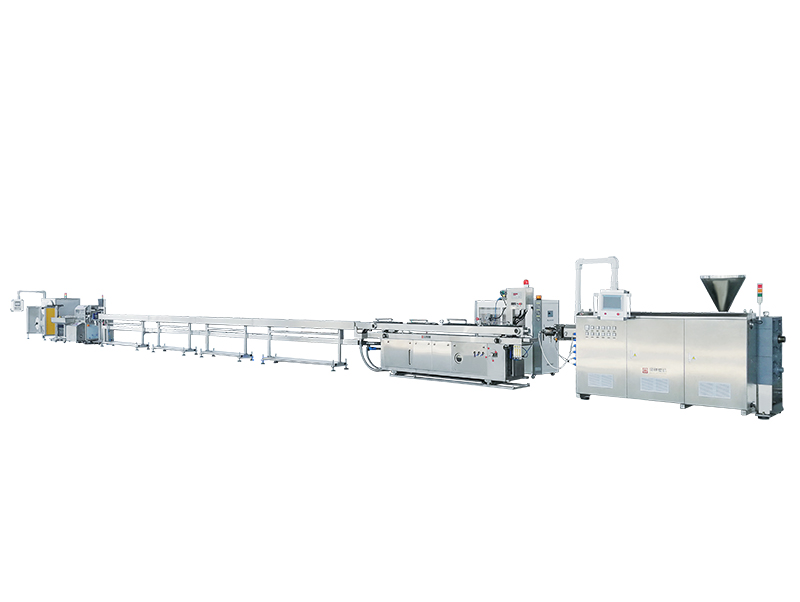
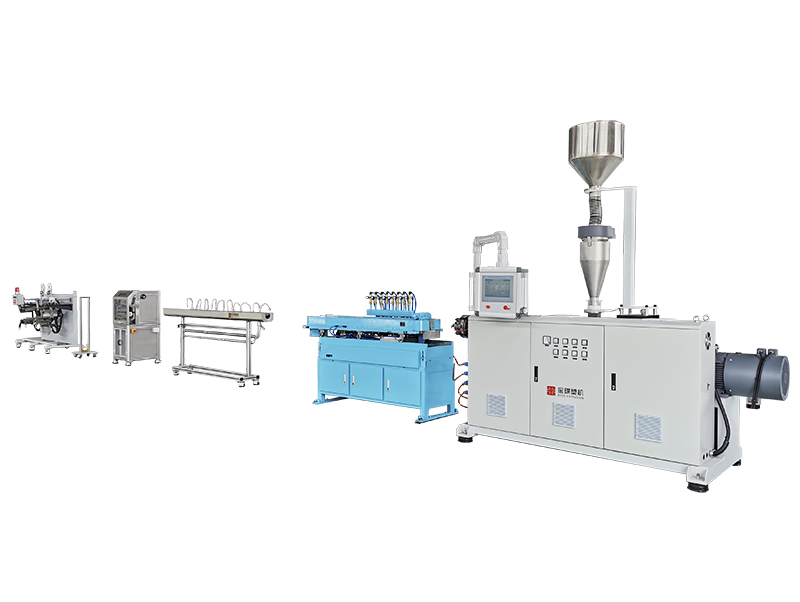
2. Complete Technical Architecture of the BAOD TPV Knitting Tube Line
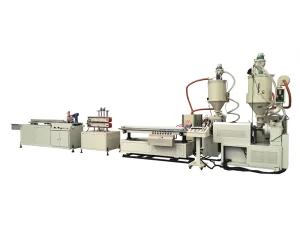
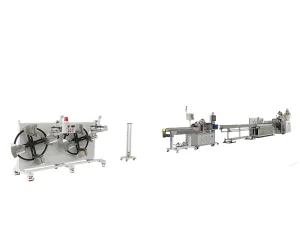
An advanced TPV composite hose extrusion system requires precise thermal tracking, consistent melt pressure, and synchronized velocity matching across multiple stations. The production sequence is detailed below:
Inner Tube Core Extrusion
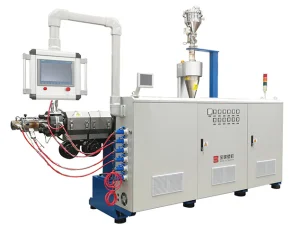
Utilizing high L/D ratio (typically 30:1) SJ series single screw extruders. Features micro-grooved feed barrels and barrier-type screws engineered specifically for high shear melting without thermal degradation of the EPDM/PP matrix.
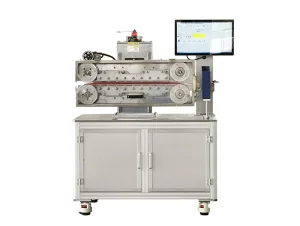
High-Speed Reinforcement Knitting
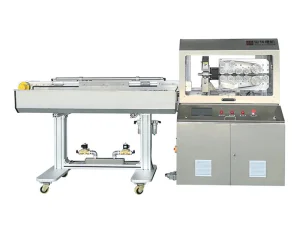
A precision multi-spindle knitting machine wraps high-tensile polyester, nylon, or aramid yarns around the freshly calibrated and cooled inner tube. Tensioners maintain equal load, preventing deformation of the thin-walled inner TPV liner.
Co-Extrusion Outer Coating
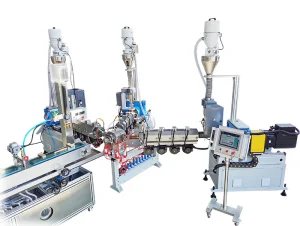
The knitted tube enters a proprietary crosshead co-extrusion die. Here, a secondary SJ-series extruder applies the outer TPV protective layer. Internal thermal parameters are precisely managed to ensure the outer layer fuses through the knitting gaps into the inner layer.
3. Global Corporate Procurement & Macro-Industry Solutions
In modern industrial manufacturing, the transition from traditional thermoset rubbers (such as EPDM, NBR, and CR) to Thermoplastic Elastomers (TPE/TPV) has reached a critical tipping point. Leading automotive manufacturers (OEMs) and industrial chemical processing plants are aggressively executing retrofits to integrate TPV composite lines. The reasons are clear:
Carbon Neutrality & Circular Economy: EPDM vulcanization requires massive gas-fired curing tunnels, emitting substantial VOCs and producing scrap material that cannot be re-melted. TPV production runs entirely on electric thermal heating, uses a fraction of the physical plant footprint, and all startup scrap or off-spec material can be instantly granulated and recycled back into the extruder hopper.
Weight Reduction: Hoses produced on BAOD's custom TPV knitting lines weigh up to 30% less than equivalent rubber braided hoses. For the automotive industry—especially the fast-growing Electric Vehicle (EV) sector—every gram saved directly translates into battery range extension.
Technical Roadmap & Future Outlook (2026 - 2030)
How BAOD Extrusion is spearheading smart modifications to support next-generation high-pressure composite tubing.
AI Closed-Loop Thickness Control
Integrating online ultrasonic scanning systems downstream. The sensor measures wall thickness at 8 points simultaneously, communicating directly with the PLC to adjust the extruder screw RPM or puller speed in milliseconds.
Hybrid Bio-TPV Extrusion
As polymer manufacturers release bio-based TPV compounds derived from agricultural byproducts, BAOD is testing dynamic feeding mechanisms to process high-moisture organic-blend matrices safely.
IoT Remote Diagnostics
Incorporating secure VPN interfaces into the machine's central computer. Engineers at our Jiangsu headquarters can troubleshoot calibration issues, modify PID loops, and inspect torque spikes for clients worldwide.
Primary Machinery Portfolio of BAOD Extrusion
Precision-designed plastic extrusion lines tailored for specialized industrial and medical markets.
Precision Small Diameter Tube/Pipe Extrusion Line
Ultra-precise dimensioning for delicate medical and industrial micro-tubes.
Multi-Layer PA Smooth / Corrugated Hose/ Tube Extrusion Line
Ideal for automotive fuel vapor lines and thermal management pipes.
High Speed PVC Medical Tube Extrusion Line
Medical-grade environment compliance with high speed throughput.
PA/PE/PP/PVC High Speed Single Wall Corrugated Tube Extrusion Line
Fast corrugator blocks cooling for highly flexible conduit production.
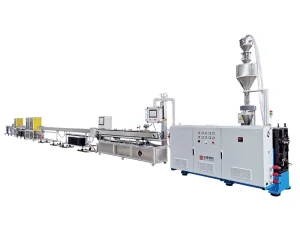
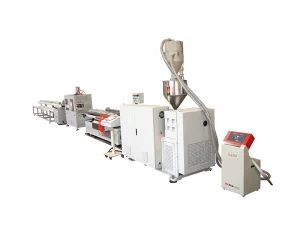
TPV Knitting Composite Hose Extrusion Line
Engineered for multi-layer reinforced dynamic fluid hoses.
TPV,PVC Automobile Sealing Strip Extrusion Line
Co-extrusion solutions for multi-durometer sealing profiles with metal inserts.
Quality Compliance Framework
Every extrusion system engineered by BAOD is compliant with strict international mechanical safety parameters. We comply thoroughly with the following certification structures:
ISO 9001:2015: Total Quality Management System covering fabrication and design.
CE Certification: Fully compliant with European Machinery Directive 2006/42/EC and Low Voltage Directive 2014/35/EU.
UL/CSA Electrical Standards: Custom control panels featuring Allen-Bradley or Siemens components for North American regulatory clearance.
Global Localization & On-Site Support
We recognize that procuring multi-layer extrusion machinery is an intensive capital commitment. Ensuring minimal downtime requires reliable, direct local technical assistance. BAOD operates a network of field service engineers and certified partners in key regions, including Europe, North America, Southeast Asia, and the Middle East.
Our localized support structure covers installation oversight, comprehensive operator training, preventative maintenance schedules, and rapid spare parts shipping. With our digital support platform, we guarantee virtual response times under 4 hours, and physical technician dispatch within 48 hours for domestic and major international industrial hubs.
Technical FAQ: TPV Knitting Extrusion Systems
Direct technical answers to the most common configuration and operation queries raised by procurement teams and plant managers.
Q1: What raw materials are ideal for this TPV Knitting Tube line?
▼
Our lines are optimized for commercial grade EPDM/PP TPV compounds (such as Santoprene, Sarlink, or local functional equivalents) with hardness ranges from Shore 50A to 50D. The screw configuration is custom-engineered to handle both pre-dried virgin compound pellets and recycled regrind materials.
Q2: How is the knitting reinforcement layer integrated without collapsing the inner TPV tube?
▼
The inner tube is partially cured/cooled in a secondary vacuum water bath, maintaining structural roundness. A slight internal air pressure is maintained inside the tube, supported by high-precision air regulators. This acts as an internal mandrel, preventing deformation during the tensioned yarn-knitting phase.
Q3: What is the maximum production line speed for multi-layer TPV composite hoses?
▼
Depending on wall thickness and tube diameter (typically 6mm to 25mm), the operational line speed ranges between 10 to 25 meters per minute. The speed is limited by the maximum RPM of the knitting head and the crystallization rate of the outer TPV coating.
Q4: Can this line produce normal PVC or TPU hoses as well?
▼
Yes. By utilizing interchangeable screw designs and adapting the temperature profiles through our Siemens PLC dashboard, the SJ series extruders can easily process TPU (Thermoplastic Polyurethane) and specialized PVC formulations, offering versatile production flexibility.
Q5: How does BAOD guarantee the bonding strength between the inner and outer TPV layers?
▼
We use a specialized co-extrusion crosshead design that pre-heats the outer surface of the knitted inner tube before the molten outer TPV layer is applied. This thermal excitation allows the outer melt to flow through the knitting yarn voids and form a molecular thermal weld with the inner core layer.
Q6: What diagnostic and automation software is installed in the line control?
▼
The entire line is controlled via a Siemens SIMATIC S7-1500 PLC and industrial HMI touchscreens. The system logs melt pressure, zone temperatures, puller tension, and extrusion speed. It supports OPC UA communication protocol for seamless SCADA and ERP integration.
Latest Technical Insights & Event Coverage
Stay updated with our research breakthroughs, exhibition highlights, and international manufacturing standards.
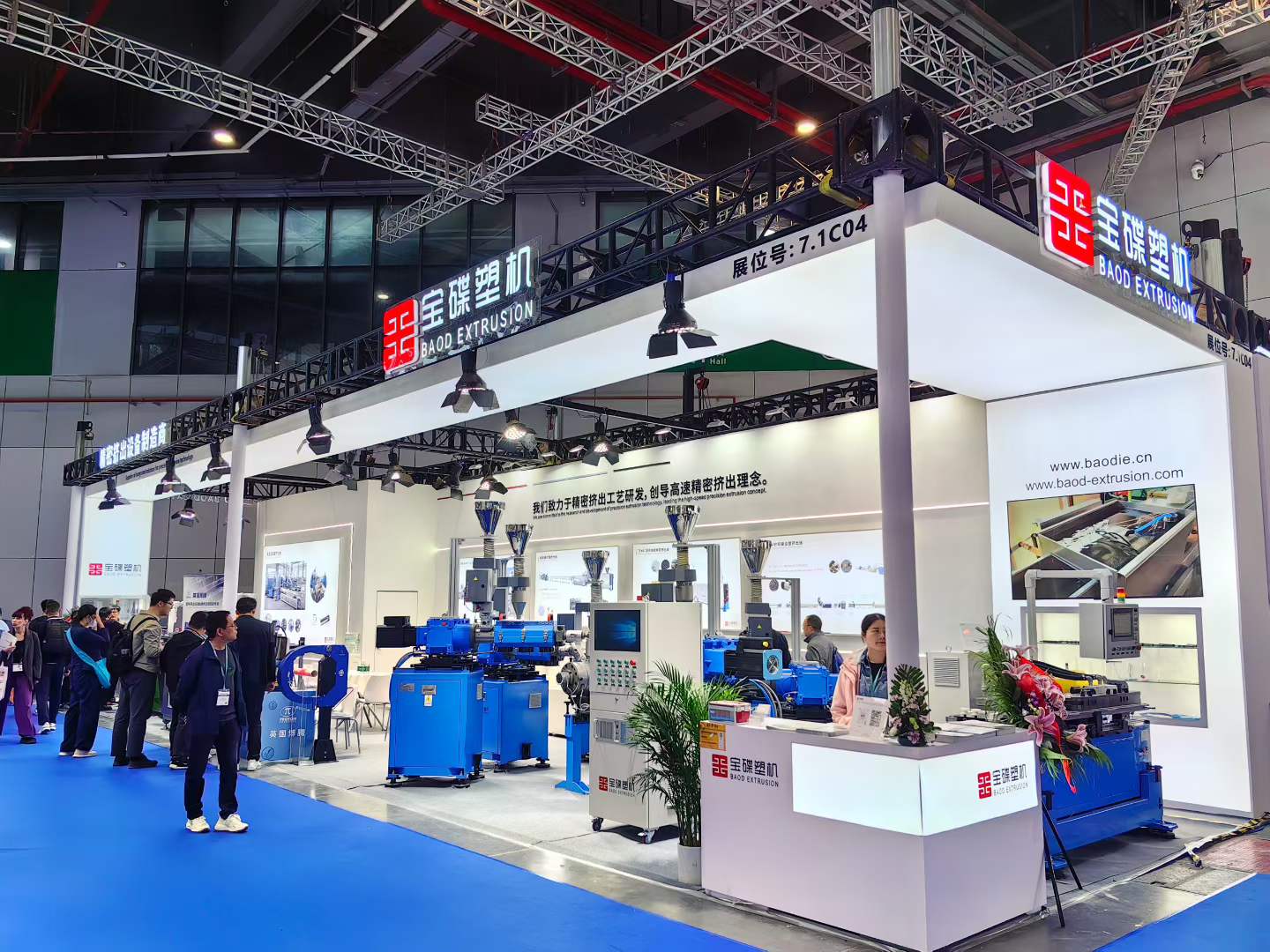
BAOD EXTRUSION showcased its latest R&D achievements at Booth 7.1C04, presenting "Smart Extrusion & High-Efficiency Innovation" solutions that address green manufacturing and reduced energy consumption.
BAOD EXTRUSION Named Top 10 Customized Detonating Tube Extrusion Line Solution Provider
In sectors ranging from mining to infrastructure demolition, detonating tubes demand extreme wall precision and shock-resistance profiles. Discover how BAOD maintains leadership in this critical sector.
High Precision Multi-Lumen Tube Extrusion Line: China vs European Manufacturing Standards
Comparing precision parameters, die geometries, and material behaviors for multi-lumen micro-tubes engineered under stringent European medical compliance guidelines.
How China Leading OEM Automotive Tube Extrusion Line Supplier BAOD Maintains Compliance
Delving into international automotive requirements (such as SAE J20 and DIN standards) and how BAOD ensures high-precision fuel and brake line extrusions.
Top Automated TPV, PVC Sealing Strip Extrusion Supplier: Key Trends for 2026
Explore developments in automotive cabin NVH management and seal designs, and how our co-extrusion technology adapts to hybrid electric vehicle sealing profiles.
Complete Extrusion Component Lineup
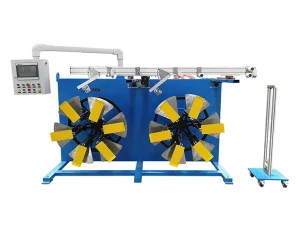
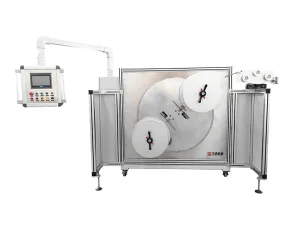
Explore auxiliary pulling, winding, and composite hose machinery designed to integrate seamlessly into modern automated lines.
 Baodie