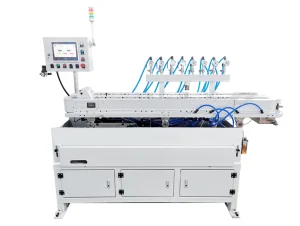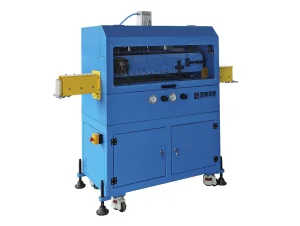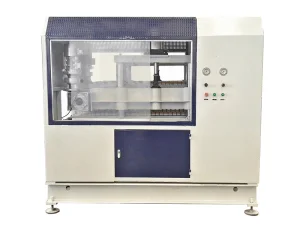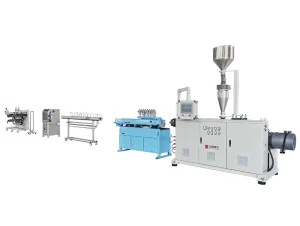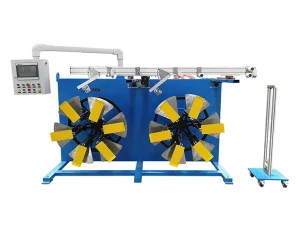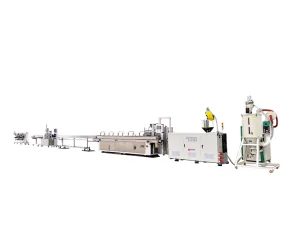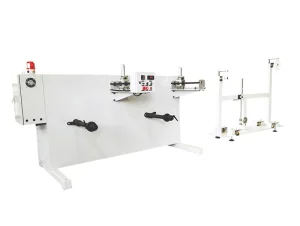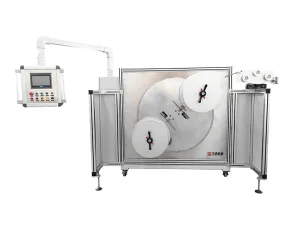
In modern clinical applications, PVC (Polyvinyl Chloride) medical tubing acts as the primary fluidic interface for life-sustaining therapies. From simple intravenous (IV) infusion sets to highly complex multi-lumen cardiovascular catheters, hemodialysis circuits, and enteral feeding tubes, medical-grade PVC is preferred due to its superior clarity, kink resistance, flexibility, and physical stability under varying temperatures. However, procurement specialists and quality control engineers at medical device manufacturers (MDMs) face strict challenges when sourcing custom PVC medical tubing globally.
Information Gain Insight: The medical tubing market is transitioning rapidly. Regulatory scrutiny from the FDA, European Medical Device Regulation (MDR), and China National Medical Products Administration (NMPA) requires full chemical traceability. Standard industrial extrusion no longer suffices; OEMs now require equipment that operates under tight cleanroom standards while maintaining continuous dimensional stability down to ±0.02mm.
Sourcing teams must evaluate potential manufacturers not merely on cost per meter, but on their technological capability to deliver ultra-precise tolerances, cleanroom compliance (typically Class 10,000 / ISO Class 7 or Class 100,000 / ISO Class 8), and compliance with biocompatibility protocols such as USP Class VI, ISO 10993, and restriction on hazardous substances (specifically DEHP-free plasticizers). Sourcing standard PVC tubing is straightforward, but securing custom co-extruded, multi-lumen, or radio-opaque tubing requires specialized extrusion tooling and advanced automated lines that can process complex formulations without thermal degradation.
Years of Extrusion Engineering
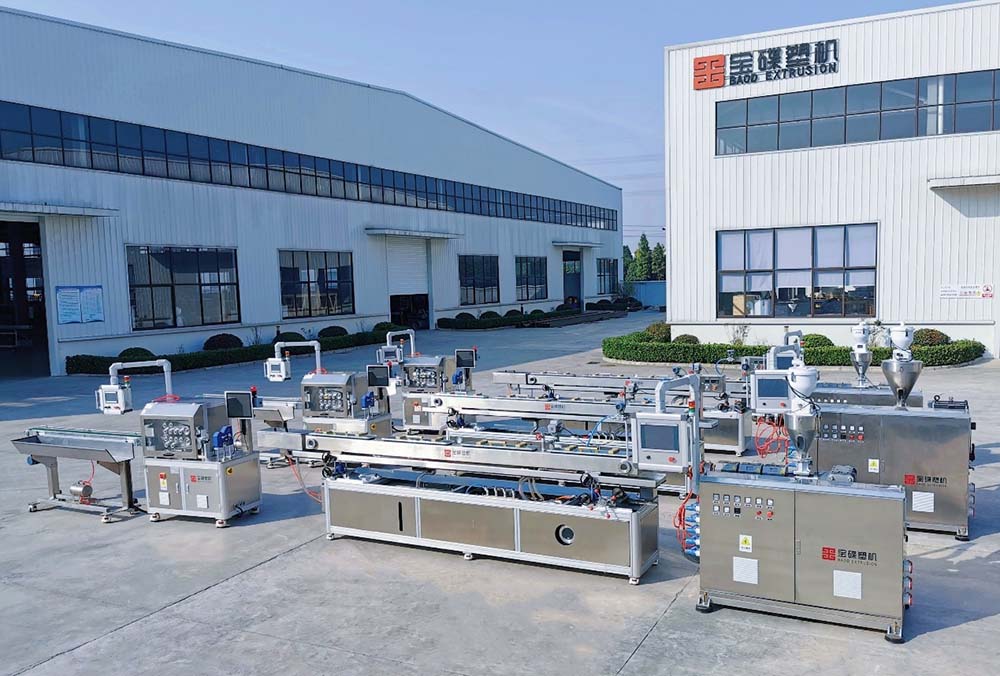
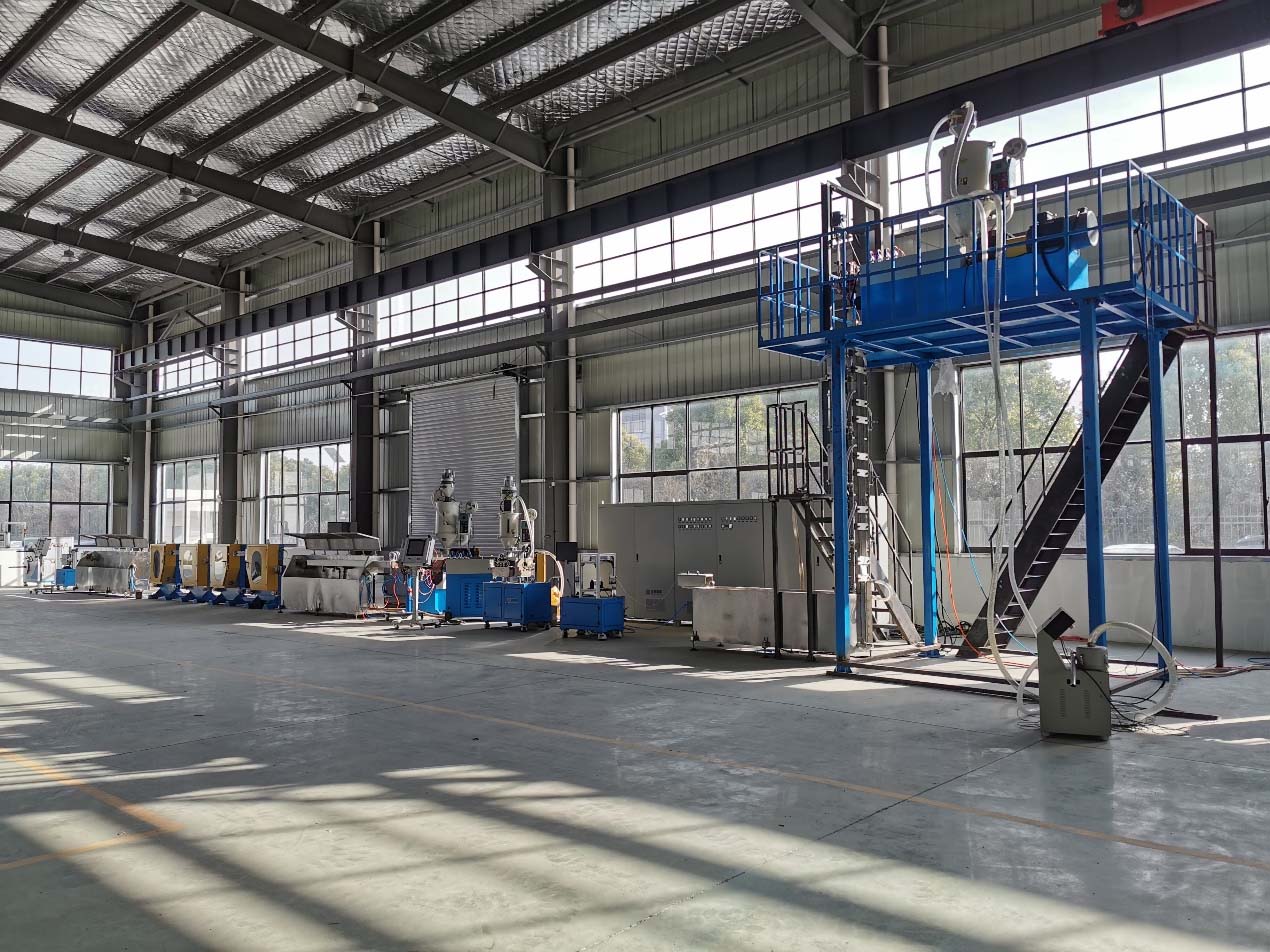
Advanced Production & Assembly Area
Qualified Professionals & Specialists
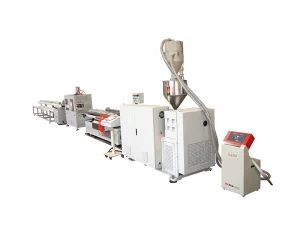
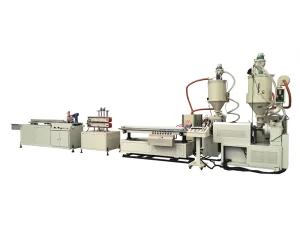
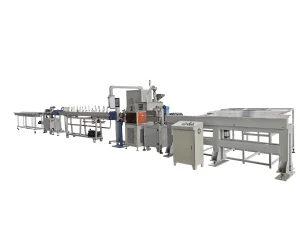
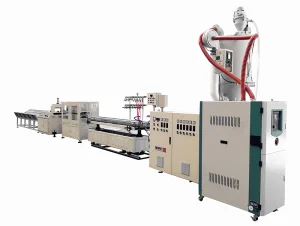
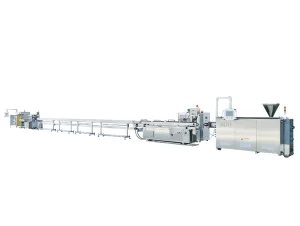
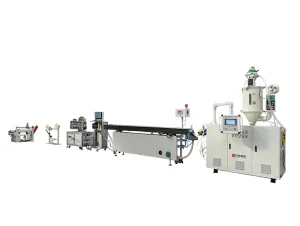
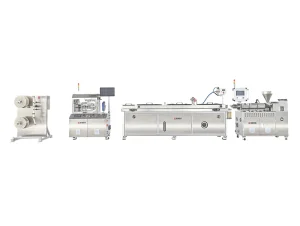
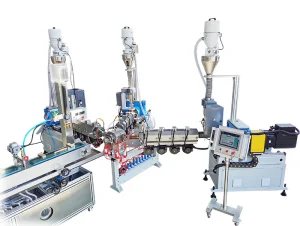
To manufacture medical-grade PVC tubing that complies with rigid international regulatory standards, the extrusion machinery must be designed to control physical parameters precisely. Jiangsu Baodie Automation Equipment Co., Ltd. (BAOD EXTRUSION) has spent over two decades developing high-speed, automated medical extrusion lines that maintain dimensional control while producing at high output rates.
Utilizing high-efficiency single-screw extruders with custom L/D (length-to-diameter) ratios, ensuring the polymer melt remains thermally stable and uniform without shear heating or degradation.
Integrated laser micrometers and ultrasonic wall-thickness monitors actively measure the Outer Diameter (OD), Inner Diameter (ID), and concentricity, feeding back adjustments to the puller speed in real-time.
Vacuum sizing tanks engineered from food-grade stainless steel with closed-loop vacuum control ensure that the hot, molten PVC profile is set into its final state without distortion.
Unlike industrial hoses, medical tubing cannot tolerate wall thickness deviations. For instance, in a double-lumen central venous catheter, uneven wall distribution can lead to catastrophic structural failure or kinking inside the patient's vein. The extrusion tooling must feature micro-adjustable crossheads, allowing technicians to dial in centering parameters down to the micron.
The technology behind manufacturing PVC medical tubing is evolving toward digitalized, closed-loop automated ecosystems. Below is the technical roadmap followed by top-tier manufacturers like BAOD EXTRUSION to meet future industrial demands:
Precise continuous loss-in-weight feeding systems ensure the exact ratio of PVC resin, non-phthalate plasticizers (such as TOTM or DOTP), and processing aids enters the extruder, maintaining batch consistency.
Melt pumps are utilized to isolate the extrusion die from pressure fluctuations generated by the screw. This guarantees a highly stable, pulsation-free delivery of molten polymer to the die head, crucial for high-speed runs.
Advanced CAD/CAM engineered extrusion dies allow co-extruding radio-opaque stripes (such as Barium Sulfate lines) or multi-lumen geometries inside a single micro-bore tube structure.
Precision belt pullers powered by servo motors pull the tubing at synchronized speeds, feeding the finished product directly into automated traverse winders or cutting units without stretching the elastic PVC profile.
Founded in 2002, BAOD EXTRUSION (Jiangsu Baodie Automation Equipment Co., Ltd.) has dedicated over two decades to the design, manufacturing, and international distribution of high-performance plastic extrusion lines. With roots tracing back to Taiwan where the original parent company, KINGSWEL GROUP, spent 18 years refining precision mechanical designs, the group established its state-of-the-art manufacturing facility in mainland China in 1999 to service the rapidly expanding global market.
Operating out of a modern 16,000m² production site, BAOD EXTRUSION is supported by a workforce of 100 industry professionals. This facility specializes in high-speed, automated extrusion lines that deliver structural reliability and safety. The company focuses its research and development on four primary areas:
Attaining sub-millimeter tolerances on ID, OD, and concentricity across materials ranging from PVC, PU, and PA to fluoroplastics.
Designing specialized screw geometries and dynamic cooling configurations that enable increased line speeds without compromising product quality.
Integrating Industry 4.0 PLC architectures that handle closed-loop parameter monitoring, process data logging, and predictive maintenance diagnostics.
The medical and industrial extrusion landscape is shifting rapidly. At recent major exhibitions, including CHINAPLAS 2026, BAOD EXTRUSION demonstrated how high-efficiency extrusion solutions address the demand for cleaner production processes, improved material integrity, and automated line setups.
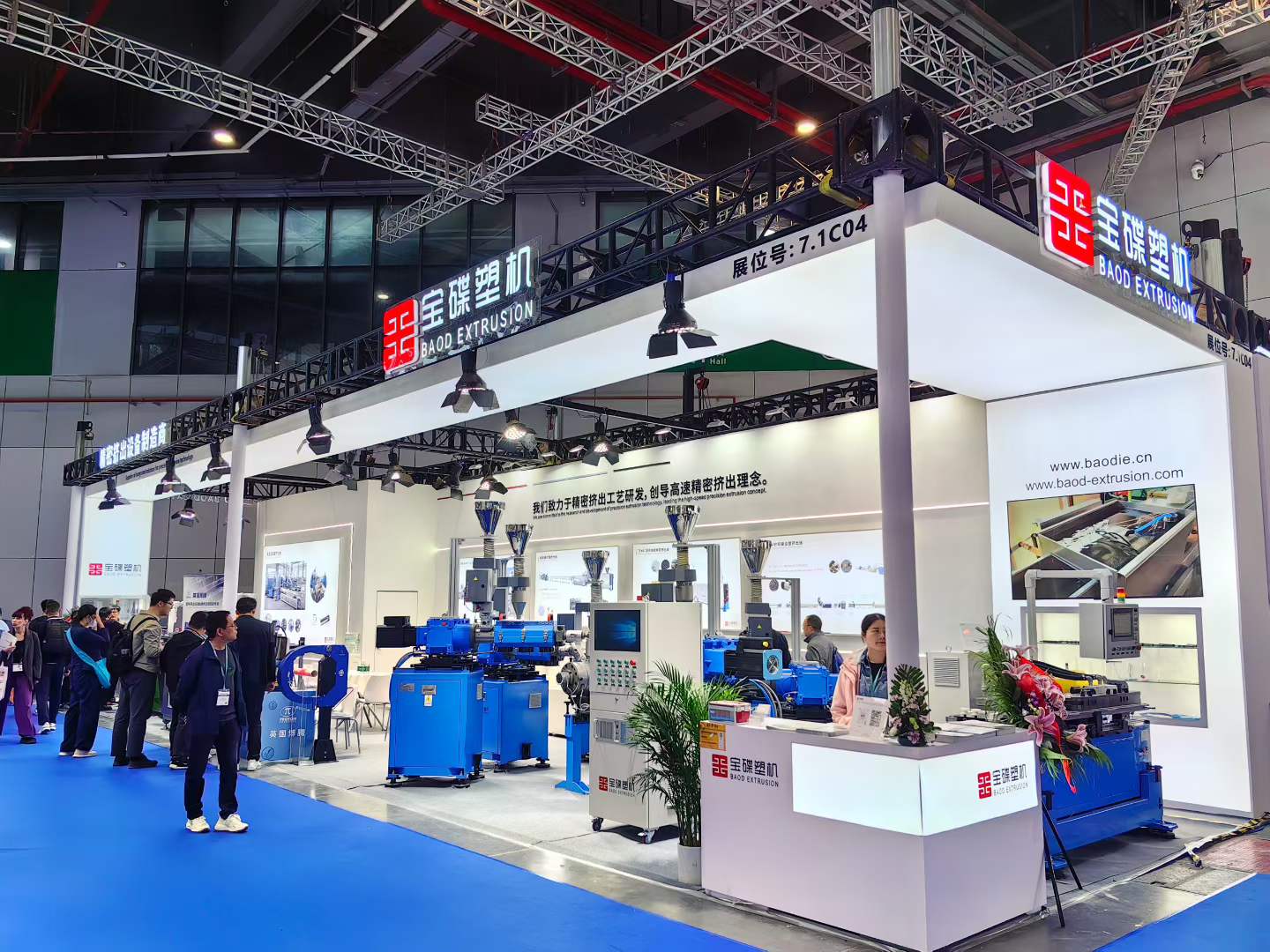
From April 21–24, CHINAPLAS 2026 was successfully held at the National Exhibition and Convention Center in Shanghai. BAOD EXTRUSION showcased its latest R&D achievements, presenting “Smart Extrusion & High-Efficiency Innovation” solutions that attracted international attention.
In sterile clinical applications, complex multi-lumen tubes serve as critical delivery conduits. This technical analysis explores the differences in dimensional tolerances and concentricity standards between European and Chinese manufacturers, and how BAOD bridging the gap.
Explore the specialized machinery challenges behind producing highly uniform, explosion-resistant detonating tubes used in modern mining and demolition. Reliability in wall thickness is safety critical.
As medical device manufacturers expand their global presence, maintaining compliance with both domestic and international standards is a priority. Extrusion technology must adapt to process alternative materials (such as TPU, Pebax, and custom TPEs) on the same basic machine framework with quick changeovers, minimizing downtime.
When sourcing custom PVC medical tubing or purchasing complete extrusion production lines, global buyers must verify the manufacturer's compliance framework. This includes validating cleanroom facilities, machinery safety standards, and traceability systems.
EEAT Sourcing Principle: An extrusion partner must support the Installation Qualification (IQ), Operational Qualification (OQ), and Performance Qualification (PQ) validation processes required by the FDA or international notified bodies. Without proper documentation and equipment validation support, bringing medical devices to market is significantly delayed.
BAOD EXTRUSION provides complete validation support packages for its medical extrusion lines, including full schematic documentation, material certificates for all parts that contact the product, and PLC software validation. The company's automated systems feature user access control levels, audit trail capabilities, and data logging systems designed to help manufacturers achieve compliance with 21 CFR Part 11 requirements.
 Baodie