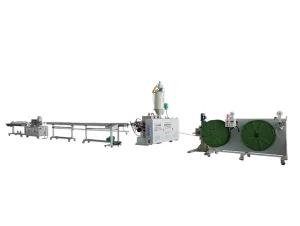
Explore our industrial range of high-efficiency profile and tube extrusion machinery
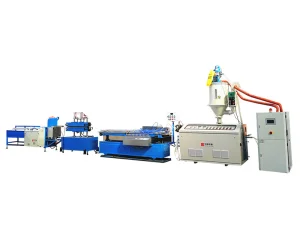
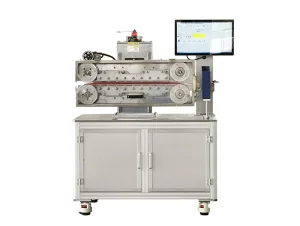
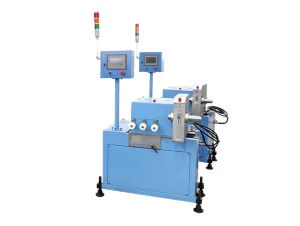

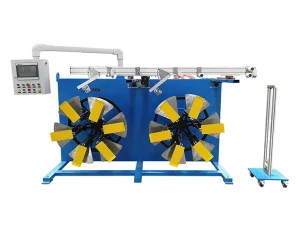
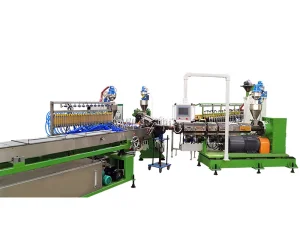
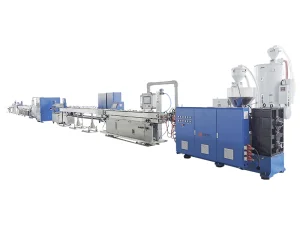
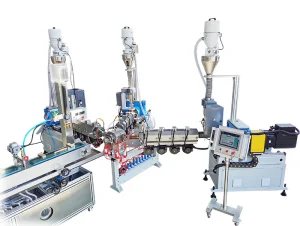
Polypropylene (PP) monofilament extrusion represents one of the most mechanically demanding processes in polymer fiber engineering. Achieving uniform draw ratios, crystalline molecular alignment, and dimensional consistency requires a highly optimized thermal and mechanical extrusion system. Modern applications, ranging from high-tensile agricultural netting and geotextiles to industrial filtration fabrics and marine rigging, demand monofilament fibers with exceptional tensile strength, minimal elongation deviation, and prolonged resistance to environmental stressors like UV light and chemical exposure.
As a leading custom PP monofilament extrusion line manufacturer, Jiangsu Baodie Automation Equipment Co., Ltd. (BAOD EXTRUSION) customizes machinery to address these specific polymer rheology challenges. Through advanced single-screw geometry optimization, precise cooling kinetics in temperature-controlled water baths, and multi-stage godet drawing zones, our systems guarantee consistent production yield. By controlling shear rate, melt pressure, and temperature profiles, we prevent raw polymer thermal degradation, delivering high-durability monofilaments that satisfy stringent international manufacturing standards.
In PP monofilament extrusion, the mechanical properties are determined in the orientation stages. As the polymer melt exits the spinneret, it is amorphous. Passing through the cooling water bath initiates crystallization. The subsequent drawing through heated godets at ratios up to 1:10 stretches the polymer chains, aligning them parallel to the fiber axis. Proper thermal annealing after stretching stabilizes this crystalline matrix, preventing shrinkages at elevated temperatures.
BAOD EXTRUSION (Jiangsu Baodie Automation Equipment Co., Ltd.), established in 2002, specializes in designing, manufacturing, and servicing high-performance plastic extrusion systems. Drawing upon our engineering roots from the KINGSWEL GROUP in Taiwan (active since the late 1990s), our manufacturing facilities in mainland China have driven advancements in precision polymer processing. Over the past 25 years, our research has focused on resolving structural instabilities in extrusion processes, delivering automated turnkey plants to global buyers.
Engineering advancements driving the next generation of monofilament machinery
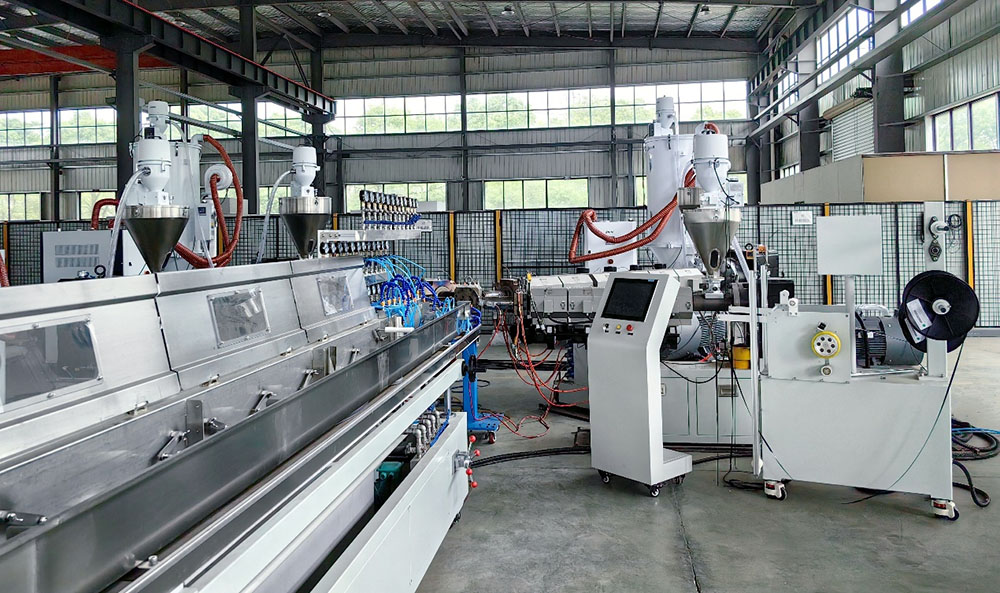
The core of the PP monofilament line is the extruder screw. To process polypropylene's high viscosity index without generating localized heat, BAOD utilizes barrier screws with L/D ratios of 30:1 or 33:1. This design ensures complete polymer melting while preventing shear-induced molecular degradation. A melt pump is integrated to stabilize output pressure, dampening pressure fluctuations to less than ±0.5 bar. This stability ensures that the flow rate through each hole of the spinneret remains uniform, minimizing variance in individual monofilament diameters.
Gravimetric dosing units control the feeding of raw PP pellets, UV stabilizers, and color pigments, maintaining consistent material properties across production runs.
Hydraulic screen changers with continuous flow designs prevent pressure surges when purging contaminants, avoiding filament breakage during changeovers.
Hot water and hot air drawing ovens stretch the monofilaments, while secondary oil-heated godets anneal the fibers to control thermal shrinkage.
Precision torque or inverter-controlled winders maintain consistent tension, avoiding spool deformation and ensuring smooth unwinding for downstream processes.
Custom configurations designed for specific industrial end-use requirements
Extruding high-durability PP monofilaments with integrated UV stabilizers for manufacturing shade nets, greenhouse crop support structures, and protective agricultural netting.
Processing high-tenacity monofilaments optimized for marine ropes, shipping nets, and mooring lines requiring high tensile strength and chemical resistance.
Producing thick-gauge monofilaments used in structural geotextiles for soil stabilization, landfill liners, and reinforcement netting in civil engineering.
Our Jiangsu-based production base integrates industrial internet of things (IIoT) frameworks, enabling automated production diagnostics and remote commissioning support.
By coordinating design, manufacturing, assembly, and testing at our 16,000 square meter factory in Jiangsu, BAOD maintains control over the entire supply chain. Our partnerships with raw material suppliers and electrical components vendors (such as Schneider Electric, Siemens, and Omron) enable us to offer competitively priced custom extrusion lines without compromising on components quality.
Our Quality Management System follows a strict multi-phase protocol. From steel sourcing and gas nitriding of screws to final dynamic assembly testing, each step is logged and verified. Before factory dispatch, every custom extrusion line undergoes load testing using the client's raw materials. This ensures smooth installation and rapid production ramp-up upon arrival at the client's facility.
Facilitating seamless international transactions and localized lifecycle maintenance
For international procurement, safety and regulatory compliance are essential factors. BAOD EXTRUSION manufactures machinery in compliance with CE directives and ISO 9001:2015 regulations. Our electrical systems feature segmented emergency-stop networks, thermal overload protections, and armored wiring conduits. We support factory acceptance testing (FAT) via high-definition video inspection systems, providing real-time measurements, thermal camera imaging, and physical runout verification for clients unable to visit our facility in person.
To support global startups and scaling operations, we offer complete commissioning and training services. Our field engineering team handles installation, wiring, fine-tuning of extrusion parameters, and training for local operators. We also maintain an inventory of critical wear-and-tear spare parts, including custom spinnerets, heater bands, and thermocouple arrays, ensuring rapid delivery and minimized downtime.
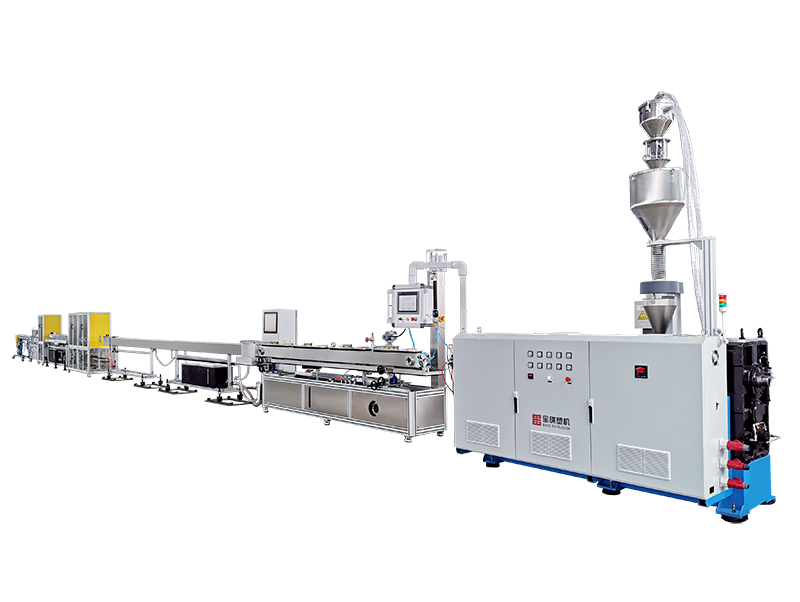
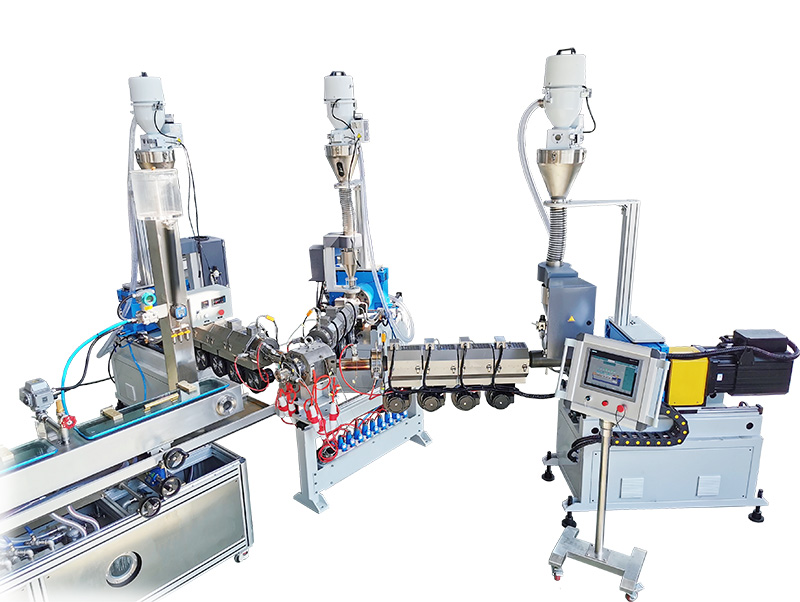
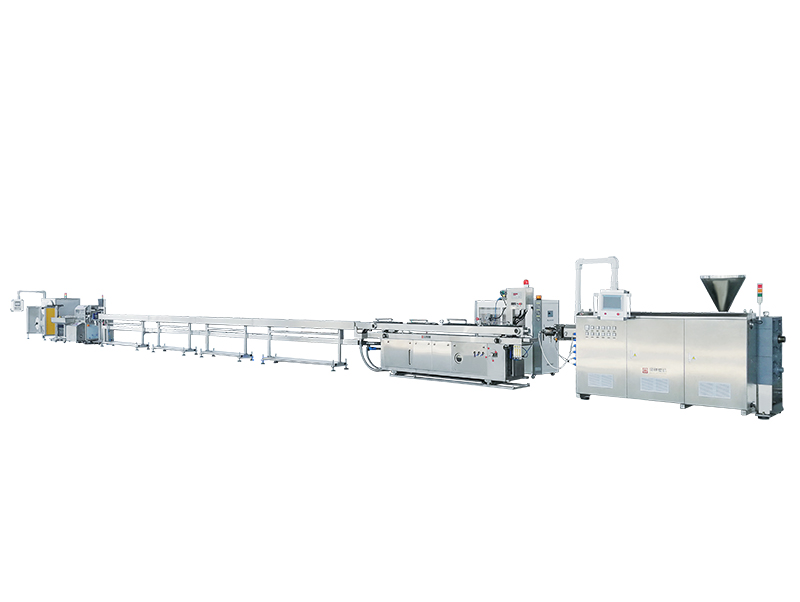
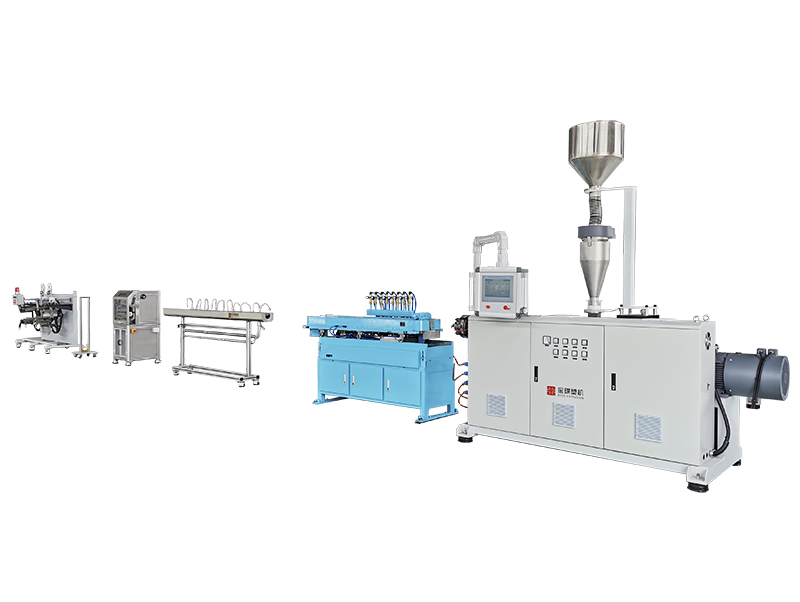
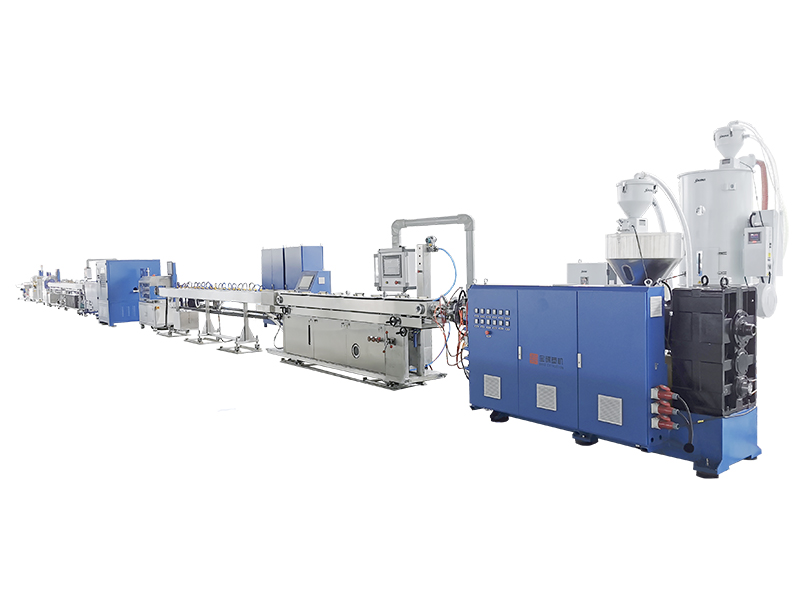
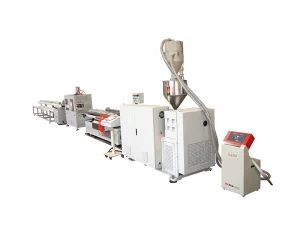
A look at the specialized extrusion solutions designed and manufactured by BAOD

Keep up with the latest industry updates, technological innovations, and global exhibition announcements
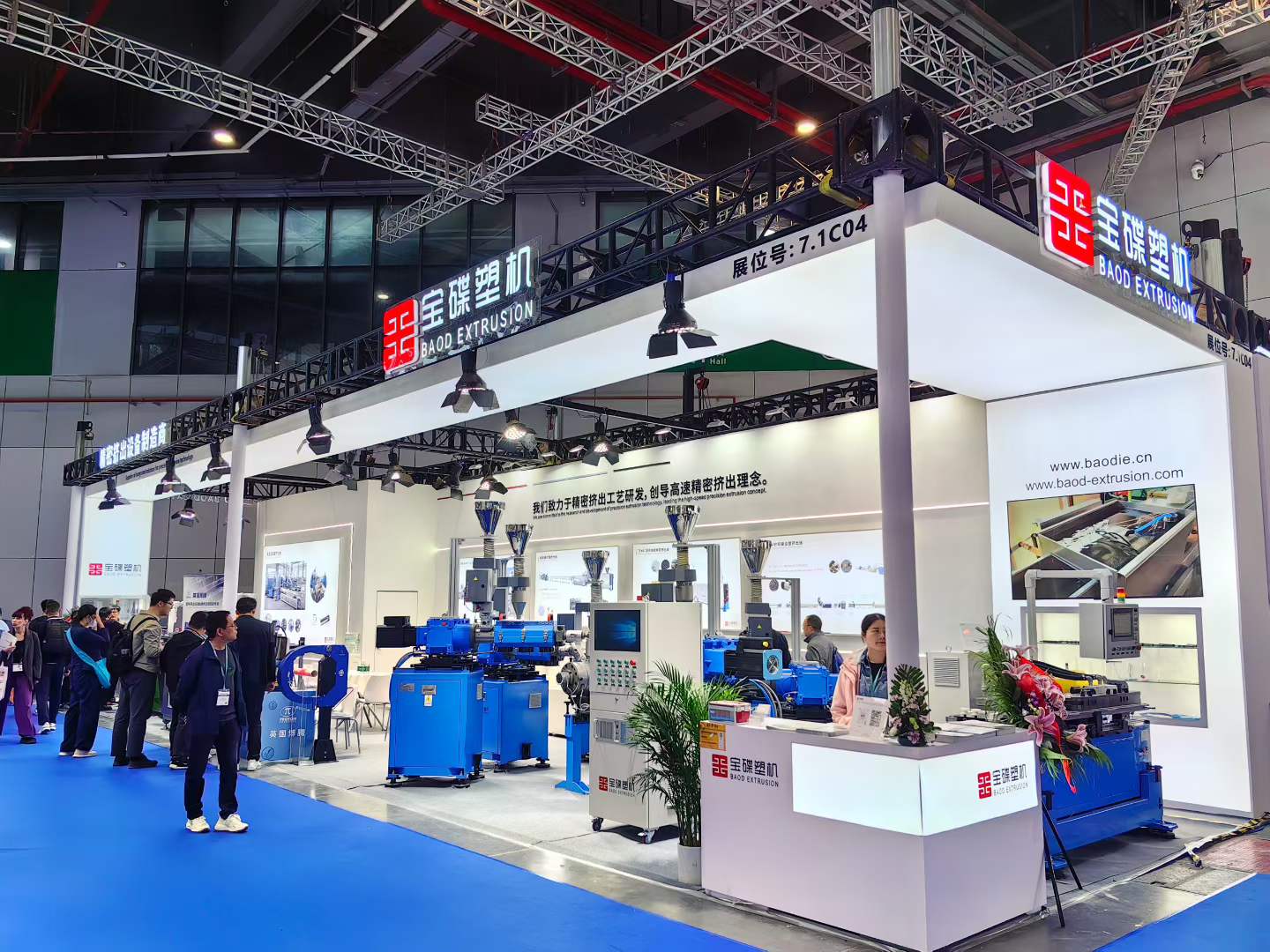
From April 21–24, CHINAPLAS 2026 was successfully held at the National Exhibition and Convention Center (Shanghai, Hongqiao). BAOD EXTRUSION showcased its latest R&D achievements at Booth 7.1C04, presenting "Smart Extrusion & High-Efficiency Innovation" solutions...
In the controlled environment of a modern industrial facility, a single, hair-thin plastic tube wound onto a reel might seem unremarkable to the untrained eye. However, in sectors ranging from mining and quarrying to large-scale infrastructure demolition, this tube—known...
In the sterile, quiet environment of a modern medical facility, a clinician prepares a complex catheter for a critical procedure. This thin, flexible tube is far more than a simple conduit; internally, it is divided into several microscopic channels, or lumens, each...
How do the world's most reputable vehicle manufacturers ensure the absolute integrity of every fuel line, brake hose, and cooling pipe buried deep within a vehicle’s chassis? Why has the shift toward electric and lightweight vehicles made the precision of these small...
As the twilight sun reflects off the sleek, aerodynamic curves of a modern electric vehicle parked in a bustling metropolitan street, few observers notice the quiet, critical components ensuring the cabin remains a sanctuary of silence and temperature control. Behind...
Industrial plastic extrusion requires a high degree of integration between mechanical stability and thermal efficiency. Discover how modern design configurations optimize processing speeds, energy usage, and product consistency across critical manufacturing applications...
Technical answers to common engineering questions from global procurement teams
For processing polypropylene (PP) monofilaments, we configure our extruders with a minimum L/D (Length/Diameter) ratio of 30:1, often extending to 33:1. This length ensures sufficient residence time for the polymer to melt completely and blend uniformly, preventing un-melted crystalline structures from reaching the spinneret. This configuration is essential for achieving the high melt stability required to prevent monofilament breakage during high-speed drawing.
The draw ratio (stretching factor between the slow-speed and high-speed godet rollers) determines the orientation of the polymer's molecular chains. Higher draw ratios (e.g., 1:8 to 1:10) align the molecules along the axis of the filament, increasing tensile strength and rigidity while reducing elongation. We customize our draw zones with precise closed-loop speed control (accuracy to 0.1%) to maintain consistent physical properties across all extruded filaments.
Water bath cooling kinetics control the initial crystallization of the polypropylene. If the cooling water is too hot, large crystal structures (spherulites) form, causing the fiber to become brittle and prone to breaking in the drawing zone. If the water is too cold, the polymer cools too quickly, freezing in internal stresses. We design our cooling baths with automated temperature control loops (±1°C precision) and turbulent-free water flow systems to ensure uniform heat transfer.
We combine high-precision melt pumps, optimized die head channel geometries, and multi-zone heating control to maintain consistent melt flow. The melt pump provides a stable output, minimizing pressure fluctuations at the spinneret, while the heating zones maintain uniform temperature profiles across the die plate, ensuring consistent viscosity and flow rate through each spinneret hole.
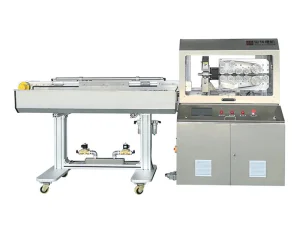
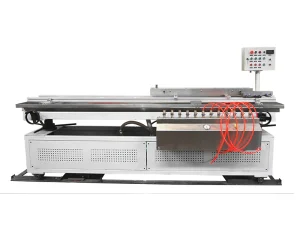
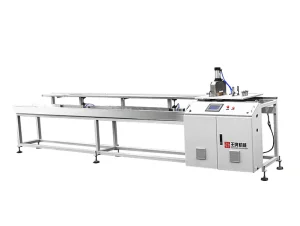
Complete your production setup with our reliable pullers, cutters, and auxiliary equipment
 Baodie