 Baodie
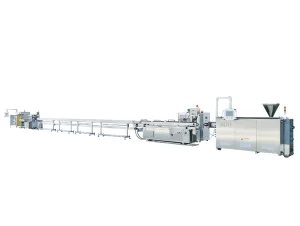
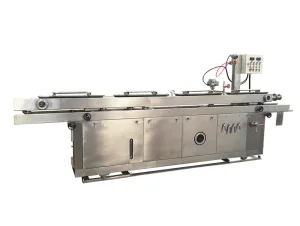
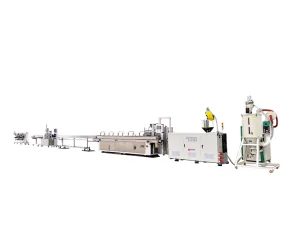
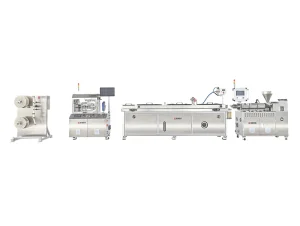
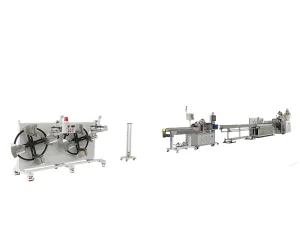
Technical Whitepaper: Processing Optimization in Custom LLDPE Extrusion
Linear Low-Density Polyethylene (LLDPE) has emerged as a crucial material for high-performance industrial films, flexible tubing, medical packaging, and automotive profiles. However, processing LLDPE presents unique thermodynamic and rheological challenges compared to conventional Low-Density Polyethylene (LDPE). Its narrow molecular weight distribution and high shear viscosity require custom-engineered screw architectures, high-performance thermal controls, and heavy-duty drivetrains.
"Information Gain Note: LLDPE has a significantly higher shear viscosity at high shear rates than LDPE. This leads to increased screw torque requirements, higher melt temperatures, and a susceptibility to melt fracture (sharkskin). Engineering a custom LLDPE extruder demands specialized barrel cooling and proprietary barrier screw geometries designed to distribute shear without degrading the polymer."
Critical Screw Design Parameters for LLDPE Extrusion
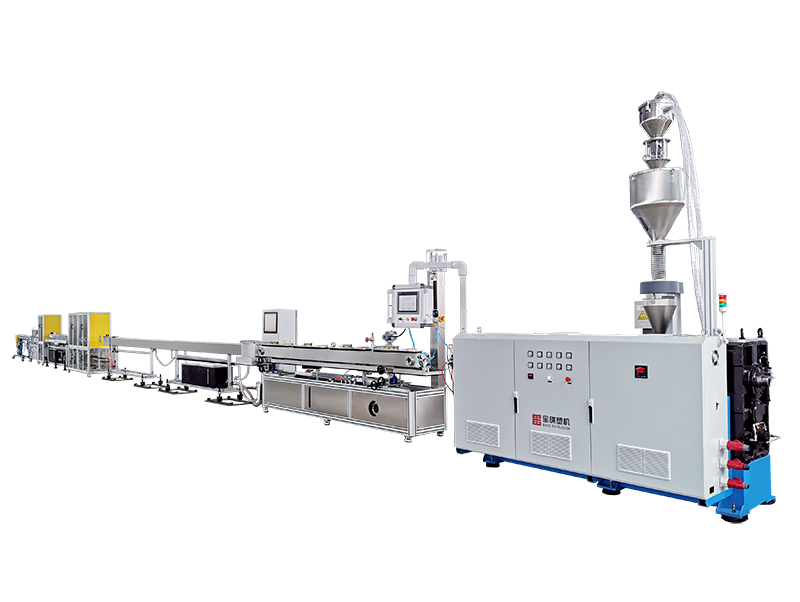
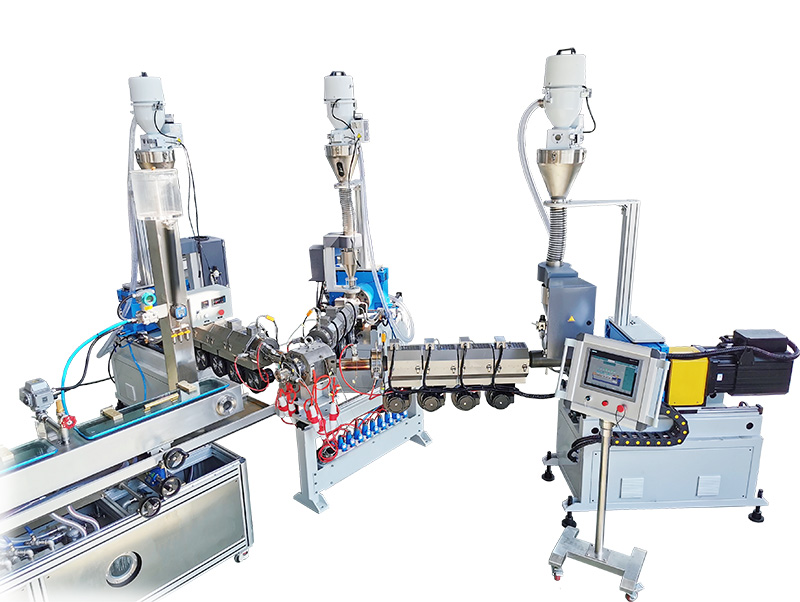
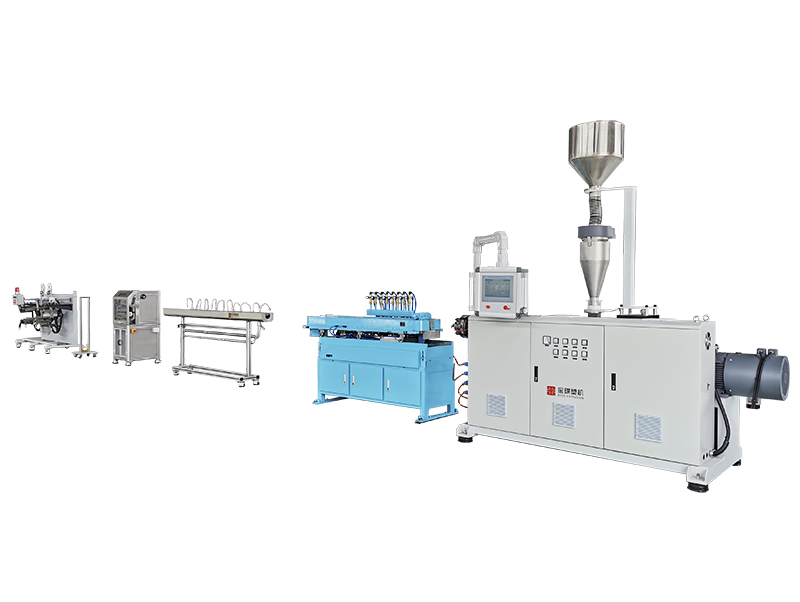
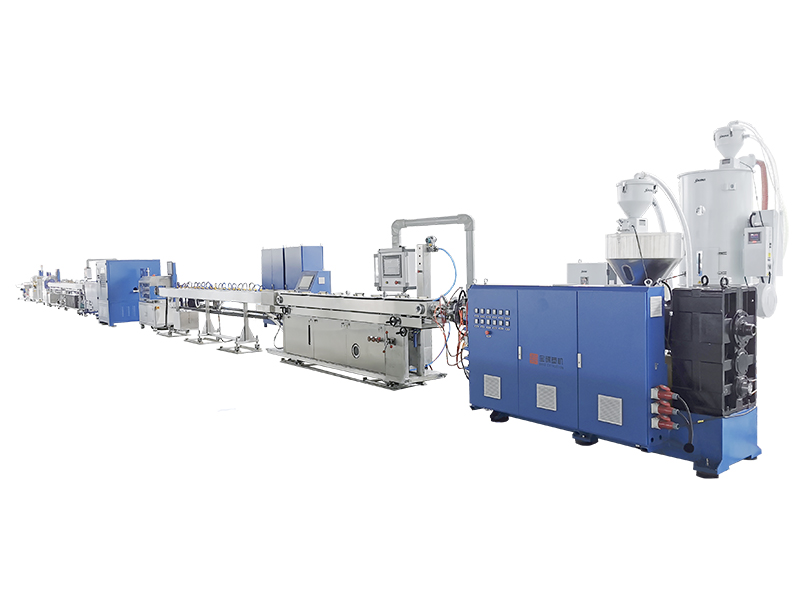
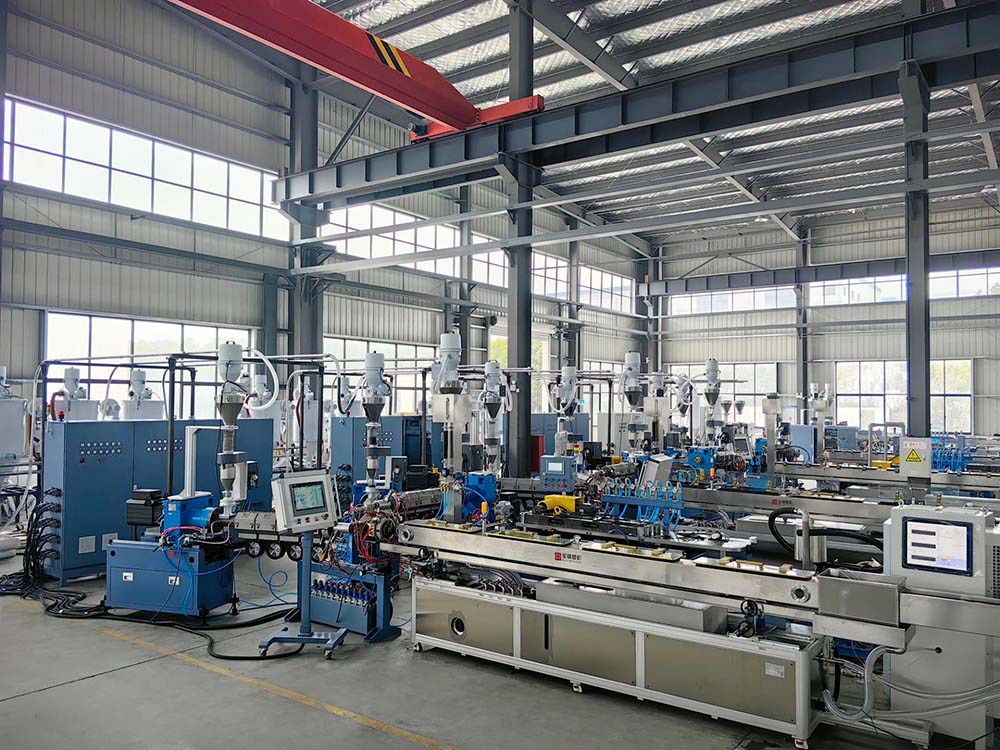
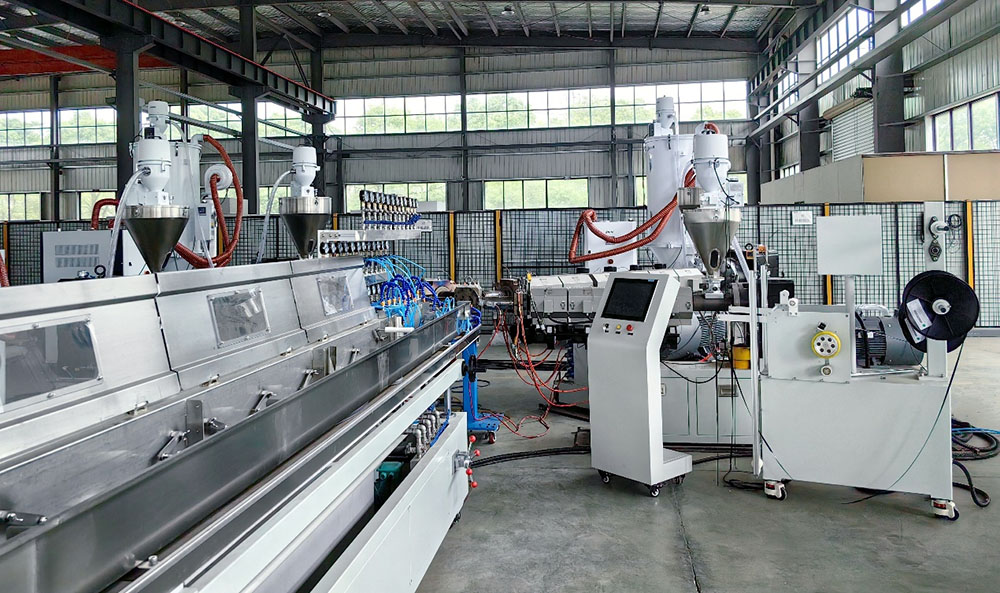
Standard single-screw extruders often fail when processing LLDPE due to insufficient homogenizing capabilities and high melt temperatures. Custom LLDPE extruders feature:
- Barrier Screw Profiles: Separates the solid polymer bed from the melted pool, maximizing heat transfer efficiency and melt uniformity while preventing un-melted pellets from entering the die.
- Grooved Feed Sections: Increases specific output and solid conveying pressure. Our systems utilize optimized helical and axial grooved bush liners with dedicated cooling jackets to maintain thermal isolation.
- Low-Shear Mixing Elements: Maddock mixers combined with pineapple-type distributive mixing sections ensure additives, masterbatches, and polymers are blended uniformly without inducing excessive localized shear heat.
Thermodynamic Control & Calibration
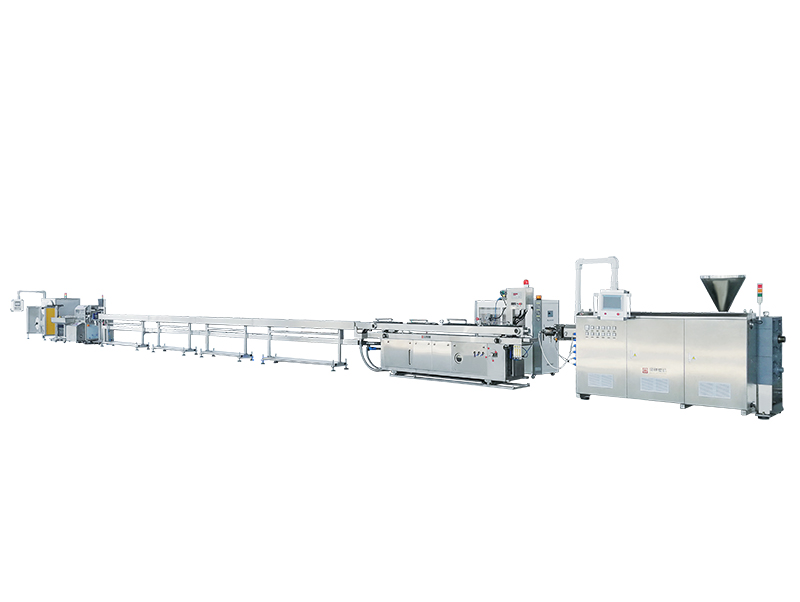
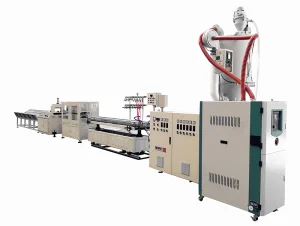
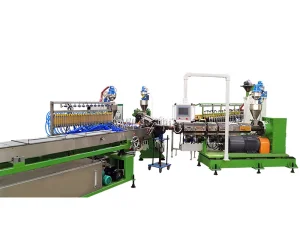
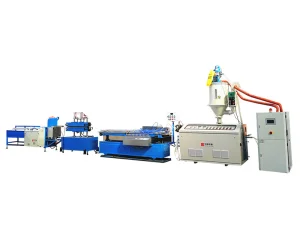
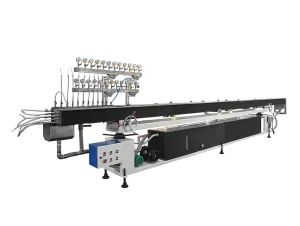
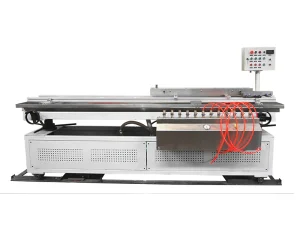
Thermal stability is paramount to prevent bubble instability in blown film and sizing deviations in pipe extrusion. Custom LLDPE extrusion lines utilize ceramic band heaters, high-velocity air cooling blowers, or integrated liquid thermal control channels inside the barrel. Vacuum sizing systems are engineered with closed-loop pressure sensors to ensure thin-walled tubes do not collapse under tension.
| Engineering Specification | Standard Extruder Configuration | Custom LLDPE High-Performance System |
|---|---|---|
| L/D Ratio (Length-to-Diameter) | 24:1 - 28:1 | 30:1 - 33:1 (Enhanced Homogenization) |
| Screw Metallurgy | Nitrided Steel (38CrMoAlA) | Bimetallic Alloy (Tungsten Carbide Coating) |
| Drive Motor Efficiency | IE2 Standard AC | IE4 PM Synchronous / Servo Drive (Energy Saving) |
| Cooling System | Air Cooling Only | Multi-Zone Liquid / Dynamic Controlled Forced Air |
| Control Interface | Analogue / Push-Button | Siemens PLC S7-1500 with Profinet Connectivity |
Advantages of Sourcing LLDPE Extrusion Lines from China
The Chinese manufacturing ecosystem has transformed from a low-cost production hub into an epicenter of advanced precision engineering. The primary strategic advantages of purchasing your custom LLDPE extrusion lines from Chinese factories include:
- Full Supply Chain Integration: From heavy forging of gearboxes to precise CNC milling of complex screw designs, the geographic concentration of suppliers allows factories to source high-grade components rapidly and economically.
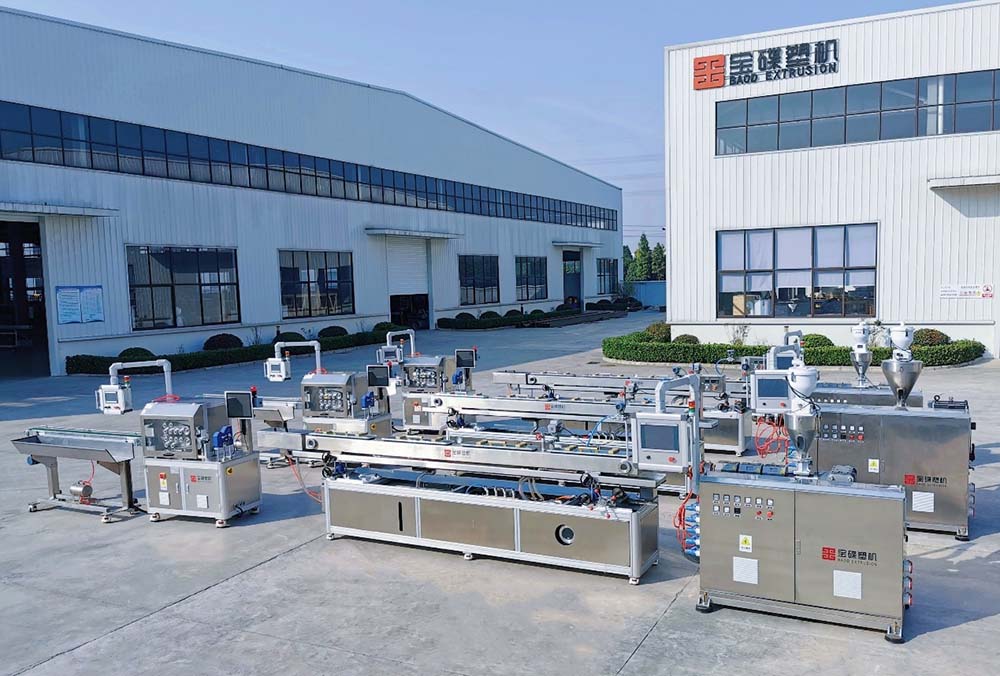
- Premium Global Components at Local Cost: Top-tier Chinese manufacturers like BAOD Extrusion integrate world-class sub-components (Siemens PLCs, Omron thermal controls, Schneider electrics, and ABB frequency converters) into custom layouts, offering European-level reliability at competitive price points.
- Agile Customization Capacities: Western OEMs often charge prohibitive premiums for custom engineering changes. In contrast, Chinese factories excel at bespoke alterations—tailoring lines to specific factory layouts, custom co-extrusion crossheads, or localized electrical regulations.
Global Procurement Demands & Technical Compliance
International buyers—particularly from Europe, North America, and Australia—look for specific technical criteria to align with strict local laws and high production rates:
- CE & UL Certification: Compliance with Machinists Directives, Low Voltage Directives, and electrical safety standards (UL 508A for US markets).
- Industry 4.0 Readiness: Seamless communication via OPC UA protocols to allow manufacturing execution systems (MES) to poll status data (melt temp, pressure, motor load) in real time.
- After-Sales and Remote Diagnostics: Integrated VPN routers allow factory engineers in China to access PLC terminals globally for firmware updates and rapid troubleshooting.