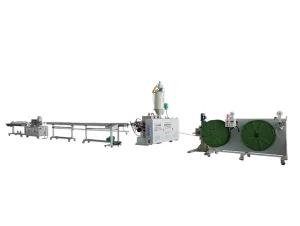
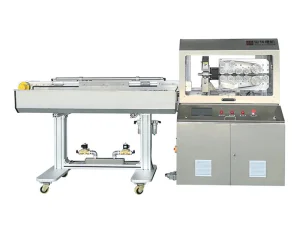
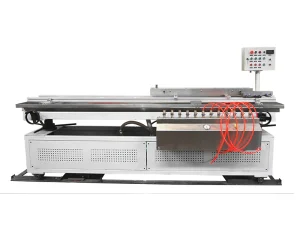
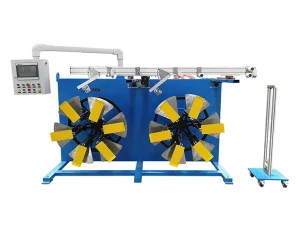
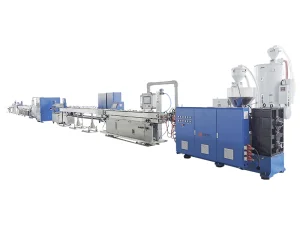
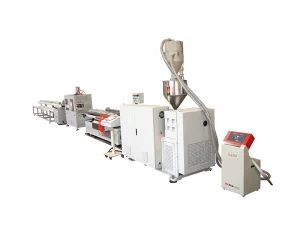
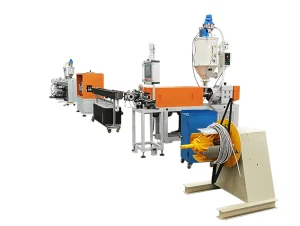
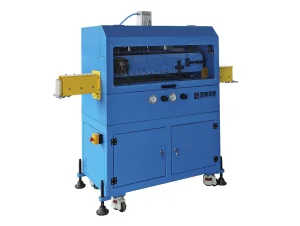
BAOD EXTRUSION (Jiangsu Baodie Automation Equipment Co., Ltd.), founded in 2002, dedicates its resources to designing, manufacturing, and marketing top-tier plastic extrusion machinery globally. Building upon 18 years of high-quality machinery design and fabrication in Taiwan, our original parent entity (KINGSWEL GROUP) established our Shanghai-based manufacturing headquarters in 1999. Decades of combined industry expertise have positioned BAOD at the cutting edge of polymer melt precision.
Our long-term engineering framework focuses on research & development for:
Years of Design Experience
State-Of-The-Art Factory Floor Area
Extrusion Engineers & Experts
In polymer processing, the Length-to-Diameter (L/D) ratio of an extruder's screw is the most critical design factor impacting melting efficiency, dwell time, color compounding quality, and pressure stability. L/D ratio is calculated by dividing the flighted length of the screw by its nominal outer diameter. For instance, a screw with a 50mm diameter and a length of 1500mm yields an L/D ratio of 30:1. Customizing this ratio based on polymer rheology is vital for competitive plastic extrusion.
Different polymers exhibit unique melting behaviors. Processing heat-sensitive PVC requires shorter L/D ratios (usually 18:1 to 24:1) to prevent thermal degradation from shear-induced heat build-up. In contrast, technical engineering plastics (e.g., Polyamide/PA or TPV) need higher ratios (up to 30:1 or 38:1) to guarantee complete melting, uniform color dispersion, and stable output pressures.
To achieve high melt quality without compromising throughput, BAOD engineers subdivide customized screws into functional zones, adjusting their lengths relative to the total L/D:
Accepts solid polymer pellets from the hopper. Shorter feed zones are preferred for fast-melting resins, whereas complex composites require longer zones to guarantee consistent solid conveying.
Compresses polymer matrix to expel entrapped air. The volume tapers, generating high shear to melt the polymer. Tailoring the compression ratio controls heat generation.
Homogenizes the melt temperature and pumps it through the die under constant pressure. Precision dimension control relies on stable output from this section.
As the plastics industry trends toward bio-plastics, high-recycle content (PCR), and ultra-thin profiles, standard configurations are no longer sufficient. BAOD is driving a technology roadmap focused on dynamic L/D adaptations and modular screw structures:
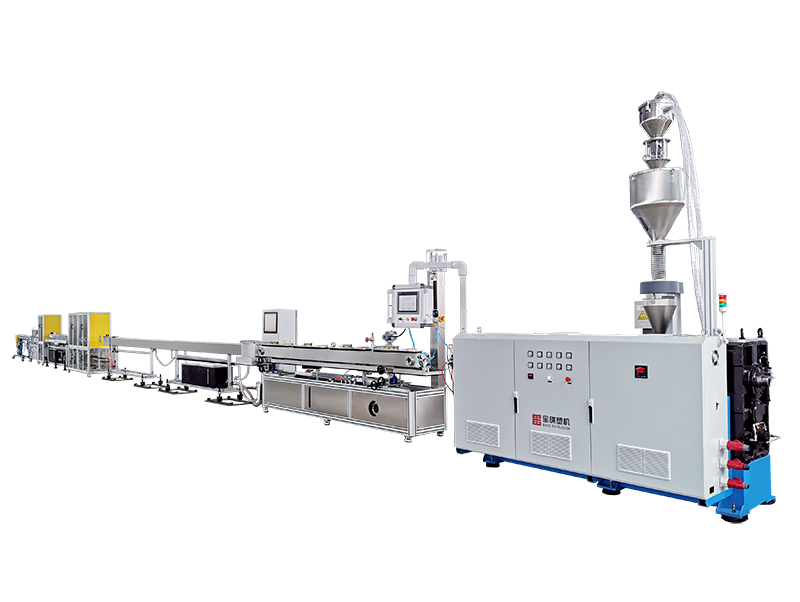
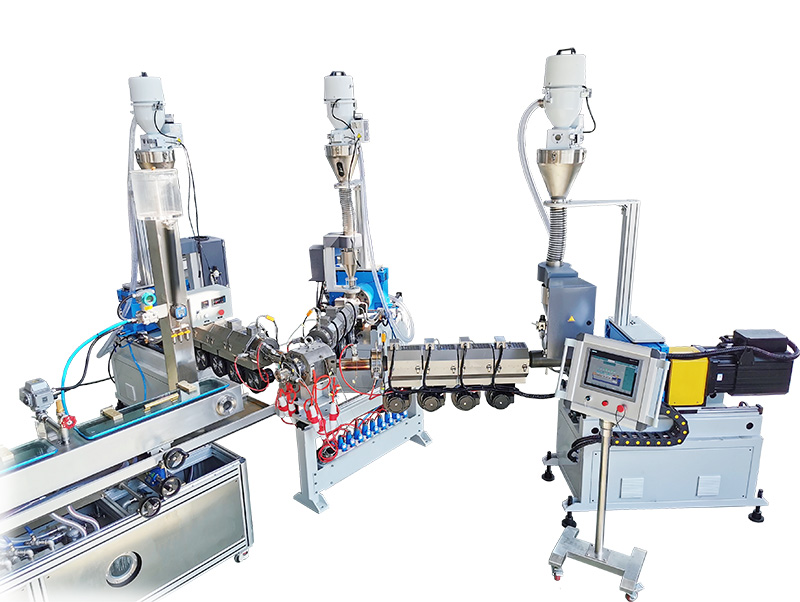
Extruding PA11/PA12 fuel lines and TPV air ducts requires high precision. BAOD customizes 30:1 to 36:1 L/D extruders to deliver multi-layer smooth or corrugated tubing that meets stringent automotive standards.
Surgical PVC, polyurethane (TPU), and multi-lumen tubes demand absolute purity and dimensional tolerance. Our 25:1 to 28:1 L/D single-screw systems provide low-shear, low-pulsation melting to secure micro-diameter tolerances.
Corrosive steel wire and chain coating processes utilize custom L/D wear-resistant extruders. High throughput capacity ensures the protective plastic sheaths form seamlessly around moving metallic cores.
Operating a 16,000 square meter production facility in Jiangsu allows BAOD to leverage the region's strong industrial supply chain. Key manufacturing components, including high-torque gearboxes, precision nitride barrels, and Siemens control units, are sourced and processed in-house.
By integrating CNC machining centers with modern CAD/CAM software, we ensure that the tolerances of each screw profile remain consistent. This localized supply chain design minimizes production times, allowing us to export to North America, Europe, and Southeast Asia quickly.
Certified ISO 9001 and CE compliance for all custom extruder lines.
Comprehensive pre-shipment dry runs and raw material sample testing.
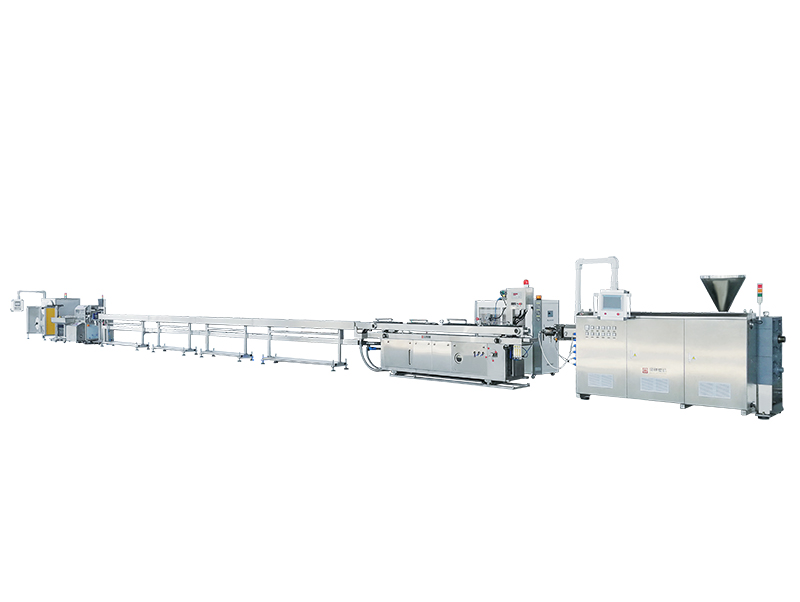
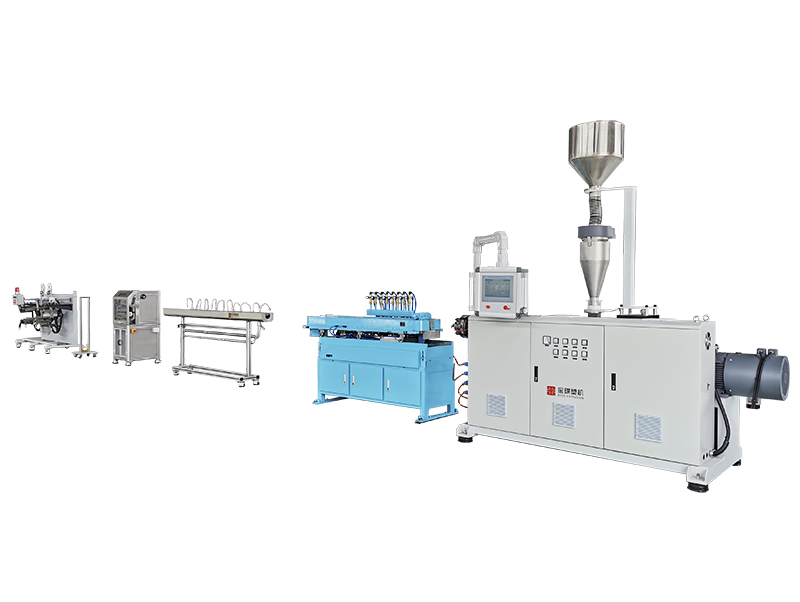
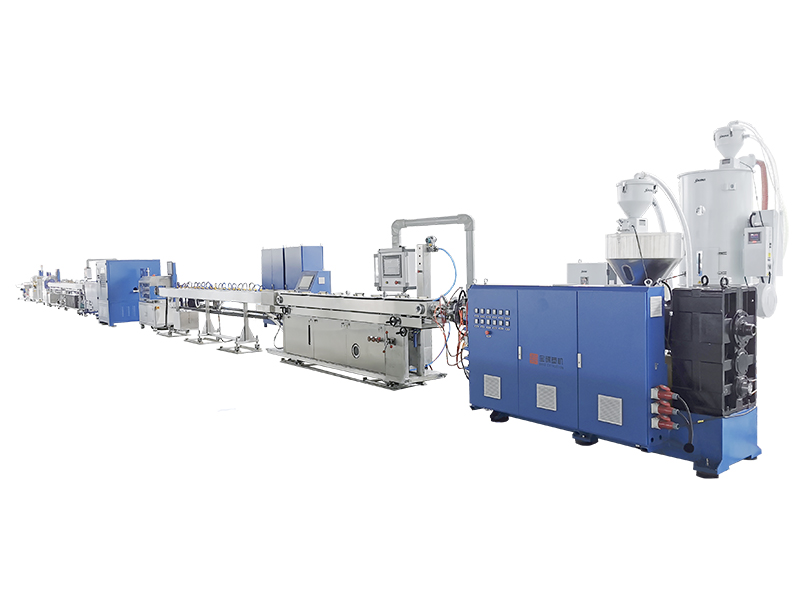

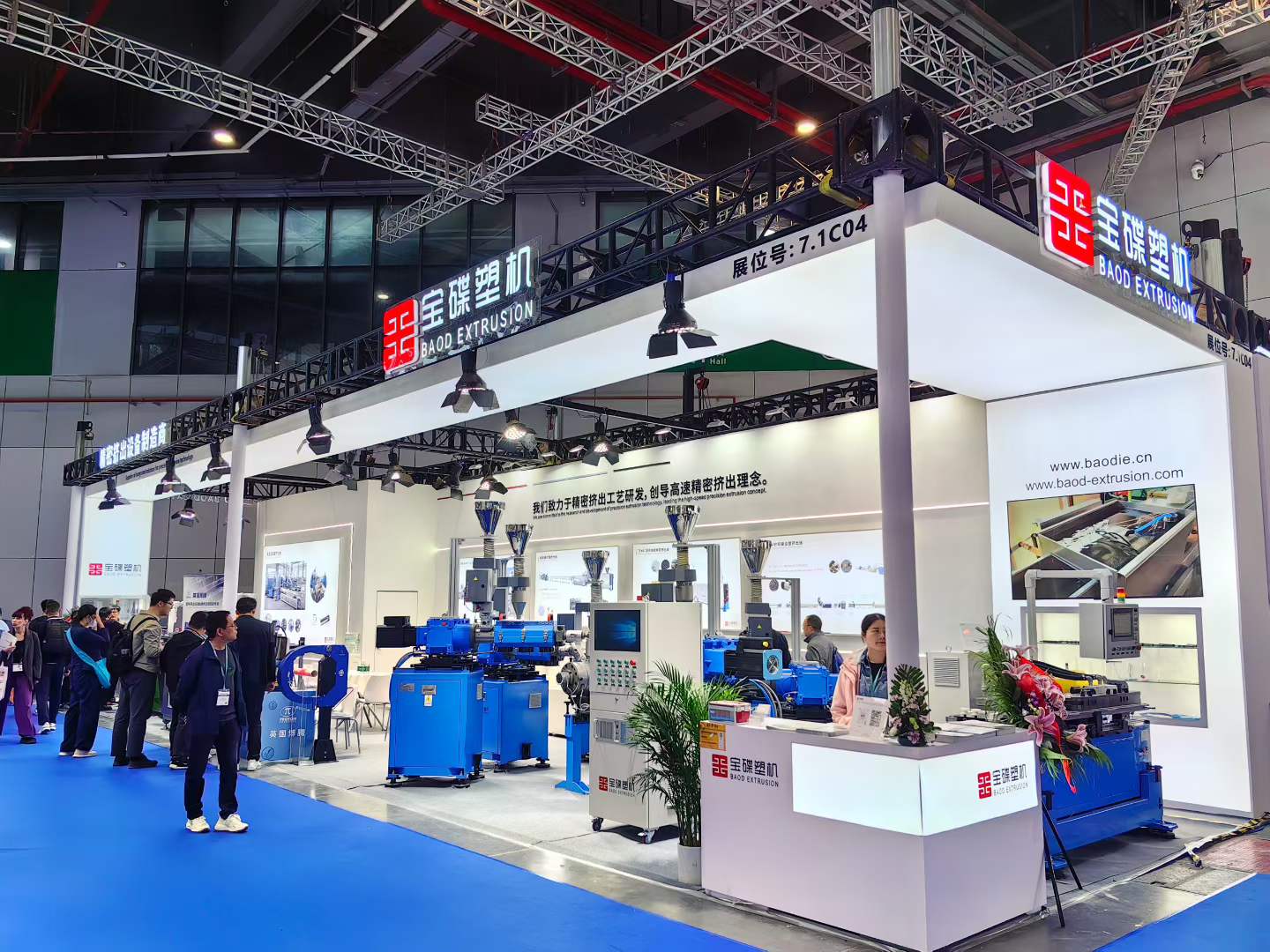
From April 21–24, CHINAPLAS 2026 was successfully held at the National Exhibition and Convention Center in Shanghai. BAOD showcased its latest R&D achievements, featuring smart, high-efficiency plastic extrusion technologies...
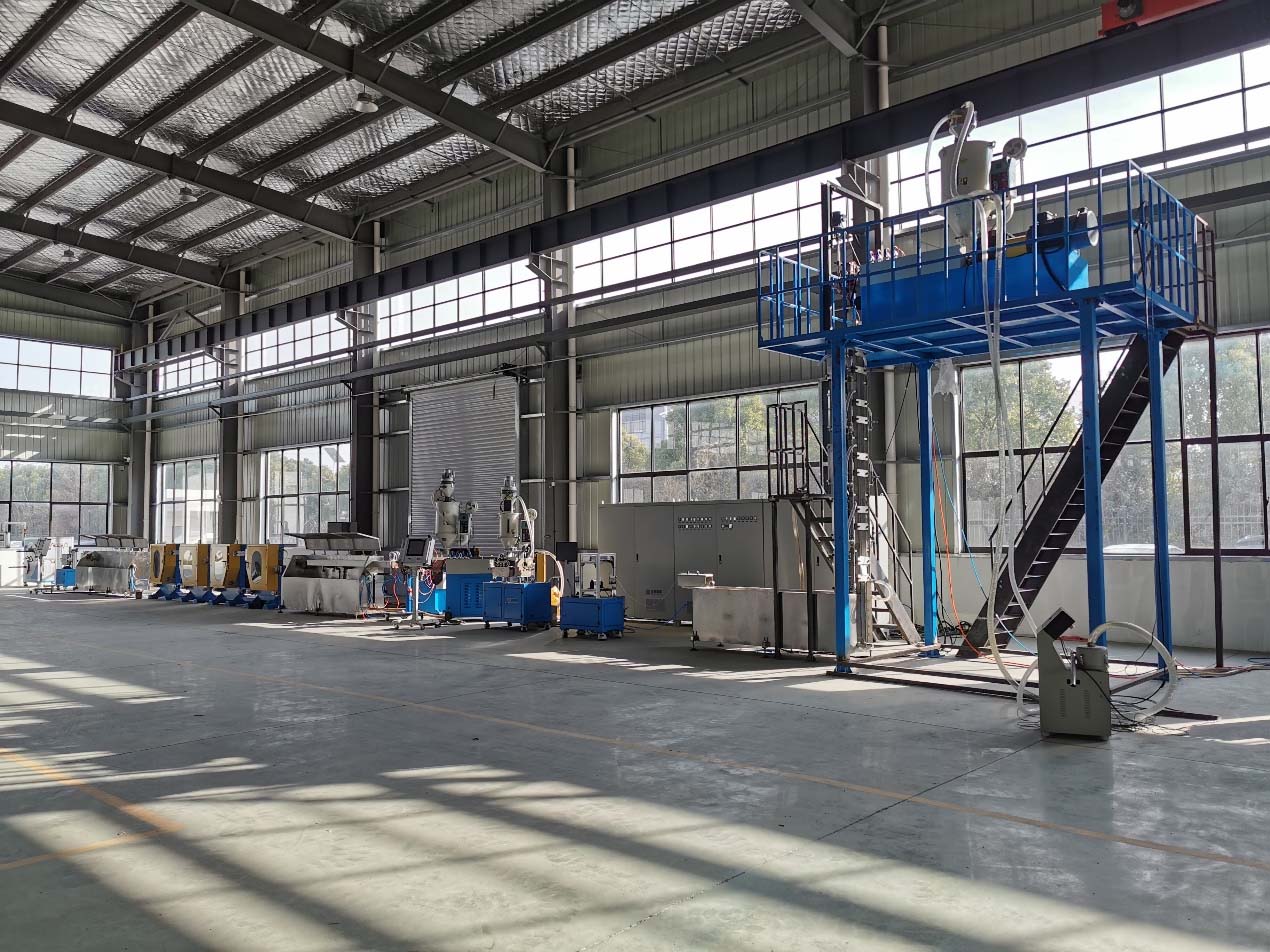
Providing precision detonating tubes for mining and demolition demands strict quality control. Our highly specialized vacuum calibration tanks and tailored L/D ratio screws deliver consistent wall thickness and diameter stability...
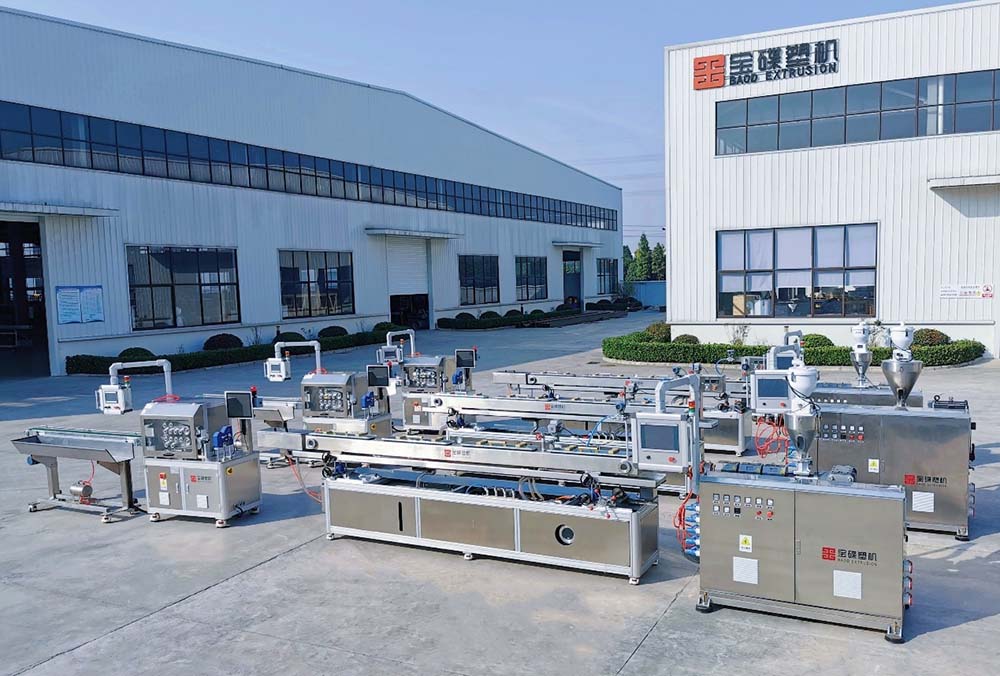
Compare how Chinese medical tube extrusion tooling stacks up against European alternatives. Utilizing modern alloy formulations and optimized screw designs, BAOD achieves tight medical-grade tolerances at competitive prices...
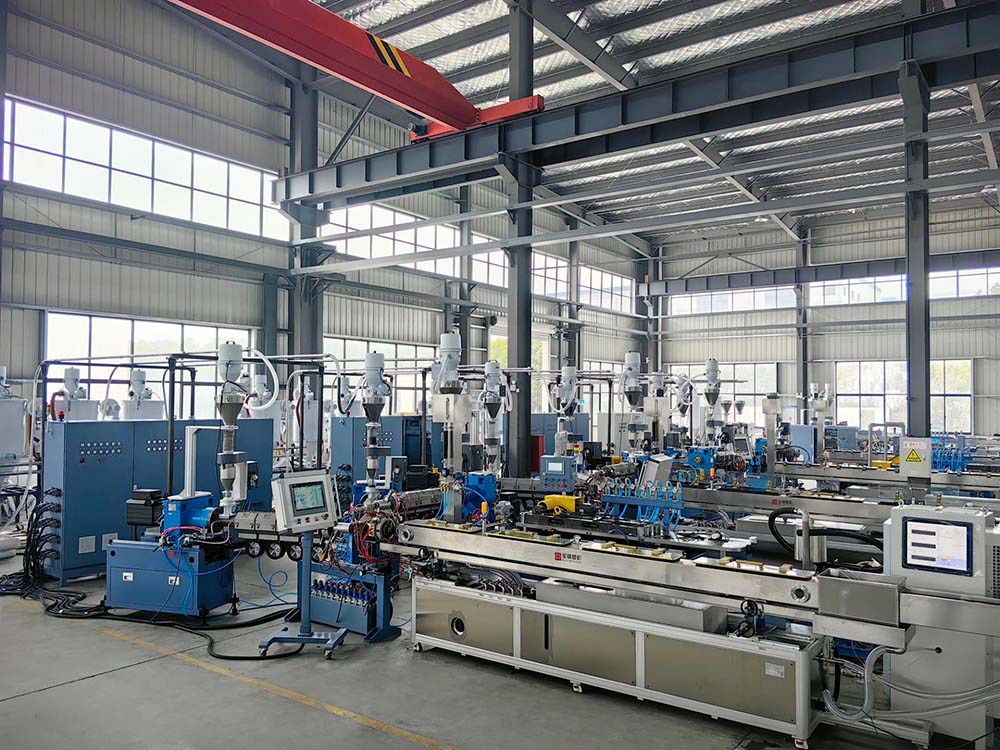
Delve into the strict compliance workflows, dynamic polymer testing, and continuous optimization systems BAOD applies to meet global automotive standards for fuel lines, oil channels, and vacuum lines...
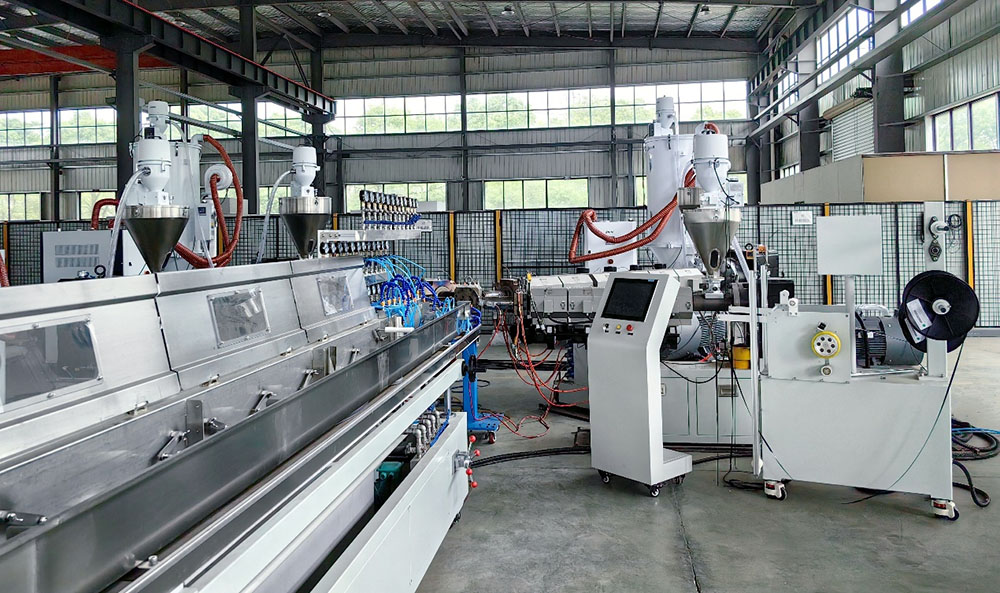
Explore the rapid growth of automotive sealing solutions, focusing on the processing demands of TPV materials, co-extrusion technology, and how automated downstream systems reduce labor overhead...
Procuring plastic extrusion systems requires careful planning. Global operations need systems that adapt to local voltages (e.g., 380V 50Hz, 460V 60Hz), comply with UL/CSA standards, and interface with factory MES systems via OPC UA communications.
At BAOD Extrusion, we customize control panels, motor frames, and safety interfaces to meet local industrial regulations.
Our engineers can help configure custom screw zones, select the proper L/D ratio for your materials, and plan your factory footprint. Contact us for a technical consultation.
 Baodie