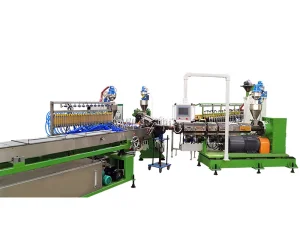
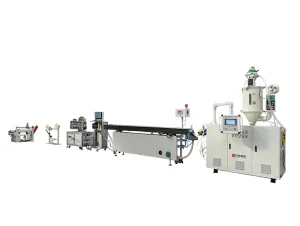
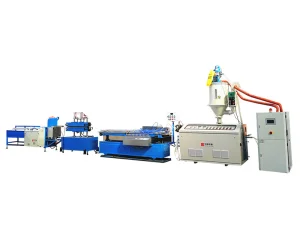
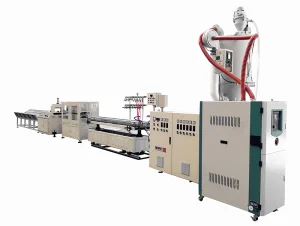
Custom Knitted TPV Hose Line Products & Systems

Precision Engineering, Multi-Layer Extrusion Co-Polymer Processing, and Advanced Reinforcement Technologies for Global Industries.

Featured Extrusion Line & Auxiliary Machinery

Explore our industrial-grade precision extrusion systems designed for stable, continuous manufacturing.
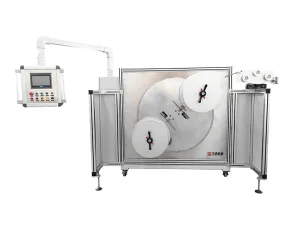
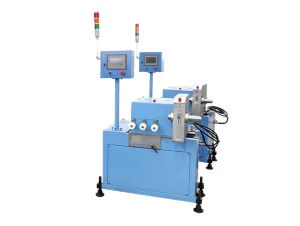
Custom Precise Coiling Machine

Custom Precise Traverse Displacement Auto-Spool Changing Coiling Machine

View Details
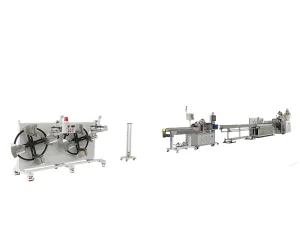
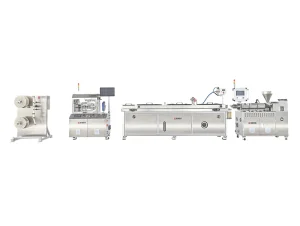
Medical Tube Extrusion Line

China Precision Medical Tube Extrusion Line Factory & Manufacturer

View Details
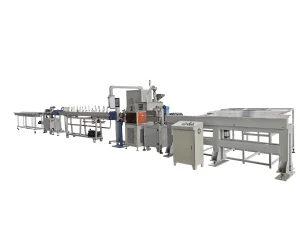
LDPE HDPE PP Tube Extrusion Line

China LDPE, HDPE, PP Precision Tube Extrusion Line Manufacturer

View Details
FQ Series Rotary Fly Knife Cutter

Custom FQ Series Rotary Fly Knife Cutter High-Precision Cutoff System

View Details
Metal Pipe Coating Extrusion Line

Custom Metal Pipe Coating Extrusion Line Solution & Technology

View Details
PA Nylon Precision Tube Extrusion Line

China PA (Nylon) Precision Tube Extrusion Line Solutions

View Details
TKC Series Crawler Type Puller

China TKC Series Crawler-Type Precision Puller Equipment

View Details
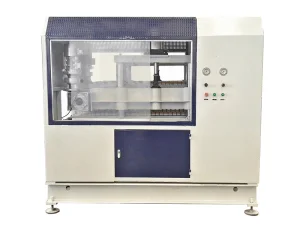
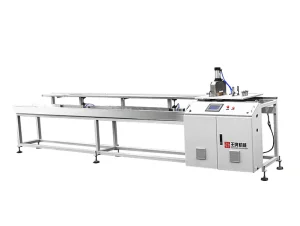
SC Series Saw Blade Cutter

Custom SC Series Follow-Up Saw Blade Cutter Machine

View Details

Comprehensive Whitepaper: Design & Technology of Knitted TPV Hose Lines

In-depth engineering insights into Thermoplastic Vulcanizate processing, structural reinforcement, and global manufacturing standards.

Executive Summary: The global fluid transmission landscape is witnessing a rapid structural transition from traditional thermoset rubbers (like EPDM) to advanced Thermoplastic Vulcanizates (TPVs). In automotive, industrial, and specialized engineering sectors, the requirement for lightweight, recyclable, and highly durable pressure lines has positioned knitted TPV hose composite lines at the core of fluid dynamic innovation. This paper discusses the technical principles of TPV co-extrusion, structural textile knitting integration, and the system automation parameters necessary to maintain precision tolerance.

1. The Materials Science: Understanding Thermoplastic Vulcanizates (TPV)

Thermoplastic Vulcanizates (TPVs) are part of the thermoplastic elastomer (TPE) family, synthesized through the process of dynamic vulcanization. This chemical formulation consists of a highly cross-linked thermoset rubber phase (typically ethylene propylene diene monomer, or EPDM) finely dispersed within a continuous thermoplastic matrix (generally polypropylene, or PP).

Unlike traditional vulcanized rubber, which requires irreversible chemical cross-linking during post-extrusion heat tunnels, TPV exhibits thermoplastic processability. When heated above the melting point of the crystalline PP phase, it flows easily, allowing complex co-extrusion and profile shaping. Upon cooling, the PP matrix solidifies to provide structural integrity, while the embedded EPDM domains supply high elastic recovery, ozone resistance, and thermal performance from -40°C to +135°C.

2. Structural Reinforcement: The Mechanics of Hose Knitting

For high-pressure fluid transfer (such as automotive coolant loops, engine turbocharging systems, and industrial pneumatic delivery), a single-layer polymer tube is insufficient. High radial pressures induce ballooning and bursting. To counteract these forces, a reinforced knitting layer is integrated directly between the inner lining and outer sheath of the TPV hose.

  • Inner Liner Extrusion: High-precision extrusion guarantees consistent inner wall thickness, ensuring linear flow rates and preventing turbulent pressure drops.
  • Knitting Phase: High-tensile synthetic fibers (typically polyester, aramid, or nylon) are knitted around the semi-cooled inner tube. The knitting pattern, pitch density, and yarn tension must be controlled dynamically to maintain flexibility and radial resistance.
  • Outer Cover Application (Co-Extrusion): The knitted inner tube passes through a crosshead die, where a secondary melt layer of TPV is applied. Thermal bonding between the inner and outer layers ensures structural homogeneity.

3. Precision Controls in TPV Extrusion Line Design

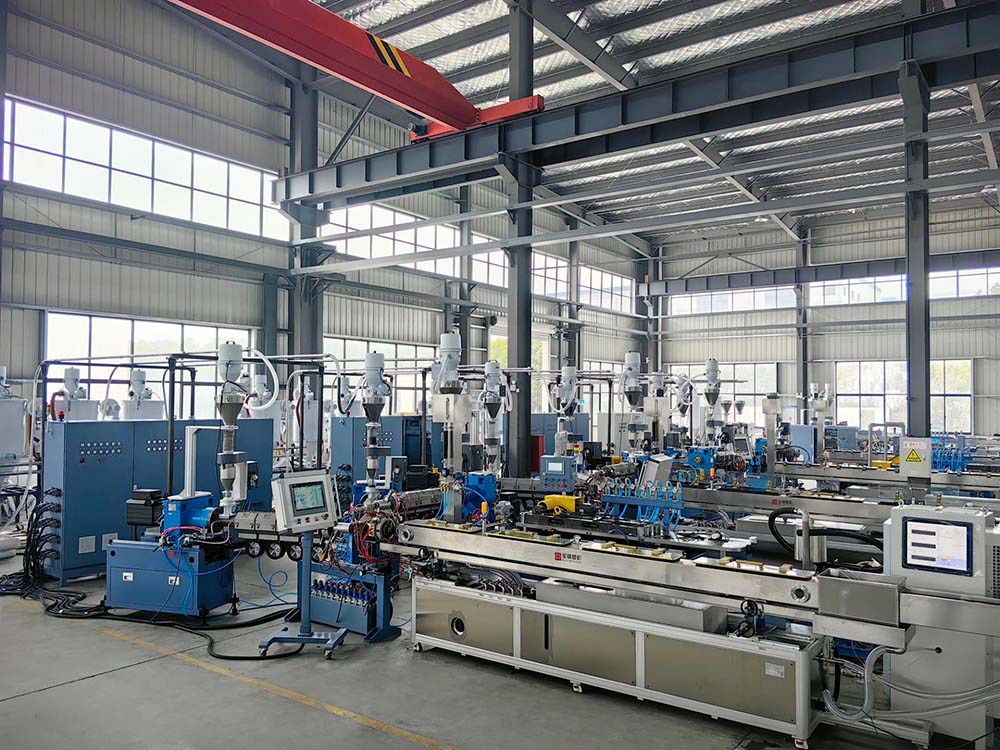
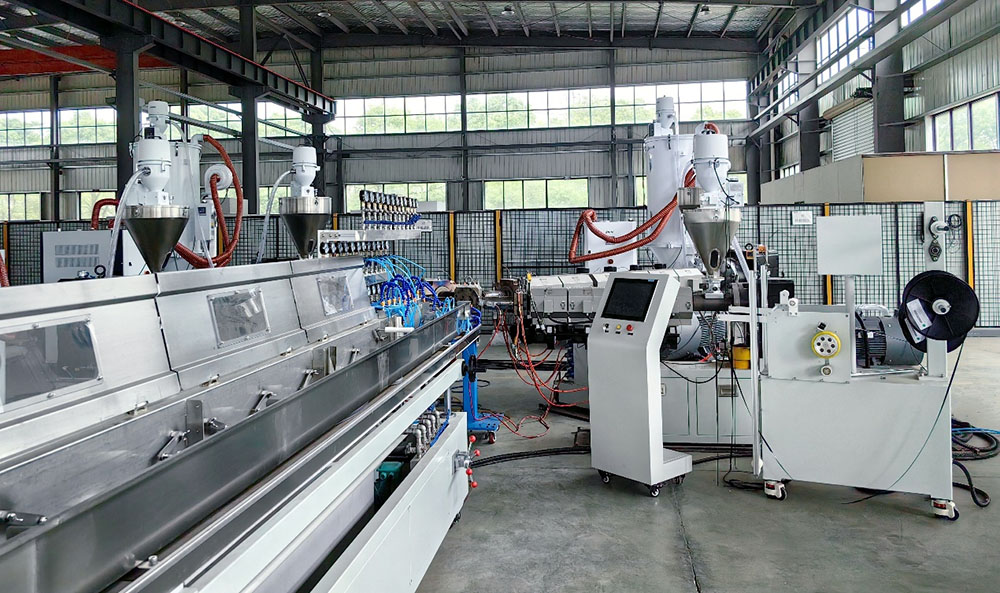
Manufacturing consistent multi-layer knitted composite TPV hoses requires highly advanced control systems. Jiangsu Baodie Automation Equipment Co., Ltd. (BAOD) has focused on these complex process geometries for 25 years:

L/D Ratio & Screw Design

TPV processing requires excellent barrier and mixing screw design to prevent shear-induced degradation. A 30:1 or 28:1 L/D ratio with customized barrier flights allows uniform plasticization.

Melt Pressure Stability

Using high-precision melt pumps to decouple the extruder's dynamic pressure fluctuations from the crosshead die, ensuring outer sheath gauge variation remains below ±0.03mm.

Sync-Speed Control

Integrating the haul-off puller, knitting head speed, and extruder output into a closed-loop PLC controller to prevent axial stretching of the hot inner tube during the knitting process.

About Jiangsu Baodie Automation Equipment Co., Ltd.

A global authority in precision plastic extrusion design and automated manufacturing systems.

25 Years of Engineering Heritage

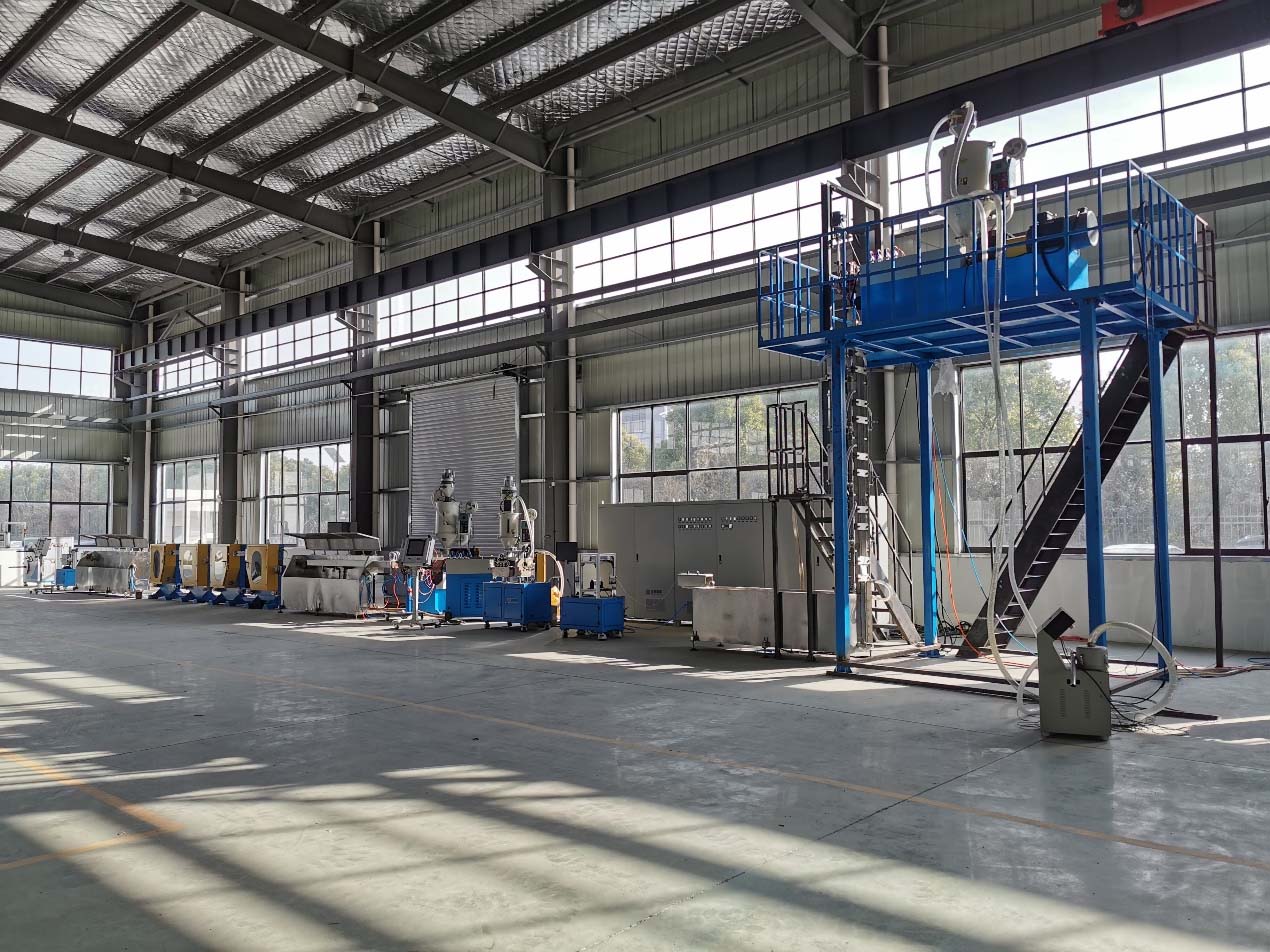
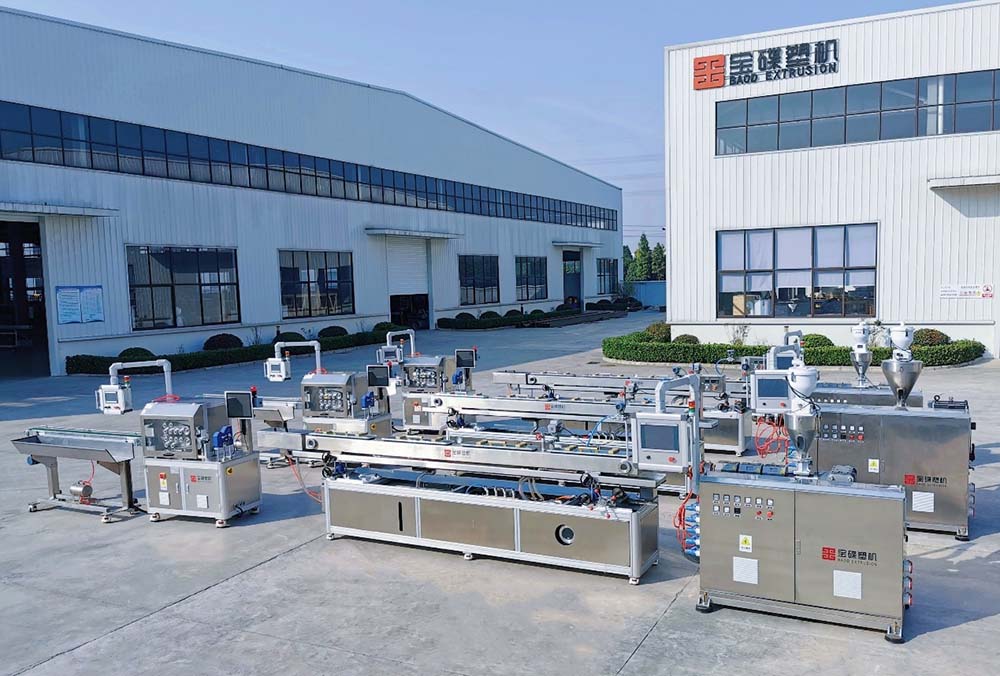
BAOD EXTRUSION (Jiangsu Baodie Automation Equipment Co., Ltd.) was founded in 2002, specializing in designing, manufacturing, and supporting premium-tier plastic extrusion machinery. Rooted in 18 years of design and fabrication expertise from our parent enterprise (KINGSWEL GROUP) in Taiwan, we established our primary manufacturing footprint in Shanghai in 1999.

Over the years, our R&D efforts have focused on precision extrusion, high-efficiency output, process automation, and robust safety protocols. Our engineering systems help companies achieve tight tolerances, low scrap rates, and high energy efficiency.

Core Technological Pillars:

  • Precision Extrusion: Specialized tooling designs for multi-lumen, corrugated, and micro-bore tubes.
  • High-Efficiency Output: Screw geometries engineered for low-shear energy and high throughput.
  • Smart Automation: Closed-loop laser gauge feedback systems and remote factory monitoring integration.
  • Operator Safety: Advanced safety mechanisms in accordance with strict international CE standards.

25+

Years Experience

16,000㎡

Factory Footprint

100+

Skilled Professionals

China Supply Chain Advantages & Global Procurement Optimization

How BAOD optimizes the balance between capital expenditure, technical performance, and long-term operating costs.

Vertical Component Integration

Located in Jiangsu, China, BAOD leverages the world's most concentrated precision manufacturing ecosystem. This local cluster allows us to source premium materials, high-accuracy servo drives, and heating systems quickly and cost-effectively, reducing overall assembly times.

Engineered to Western Standards

While utilizing China's optimized production environment, BAOD designs and assembles all extrusion lines to meet European and North American quality expectations. Every component, from Siemens PLC units to Omron temperature controls, is chosen for global availability and long service life.

Reduced Total Cost of Ownership

Global procurement managers benefit from lower initial capital expenditure compared to European machinery, while receiving matching levels of automation, line speed, and safety. This combination supports rapid return on investment (ROI) across manufacturing sites.

Strategic Global Support: Procurement isn't just about importing a machine; it's about life-cycle productivity. BAOD provides custom commissioning, tailored raw material formulations, and remote internet-of-things (IoT) diagnostics to minimize unplanned downtime anywhere in the world.

Industrial Application Scenarios for Knitted TPV Hoses

Exploring localized usage across automotive, medical, industrial, and infrastructure sectors.

1. Automotive Thermal Management & NEV Cooling Loops

New Energy Vehicles (NEVs) demand precise, lightweight cooling systems to manage heat from high-capacity battery packs and electric drivetrains. Knitted TPV hose lines provide flexible, long-lasting alternatives to heavy EPDM rubber hoses. Their excellent resistance to glycol-based coolants, ozone, and vibration prevents premature aging, ensuring reliable cooling over the vehicle's lifespan.

2. Industrial Fluid & High-Pressure Chemical Delivery

Industrial environments expose hoses to acids, bases, and mechanical abrasion. TPV's chemical stability combined with high-strength synthetic knitting enables these hoses to transfer process chemicals and pressurized air safely. The thermoplastic cover protects the hose structure against environmental wear and tear.

3. Sanitary and Food-Contact Plumbing Lines

Specially formulated medical/food-grade TPV profiles meet strict FDA and NSF compliance criteria. Unlike EPDM, which can leach sulfur or carbon black, TPV offers a clean, plasticizer-free internal surface. The knitted reinforcement resists pressure spikes in commercial water heaters and beverage dispenser systems.

4. Architectural and Infrastructure Protective Conduit

In outdoor installations where hoses must withstand UV radiation, freezing temperatures, and mechanical impact, multi-layer knitted TPV conduit protects delicate signal lines, fiber optics, and high-voltage cabling. TPV remains flexible at cold temperatures, helping prevent cracks.

Technical Q&A: Knitted TPV Extrusion Line Engineering

Professional answers to common engineering questions regarding the processing of reinforced TPV hoses.

What is the primary technical challenge in co-extruding the outer TPV cover over the knitted fiber layer?
The main challenge is achieving mechanical and thermal adhesion between the inner TPV core, the synthetic reinforcement fibers, and the outer TPV cover. Because the fiber mesh acts as a physical barrier, we use customized crosshead die designs that inject the outer melt under pressure. This forces the melt through the knit pattern to bind directly with the warm inner tube before cooling. Control of melt temperature and cooling rate is critical to prevent delamination.
Why is EPDM-based TPV preferred over standard EPDM rubber in modern automotive lines?
TPV reduces part weight by up to 30% compared to EPDM due to its lower density. It also features a shorter production cycle because it requires no post-curing ovens. Furthermore, TPV is 100% recyclable, allowing factory scrap and end-of-life components to be reground and reprocessed.
How does BAOD maintain tight outer diameter tolerances during continuous extrusion?
We integrate multi-axis laser measuring gauges directly after the vacuum calibration and water cooling troughs. These instruments measure the outer diameter and feed data back to the puller and melt pump controls. If a gauge deviation is detected, the PLC automatically adjusts haul-off speeds and melt pump pressure to bring dimensions back within set limits.
What fiber configurations are supported on BAOD's knitting units?
Our knitting units support 24, 36, or 48-strand configurations. Operators can adjust parameters via the HMI touchscreen, allowing the machinery to run polyester, high-performance aramid, or hybrid glass-fiber yarns depending on the pressure rating required.

News & Technical Advancements

Keep up to date with BAOD's developments in high-efficiency plastic extrusion lines.
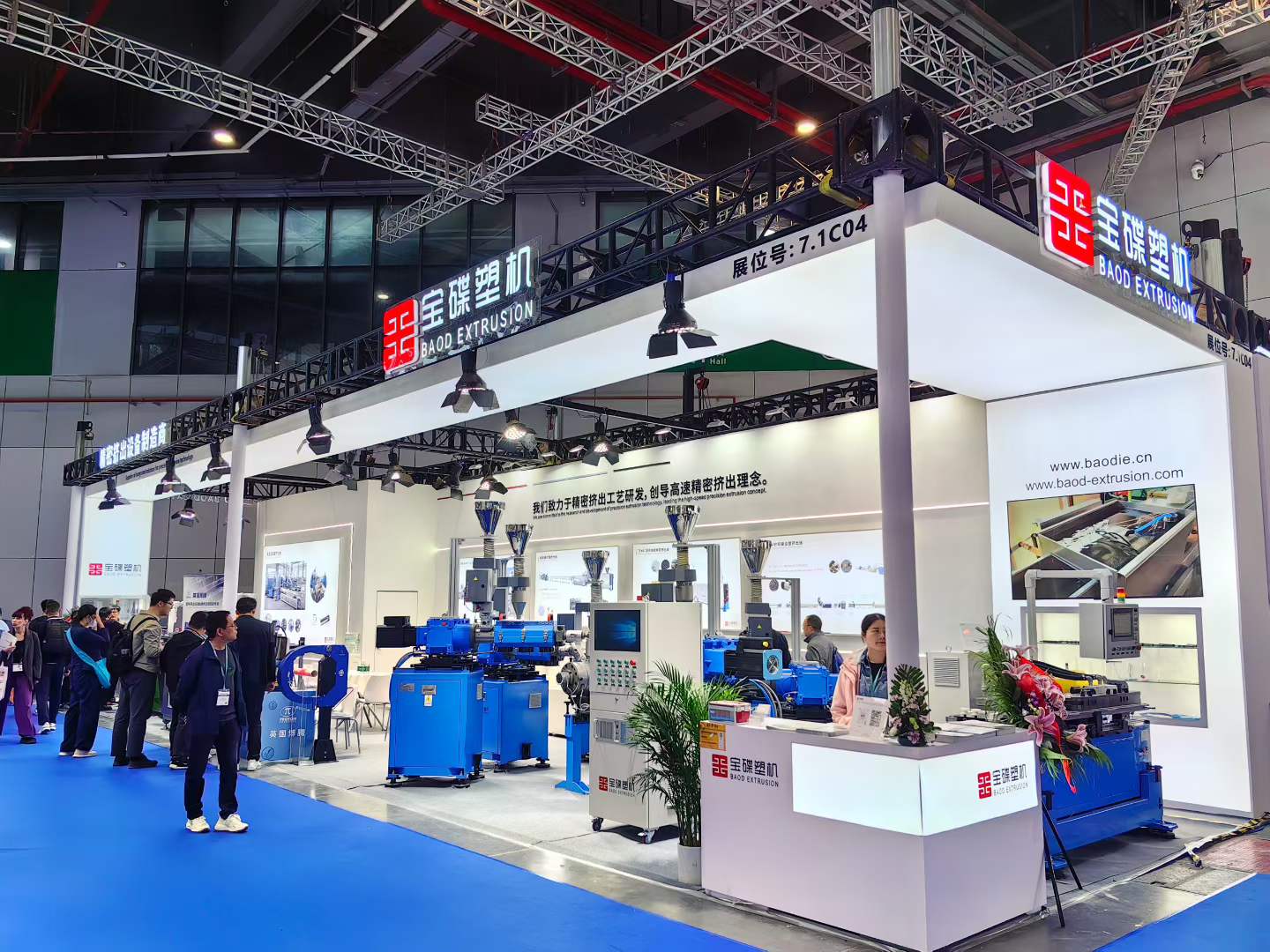
CHINAPLAS 2026

CHINAPLAS 2026 Concludes Successfully, BAOD EXTRUSION Showcases High-Efficiency Innovation

Release date: Apr/30/2026

BAOD EXTRUSION showcased its latest R&D achievements at Booth 7.1C04, presenting "Smart Extrusion · High-Efficiency Innovation" solutions...

Read More +
Detonating Tube Provider

Innovation and Reliability: BAOD as Top 10 Customized Detonating Tube Extrusion Line Solution Provider

Release date: Mar/26/2026

In sectors ranging from mining and quarrying to large-scale infrastructure, BAOD supplies specialized micro-diameter tubes requiring absolute precision...

Read More +
Multi Lumen Tube Extrusion

High Precision Multi-Lumen Tube Extrusion Line In China vs European Manufacturing Standards

Release date: Mar/23/2026

An analysis comparing multi-lumen catheter tube manufacturing, highlighting BAOD's tooling designs and tolerance achievements...

Read More +
Automotive Tube OEM

How China Leading OEM Automotive Tube Extrusion Line Supplier BAOD Maintains International Compliance

Release date: Mar/19/2026

Explaining how international automotive quality systems and VDA 6.3 standards are integrated into the calibration of BAOD's fuel line extruders...

Read More +
Sealing Strip Trends

BAOD – Top Highly Automation TPV, PVC Automobile Sealing Strip Extrusion Line Supplier

Release date: Mar/17/2026

A look at how TPV sealing strips improve vehicle cabin acoustic sealing and weatherization in the next generation of electric vehicles...

Read More +

Optimize Your Hose Production Line Today

Discuss your custom requirements with our engineers. We provide comprehensive plant design, screw optimization, and validation trials.

Contact Our Engineering Team

High-Performance Extrusion Line Products

Complete multi-layer systems designed for global compliance and demanding automotive specifications.
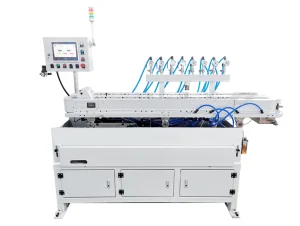
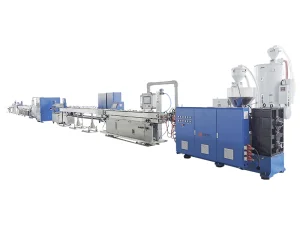
Corrugated Forming Machine

China Corrugated Forming Machine Factories & Custom Equipment

View Details
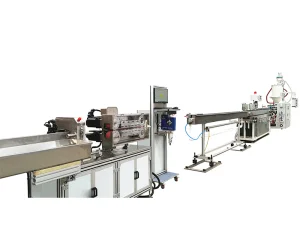
TPV Knitting Hose Extrusion Line

China TPV Knitting Composite Hose Extrusion Line Manufacturer

View Details
Precision Small Diameter Extrusion Line

Custom Precision Small Diameter Tube/Pipe Extrusion Line Systems

View Details
Precision Auto Vacuum Sizing Tank

Custom Precision Auto Vacuum Sizing Tank Calibration Equipment

View Details
TPV PVC Sealing Strip Extrusion Line

China TPV, PVC Automobile Sealing Strip Extrusion Line Solutions

View Details
Fluorine Plastic Tube Extrusion Line

Custom Precision Fluorine Plastic Tube Extrusion Line Factories

View Details
Automobile Profile Extrusion Line

Custom ABS, PP, PVC Automobile Profile Extrusion Line Machinery

View Details
Precision Profile Extrusion Line

Custom Precision Profile Extrusion Line Manufacturers

View Details