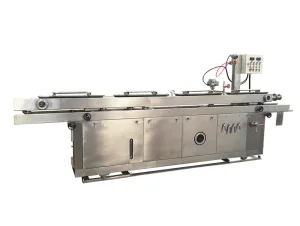
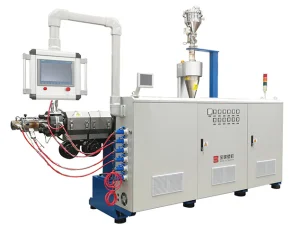
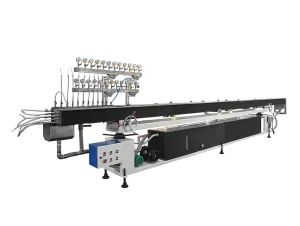
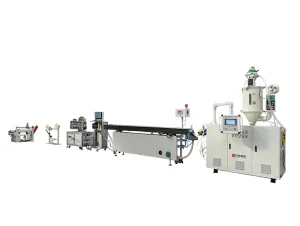
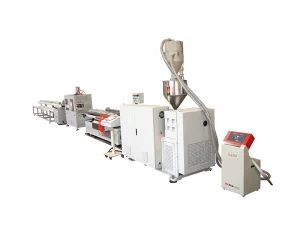
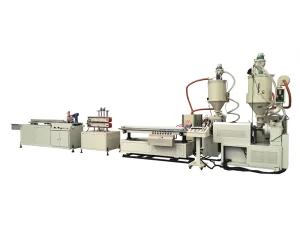
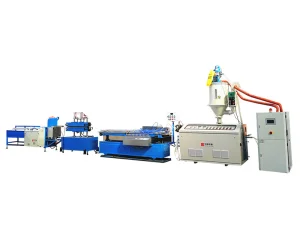
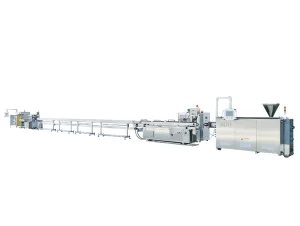
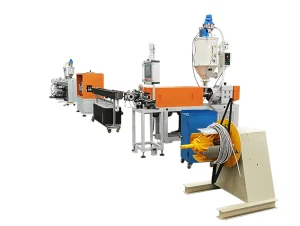
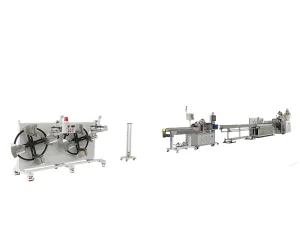
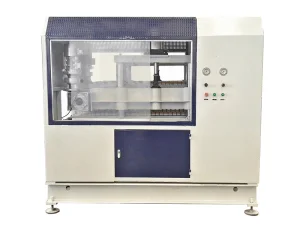
The global pharmaceutical and clinical industries are undergoing a massive transition from traditional plasticized PVC containing DEHP (Di-2-ethylhexyl phthalate) to biocompatible, leach-free alternatives. As a leading technical force in medical tubing extrusion, our technology accommodates diverse medical grade polymers including Thermoplastic Polyurethanes (TPU), Thermoplastic Elastomers (TPE), and co-extruded multilayer materials (such as PE-lined PVC) to prevent active drug sorption.
These advanced polymers demand absolute thermal stability and shear-controlled processing during the extrusion phase. Any degradation of material during melt phase compromises the biocompatibility and clarity of the IV tubes, risking micro-particulate contamination in patient bloodstreams.
IV infusion tubing must adhere to strict dimensional tolerances. Variations in Outer Diameter (OD), Inner Diameter (ID), and wall thickness directly affect fluid flow rates, gravity feed dynamics, and the fit of standard Luer-lock adapters. The target tolerance for standard 3.0mm to 4.1mm IV lines is established at ±0.02mm.
Achieving this level of precision requires closed-loop control systems where downstream laser gauges measure the tube dimensions in real-time, instantly feeding adjustment data back to the puller speed control and the vacuum sizing tank pressure regulators. This prevents the formation of "ovality" (non-circular tubes) and ensures absolute concentricity.
A high-quality IV infusion tube is only as good as the extrusion line that produces it. Physical inconsistencies, micro-voids, or surface rough spots on the tube wall can host bacterial colonization or alter chemical characteristics. Our high-efficiency manufacturing technologies utilize vacuum calibration and high-speed multi-lumen co-extrusion setups that ensure micro-level uniformity across continuous runs of hundreds of thousands of meters.
BAOD EXTRUSION (Jiangsu Baodie Automation Equipment Co., Ltd.) founded in 2002, is dedicated to the designing, manufacturing, and sales of high-performance plastic extrusion equipment. Based on 18 years of experience in designing and fabricating high-quality machines in Taiwan, the original parent company (KINGSWEL GROUP) invested in establishing our primary extrusion machines manufacturing base in Shanghai in 1999.
Our long-term developmental focus centers on transforming industrial research and development into highly automated, energy-efficient, and precise extrusion technologies. We consistently innovate across key domains:
Our manufacturing philosophy leverages decades of strict quality control protocols inherited from our Taiwanese roots, ensuring that every machine line operates with minimal downtime.
For medical device companies supplying markets in North America, the EU, and Asia-Pacific, regulatory hurdles are high. Sourcing agents must verify that manufacturing partners maintain robust Quality Management Systems (QMS) aligned with ISO 13485, and that cleanroom environments conform to Class 100,000 (ISO Class 8) or better.
Furthermore, medical tubing must undergo strict biocompatibility testing in accordance with ISO 10993, covering cytotoxicity, sensitization, irritation, systemic toxicity, and hemocompatibility. This requires machinery that is built exclusively with non-contaminating, medical-grade contact points, e.g., SUS316L stainless steel for all water contact surfaces in cooling and calibration phases.
As a global hub for medical device manufacturing, China offers unparalleled supply chain integration. The convergence of upstream raw material synthesizers (medical plastic compounding facilities) and downstream automation providers allows for dramatic reductions in cost and lead times. By utilizing BAOD's precision extrusion systems, manufacturers in China can scale production rapidly while maintaining strict quality metrics.
This efficiency is paired with streamlined global shipping logistics, helping OEMs in North America and Europe minimize safety stock margins and reduce the overall Total Cost of Ownership (TCO) for medical disposables.
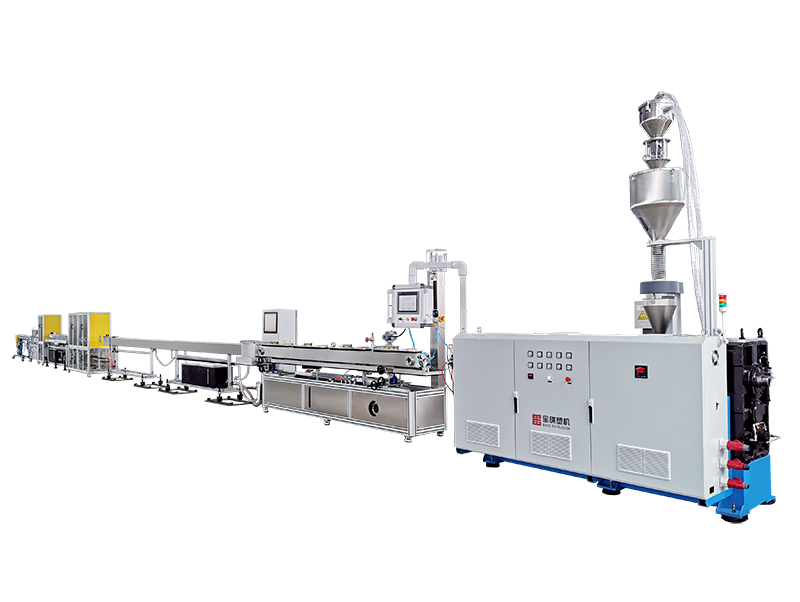
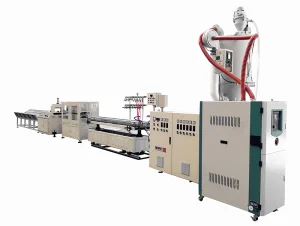
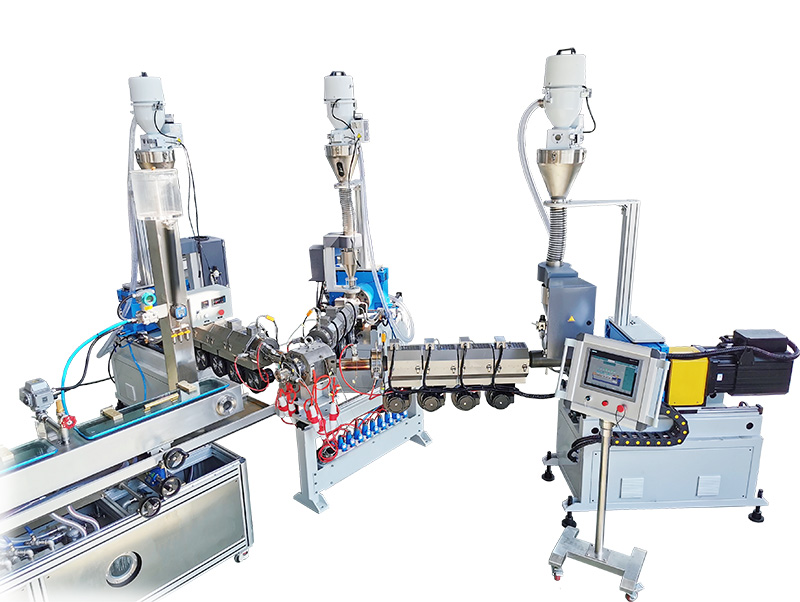
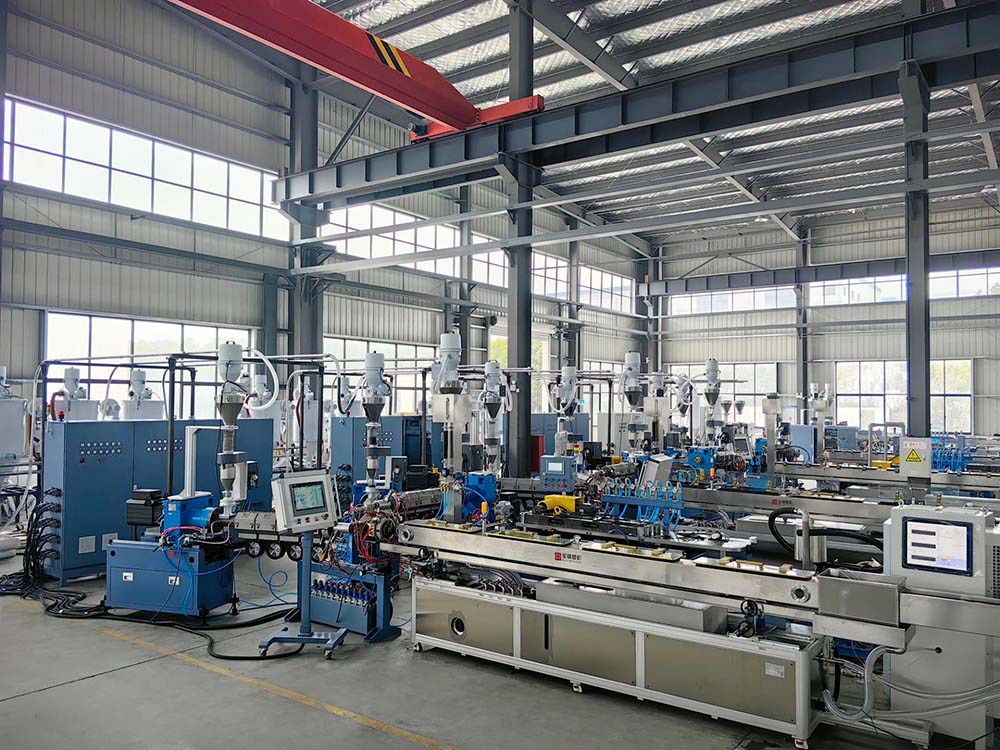
Engineered for high-precision micro-bore tubing production, incorporating advanced vacuum sizing and closed-loop control interfaces.
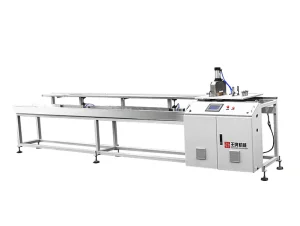
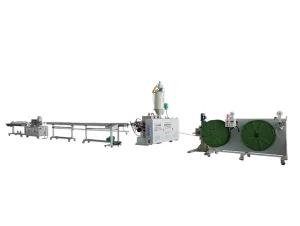
Designed for complex multi-layered tubing systems with distinct mechanical properties across co-extruded layers.
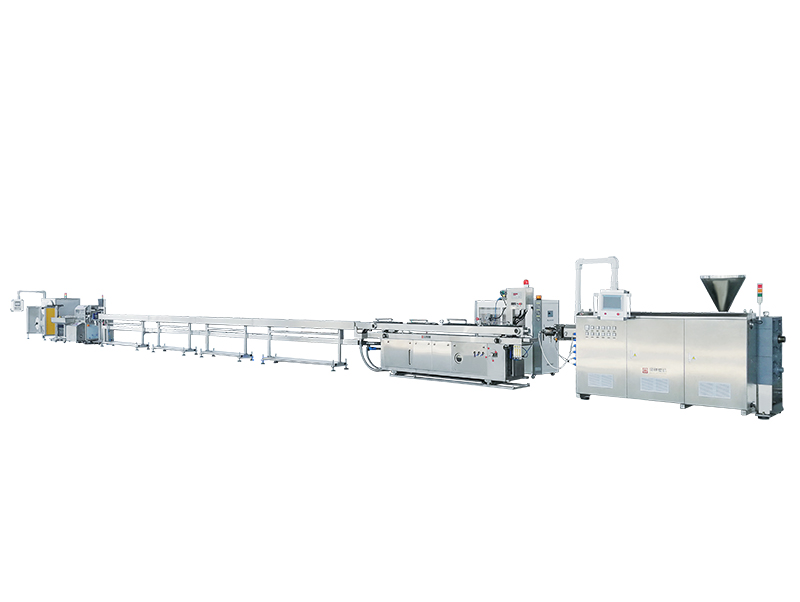
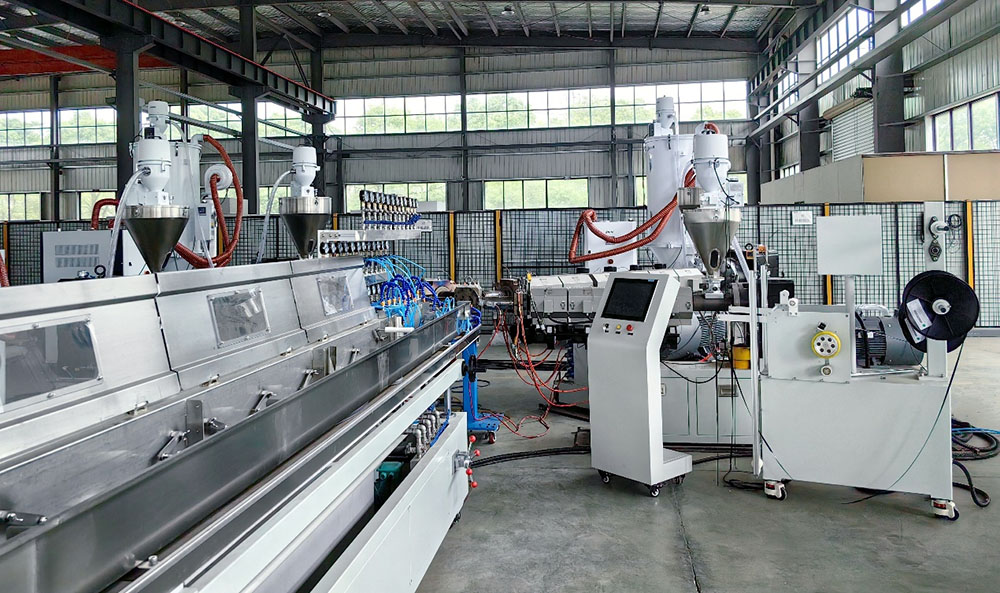
Our flagship medical line, producing sterile, highly concentric, and dimensionally stable PVC infusion and medical tubing at high speeds.
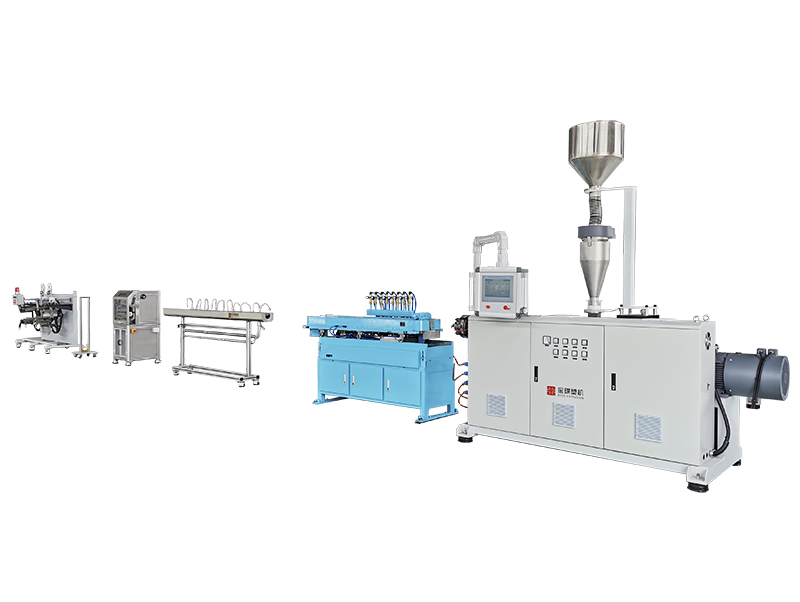
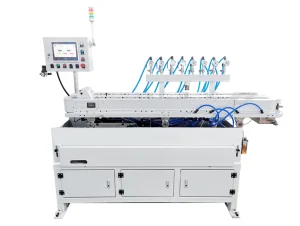
Ideal for medical ventilator circuits, offering fast forming speeds and reliable corrugated geometric consistency.
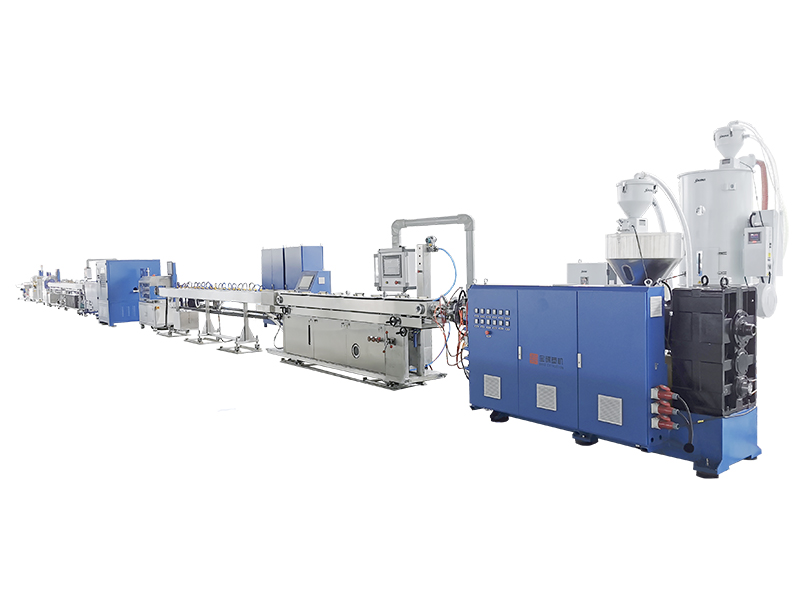
Engineered for high-pressure industrial and specialized medical transfer hoses requiring reinforcement layers.
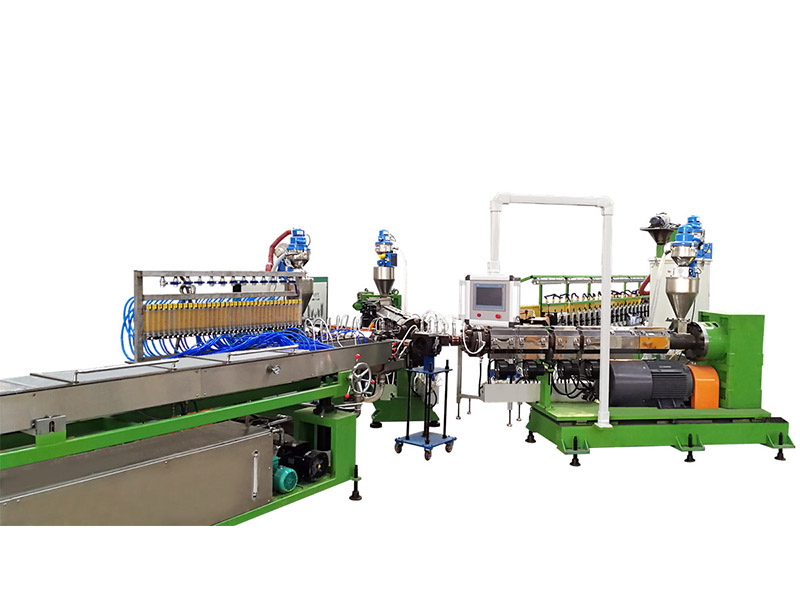
Specialized profiling system showcasing BAOD's capability to extrude complex geometries with elastomeric materials.
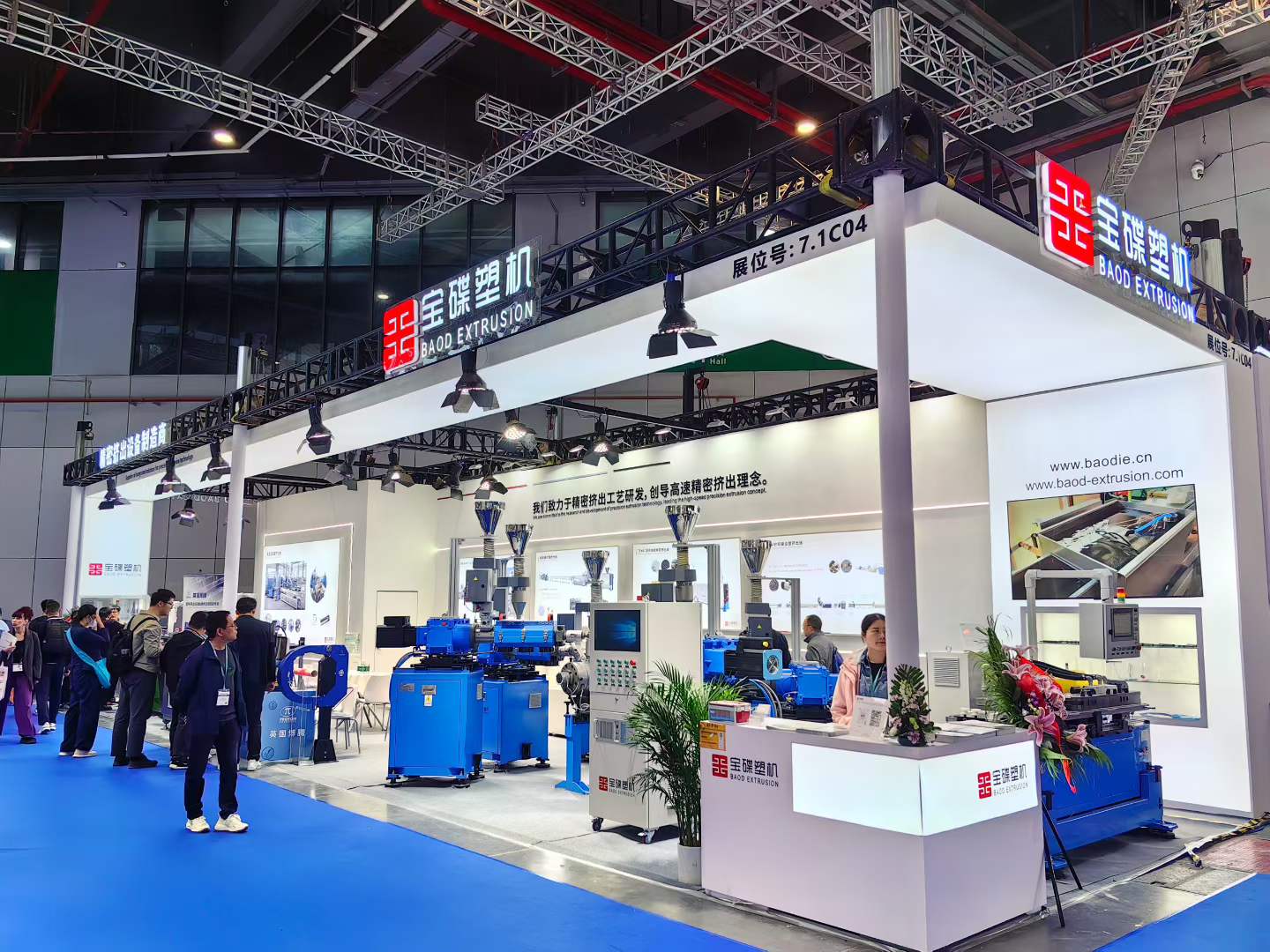
From April 21–24, CHINAPLAS 2026 was successfully held at the National Exhibition and Convention Center (Shanghai, Hongqiao). BAOD EXTRUSION showcased its latest R&D achievements at Booth 7.1C04, presenting "Smart Extrusion · High-Efficiency Innovation" solutions...
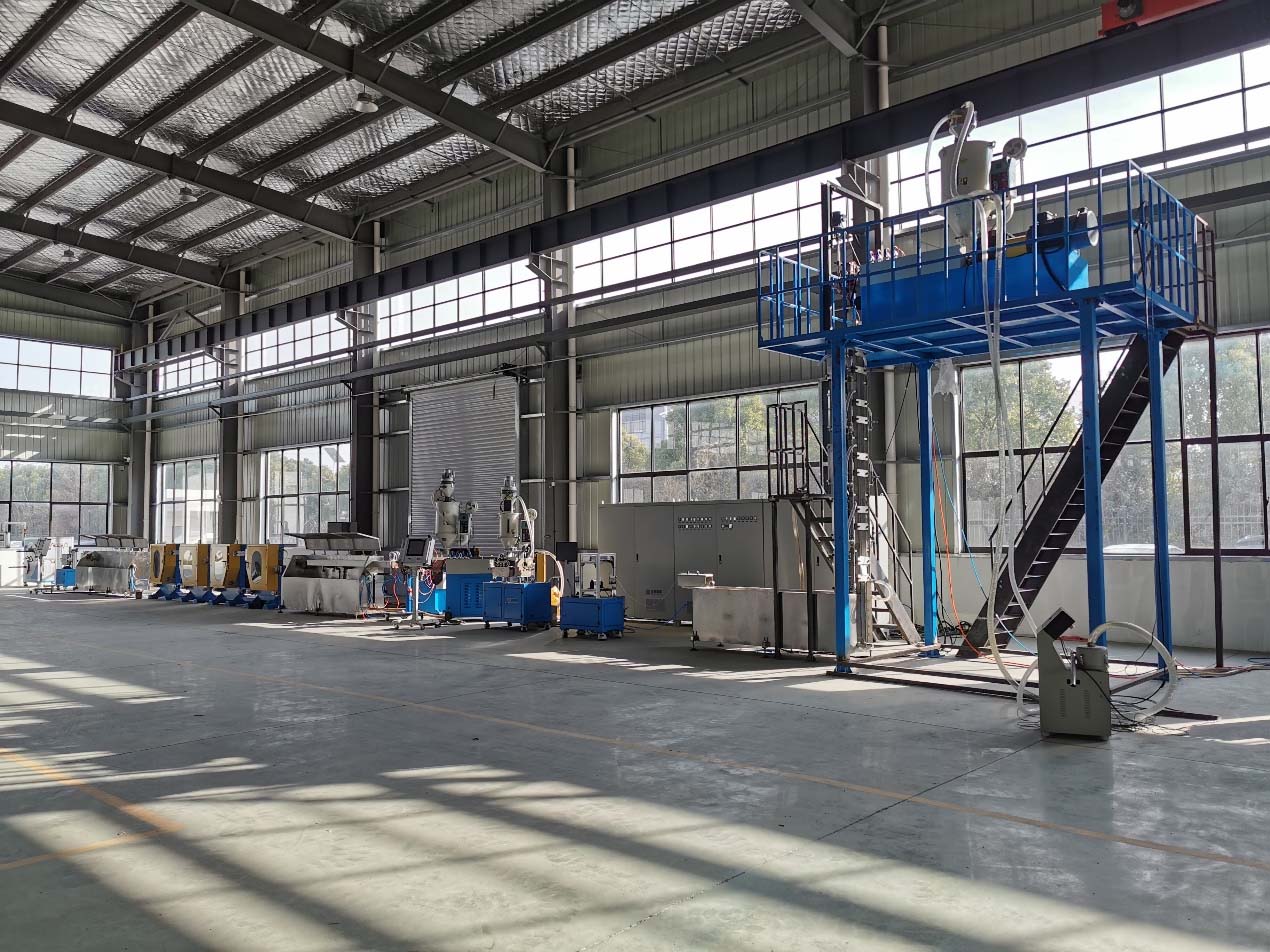
In the controlled environment of a modern industrial facility, a single, hair-thin plastic tube wound onto a reel might seem unremarkable. However, in sectors ranging from mining and quarrying to demolition, this tube—known as a detonating tube...
In the sterile, quiet environment of a modern medical facility, a clinician prepares a complex catheter. This thin, flexible tube is far more than a simple conduit; internally, it is divided into several microscopic channels, or lumens, each designed...
How do the world's most reputable vehicle manufacturers ensure the absolute integrity of every fuel line, brake hose, and cooling pipe buried deep within a vehicle's chassis? Why has the shift toward electric and lightweight vehicles made precision critical...
As the twilight sun reflects off the sleek, aerodynamic curves of a modern electric vehicle parked in a bustling metropolitan street, few observers notice the quiet, critical components ensuring the cabin remains a sanctuary of silence...
Global procurement centers require production assets that are compatible with local electrical regulations (CE, UL, CSA, KC compliance). Our electrical architecture relies on world-renowned PLC and control brands (such as Siemens, Omron, and Schneider) to ensure that local service technicians in South America, Europe, or the United States can source spare components directly without delay.
Furthermore, we offer remote diagnostic interfaces. By integrating IoT gateways, our engineers in Jiangsu can run remote diagnostic loops on machine parameters, providing quick calibrations and minimizes unplanned down-time.
With high-speed PVC medical tubing lines running at speeds of up to 100 meters per minute (m/min), maintaining high accuracy requires specialized control machinery. BAOD's multi-lumen co-extrusion technology stabilizes internal air pressure, avoiding structural collapses or variations in wall geometry during fast operations.
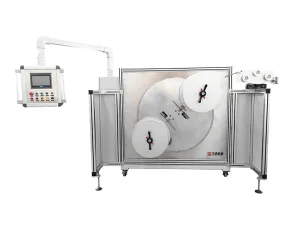
By automating the spool winding and integration processes, human handling is minimized. This significantly reduces bio-burden risk and lowers reject rates, which in turn reduces total manufacturing cost.
 Baodie