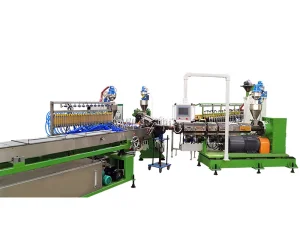
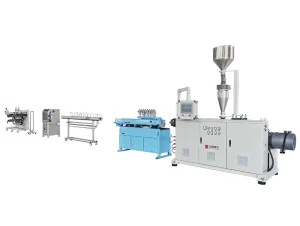
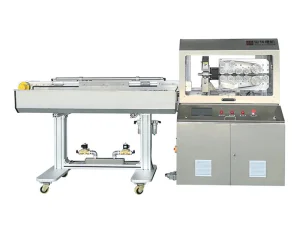
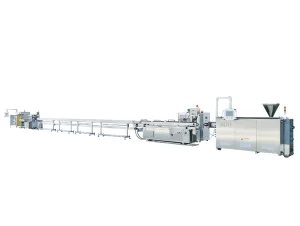
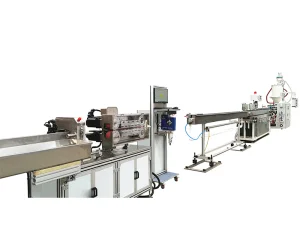
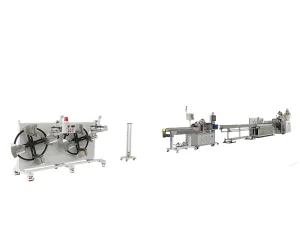
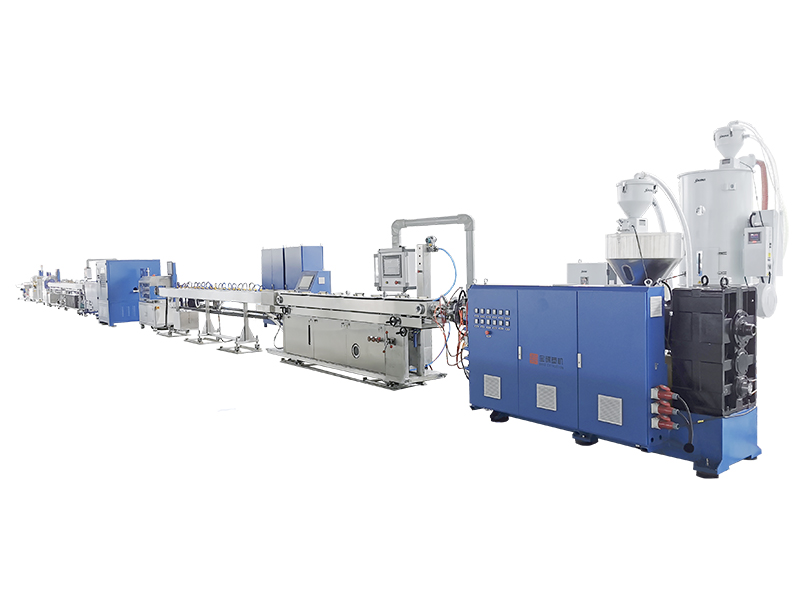
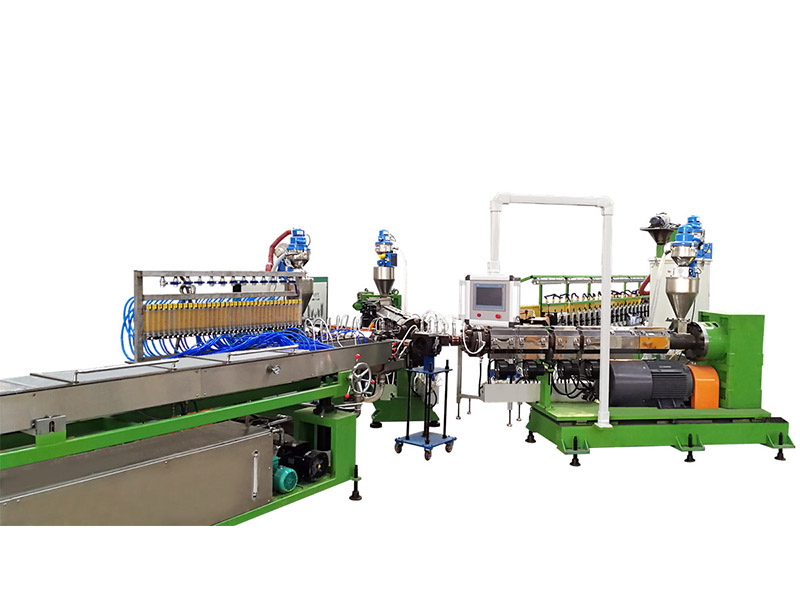
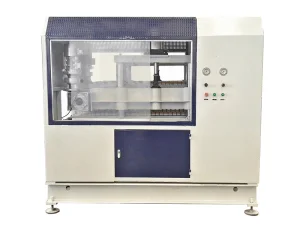
Fluorinated Ethylene Propylene (FEP) is a melt-processable copolymer of tetrafluoroethylene and hexafluoropropylene. It shares the exceptional chemical resistance and non-reactive characteristics of Polytetrafluoroethylene (PTFE) but boasts a key advantage: melt-processability. This makes FEP the material of choice for high-precision extrusion. It allows engineers to design complex, multi-lumen profiles with exact wall thicknesses.
Industries worldwide require FEP tubing due to its extreme thermal stability (operating temperatures from -200°C to +200°C), near-perfect chemical inertness, low coefficient of friction, high dielectric strength, and optical clarity. FEP stands out as a highly specialized engineering component in harsh environmental setups, acting as an optimal shield and routing material for delicate operations.
With an extremely low dielectric constant across a wide frequency range, FEP serves as premier insulation for coaxial cables and high-speed data transmission lines in aerospace and telecommunications.
Complying with FDA standards and USP Class VI, custom FEP tubes are extensively utilized in catheters, endoscopes, and general surgical fluid-delivery systems.
| Performance Properties | FEP (Fluorinated Ethylene Propylene) | PTFE (Polytetrafluoroethylene) | PFA (Perfluoroalkoxy) |
|---|---|---|---|
| Max. Continuous Temp (°C) | 200 °C | 260 °C | 260 °C |
| Tensile Strength (MPa) | 20 - 25 | 20 - 35 | 25 - 30 |
| Flexibility & Elasticity | High (Most flexible) | Medium | High |
| Optical Transparency | Excellent (Transparent) | Opaque (Milky white) | Good (Translucent) |
| Processing Methodology | Melt Extrusion (High Precision) | Ram Extrusion / Paste Extrusion | Melt Extrusion |
| Chemical Resistance | Broad Range (Inert to most chemicals) | Universal (Highly Inert) | Universal (Highly Inert) |
BAOD EXTRUSION (Jiangsu Baodie Automation Equipment Co., Ltd.) founded in 2002, is dedicated to designing, manufacturing and sales of high-performance plastic extrusion equipment. Based on 18 years experience of designing and fabricating high quality machines in Taiwan, the original parent company (KINGSWEL GROUP) invested in establishing our primary extrusion machinery manufacturing base in Shanghai in 1999.
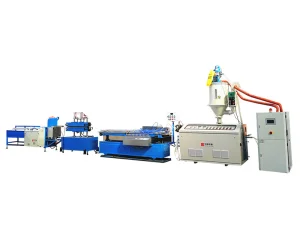
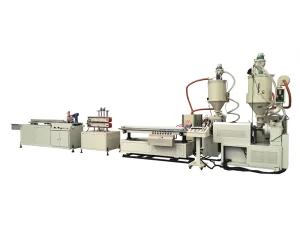
Today, our company stands at the cutting edge of manufacturing intelligence. We have focused on researching, designing, and optimizing advanced precision lines that handle sensitive fluoroplastics (FEP, PFA, ETFE) and engineering elastomers. We work closely with chemical raw material suppliers to optimize shear rates, extrusion temperature control, and vacuum sizing parameters.
Long-term focus on research and development for:
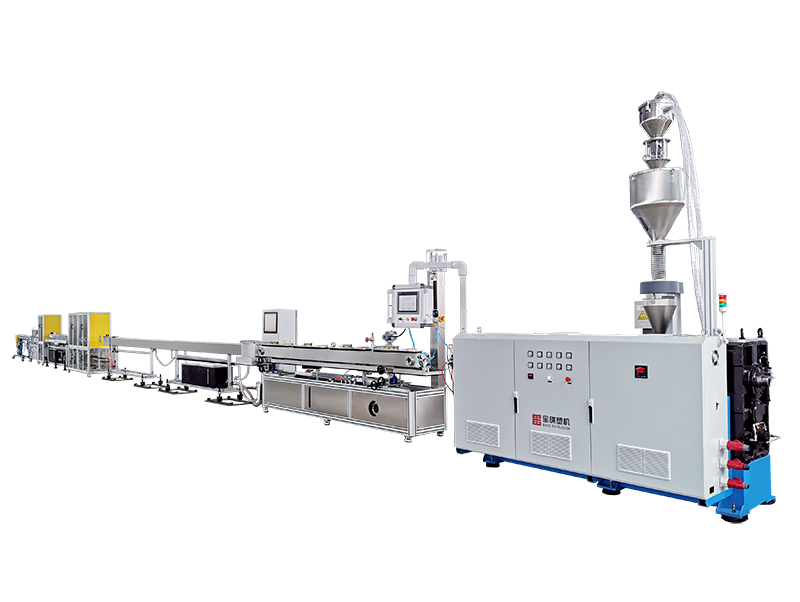
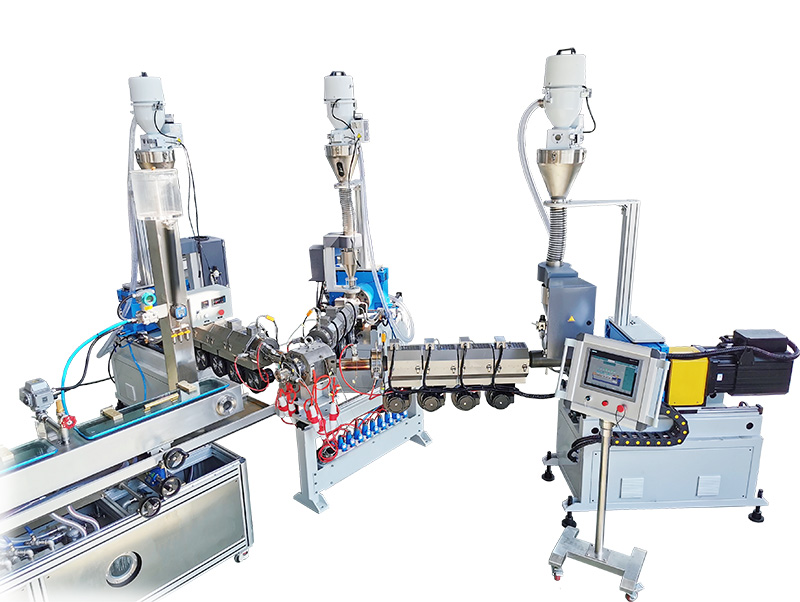
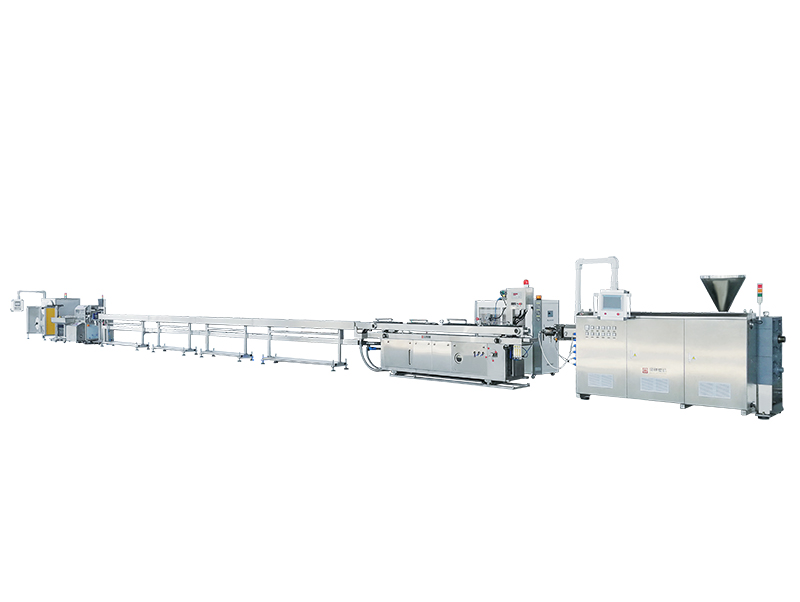
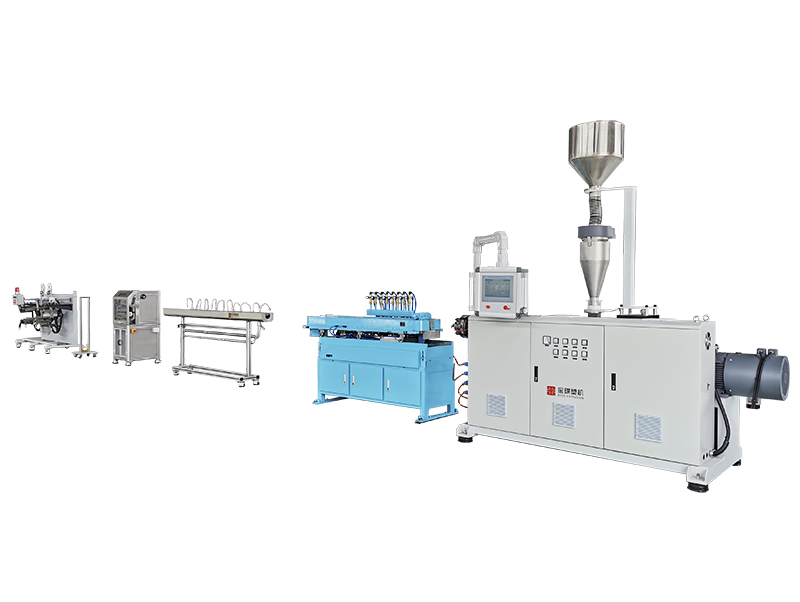
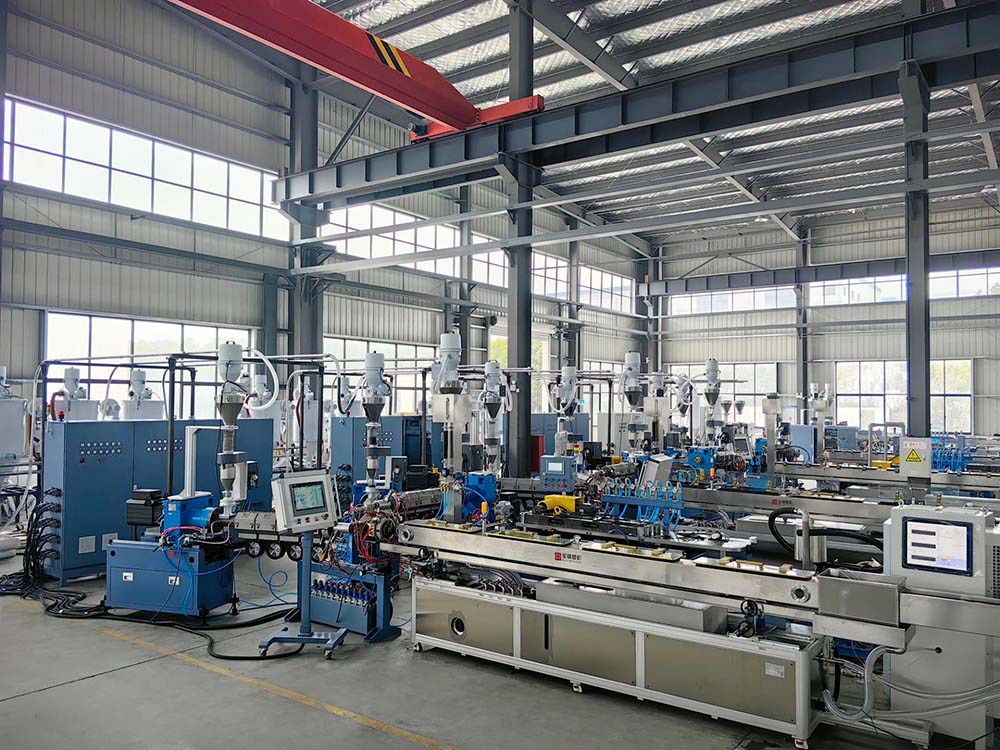
Our advanced extrusion systems are equipped with Siemens PLC automation modules, gravimetric dosing systems, and closed-loop OD/ID laser measurement controls. This allows FEP tubing manufacturers to maintain sub-micron tolerances during continuous runs.
Delivering global precision machinery.
Years Manufacturing Experiences
Modernized Factory Area
Expert Engineering Staff
In the global market for fluoropolymer processing machinery, agility and engineering precision dictate competitive advantage. Located in the Yangtze River Delta industrial hub (Shanghai and Jiangsu), BAOD EXTRUSION utilizes the world's most integrated electromechanical supply chain ecosystem.
This geographic position enables rapid prototyping, custom mold manufacturing, and direct shipping logistics. While Western companies face extended procurement timelines for specialized extrusion components (like custom-wound heaters or high-speed planetary cutters), our Chinese factory ensures structural components and raw processing engines are delivered and validated at lower lead times.
We bridge the cost-efficiency of Chinese engineering with strict compliance to global standards. Our precision extrusion lines conform to CE certification standards and ISO 9001:2015 Quality Management Systems. For international buyers, we offer high-performance alternatives to expensive European lines without sacrificing structural reliability, mechanical longevity, or technical safety controls.
Requires multi-lumen geometry, micro-diameter options (down to 0.1 mm), biocompatible contact surfaces, and online laser inspection systems.
Requires ultra-pure, metal-free processing paths to prevent particle contamination in deionized water and chemical dosing loops.
Demands heat-shrinkable FEP tubing solutions that withstand high voltages, cosmic radiation, and aggressive fuel exposures.
While PTFE possesses slightly higher thermal tolerance, it is not melt-processable and must be sintered or paste-extruded. FEP, as a melt-processable copolymer, flows easily when heated above its melting point (approx. 260°C). This melt flow behavior allows for the continuous extrusion of multi-lumen profiles, extremely thin wall tolerances, and precise geometries that would be impossible or cost-prohibitive to machine from solid PTFE rods.
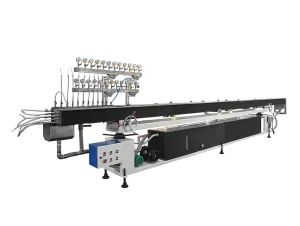
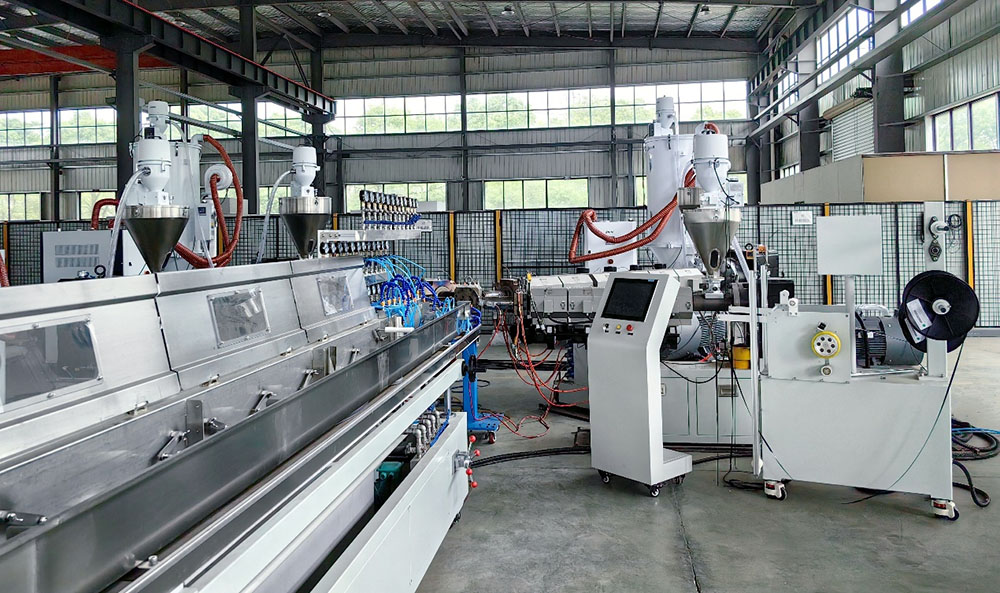
Our precision fluoropolymer lines utilize integrated closed-loop control systems. These include high-stability gravimetric dosing feeders, melt pumps to regulate pressure fluctuations, highly precise vacuum calibration tanks, and multi-axis laser diameter gauges. If the OD or wall thickness drifts by even a micron, the puller speed and air pressure adjust automatically in real-time, ensuring strict conformance to medical device standards.
Extruding FEP requires careful temperature control and corrosion-resistant components. FEP melts at a high temperature (around 260°C to 300°C) and can release highly corrosive hydrogen fluoride (HF) gases if overheated. To prevent chemical wear, BAOD uses specialized high-nickel alloy steels (like Hastelloy or Inconel) for the extruder barrel, screw, and die heads. Precision temperature controls are also built in to prevent thermal degradation of the polymer matrix.
Yes, our engineering team designs and manufactures custom extrusion dies, calibrators, and multi-lumen tooling. Buyers provide their specific dimensional profiles, wall thicknesses, and material specifications (such as FEP, PFA, or PVDF). We simulate the flow behavior to optimize the die design, ensuring balanced flow rates and preventing weld lines or mechanical weak points in the finished tubing.
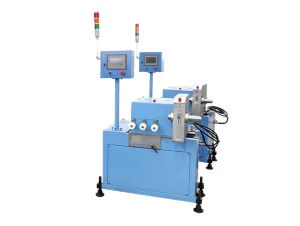
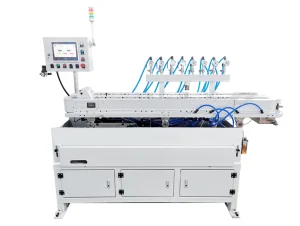
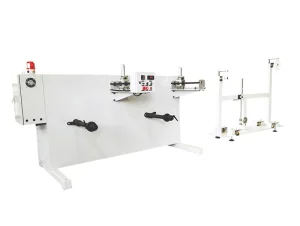
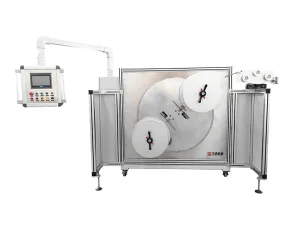
Our precise traverse displacement auto-spool changing coiling machine operates in sync with the main haul-off puller. Through tension sensor feedback, the winding speed self-corrects dynamically. This maintains tension on the line and prevents structural deformation, ensuring even flat spooling for thin-walled or flexible FEP tubes.
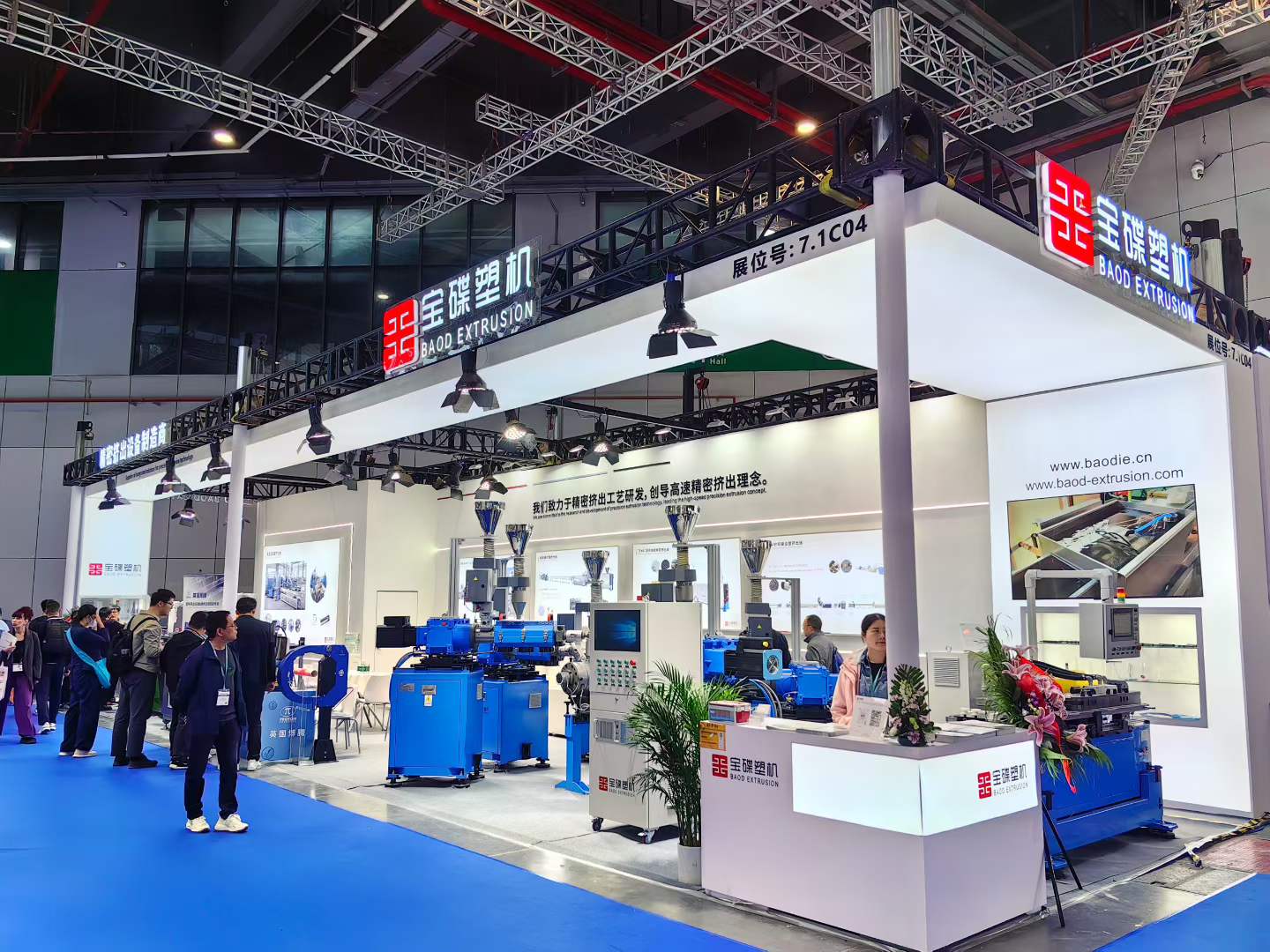
From April 21–24, CHINAPLAS 2026 was successfully held at the National Exhibition and Convention Center (Shanghai, Hongqiao). BAOD EXTRUSION showcased its latest R&D achievements at Booth 7.1C04, presenting "Smart Extrusion & High-Efficiency Innovation" solutions...
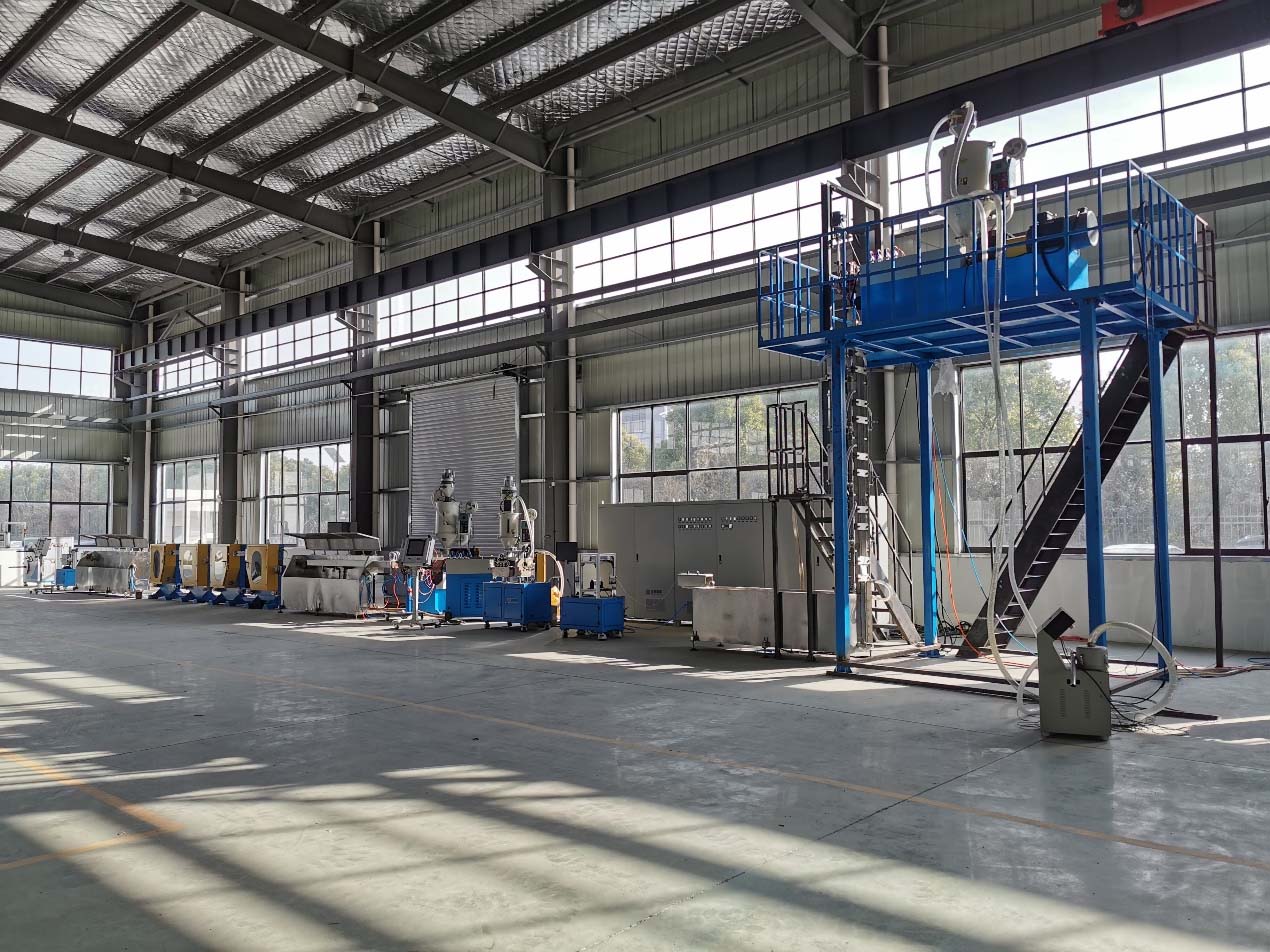
In the controlled environment of a modern industrial facility, a single, hair-thin plastic tube wound onto a reel might seem unremarkable to the untrained eye. However, in sectors ranging from mining to infrastructure demolition, this tube—known as a detonating tube...
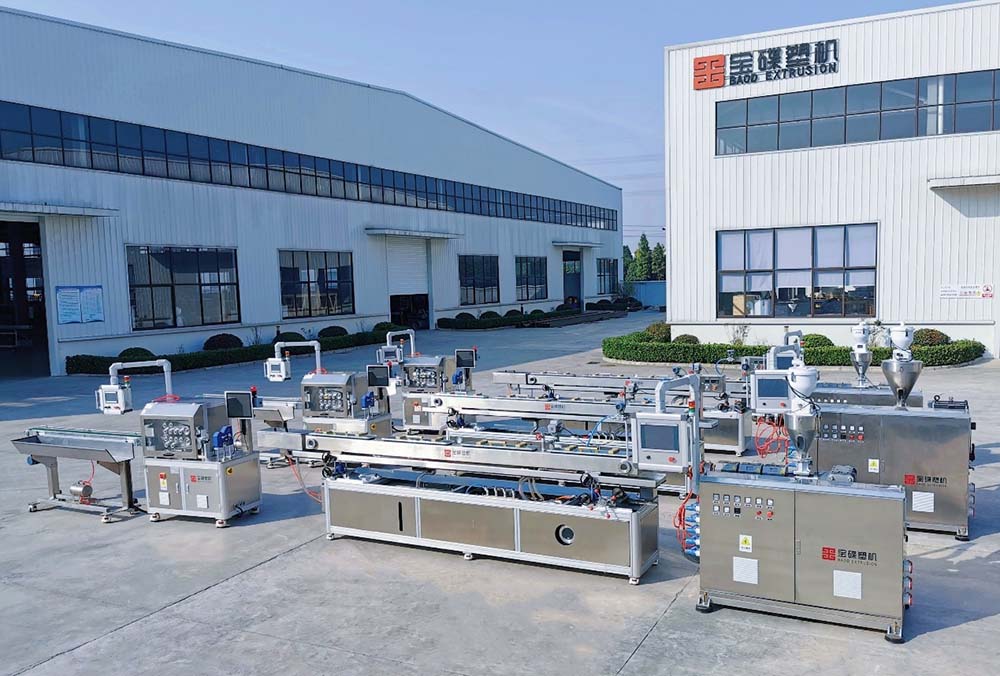
In the sterile, quiet environment of a modern medical facility, a clinician prepares a complex catheter for a critical procedure. This thin, flexible tube is far more than a simple conduit; internally, it is divided into several microscopic channels, or lumens, each designed...
How do the world's most reputable vehicle manufacturers ensure the absolute integrity of every fuel line, brake hose, and cooling pipe buried deep within a vehicle's chassis? Why has the shift toward electric vehicles made the precision of these small-diameter lines crucial...
As the twilight sun reflects off the sleek, aerodynamic curves of a modern electric vehicle parked in a bustling metropolitan street, few observers notice the quiet, critical components ensuring the cabin remains a sanctuary of silence and temperature control. Behind the...
 Baodie