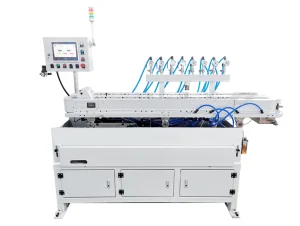
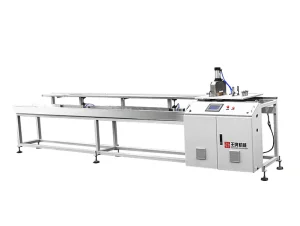
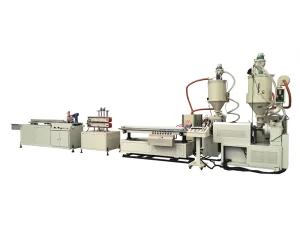
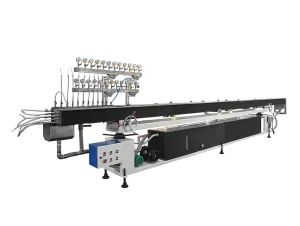
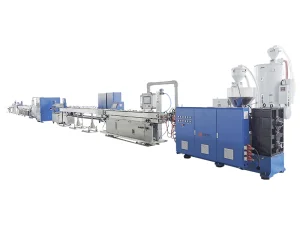
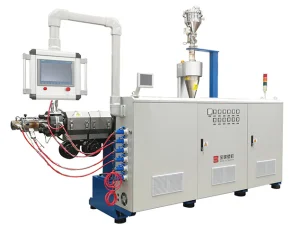
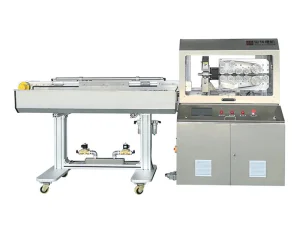
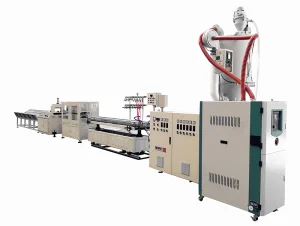
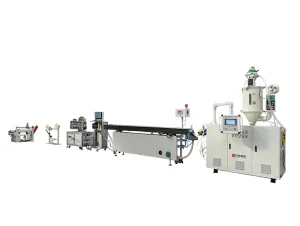
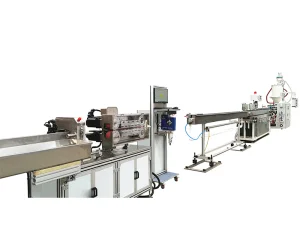
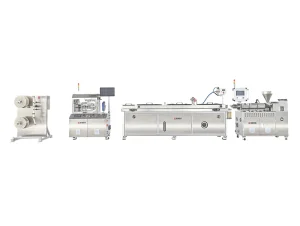
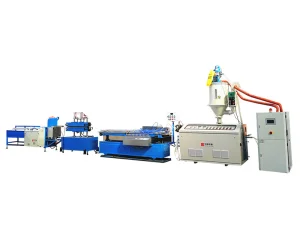
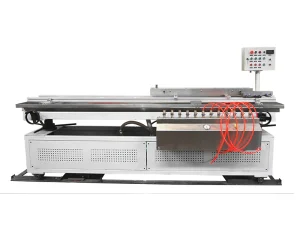
Explore our foundational machinery line-up powering precision polymer molding worldwide.
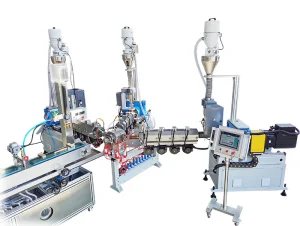
A technical overview of current market dynamics, raw materials, and critical specifications shaping modern medical diagnostic and surgical tools.
The global healthcare environment demands absolute reliability. From minimally invasive cardiovascular catheters to high-pressure anesthetic delivery conduits, extruded medical tubing represents the technological baseline of modern clinical interventions. The international medical tubing market is undergoing rapid evolution, accelerated by the demand for smaller cross-sections, multi-layered structures, and ultra-thin walls that preserve inner lumen space while maintaining high structural integrity.
Medical tubing utilizes specialized biocompatible materials classified under USP Class VI, ISO 10993, and FDA specifications. Selecting the appropriate polymer determines the catheter's clinical capability:
Preferred for diagnostic catheters. TPU provides high tensile strength, dynamic flex-fatigue resistance, and thermal responsiveness, softening at body temperature to prevent vascular damage.
Fluoropolymers offer unmatched chemical resistance, low friction coefficients, and high thermal stability. FEP is heavily utilized for outer layers and processing sleeves due to its high dielectric properties.
Widely implemented in peristaltic pumps, fluid management systems, and IV setups. Standardized for optical clarity, sterilizability, and predictable kinking profiles.
Precision control during the melting and extrusion phase ensures structural integrity and uniform mechanical properties along the entire length of the tube, preventing localized thinning or failure under high-pressure applications.
The manufacturing capabilities of modern medical tube extruders, comparing tolerances across specialized product architectures.
| Tubing Configuration | Material Matrix | Dimensional Range (OD) | Wall Tolerance | Primary Clinical Application |
|---|---|---|---|---|
| Micro-Bore Tubing | Pebax, FEP, Polyimide | 0.20 mm - 1.50 mm | ± 0.010 mm | Neurovascular Intervention, Microfluidics |
| Multi-Lumen Tubing (2-9 Lumens) | Polyurethane, Pebax, PVC | 1.00 mm - 6.00 mm | ± 0.015 mm | Endoscopy, Multi-drug Infusion, Angioplasty |
| Co-Extruded Multi-Layer | HDPE / Tie-Layer / Pebax | 0.80 mm - 4.50 mm | ± 0.020 mm | High-Pressure PTCA Balloon Catheters |
| Braid-Reinforced Shafts | Pebax, Nylon + Stainless Wire | 1.20 mm - 8.00 mm | ± 0.025 mm | Steerable Catheters, Electrophysiology |
| Peristaltic Pump Tubing | Silicone, Thermoplastic Elastomer | 3.00 mm - 12.00 mm | ± 0.030 mm | Dialysis, Bioreactor Fluid Transfer |
How localized industrial ecosystems drive cost optimization, precision production, and rapid development cycles.
As healthcare systems face increasing pressure to lower cost bases without sacrificing patient outcomes, medical device manufacturers are looking to Eastern manufacturing hubs. China's medical extrusion industry has shifted from basic components to high-precision system manufacturing, matching Western quality standards while offering distinct logistical and financial benefits:
Our domestic supply network features advanced high-precision tooling shops, reducing design-to-prototype lead times from months to weeks. Precision dies and mandrels are wire-EDM machined with tolerances as tight as 2 microns.
Utilizing high-end closed-loop control systems (such as Siemens PLC controllers integrated with online OD/ID measurement loops), Chinese extrusion machinery maintains continuous cross-sectional control, minimizing scrap during start-up.
By localizing mechanical assembly and balancing software architecture with robust local steel and electronic sourcing, factories like BAOD provide high-precision medical tube lines at a fraction of Western capital expenditures.
This configuration allows global OEMs to maintain rapid iteration protocols, testing multiple iterations of catheter shafts or multi-lumen profiles quickly without encountering excessive capital barriers.
Years of Manufacturing & Design Expertise
Modern Industrial Facility Footprint
Skilled Machinery Engineers & Technical Staff
BAOD EXTRUSION (Jiangsu Baodie Automation Equipment Co., Ltd.), founded in 2002, is dedicated to the development, manufacturing, and distribution of high-efficiency plastic extrusion lines globally. Drawing on 18 years of design and development work from our Taiwan parent enterprise (KINGSWEL GROUP), we established our mainland manufacturing base in Shanghai in 1999, eventually expanding into our high-capacity Jiangsu facility to better serve international markets.
Today, BAOD represents a hallmark of high automation, safety design, and precision execution, serving medical device manufacturers, automotive Tier-1 suppliers, and specialty industrial firms worldwide.
Engineered for high-volume, reliable production run times. Custom configured for specific industrial applications.
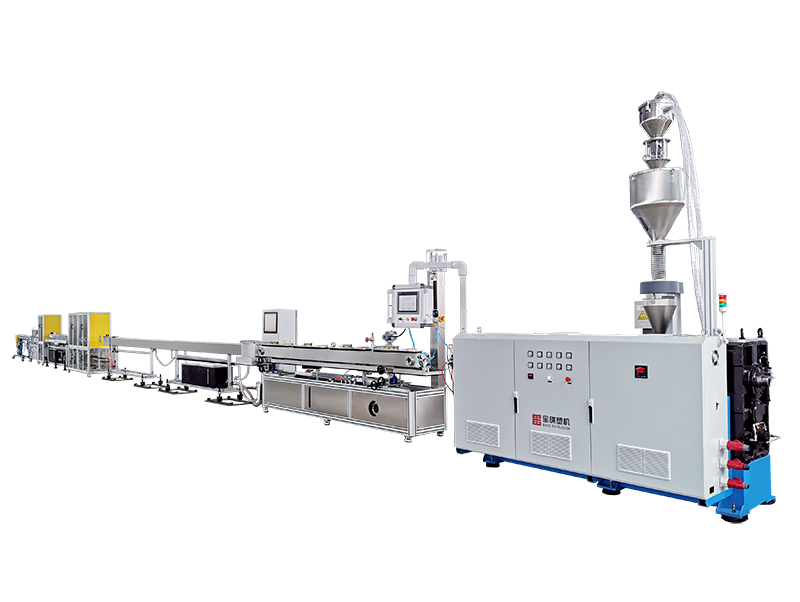
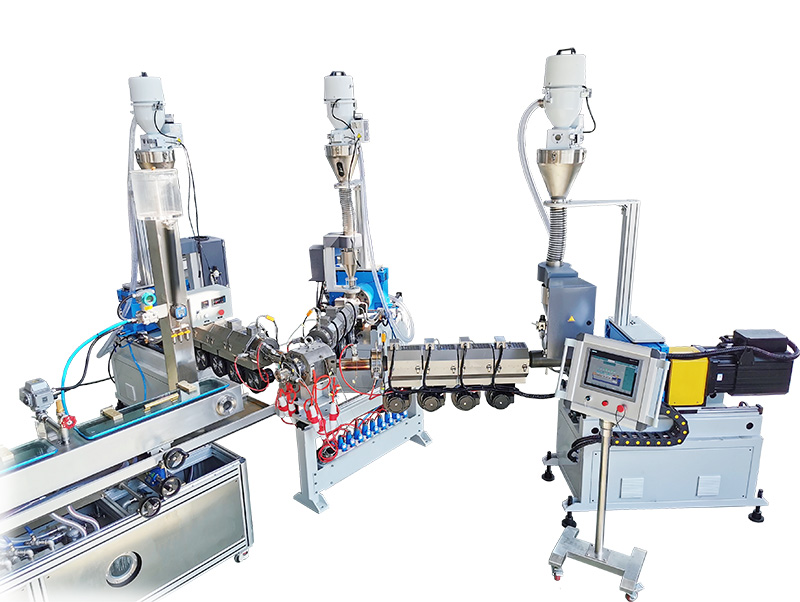
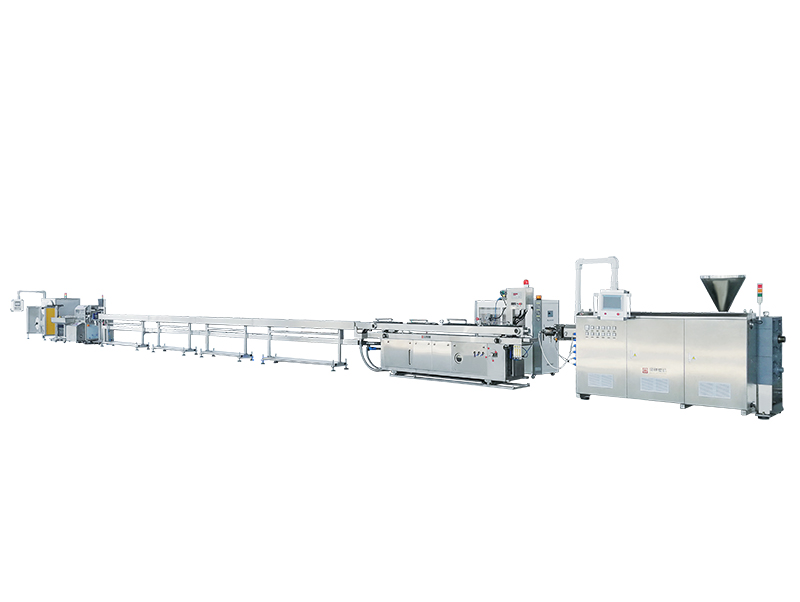
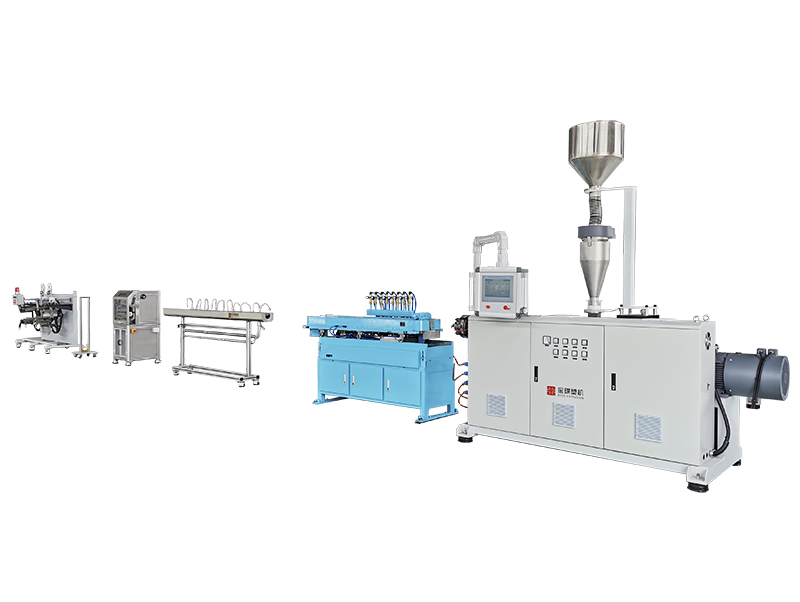
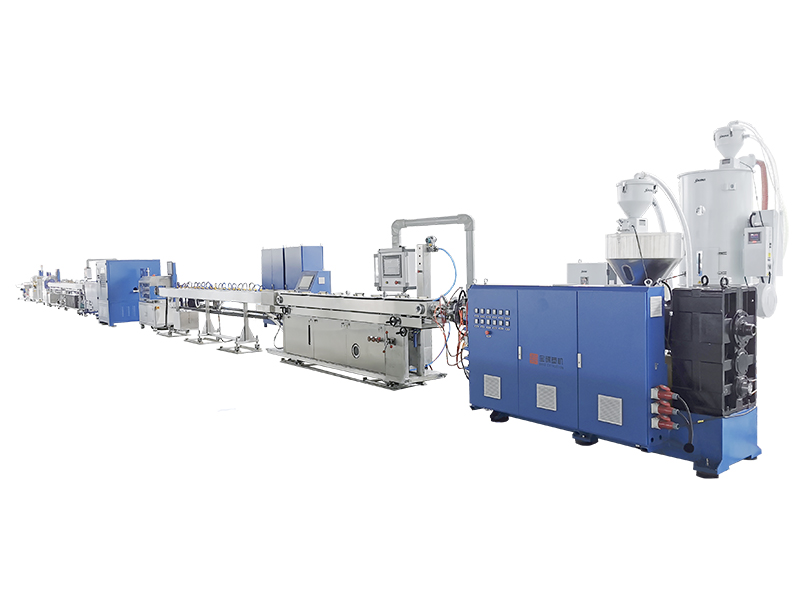

Keep up to date with BAOD Extrusion's latest technical developments, global events, and engineering breakthroughs.
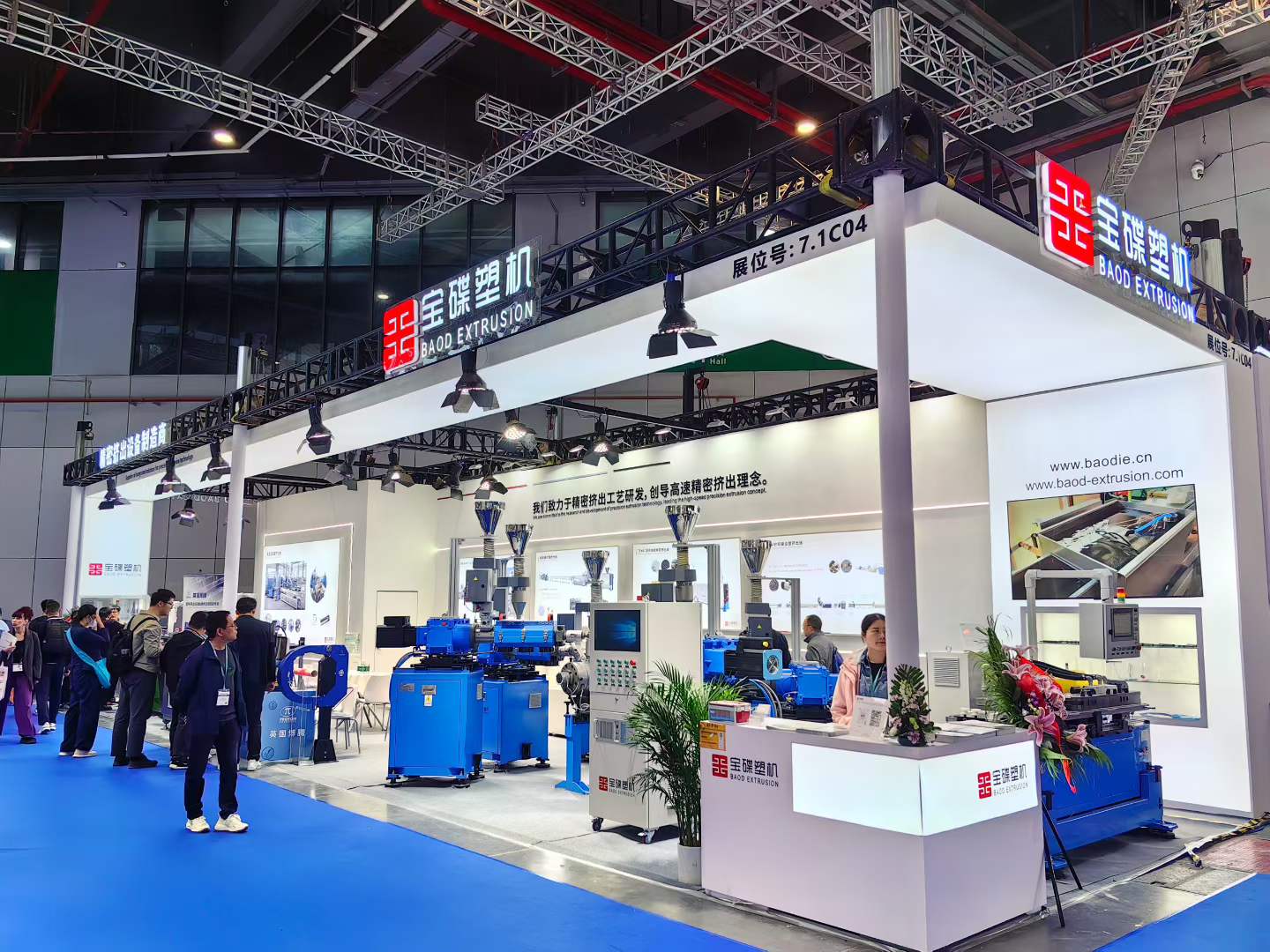
BAOD EXTRUSION presented its latest R&D achievements at Booth 7.1C04, showcasing "Smart Extrusion & High-Efficiency Innovation" solutions that address emerging requirements in medical and automotive tubing.
In sectors ranging from mining to infrastructure demolition, the precision of shock-tube systems is critical. BAOD delivers customized lines engineered to meet strict compliance protocols.
An in-depth analysis comparing structural parameters, die designs, vacuum calibration methodologies, and cost efficiency indexes between leading Chinese factories and legacy European machinery providers.
Investigating our strict Quality Control system (QMS) ensuring fluid lines, fuel tubing, and brake conduits consistently meet international requirements for premium EV and ICE vehicles.
Exploring new materials and compound formulations driving lighter weight, improved weather stability, and simplified automated recycling steps in automotive applications.
Answering crucial regulatory, engineering, and manufacturing questions for medical device OEMs and sourcing directors.
Most critical medical tubing, particularly implantable catheters, IV sets, and vascular conduits, must be manufactured in a controlled environment. Typically, a Class 7 (Class 10,000) or Class 8 (Class 100,000) cleanroom is required. These environments control airborne particulates, humidity, temperature, and microbiological contamination, ensuring the final extruded components comply with USP Class VI and ISO 10993 requirements.
BAOD lines utilize closed-loop feedback control. A laser micrometer downstream continually measures the outer diameter (OD) and inner diameter (ID). If deviation exceeds the pre-set range (e.g., ±0.01mm), the signal adjusts the puller speed or the vacuum tank pressure. This automated calibration prevents dimensional drift during continuous production runs.
Co-extrusion allows multiple polymers to merge into a single tube. For example, a catheter may require a low-friction inner layer (FEP/PTFE) for smooth guide wire movement, a middle layer for braided reinforcement, and a soft outer layer (Pebax/TPU) for patient safety. Co-extrusion delivers these distinct properties in a single manufacturing step, optimizing both performance and production efficiency.
Medical materials are verified through biological evaluation tests defined by ISO 10993, including cytotoxicity, sensitization, intracutaneous reactivity, and systemic toxicity testing. Only raw polymers with certificates of compliance (CoC) verifying USP Class VI status are introduced into the feed throat of the extrusion line.
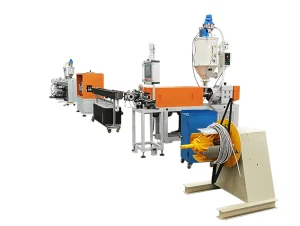
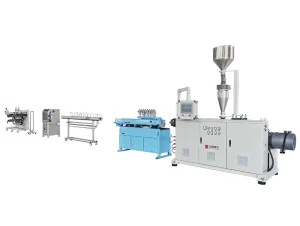
Explore our highly automated and custom-configured plastic extrusion lines, designed for specialized profile manufacturing.
 Baodie