In modern extracorporeal life support systems, such as hemodialysis, cardiopulmonary bypass (CPB), and continuous renal replacement therapy (CRRT), the blood tubing set functions as the essential extracorporeal circuit. Because these tubes are in direct contact with patients' cardiovascular systems, their physical integrity, surface smoothness, and dimensional stability directly impact clinical safety. Any structural defect, internal surface roughness, or dimension deviation can lead to hemolysis, thrombus formation, or erratic blood flow rates.
Consequently, manufacturing a blood line tube extrusion line demands an exceptionally high level of engineering precision. The systems must produce medical-grade plasticized PVC, Polyurethane (PU), or Thermoplastic Elastomers (TPE) under extremely tight tolerances (often within ±0.02mm for inner and outer diameters), maintaining zero contamination in an ISO Class 8 (Class 100,000) cleanroom environment. This white paper details the technical architectures, market trends, compliance protocols, and validation strategies that define next-generation medical extrusion technology.
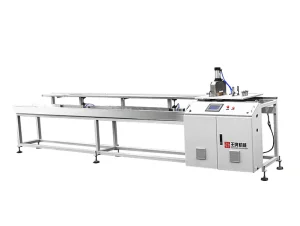
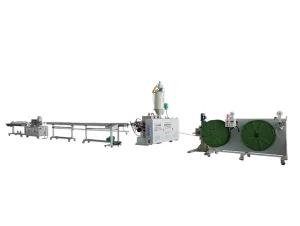
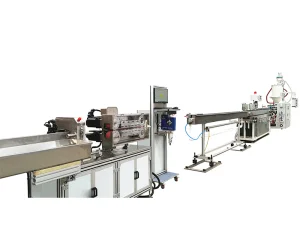
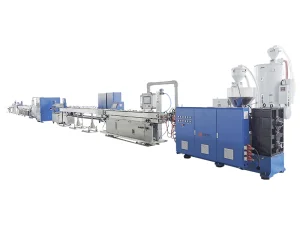
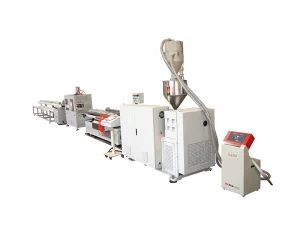
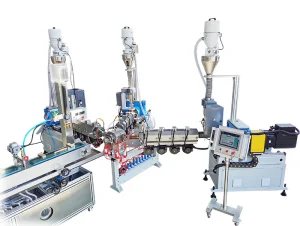
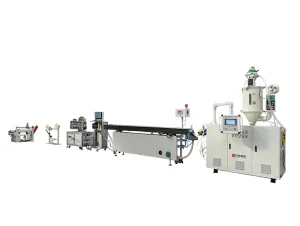
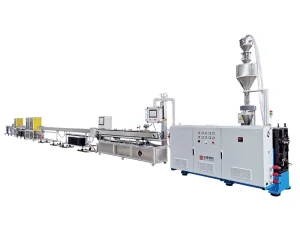
A medical-grade blood line tube extrusion line is not merely a combination of general plastic processing machinery; it is an integrated, closed-loop, highly calibrated system designed for stable melt pressure and linear speed uniformity.
| Module Name | Technical Specification | Primary Purpose & Impact on Quality |
|---|---|---|
| Precision Main Extruder | L/D Ratio 28:1 to 32:1, barrier screw design | Ensures low-temperature melt homogeneity; prevents thermal degradation of PVC/TPE. |
| Melt Pump System | Closed-loop pressure regulation (< 0.5 bar fluctuations) | Decouples extruder pulsation; guarantees uniform polymer dosing to the die head. |
| Extrusion Die Head | Micro-adjustable crosshead, medical-grade alloy steel | Ensures concentricity of the tube, minimizing wall-thickness variation. |
| Vacuum Calibration Tank | High-vacuum control, stainless steel 316L build | Maintains precise tube outer diameter; cleanroom-compatible water recirculation. |
| Puller & Tension Control | Dual-servo caterpillar belt, speed stability < 0.1% | Synchronizes stretching to prevent deformation or stretching of thin-walled tubes. |
| Laser OD/ID Measuring System | Dual-axis or triple-axis high-speed scanning | Continuous non-contact measurement feeding data back to melt pump & puller. |
The core extrusion process relies heavily on avoiding shear stress and excessive heat, which can release hydrochloric acid (HCl) gas when processing plasticized PVC. Our customized extruders feature chromium-plated, nitrided screws designed specifically to maintain low shear rates. An integrated melt pump provides volumetric pulse-free delivery of the molten material, eliminating any surge effects from screw rotation. This level of control is critical because blood tubing dimensions directly correlate to pump calibration in dialysis machines; if the tube wall varies, the peristaltic pump will deliver inaccurate blood flow rates, putting patients at risk.
The medical tubing sector is experiencing a significant paradigm shift driven by environmental regulations and clinical safety initiatives. The primary focus is the reduction of plasticizers like DEHP (di-2-ethylhexyl phthalate) in PVC formulations. Research shows DEHP can leach into lipids and blood products over long-term exposure, posing potential health risks to pediatric and pregnant patients.
BAOD EXTRUSION (Jiangsu Baodie Automation Equipment Co., Ltd.), founded in 2002, is a premier designer, manufacturer, and supplier of high-end plastic extrusion machinery. Leveraging 18 years of technical expertise from our original parent group (KINGSWEL GROUP) in Taiwan, we established our manufacturing base in Shanghai in 1999 and subsequently expanded our advanced facilities. We focus on research, development, and delivery of precision extrusion lines, energy-efficient processing, automated system control, and comprehensive machine safety operations.
Our dedication to engineering excellence allows us to serve the most demanding global markets, providing specialized equipment for high-performance automotive tubing, aerospace profiles, and sterile medical-grade tubing systems. Our systems are characterized by their extreme tolerance control, high production efficiency, and cleanroom compatibility.
Procurement teams at major medical device OEMs (such as Baxter, Fresenius, and B. Braun) analyze extrusion systems through a rigorous risk-mitigation framework. The purchasing decision extends beyond initial capital expenditure (CAPEX) to encompass long-term operational consistency, regulatory compatibility, and validation support.
Because blood lines are class IIb/III medical devices, they must be extruded under strictly controlled environmental conditions to prevent microbial and particulate contamination. Our lines are designed with cleanroom-compatible features:
A key aspect of E-E-A-T (Experience, Expertise, Authoritativeness, Trustworthiness) in medical manufacturing is the provision of robust validation documentation. We support procurement and engineering teams with standard validation protocols:
Online closed-loop wall thickness measurement and automatic centering die heads ensure optimal concentricity to prevent kinking.
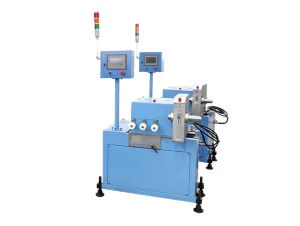
Servo-driven, ultra-sharp rotary cutter units provide perpendicular, burr-free cuts at high line speeds, reducing waste rates.
EtherCAT communications and OPC-UA protocols allow real-time connectivity to MES systems for complete tracking of process parameters.
As dialysis therapy scales globally—particularly in emerging markets—the demand for automated, high-output production technologies is rising. To address these demands, our engineering roadmap focuses on three main developments:
By using predictive algorithms connected to laser measurement sensors, our systems can detect minute drift patterns in tube OD/ID before they cross out-of-tolerance limits. The HMI dynamically adjusts the speed of the puller or the output rate of the melt pump, resulting in near-zero-waste start-ups and run cycles.
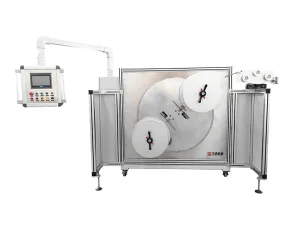
The traditional method of extruding, cutting, storing, and manually assembling blood lines is being replaced by integrated lines. Our automated solutions can link directly to inline joint solvent bonding, connector insertion, and automated packaging systems, reducing labor requirements and contamination risks.
We are actively developing screw designs optimized for bio-based medical polymers and recyclable formulations. Additionally, our high-efficiency heating zones and variable frequency cooling pumps reduce power consumption by up to 20% compared to legacy designs.
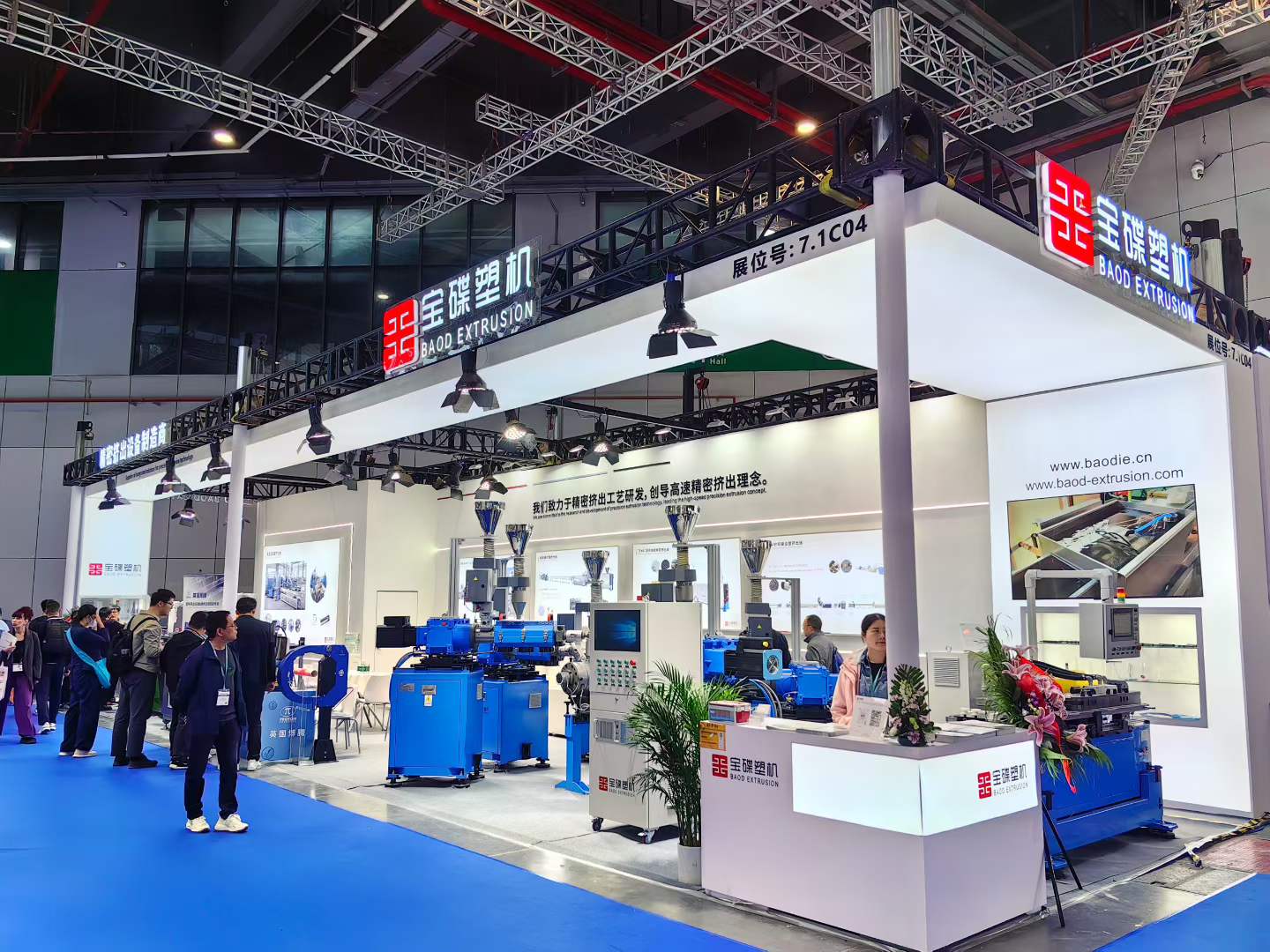
BAOD EXTRUSION showcased its latest R&D achievements at Booth 7.1C04, presenting "Smart Extrusion & High-Efficiency Innovation" solutions that draw global focus...
Read More +
In controlled environments ranging from mining to large-scale demolition, a thin-walled, specialized tube known as a detonating tube requires extreme reliability and safety...
Read More +
In modern medical facilities, catheters feature internal divisions (lumens) to manage different fluids simultaneously. BAOD explores how Chinese precision matches European standards...
Read More +
Learn how automotive manufacturers verify the structural integrity of fuel and cooling lines, and how BAOD supports compliance protocols under global automotive guidelines...
Read More +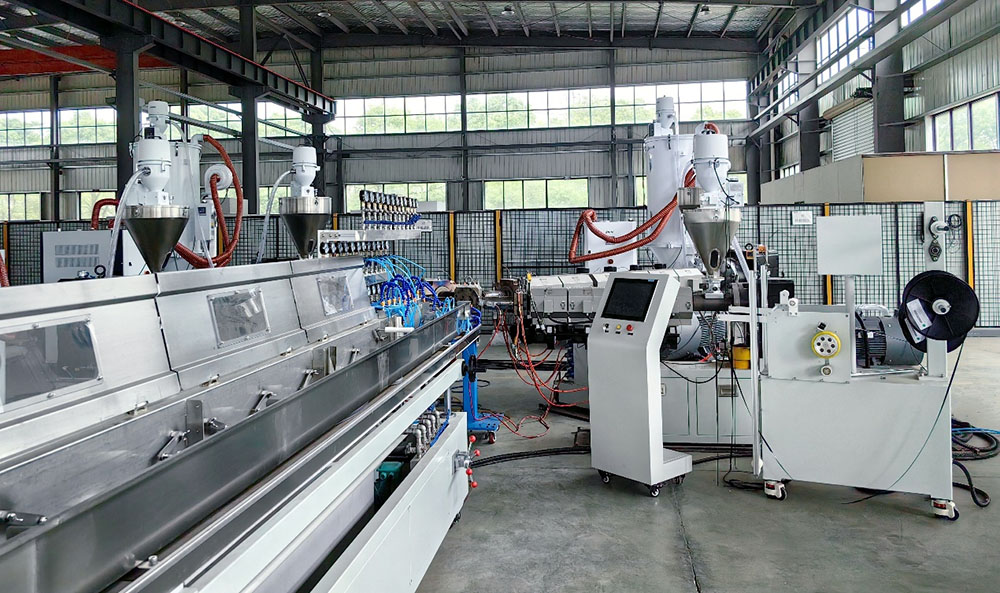
Deep dive into the trends for 2026 seal strip production, focusing on weight reduction, sound insulation, and aerodynamic sealing profiles for modern EVs...
Read More +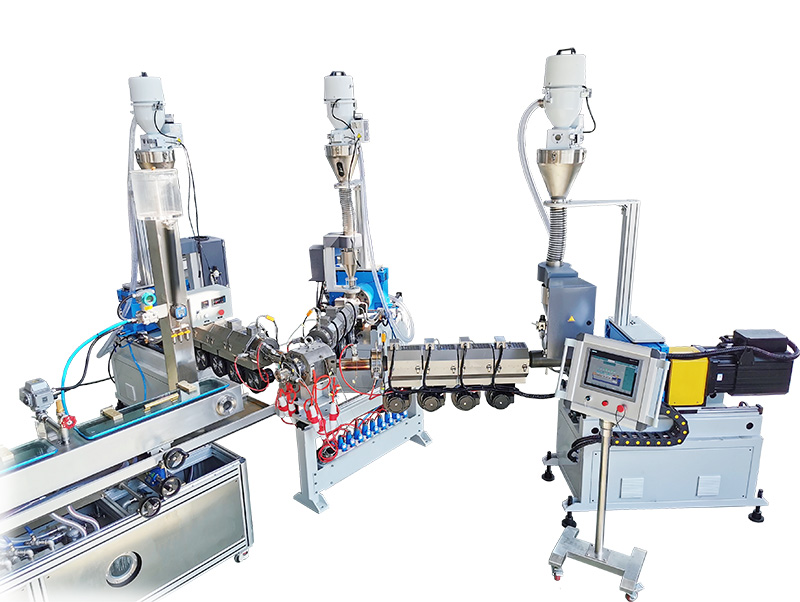
Our engineering team discusses the design elements required for peristaltic pump tubing used in biologics processing and fluid transfer systems...
Read More +
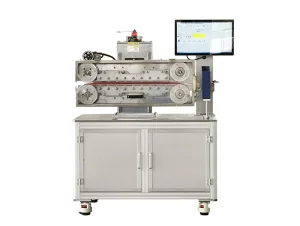
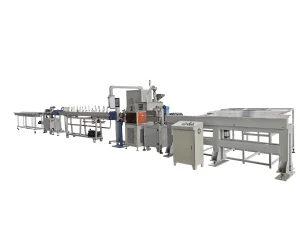
Connect with our engineering experts to discuss customized configurations, material compatibility tests, and comprehensive cleanroom validations.
Contact Our Technical Team Baodie