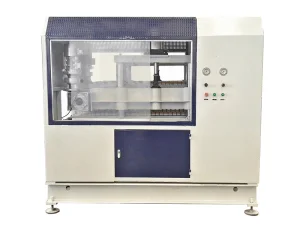
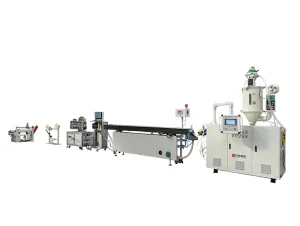
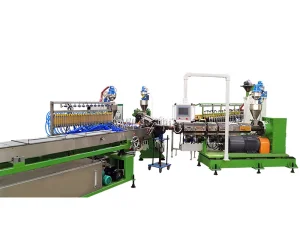
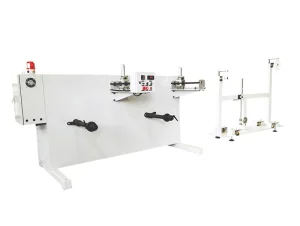
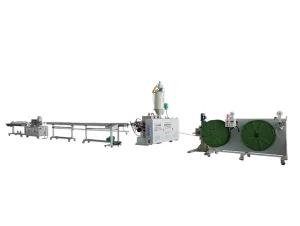
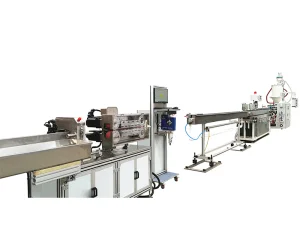
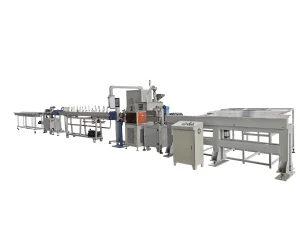
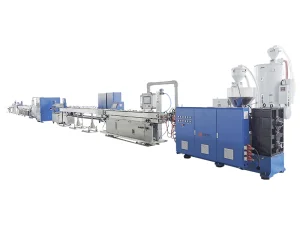
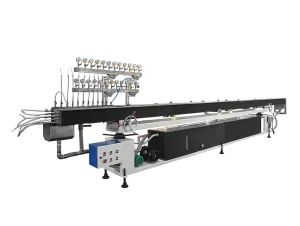
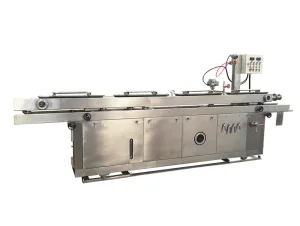
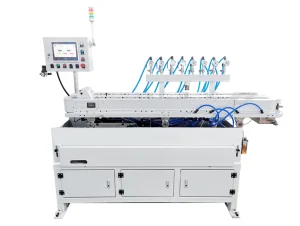
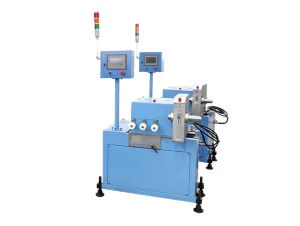
Explore our engineering capabilities across precision extrusion lines and high-performance downstream equipment
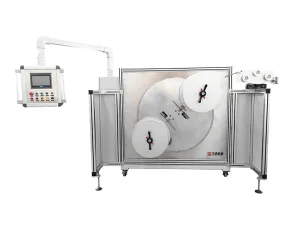
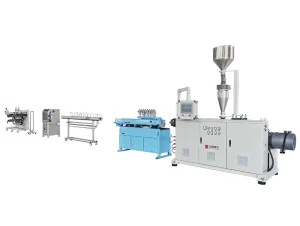
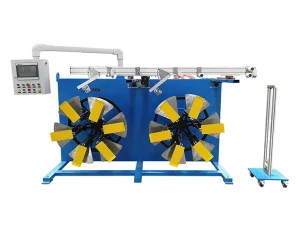
In modern automotive design, building construction, and critical industrial engineering, the demand for high-performance sealing systems has advanced beyond traditional single-material extrusions. Thermoplastic Vulcanizates (TPV), combining the excellent elastomeric performance of EPDM rubber with the processing efficiency of thermoplastics, have emerged as the premier material for sophisticated dynamic and static sealing. At the heart of this manufacturing shift is the TPV Composite Sealing Strip Co-Extrusion Line, an engineered system that integrates complex polymer dynamics with precise automation controls to achieve continuous, multi-layered profiles.
Co-extrusion technology enables the simultaneous processing of up to four different material configurations within a single production pass. This includes dense structural TPV profiles, soft microcellular foamed TPV sections for low closure force, embedded metal skeletons (steel or aluminum wire carriers) for rigid structural mounting, and micro-thin low-friction slip coats (polypropylene/silicone blends). The integration of these materials within a single co-extrusion crosshead die demands precise thermal regulation, carefully engineered screw geometries, and closed-loop pressure monitoring systems to ensure structural adhesion and strict tolerance controls.
For global tier-1 automotive suppliers, industrial builders, and appliance manufacturers, the decision to invest in a China TPV composite co-extrusion line involves evaluating material science advantages against lifetime manufacturing costs. Unlike EPDM, which requires a long, energy-intensive continuous vulcanization (CV) salt bath or hot air curing tunnel, TPV relies on physical-chemical cross-linking that finishes prior to or during the extrusion phase. This eliminates toxic curing agent emissions, improves workspace safety, and allows for 100% recycling of production scrap, directly aligning with global RoHS, REACH, and ESG sustainability directives.
| Performance Indicator | Traditional EPDM Rubber Seals | Engineered Co-Extruded TPV Seals | Operational / Financial Advantage |
|---|---|---|---|
| Material Recyclability | Non-recyclable thermoset waste (cross-linked) | 100% recyclable post-industrial scrap | Reduces material scrap rate by 95% |
| Energy Consumption | High (Continuous salt baths/vulcanization ovens) | Low (No chemical curing post-extrusion) | Saves 40% to 55% in electrical overhead |
| Weight Reduction | Baseline density (~1.2 - 1.3 g/cm³) | Foamed TPV cores (~0.6 - 0.95 g/cm³) | Saves 25-35% in profile weight for EV range expansion |
| Dimensional Tolerance | ±0.5mm to ±0.8mm (due to post-curing shrinkage) | ±0.15mm (highly controlled calibrated profile) | Fits tight tolerances of modern flush-glass vehicle designs |
Furthermore, procurement officers focus on line speed, process reliability, and automation compatibility. As automotive OEMs transition to electric vehicles (EVs), the requirement for lighter seals with low closure forces has surged. By using co-extruded TPV with a micro-foamed bulb section, manufacturers can decrease the compression load deflection (CLD) by 40% while preserving a high elastic recovery rate, achieving superior cabin noise reduction (NVH) at a lower weight.
Jiangsu Baodie Automation Equipment Co., Ltd. (BAOD EXTRUSION)
Established in 2002, Jiangsu Baodie Automation Equipment Co., Ltd. (BAOD EXTRUSION) has spent over two decades developing high-performance plastic extrusion solutions. Leveraging 18 years of design and manufacturing experience in Taiwan from our original parent company, KINGSWEL GROUP (founded in 1999 in Shanghai), BAOD has established itself as an innovative force in high-efficiency, highly automated, and safe extrusion systems.
Spanning an industrial footprint of over 16,000 square meters, our facility integrates precision manufacturing and assembly lines. We focus on continuous R&D across four key pillars:
We focus on tight tolerance controls, stable melt pressure regulation, and custom screw geometry designs to handle difficult-to-process elastomers like TPV, fluoroplastics, and multi-lumen profiles.
Our heating systems, optimized melt paths, and energy-recovery drives reduce electrical and mechanical waste, ensuring lower operational costs per kilogram of output.
Equipped with closed-loop controls, gravimetric loss-in-weight feeders, integrated laser dimension gauges, and automated traverse auto-spool winding units for hands-off manufacturing.
Meets CE, UL, and international safety certifications. Features mechanical block interlocks, intelligent overpressure relief valves, and comprehensive diagnostic monitoring.
Our key developments in precision tubing, high-speed corrugated pipe, and automotive sealing extrusion lines
Engineered for medical micro-tubes and high-tolerance automotive tubing, using precise vacuum sizing to achieve sub-millimeter concentricity.
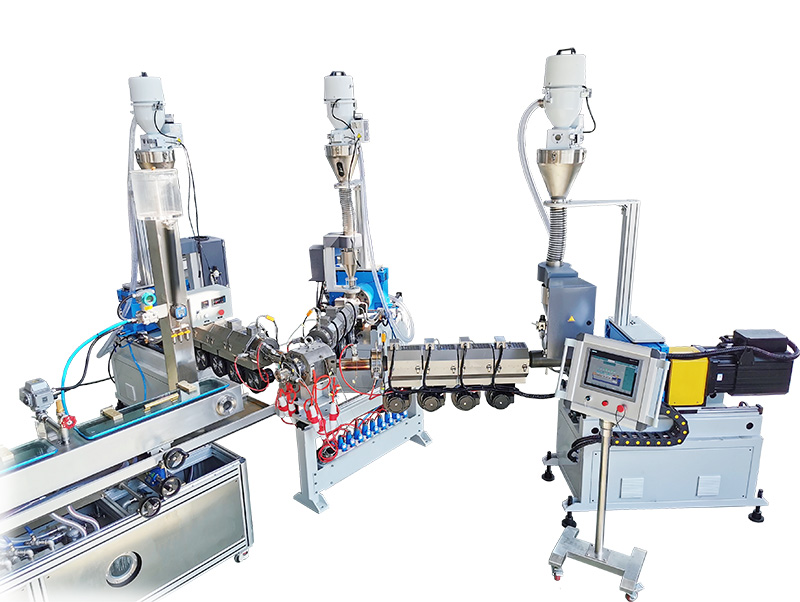
Capable of co-extruding multi-layer nylon lines for automotive fuel and cooling networks, ensuring low fuel permeation rates.
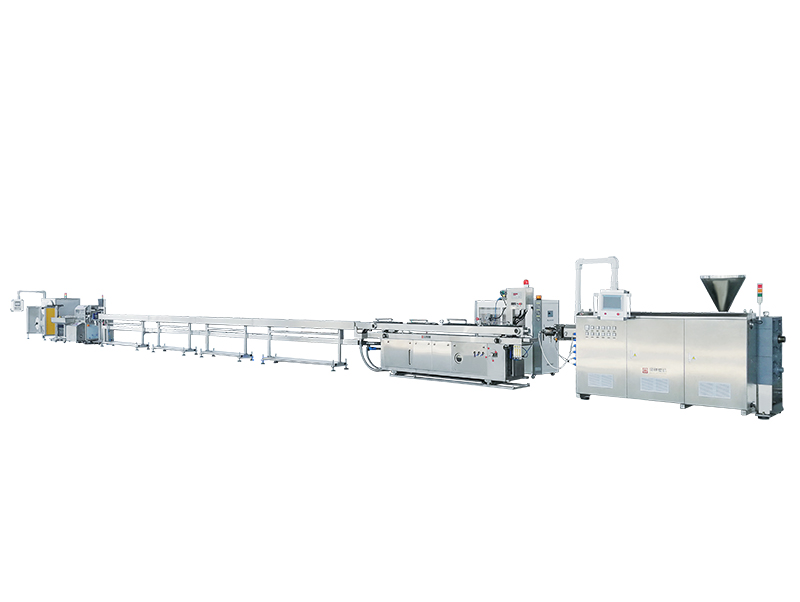
Designed for cleanroom deployment, featuring precise control loops for medical-grade catheters and IV tubing at high line speeds.
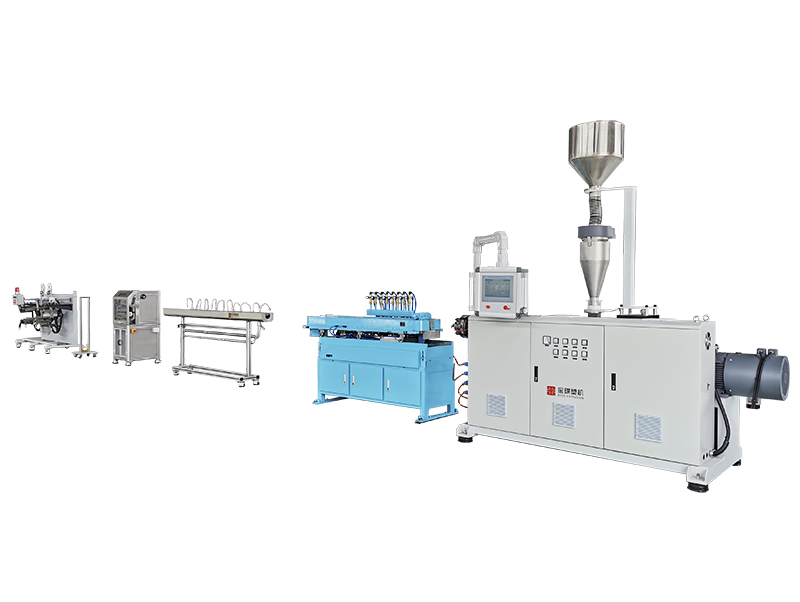
High-speed block movement forming system designed for continuous production of protective wiring harnesses and cable conduits.
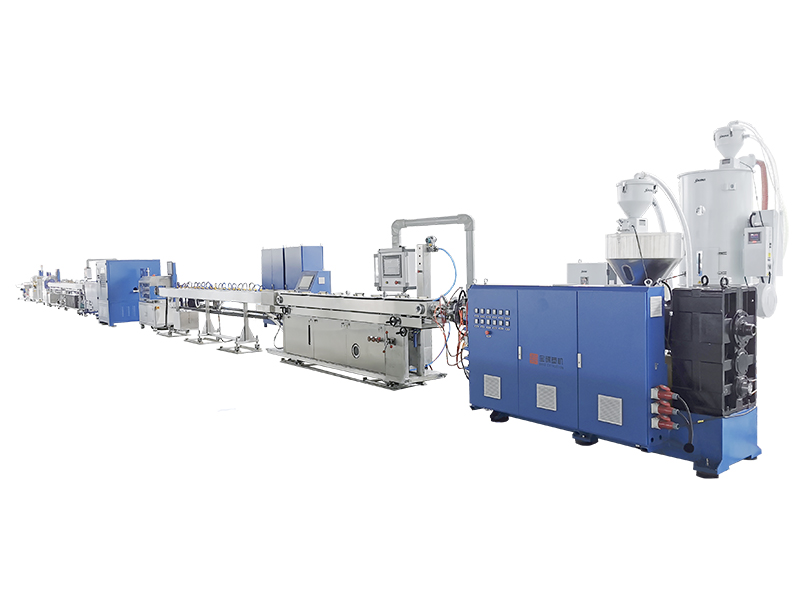
Combines multi-layer thermoplastic extrusion with high-tensile fabric knitting for high-pressure fluid transfer in demanding environments.

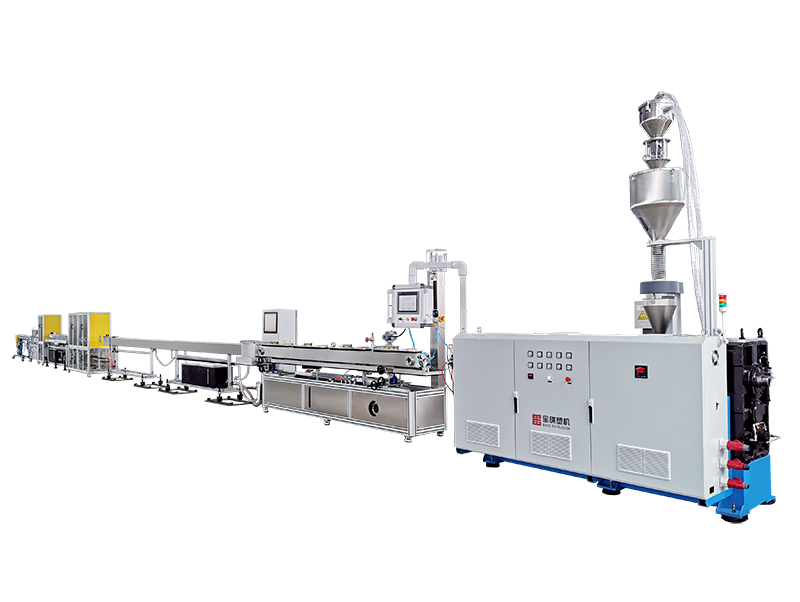
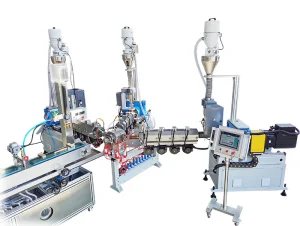
Our flagship co-extrusion system engineered for multi-material composite automotive profiles, including metal carrier insertion and slip coating.
Industrial manufacturing demands high uptime and consistent equipment availability. China's industrial shift toward "Factory 4.0" is exemplified by BAOD EXTRUSION's digital integration. By utilizing a domestic supply chain with complete vertical integration, we manufacture components with strict quality controls while maintaining shorter delivery lead times compared to European competitors.
BAOD's manufacturing system incorporates key Industry 4.0 elements:
This control setup enables international buyers to operate these extrusion lines with confidence, minimizing production defects even when handling varying grades of post-consumer or post-industrial recycled polymers.
The applications for co-extruded TPV seals vary by region, reflecting localized industrial demands:
In these regions, strict regulations regarding carbon emissions and end-of-life vehicle (ELV) recycling drive the demand for lightweight sealing profiles. Co-extruded TPV seals are widely used in door glass run channels, rear hatch seals, hood-to-cowl seals, and panoramic sunroof frames. Their ability to integrate directly with colored thermoplastic polypropylene (PP) components simplifies automotive designs and enables clean monomaterial recyclability.
In dense urban developments across China, Japan, and South Korea, structural thermal insulation standards are high. TPV co-extruded window sash seals, glazed facade gaskets, and expansion joint profiles offer long-term resistance to ozone, UV radiation, and severe acid rain. They outlast traditional EPDM and PVC seals by up to 15 years without cracking, shrinking, or losing their compression set, making them ideal for green building designs.
For refrigeration and washing machine door gaskets, high resistance to microbial growth, chemical cleaning agents, and high temperatures is critical. The non-toxic formulation of co-extruded TPV profiles makes them suitable for direct food-contact and medical applications, replacing plasticized PVC which can leach phthalates.
Latest updates, expert technical comparisons, and global show reports from the BAOD engineering team
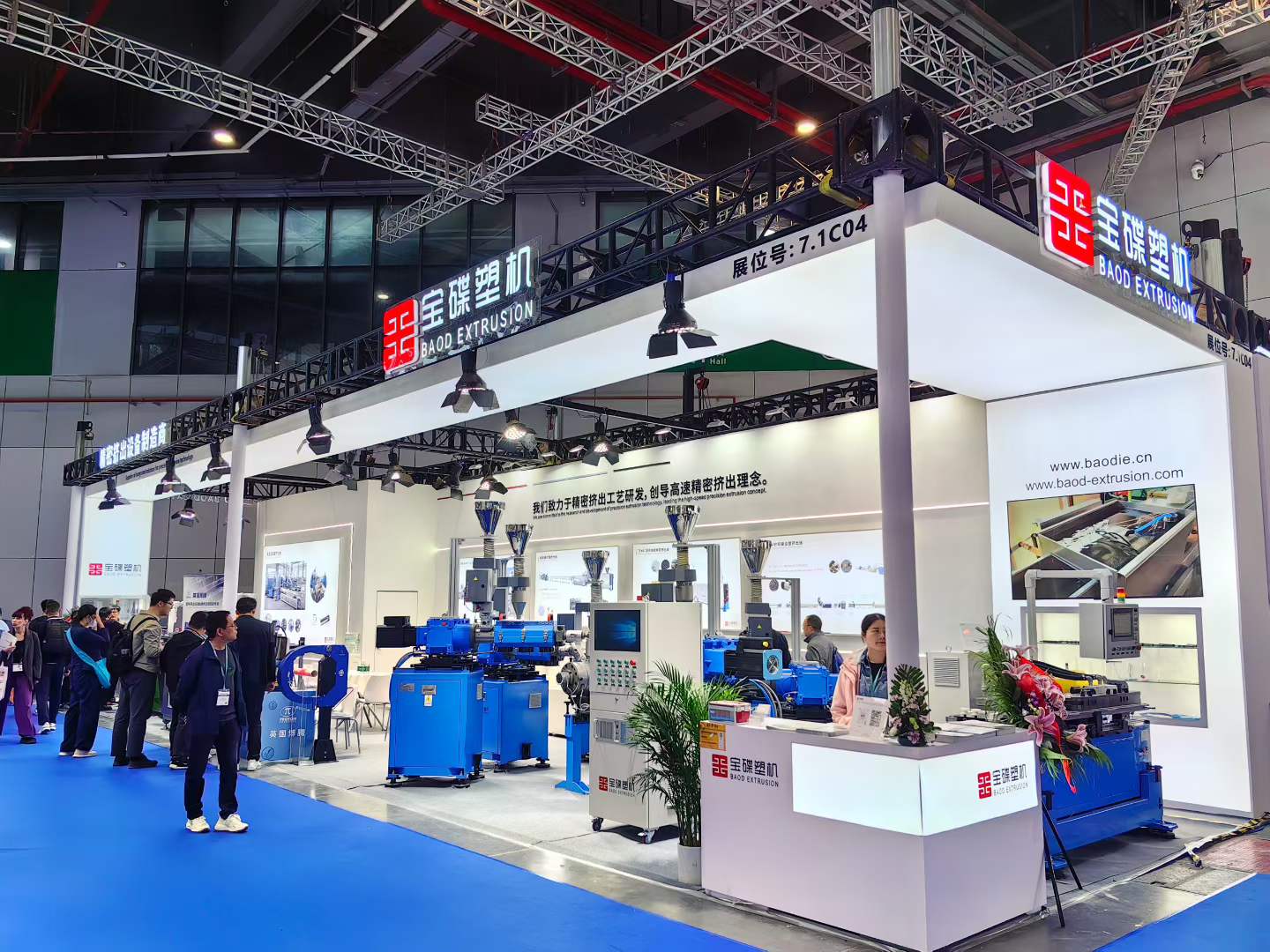
From April 21–24, CHINAPLAS 2026 was successfully held at the National Exhibition and Convention Center (Shanghai, Hongqiao). BAOD EXTRUSION showcased its latest R&D achievements at Booth 7.1C04, presenting “Smart Extrusion · High-Efficiency Innovation” solutions that drew significant interest from global automotive OEM partners and industrial seal designers.
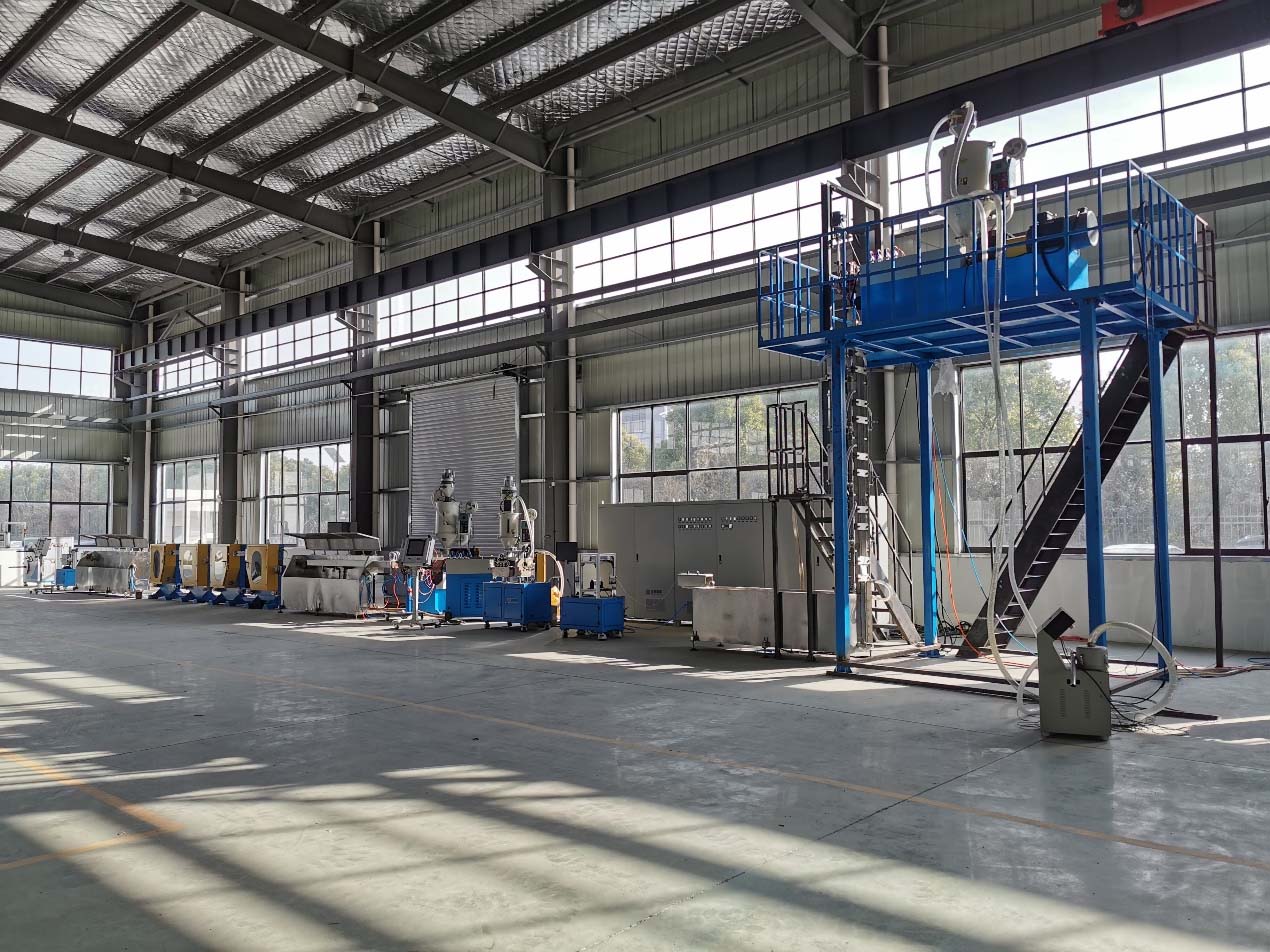
In the controlled environment of a modern industrial facility, a single, hair-thin plastic tube wound onto a reel might seem unremarkable to the untrained eye. However, in sectors ranging from mining and quarrying to large-scale infrastructure demolition, this tube—known as a detonating tube—demands zero-defect production tolerances and high safety standards.
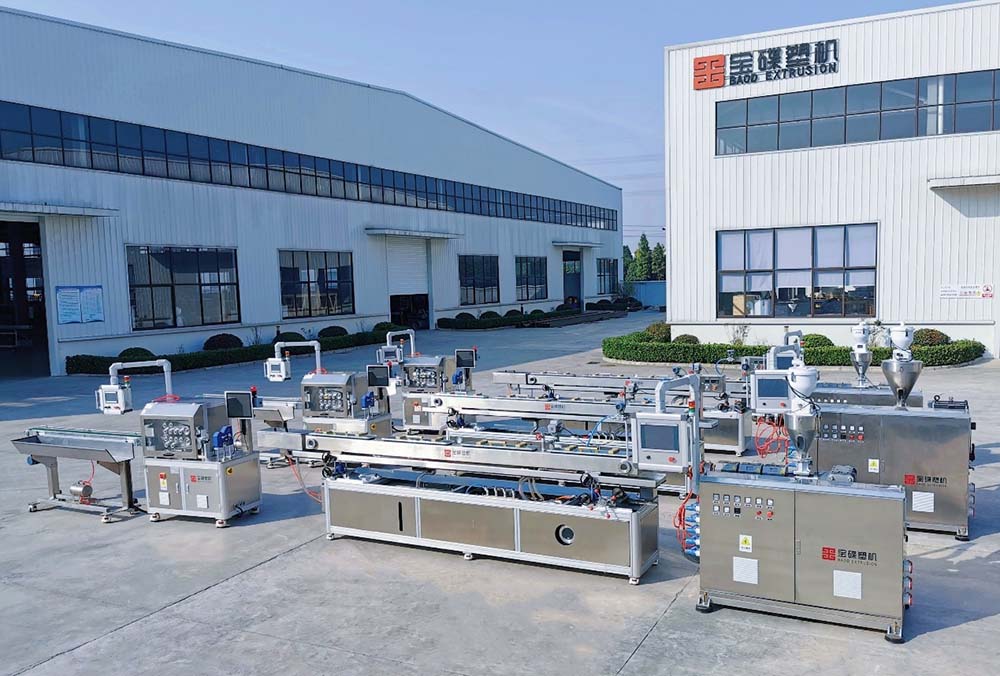
In the sterile, quiet environment of a modern medical facility, a clinician prepares a complex catheter for a critical procedure. This thin, flexible tube is far more than a simple conduit; internally, it is divided into several microscopic channels, or lumens. We break down how BAOD matches European performance at optimized capital expenditures.
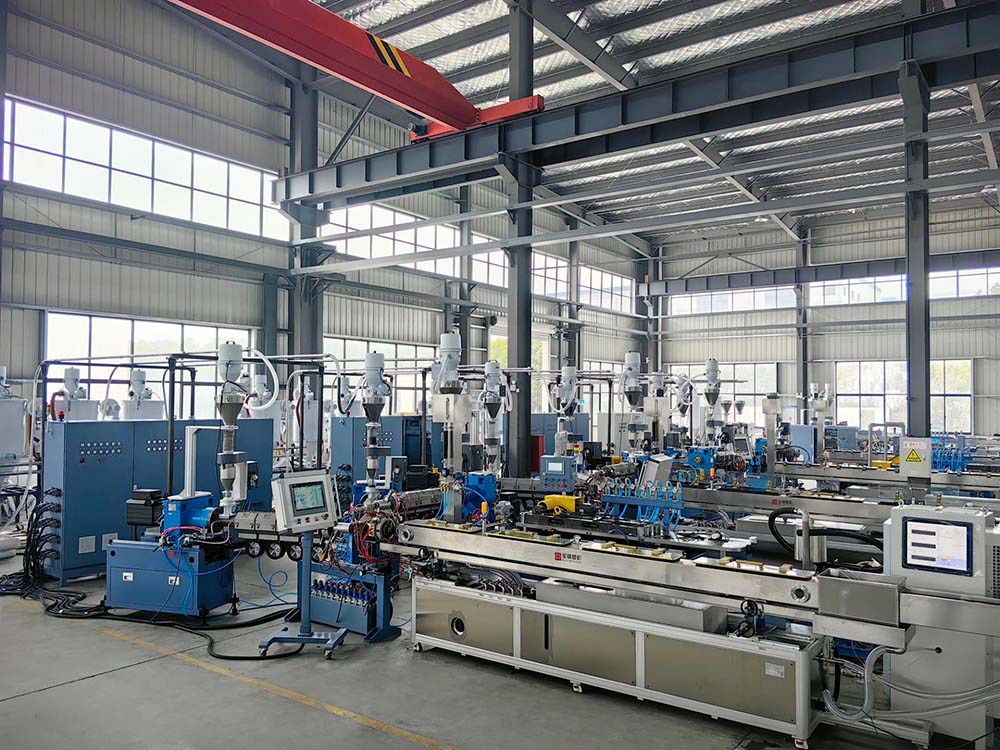
How do the world's most reputable vehicle manufacturers ensure the absolute integrity of every fuel line, brake hose, and cooling pipe buried deep within a vehicle’s chassis? We look at how compliance with DIN, SAE, and ISO standardizations are integrated directly into our machinery's automated closed-loop parameter validation routines.
As the twilight sun reflects off the sleek, aerodynamic curves of a modern electric vehicle parked in a bustling metropolitan street, few observers notice the quiet, critical components ensuring the cabin remains a sanctuary of silence and temperature control. Behind the glass run channels and door seals is a highly automated co-extrusion technology designed for low energy loss and rapid profile changes.
Crucial engineering and procurement answers regarding TPV co-extrusion technologies
Explore our downstream solutions, specialized tube lines, and automated calibration machinery
 Baodie