Explore our industrial-grade, single-screw compounding and extrusion lines configured for specialized applications, medical-grade tolerance management, and complex profile manufacturing.
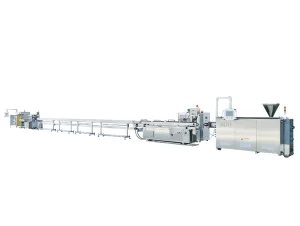
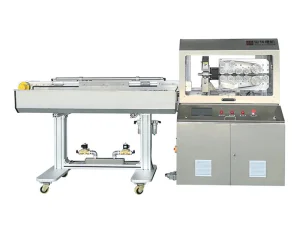
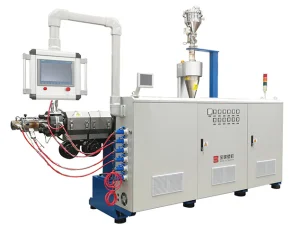
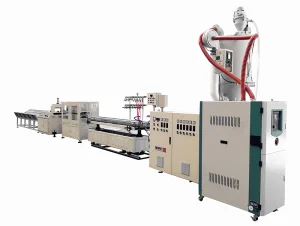
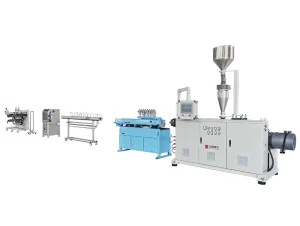
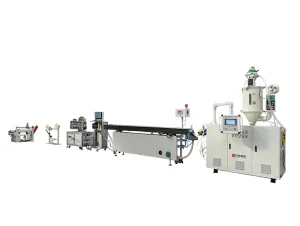
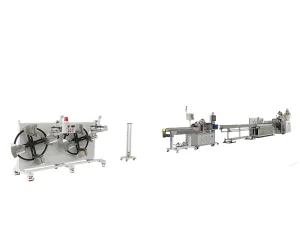
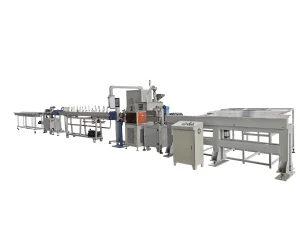
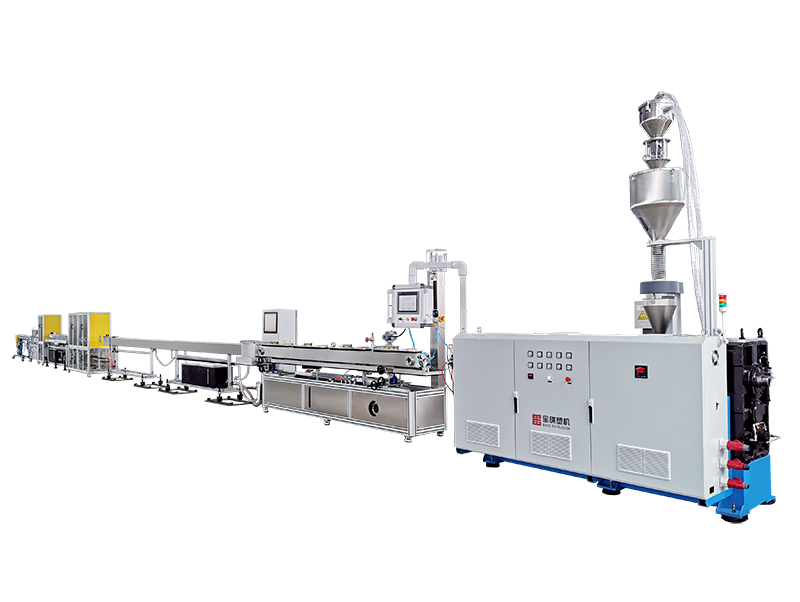
BAOD EXTRUSION (Jiangsu Baodie Automation Equipment Co., Ltd.) founded in 2002, is dedicated to the engineering, manufacturing, and international sales of high-performance plastic extrusion systems. Operating from a foundation built on 25 years of engineering experience originating from the KINGSWEL GROUP (which invested in its manufacturing footprint in mainland Shanghai in 1999), we specialize in high-efficiency custom extruder lines.
Years Engineering Experience
State-Of-The-Art Factory Floor
Specialized Engineers & Staff
An in-depth analysis of the technical innovations, structural shifts, and operational parameters defining the modern PVC single screw extruder market.
The global PVC (Polyvinyl Chloride) extrusion market has entered an era focused on extreme structural precision and sustainable processing. Industrially, PVC is a highly versatile polymer but remains one of the most heat-sensitive materials to process. Unlike polyolefins, PVC has a narrow thermal processing window and is highly susceptible to thermal degradation, releasing corrosive hydrogen chloride (HCl) gas if overheated or subjected to excessive shear stress.
Historically, twin screw extruders dominated mass-production environments like building pipes and wide-profile structural sheets because they provide intensive mixing at lower shear rates. However, modern industrial trends have highlighted the critical value of the PVC Single Screw Extruder, particularly for specialized, precision-centric applications. Sectors such as medical manufacturing (catheters, IV tubing), automotive weatherstripping, and complex co-extrusion profiles demand a highly stable, pulsation-free melt delivery that only a precision-engineered single-screw extruder can consistently deliver.
Globally, demand has shifted toward systems that can run continuously for hundreds of hours with micro-level deviation. This change has transformed single-screw design, focusing on optimized screw geometries, bimetallic linings, and advanced closed-loop sensor networks. Global procurement managers now prioritize extruders not just for raw throughput, but for their thermal stabilization control, energy footprint, and system integration within smart factories.
Precise temperature controls prevent PVC decomposition and hydrochloric gas emission during high-shear operations.
Advanced AC/PM motors dramatically lower kWh-per-kilogram energy consumption during long manufacturing runs.
Critical for medical-grade catheters, aviation cabling, and precision multi-lumen hoses.
The single screw extruder relies on frictional drag to transport solid PVC material forward along the screw channels, slowly converting it to a homogeneous melt through conductive heating from the barrel and viscous dissipation from shear forces. To handle both rigid and flexible PVC (u-PVC and p-PVC), modern Chinese factories design specific screw geometries:
L/D Ratio (Length-to-Diameter Ratio): Modern high-speed lines typically utilize L/D ratios of 25:1 to 30:1. The longer barrel allows for gradual plasticization at lower temperatures, avoiding the local hot spots that lead to PVC degradation. Specialized barrier screws are often integrated, keeping unmelted pellets separated from the melt pool to ensure uniform viscosity at the die head.
Screw & Barrel Metallurgy: Standard nitrided steel (38CrMoAlA) is frequently upgraded with bimetallic coatings to resist both corrosive HCl emissions and abrasive wear from PVC fillers (such as calcium carbonate). High-density cobalt-chrome-nickel alloys are thermal-sprayed onto the screw flights to extend the operational life of the equipment by up to 300% in demanding industrial environments.
The efficiency of Chinese manufacturing in the plastics sector is no longer just about low labor costs. Instead, it is driven by deep industrial integration, highly developed supply chain ecosystems, and massive engineering output. Centered in Jiangsu, near Shanghai, **Jiangsu Baodie Automation Equipment Co., Ltd. (BAOD)** represents the pinnacle of this shift.
China's industrial clusters enable rapid turnaround from conceptual engineering to physical machine assembly. At BAOD, our 16,000 square meter factory combines CNC vertical machining centers, precision cylindrical grinding mills, and testing facilities under one roof. Our internal coordination with local raw steel suppliers, specialized electrical component manufacturers, and digital controller firms allows us to produce bespoke extrusion setups in a fraction of the time required by Western competitors.
Furthermore, this supply chain integration yields a substantial cost-performance ratio advantage. Chinese factories can utilize premium global components—such as Siemens PLC control units, Omron temperature regulators, and ABB motor drives—while maintaining overall system pricing that is highly competitive. This makes precision extrusion lines accessible to emerging markets and established global firms looking to optimize capital expenditures (CAPEX).
Precision single-screw systems from manufacturers like BAOD are utilized in high-stakes fields globally:
For international buyers looking to purchase a PVC single-screw extrusion setup, writing an effective Request for Proposal (RFP) requires identifying key parameters to ensure high performance and long-term reliability. Below is a checklist of critical factors for evaluating extrusion lines:
| Specification | Minimum Standard | Technical Rationale |
|---|---|---|
| Screw Metallurgy | Bimetallic (Colmonoy or Tungsten Carbide) | Prevents wear from abrasive calcium carbonate (CaCO3) fillers and acidic PVC melt. |
| L/D Ratio Range | 28:1 to 30:1 with vacuum degassing | Ensures complete plasticization and venting of trapped air, moisture, and volatile monomers. |
| Motor Control | Saves significant energy over traditional DC drives while providing precise torque. | |
| Temperature Tolerance | ±1.0°C via SSR / PID loop controllers | Critical for preventing rapid thermal degradation of the PVC compound in the barrel. |
The transition toward Industry 4.0 has had a major impact on plastic extrusion machinery. Today, modern lines feature complete Ethernet/IP or Modbus TCP integration, allowing operators to monitor the status of every heater band, motor, puller, and cutter from a central SCADA network.
AI-driven Closed-Loop Calibration: By combining laser outer diameter (OD) gauges and wall-thickness sensors downstream with the extruder's PLC, the screw speed and puller tension can adjust dynamically. This automated calibration compensates for minor material variations, reducing scrap rates and raw material waste during startup and long production runs.
Processing Post-Consumer Recycled PVC: Driven by global carbon reduction goals, extrusion lines must be capable of processing PCR (Post-Consumer Recycled) PVC compounds. Modern single-screw designs incorporate multi-stage vacuum degassing and customized melt filtration units to handle the impurities and volatile outgassings typical of recycled feeds.
Stay informed with technical breakthroughs, international compliance updates, and field reports from major trade exhibitions.
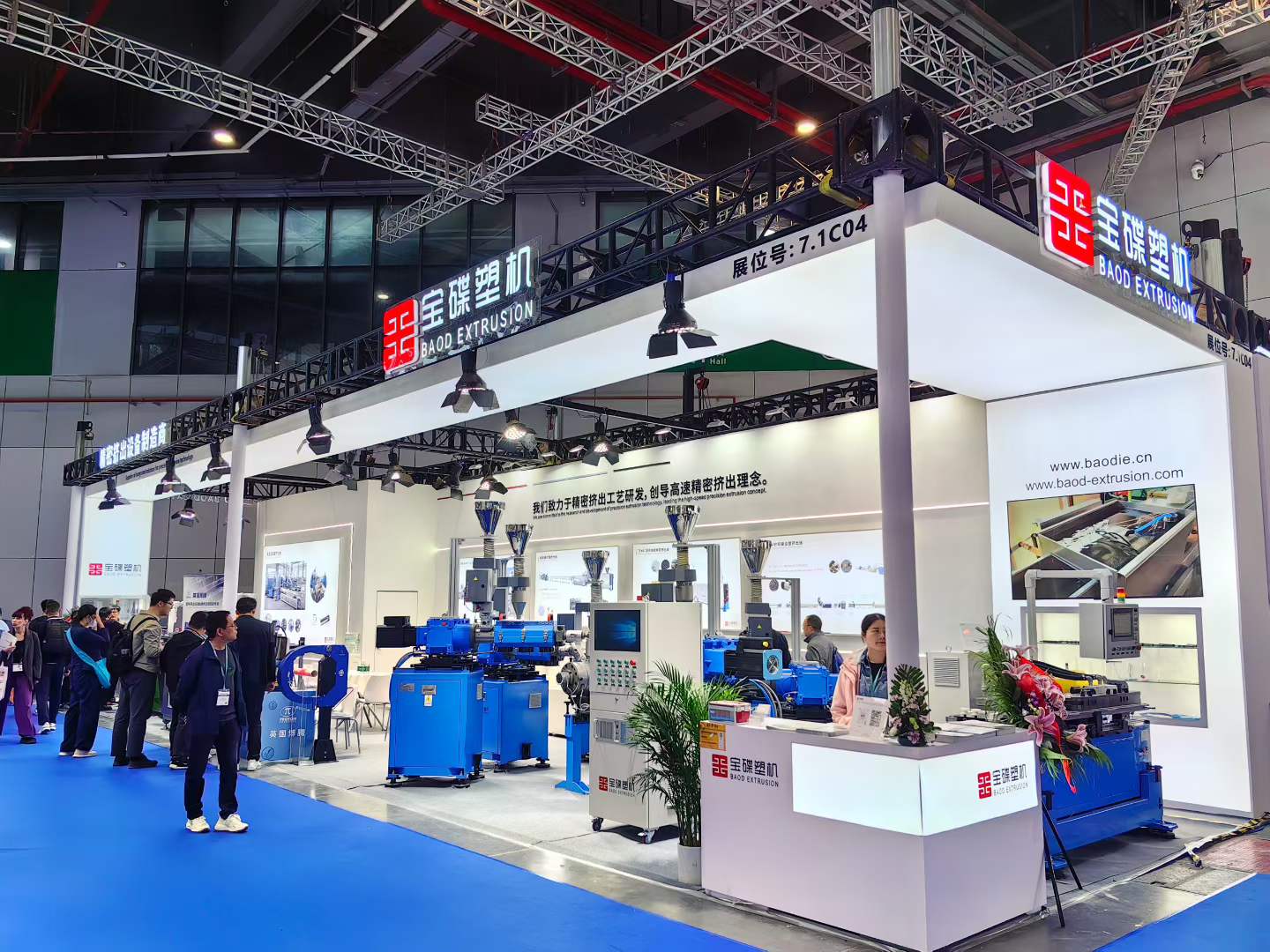
From April 21–24, CHINAPLAS 2026 was successfully held at the National Exhibition and Convention Center in Shanghai. BAOD EXTRUSION presented its latest R&D achievements in smart extrusion and high-efficiency solutions at Booth 7.1C04.
Read Full Post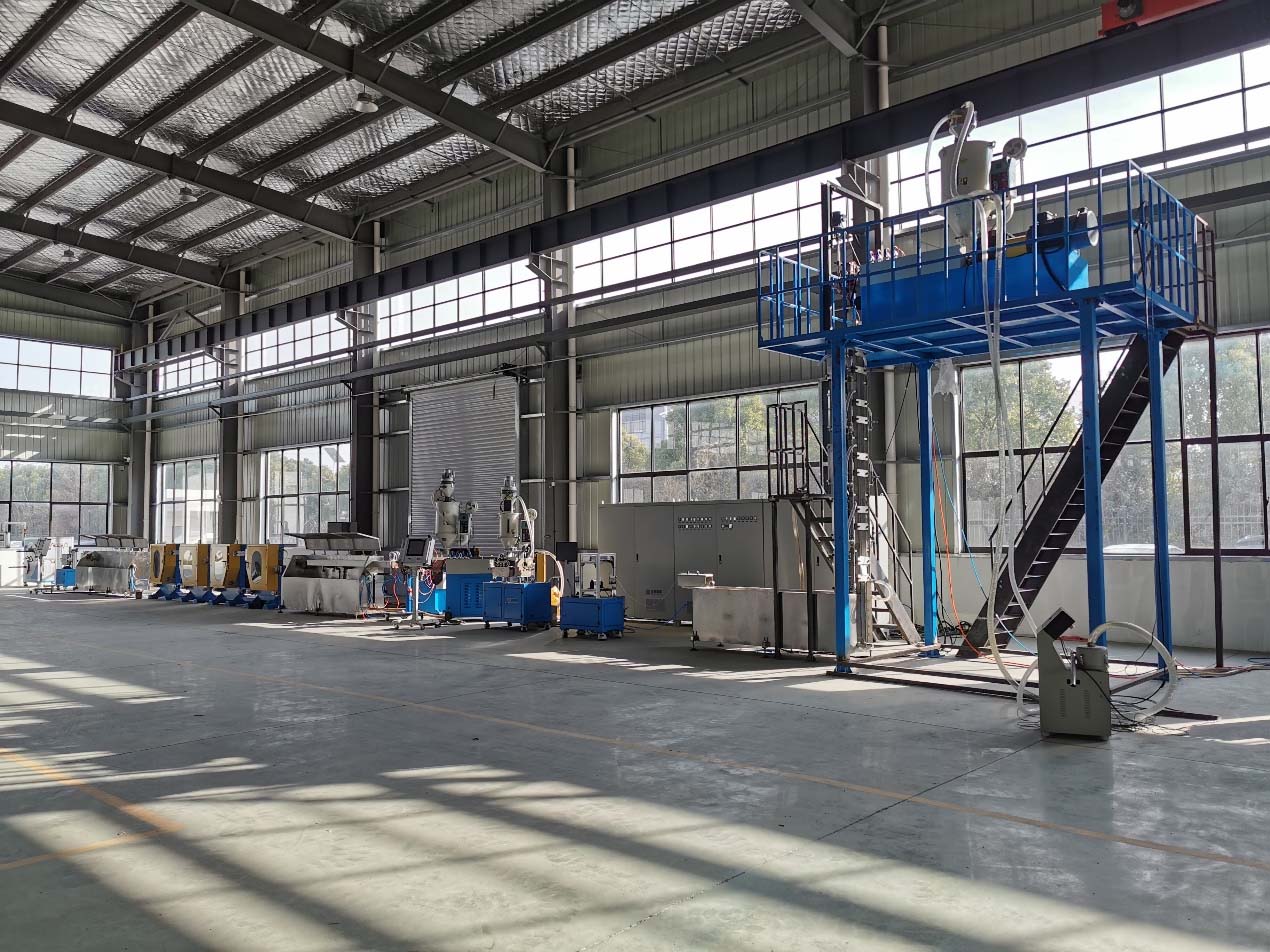
In high-stakes industries like mining and infrastructure demolition, precision-engineered detonating tubes require strict quality control and micro-level consistency. Discover how BAOD systems deliver the necessary reliability.
Read Full Post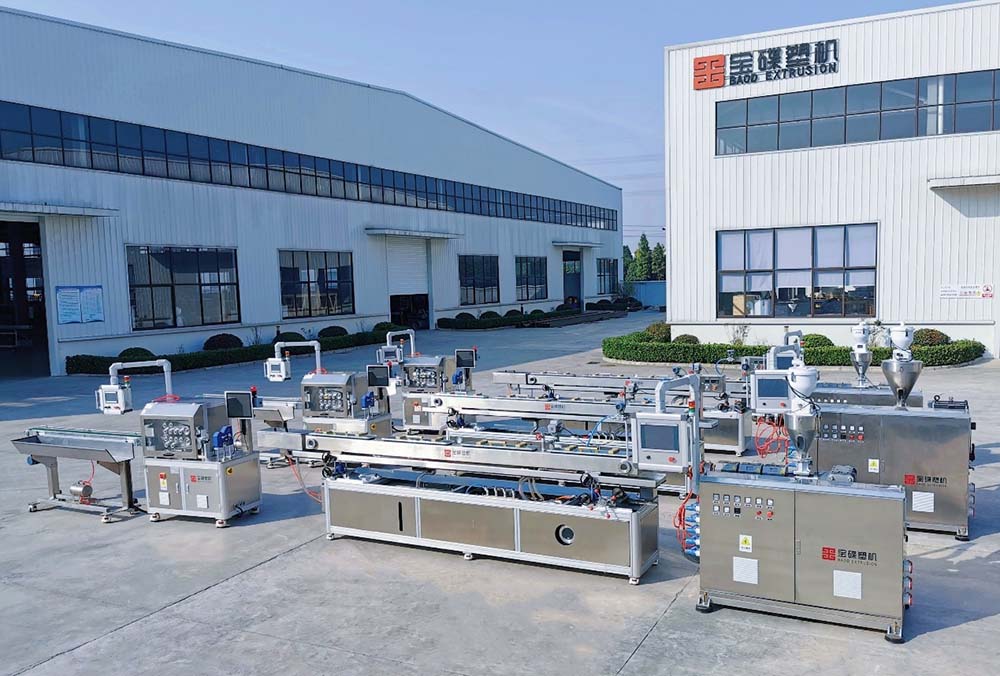
A comparison of technical specifications, manufacturing tolerances, and compliance standards for medical catheter production lines between Chinese manufacturers and European counterparts.
Read Full Post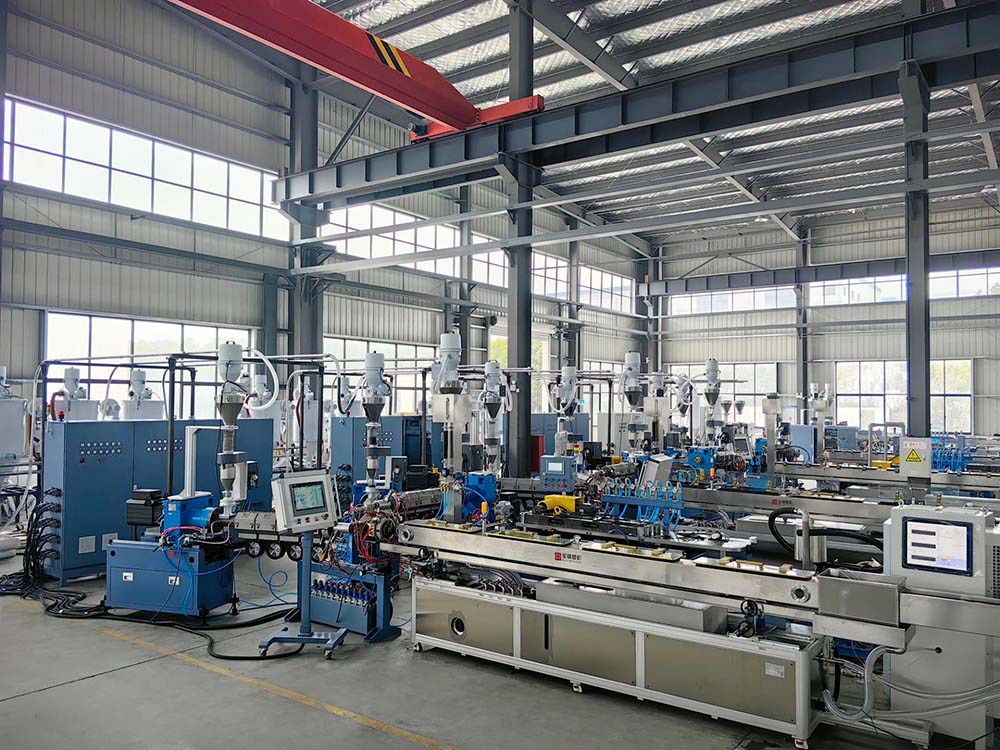
An in-depth look at the safety and quality standards required for automotive fluid-transfer systems, and the testing protocols BAOD uses to maintain international compliance.
Read Full Post
Examining the growth of automated, multi-material co-extrusion systems designed for modern electric vehicles, focusing on energy efficiency and tight tolerance control.
Read Full PostGet answers to common technical, mechanical, and logistical questions about sourcing and operating single-screw extruders.
While twin-screw extruders are ideal for compounding raw materials and high-volume, standard profiles, single-screw extruders excel at precision applications like medical-grade tubing. They provide highly stable pressure at the die head with minimal pulsation, ensuring consistent wall thickness and tight dimensions.
We prevent thermal degradation through custom screw geometries with balanced L/D ratios (28:1 to 30:1), multi-zone cooling systems (combining cast aluminum heaters and quiet cooling fans), and highly precise PID temperature loop controls.
For abrasive materials containing high levels of calcium carbonate or pigments, we apply high-density bimetallic liners to the barrel and hardface the screw flights with cobalt-chrome alloys to significantly extend operational life.
Yes. All our electrical cabinets, motors, and control units are configured to match local voltage specifications (e.g., 380V/50Hz/3P, 460V/60Hz/3P, or 220V/60Hz/3P) and comply with CE and UL requirements.
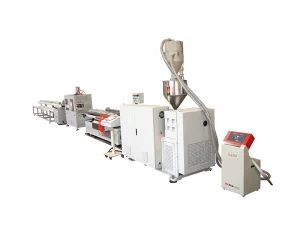
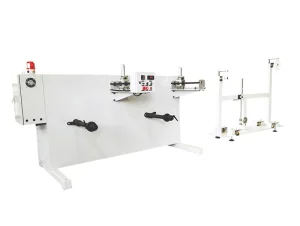
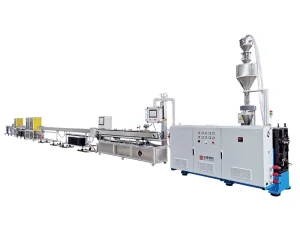
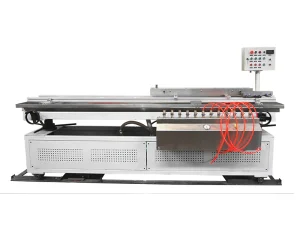
Explore additional high-performance solutions, including specialized downstream components, secondary winding equipment, and multi-layer composite extrusion setups.
 Baodie