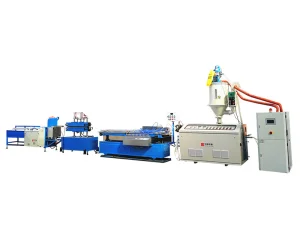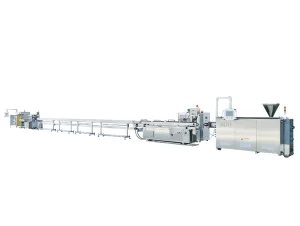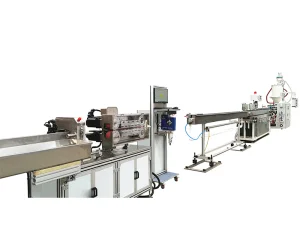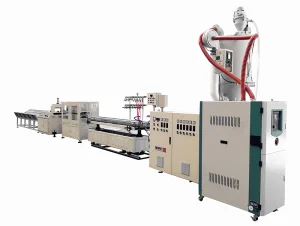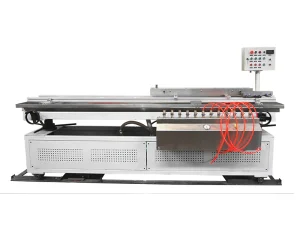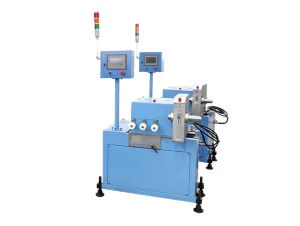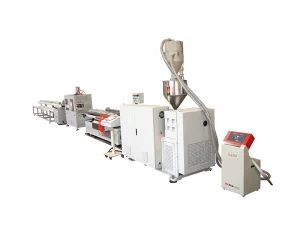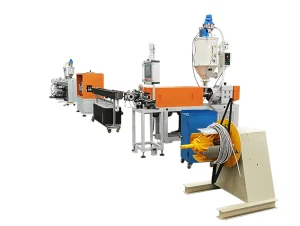
BAOD EXTRUSION (Jiangsu Baodie Automation Equipment Co., Ltd.), founded in 2002, is an industry-leading high-tech enterprise dedicated to the design, manufacturing, optimization, and sales of high-end plastic extrusion machinery. Leveraging over 25 years of design and manufacturing experience in custom profile extrusion, the original parent company (KINGSWEL GROUP) laid the groundwork in 1999 by establishing a key extrusion base in Shanghai, subsequently scaling up production to modern intelligent manufacturing centers.
We pride ourselves on engineering complex, high-precision turnkey lines capable of managing difficult polymers. Our long-term research and development focus revolves around four main technical pillars:
The plastic profile extrusion process is a continuous, high-volume manufacturing method used to convert thermoplastic materials into complex, constant-cross-section shapes. Unlike simple tubing, profile extrusion relies on highly intricate die geometries, precise thermo-rheological simulations, and advanced calibration systems. As global industries migrate toward stricter tolerance limits, the technology behind extrusion lines has undergone an intelligent paradigm shift.
At the center of profile extrusion is the die design. Because polymer melts exhibit non-Newtonian flow behavior, shear stress and die swell can lead to dimensional distortions at the discharge gate. High-end Chinese manufacturers utilize computational fluid dynamics (CFD) modeling to map velocity profiles within the flow channels. Controlling the 'land length' (the final straight section of the die) ensures that the melt orientation relaxes sufficiently, minimizing residual stresses that cause profile warping during the cooling phase.
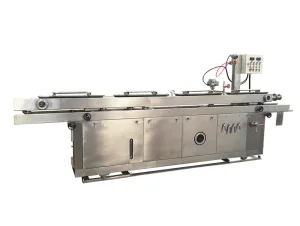
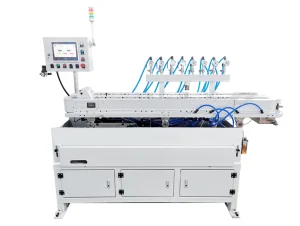
Once the melted polymer exits the die, it enters the vacuum sizing and calibration stage. To achieve strict geometric tolerances (often within ±0.05mm), precise vacuum calibration tables—such as the custom-designed auto vacuum sizing tanks—are employed. Water-jacketed sizing calibrators apply a uniform vacuum pull to hold the hot profile against precision-machined templates, while a highly controlled water temperature loop solidifies the polymer. Maintaining a strict cooling gradient prevents internal void formation, skin cracking, and differential shrinkage, particularly in amorphous polymers like PVC or engineering plastics like TPU and UHMWPE.
Optimized for processing a wide range of polymers including rigid/flexible PVC, PP, PE, PA, TPU, TPV, and specialized UHMWPE formulations.
PLC-integrated closed-loop configurations adjust puller speed and vacuum pressure dynamically to match continuous output metrics.
Utilizing premium grade DIN-1.2316 steel or hardened chrome-plated alloys to prevent wear from corrosive outgassing during extrusion.
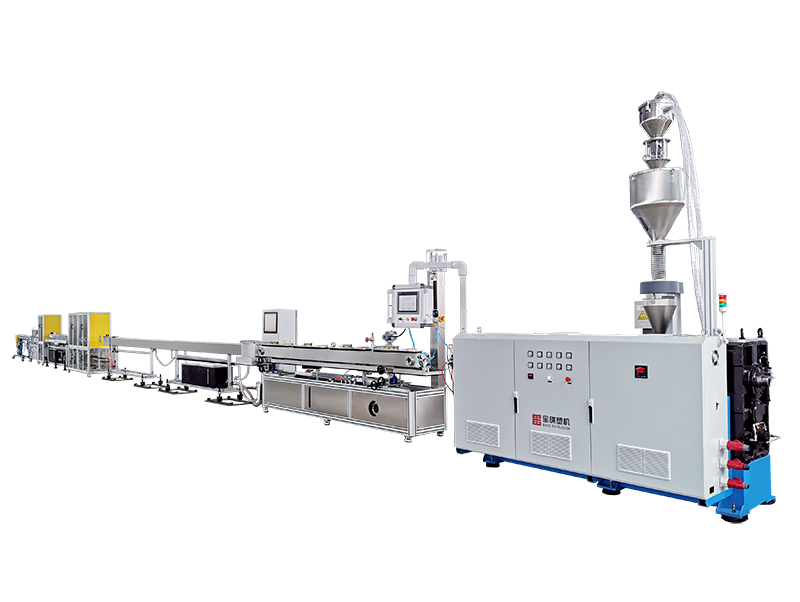
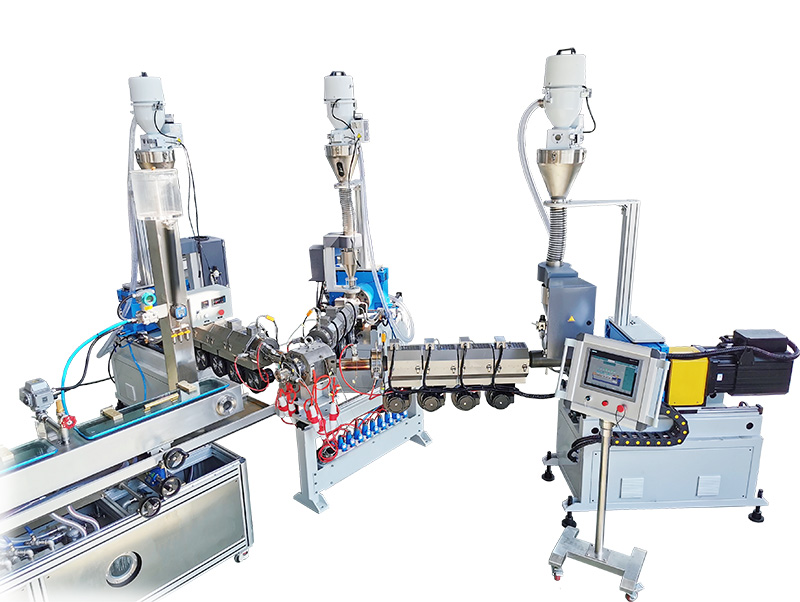
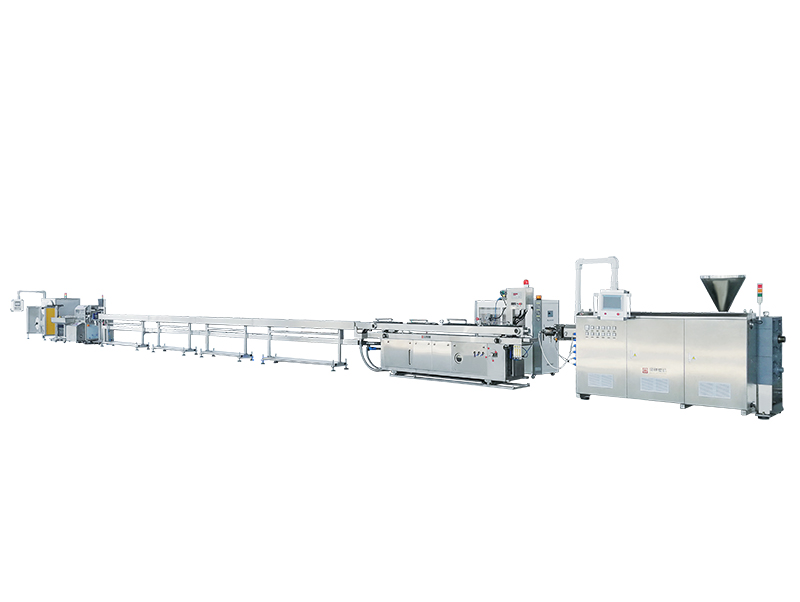
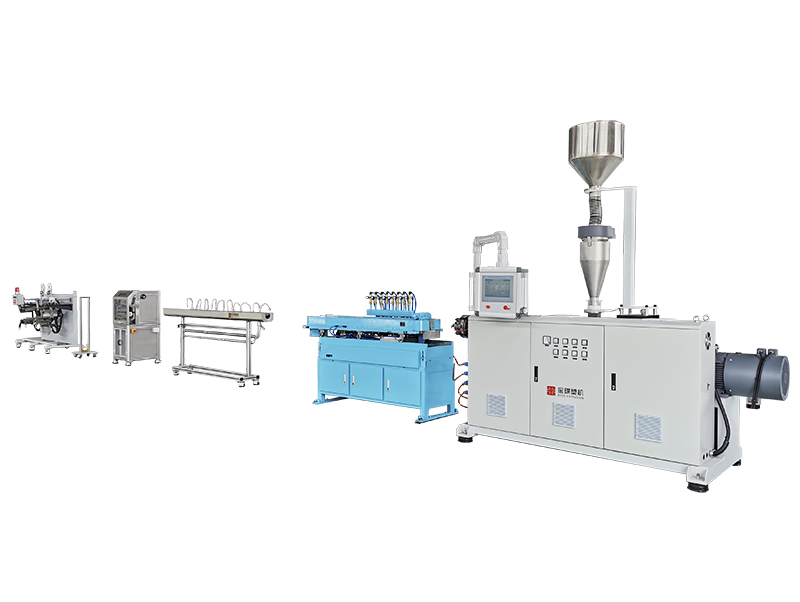
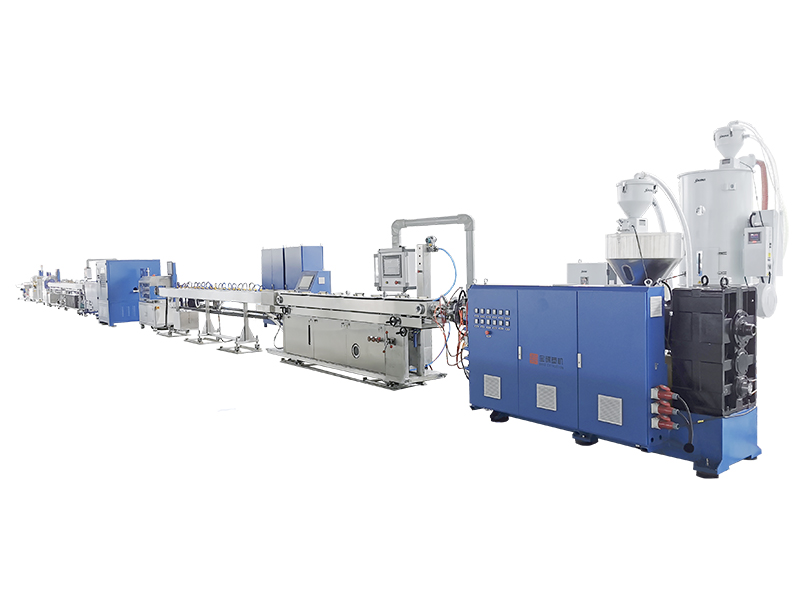

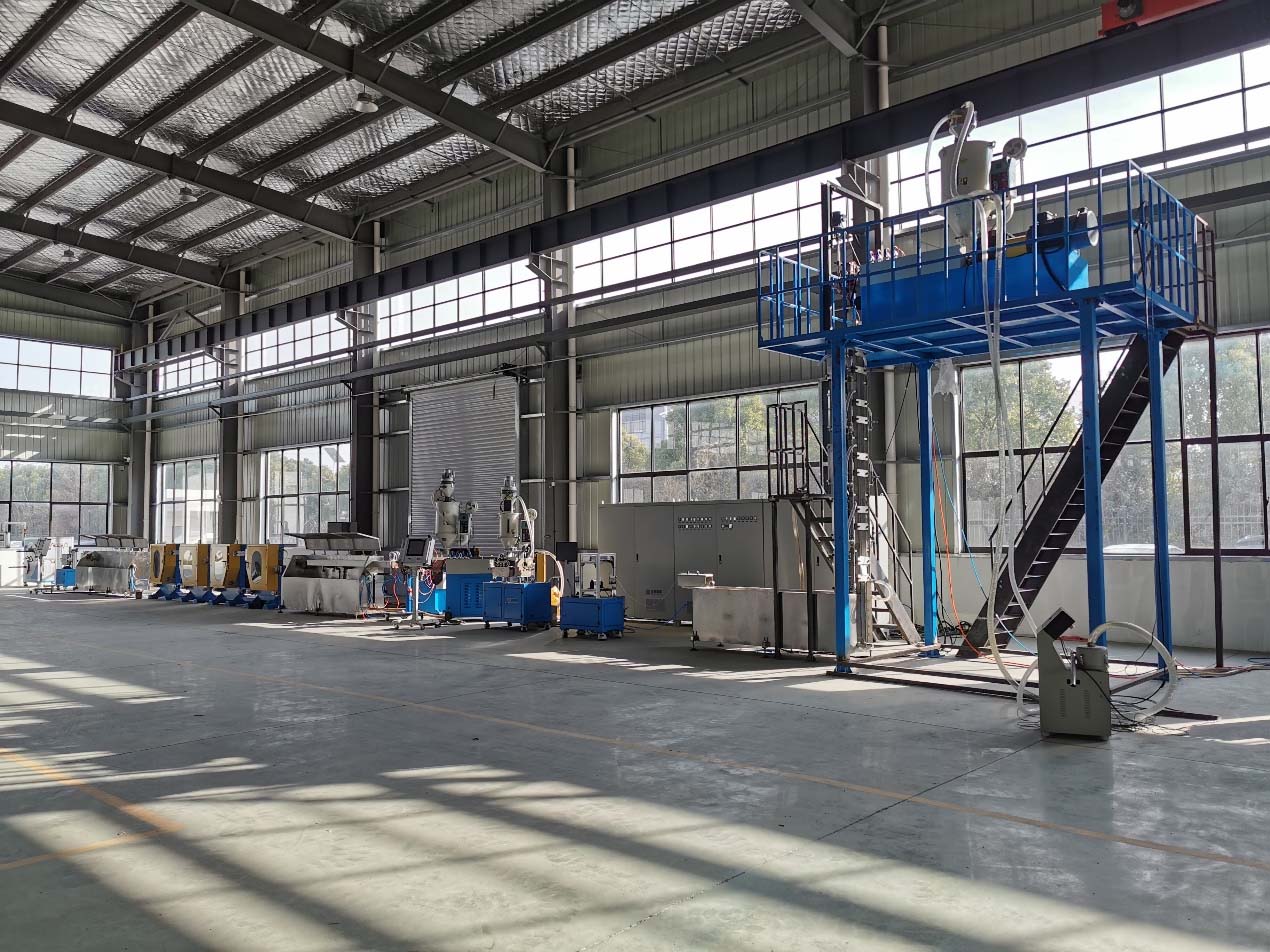
For global procurement managers and process engineers, sourcing profile extrusion lines from advanced Chinese manufacturers like BAOD Extrusion provides unique strategic benefits that extend beyond cost reduction.
East China, particularly Jiangsu and Shanghai, acts as a primary global hub for precision machinery. We source advanced heating components, digital PLC controls (such as Siemens or Omron), and premium alloy steel within a tight industrial cluster. This close integration reduces lead times for complex custom lines to a fraction of the time required by European competitors.
Standard machines rarely meet the needs of custom profile applications. Chinese factories excel in engineering custom co-extrusion crossheads, calibrators for multi-lumen profiles, and inline fabric reinforcement setups. The speed of prototyping and testing custom tooling geometries allows our clients to complete design iterations rapidly.
By blending Taiwanese design methodologies with localized component supply chains and highly efficient assembly practices, BAOD delivers machinery that matches European mechanical performance metrics while optimizing capital expenditures for global buyers.
Continuous co-extrusion of TPV, EPDM, and PVC for complex sealing profiles, dynamic weatherstrips, glass run channels, and sponge rubber profiles with integrated metal carriers.
Ultra-sterile high-speed PVC, TPU, and PE extrusion lines engineered for multi-lumen catheters, IV tubes, peristaltic pump tubes, and surgical suction lines under strict cleanroom guidelines.
Heavy-duty multi-layer polyamide (PA) smooth or corrugated hoses designed to withstand high pressure, corrosive chemicals, and high-temperature environments in automotive engines.
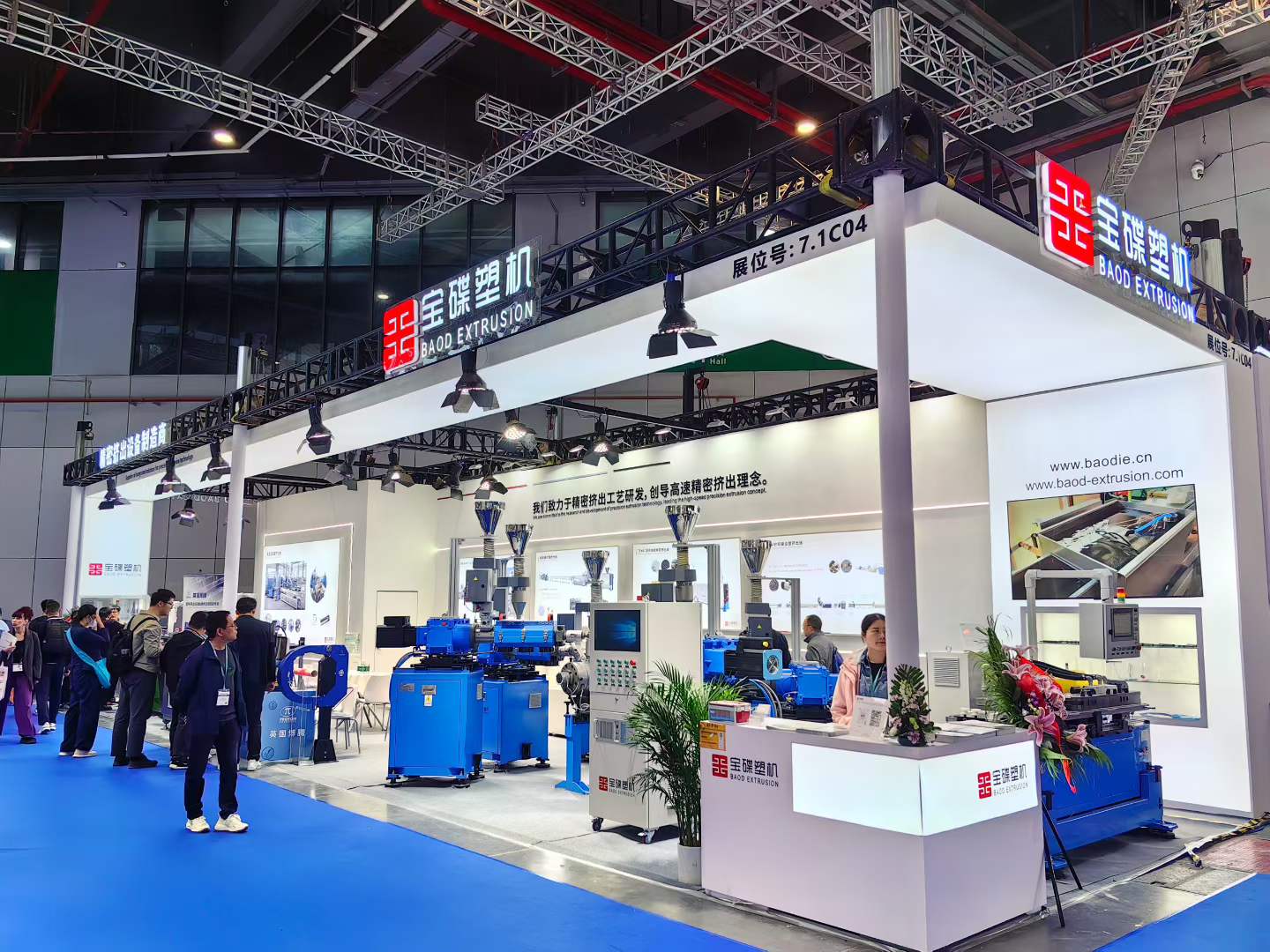
BAOD EXTRUSION presented its latest R&D achievements at Booth 7.1C04, showcasing smart extrusion systems. The event highlighted automated closed-loop parameter control and green processing options designed for next-generation circular polymers.
Specialized co-extrusion technology for highly sensitive blasting tubes. Discover how our system ensures consistent internal diameters and wall thicknesses to meet explosive safety parameters.
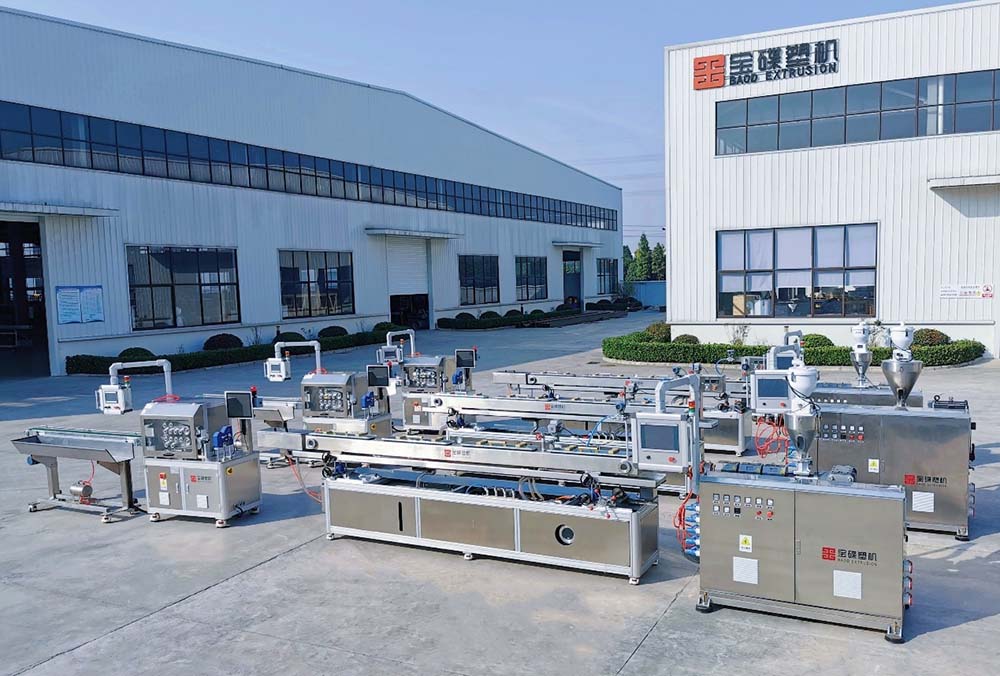
An in-depth analysis of calibration methods, material handling, and dimensional tolerances. Learn how BAOD achieves precision metrics comparable to European machines through advanced tooling and melt pressure control.
Dimensional variation is usually caused by fluctuations in melt pressure, inconsistent screw rotation, temperature variations along the barrel, or variations in haul-off speed. Implementing gravimetric feeding systems, maintaining melt pumps, and using closed-loop PLC systems help minimize these variations.
Vacuum calibration uses a vacuum calibrator inside a cooling tank to hold the molten shape against sizing templates. This rapid cooling and controlled pressure hold the shape to tight tolerances and prevent the profile from collapsing or warping as it solidifies.
Co-extrusion combines two or more different polymer materials into a single profile. This is common in sealing profiles where a rigid backing polymer is co-extruded with a soft sealing bulb, or when combining recycled plastic with a high-grade outer surface layer.
Highly viscous materials like UHMWPE cannot be processed using standard single-screw configurations. They require custom low-shear screws, high-torque gearboxes, and precise heating zones to melt the polymer evenly without degradation.
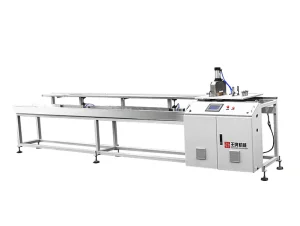
The cutting method depends on the profile shape and hardness. Soft tubes are cut using high-speed rotary fly knife cutters, while rigid profiles and pipes require follow-up saw blade cutters to achieve clean, burr-free cuts.
Our machines are built to meet CE and ISO 9001:2015 standards. We use international electrical components, high-grade tooling alloys, and run extensive factory acceptance testing (FAT) to verify mechanical performance before shipping.
 Baodie