High-performance custom extrusion lines configured for specialized industrial polymers, including PA, PE, PP, PVC, and TPV.
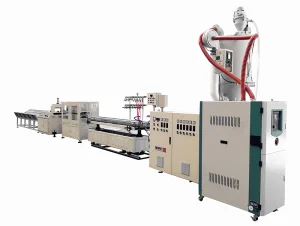
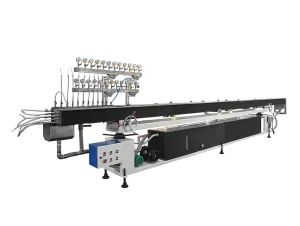
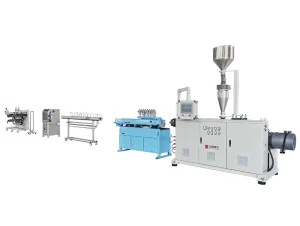
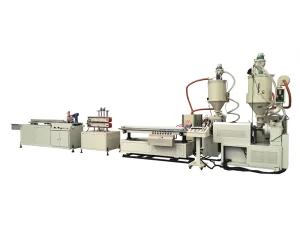
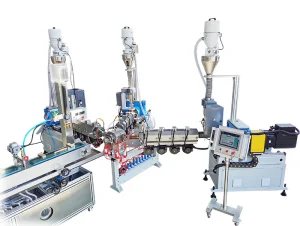
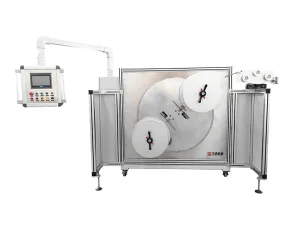
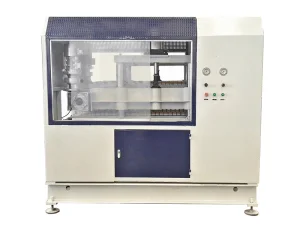
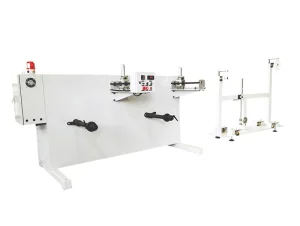
In modern industrial manufacturing, plastic profile extrusion has transitioned from simple component shaping to a highly specialized discipline demanding micrometer-level precision. Globally, sectors such as automotive, medical devices, aerospace, and construction demand profiles with complex geometries, co-extruded cross-sections, and multiple material layers. Achieving structural integrity while maintaining high throughput and energy efficiency remains the key competitive advantage for global manufacturers.
Historically, profile extrusion systems suffered from melt-flow instability, poor cooling control, and inconsistent puller speed matching, leading to significant material wastage and dimensional variations. Today, the integration of advanced gravimetric feeding systems, closed-loop telemetry, and high-performance calibration units allows manufacturers to extrude challenging engineering plastics—such as Fluoropolymers, Thermoplastic Vulcanizates (TPV), Thermoplastic Polyurethanes (TPU), Polyetheretherketone (PEEK), and Multilayer Polyamides (PA)—at high linear speeds without sacrificing dimensional stability.
"To succeed in a highly automated global landscape, profile extrusion machinery must transcend standard thermal shaping. Success lies in continuous micro-precision calibration and adaptive, sensor-driven downstream controls that ensure consistent profile properties under variable raw material grades."
This technical whitepaper examines the design principles, technological integrations, and performance frameworks engineered by Jiangsu Baodie Automation Equipment Co., Ltd. (BAOD EXTRUSION) to meet these demanding global standards.
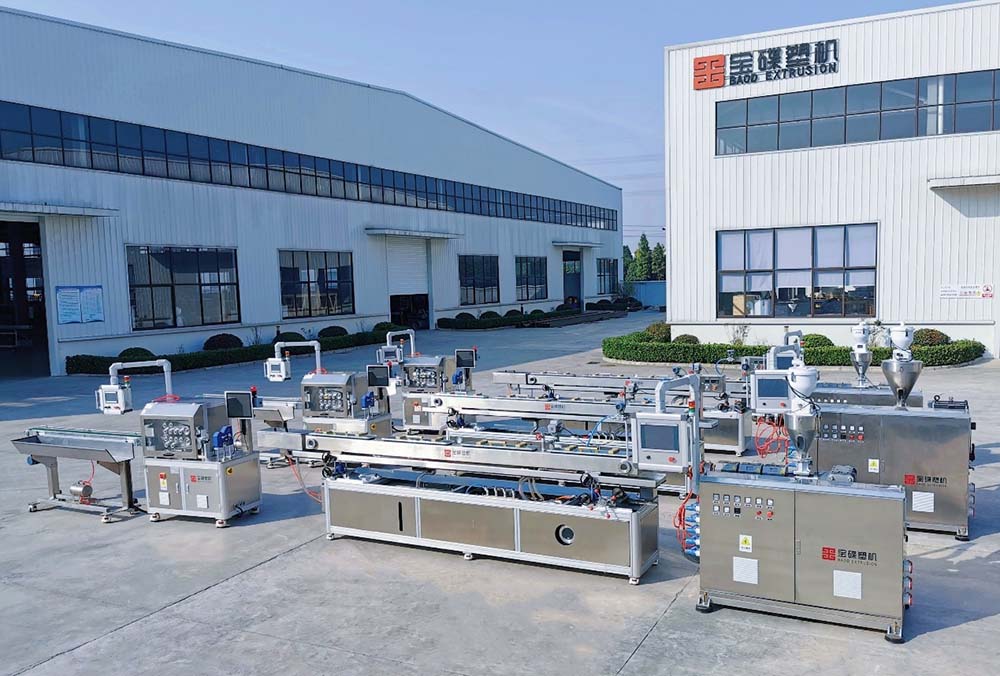
BAOD EXTRUSION (Jiangsu Baodie Automation Equipment Co., Ltd.), founded in 2002, is dedicated to designing, manufacturing, and selling plastic extrusion equipment. Based on 18 years of experience designing and fabricating high-quality machines in Taiwan, our original parent company (KINGSWEL GROUP) invested in establishing our mainland China extrusion machines manufacturing base in Shanghai in 1999.
With 25 years of experience in plastic extrusion design and manufacturing, our team maintains a long-term research and development focus on:
Our flagship manufacturing systems engineered for high speed, stability, and maximum dimensional control.
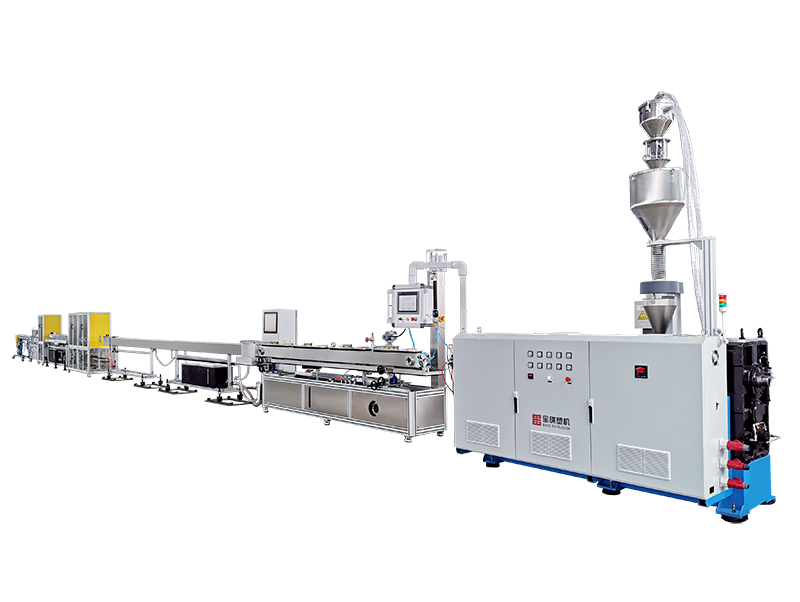
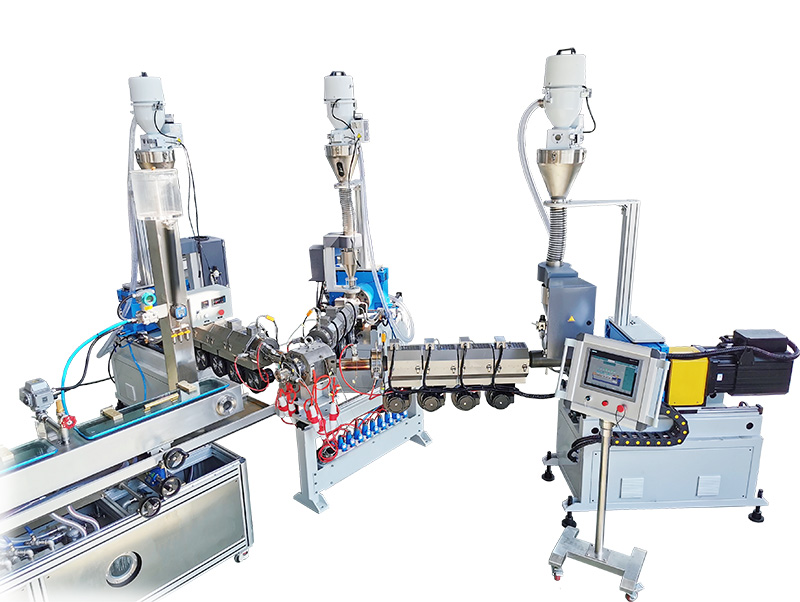
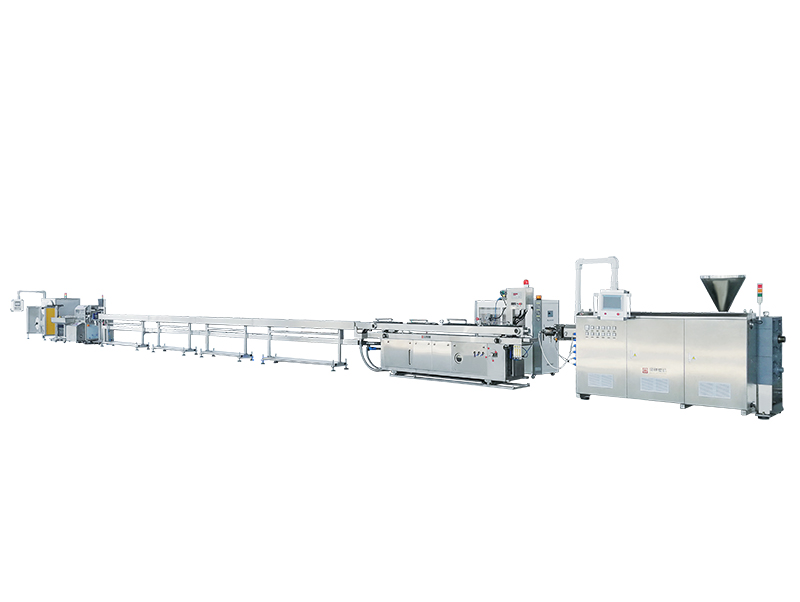
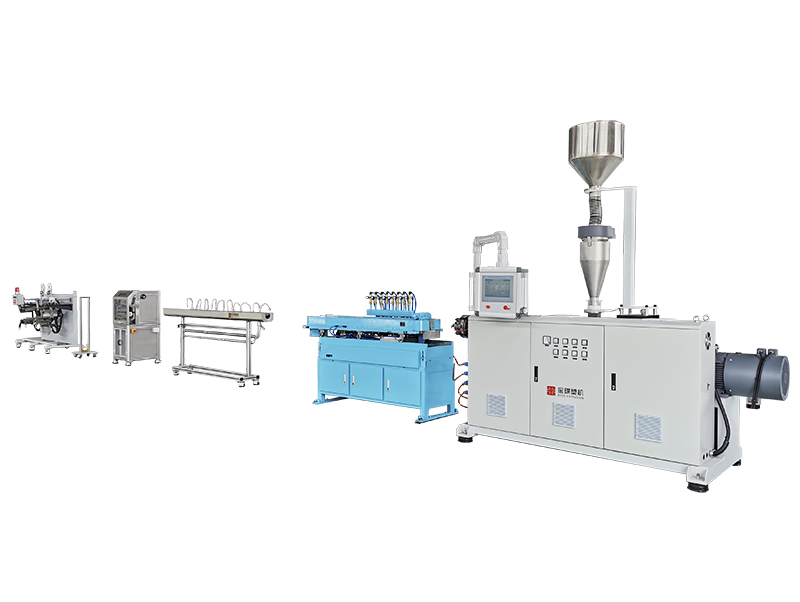
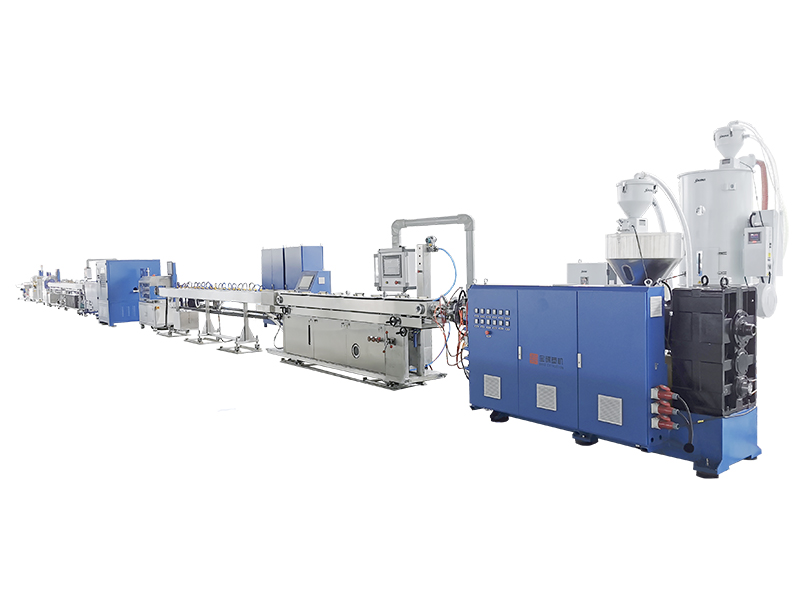
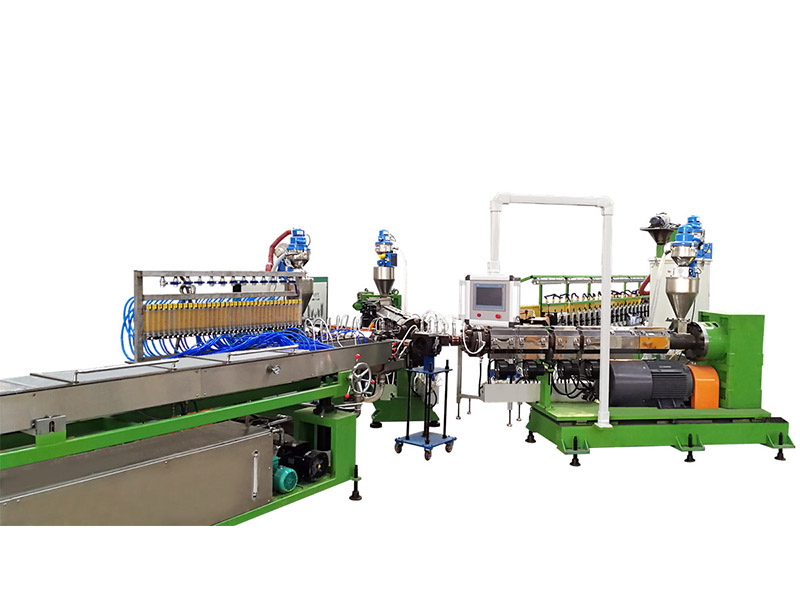
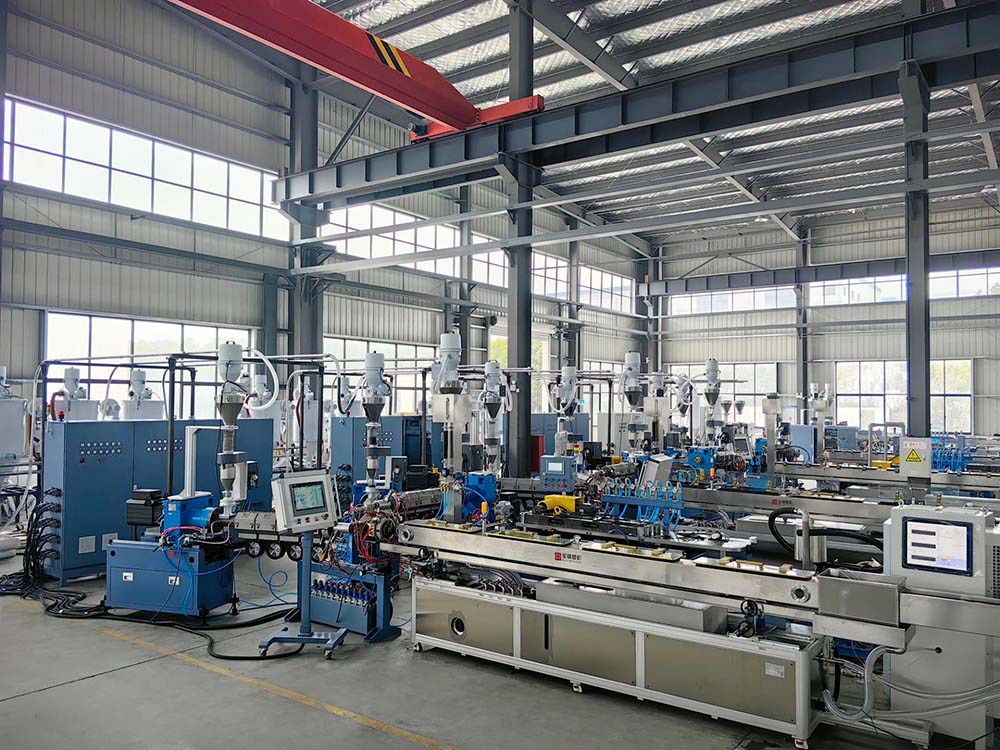
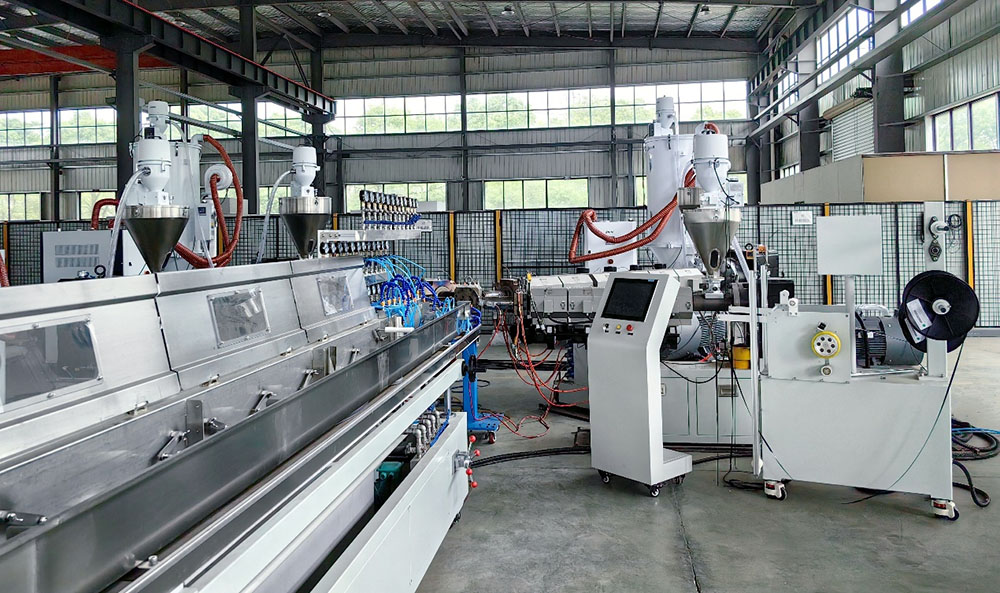
BAOD EXTRUSION does not merely manufacture machinery; we architect complete turnkey production environments optimized for specialized target applications. Plastic profile extruders require tailored downstream integrations to accommodate the unique physical behaviors of polymers during melt and cooling phases.
Modern automotive sealings and weatherstrips demand dynamic cross-linking and multi-material integration. Our custom extrusion systems achieve high-adhesion co-extrusion, bonding rigid ABS or PP structural carriers with flexible TPV or PVC sealing lips. Equipped with online flocking, metal-strip insertion, and precise punching stations, the line ensures the output profile meets tight automotive dimensional standards.
Medical tubes require absolute sterile integrity and dimensional tolerances within ±0.01 mm. The BAOD high-speed PVC/TPU medical line utilizes a vacuum-regulated sizing chamber and a micro-meter gear pump. This setup guarantees that internal multi-lumen geometries remain perfectly concentric, avoiding kink hazards and maintaining stable volumetric flows for drug-delivery applications.
Lampshades and diffusion profiles demand defect-free surface finishes and uniform wall thicknesses to prevent optical distortion. Our PC/PMMA extrusion line utilizes specialized screw geometries designed to reduce shear heat, preventing material degradation and discoloration. The vacuum sizing system uses mirror-polished calibrators to achieve a gloss finish.
| Profile Application | Core Materials | Tolerance Limits | Key Downstream Integration |
|---|---|---|---|
| Automotive Sealing Strip | TPV, PVC, EPDM, PP | ±0.15 mm | Metal carrier insertion, Crawler puller, Punching unit |
| Medical Multi-Lumen Tube | TPU, PEBAX, PVC | ±0.01 mm | Micro-gear pump, Low-vacuum sizing, Laser OD gauge |
| Optical Diffuser/Lampshade | PC, PMMA, PS | ±0.08 mm | High-gloss mirror calibrator, Rotary fly-knife cutter |
| Industrial Steel-Wire Coating | PE, PVC, PA | ±0.20 mm | Wire pre-heater, High-pressure crosshead co-extrusion |
Global procurement teams face challenges when purchasing extrusion lines from China, such as differences in electrical standards, safety regulations, and post-sales technical support. BAOD EXTRUSION bridges these gaps by aligning our manufacturing processes with international standards.
Every extrusion system is designed according to CE regulations (EN 201 safety guidelines for plastics machinery) and UL electrical code standards. We feature dual-channel safety loops, emergency stop networks, and isolated high-voltage enclosures.
Components in contact with raw materials are treated with wear-resistant and anti-corrosive coatings, such as bimetallic barrels and nitrided screws. This extends the service life when extruding corrosive polymers like PVC, fluoropolymers, or abrasive glass-filled compounds.
Our control panels feature built-in secure VPN routers. If a system requires troubleshooting or optimization, our engineering team in China can access the PLC interface, perform diagnostics, and adjust PLC parameters remotely, reducing unscheduled downtime.
The plastic extrusion industry is moving away from manual adjustments in favor of automated, closed-loop control systems. Our R&D pipeline focuses on integrating intelligent features that improve overall equipment effectiveness (OEE) and minimize startup times.
Using predictive thermal modeling, the extruder's PLC dynamically adjusts barrel heating and cooling zones based on melt pressure and shear viscosity. This minimizes thermal spikes, preventing polymer degradation and reducing energy consumption by up to 20% compared to conventional systems.
Our sizing systems integrate with multi-axis laser measuring gauges positioned after the vacuum cooling tank. If the outer diameter or wall thickness deviates from target specifications, the system automatically adjusts the puller speed or melt pump throughput to bring dimensions back within tolerance.
By monitoring screw torque, motor currents, vibration metrics, and temperature profiles, the system alerts operators when components like heater bands, screw segments, or puller belts show signs of wear, preventing unexpected breakdowns.
Answers to common engineering questions regarding custom profile extrusion lines, calibration systems, and support options.
Complementary cutting, wrapping, and high-pressure wire-coating lines designed to complete your profile extrusion plant.
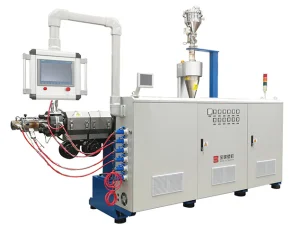
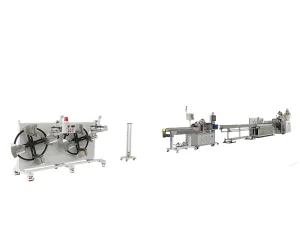
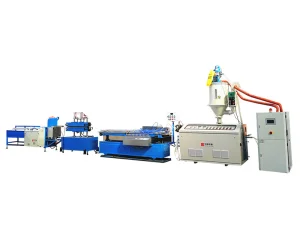
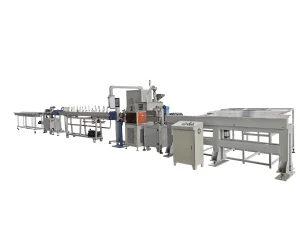
Read updates, event recaps, and detailed technical comparisons from the engineers at BAOD EXTRUSION.
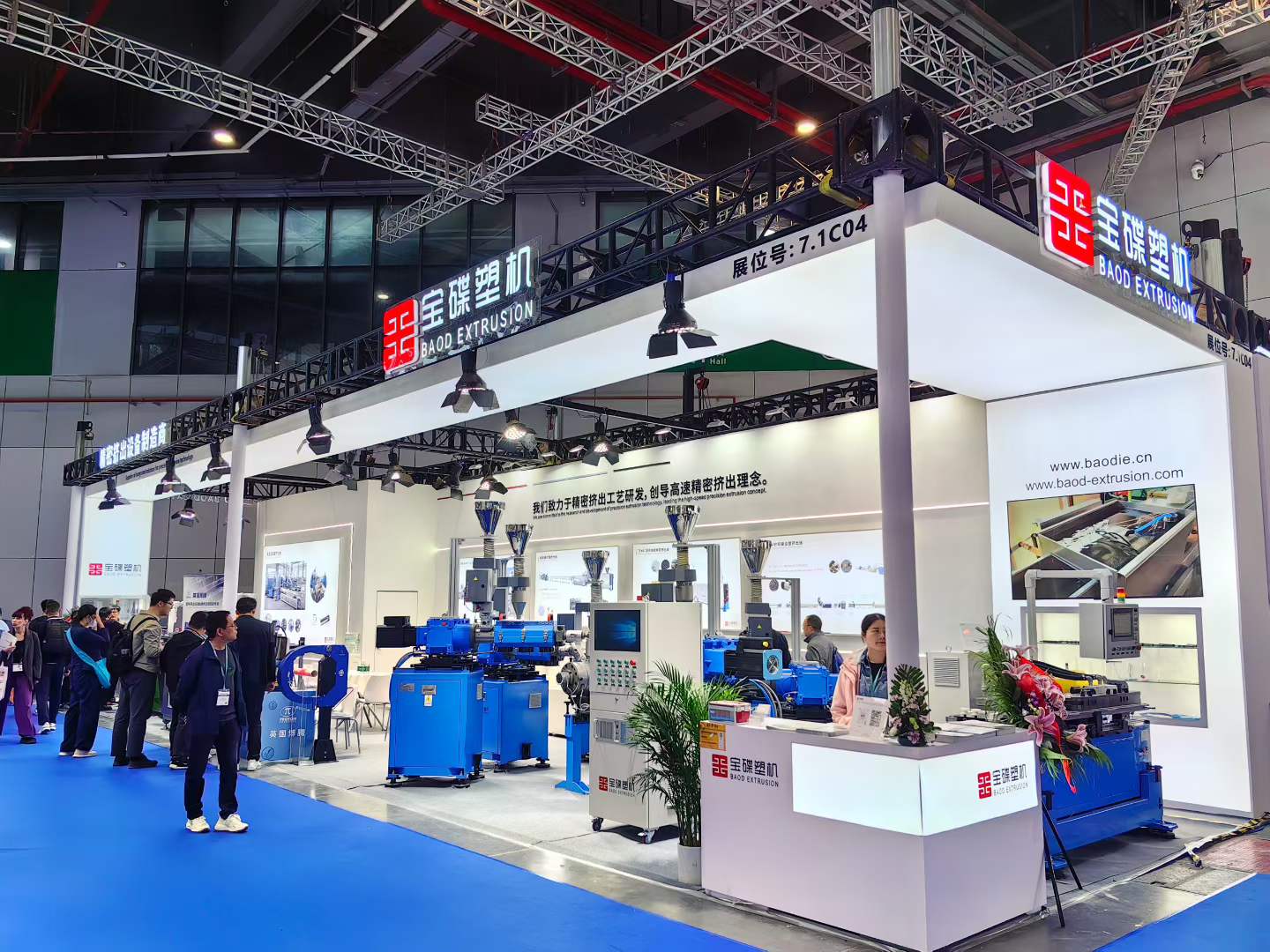
From April 21–24, CHINAPLAS 2026 was successfully held at the National Exhibition and Convention Center (Shanghai, Hongqiao). BAOD EXTRUSION showcased its latest R&D achievements at Booth 7.1C04, presenting "Smart Extrusion & High-Efficiency Innovation" solutions that...
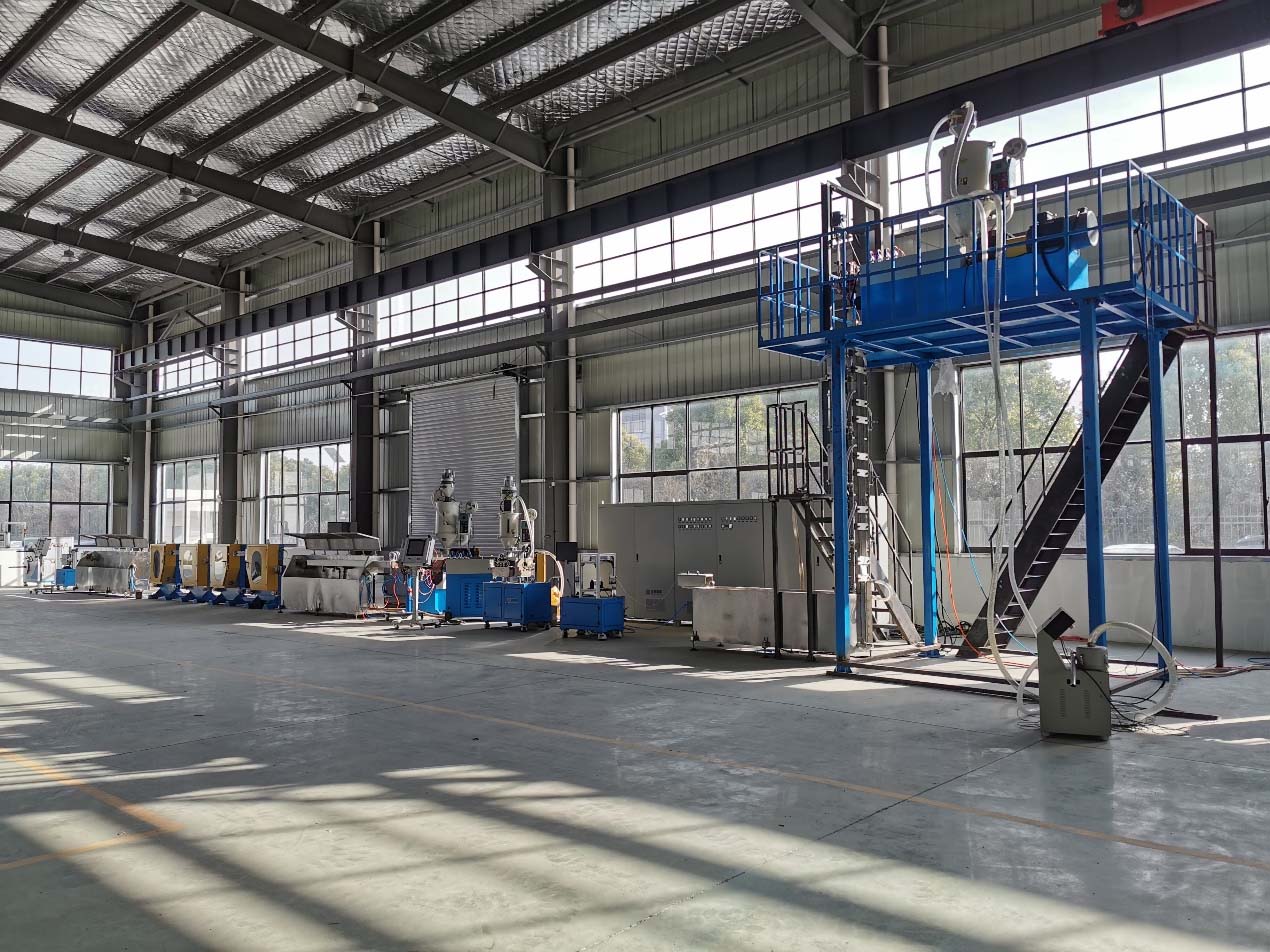
In the controlled environment of a modern industrial facility, a single, hair-thin plastic tube wound onto a reel might seem unremarkable to the untrained eye. However, in sectors ranging from mining and quarrying to large-scale infrastructure demolition, this tube—known...
In the sterile, quiet environment of a modern medical facility, a clinician prepares a complex catheter for a critical procedure. This thin, flexible tube is far more than a simple conduit; internally, it is divided into several microscopic channels, or lumens, each desi...
How do the world's most reputable vehicle manufacturers ensure the absolute integrity of every fuel line, brake hose, and cooling pipe buried deep within a vehicle’s chassis? Why has the shift toward electric and lightweight vehicles made the precision of these small-dia...
As the twilight sun reflects off the sleek, aerodynamic curves of a modern electric vehicle parked in a bustling metropolitan street, few observers notice the quiet, critical components ensuring the cabin remains a sanctuary of silence and temperature control. Behind the...
 Baodie