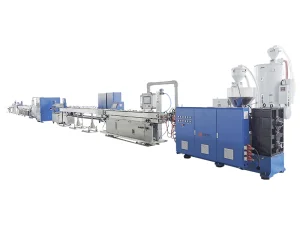
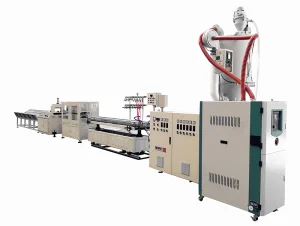
Explore our core machinery ranges engineered for unmatched stability, speed, and cross-industry applications.
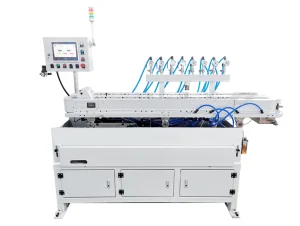
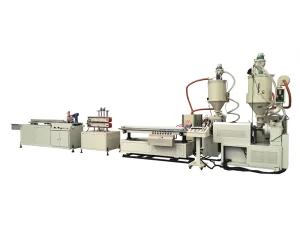
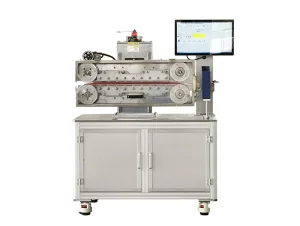
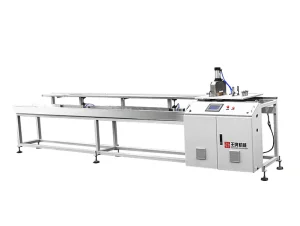
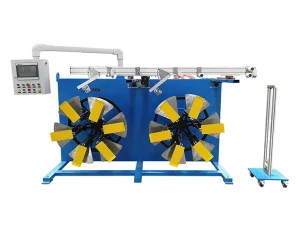
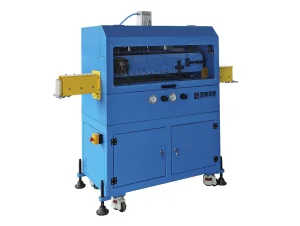
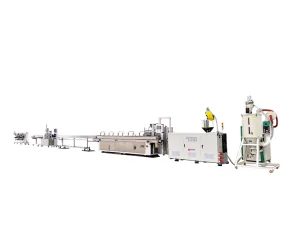
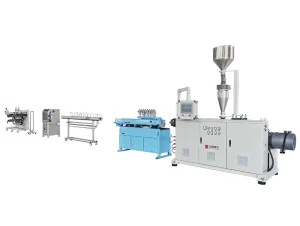
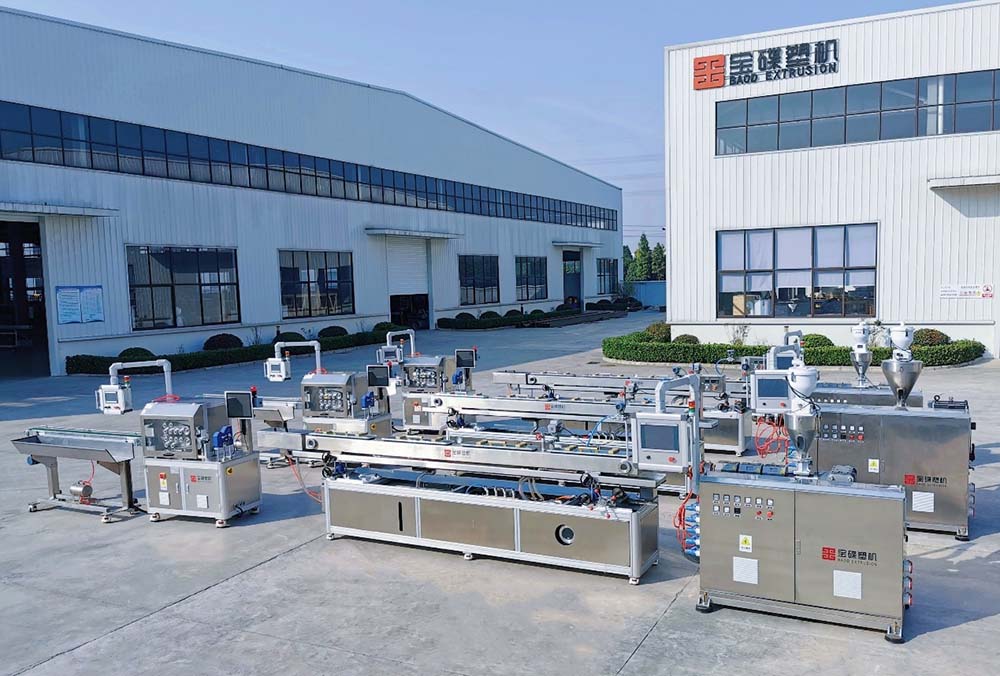
Established in 2002, BAOD EXTRUSION (Jiangsu Baodie Automation Equipment Co., Ltd.) has developed into an internationally recognized pioneer in the design, engineering, and distribution of high-performance thermoplastic extrusion equipment. Originating from our parent group's major technology investment in Shanghai in 1999, which leveraged 18 years of advanced Taiwanese polymer design paradigms, BAOD has forged a 25-year legacy of manufacturing resilience.
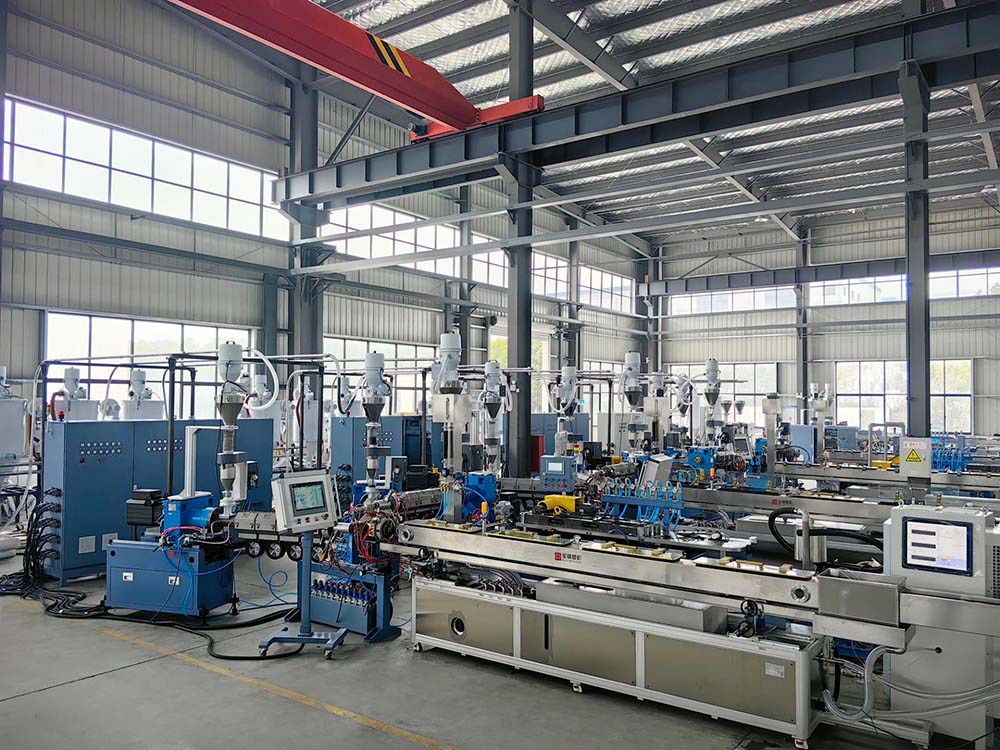
Operating out of a modern 16,000 square meter manufacturing complex with over 100 specialized technical personnel, our engineering objectives are strictly focused on precision extrusion, high-efficiency output configurations, autonomous process control, and systemic industrial safety. Through rigorous compliance, we bridge the gap between competitive Asian manufacturing efficiencies and strict Western performance parameters.
A comprehensive technical analysis of market dynamics, polymer rheology, and manufacturing evolutions.
Polypropylene (PP) is a pillar of the modern polymer processing sector, valued for its low density, exceptional chemical resistance, high fatigue limits, and thermal stability. Globally, the demand for PP-based products is expanding rapidly across infrastructure, automotive engineering, packaging, and medical applications. Consequently, the performance requirements for PP extrusion systems have intensified. Modern industrial operations require extruders that deliver maximum throughput, minimal thermal degradation, and consistent dimensional accuracy for the final product.
In the past, the global market for high-end extrusion machinery was dominated by Western European and North American manufacturers. However, a significant shift has occurred. Leading Chinese manufacturers, represented by companies like Jiangsu Baodie Automation Equipment Co., Ltd., have established advanced R&D facilities that blend cost-effective component supply chains with high-precision engineering. By incorporating state-of-the-art PLC automation, gravimetric dosing systems, and wear-resistant screw alloys, these manufacturers now provide global buyers with a reliable alternative to traditional European machinery.
Polypropylene is a semi-crystalline thermoplastic with a high melting point and a relatively narrow processing temperature window. Achieving a uniform melt without overheating requires deep expertise in screw design. Key challenges in PP extrusion include:
Advanced screw geometries ensure optimized shear rates and uniform melt quality for demanding technical applications.
Designed for optimal energy utilization, reducing operational costs while maximizing output per kilowatt-hour.
Equipped with PLC controls and closed-loop feedback systems for real-time monitoring and recipe management.
Extrusion systems are rarely off-the-shelf purchases; they must be tailored to specific industrial workflows:
1. Automotive Fuel & Vapor Systems: The automotive sector relies on multi-layer PA/PP/TPV composite lines to produce fuel hoses and corrugated conduits. These tubes must withstand high under-hood temperatures and resist fuel vapor permeation. In these setups, co-extrusion technology integrates different materials into a single, cohesive tube wall.
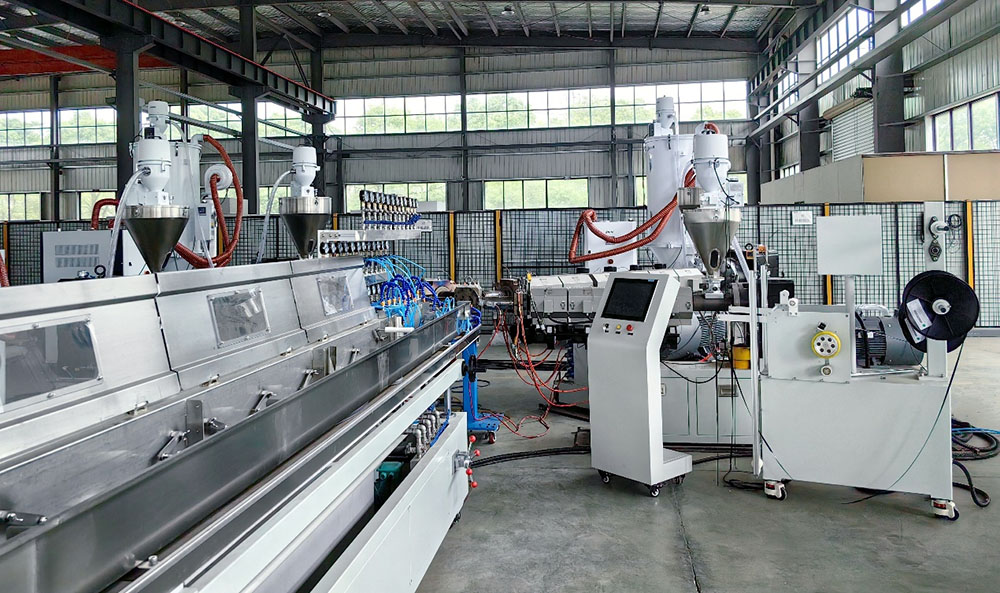
2. High-Precision Medical Tubing: Medical-grade PP and PVC tubing demand extreme precision. Catheters, multi-lumen lines, and fluid delivery tubes must maintain micro-tolerances with outer diameters under 1.5mm. Extrusion lines in this field feature cleanroom-compatible componentry, stainless-steel vacuum tanks, and non-contact laser measurement systems.
3. Demanding Infrastructure and Corrugated Pipe Networks: High-density polyolefins are essential for protective conduit installations. Single-wall and double-wall corrugated pipe extrusion systems require robust corrugating blocks that run at high speeds while maintaining uniform wall thickness across complex geometries.
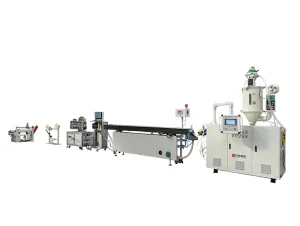
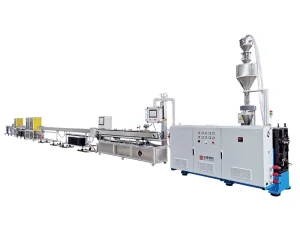
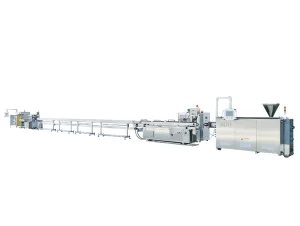
Explore some of BAOD's most sought-after machinery installations, deployed in production facilities worldwide.
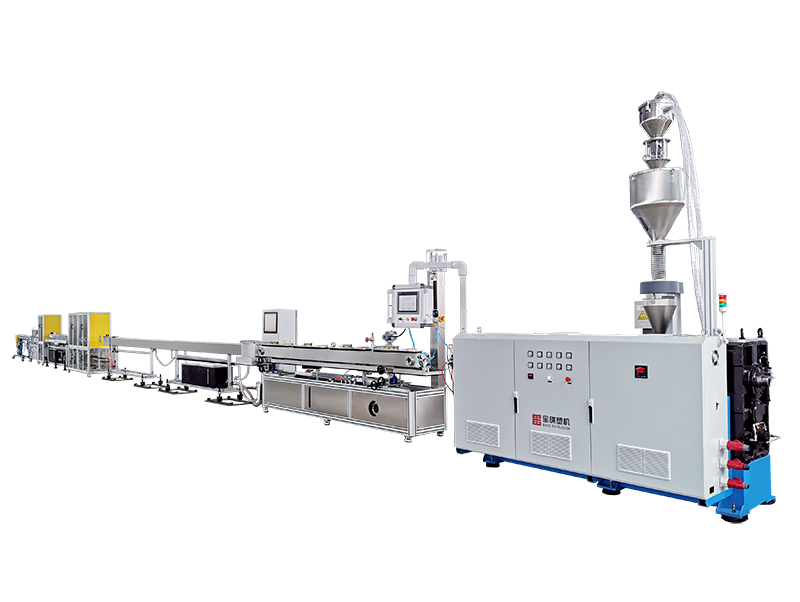
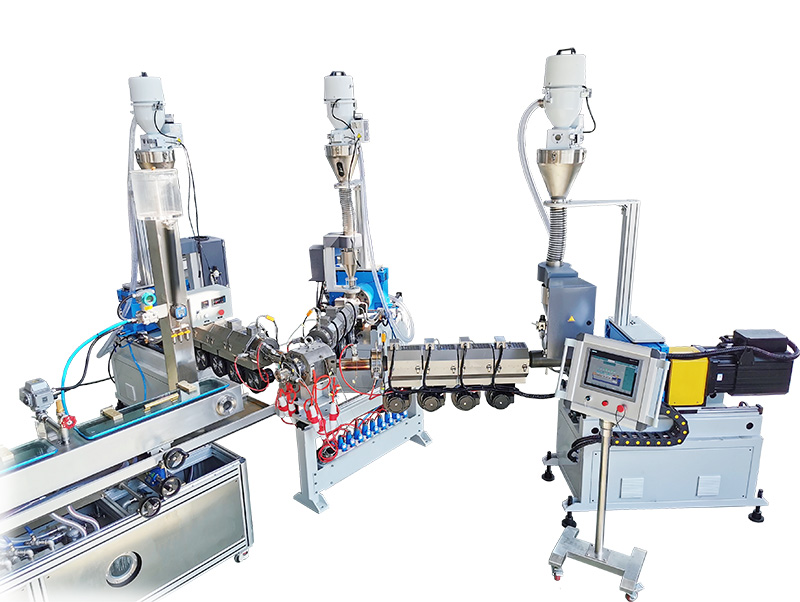
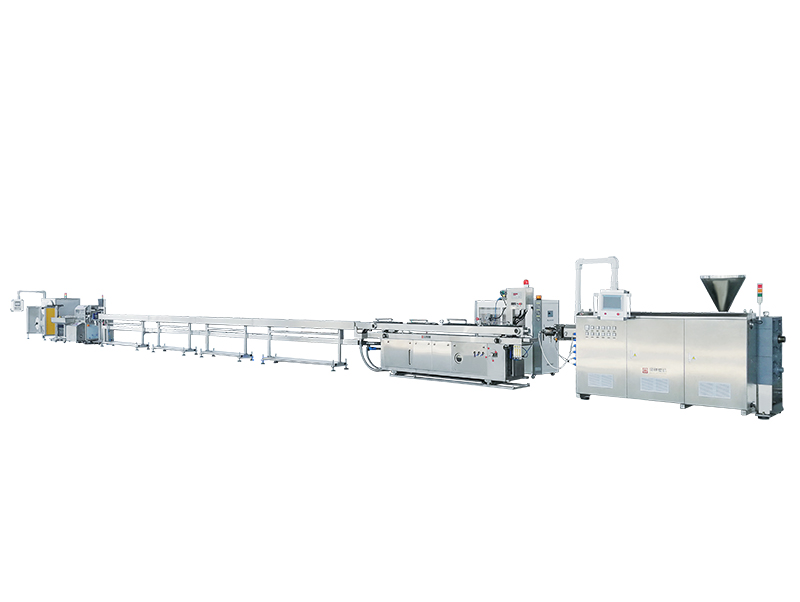
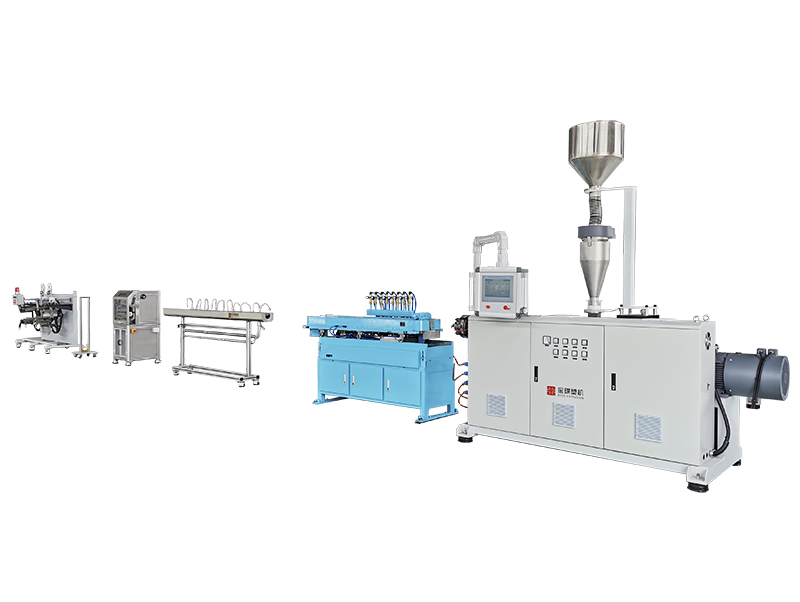
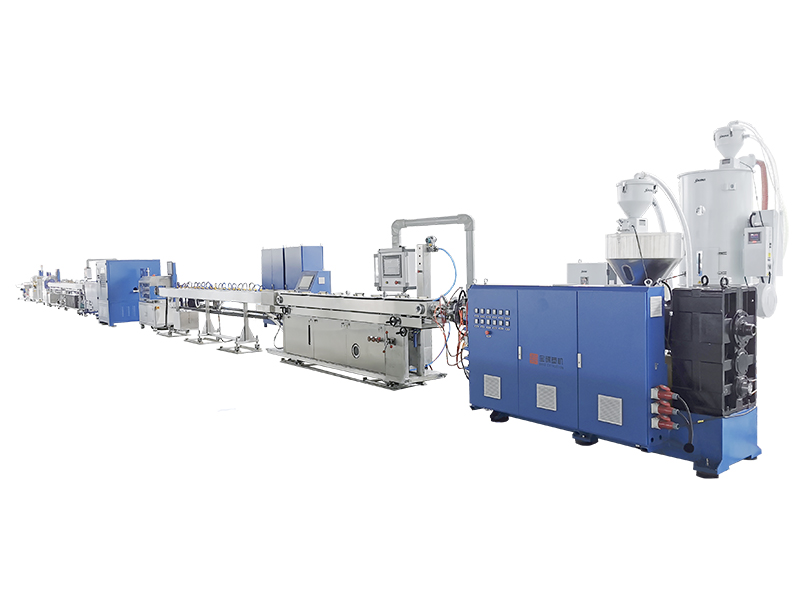
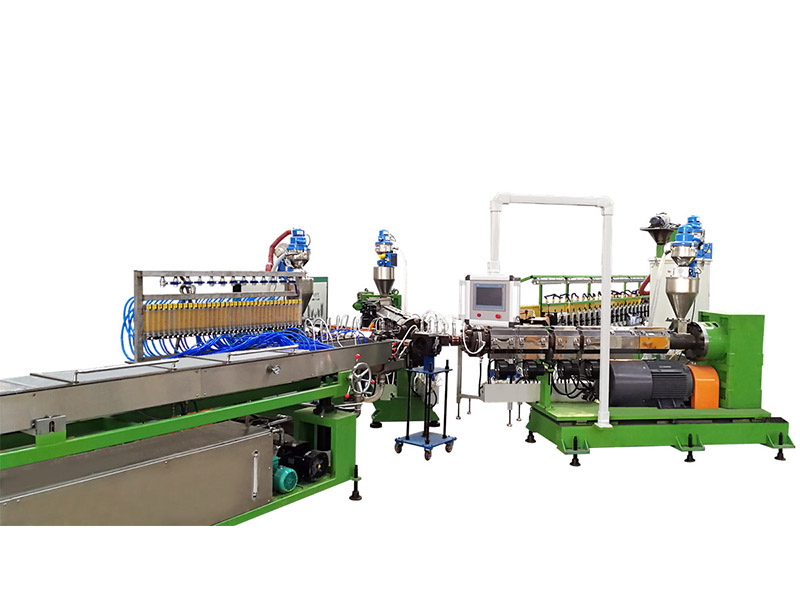
How the evolution of Smart Controls, IoT, and high-performance polymers shapes next-generation manufacturing.
The manufacturing sector is in the midst of a digital transformation, and plastic extrusion is no exception. As global markets transition toward Industry 4.0 paradigms, the role of isolated machinery is fading. Tomorrow's extrusion lines must function as integrated nodes within larger digital ecosystems.
At BAOD, our development roadmap is centered on three core technological pillars:
By equipping extruders with high-resolution sensors at critical zones (barrel zones, die head, cooling tanks), we capture rich operational datasets. Modern systems process parameters like melt pressure fluctuation, motor load currents, and cooling liquid velocities in real-time. This level of monitoring enables predictive maintenance, automatically flagging screw wear or heating element degradation before it leads to unplanned downtime.
Raw materials account for up to 80% of total lifetime operating costs for high-throughput extrusion operations. Standard volumetric feeding systems can introduce variations due to differences in bulk density and pellet shape. Our gravimetric control systems continuously weigh feed materials, dynamically adjusting screw RPM and puller speeds to ensure precise weight-per-meter output, minimizing material waste.
Many modern applications require composite properties that a single plastic cannot provide. Combining the high mechanical strength of PP with the barrier protection of Nylon (PA) or the flexibility of TPV demands advanced co-extrusion technology. This requires custom feedblocks and specialized die heads that channel distinct melt streams without inducing shear degradation at the layer interfaces.
Stay up to date with the latest technological developments, exhibition showcases, and market analysis.
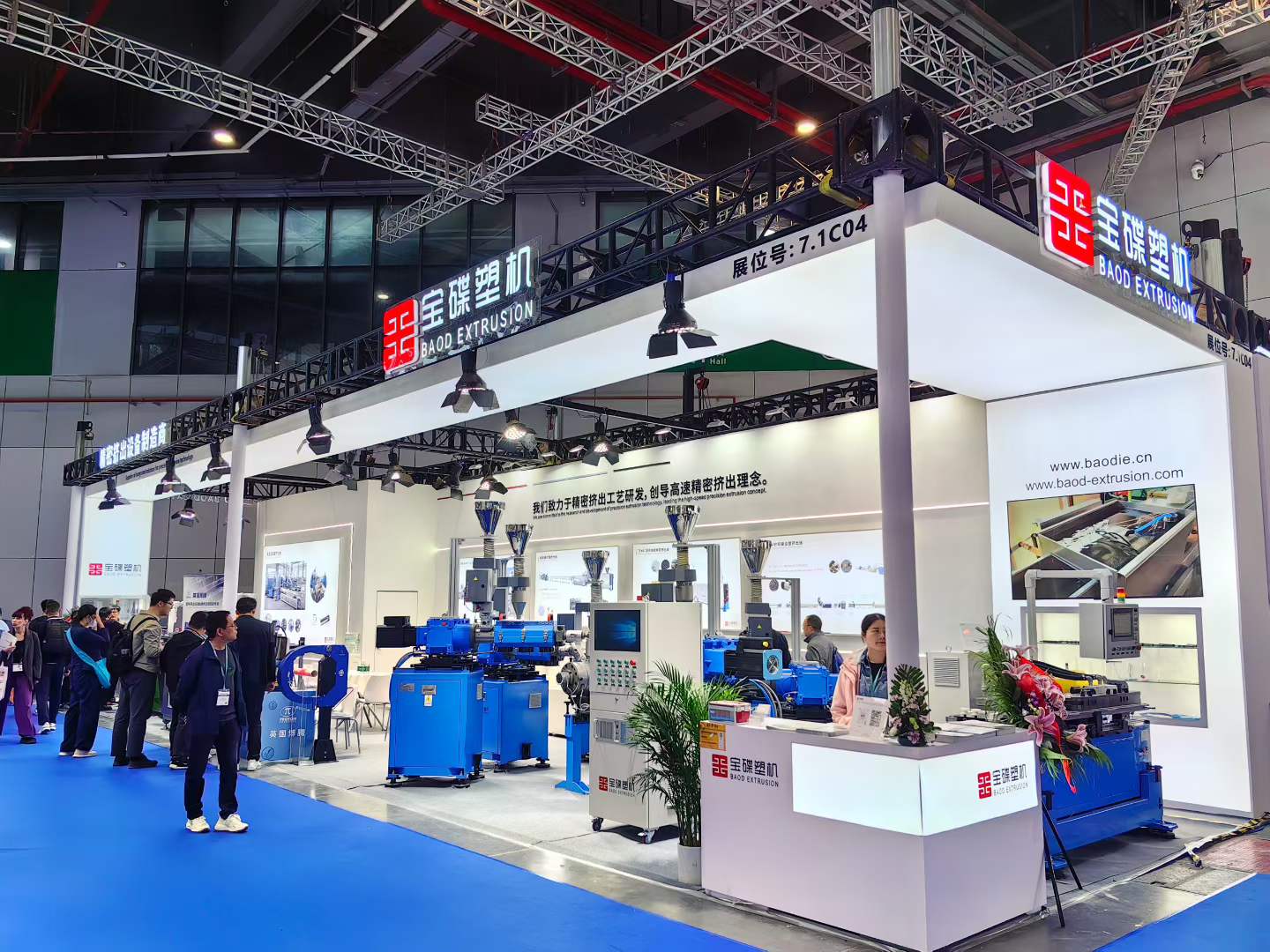
From the bustling halls of the National Exhibition and Convention Center, BAOD presented "Smart Extrusion & High-Efficiency Innovation" solutions, setting new benchmarks in automated systems...
Delve into how our high-precision tube extrusion systems support safety-critical infrastructure applications like mining and demolition, where diameter control is of absolute importance...
A technical comparison analyzing the mechanical deviations, calibration steps, and pricing metrics between leading Chinese OEMs and historical Western suppliers...
An in-depth look at our quality assurance protocols, compliance with ISO 9001 and IATF 16949 standards, and the validation methods used for safety-critical automotive tubing...
Analyzing key market shifts in vehicle weatherstripping, the growth of lightweight electric vehicles, and how advanced co-extrusion helps reduce NVH levels...
Technical answers to common engineering questions concerning PP melt preparation, system stability, and purchasing considerations.
For single-screw PP pipe extrusion, an L/D (length-to-diameter) ratio between 30:1 and 38:1 is generally optimal. This length allows for a barrier-type screw design with mixing elements (Maddock mixers) that can thoroughly homogenize the polymer melt and prevent un-melted solids from entering the die.
We use a combination of precision gear pumps, high-resolution closed-loop vacuum calibration systems, and dual-axis laser diameter gauges. The gear pump ensures a consistent volume of melt flow, while the laser gauges provide feedback to the puller speed to correct deviations within milliseconds.
Thermoplastic Vulcanizates (TPV) offer superior long-term elasticity, ozone resistance, and thermal performance compared to PVC. While TPV is more difficult to process due to its complex melt behavior, BAOD's specialized screws and feedlocks are designed to prevent shear-induced degradation.
Yes. By incorporating wear-resistant bimetallic barrels, specialized filter changers, and advanced venting systems, our lines can process recycled PP blends without experiencing high pressure fluctuations or blockages.
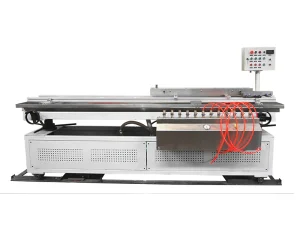
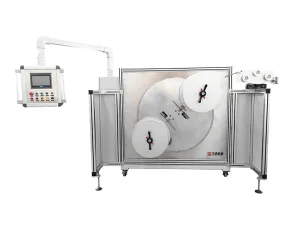
Explore auxiliary modules, calibration tables, pullers, and precise winders that complete the modern extrusion line.
 Baodie