Engineered to meet stringent tolerances, high productivity parameters, and dynamic polymer configurations for diverse industries.
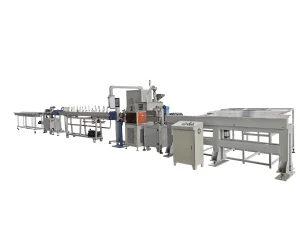
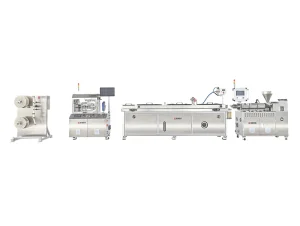
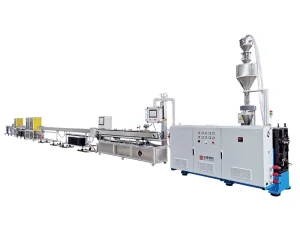
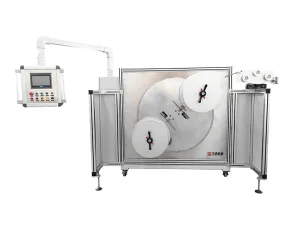
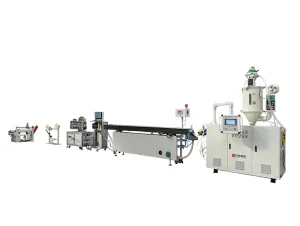
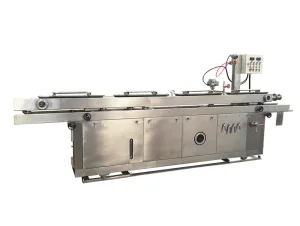
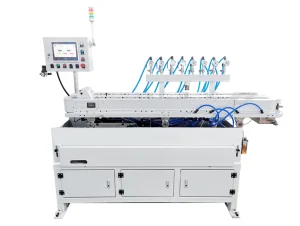
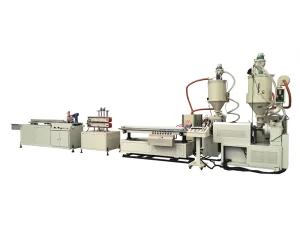
An in-depth analysis of polymer dynamics, precision machinery configuration, and high-performance calibration methodologies for Polymethyl Methacrylate profiles.
Polymethyl Methacrylate (PMMA), commonly recognized as acrylic, is a highly favored thermoplastic amorphous polymer in optical and structural applications due to its exceptional light transmission properties (up to 92%), weatherability, and scratch resistance. However, the high-precision extrusion of PMMA presents severe rheological and processing challenges. PMMA exhibits a high melt viscosity, a narrow processing temperature window, and strong shear-thinning behavior under load. If subjected to improper shear rates or thermal fluctuations within the barrel, it is highly prone to thermal degradation, leading to optical defects such as yellowing, black spots, micro-bubbles, and internal stress lines (birefringence).
To mitigate these risks, modern Chinese PMMA extrusion factories employ specialized single-screw extruders featuring optimized L/D (length-to-diameter) ratios of 28:1 to 32:1. The screw geometry incorporates barrier flight configurations and moderate mixing elements to ensure uniform thermal dispersion without introducing excessive shear stress. Furthermore, PMMA is highly hygroscopic (absorbing up to 0.3% moisture from the atmosphere). Processing moisture-laden PMMA results in steam pocket formation, bubble defects, and molecular weight degradation. The integration of high-efficiency desiccant dryers, dehumidifying hoppers, and multi-stage vacuum degassing ports along the extruder barrel is critical to obtaining optical-grade profiles.
Internal optical stress (birefringence) is the primary point of failure for extruded PMMA components in automotive and optoelectronic applications. BAOD Extrusion utilizes precision internal die-flow channel designs, coupled with multi-zone oil-based mold tempering, to gradually relieve extrusion shear stresses as the melt exits the die lips. This prevents light distortion and micro-cracking under operational stress.
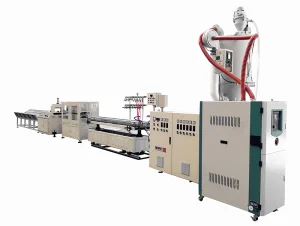
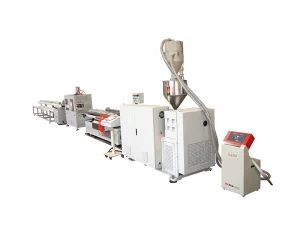
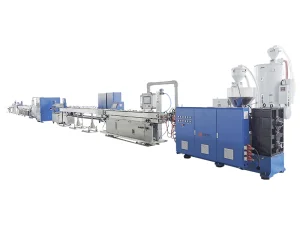
A standard high-performance PMMA profile extrusion line comprises several synchronized modules designed to maintain dimensional stability down to the micron level:
Analyzing global sourcing trends, specialized engineering configurations, and how buyers validate manufacturer credibility.
The transition toward electric vehicles (EVs) has driven a massive demand for extruded PMMA and polycarbonate (PC) profiles. Applications include rear light bars, interior optical light guides, ambient lighting lenses, and pillar trims. Sourcing agents require tight tolerance control (within ±0.03mm) and specialized weatherability testing (e.g., UV stabilization for exterior applications).
LED linear lighting requires diffusion covers that eliminate glare while maximizing light transmission. Extruded PMMA with micro-bead diffuser agents ensures uniform light dispersal. Large-scale procurement demands high line speeds (up to 15 m/min) and continuous roll-formed profile cutting without shattering or surface crazing.
Due to its chemical resistance compared to other transparent plastics (like polystyrene), PMMA tubes are widely utilized in fluid sight glasses, laboratory diagnostic channels, and photo-bioreactors. Factories must supply lines capable of handling diverse wall thicknesses (from 1mm to over 10mm) without internal void defects.
BAOD EXTRUSION (Jiangsu Baodie Automation Equipment Co., Ltd.), founded in 2002, is dedicated to the design, manufacture, and sales of world-class plastic extrusion equipment. Leveraging over 25 years of engineering experience from our Taiwan parent company (KINGSWEL GROUP), we established our mainland manufacturing base in 1999 to cater to the growing global demand for high-performance precision extrusion systems.
Our engineering core focuses on the research and development of precision extrusion technology, high-efficiency output configurations, automated process controls, and complete line safety systems.
Innovations defining the next decade of acrylic processing, co-extrusion technology, and smart factory integration.
One of the most significant trends is PMMA/PC and PMMA/ASA co-extrusion. Extruding a thin layer of PMMA over a Polycarbonate (PC) substrate combines the impact strength of PC with the scratch resistance and UV protection of PMMA. This technique optimizes material costs while dramatically extending product lifespans in harsh environments.
Future extrusion lines feature online laser gauges that continuously measure profile dimensions. The data is fed back into the PLC system (Siemens/Beckhoff), which automatically adjusts the puller speed and melt pump output in real-time. This eliminates manual configuration errors and lowers scrap rates to less than 1.5%.
With environmental compliance policies (such as EU Green Deal targets), extrusion machinery must adapt to Post-Consumer Recycled (PCR) PMMA. Processing recycled PMMA requires specialized filter changers and optimized degassing screws to purge contamination without degrading the polymer matrix.
How BAOD Extrusion guarantees global operating compliance, machinery durability, and localized commissioning.
For international buyers, purchasing extrusion machinery from a Chinese factory requires verification of engineering standards and long-term support. BAOD Extrusion ensures total alignment with Western industrial specifications, including full CE certification, UL-listed electrical panels, and compliance with the machinery safety directives (EN ISO 12100).
Every machine undergoes a continuous 48-hour dry run and a material-feed factory acceptance test (FAT) prior to shipment. Furthermore, we leverage remote industrial router diagnostics (using secure VPN protocols) to provide real-time troubleshooting, PLC updates, and parameter tuning for clients across North America, Europe, and Southeast Asia.
Stay updated with our research breakthroughs, exhibition highlights, and comparative studies in precision plastic extrusion.
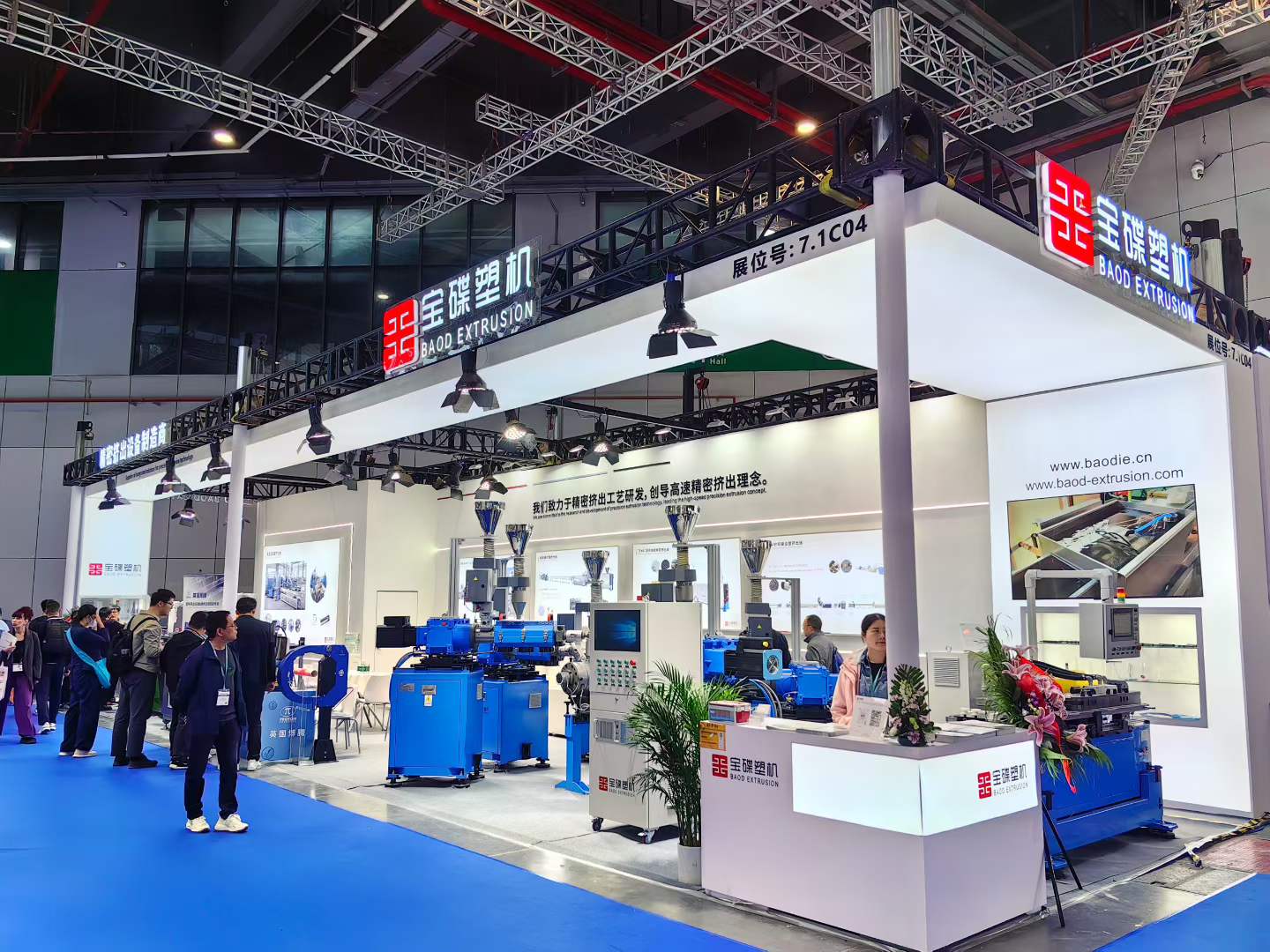
From April 21–24, CHINAPLAS 2026 was successfully held at the National Exhibition and Convention Center in Shanghai. BAOD EXTRUSION showcased its latest R&D achievements at Booth 7.1C04, presenting "Smart Extrusion & High-Efficiency Innovation" solutions.
Read Article +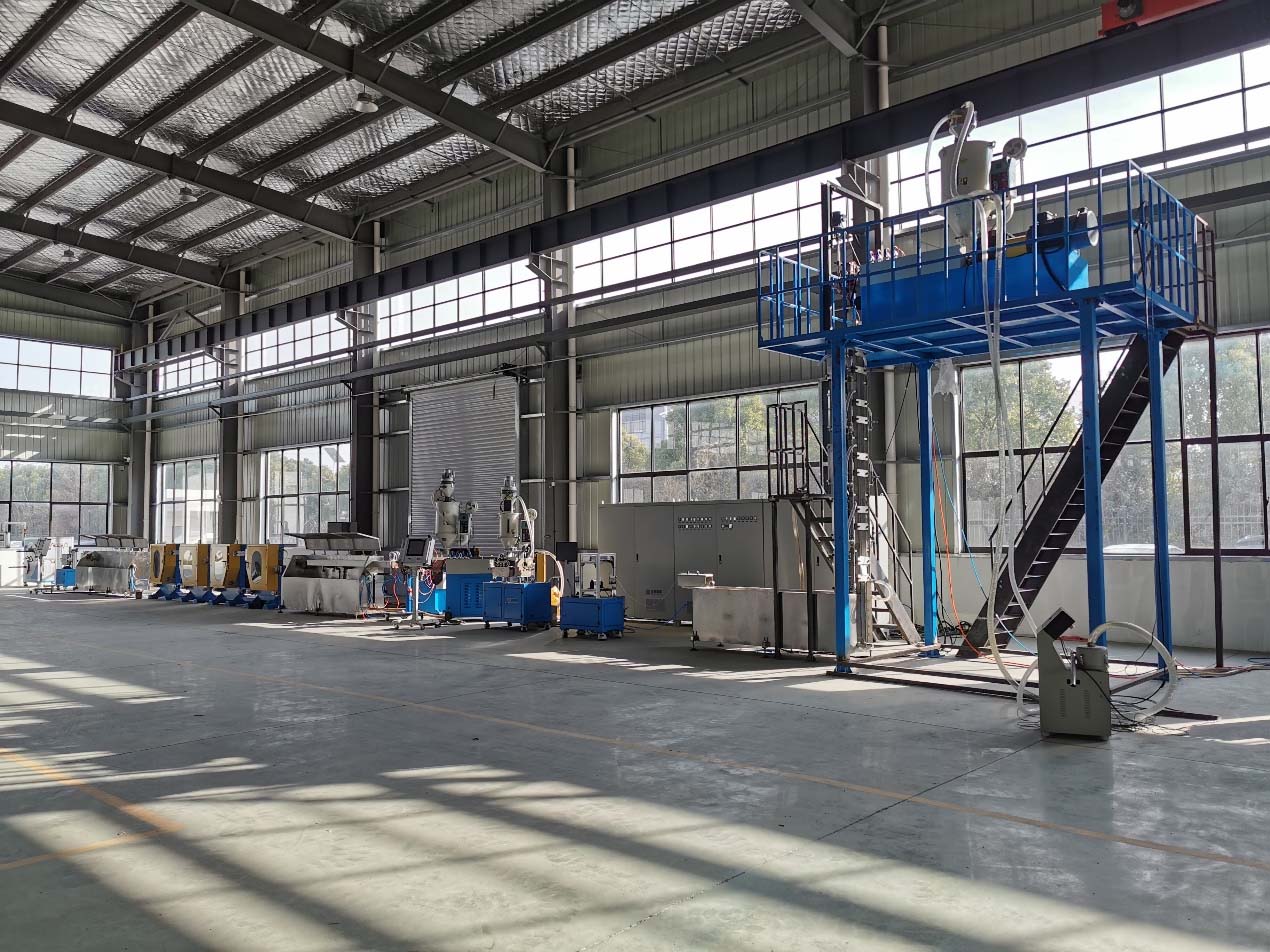
In the controlled environment of a modern industrial facility, a single, hair-thin plastic tube wound onto a reel might seem unremarkable. However, in sectors ranging from mining to demolition, this tube—known as a detonating tube—plays a critical role.
Read Article +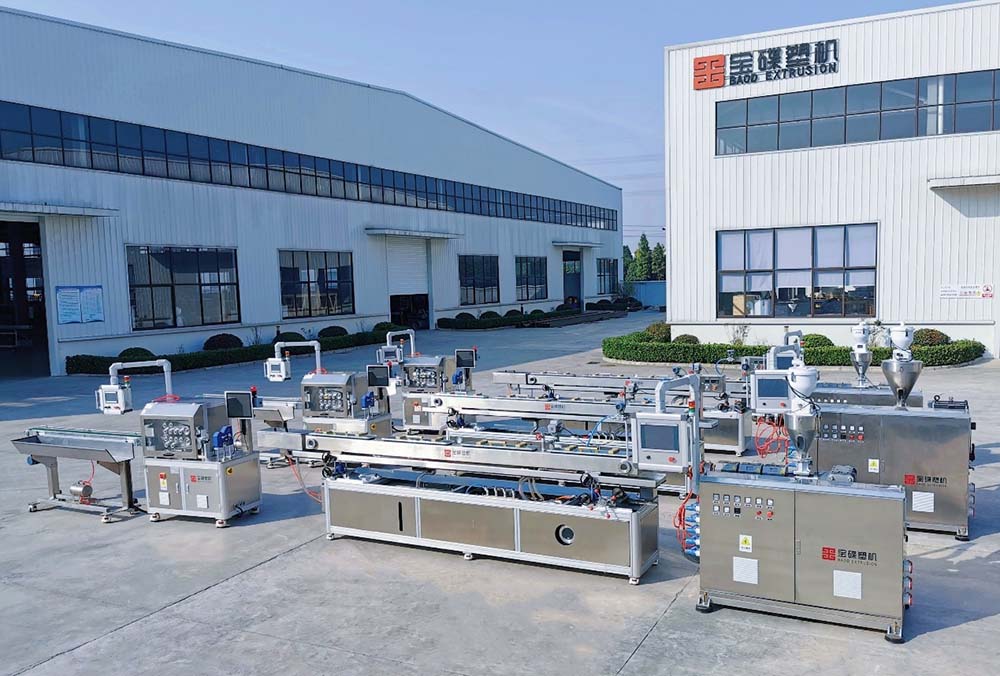
In sterile medical facilities, clinicians rely on multi-lumen tubes with microscopic channels. We analyze how Chinese manufacturing capabilities in high-precision tube extrusion now match and exceed historical European standards in tolerance and cleanroom safety.
Read Article +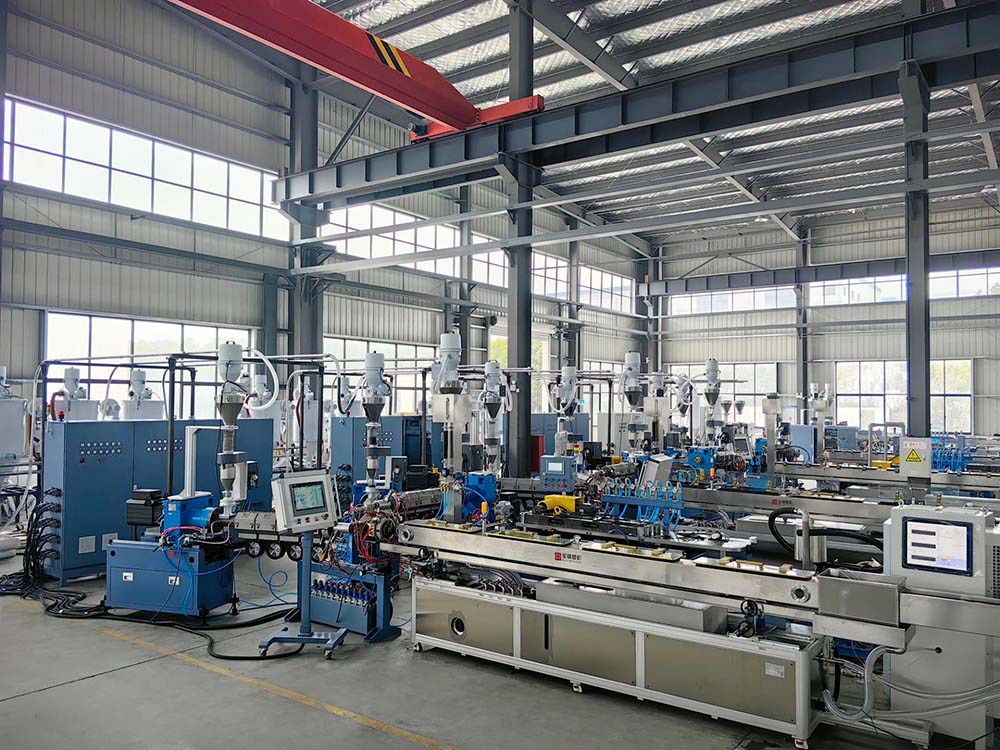
Automotive components demand strict durability. How do leading EV manufacturers guarantee the safety of cooling and fuel lines? Learn about the ISO-certified machinery assembly and verification protocols that ensure BAOD's global leadership.
Read Article +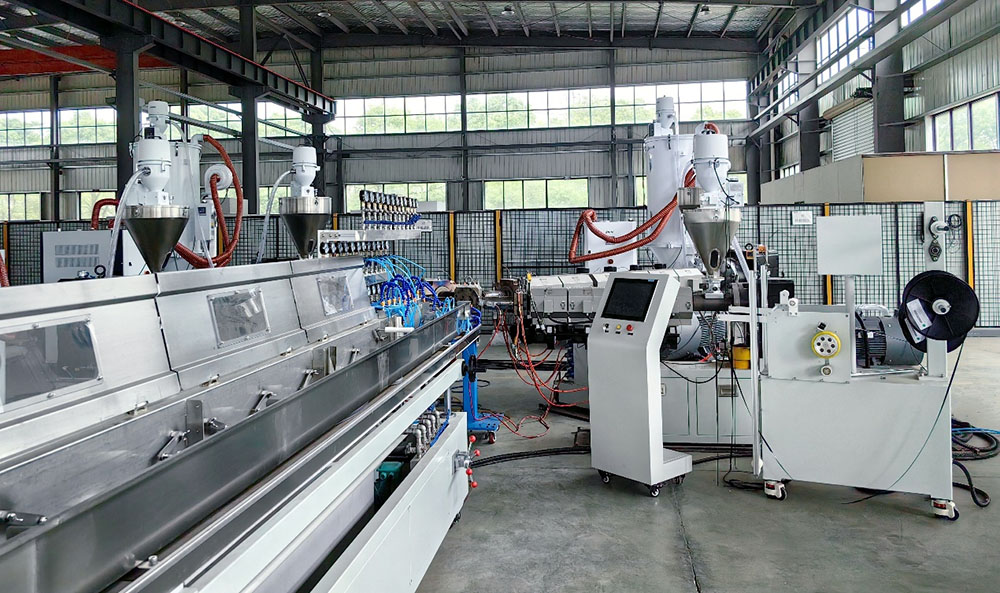
Few vehicle owners notice the quiet seal structures that keep car cabins silent and weather-proof. With modern EVs requiring advanced noise dampening, BAOD presents the next generation of dual-hardness co-extrusion lines for automotive weatherstripping.
Read Article +Get professional answers from our engineering division regarding machinery parameters, processing difficulties, and procurement guidelines.
Explore our complete spectrum of automated, precision-designed lines for various industrial and medical plastic profiles.
 Baodie