Explore our state-of-the-art precision co-extrusion systems designed for medical, automotive, and industrial applications.
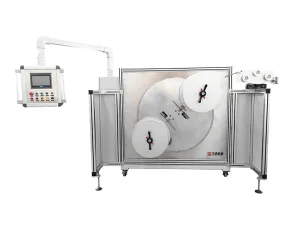
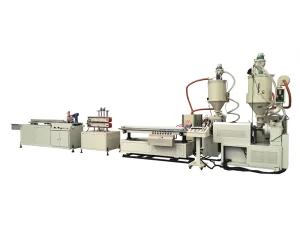
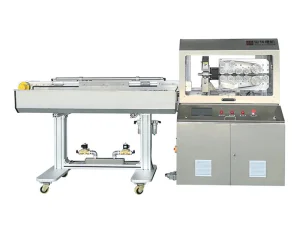
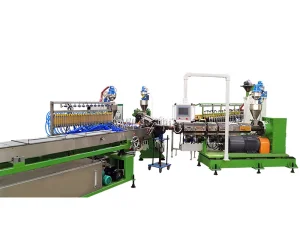
Founded in 2002, BAOD EXTRUSION (Jiangsu Baodie Automation Equipment Co., Ltd.) is dedicated to the elite design, manufacturing, and distribution of high-end plastic extrusion machinery. Leveraging 18 years of pioneering Taiwan-based design experience, our parent group (KINGSWEL GROUP) laid the groundwork for our main production facility in Shanghai in 1999, subsequently centralizing our heavy automation division to serve critical global markets.
Years Extrusion Experience
sqm Production Base
Qualified Technicians
Modern industrial, automotive, and healthcare applications require fluids and gases to be transported under increasingly harsh thermal, chemical, and pressure conditions. Monolayer tubing is no longer sufficient to meet these demands. Multi-layer co-extrusion technology has emerged as the standard solution, enabling engineers to combine disparate polymers into a single, cohesive tube wall. This whitepaper analyzes the engineering design, system components, and processing parameters required to manufacture high-precision multi-layer tubing.
Historically, industrial pipelines and automotive fuel lines relied on metallic tubing or simple single-layer polyamide (PA) hoses. However, the introduction of strict environmental regulations (such as EPA, CARB, and Euro 6 emission standards) forced the development of highly impermeable fuel lines to prevent volatile organic compounds (VOCs) from escaping. This shift led to the adoption of multi-layer structures incorporating barrier layers like Ethylene Vinyl Alcohol (EVOH) or Fluoropolymers (e.g., PVDF, EFEP).
In the automotive sector, modern thermal management systems for Electric Vehicles (EVs) require multi-layer cooling lines to handle specialized dielectric coolants. These hoses must combine structural strength, chemical resistance, and low weight. A typical five-layer automotive fuel line configuration illustrates this complexity:
| Layer Position | Material Composition | Primary Functionality | Relative Thickness Ratio |
|---|---|---|---|
| Outer Layer | Polyamide 12 (PA12) / PA11 | Environmental protection, abrasion resistance, UV protection | 35% - 40% |
| Adhesive Layer | Modified Polyolefin/PA Tie-resin | Chemical bonding, preventing delamination at high temps | 5% - 8% |
| Barrier Layer | EVOH / PVDF | Low hydrocarbon permeability, VOC barrier | 10% - 15% |
| Adhesive Layer | Modified Polyolefin/PA Tie-resin | Chemical bonding, preventing delamination | 5% - 8% |
| Inner Layer | PA6 / Modified PA12 (Conductive option) | Chemical compatibility with fuel/media, electrostatic discharge | 30% - 35% |
The core of any multi-layer extrusion line is the co-extrusion die head. The die head must distribute multiple melt streams from separate extruders into concentric layers without causing interfacial instability. Rheology plays a critical role here. Because different polymers have distinct melt temperatures, viscosities, and shear rates, the flow channels within the die head must be precisely modeled using Finite Element Analysis (FEA) and Computational Fluid Dynamics (CFD).
Rheological Integration: Interfacial instability, which causes wavy layers and structural weaknesses, occurs when there is a significant mismatch in shear stress at the layer boundaries. To mitigate this, BAOD designs spiral mandrel distributors and flow channels that gradually match melt velocities at the point of convergence, ensuring smooth interfaces across all layers.
A complete multi-layer tube production line integrates several mechanical and electronic subsystems, each critical to the quality of the final product:
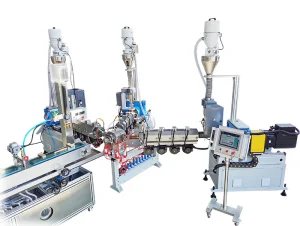
Each layer requires a dedicated extruder. For example, a 5-layer line utilizes 5 extruders. Barrier layers like EVOH require specialized screw geometries and corrosion-resistant barrel coatings (e.g., bimetallic alloys) to prevent degradation.
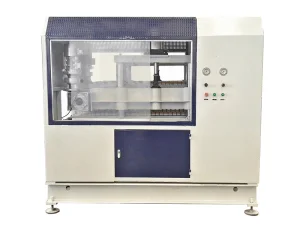
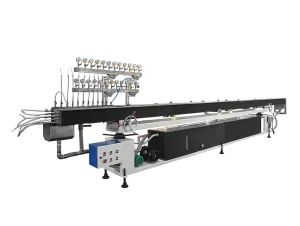
Ensures precise outer diameter control. BAOD's vacuum calibration tanks feature multi-chamber vacuum systems with high-frequency water level controllers and precision spray nozzles to cool the tube uniformly without inducing thermal stress.
Positioned immediately after the calibration tank, a multi-axis ultrasonic sensor system measures overall wall thickness, concentricity, and individual layer dimensions in real-time, providing feedback to the extruders' PLC.
Ensures tension-free transport of the cooled tube. Our TKC Series Crawler-Type Pullers provide consistent pull force without deformation, paired with FQ or SC series fly knife or saw cutters for clean, burr-free cuts.
For global procurement managers, selecting an OEM supplier in China requires verifying compliance with international industry standards. The requirements vary significantly depending on the end application:
At BAOD, we believe that efficiency is driven by automation. Our latest lines feature smart control integration. Our HMI consoles allow operators to load recipe configurations that automatically adjust extruder screw speeds, heating zones, and puller rates. Gravimetric dosing units monitor material throughput, adjusting extruder RPMs in real-time to compensate for variations in resin bulk density. Closed-loop feedback connects the ultrasonic measurement system to the extrusion die centering mechanisms, correcting concentricity issues before they fall out of specification.
The next generation of extrusion tech is focused on sustainability and intelligence. We are actively developing co-extrusion technology for bio-based polyamides and recycled polymers without compromising physical properties. Furthermore, our R&D department is integrating AI-driven predictive maintenance models into our PLCs, analyzing vibration and torque signatures to alert operators of screw wear or heater band failures before they cause unplanned downtime.
Understanding the purchasing priorities of international manufacturers and how modern tech addresses these needs.
Global procurement teams in North America and the EU demand extrusion equipment capable of handling EVOH and PVDF resins to comply with low-permeation mandates. Equipment must guarantee ultra-thin, pinhole-free barrier layers down to 0.05 mm.
Medical OEMs require multi-lumen and multi-layer catheter tubing with outer diameters smaller than 1 mm and tolerances within ±0.01 mm. This demands advanced downstream calibration and precise air pressure control loops.
Modern extrusion systems must support a range of materials—from rigid PA12 and PVDF to flexible elastomers like TPV, TPU, and plasticized PVC. This requires screws designed to prevent degradation and optimize melt quality across different resins.
Rising energy prices demand high-efficiency motors (IE3/IE4 classes), optimized barrel insulation jackets, and high-performance screws that maximize throughput per kilowatt-hour of energy consumed.
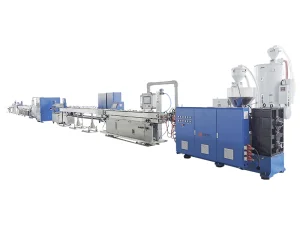
From raw material feeding to automated packaging, we engineer comprehensive extrusion lines optimized for performance.
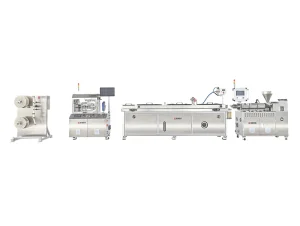
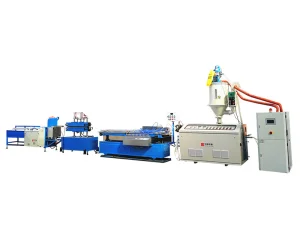
Designed to manufacture multi-layer PA fuel and vapor lines in compliance with VDA guidelines. Our setups feature co-extrusion die heads, inline corrugating machines, and automated coiling units for consistent high-volume production.
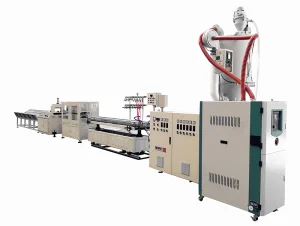
Precision extrusion lines for medical-grade PVC, polyurethane, and PE hoses in cleanrooms. Features include high-speed vacuum calibration, laser outer diameter control, and medical cutters to ensure high precision and clean cuts.
How BAOD ensures reliability through international safety certifications and testing standards.
Every extrusion system is designed and manufactured to meet CE safety machinery standards. Electrical setups comply with EN 60204-1, and mechanical elements incorporate interlocks and protective shields to guarantee operator safety.
We perform pre-commissioning tests using the client's specific resin grades. Buyers receive full process parameters, melt pressure plots, and extrusion stability reports prior to shipment, facilitating faster setup and installation at their facilities.
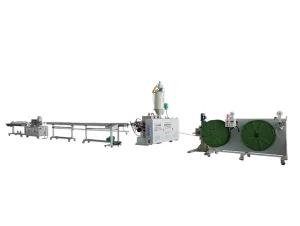
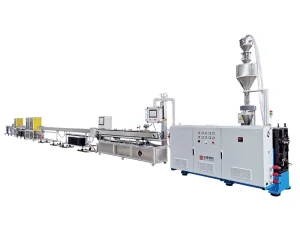
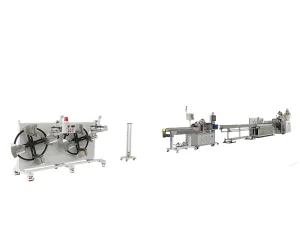
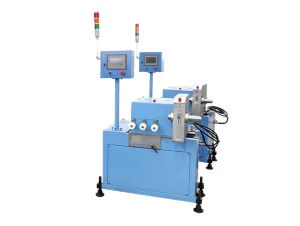
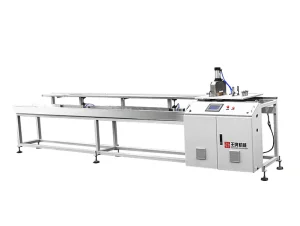
From braided composite configurations to high-frequency vacuum tanks and cutters, our secondary lines complete your production setups.
Stay informed with technical updates, trade show reports, and production case studies from the BAOD engineering team.
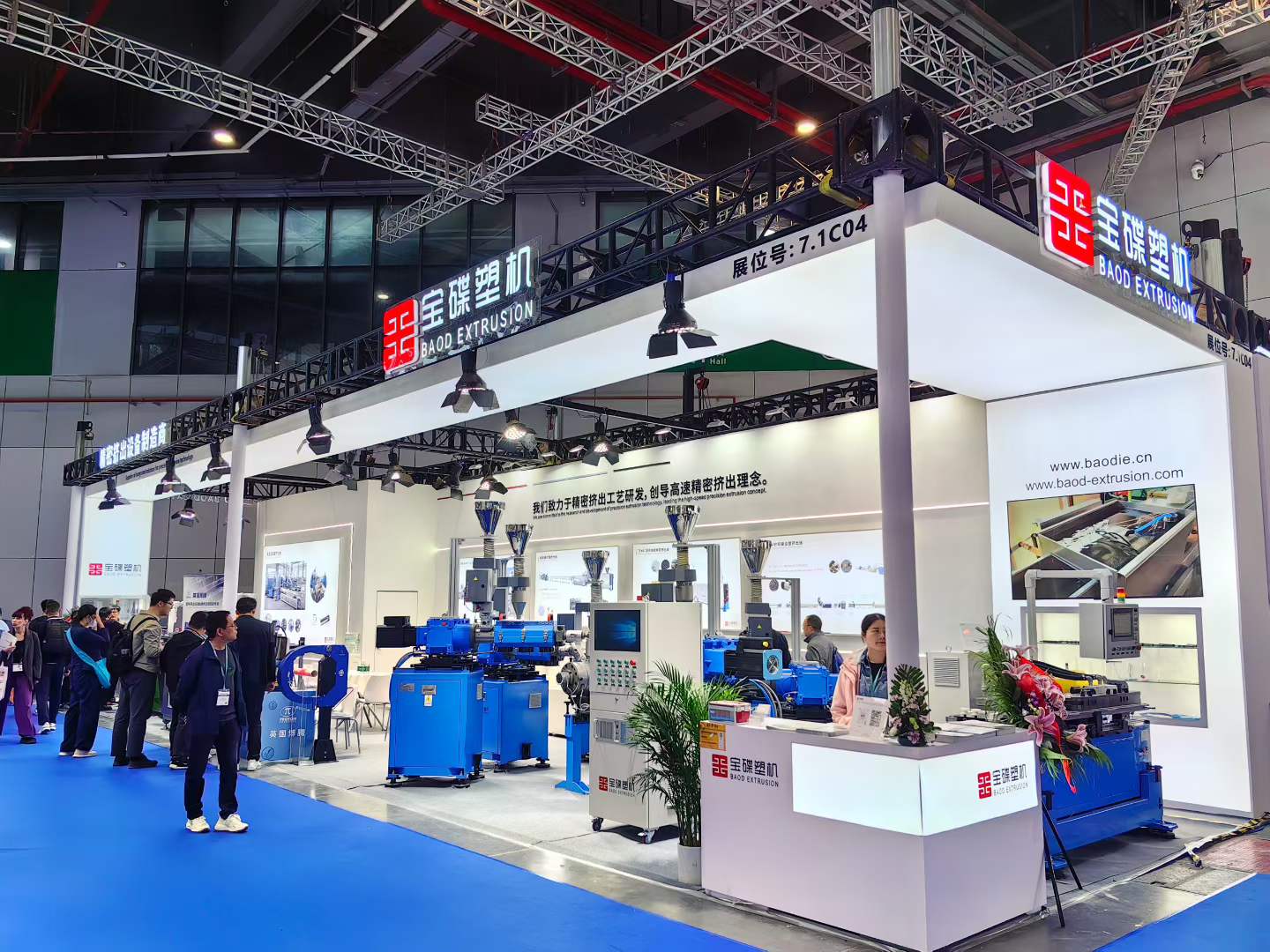
From April 21–24, CHINAPLAS 2026 was successfully held at the National Exhibition and Convention Center (Shanghai, Hongqiao). BAOD EXTRUSION showcased its latest R&D achievements at Booth 7.1C04, presenting "Smart Extrusion & High-Efficiency Innovation" solutions that garnered international acclaim...
Read More +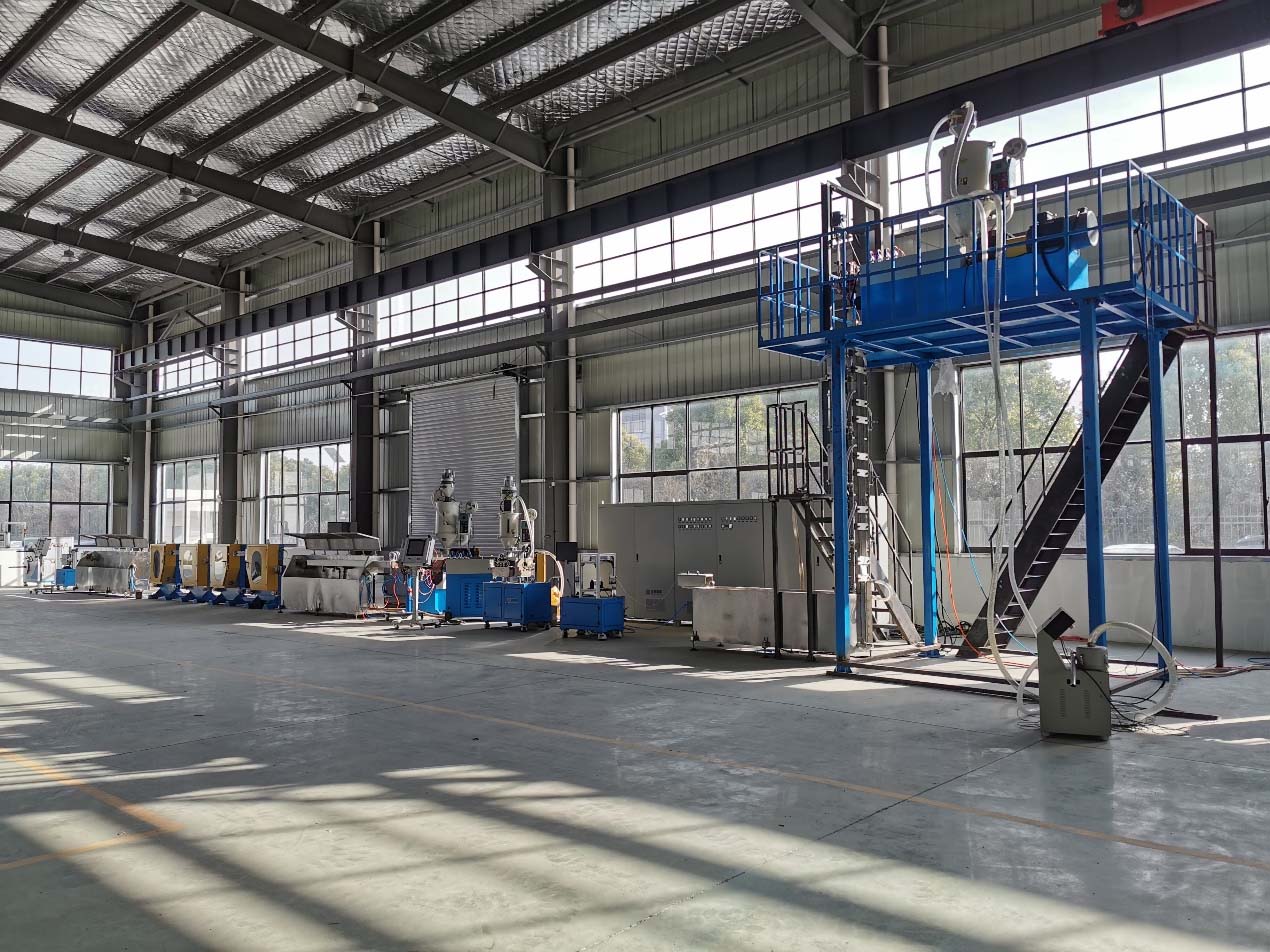
In the controlled environment of a modern industrial facility, a single, hair-thin plastic tube wound onto a reel might seem unremarkable to the untrained eye. However, in sectors ranging from mining and quarrying to large-scale infrastructure demolition, this tube—known as a detonating tube—is a critical safety component requiring extreme precision...
Read More +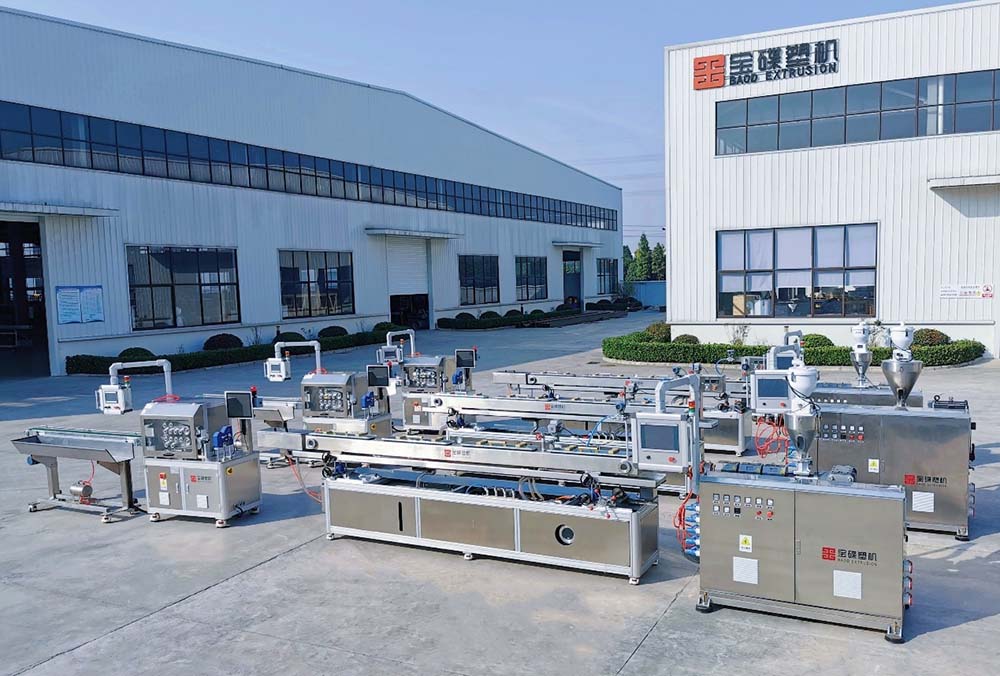
In the sterile, quiet environment of a modern medical facility, a clinician prepares a complex catheter for a critical procedure. This thin, flexible tube is far more than a simple conduit; internally, it is divided into several microscopic channels, or lumens, each designed to perform a unique function under strict dimensional tolerances...
Read More +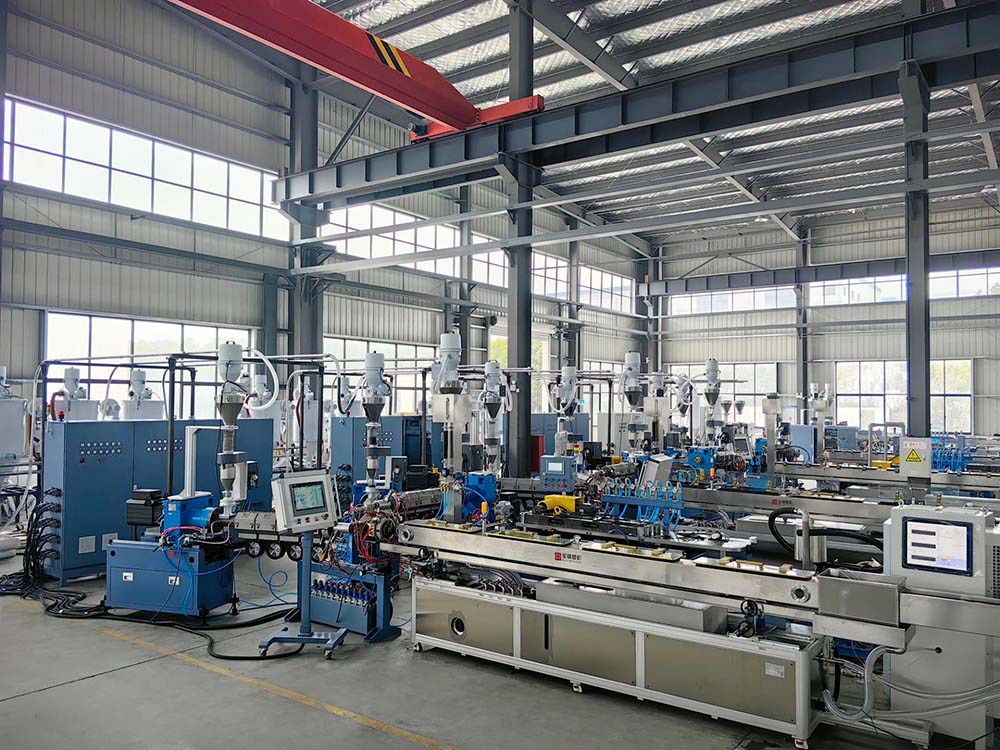
How do the world's most reputable vehicle manufacturers ensure the absolute integrity of every fuel line, brake hose, and cooling pipe buried deep within a vehicle’s chassis? Why has the shift toward electric and lightweight vehicles made the precision of these small-diameter multi-layer tubes even more critical to overall vehicle safety...
Read More +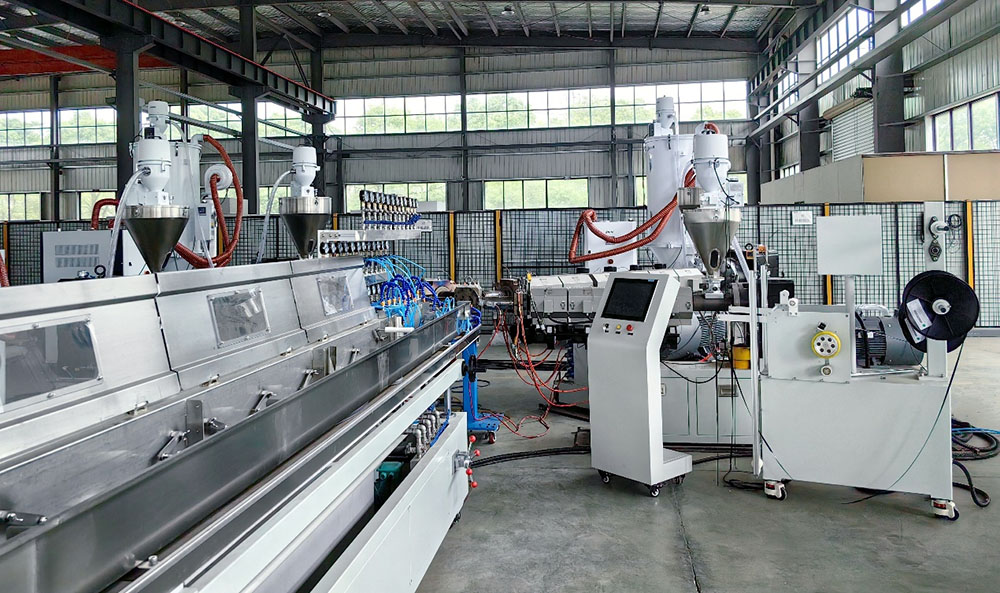
As the twilight sun reflects off the sleek, aerodynamic curves of a modern electric vehicle parked in a bustling metropolitan street, few observers notice the quiet, critical components ensuring the cabin remains a sanctuary of silence and temperature control. Behind these exterior profiles lie TPV/PVC seals designed to withstand decades of use...
Read More +Technical responses from our engineering team regarding common operational challenges and system requirements.
 Baodie