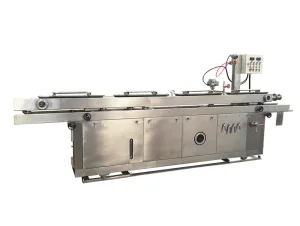
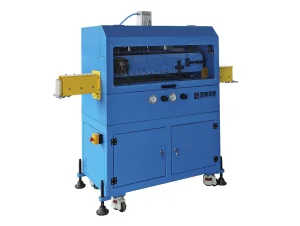
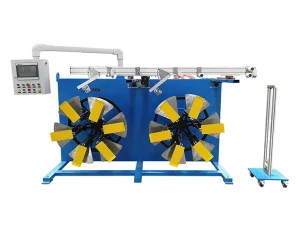
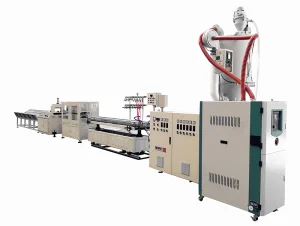
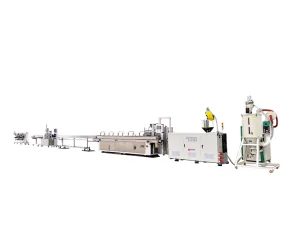
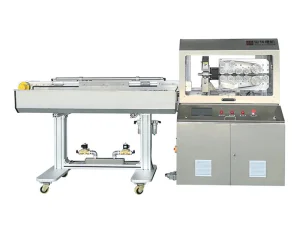
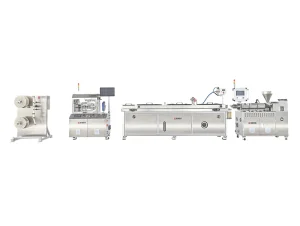
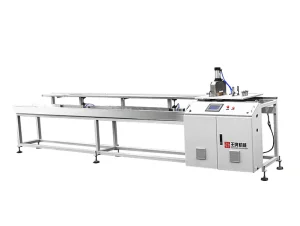
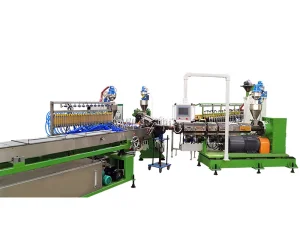
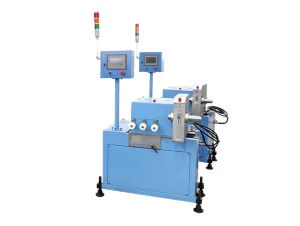
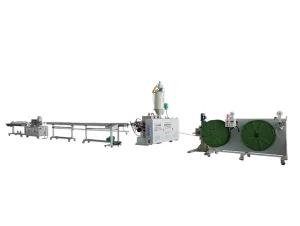
Explore our cutting-edge machinery configured for ultimate stability, extreme manufacturing tolerances, and integration compatibility.
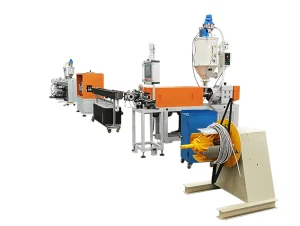
A comprehensive analysis of multi-layer co-extrusion technology, global supply chain developments, and material sciences driving the transition from mono-layer to complex structures.
Information Gain Insight: The shift toward Electric Vehicles (EVs) and smart industrial automation networks has accelerated the demand for high-performance polymers (such as PA11, PA12, PVDF, and EVOH). Multi-layer corrugated lines solve the fundamental mechanical paradox of pipe manufacturing: achieving extreme chemical/permeation resistance alongside structural flexibility. Mono-layer pipes can no longer satisfy international standards for fuel permeation limits (Euro 6d/EPA LEV III) and high-voltage insulation protection.
In modern manufacturing, multi-layer corrugated pipelines represent the pinnacle of plastic co-extrusion engineering. Originating from specialized European automotive requirements, the global footprint of these production lines has expanded dramatically. Today, China stands as a primary exporter of highly automated co-extrusion machinery, catering to key manufacturing hubs in Germany, North America, Japan, and Southeast Asia.
The commercial value of multi-layer extrusion lines lies in their ability to process distinct thermoplastic materials simultaneously. In a typical 3-layer or 5-layer corrugated PA (Polyamide) pipe configuration, each layer plays a distinct role:
This multi-tier defense system has transitioned from a premium automotive option to a standard infrastructure requirement, driving factories to invest in reliable, continuous co-extrusion platforms that ensure layer uniformity down to the micron level.
As manufacturers align with international climate directives and circular economy principles, three major trends are reshaping the design of multi-layer corrugated lines:
1. Intelligent Automation & Closed-loop Controls: With the rise of Industry 4.0, extrusion lines are moving away from manual calibrations. Modern lines incorporate online ultrasonic wall-thickness measurement sensors and gravimetric dosing systems. These components communicate directly with the extruder's PLC, automatically adjusting the screw speed and die gap to compensate for deviations in real-time, reducing material scrap rates by up to 35%.
2. Transition to Bio-Based and Recycled Thermoplastics: To satisfy corporate ESG goals, extrusion factories are customizing their processing parameters to run bio-polymers like green PA11 (derived from castor oil) or recycled PET and HDPE. Processing these materials requires customized screw profiles, precise melt temperature controls, and specialized filtration systems to maintain high mechanical tolerances.
BAOD EXTRUSION (Jiangsu Baodie Automation Equipment Co., Ltd.) is dedicated to the design, manufacturing, and global sales of plastic extrusion equipment. Leveraging 18 years of experience in designing and fabricating high-quality machinery in Taiwan, the original parent company (KINGSWEL GROUP) invested in establishing our main extrusion manufacturing base in Shanghai in 1999.
With a cumulative experience of over 25 years in plastic extrusion R&D, our focus remains on introducing highly automated, reliable, and energy-efficient systems that serve leading manufacturers in the automotive components, medical catheter, and high-performance industrial pipe sectors.
Years of Manufacturing Experience
State-of-the-Art Factory Area
Specialized Technical Employees
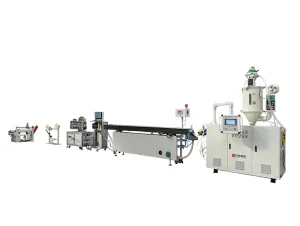
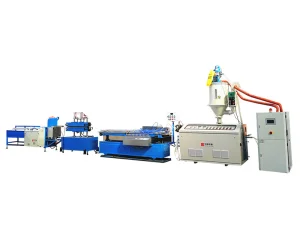
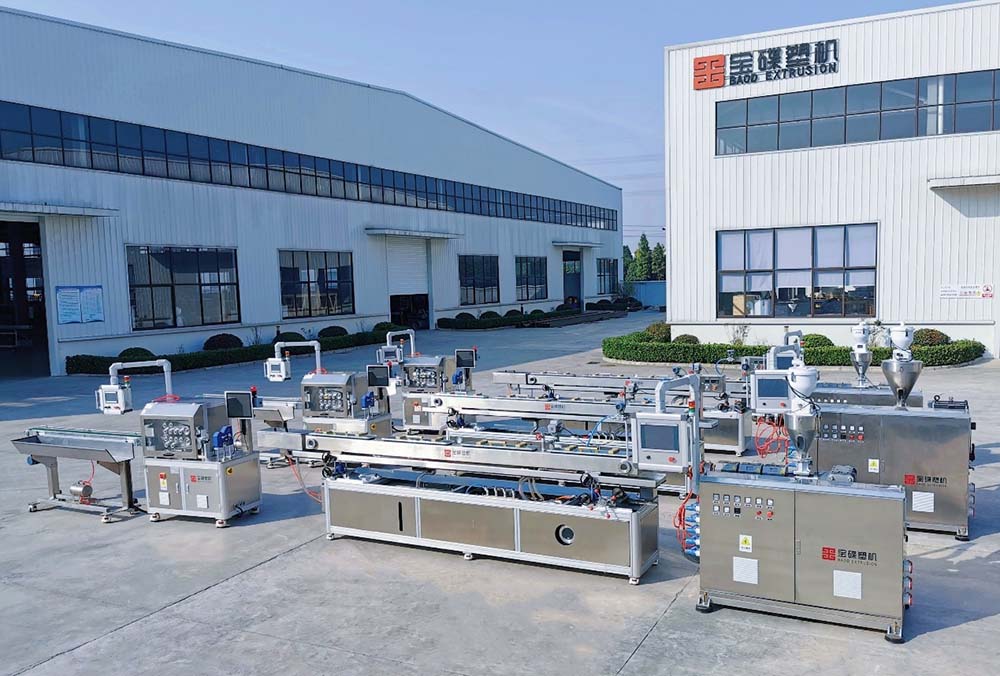
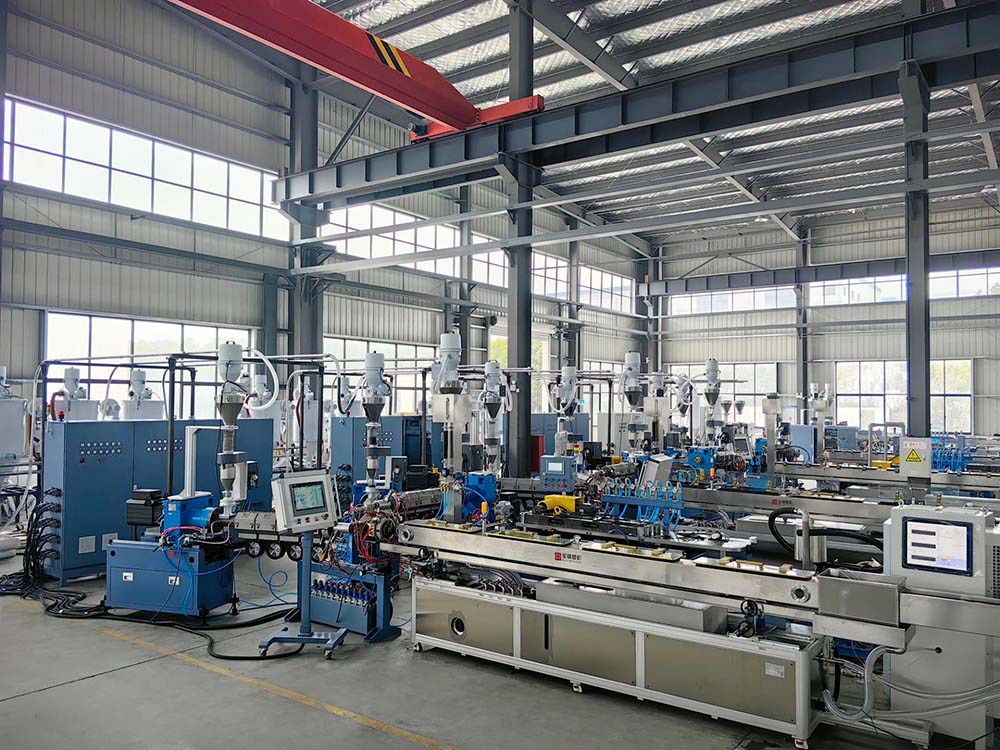
Our core machinery line-up demonstrates our specialization in high-speed, continuous, and high-precision extrusion architectures.
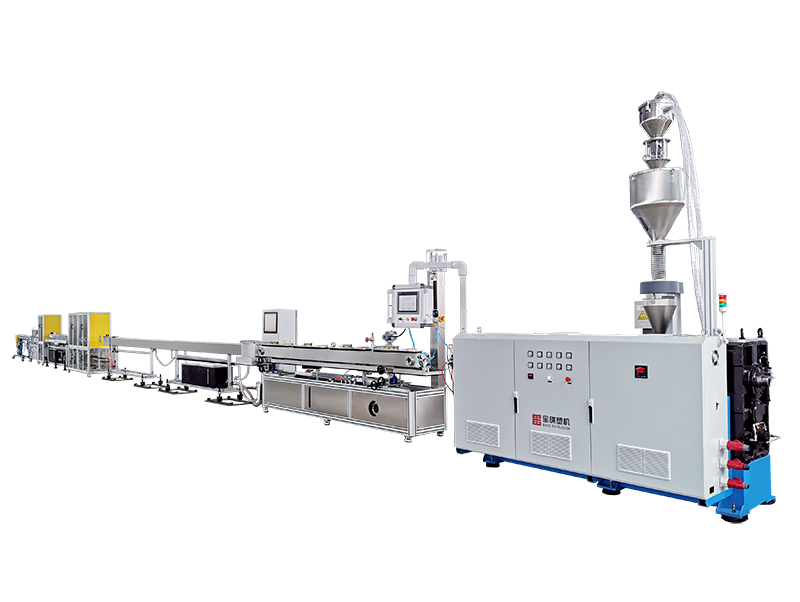
Designed for cleanroom medical catheters, automotive micro-tubes, and precision instrumentation conduits with micron-level OD/ID tolerance control.
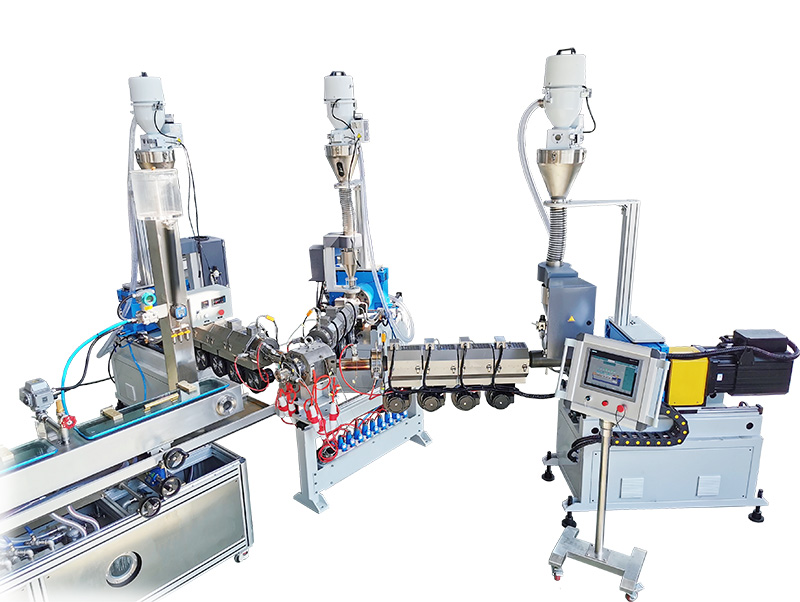
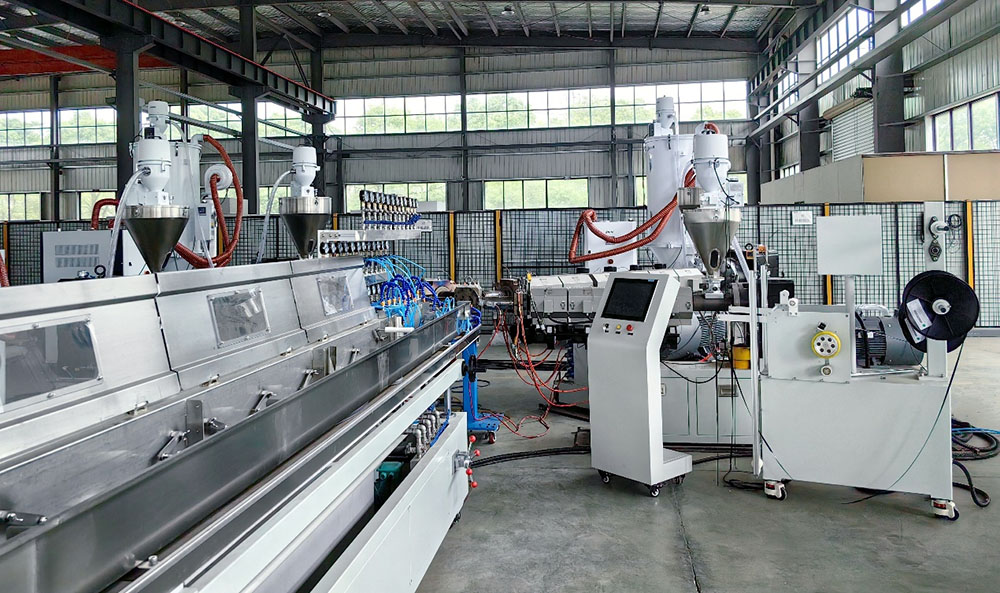
Engineered for multi-layer co-extrusion processing of PA12/PA612/EVOH, featuring advanced corrugator molds and rapid-cooling mechanisms.
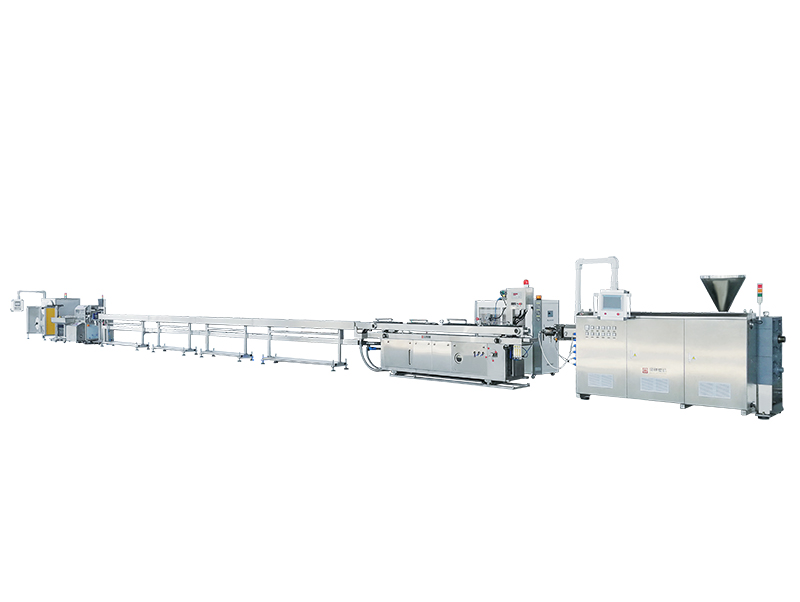
Complies with strict medical certifications, integrating automated sizing tanks and fly-knife cutters to prevent deformation in soft-PVC tubes.
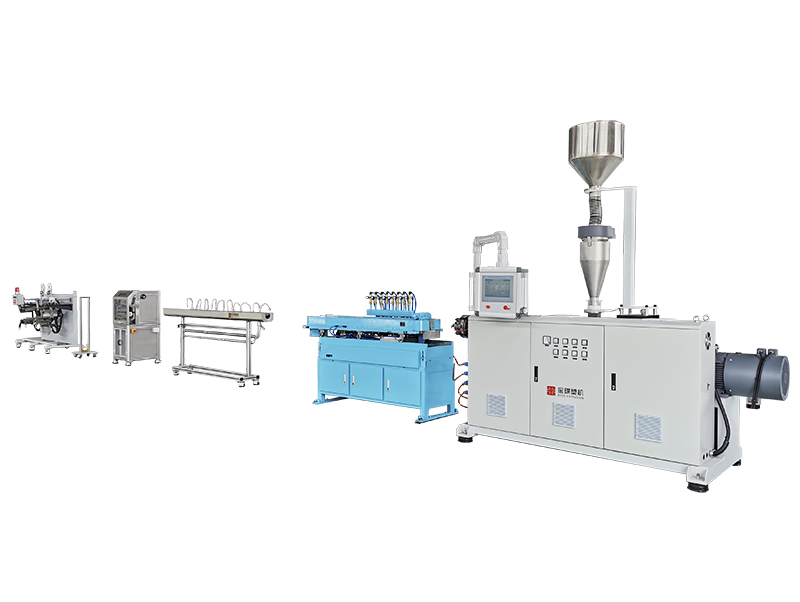
High-efficiency continuous forming system designed to produce wire harnesses and industrial conduit pipes with smooth inner walls.
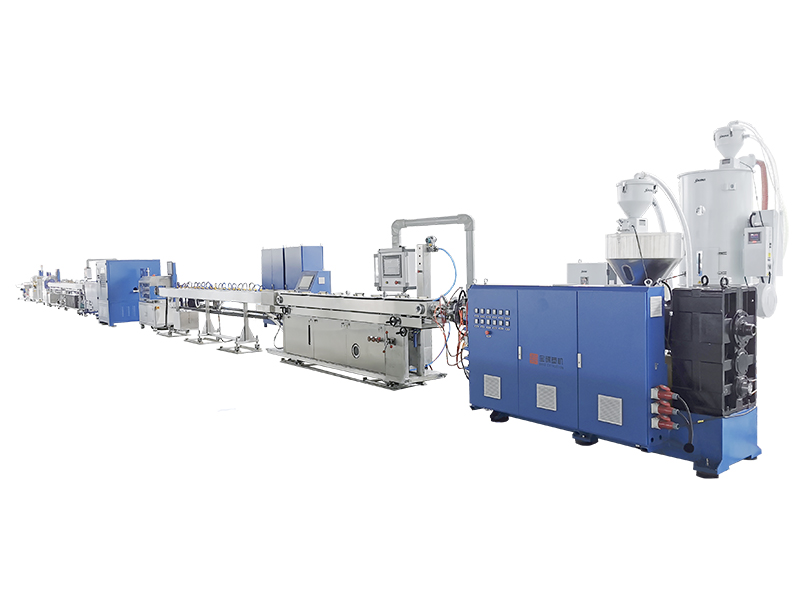
Combines multi-layer thermoplastic vulcanizate (TPV) extrusion with high-tensile fiber knitting for heavy-duty fluid transportation.
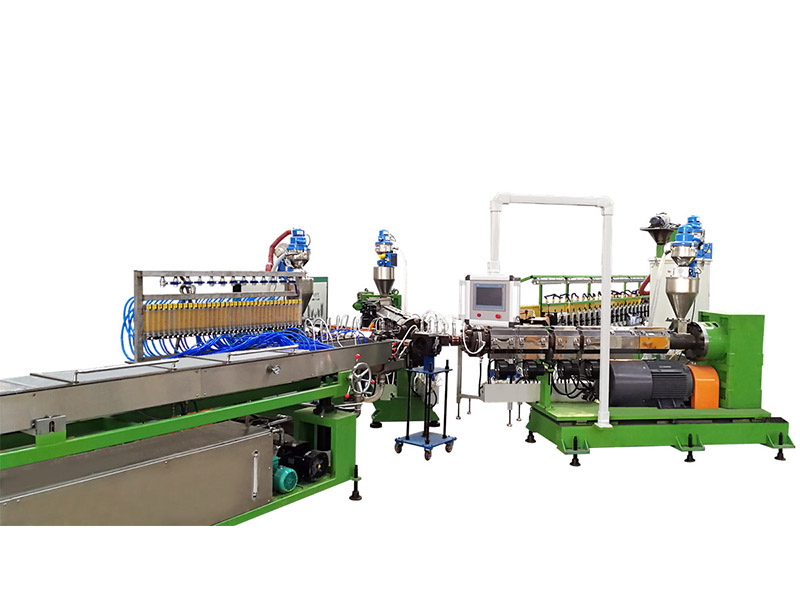
A highly integrated line featuring co-extrusion capabilities for metal inserts and sponge rubber components for modern automotive cabins.
The performance of multi-layer corrugated pipes varies across different geographic regions and industrial micro-environments:
To guide global procurement teams, BAOD Extrusion has established a technical roadmap focused on high-yield and low-downtime manufacturing:
Phase 1: Material Chemistry & High-Shear Screw Designs: Implementing custom L/D ratios (usually 30:1 to 36:1) and barrier screws designed specifically for heat-sensitive engineering polymers. This configuration prevents polymer chain shearing and degradation.
Phase 2: Multi-manifold Co-extrusion Die Head: A central component where polymer flows from separate extruders merge. The design of our spiral mandrel flow channels ensures consistent layer thickness across the entire diameter of the pipe.
Phase 3: High-Speed Continuous Corrugating: Utilizing an aluminum mold chain block cooled by high-flow internal water channels. The continuous chain utilizes vacuum molding, allowing block transition speeds to reach up to 30 meters per minute while maintaining clean corrugated crests and roots.
Addressing critical technical and engineering inquiries from plant operators, material specialists, and procurement managers worldwide.
Stay informed on global industry conferences, compliance insights, and engineering updates from BAOD EXTRUSION.
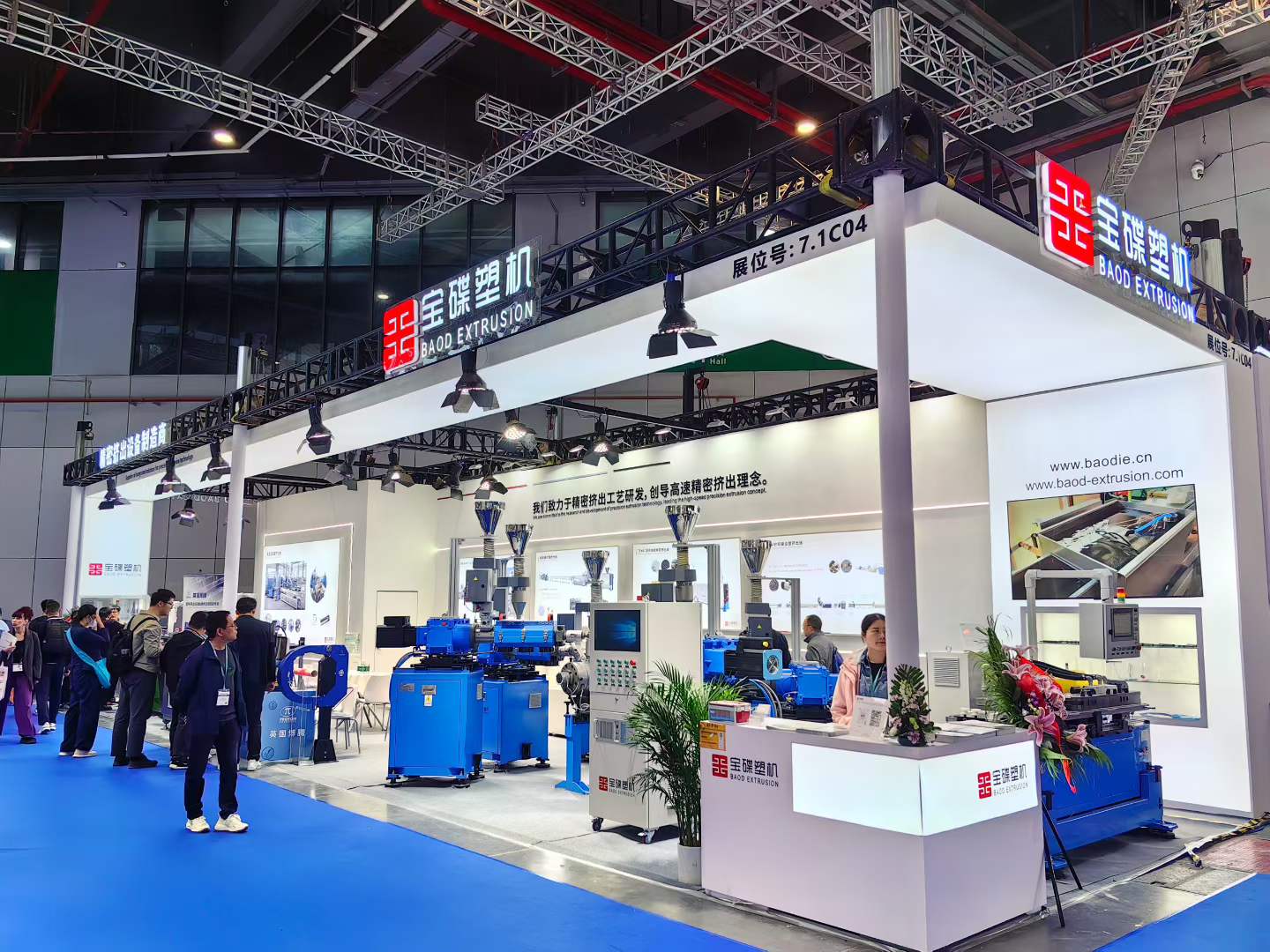
From April 21–24, CHINAPLAS 2026 was successfully held at the National Exhibition and Convention Center (Shanghai, Hongqiao). BAOD EXTRUSION showcased its latest R&D achievements at Booth 7.1C04, presenting “Smart Extrusion · High-Efficiency Innovation” solutions that attracted global buyers and polymer industry experts.
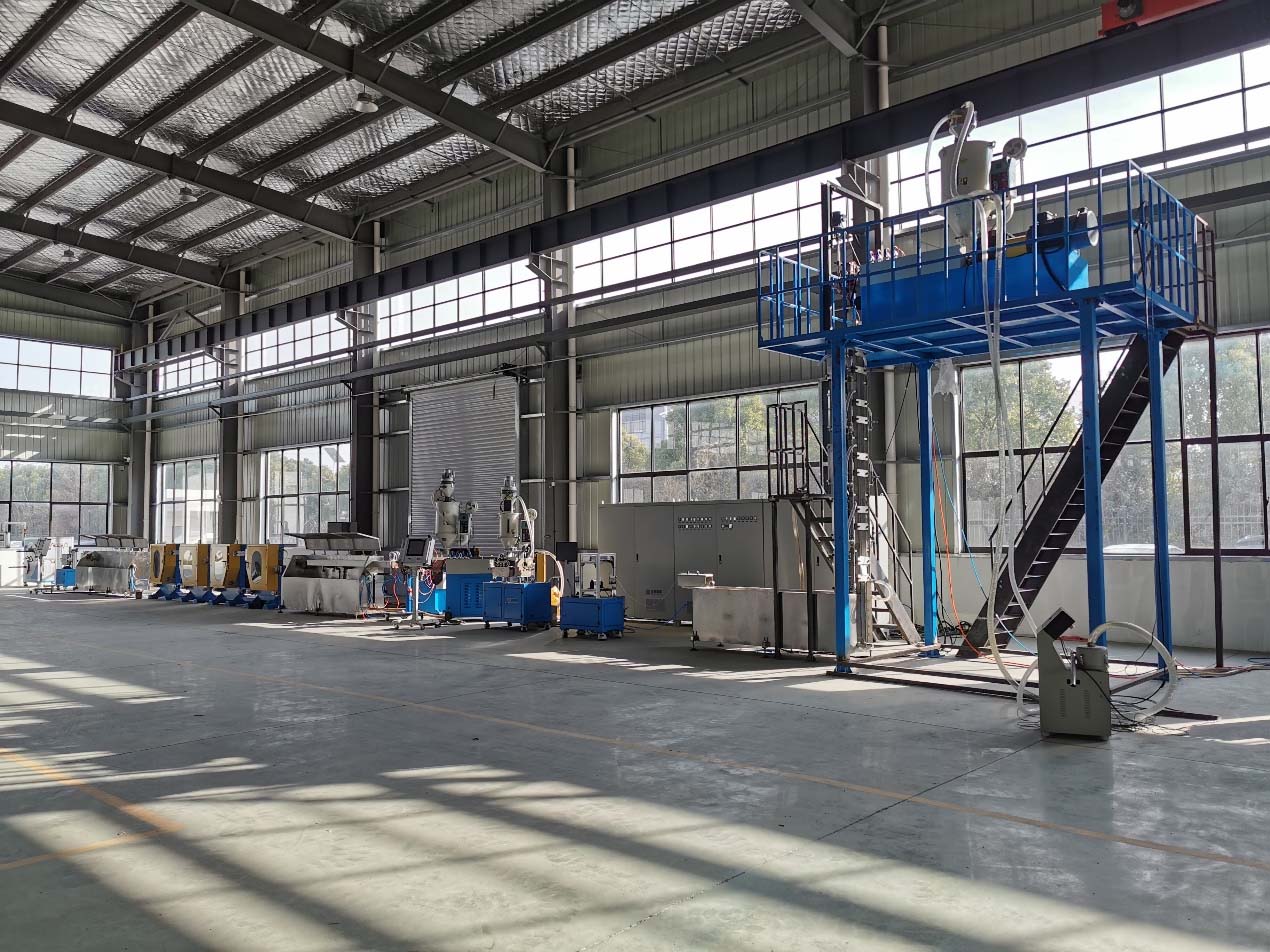
In the controlled environment of a modern industrial facility, a single, hair-thin plastic tube wound onto a reel might seem unremarkable. However, in sectors ranging from mining to infrastructure demolition, this tube—known as a detonating cord housing—requires micro-level tolerances and safety parameters.
In the sterile environment of a modern medical facility, a clinician prepares a complex catheter. This thin, flexible tube is far more than a simple conduit; internally, it is divided into several microscopic channels, or lumens. Achieving this structure requires precise tooling to meet European medical standards.
How do the world's most reputable vehicle manufacturers ensure the absolute integrity of every fuel line, brake hose, and cooling pipe buried deep within a vehicle’s chassis? Why has the shift toward electric and lightweight vehicles made the precision of these small-diameter lines so critical? Learn how BAOD complies with international standards.
Few observers notice the quiet, critical components ensuring the cabin remains a sanctuary of silence and temperature control. Behind these door seals and glass run channels are high-performance sealing profiles co-extruded on BAOD machinery, setting trends for 2026.
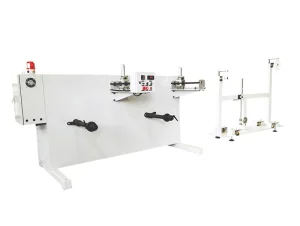
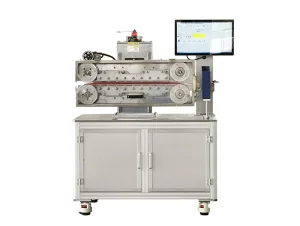
Explore auxiliary systems designed for precise pulling, cross-cutting, and auto-spooling of technical tubes.
 Baodie