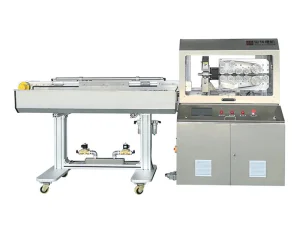
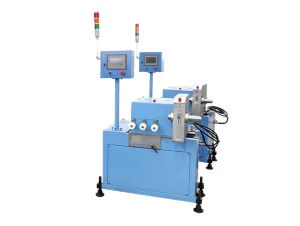
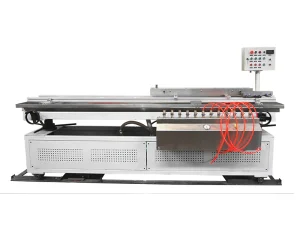
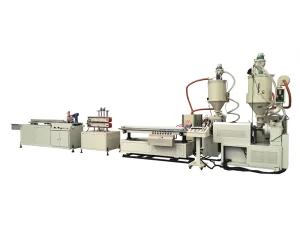
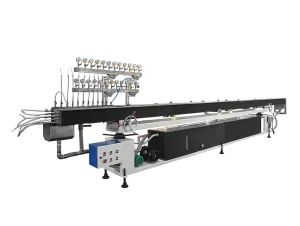
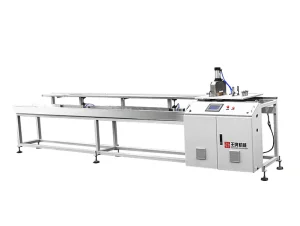
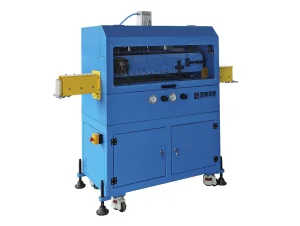
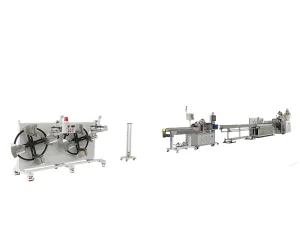
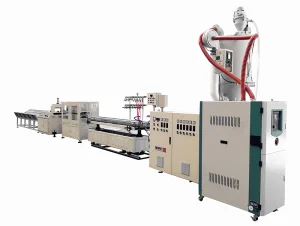
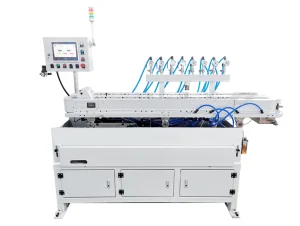
Advanced downstream machinery, calibration systems, and high-precision cutting devices engineered for modern extrusion plants.
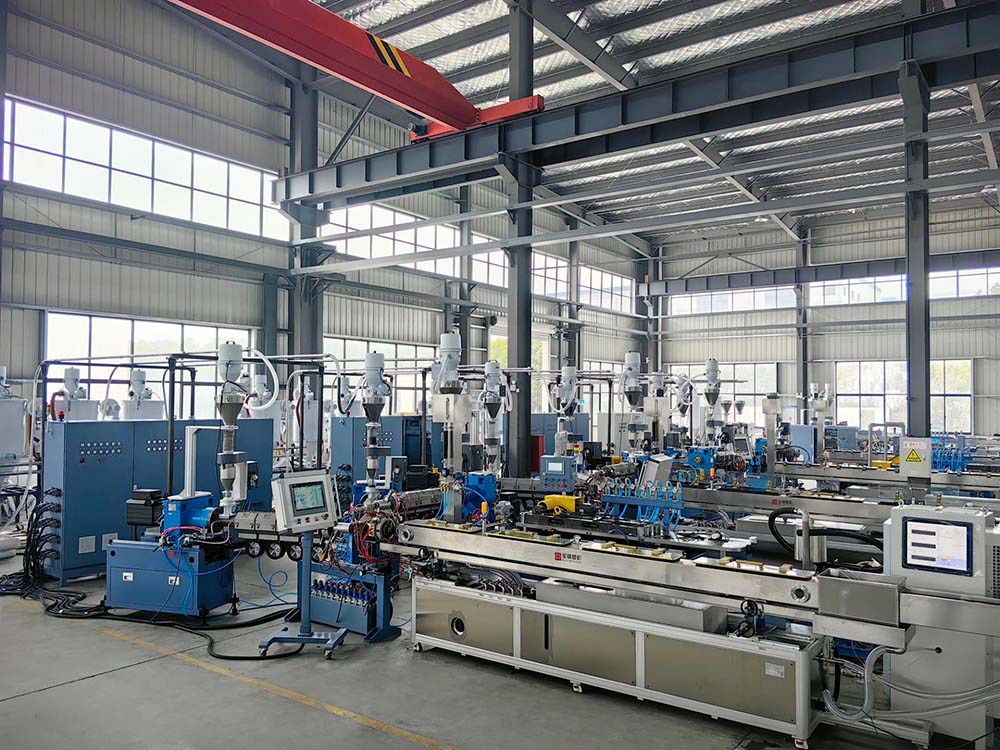
BAOD EXTRUSION, legally registered as Jiangsu Baodie Automation Equipment Co., Ltd., was established in 2002. Driven by a mission to localize high-end precision plastic extrusion equipment while adhering to rigorous international standards, our corporate roots trace back to 1999 when our parent group, KINGSWEL GROUP, established its primary manufacturing base in Shanghai after transferring 18 years of pioneering engineering expertise from Taiwan. Over the past quarter-century, we have evolved into a global leader in high-precision, highly automated extrusion lines.
With a state-of-the-art facility spanning over 16,000 square meters, BAOD has focused systematically on four core research paradigms:
We work in tandem with global medical device manufacturers and OEM partners to develop customized, project-specific machinery configurations. From micro-bore PEBAX catheters to complex co-extruded fluoropolymer tubing, our machinery utilizes proprietary screw geometry optimized for thermal stability and high-shear dispersion.
Learn More About BAOD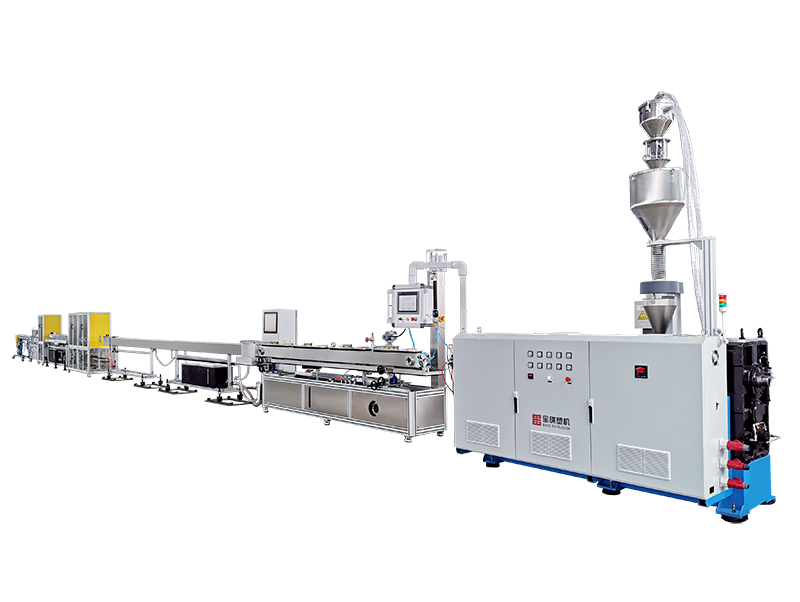
China's dominance in the medical tubing manufacturing ecosystem has transitioned from a cost-driven model to a technology-driven, high-precision manufacturing model. Modern medical tubing factories in China combine robust localized raw material supply networks with world-class engineering talent, enabling the production of highly complex tubing at fraction of the capital expenditure of Western alternatives.
Key structural advantages include:
Integration of ultra-precise closed-loop control systems, achieving dimensions comparable to European and North American machinery manufacturers.
Extensive experience processing biomedical materials including TPU, PEBAX, FEP, PTFE, PEEK, PVC, and silicone elastomers.
ISO Class 7 and Class 8 (Class 10,000 / 100,000) cleanrooms integrated with positive pressure airflow, HEPA filtration, and strict particulate monitoring.
Information Gain Insight: The differentiation in Chinese medical extrusion lies in the localized integration of auxiliary equipment. Real-time outer diameter (OD) and inner diameter (ID) ultrasonic measuring equipment is combined with high-frequency cutter systems to achieve zero-defect, continuous processing over extended manufacturing runs.
Precision medical tubing is characterized by strict dimensional requirements. Catheters used in minimally invasive surgeries or cardiovascular therapies demand exact concentricity and consistent flow rates. Achieving these properties requires a comprehensive system layout encompassing raw material dehumidification, high-accuracy melt control, and precise stabilization processes.
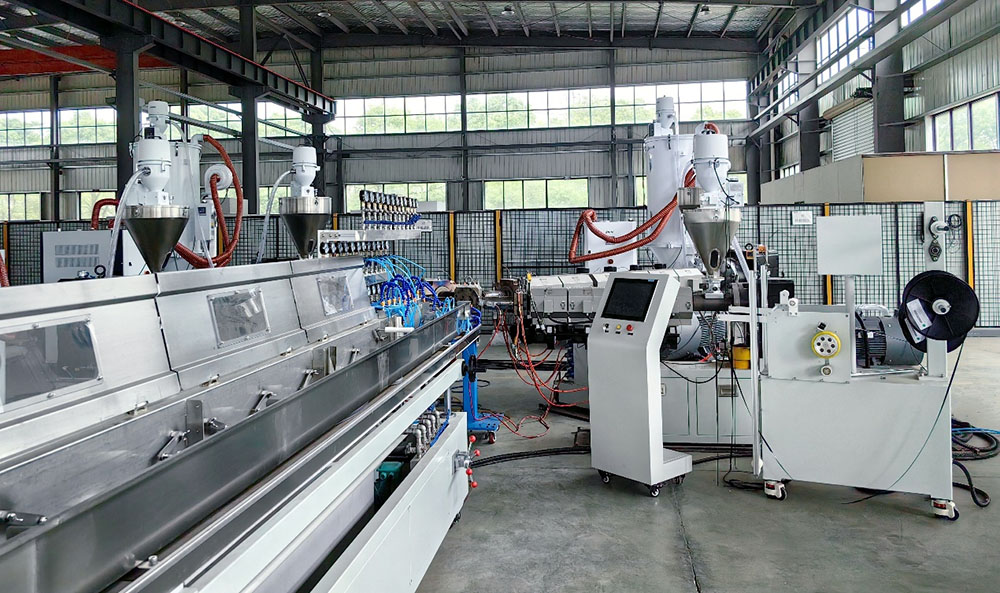
The core of medical extrusion is the design of the screw and the tooling. The screw must provide a homogeneous melt with zero thermal fluctuations. A barrier screw configuration combined with a dynamic melt pump guarantees a constant volumetric flow. The melt pump acts as a pressure stabilizer, attenuating any pressure waves originating from the extruder's feed zone.
Desiccant drying to a moisture content <0.02% to prevent hydrolytic degradation during processing.
Custom L/D ratio (25:1 to 30:1) barrier screws with precise multi-zone temperature control profiles.
Consistent volumetric output control, reducing pressure fluctuations to less than ±0.5 bar.
Dual-chamber vacuum tanks with highly responsive water level and temperature regulation loops.
| Material Type | Common Application | Processing Temperature Range | Required Dimensional Tolerance |
|---|---|---|---|
| PVC (Polyvinyl Chloride) | IV Infusion, Oxygen Masks, Enteral Feeding | 160°C - 190°C | ±0.03 mm |
| TPU (Thermoplastic Polyurethane) | Central Venous Catheters, PICC lines | 180°C - 210°C | ±0.02 mm |
| PEBAX (Polyether Block Amide) | Angioplasty Balloon Catheters, Sheaths | 190°C - 230°C | ±0.015 mm |
| FEP / PTFE | High-Lubricity Introducer Sheaths | 320°C - 380°C | ±0.02 mm |
Sourcing medical tubing extrusion equipment requires comprehensive quality management, engineering validation, and regulatory compliance. Global medical device OEMs require machinery suppliers to present extensive documentation verifying system performance and process safety.
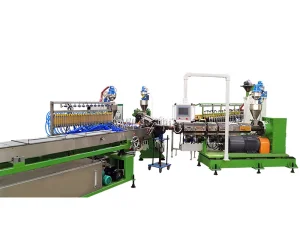
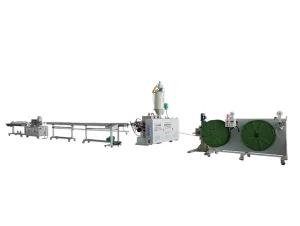
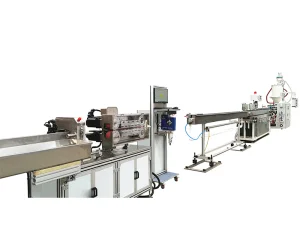
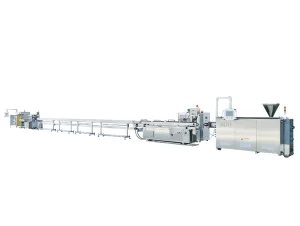
The following systems represent the primary design achievements of BAOD EXTRUSION's development teams. These configurations showcase our focus on automation, high-speed output, and strict tolerance control.
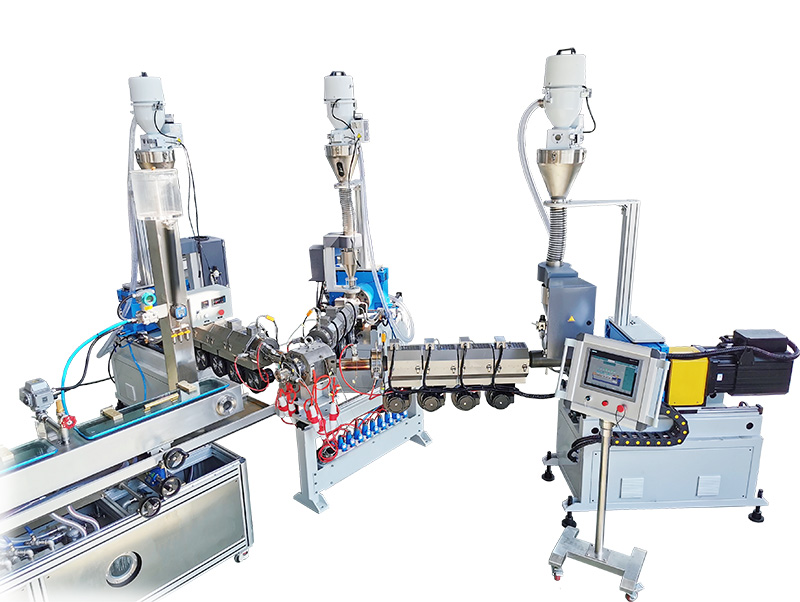
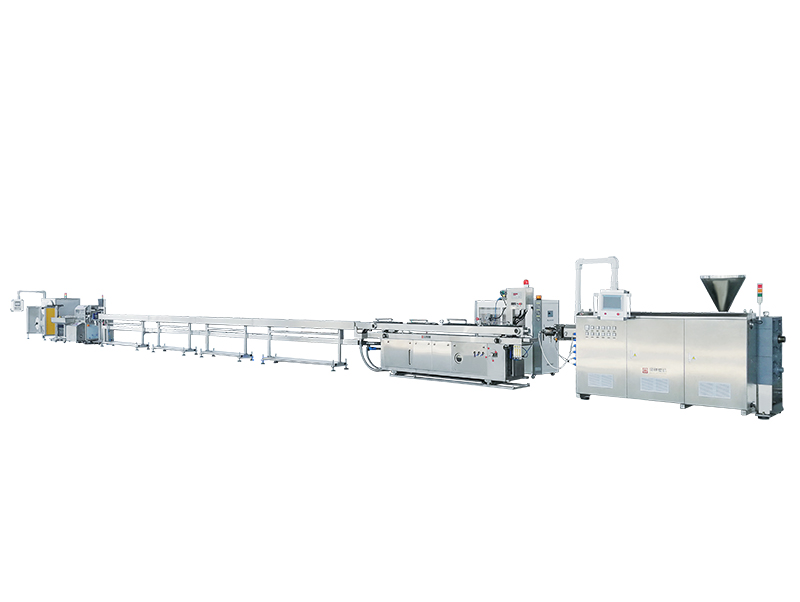
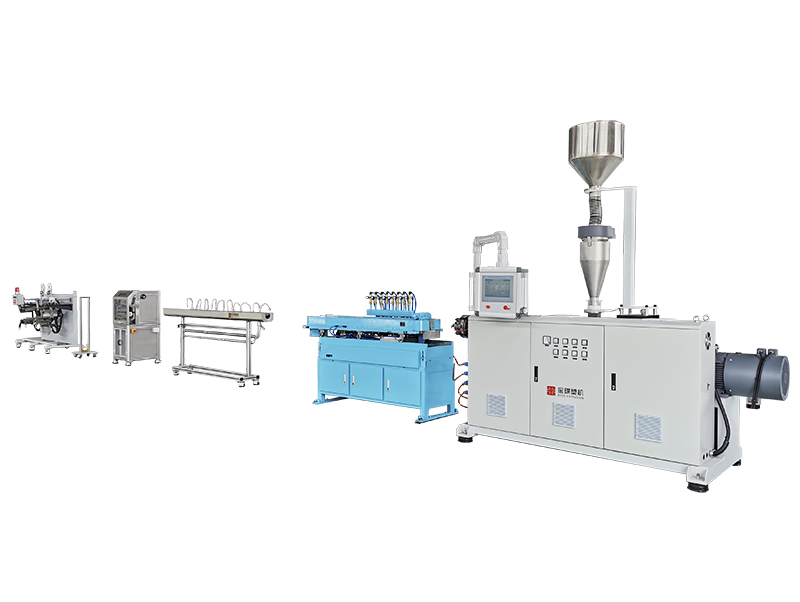
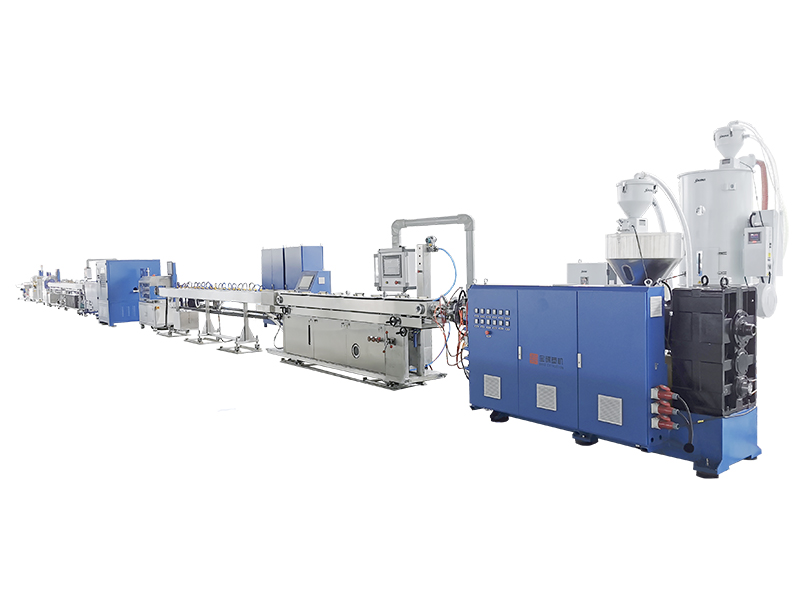
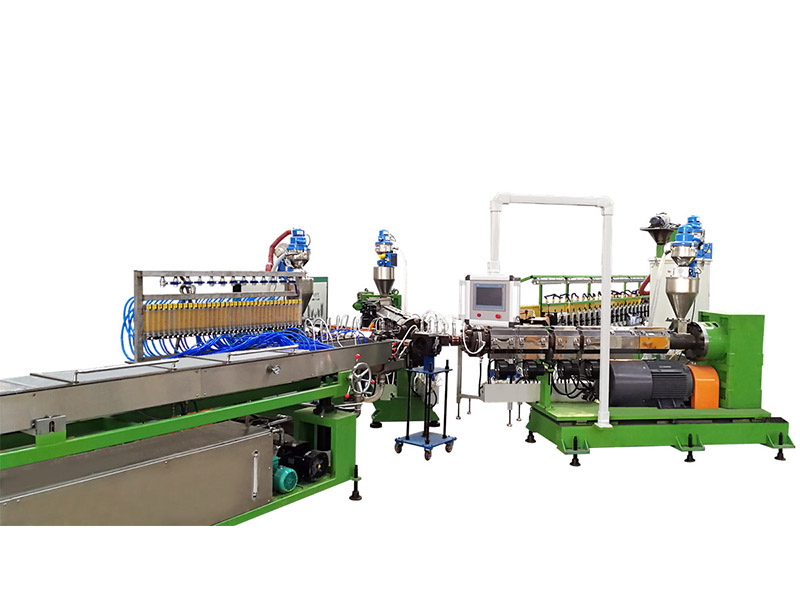
Precision extrusion is critical in major medical sub-sectors. At BAOD EXTRUSION, we build turn-key manufacturing setups tailored to distinct clinical applications:
For structural heart and vascular interventions, catheters require variable stiffness profiles (braided shafts, softer tips) and micro-scale dimensions. Our multi-layer co-extrusion technology enables manufacturers to apply a high-lubricity fluoropolymer inner liner, a metallic wire reinforcement layer, and a polyether block amide (PEBAX) outer jacket.
Critical care units require micro-bore tubing with minimal dead volume to prevent drug administration errors. Our systems run at high speeds while utilizing advanced air-pressure control systems to keep the internal lumen shape accurate without distortion.
Peristaltic pump applications require tubing with excellent fatigue resistance, accurate wall thickness tolerances, and high elasticity. BAOD systems designed for silicone and TPE extrusion employ high-precision curing and stabilization loops that minimize wall variation, extending overall pump lifetime.
The medical tubing sector is seeing several technological updates. Key trends driving the redesign of modern medical tubing extrusion lines include:
Dimensional control depends on the stability of the melt pressure, precision air pressure regulation inside the lumen, and the downstream haul-off rate. Incorporating a melt pump reduces pressure fluctuations to under 0.5%, while multi-axis laser measuring gauges provide real-time feedback to adjust the puller speed, ensuring tight tolerances.
Our screws are designed with custom shear rates and L/D ratios to prevent local shear heating. We also apply surface treatments to the flow channels within the die head to eliminate stagnation zones, keeping flow uniform and preventing degradation.
We provide full verification documentation. This includes material trace certificates, sensor calibration logs, software test records, and statistical analysis reports demonstrating CPK values > 1.67 during initial test runs.
Vacuum calibration uses a controlled pressure differential to shape the tube against a sizing sleeve. This prevents collapse in thin-walled tubing, ensuring high circularity and dimensional stability that standard spray tanks cannot achieve alone.
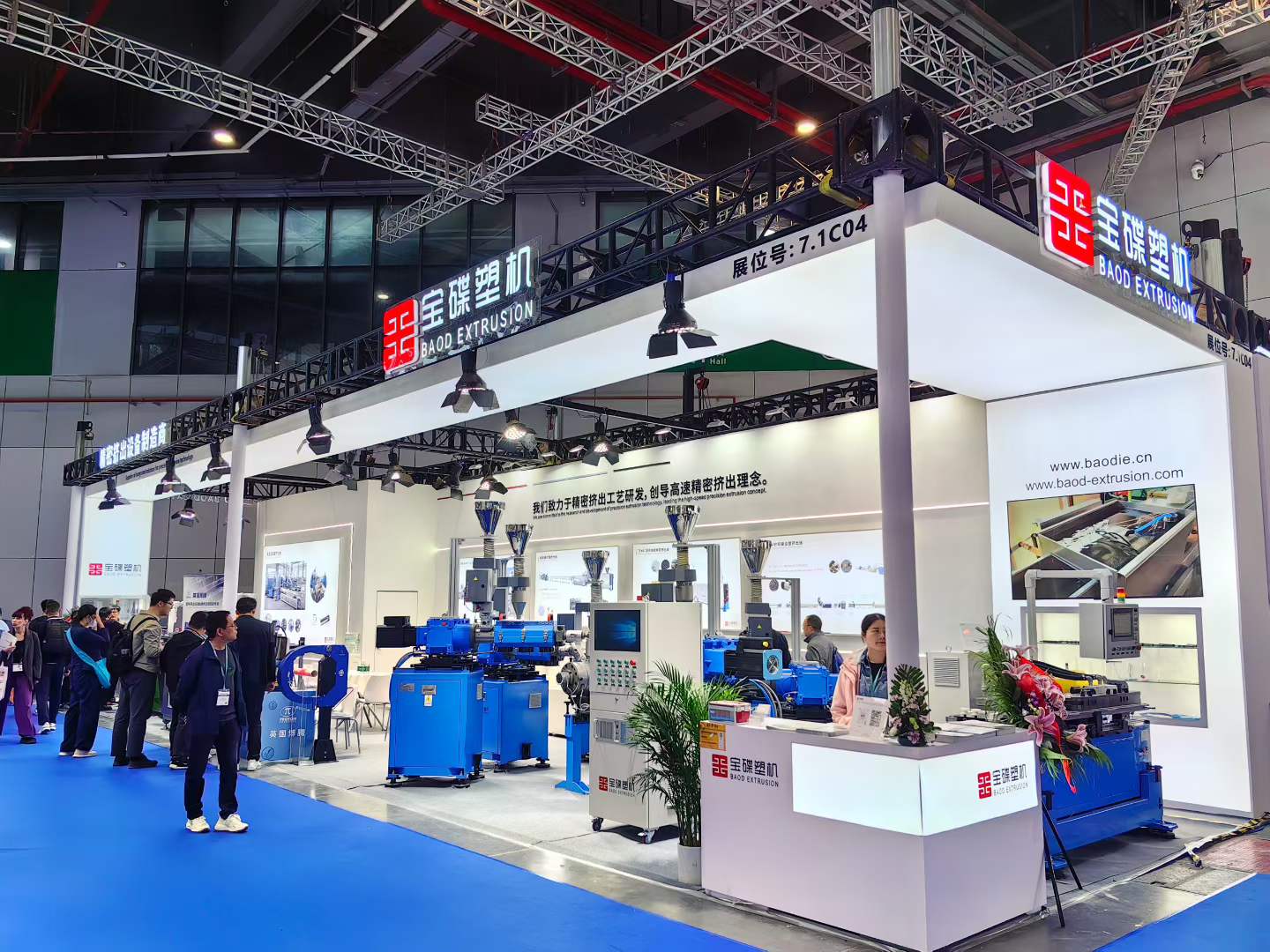
BAOD showcased its latest R&D achievements at Booth 7.1C04, presenting "Smart Extrusion & High-Efficiency Innovation" solutions for modern polymer processing...
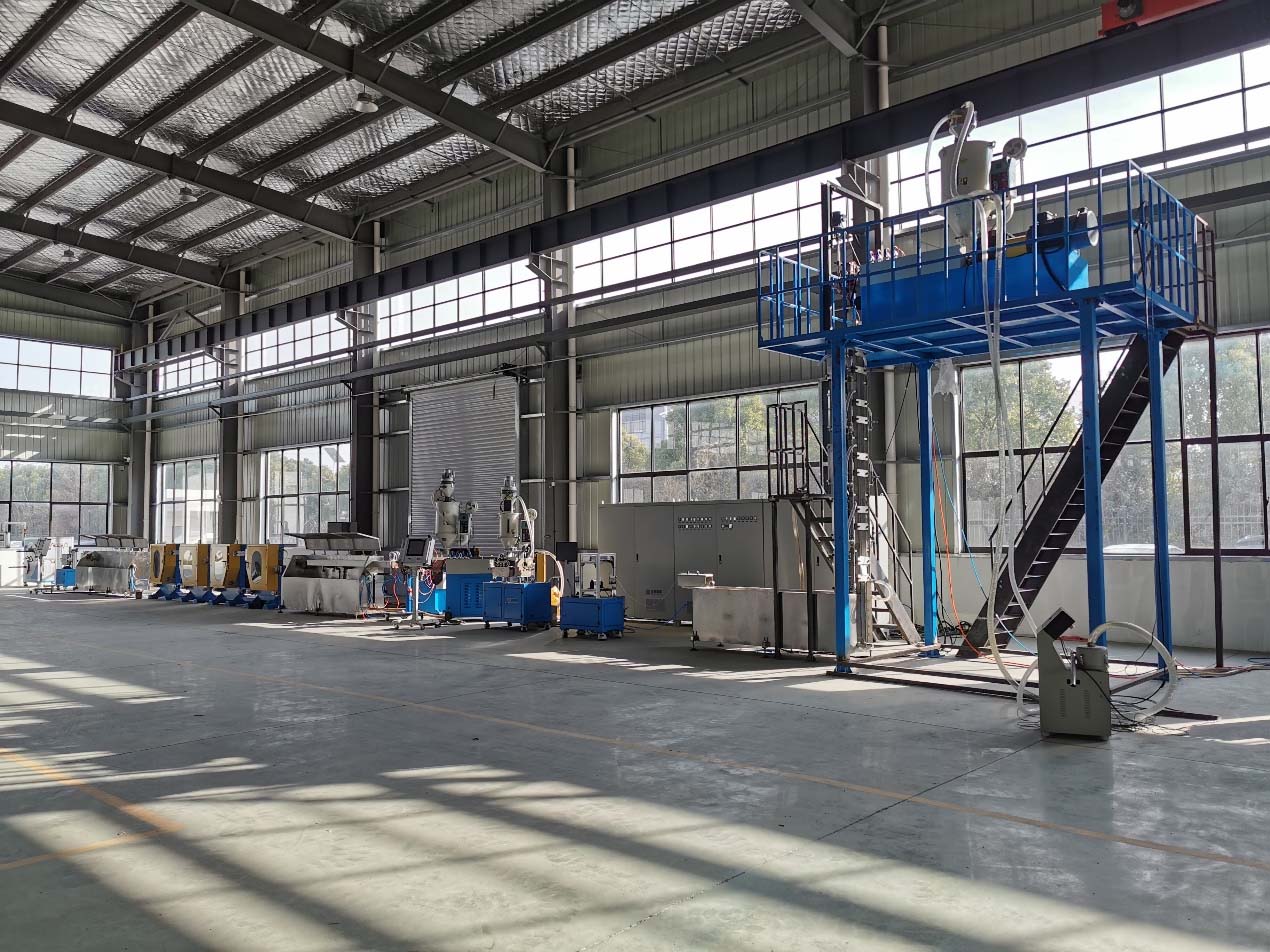
Providing precision extrusion lines for detonating systems requiring high speed, high reliability, and compliance with severe safety protocols...
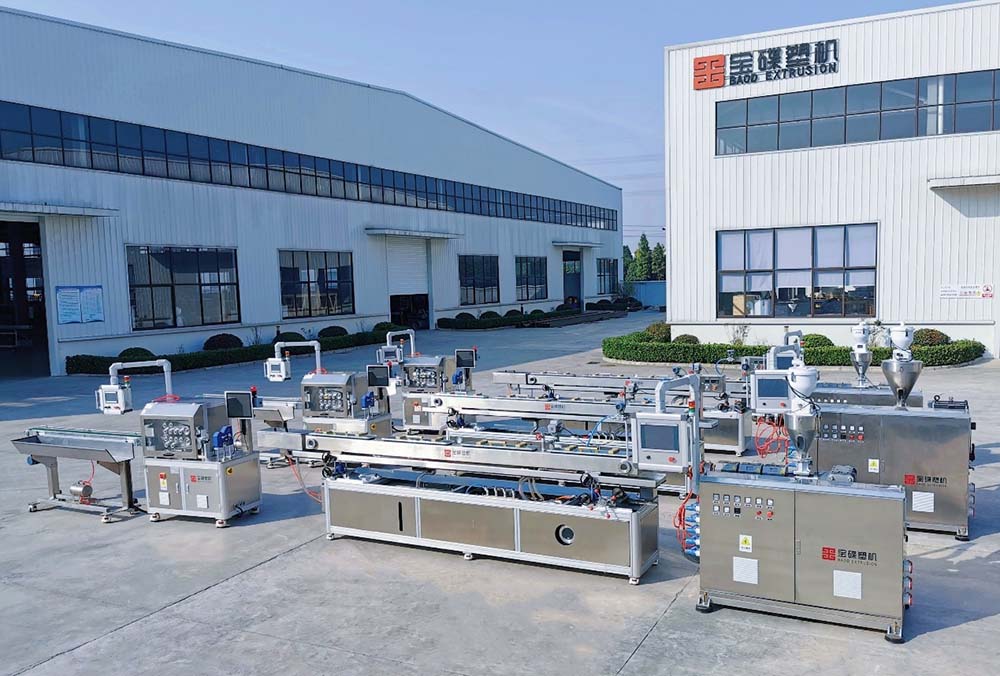
An in-depth technical analysis comparing dimensional stability, tooling configurations, and mechanical design approaches between top manufacturing hubs...
Analysis of ISO 9001, VDA 6.3, and IATF 16949 standards applied to structural tube extrusion systems for fluid transfer and braking networks...
Investigating the integration of automated metal insert systems and co-extrusion technology for dynamic sealing systems in electric vehicles...
Complete extrusion solutions designed for composite hoses, automotive seals, wire coating, and micro-medical tubing.
 Baodie