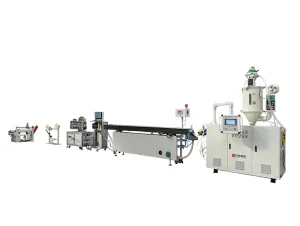
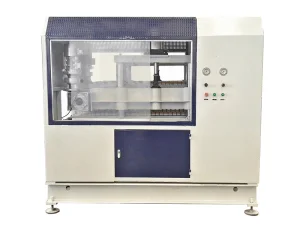
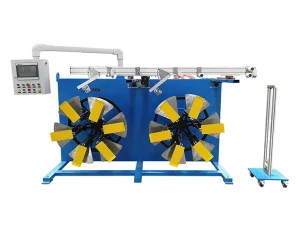
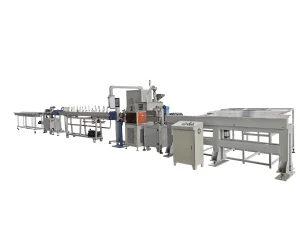
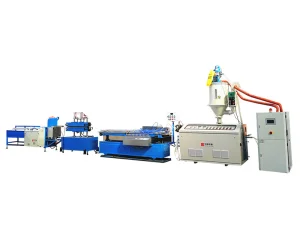
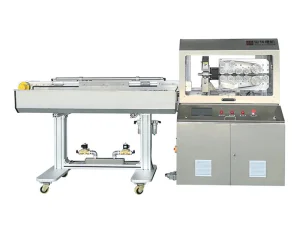
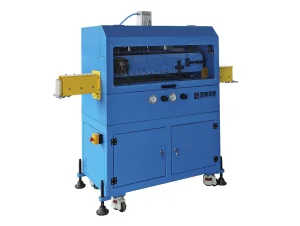
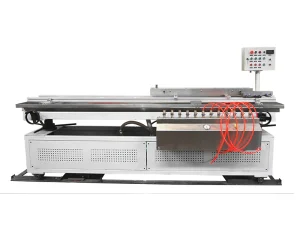
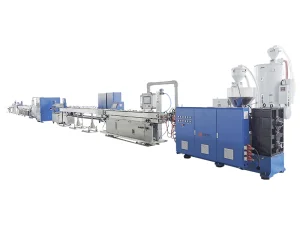
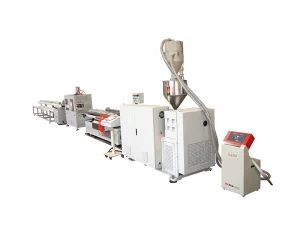
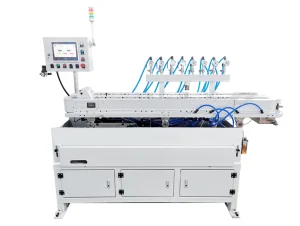
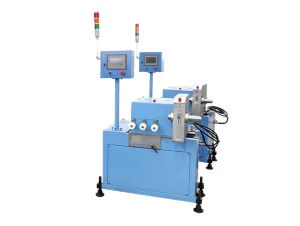
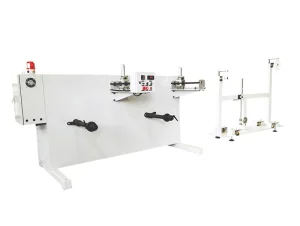
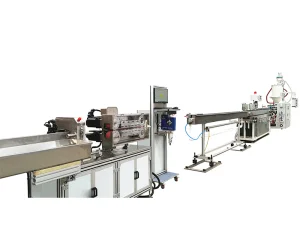
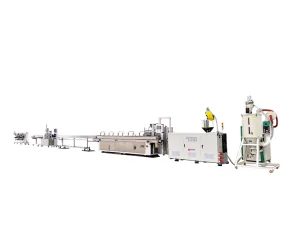
Explore our premium machinery built for absolute thermal consistency, structural reliability, and high-throughput tolerance control.
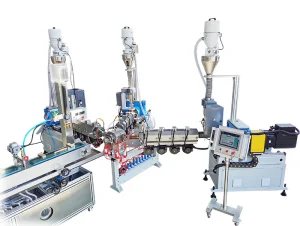
BAOD EXTRUSION (Jiangsu Baodie Automation Equipment Co., Ltd.), founded in 2002, is committed to designing, manufacturing, and servicing high-performance plastic extrusion systems. Grounded in over 25 years of engineering experience originating from our parent enterprise (KINGSWEL GROUP) in Taiwan, we established our world-class manufacturing hub in Shanghai in 1999, followed by expanded operations in Jiangsu to serve global processing markets.
We focus systematically on the convergence of polymer physics and automation, refining extruder temperature control configurations to deliver unmatched structural stability, cross-sectional concentricity, and thermal efficiency.
Years of Engineering
M² Factory Floor
Global Professionals
An in-depth analysis of polymer thermodynamics, global commercial shifts, technical roadmaps, and automation frameworks.
In plastic extrusion, **temperature profile design** is not merely a setting on a controller; it is the fundamental regulator of polymer rheology. Amorphous and semi-crystalline plastics (such as PE, PP, PVC, PA, and high-performance fluoropolymers) exhibit distinct molecular transitions. As these raw pellets progress from the hopper through the feed zone, compression zone, and metering zone, the thermal application must transition them safely past their glass transition temperatures ($T_g$) and melting points ($T_m$) without causing thermal degradation.
Energy input comes from two sources: **conductive heating** via barrel heaters, and **viscous shear heating** from the mechanical rotation of the screw. At high screw speeds, shear heating can exceed conductive inputs, causing localized overheating. Managing this balance requires multi-zone, closed-loop cooling systems (such as high-efficiency air blowers or copper-pipe water circulation) coupled with adaptive PID algorithms to prevent runaway thermal conditions.
The global extrusion market is seeing a major shift. While basic profile extruders remain popular in developing regions, high-precision sectors—including **medical tubing, multi-layer co-extrusion automotive lines, and aerospace fluoropolymer coatings**—demand advanced thermal control systems.
Historically, European manufacturers dominated high-end thermal automation. However, leading Chinese manufacturers, such as **BAOD EXTRUSION**, have bridged this gap. By combining Taiwan-based research and development with scalable domestic manufacturing, Chinese factories now supply international markets with machines that match European tolerances at optimized capital expense ratios.
Advanced barrel zones keep temperature deviations within ±0.5°C, ensuring uniform viscosity for thin-wall, multi-lumen micro-catheters.
Integrating ceramic band heaters and insulated cooling shrouds reduces heat loss, lowering plant energy consumption by up to 30%.
Looking forward, four primary trends are shaping the future of industrial extruder temperature design:
Extruder configuration depends heavily on the target application:
Automotive Fuel & Braking Lines: Modern vehicles rely on multi-layer PA (Nylon) smooth and corrugated hoses. This co-extrusion process uses up to five extruders working in tandem, requiring precise temperature synchronization so all layers bond securely at the die plate.
High-Precision Catheters: Medical-grade polyurethane (PU) and fluoropolymers are sensitive to heat. Even slight overheating can cause discolored spots or structural failure. These applications require dedicated screw designs and oil-circulating heating units for stable, low-temperature operations.
Corrugated Conduit Hoses: Producing structural PP, PE, or PVC conduits demands high output. The extruder must maintain continuous high flow rates while cooling systems prevent thermal runaway from screw shear.
Engineered for stability, high throughput, and advanced thermal management across complex polymer applications.
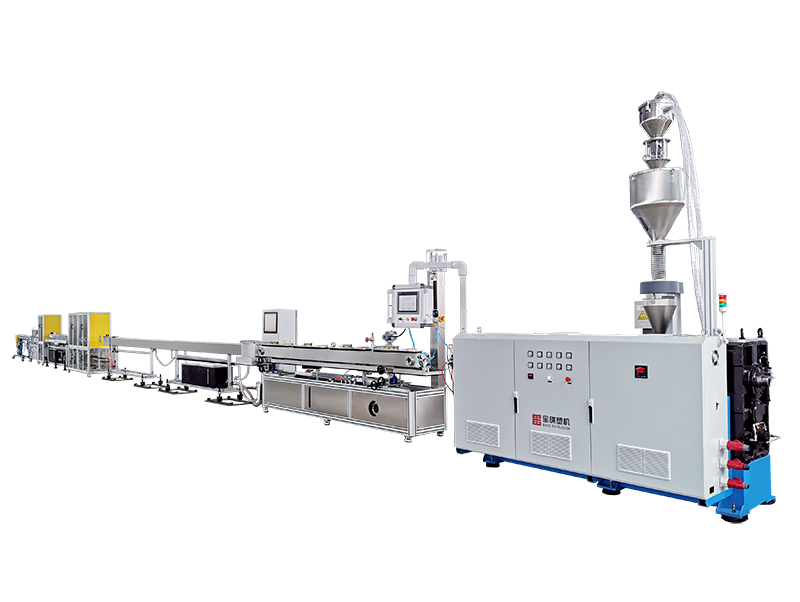
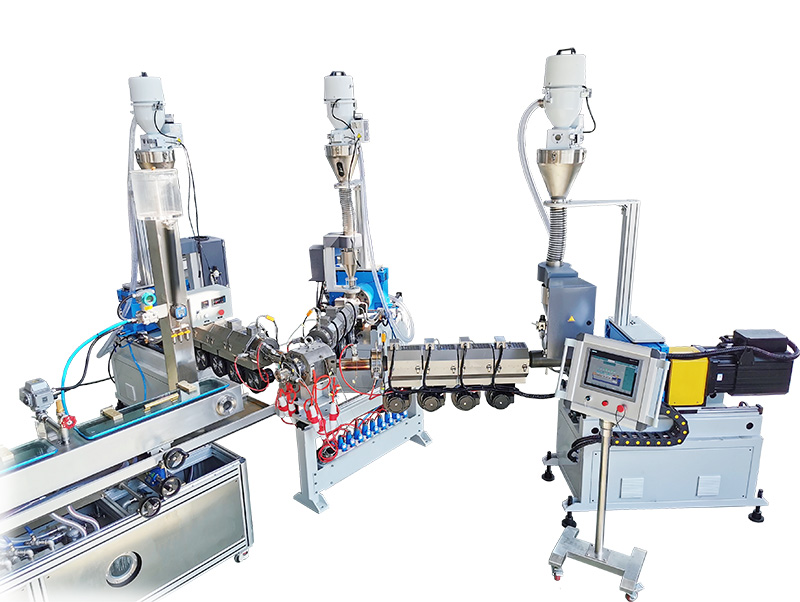
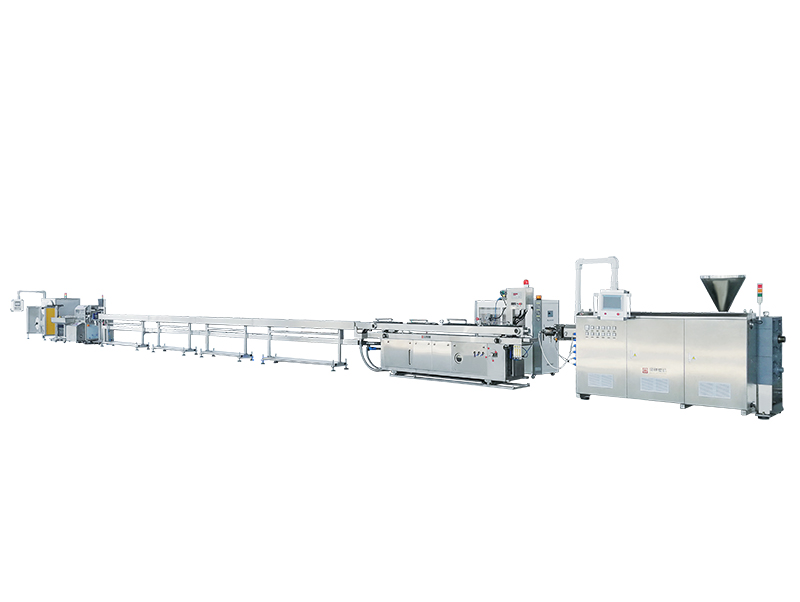
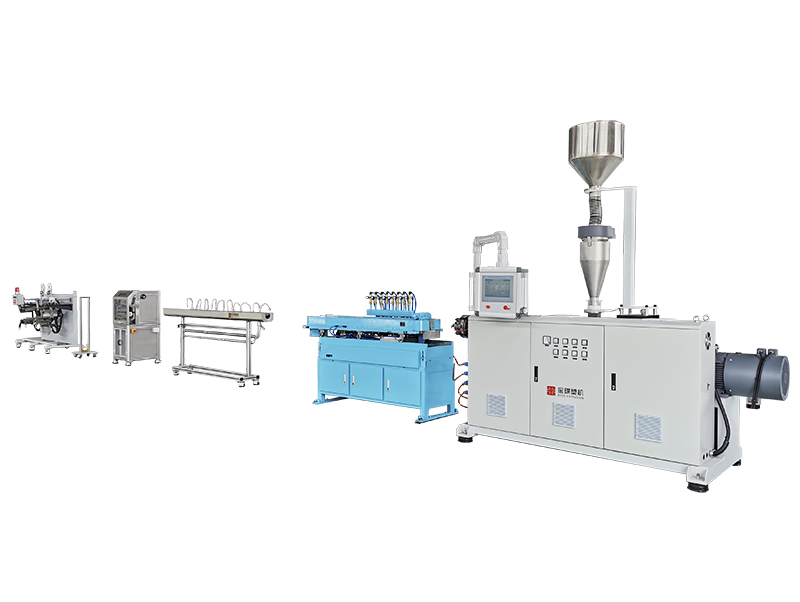
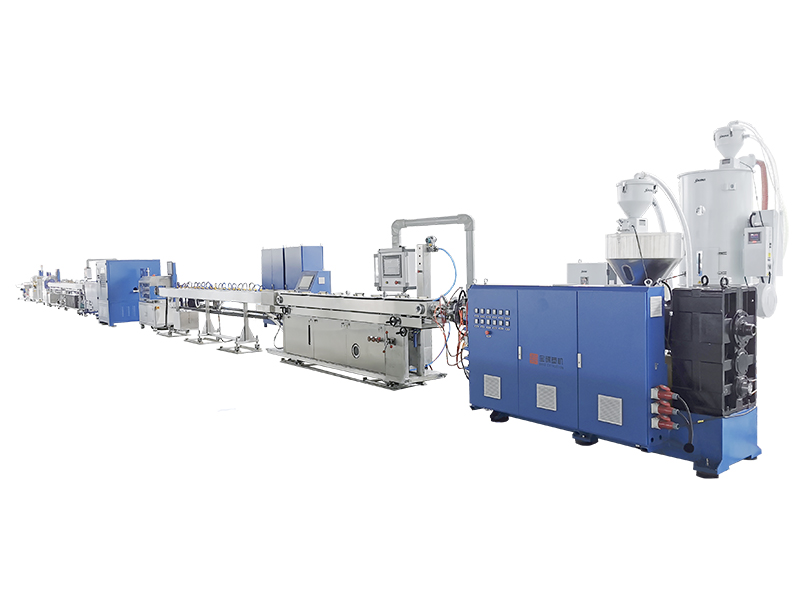
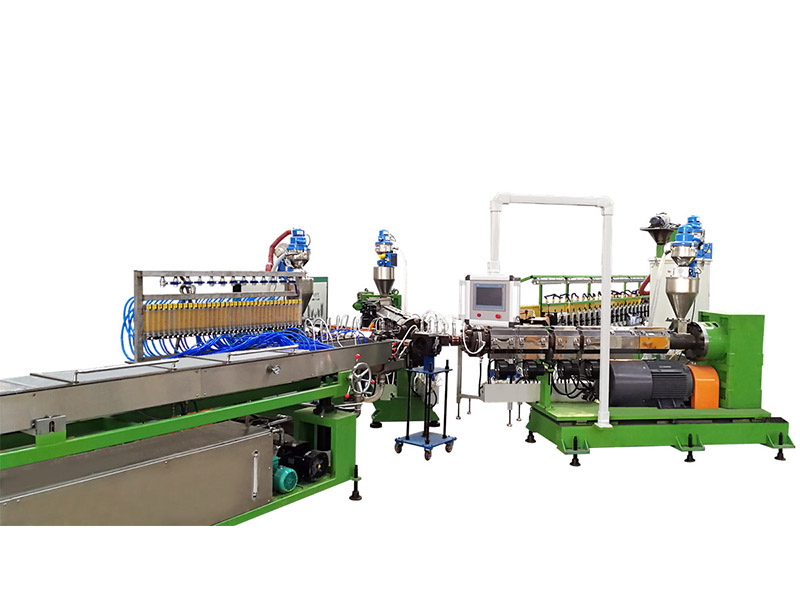
Implementing precision temperature controls in production requires a holistic, system-wide approach:
Moisture leads to hydrolytic degradation at extrusion temperatures, creating bubbles and surface defects. Before material enters the barrel, desiccant dryers must reduce moisture content to below 0.02% (especially for technical nylons and polyesters).
Use independent cooling fans for each barrel zone. Incorporate insulated heater covers to isolate the zones, preventing thermal crosstalk and ensuring heat stays where it is needed.
Once the polymer exits the die, it must cool uniformly. Water-temperature controllers in the vacuum cooling bath stabilize the cooling rate, preventing internal stress buildup and shrinkage.
Stay updated on our technical developments, global events, and product updates from the field.
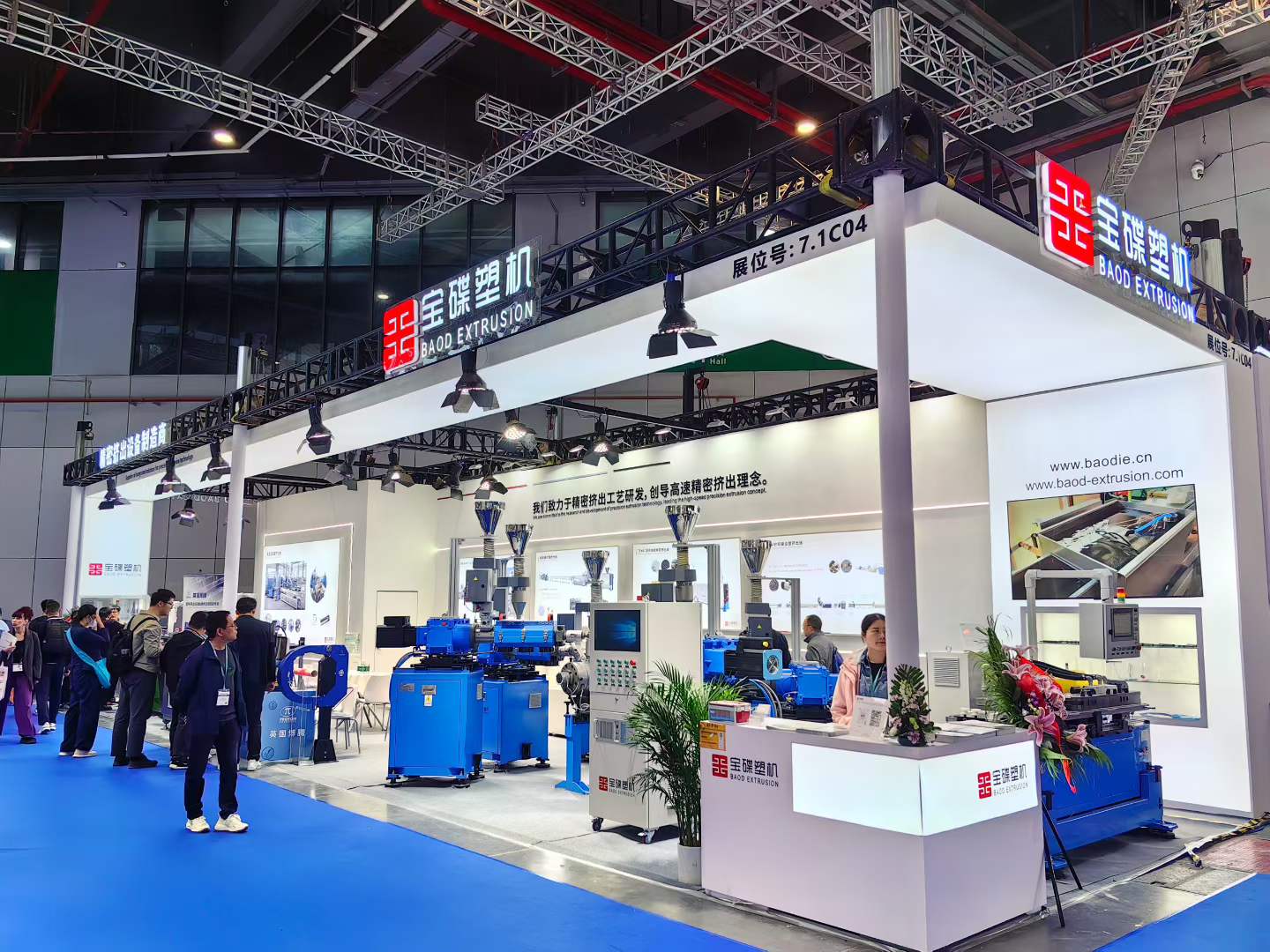
BAOD EXTRUSION presented its latest R&D achievements at Booth 7.1C04, showing visitors our "Smart Extrusion & High-Efficiency Innovation" solutions...
Read More +
From mining to civil demolition, detonating tubes require high precision. Discover how BAOD designs these specialized systems...
Read More +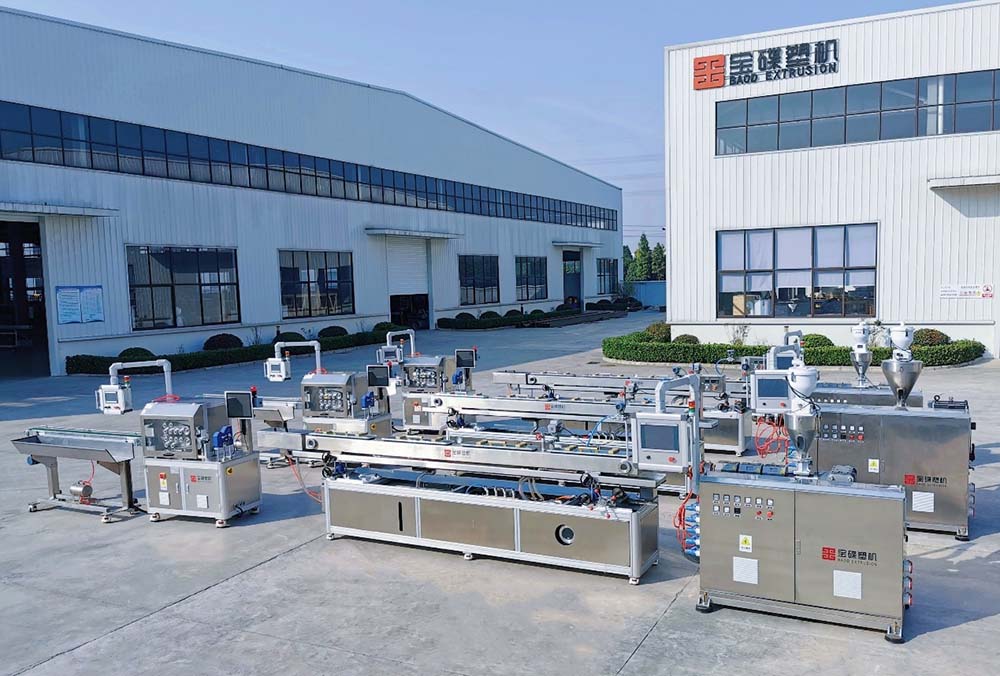
An objective look at how Chinese multi-lumen co-extrusion technology has advanced to meet global medical manufacturing standards...
Read More +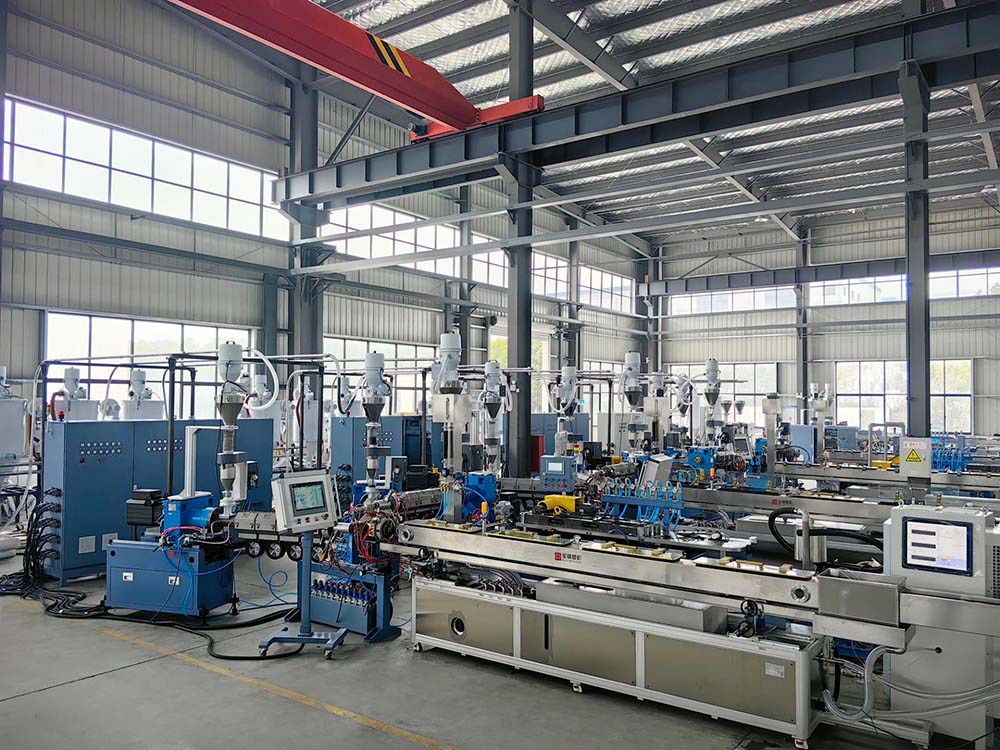
We trace the quality standards and thermal controls required to build certified fuel lines, brake systems, and cooling hoses for automotive OEMs...
Read More +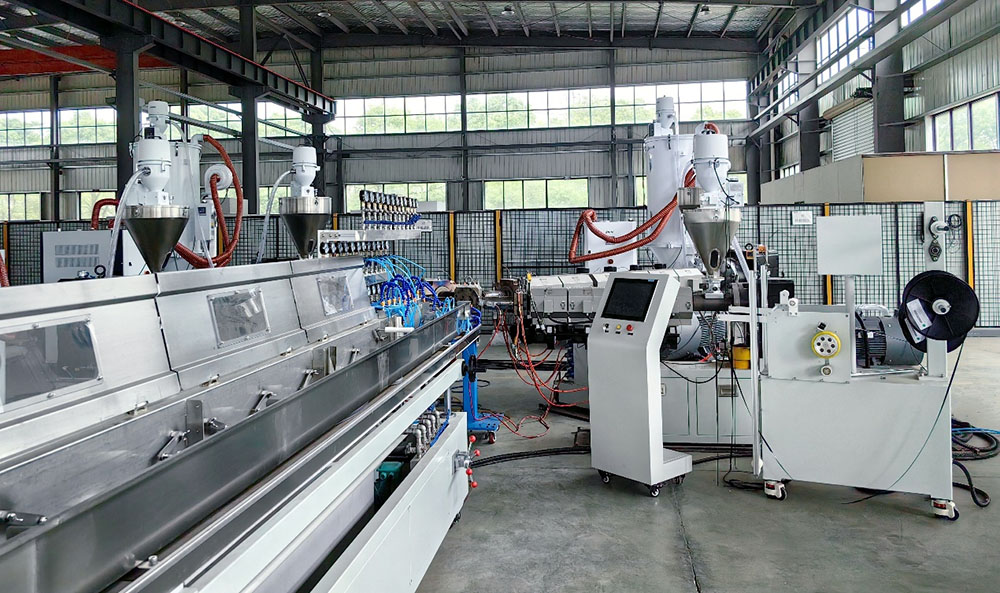
Analyzing the shift toward lightweight electric vehicle sealing profiles and the automated co-extrusion equipment required to produce them...
Read More +Explore our complete range of downstream cooling tables, custom cutters, co-extruders, and precision winding lines.
 Baodie