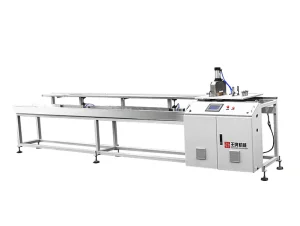
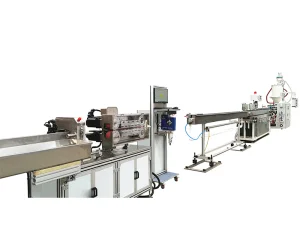
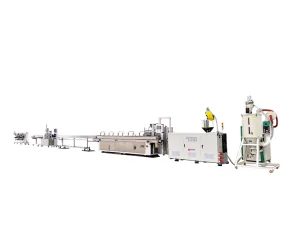
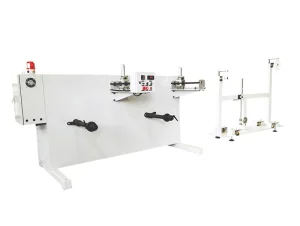
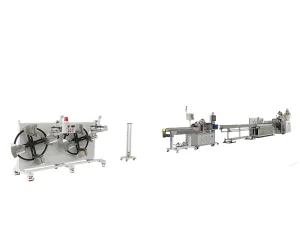
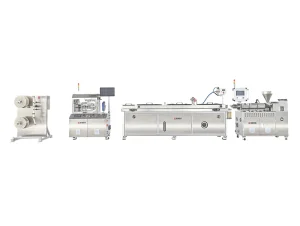
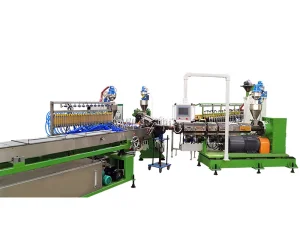
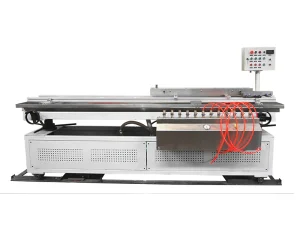
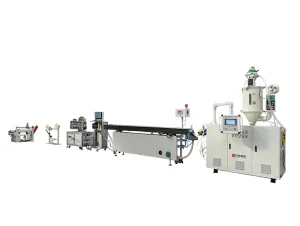
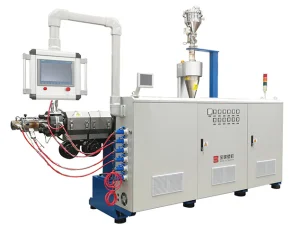
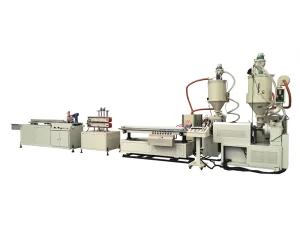
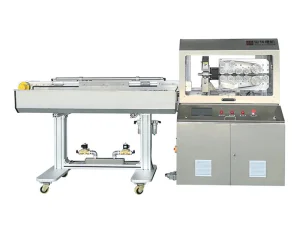
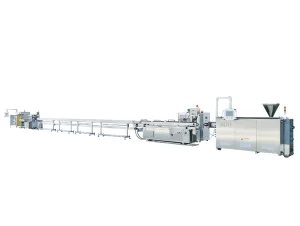
Explore our industrial-grade precision extrusion systems, customized components, and auxiliary automation machinery designed to secure exceptional tolerance levels.
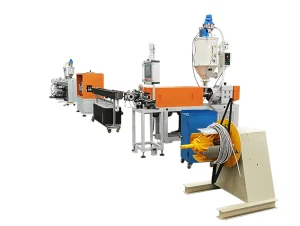
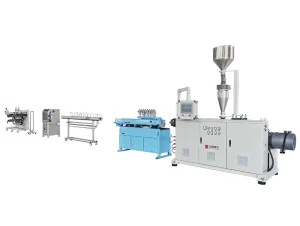
The global plastic extrusion landscape is experiencing a paradigm shift. Today’s industrial requirements have graduated from high-volume, commodity-grade outputs to micro-precision, multi-layered profiles composed of high-performance engineering polymers. Engineering plastics—such as Polyamides (PA), Polyurethanes (PU), Polyvinylidene Fluoride (PVDF), Fluorinated Ethylene Propylene (FEP), and Thermoplastic Vulcanizates (TPV)—require precise thermodynamic control, optimized screw configurations, and ultra-stable downstream calibration systems to prevent crystallization defects and structural vulnerabilities.
SEO Insight & Information Gain: Traditional extrusion lines fail when processing advanced engineering polymers due to shear-induced degradation. Accurate melt temperature management (variance < ±0.5°C) and custom L/D (Length/Diameter) ratios of 30:1 or 32:1 are mandatory to achieve zero-defect tolerances for aerospace, medical catheter, and automotive fuel line assemblies.
Across North America and Europe, the demand for precision medical tubes and high-barrier automotive lines is surging, driven by strict carbon emission regulations and minimally invasive surgery trends. To achieve high mechanical durability and chemical resistance under harsh environmental conditions, OEMs are transitioning from conventional materials to multilayered fluoropolymer tubing.
Meanwhile, the Asia-Pacific region has consolidated its position as the premier manufacturing powerhouse for smart extrusion machinery. Chinese manufacturers are bridging the technology gap with European standards by deploying high-level automation, predictive maintenance AI modules, and integrated gravimetric feeding units. As global suppliers demand shorter lead times, customized co-extrusion technology has become the standard for modern industrial pipelines.
In modern extrusion mechanics, processing stability determines the geometric tolerances of the final tube or profile. Precision applications demand specific technical breakthroughs:
Processing engineering plastics demands deep knowledge of polymer rheology. For instance, Fluorine Plastics (FEP, PFA, ETFE) are highly corrosive to standard metals when molten. Thus, extruder screws and die heads must be fabricated using specialized nickel-based superalloys (such as Hastelloy) to resist chemical degradation. Furthermore, processing Polyurethanes (PU) demands dedicated dehumidifying dryers since the polymer is highly hygroscopic, and any trace moisture will compromise the molecular weight during the plasticization phase, leading to microscopic voids.
Founded in 2002, BAOD EXTRUSION (Jiangsu Baodie Automation Equipment Co., Ltd.) is dedicated to the professional design, manufacturing, and sales of high-performance plastic extrusion lines. Built on 18 years of technical design and mechanical fabrication expertise in Taiwan, our original parent enterprise (KINGSWEL GROUP) established the specialized extrusion manufacturing base in Shanghai in 1999. Since then, we have committed ourselves to research, developmental breakthroughs, and international delivery frameworks.
For more than 25 years, our engineering department has focused on precision technology, high efficiency, process automation, and equipment safety protection. By offering tailored turnkey lines, we assist partners worldwide in overcoming the complexities of extrusion manufacturing.
Providing specialized extrusion lines that meet strict engineering requirements for automotive, aerospace, and medical technology sectors globally.
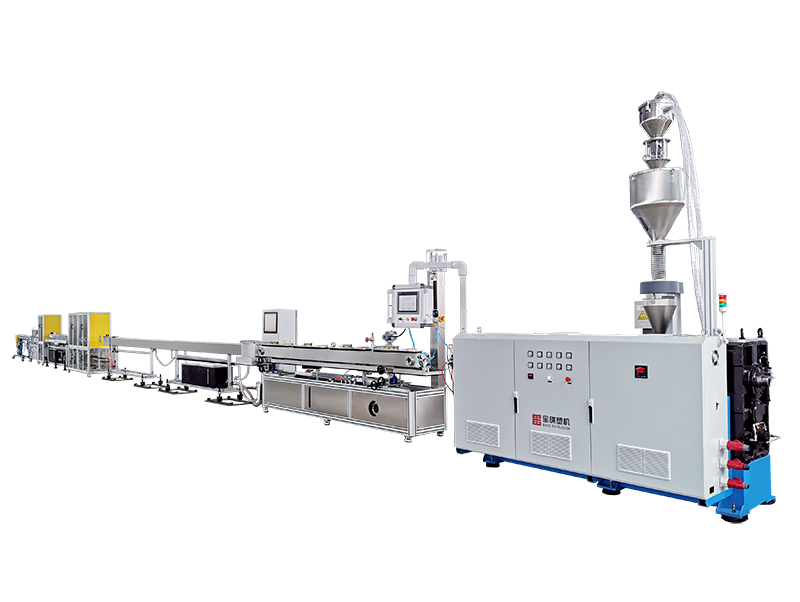
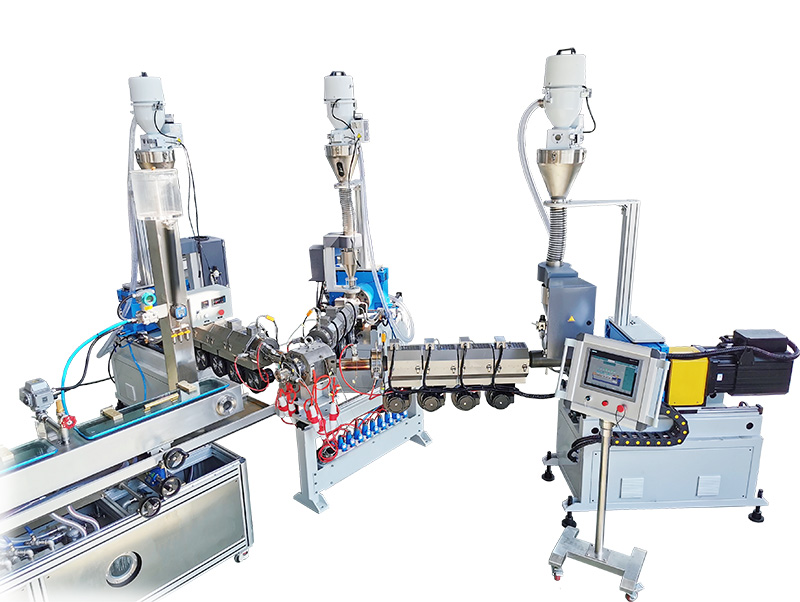
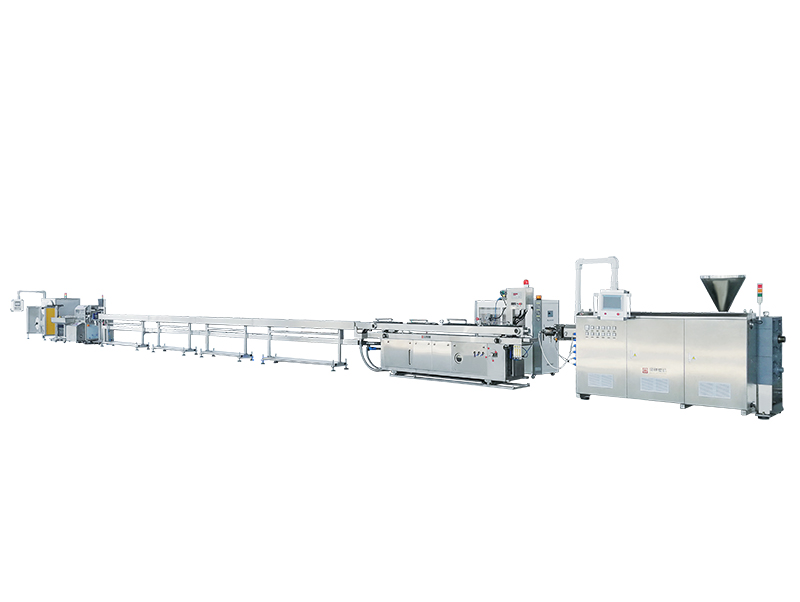
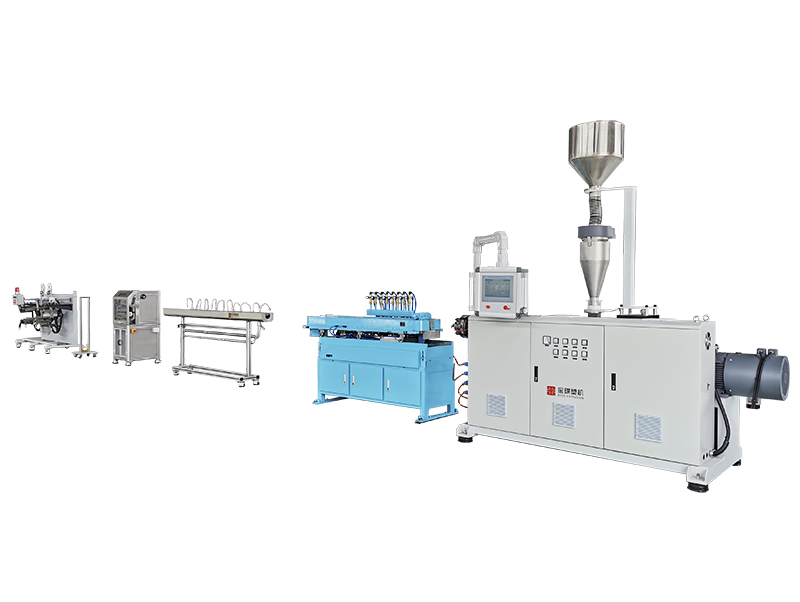
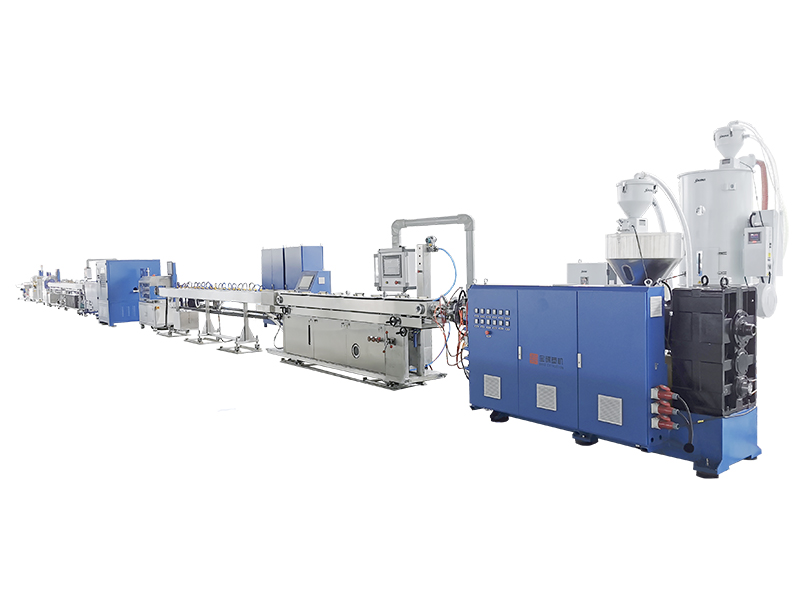
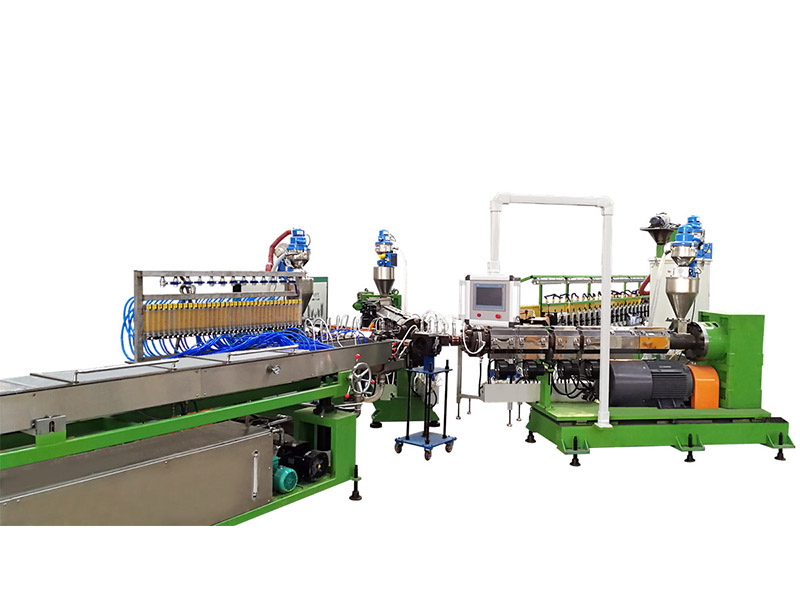
How we are preparing for Industry 4.0, real-time closed-loop sensing, and carbon-neutral polymer processing technologies.
Deploying automated multi-axis laser gauges that feed diameter deviations back to the haul-off motor for real-time speed adjustments.
Processing advanced fluoropolymers and high-barrier resins with specialized heater bands, thermal insulation sleeves, and wear-resistant barrel liners.
Interconnecting the extrusion line to cloud-based monitoring networks, enabling preventative maintenance alert systems and data logging.
Utilizing high-performance screws engineered to process bio-based and recycled engineering polymers while maintaining physical properties.
Find technical answers on processing, hardware configurations, and performance management for engineering plastics.
For medical tube extrusion (such as PU or PVC), maintaining precise vacuum calibration and clean water temperature control are essential. Water temperature variations can cause uneven shrinkage, while inconsistent vacuum pressure alters diameter dimensions. Closed-loop laser gauging systems that feedback to the puller speed help secure OD tolerances within ±0.02 mm.
Fluoropolymers release highly corrosive gases when heated to their melting points. Standard steel screws and die heads degrade quickly under these conditions. Using nickel-based superalloys like Hastelloy resists corrosive wear, preserving die performance and maintaining long-term dimensional tolerances.
Multi-layer automotive lines (often combining Polyamide 12, EVOH, and tie-layers) require custom multi-manifold die designs. Each polymer layer is fed by an independent extruder, flowing into a co-extrusion head that bonds the layers seamlessly. This configuration prevents hydrocarbon emissions and ensures structural resistance against high pressures.
Gravimetric dosing units measure the exact mass flow of materials entering the extruder throat. This system adjusts the extruder speed to compensate for variations in bulk density or pellet size, maintaining constant output rates and helping to prevent profile wall thickness variations.
Insights, technical developments, and global exhibition news direct from our engineering team.
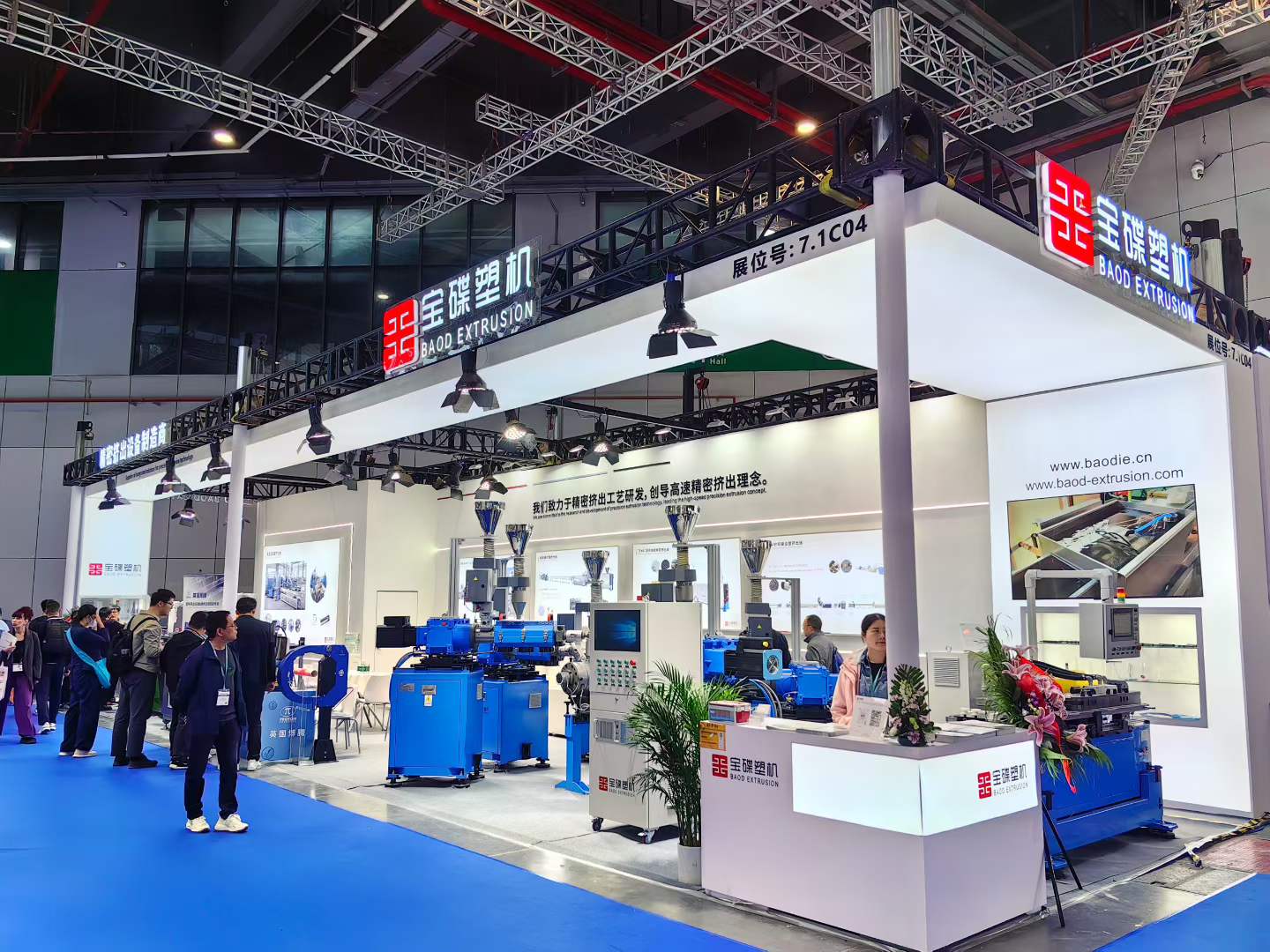
From April 21–24, CHINAPLAS 2026 was successfully held at the National Exhibition and Convention Center (Shanghai, Hongqiao). BAOD EXTRUSION showcased its latest R&D achievements at Booth 7.1C04, presenting "Smart Extrusion & High-Efficiency Innovation" solutions...
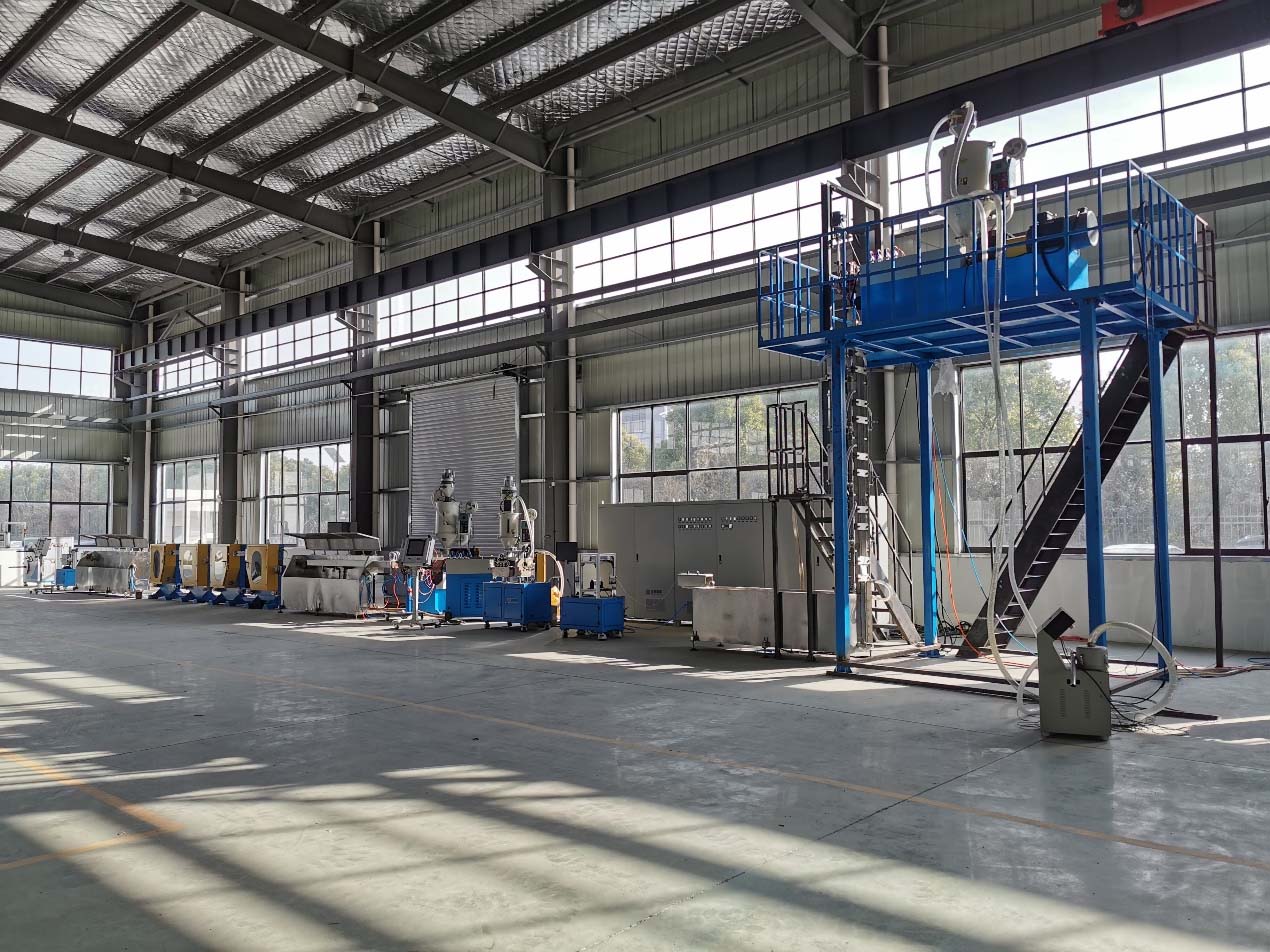
In the controlled environment of a modern industrial facility, a single, hair-thin plastic tube wound onto a reel might seem unremarkable to the untrained eye. However, in sectors ranging from mining and quarrying to large-scale infrastructure demolition, this tube—known...
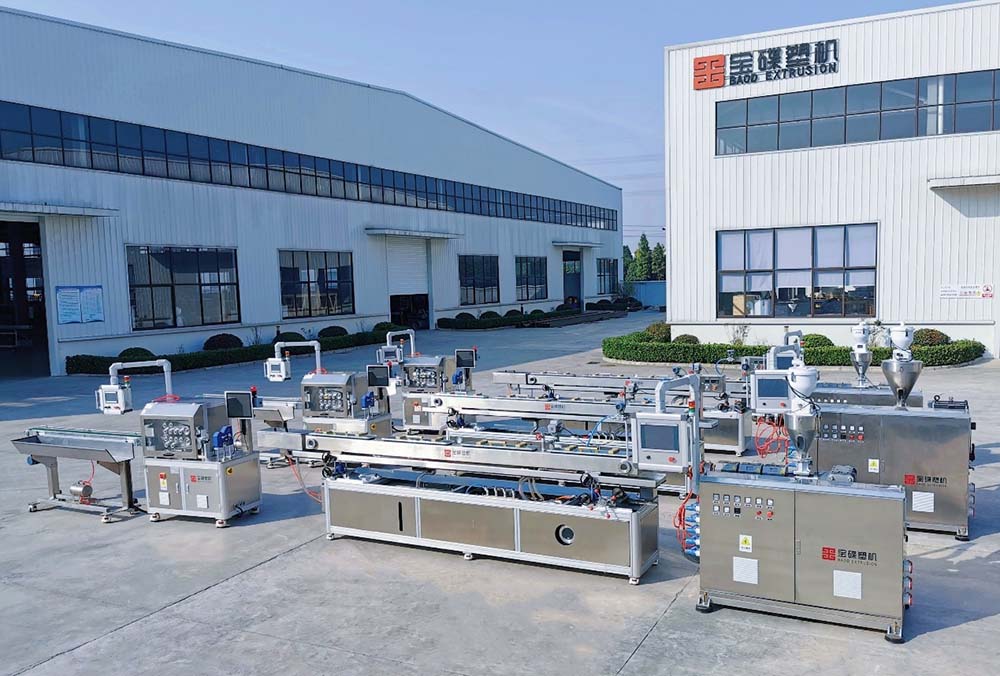
In the sterile, quiet environment of a modern medical facility, a clinician prepares a complex catheter for a critical procedure. This thin, flexible tube is far more than a simple conduit; internally, it is divided into several microscopic channels, or lumens, each desi...
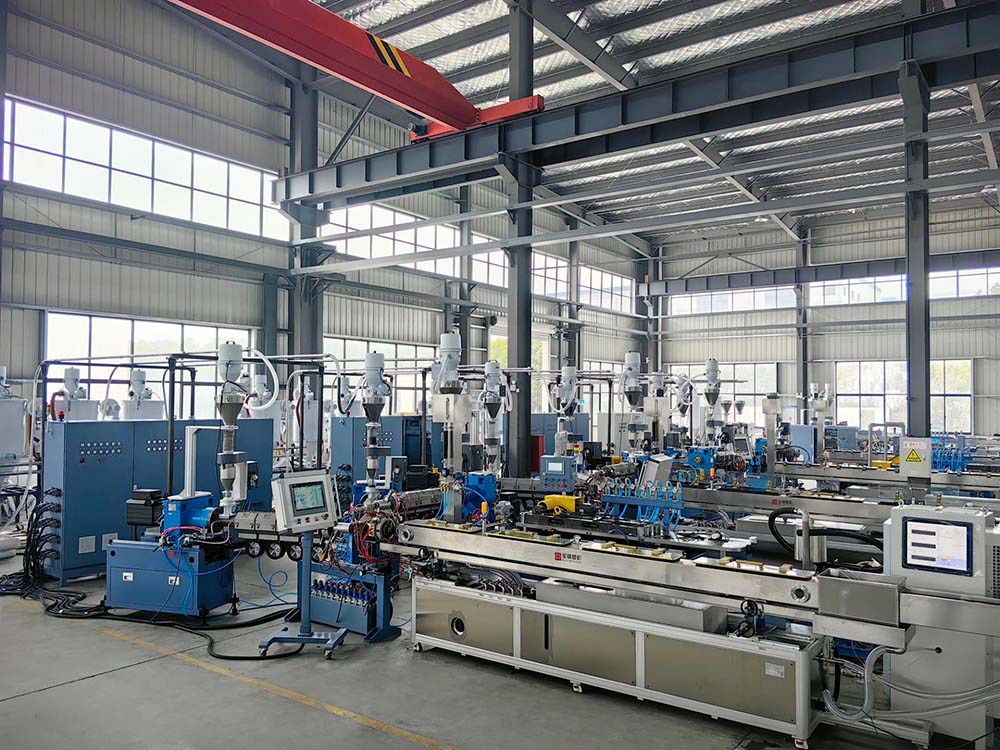
How do the world's most reputable vehicle manufacturers ensure the absolute integrity of every fuel line, brake hose, and cooling pipe buried deep within a vehicle’s chassis? Why has the shift toward electric and lightweight vehicles made the precision of these small-dia...
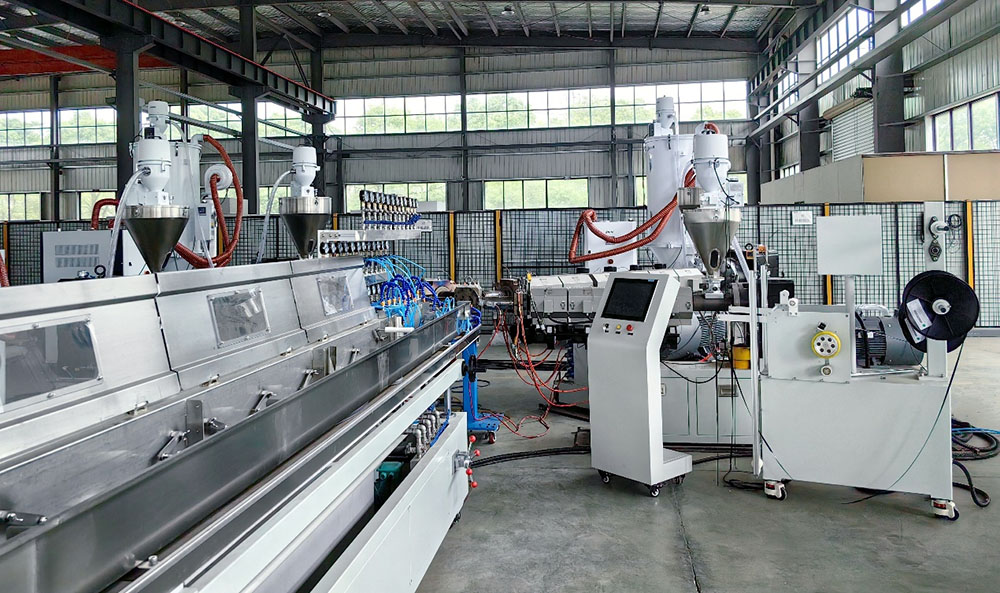
As the twilight sun reflects off the sleek, aerodynamic curves of a modern electric vehicle parked in a bustling metropolitan street, few observers notice the quiet, critical components ensuring the cabin remains a sanctuary of silence and temperature control. Behind the...
Review additional customized tooling, calibration systems, and downstream processing equipment configured for precision polymer work.
 Baodie