Engineered for high dimensional stability, optimal melt homogeneity, and strict tolerance compliance.
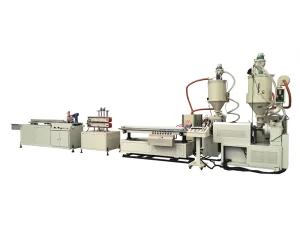
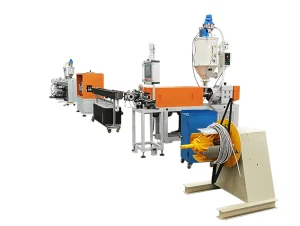
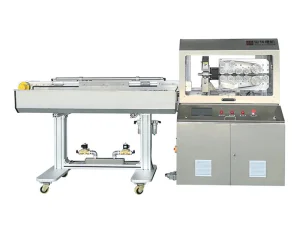
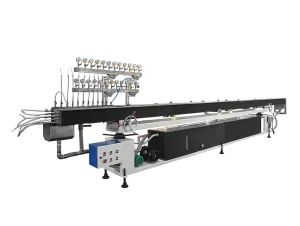
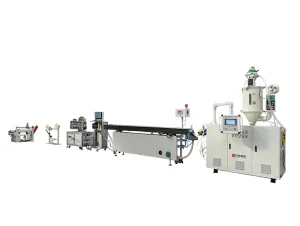
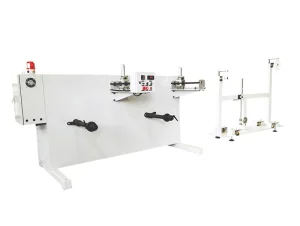
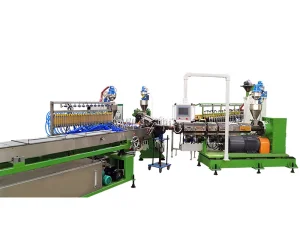
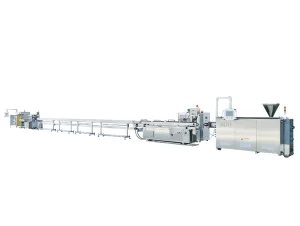
The global automotive manufacturing industry is undergoing a paradigm shift towards lightweighting, carbon neutrality, and structural integration. Polypropylene (PP) profiles have emerged as vital components within vehicle architectures. Due to their low density, excellent chemical resistance, fatigue resistance, and favorable cost-to-performance ratio, customized PP profiles are widely deployed in modern vehicles. These range from functional structural elements such as internal door panel retainers, sealing carrier channels, window guides, and underbody protective trims, to complex air-duct assemblies.
However, extruding Polypropylene for the automotive sector presents significant technical challenges. PP is a semi-crystalline polymer characterized by a narrow processing temperature window, high thermal contraction rates, and sharp viscosity drops under shear. Achieving the high precision required by automotive OEMs—often demanding tolerances of ±0.05 mm or less—requires an extrusion line that combines advanced thermal management, high-precision vacuum calibration, and highly synchronized downstream haul-off and cutting systems. This whitepaper analyzes the key engineering aspects of modern China-based PP profile extrusion systems, offering global procurement teams a comprehensive guide to equipment evaluation, process design, and future industry trends.
Crystalline Shrinkage Compensation: PP shrinks up to 1.5% - 2.0% during cooling. Standard extrusion dies fail to maintain dimensional accuracy. Specialized tooling design with integrated simulation of thermal shrinkage and elastic recovery is mandatory.
Melt Strength Optimization: Low melt strength at processing temperatures causes profile sagging and wall collapse. The use of specialized L/D 28:1 to 33:1 barrier screws with intensive shearing zones ensures homogeneous melting and controlled shear stress.
Surface Integrity and Sinks: Thick-walled or complex-geometry PP profiles are highly susceptible to sink marks. Precise, multi-stage vacuum calibration systems using chilled water spray at controlled temperatures mitigate internal voids and surface defects.
Founded in 2002, Jiangsu Baodie Automation Equipment Co., Ltd. (BAOD EXTRUSION) is a global leader in designing, manufacturing, and supporting high-precision plastic extrusion systems. Backed by 25 years of design and manufacturing experience originating in Taiwan under the **KINGSWEL GROUP**, the company established its manufacturing base in Shanghai in 1999 to serve the rapidly expanding Chinese and international automotive supply chains.
Operating from a state-of-the-art **16,000 m² production facility** staffed by over **100 highly skilled engineering and manufacturing professionals**, BAOD has established a reputation for technological innovation and reliability. The company's engineering efforts focus on four core pillars: precision extrusion, process efficiency, advanced system automation, and comprehensive mechanical and electrical safety systems. BAOD systems are engineered to meet the demanding requirements of automotive Tier-1 suppliers worldwide.
By bridging Taiwanese design engineering with mainland China's efficient manufacturing ecosystem, BAOD delivers high-performance extrusion solutions that compete directly with European imports, offering global buyers a strong return on investment.
Strategic engineering developments shaping the next generation of plastic extrusion systems.
Future extrusion lines will increasingly rely on real-time feedback loops. By integrating high-resolution melt pressure transducers and melt thermocouples at the adapter and die plate, BAOD's control systems adjust the screw speed and barrel heating zones dynamically. This level of control stabilizes pressure at the die lips within ±0.1 bar, ensuring consistent wall thickness even during raw material batch transitions.
Automobile sealing systems and structural profiles are moving toward multi-material designs (e.g., PP coupled with TPV and metallic reinforcement inserts). The next generation of extrusion lines features integrated, multi-extruder feeds synchronized via a central PLC. These systems can process soft and rigid sections in a single pass while embedding metal carriers, reducing downstream assembly costs.
Integrating 3D laser scanners and high-speed optical camera systems directly after the water-cooling tank allows for continuous measurement of profile cross-sections. Artificial intelligence algorithms process these measurements, comparing the real-time profile shape to the original CAD model. If deviations occur, the system automatically adjusts the puller speed and vacuum parameters.
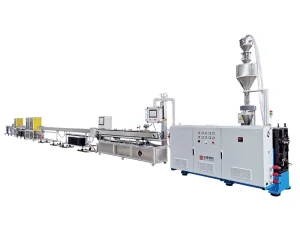
Engineered for high dimensional stability, optimal melt homogeneity, and strict tolerance compliance.
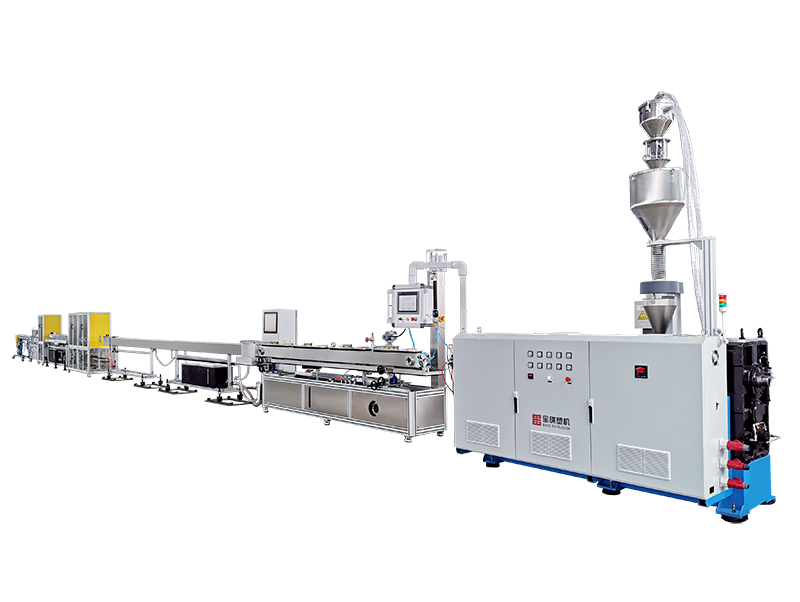
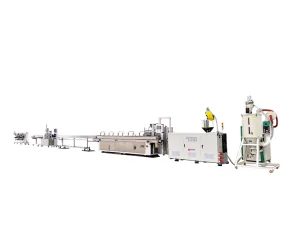
Configured for high-speed, high-tolerance small-bore tubing extrusion, ideal for fluid transfer and wire sleeve components.
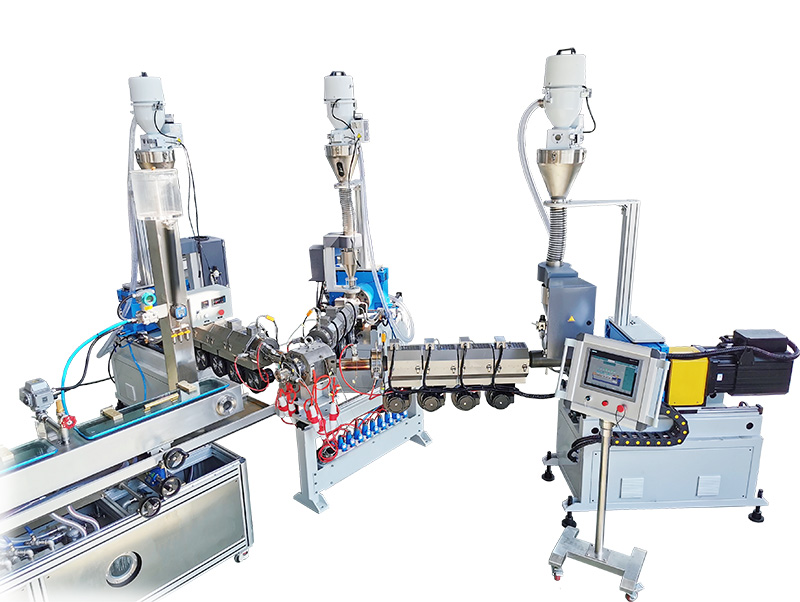
Processes multi-layer polyamide formulations for automotive fuel lines, brake systems, and thermal cooling circuits.
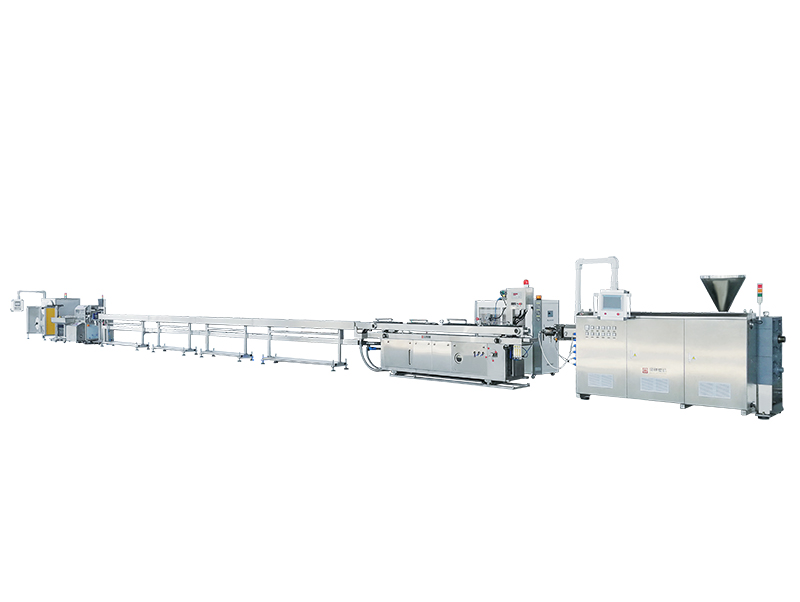
Strict compliance with sanitary standards, delivering precision catheters, IV sets, and multi-lumen tubing.
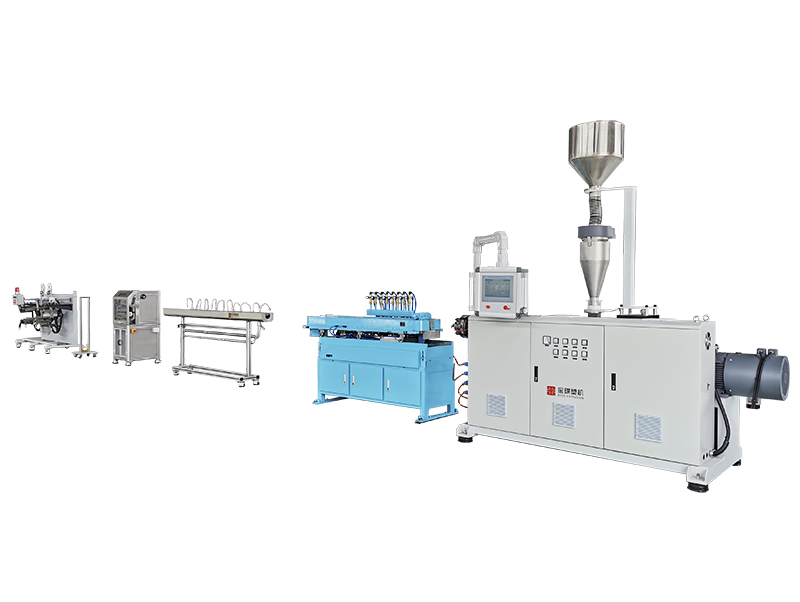
High-output forming blocks designed to produce single-wall flexible conduits for wire routing and harness protection.
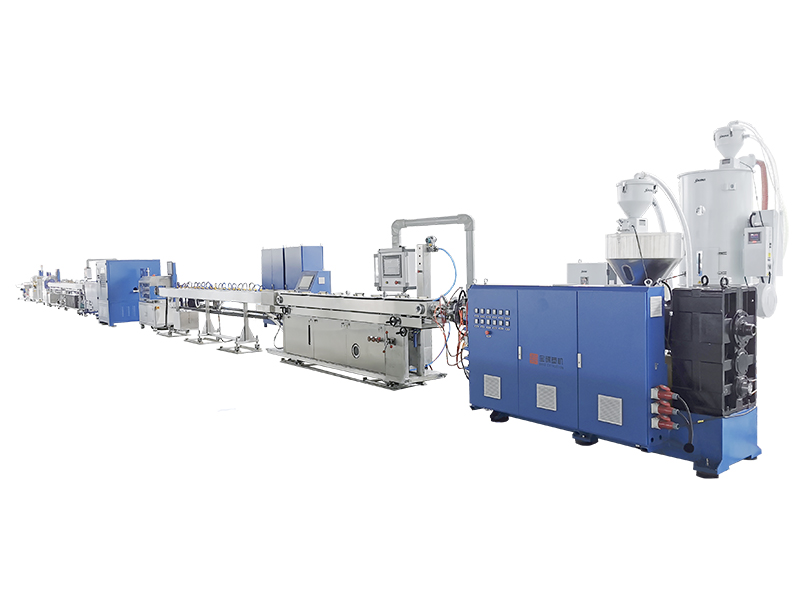
Combines inner TPV tube extrusion with textile reinforcement wrapping and protective outer shell deposition.

Specialized line designed for weather stripping, co-extruded glass runs, and vehicle body sealing profiles.
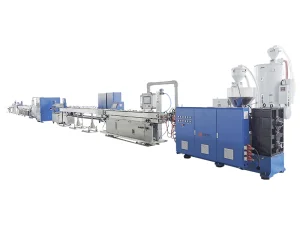
From raw resin handling to packaging, BAOD provides fully integrated, automated production lines.
Consistent extrusion starts before the resin enters the extruder. BAOD integrates gravimetric dosing systems and centralized material feeding setups. These systems guarantee precise blending of PP resins with functional fillers (such as talc, glass fibers, or UV stabilizers) and color masterbatches. High-precision load-cell technology maintains dosing accuracy within ±0.2%, preventing dimensional fluctuations caused by material composition variances.
The core of BAOD's technology lies in the optimization of the extrusion screw and die cavity. Utilizing advanced finite element analysis (FEA) software, the flow channels within the die are custom-modeled to ensure uniform flow velocity and shear stress distribution across the profile's cross-section. The subsequent vacuum sizing and multi-chamber water spray cooling systems provide fast and even heat transfer. This prevents deformation, controls crystalline phase formation, and minimizes internal stresses in the profile.
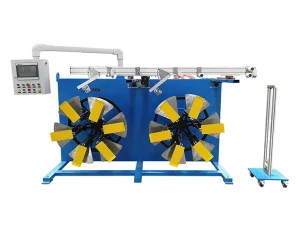
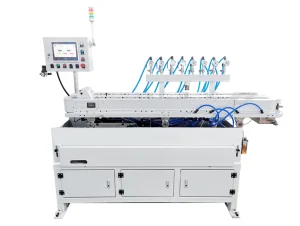
Automobile PP profiles often require secondary inline processes such as adhesive tape application, surface flocking, or punch-hole venting. BAOD's modern extrusion lines integrate these steps directly into the production layout. Downstream haul-offs utilize servo-controlled crawler belts with contact materials selected to avoid marking. Cutting is performed by high-precision, chip-free rotary fly knives or planetary saw units, synchronized with the puller speed to ensure cut-length tolerances within ±0.2 mm.
BAOD leverages China's advanced manufacturing infrastructure to deliver high-quality machinery. The Yangtze River Delta region hosts an established supply chain for specialized high-strength steel alloys, high-precision gearboxes, CNC-machined components, and advanced heat-treatment services. This concentration of suppliers supports rapid prototyping, fast manufacturing schedules, and competitive lead times.
At our 16,000 m² facility, all critical mechanical parts, including screws, barrels, and profile extrusion dies, are fabricated on multi-axis CNC machines. Modern quality control procedures, including coordinate measuring machines (CMM) and dynamic balance testers, are used to inspect components before final machine assembly. This ensures long-term operational reliability and minimal vibration during high-speed extrusion cycles.
For global automotive Tier-1 suppliers, speed to market is a key differentiator. Automotive program launches follow strict timelines where delays in tooling or machinery fabrication can lead to significant OEM penalties. BAOD's supply chain integration enables us to deliver complete, custom-engineered profile extrusion lines within 60 to 90 days of engineering design sign-off.
Furthermore, this localization translates into a highly competitive total cost of ownership (TCO). By optimization of component sourcing, in-house fabrication, and engineering design workflows, BAOD offers high-performance machinery at a capital expenditure level significantly below that of traditional European manufacturers. This allows customers to invest in redundant lines, increase overall capacity, or allocate capital to other areas of plant automation.
Ensuring smooth installation, training, and regulatory compliance across international markets.
All BAOD machinery is built to meet international regulatory standards. We supply CE declarations of conformity for European Union projects, UL-compliant electrical cabinets and components for North American installations, and regional certifications for the Latin American and Southeast Asian markets. High-safety lockouts, emergency stop networks, and physical machine guards are standard features on all lines.
To minimize commissioning delays, BAOD offers comprehensive Factory Acceptance Testing (FAT) at our production plant. We conduct test runs using customer-supplied raw material resins, establishing steady-state operating parameters and measuring dimensional tolerances. Remote high-definition video inspection is available for international procurement teams unable to visit the factory in person.
BAOD's field service engineering team is available for international travel to support equipment installation, system start-up, and operator training. All lines include integrated VPN remote access capabilities, allowing BAOD engineers to analyze diagnostic logs and update PLC configurations remotely. Spare parts inventories are maintained for prompt international shipping.
Read about our engineering field applications, compliance updates, and successful show outcomes.
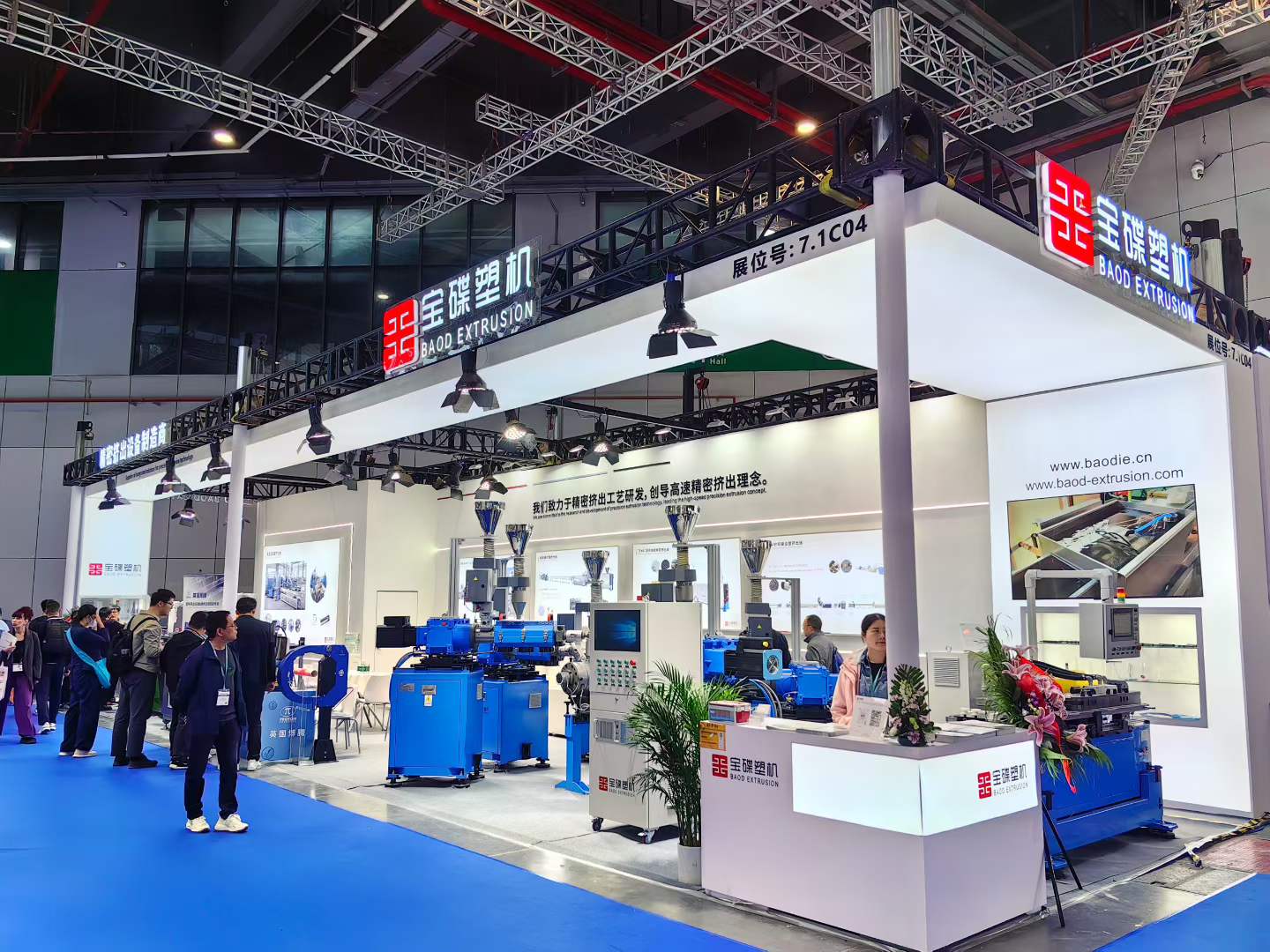
BAOD EXTRUSION presented "Smart Extrusion & High-Efficiency Innovation" solutions at Booth 7.1C04, showcasing our advanced automation designs and energy-recovery systems at CHINAPLAS 2026.
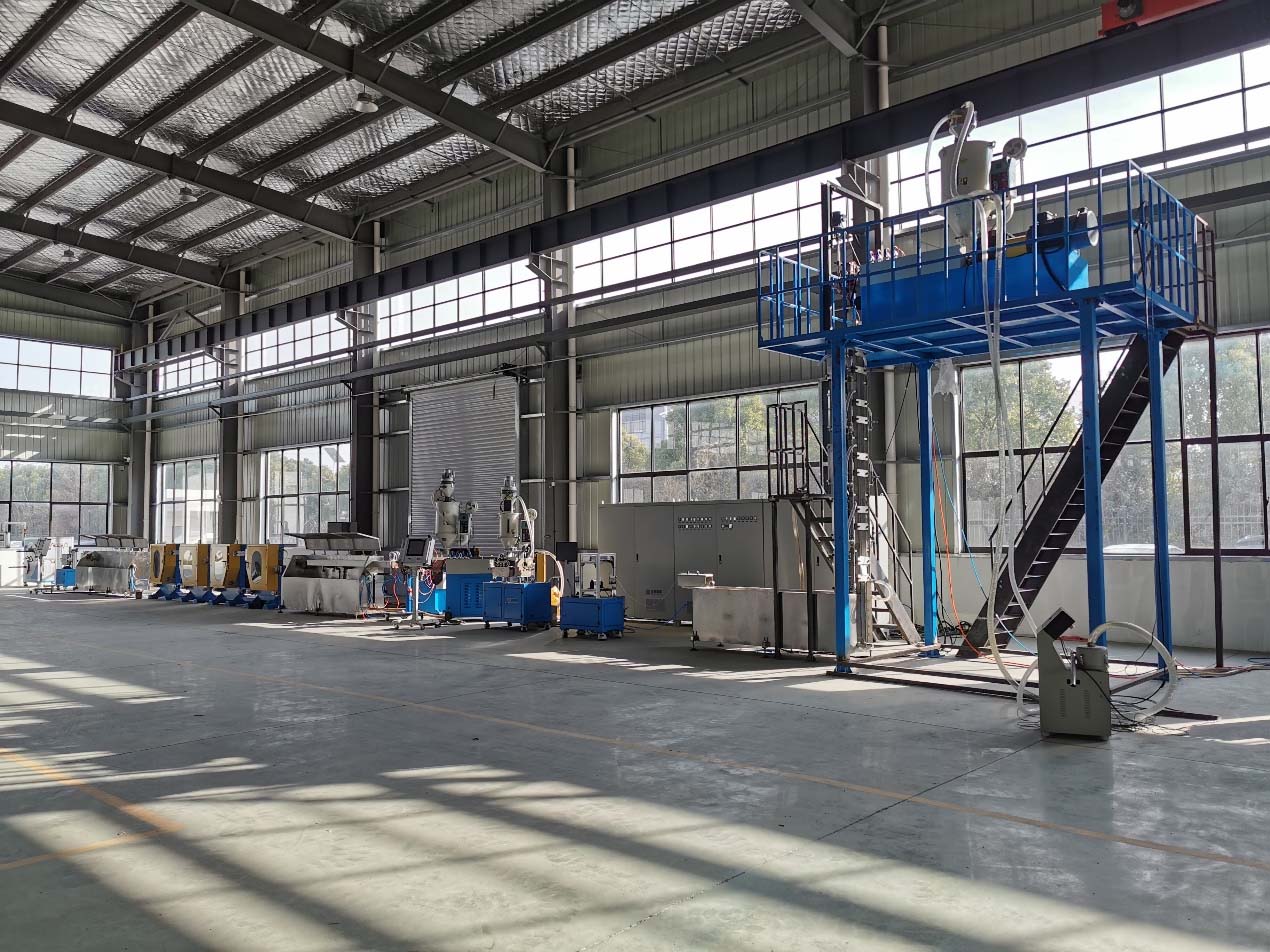
Detonating tubes used in mining and quarrying demand high precision. BAOD's customized extrusion lines provide safety-critical dimensional control and cross-linking options.
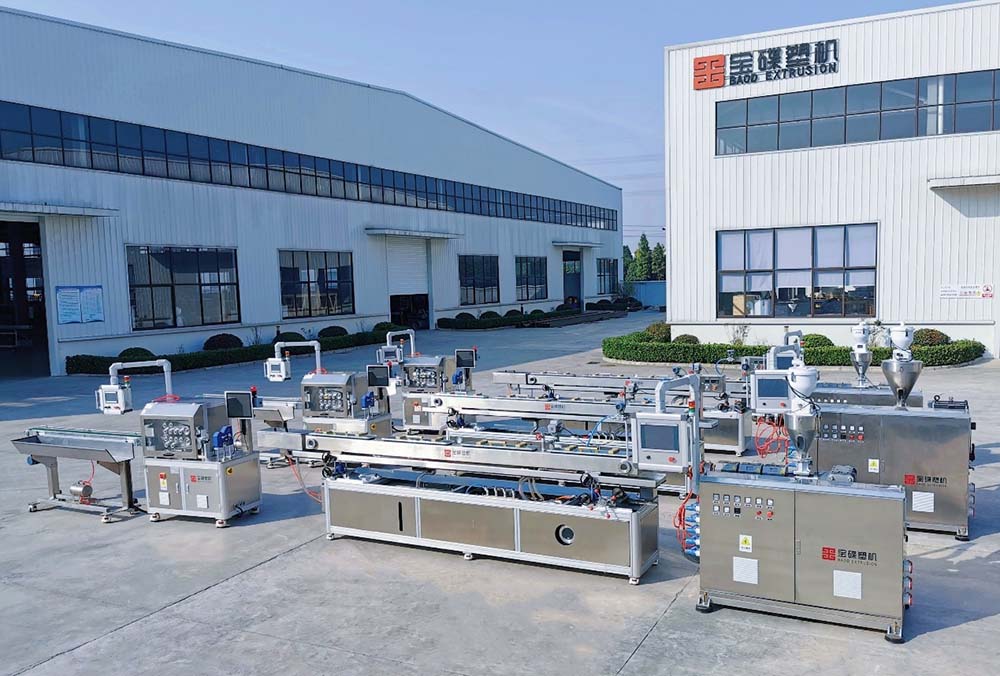
An in-depth analysis comparing structural parameters, melt stability, and automation systems between Chinese precision manufacturing and European benchmarks.
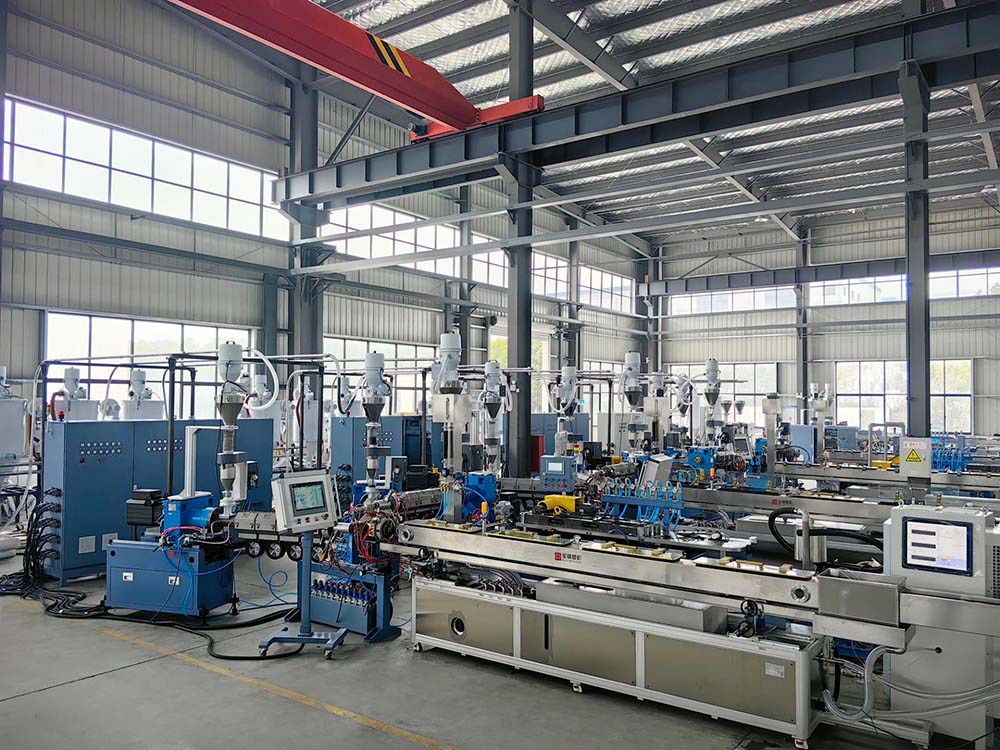
Reviewing BAOD's quality management systems and validation protocols that support global Tier-1 suppliers in meeting OEM quality requirements.
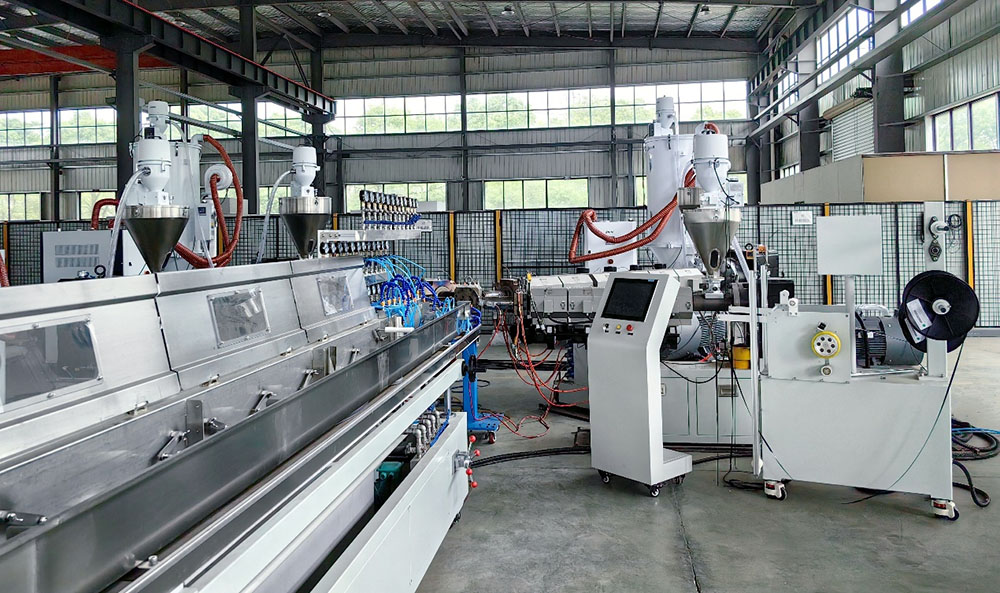
Reviewing key technology trends for 2026 in the sealing strip market, including high-speed glass run channels, variable profile extrusion, and energy savings.
Detailed engineering explanations answering common design, operational, and material questions.
Innovative tooling and high-precision downstream systems designed for global automotive parts suppliers.
 Baodie