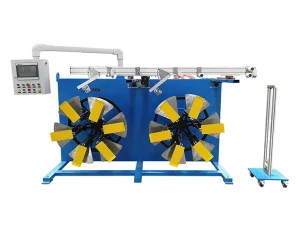
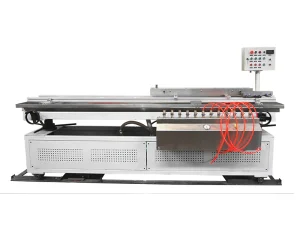
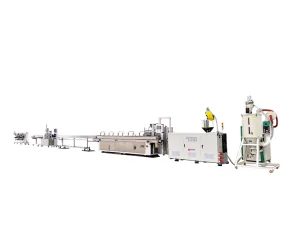
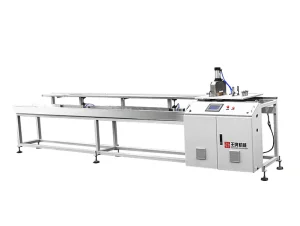
China 2mm Plastic Tubing Manufacturer & Factory

Precision Extrusion Solutions, High-Performance Micro-Tubing Materials, and Industry 4.0 Supply Chain Leadership

Our Precision Machinery & Systems Portfolio

Advanced high-speed extrusion lines, pullers, calibration tables, and automated coiling equipment manufactured to stringent global engineering specifications.
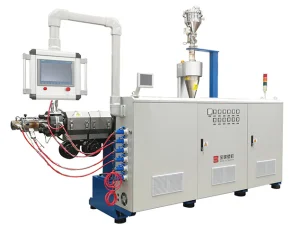
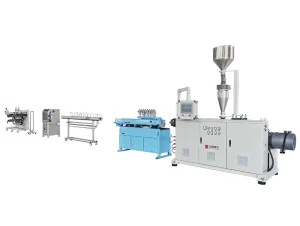
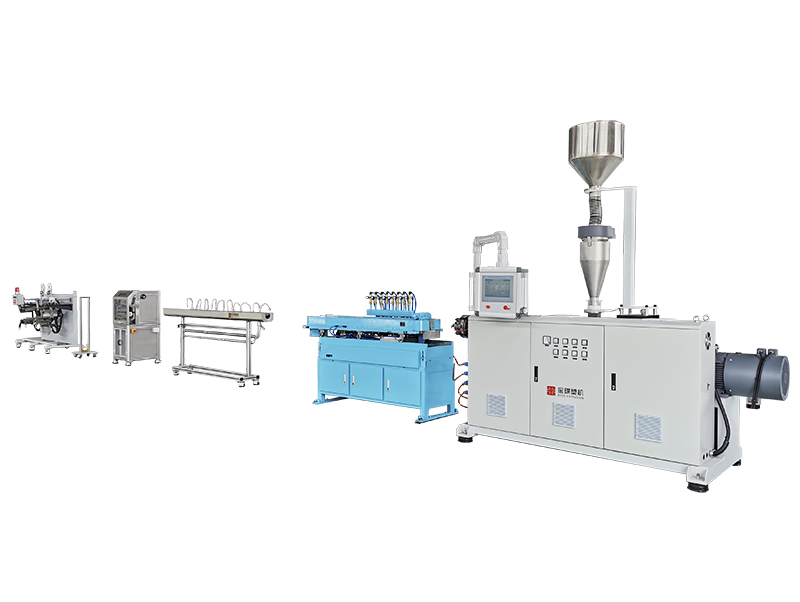
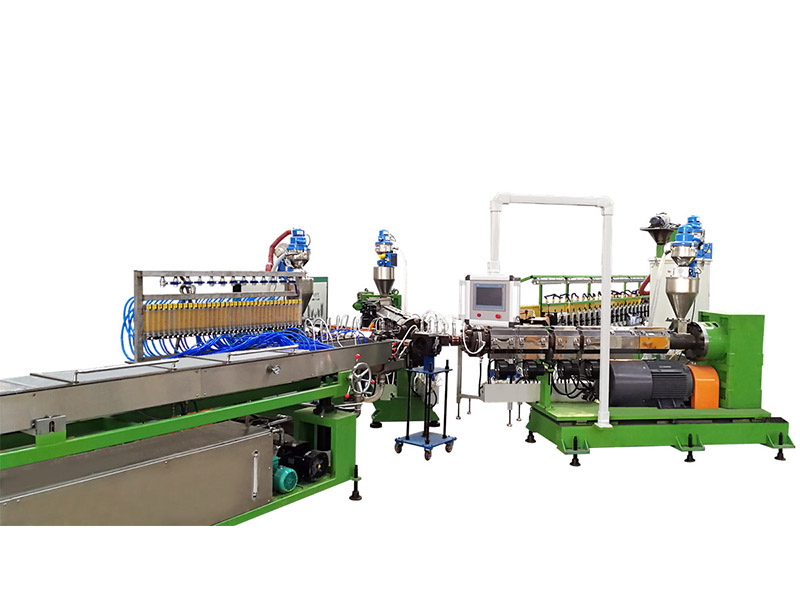
Custom SJ Series Single Screw Extruder

Custom SJ Series Single Screw Extruder Manufacturer

View Equipment Details
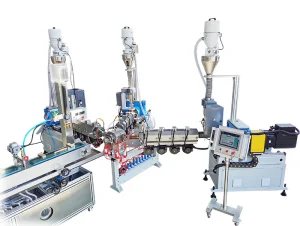
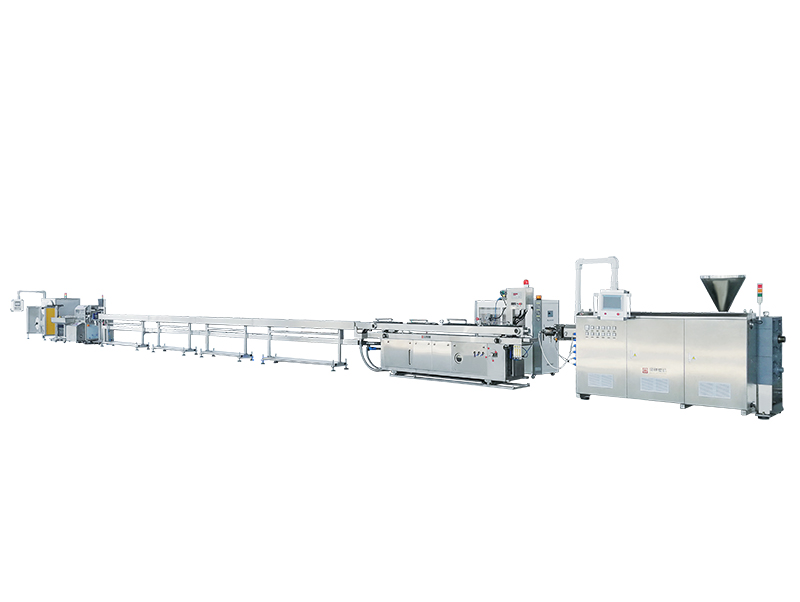
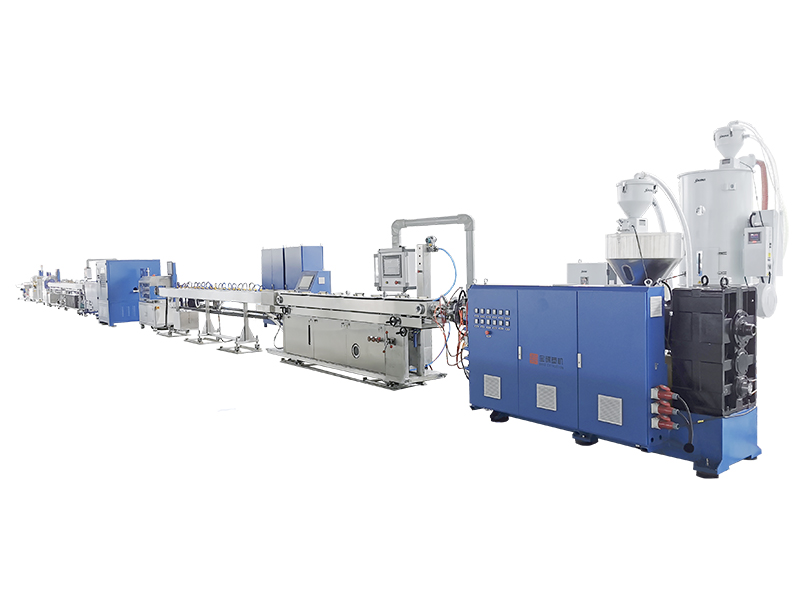
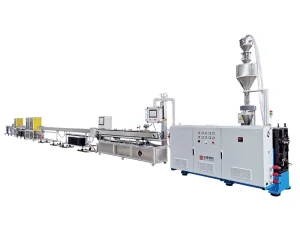
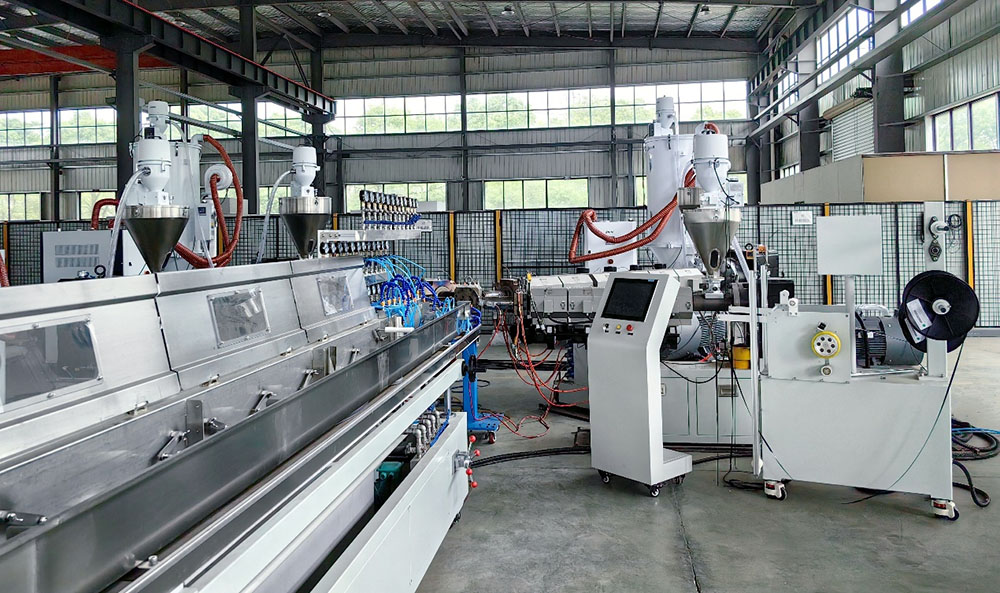
Precision Small Diameter Tube Extrusion

Custom Precision Small Diameter Tube/Pipe Extrusion Line

View Equipment Details
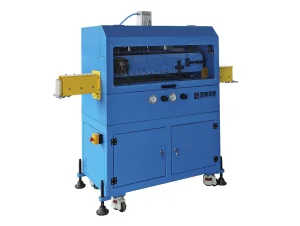
QYP Series Belt Puller

Custom QYP Series Belt Puller Factories

View Equipment Details
High Speed Corrugated Pipe Extrusion

China PA/PE/PP/PVC High Speed Single Wall Corrugated Pipe Extrusion Line

View Equipment Details
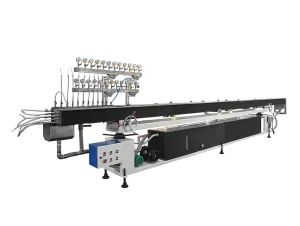
Vacuum Cooling Tank

China Vacuum Calibration Spraying Cooling Tank Factory

View Equipment Details
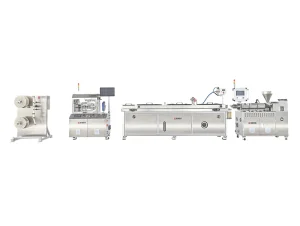
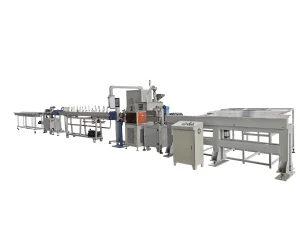
Precision Medical Tube Extrusion

China Precision Medical Tube Extrusion Line Manufacturer

View Equipment Details
Multi-Layer Hose Extrusion

China Multi-Layer PA Smooth / Corrugated Hose/ Tube Extrusion Line

View Equipment Details
Metal Pipe Coating Extrusion

Custom Metal Pipe Coating Extrusion Line Factory

View Equipment Details

Jiangsu Baodie Automation Equipment Co., Ltd. (BAOD EXTRUSION)

Founded in 2002, BAOD EXTRUSION is dedicated to designing, manufacturing, and distributing elite-tier plastic extrusion equipment. Integrating over 18 years of specialized engineering pedigree from our Taiwan parent company (KINGSWEL GROUP), we established our comprehensive manufacturing hub in Shanghai in 1999, subsequently expanding to our modern Jiangsu facility to better serve the escalating global demand for precision micro-tubing technology.

Long-Term Strategic Focus Areas:

  • Precision Extrusion Engineering: Developing close-tolerance calibration units targeting micro-dimension profiles.
  • High-Efficiency Output Systems: Maximizing linear production speeds without compromising dimensional stability.
  • Process Automation & Industry 4.0: Closed-loop control systems, automated haul-offs, and digital telemetry monitoring.
  • Advanced Operator Protection: Designing integrated physical and digital safety systems to guarantee zero-harm operations.
25+
Years of Manufacturing Experience
16,000 m²
Total Factory Area
100+
Expert Staff & Extrusion Specialists

Industry Whitepaper: The Strategic Evolution of 2mm Plastic Tubing Extrusion

A comprehensive technical analysis of material science, micro-scale calibration, global procurement logistics, and the impact of China's Industry 4.0 infrastructure on the high-precision polymer extrusion market.

1. The Micro-Scale Frontier: 2mm Plastic Tubing Dynamics

In the fields of modern industrial design and medical diagnostics, miniaturization is not merely a design preference—it is a critical operational paradigm. Within this architecture, 2mm plastic tubing (referring to outer diameter, or OD) serves as the primary fluidic and mechanical conduit across an extensive spectrum of applications. Reaching high-precision performance at an outer diameter of 2mm requires specialized manufacturing expertise. Standard extrusion methodologies suffer from high defect rates, melt instability, and dimensional drift when scaled down to micro-dimensions.

Precision micro-extrusion lines must account for complex polymer rheology. When materials such as Polyurethane (PU), Polyamide (PA/Nylon), Polyethylene (PE), or fluoropolymers are compressed and pushed through a sub-millimeter die clearance, they experience high levels of shear stress. Viscoelastic behavior, melt fracture, and die swell must be mitigated via advanced tool geometry and temperature-regulated melt delivery systems. As a leading manufacturer, BAOD EXTRUSION utilizes closed-loop feedback systems that integrate high-resolution laser diameter gauges directly with the main extruder screw speed and haul-off puller. This arrangement manages outer diameter tolerances within ±0.02mm, ensuring compatibility with push-in pneumatic fittings, medical catheters, and protective sheaths.

"The threshold of precision engineering in plastic tubing has shifted from the millimeter level to the micro-millimeter scale. At 2mm OD, a deviation of just 0.05mm translates to a 2.5% structural distortion, which can lead to pneumatic seal failures or catastrophic drop-offs in burst pressure limits."

2. Global Procurement Demands: What Strategic Buyers Seek

Procurement teams from sectors such as medical device manufacturing, automotive electronics, and precision instrumentation require consistent, certified performance when sourcing micro-tubing. User intent analysis highlights three primary technical challenges that global buyers prioritize during supplier vetting:

  • Concentricity and Wall Thickness Uniformity: An eccentric tube wall leads to localized structural weak spots. Under high pneumatic or hydraulic pressures, these thin sections act as failure initiation sites. Precision die-head tooling designs are required to maintain a concentricity index exceeding 95%.
  • Kink Resistance and Flexural Fatigue: Small-diameter lines are frequently routed through tight bends within confined equipment enclosures. Utilizing advanced thermoplastic elastomers (TPE/TPV) or specific polymer blends guarantees that the 2mm tubing will not collapse or restrict flow when bent at minimal radii.
  • Material Purity and Traceability: For medical, laboratory, and food-contact environments, materials must comply with strict international regulatory frameworks (FDA, RoHS, REACH, and USP Class VI). Sourcing from facilities that operate cleanroom extrusion zones and implement rigorous batch-testing protocols is essential for risk mitigation.

3. Material Performance Comparison for 2mm Configuration

To assist procurement engineers in selecting the optimal polymer matrix, the following data matrix outlines the primary physical properties of commonly specified materials in 2mm micro-configurations:

Polymer Type Common Trade Names Operating Temp Range Tensile Strength (MPa) Key Performance Attribute Primary Industrial Use Case
PU (Polyurethane) TPU, Elastollan -40°C to +80°C 35 - 50 Superb flexibility & abrasion resistance Robotic pneumatics, medical fluid delivery
PA12 (Nylon) Rilsan, Grilamid -40°C to +110°C 40 - 65 Chemical resistance & high pressure rating Automotive fuel lines, hydraulic control lines
LDPE (Polyethylene) Alkathene -50°C to +60°C 8 - 15 Low cost, chemically inert, non-toxic Water purification, laboratory sample lines
PTFE (Fluoropolymer) Teflon -200°C to +260°C 20 - 30 Extreme heat & universal chemical resistance Semiconductor processing, high-temp sensors

4. China's Industry 4.0: Supply Chain Resilience & Cost-Efficiency Advantages

The global manufacturing ecosystem has transitioned from simple cost-focused sourcing to a demand for supply chain resilience. Chinese manufacturing, driven by Industry 4.0 automation, represents a significant evolution in this space. BAOD EXTRUSION's 16,000 square meter facility in Jiangsu utilizes advanced automation to manage production costs, guarantee quality consistency, and reduce lead times.

Our Industry 4.0 framework integrates several key elements:

  • Digital Twin Extrusion Controls: Real-time simulation and adjustments of melt temperatures, cooling rates, and puller speeds through advanced PLC human-machine interfaces (HMI).
  • Automated Haul-Off Integration: Precision pullers, such as the TKB and QYP series, use servo-driven belts to eliminate speed fluctuations, ensuring stable extrusion sizing at speeds up to 100 meters per minute.
  • Smart Winding & Coiling: Fully automated SPS-Dh and traverse displacement spooling systems prevent micro-tubing deformation or flattening during high-speed take-up. This maintains circular geometry during storage and transport.

5. Specialized Applications: Localized Scenario Analysis

Modern micro-tubing must be tailored for specific industrial application scenarios:

Scenario A: Endovascular Medical Catheters. In medical environments, 2mm OD tubing often requires multi-lumen configurations, allowing multiple fluids or guide wires to pass through a single tube. This demands bio-compatible, high-precision extrusion machinery. Stainless-steel cooling baths and medical-grade cleanrooms prevent contaminant ingress, satisfying USP Class VI standards.

Scenario B: Advanced Automotive Fuel and Vapor Lines. Multi-layer extrusion technology is critical in automotive applications. Sourcing single-layer tubing often fails compliance tests for fuel vapor permeation. BAOD's multi-layer PA smooth and corrugated line combines up to five layers of different polymers (e.g., Nylon 12, EVOH barrier, and adhesive layers) into a 2mm composite wall. This structure prevents hydrocarbons from escaping while maintaining high structural flexibility.

Scenario C: Robotic Arm Pneumatics. In automated pick-and-place systems, 2mm PU tubing is bundled and routed through high-flex energy chains. The tubing must withstand millions of bending cycles without cracking. Achieving this level of reliability requires precise control over the polymer's crystalline structure during the rapid quenching phase inside vacuum calibration tanks.

6. Mitigating Procurement Risks: Quality Assurance Vetting

Global buyers can mitigate procurement risks by focusing on key indicators of manufacturer reliability:

  1. Extruder Screw L/D Ratio: Micro-extrusion requires optimal polymer homogenization. Look for single screw extruders with Length-to-Diameter (L/D) ratios of 28:1 to 30:1, which provide consistent melt quality.
  2. Vacuum Calibration System: A vacuum cooling tank is necessary to maintain the shape of 2mm tubing as it exits the die. Check that the manufacturer uses high-precision water temperature control systems (+/- 0.5°C) to prevent thermal stress deformation.
  3. Automated Winding Systems: Inconsistent tension during manual or semi-automated winding can stretch and deform 2mm tubing. Verified manufacturers utilize closed-loop torque tension controls to ensure uniform spooling.

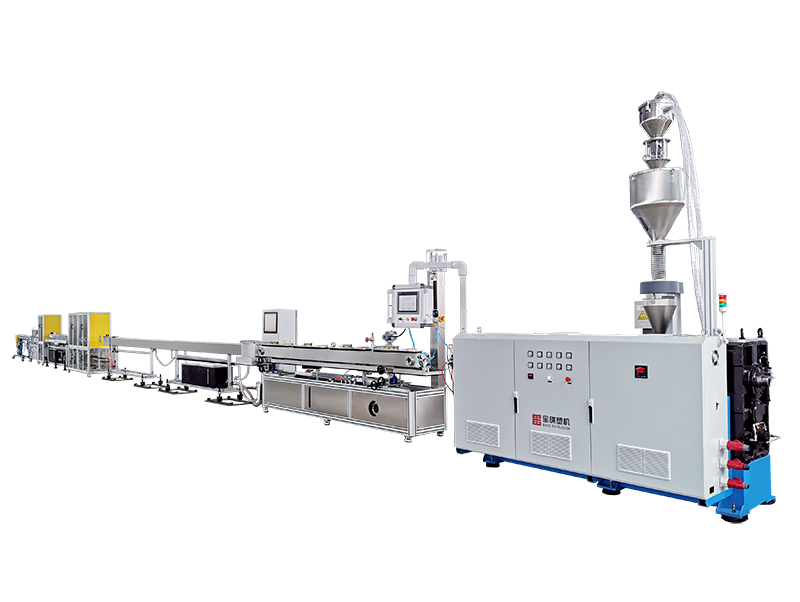
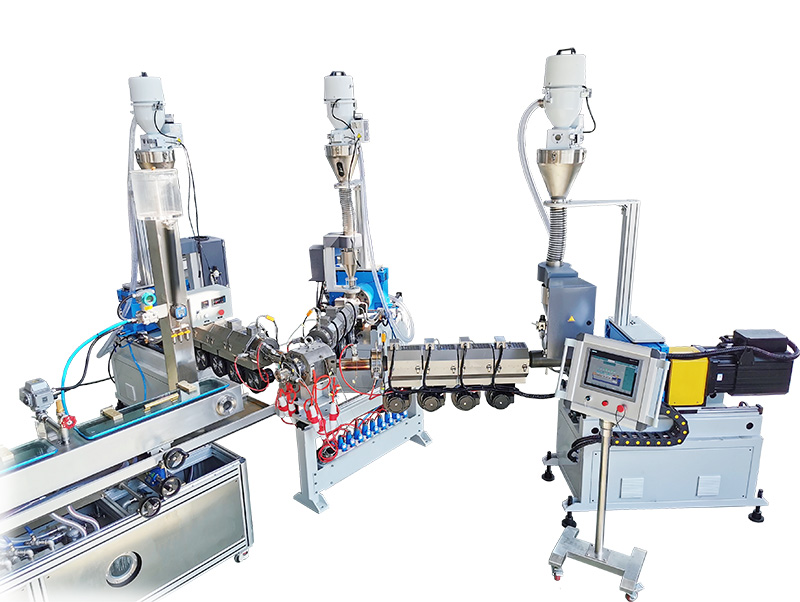
R&D Showcases & Advanced Equipment Architecture

A visual exploration of our core systems, extrusion components, and automated production machinery.
R&D Insights & Event Updates

Stay informed about our latest technological achievements, international trade show participations, and expert engineering whitepapers.
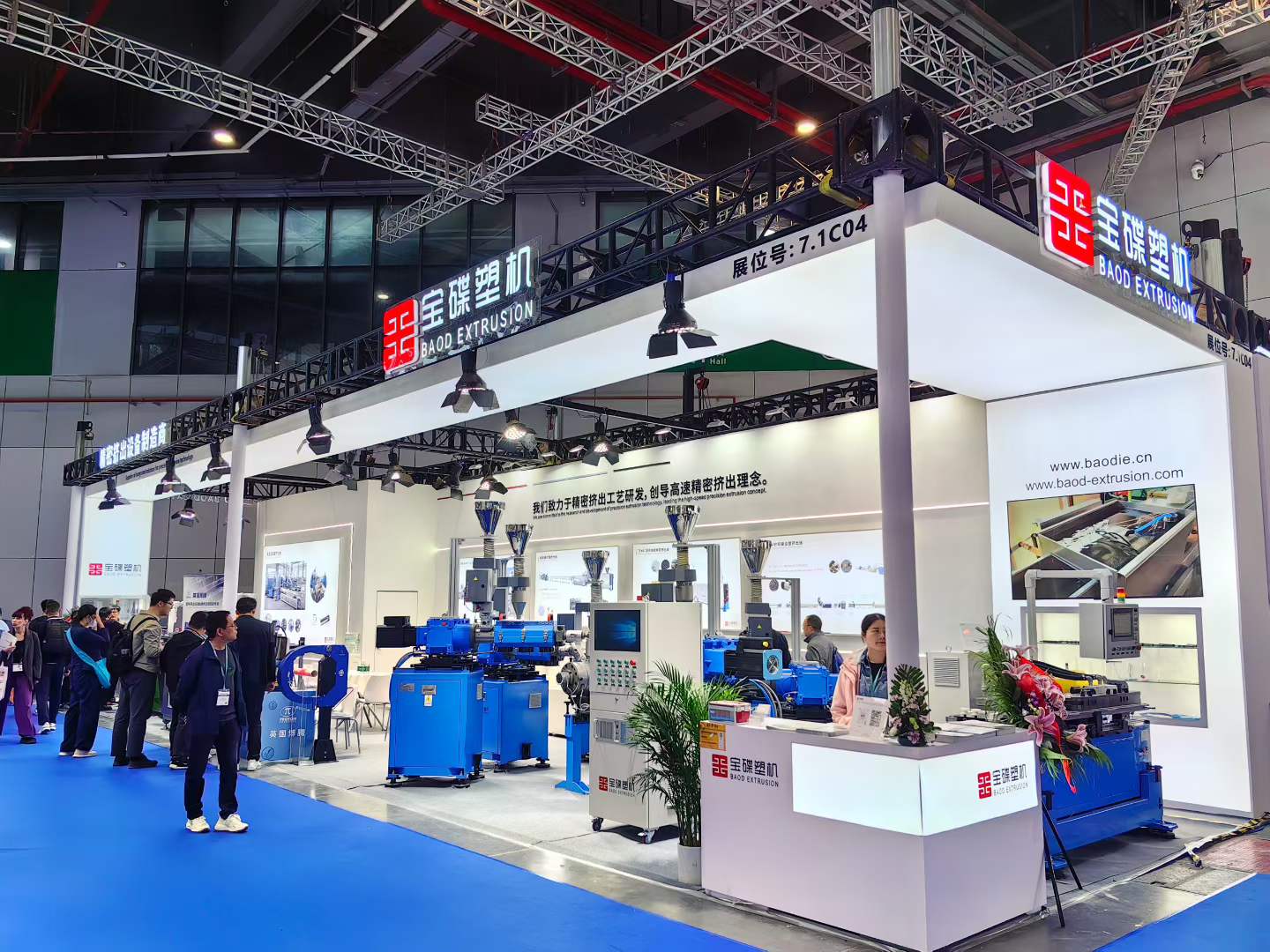
CHINAPLAS Exhibition
Apr/30/2026

CHINAPLAS 2026 Concludes Successfully, BAOD EXTRUSION Showcases High-Efficiency Innovation

From April 21–24, CHINAPLAS 2026 was successfully held at the National Exhibition and Convention Center (Shanghai, Hongqiao). BAOD EXTRUSION showcased its latest R&D achievements at Booth 7.1C04, presenting "Smart Extrusion & High-Efficiency Innovation" solutions...
Detonating Tube Extrusion
Mar/26/2026

Innovation and Reliability: BAOD EXTRUSION as Top 10 Customized Detonating Tube Extrusion Line Solution Provider

In the controlled environment of a modern industrial facility, a single, hair-thin plastic tube wound onto a reel might seem unremarkable to the untrained eye. However, in sectors ranging from mining and quarrying to large-scale infrastructure demolition, this tube—known...
Multi-Lumen Tube Extrusion
Mar/23/2026

High Precision Multi-Lumen Tube Extrusion Line In China vs European Manufacturing Standards

In the sterile, quiet environment of a modern medical facility, a clinician prepares a complex catheter for a critical procedure. This thin, flexible tube is far more than a simple conduit; internally, it is divided into several microscopic channels, or lumens, each desi...
Automotive Tube Extrusion Compliance
Mar/19/2026

How China Leading OEM Automotive Tube Extrusion Line Supplier BAOD Maintains International Manufacturing Compliance

How do the world's most reputable vehicle manufacturers ensure the absolute integrity of every fuel line, brake hose, and cooling pipe buried deep within a vehicle's chassis? Why has the shift toward electric and lightweight vehicles made the precision of these small-dia...
TPV PVC Sealing Strip Extrusion
Mar/17/2026

BAOD – Top Highly Automation TPV, PVC Automobile Sealing Strip Extrusion Line Supplier: Trends for 2026

As the twilight sun reflects off the sleek, aerodynamic curves of a modern electric vehicle parked in a bustling metropolitan street, few observers notice the quiet, critical components ensuring the cabin remains a sanctuary of silence and temperature control. Behind the...

Expert FAQ: Technical Considerations for Sourcing 2mm Plastic Tubing

Technical guidance from our senior engineering team to help resolve common micro-tubing design and procurement queries.

What are the achievable dimensional tolerances for 2mm plastic tubing?
For standard grades, we achieve outer and inner diameter tolerances of ±0.05mm. For critical medical-grade or automotive control lines, our precision closed-loop laser systems hold tolerances within ±0.02mm. Sizing stability depends on raw material uniformity and precise control of vacuum cooling calibration.
How do you prevent 2mm tubing from collapsing during the cooling and pulling stages?
We use high-precision vacuum calibration tanks. Inside the tank, a stable vacuum environment holds the hot polymer melt against a sized calibration sleeve. This counteracts external atmospheric pressure and maintains the pipe's profile until the plastic solidifies.
Can BAOD customize multi-layer co-extrusion for 2mm configurations?
Yes. Our multi-layer co-extrusion technology produces multi-layer (typically 3 to 5 layers) micro-tubing. This combines materials like Nylon 12 and EVOH to create permeation-resistant barriers suitable for automotive fuel and chemical lines.
What materials are recommended for flexible, kink-resistant pneumatic lines?
Polyurethane (PU) is the standard selection for flexible pneumatic lines due to its elastic recovery, high flexural fatigue life, and wear resistance. Thermoplastic Vulcanizates (TPV) are also specified for higher-temperature environments.
How is product winding managed to protect 2mm tubing from crushing?
We use our SPS-Dh auto-precision winding coilers. These systems feature closed-loop tension control to prevent excessive winding force, avoiding flat spots or ovality in thin-walled 2mm tubing.
Do your extrusion lines comply with international safety and electrical codes?
All BAOD machinery is built to CE and UL standards. Our control cabinets use high-quality components from international brands like Siemens and ABB to ensure global operational safety compliance.
What is the typical manufacturing lead time for customized micro-extrusion lines?
Standard systems typically require 45 to 60 days. Highly customized systems (such as medical-grade multi-lumen co-extrusion lines or multi-layer configuration setups) take 75 to 90 days, which covers comprehensive factory testing prior to shipment.

Precision Extrusion Control & Downstream Auxiliary Systems

Complete your production configuration with our high-speed pullers, computerized winding systems, profile extruders, and flying saw cutting tools.
Automobile Profile Extrusion

Custom ABS, PP, PVC Automobile Profile Extrusion Line

View Equipment Details
Precision Profile Extrusion

Custom Precision Profile Extrusion Line Manufacturers

View Equipment Details
TKB Series High Speed Belt Puller

Custom TKB Series Precision High Speed Belt Puller

View Equipment Details
Coiling Machine Manufacturer

Custom Precise Traverse Displacement Auto-Spool Changing Coiling Machine

View Equipment Details
Auto Precision Winding Coiler

China SPS-Dh Auto Precision Winding Displacement Coiler

View Equipment Details
Vacuum Calibration Cooling Table

Custom Vacuum Calibration Cooling Table Factory

View Equipment Details
PU Precision Tube Extrusion

China PU (Polyurethane) Precision Tube Extrusion Line

View Equipment Details
SC Series Saw Blade Cutter

Custom SC Series Follow-Up Saw Blade Cutter Factory

View Equipment Details