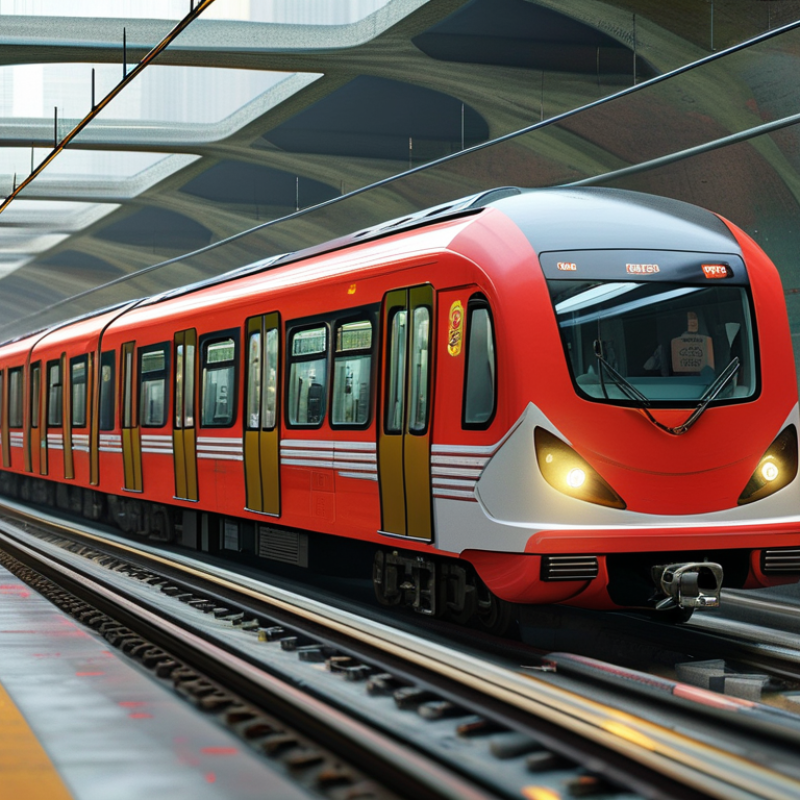
In the evolving landscape of transportation, the Tube Line industry plays a critical role for global buyers. Experts like Simon Wilkins, a recognized authority in public transport innovation, has stated, "Choosing the right Tube Line option can transform urban mobility." His insights emphasize the significance of selecting appropriate Tube Lines, especially for urban buyers seeking efficiency and sustainability.
Navigating through the various Tube Line options involves understanding distinct features and functionalities. Buyers must consider factors like capacity, energy efficiency, and operational reliability. Each Tube Line offers unique advantages and may cater to specific urban layouts. However, not every option is perfect. Some may lack interoperability with existing systems, leading to potential integration challenges.
It’s essential for buyers to conduct due diligence. Researching user experiences can uncover unforeseen drawbacks. With the right information, stakeholders can make informed decisions, significantly enhancing their urban transport networks. Prioritizing quality and performance is vital in this competitive global market.
When exploring tube line options for global buyers, several key factors come into play. Understanding these elements can significantly impact your decision. Economic considerations are vital, as they encompass budget constraints and potential return on investment. In addition, local market trends should be assessed. Research indicates that demand fluctuates based on location and region. Ignoring these trends can lead to poor decisions.
Another important factor is customer preference. Global buyers must recognize varied tastes and needs across demographics. Engaging with local experts can provide invaluable insights into consumer behavior. However, one must realize that not all advice is applicable. Some regional biases may not reflect the broader market.
Logistics also play a critical role in tube line selection. Consider the practicality of supply chains and delivery systems. A reliable transportation network enhances efficiency. Yet, this often requires continuous evaluation. Not all options will fit perfectly into existing frameworks. Flexibility and adaptability should be key components of any strategy.
| Tube Line Option | Material | Diameter (mm) | Weight (kg/m) | Cost ($/m) | Applications |
|---|---|---|---|---|---|
| Option 1 | Steel | 50 | 3.5 | 15 | Construction, Engineering |
| Option 2 | Aluminum | 40 | 2.5 | 20 | Automotive, Aerospace |
| Option 3 | PVC | 30 | 1.0 | 5 | Water Supply, HVAC |
| Option 4 | Copper | 25 | 3.0 | 30 | Electrical, Plumbing |
| Option 5 | Carbon Steel | 60 | 4.0 | 25 | Industrial, Oil & Gas |
| Option 6 | Fiberglass | 50 | 2.0 | 35 | Chemical, Marine |
| Option 7 | Stainless Steel | 45 | 3.2 | 40 | Food & Beverage, Pharmaceutical |
| Option 8 | Composite | 35 | 2.8 | 45 | Aerospace, Sporting Goods |
| Option 9 | Brass | 20 | 2.3 | 50 | Musical Instruments, Decorative |
| Option 10 | Titanium | 15 | 1.8 | 100 | Medical, Aerospace |
: Buyers need to assess budget constraints and potential returns. Local market trends should also be evaluated.
Different demographics have varied tastes and needs. Engaging local experts can provide valuable insights.
A reliable transportation network enhances efficiency. Buyers must continuously evaluate logistics for better fit.
Asia-Pacific, Europe, and North America show significant growth, especially in aerospace and automotive sectors.
Nearly 40% of European buyers prioritize environmentally friendly materials. This impacts their tube line choices.
Fluctuating prices can cause production challenges. Buyers must be aware of these fluctuations to make informed decisions.
Tensile strength is vital, typically ranging from 200 to 600 MPa. Durability and corrosion resistance are also significant.
Over 60% of manufacturers prefer adaptable options. This is essential for meeting specific project needs.
Flow characteristics and bending resistance are important. Optimized internal profiles can reduce friction losses significantly.
Inconsistent quality can lead to safety risks. Buyers must conduct thorough testing to ensure reliability.
The article "Top 10 Tube Line Options for Global Buyers to Consider" provides a comprehensive overview of the essential factors global buyers should consider when selecting tube lines. It begins with an analysis of market demand across various regions, highlighting how the needs and preferences of consumers vary globally. The article delves into the technical specifications and performance metrics of leading tube lines, ensuring that potential buyers are informed of the capabilities that different options offer.
Furthermore, a cost-benefit comparison is presented, allowing consumers to weigh the financial implications of each tube line choice against its features and performance. Finally, the article discusses future trends in tube line development, emphasizing the importance of sustainability and environmental considerations in the evolving market. This insight equips buyers with the knowledge to make informed decisions in their tube line purchases.

 Baodie